What You Are Seeing
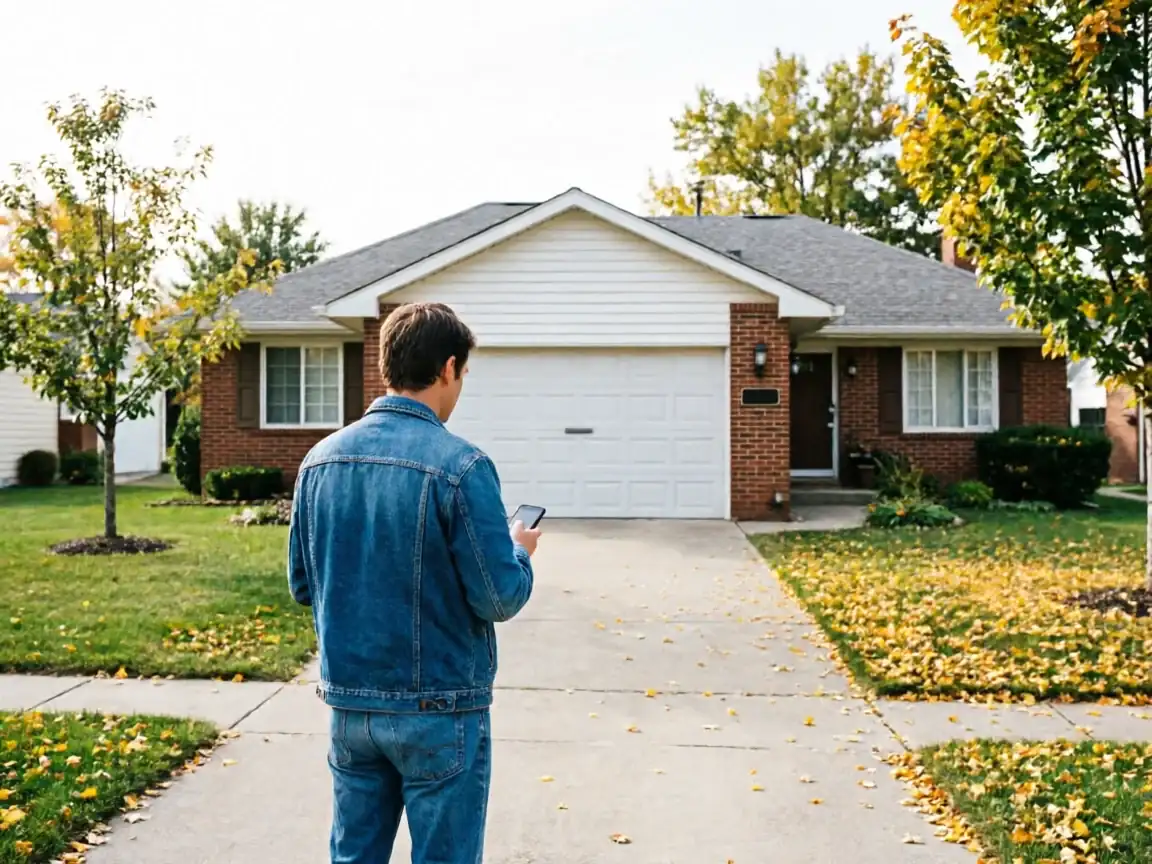
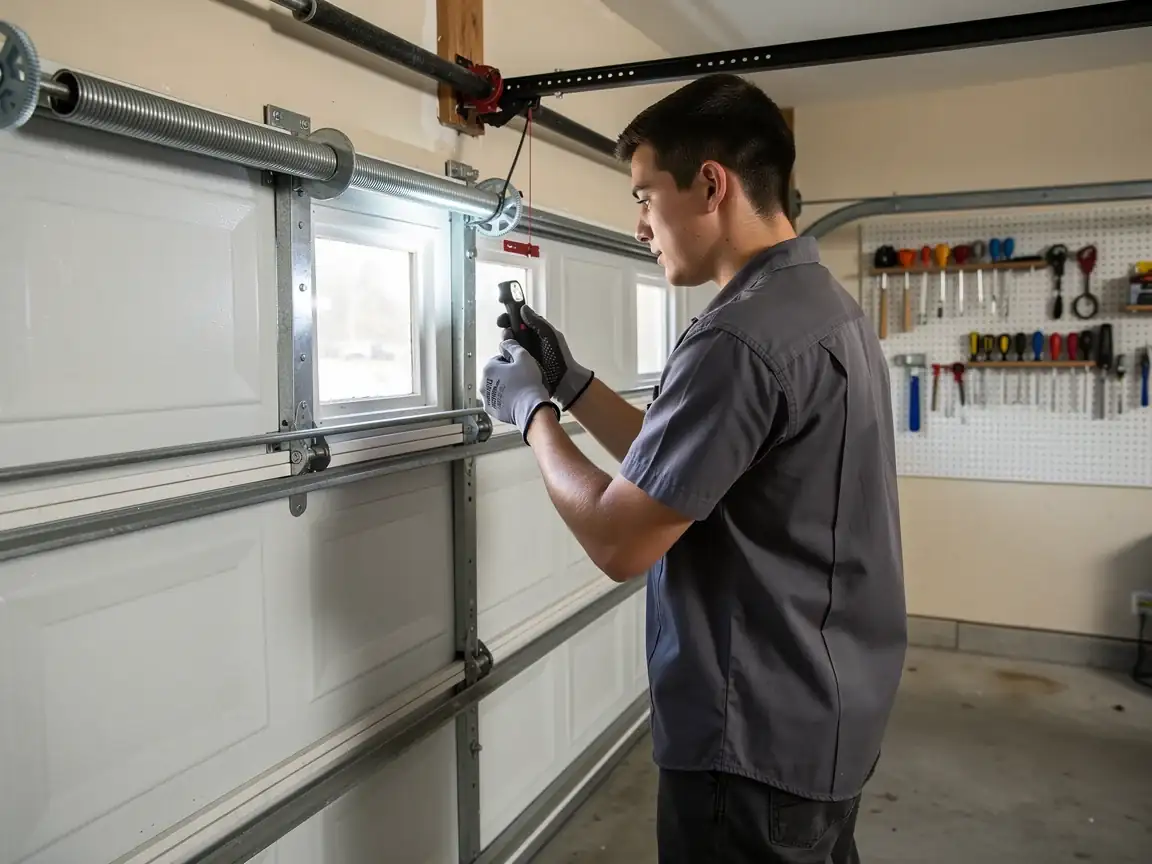
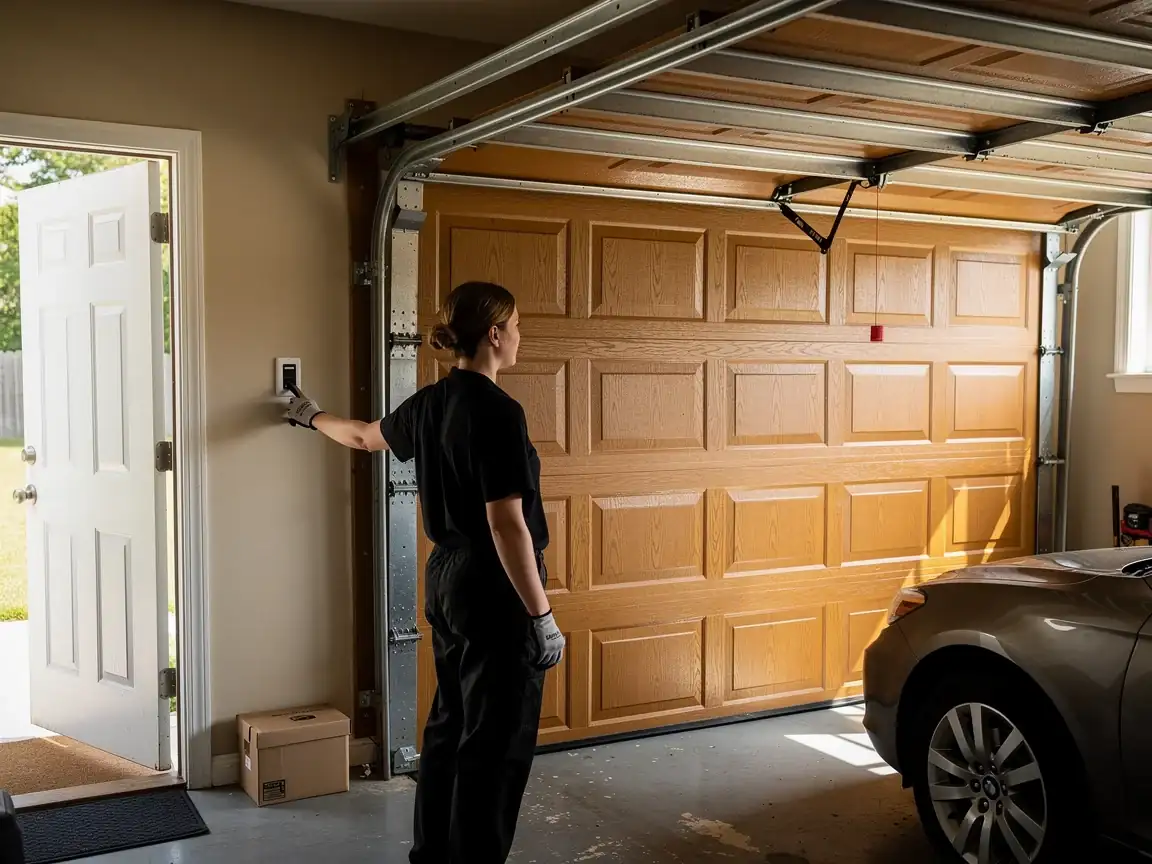
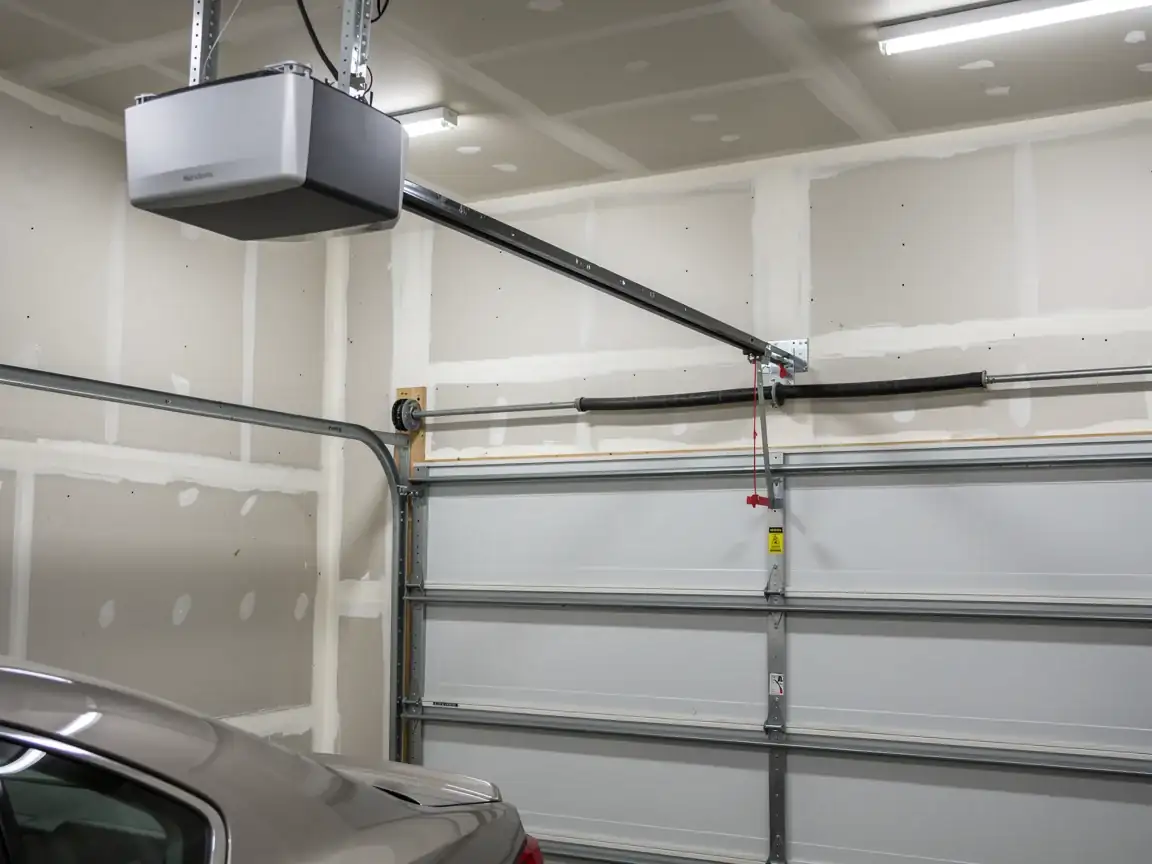
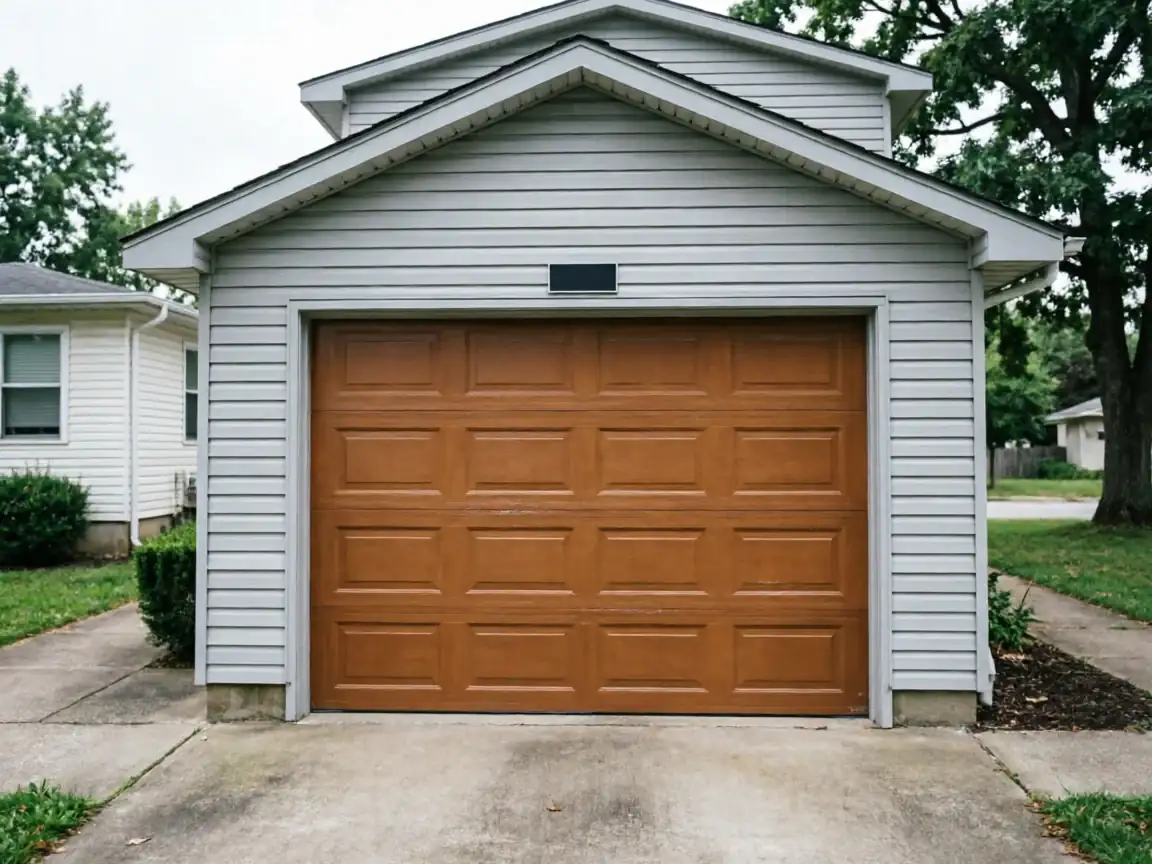
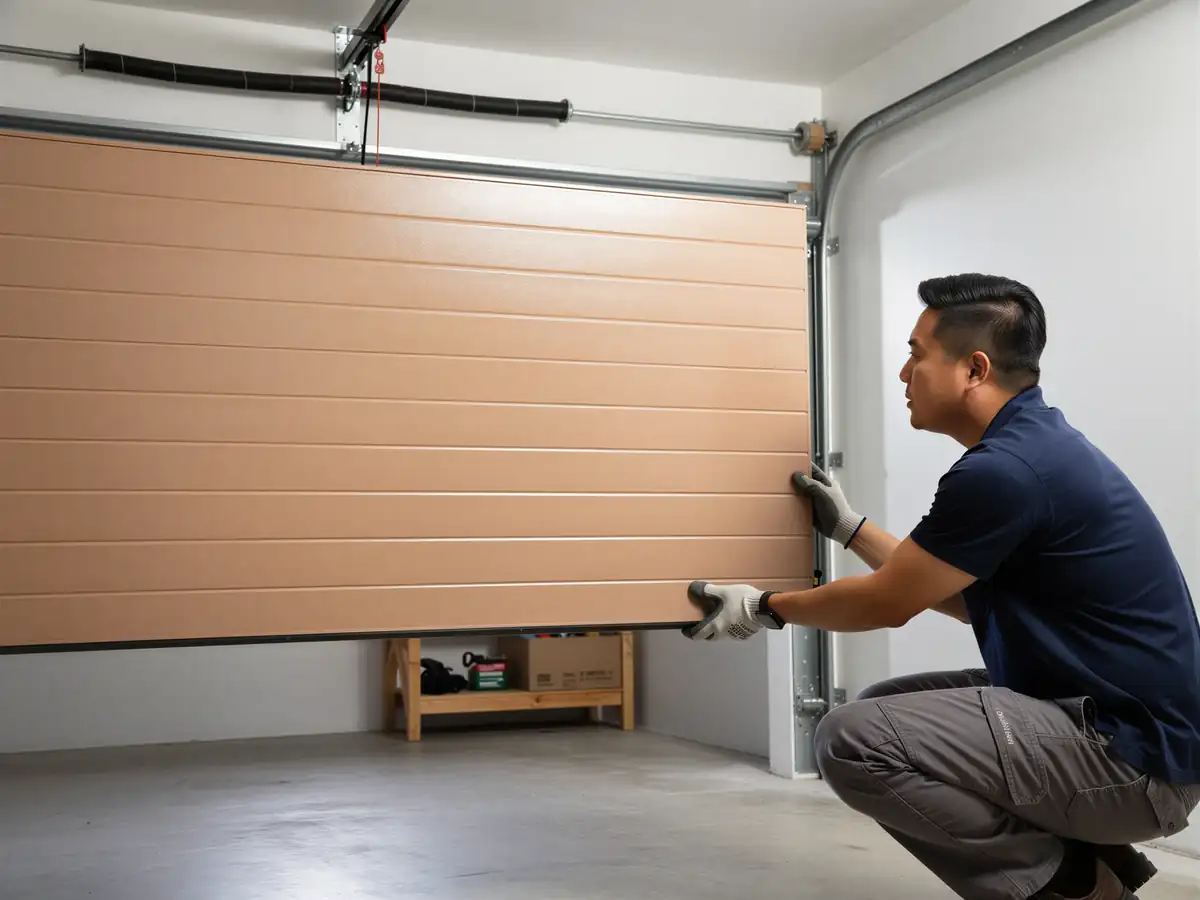
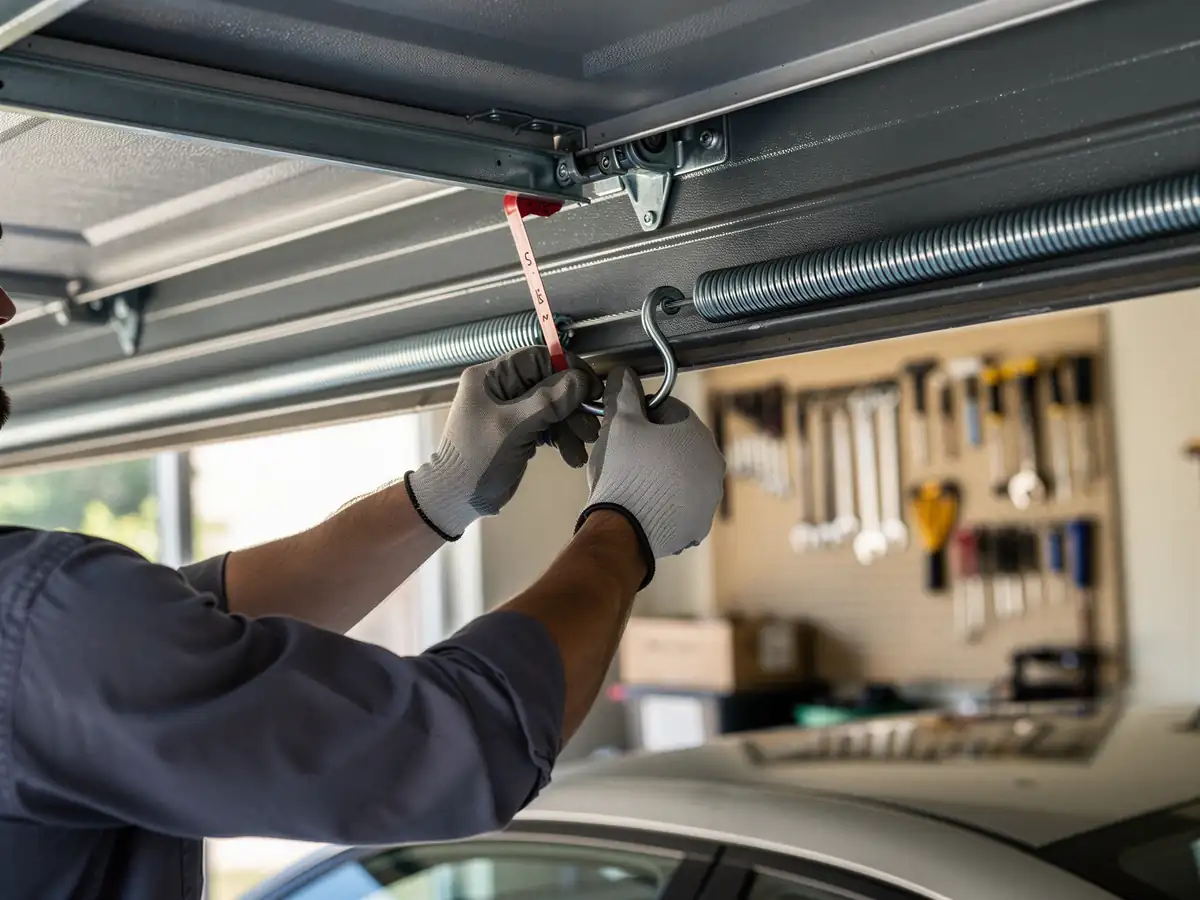
A garage door that won't lift, or lifts a few inches and stops, almost always means a broken torsion spring - the coiled spring above the door doing the lifting work, not the opener. You'll usually see a gap in the spring itself if you look up at the header, or hear a bang at some point before it happened. In Shorewood, the pattern we see is springs failing on schedule rather than rusting out early. The area's housing stock is newer than a lot of what we work on elsewhere in the territory - median build year 2001 here, well past the 1958-2004 range that covers the wider service area with a median closer to 1991. That means original torsion springs from a 2001 build are now around twenty years into a part rated for roughly ten thousand cycles, and they're reaching the end of that life at the same time across a lot of driveways at once. It's a wear failure, not a weather failure, and it's predictable once you know the build year.
The DIY Question
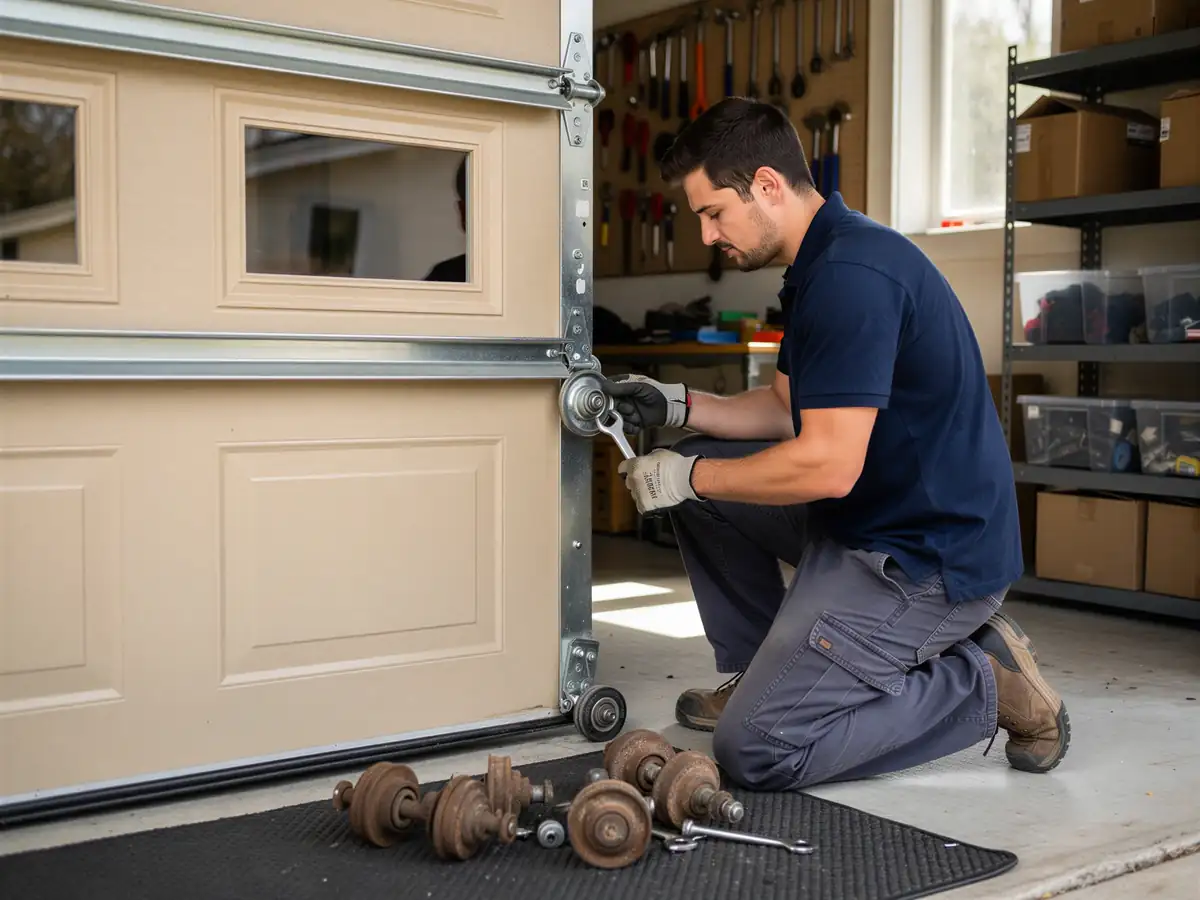
We'll say it straight: don't do this one yourself. A torsion spring is wound under several hundred pounds of tension, and the winding bars and cone hardware that control it aren't optional tools, they're what keeps the spring from turning into a projectile. This is the one repair on a garage door where the injury reports are real and common, not theoretical. If you're comfortable with a screwdriver and a ladder, fine - but a torsion spring job calls for the right bars, the right cones, and knowing the wind count for the door's weight and spring size. If your door has an extension spring setup instead (stretched spring along the horizontal track, less common on homes built after the 1990s but possible on an older outbuilding or detached garage), that's a different and somewhat less dangerous repair, but we'd still rather look at it first.
How We Fix It
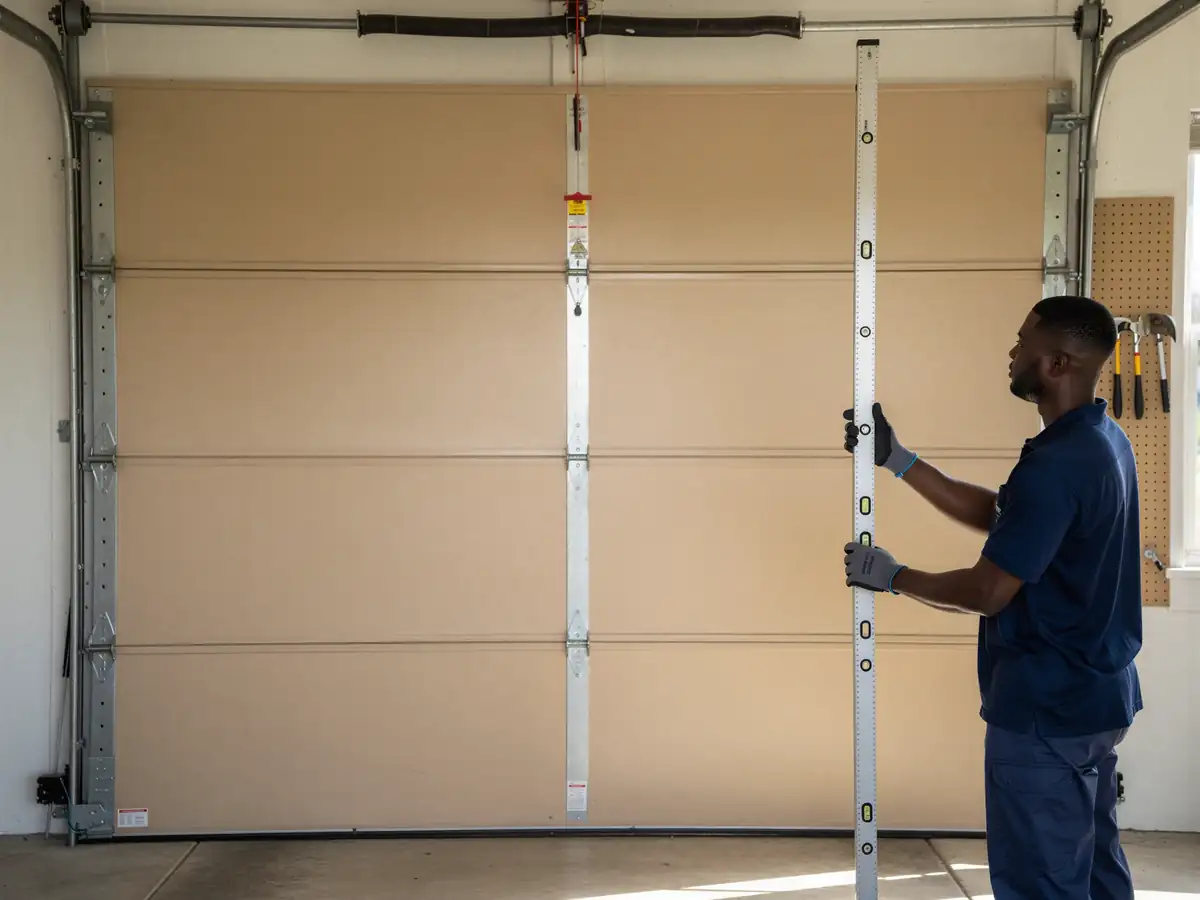
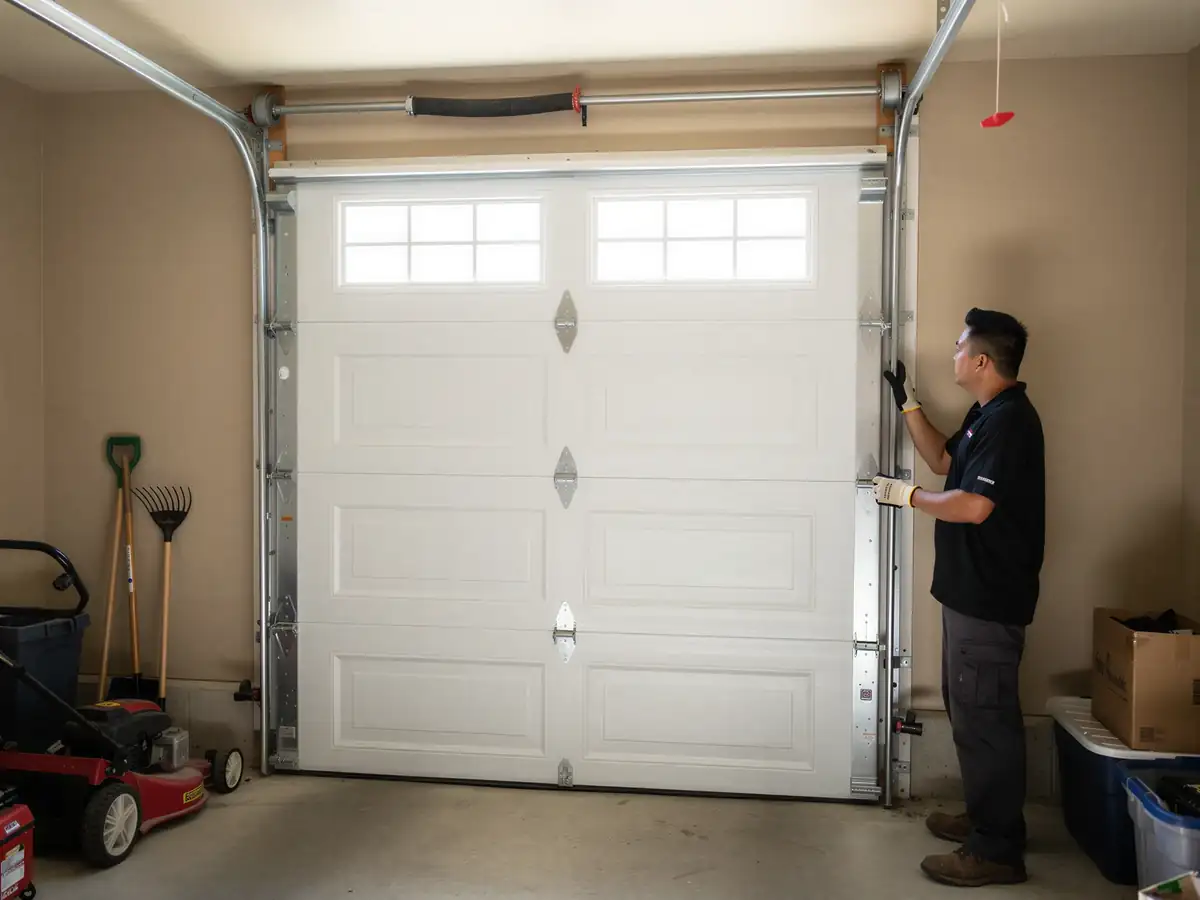
We come out from Joliet, about 3 miles to Shorewood, with torsion springs sized for standard double and single door weights on hand, since that covers most of what this area's housing stock needs. We measure the door's wire size, coil diameter, and wind direction against what's currently installed rather than guessing off the house's age alone - two houses built the same year can still have different spring specs depending on door weight and insulation. If the door has two springs and one has failed, we replace both as a pair; running a new spring against a twenty-year-old one on the other side just moves the next failure a few months down the road instead of solving it. We also check the cables and bottom brackets while the door's unloaded, since that's the cheapest time to catch a fraying cable before it becomes its own emergency call.
What Causes It Around Here
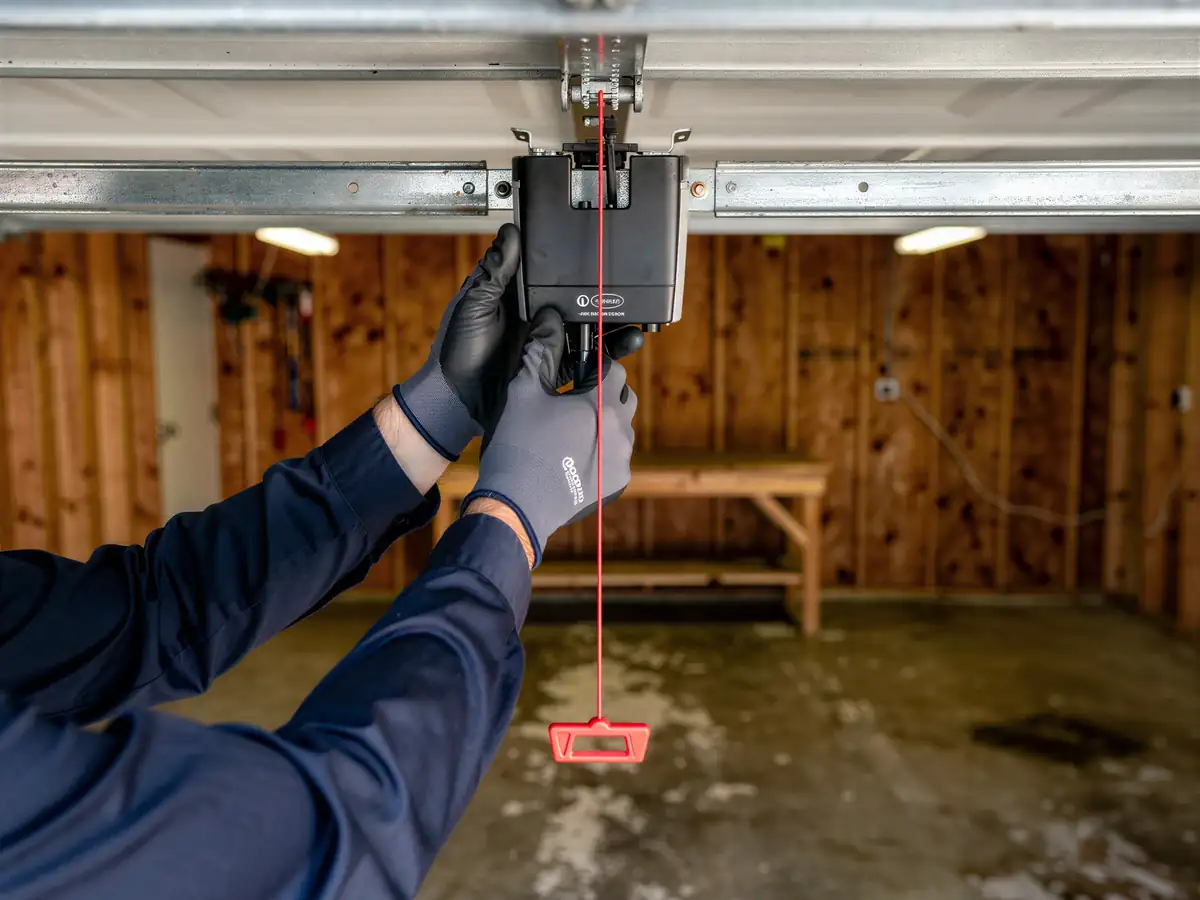
Climate plays a smaller role here than build year does, but it's not nothing - this is a cold-moderate climate band, and the swing between a humid summer and a dry, cold winter does add stress to a spring's coating and metal fatigue over the years, the same way it does to any mechanical part left outside eight months of the year. But the bigger factor for Shorewood specifically is simply that most of the neighborhood went up in the same roughly ten-year window around the turn of the century, which means a lot of original hardware aging out together now. Income and household size don't change the mechanics of a coil spring, but they do shape what we see on the repair-versus-replace call: with median household income here at $122,648, more owners choose to pair a spring repair with an opener upgrade or weatherseal replacement at the same visit rather than waiting for the next part to fail separately.