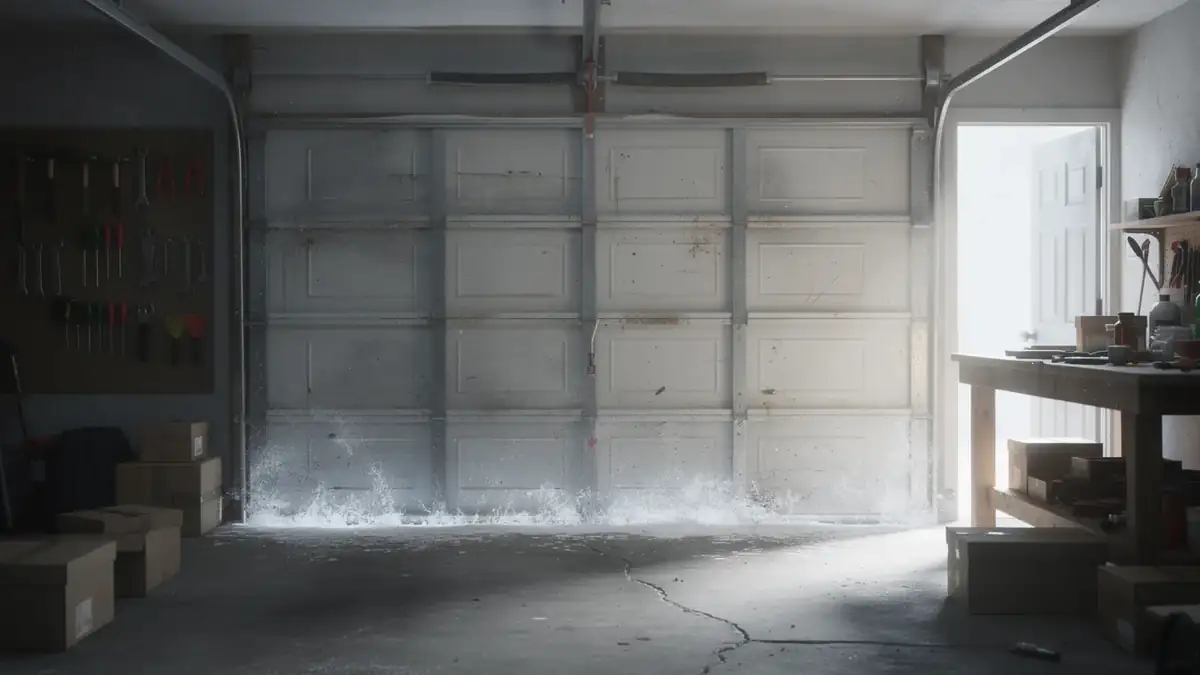
What Is Going On
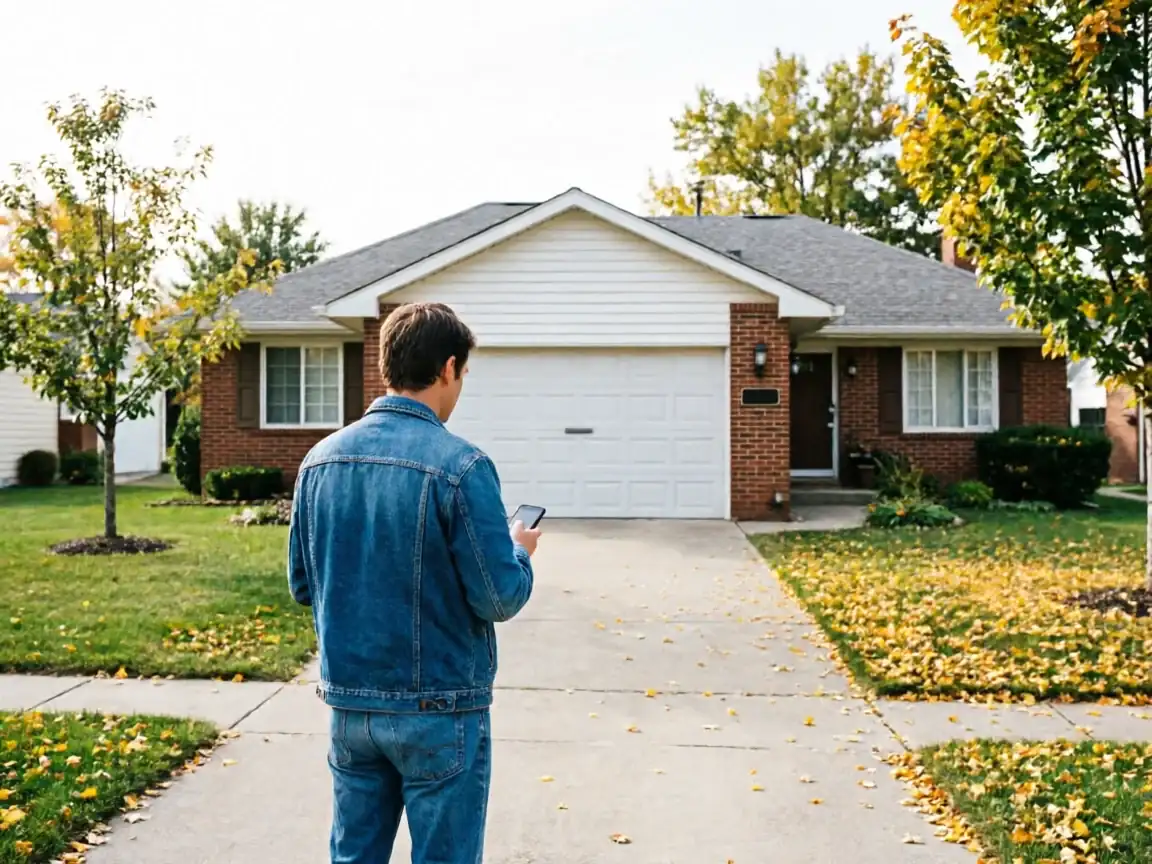
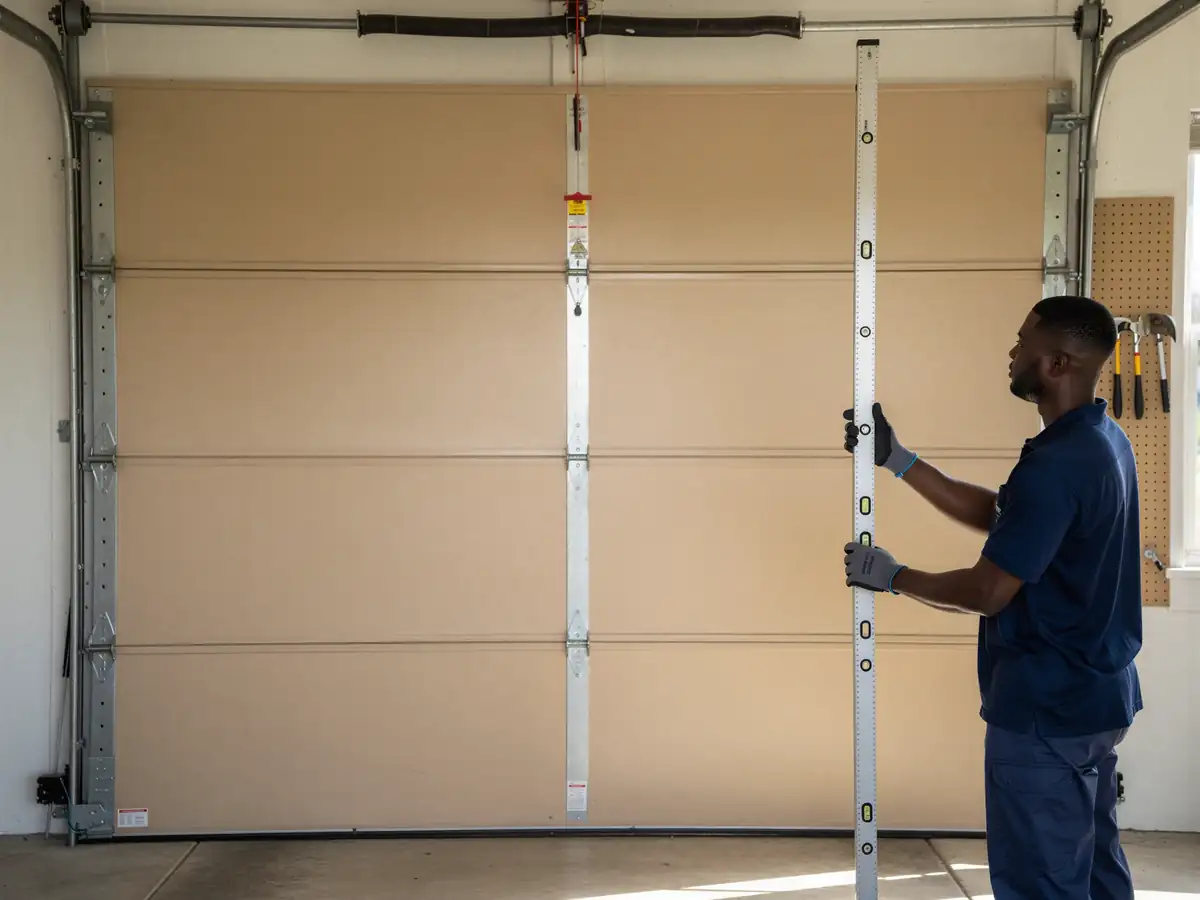
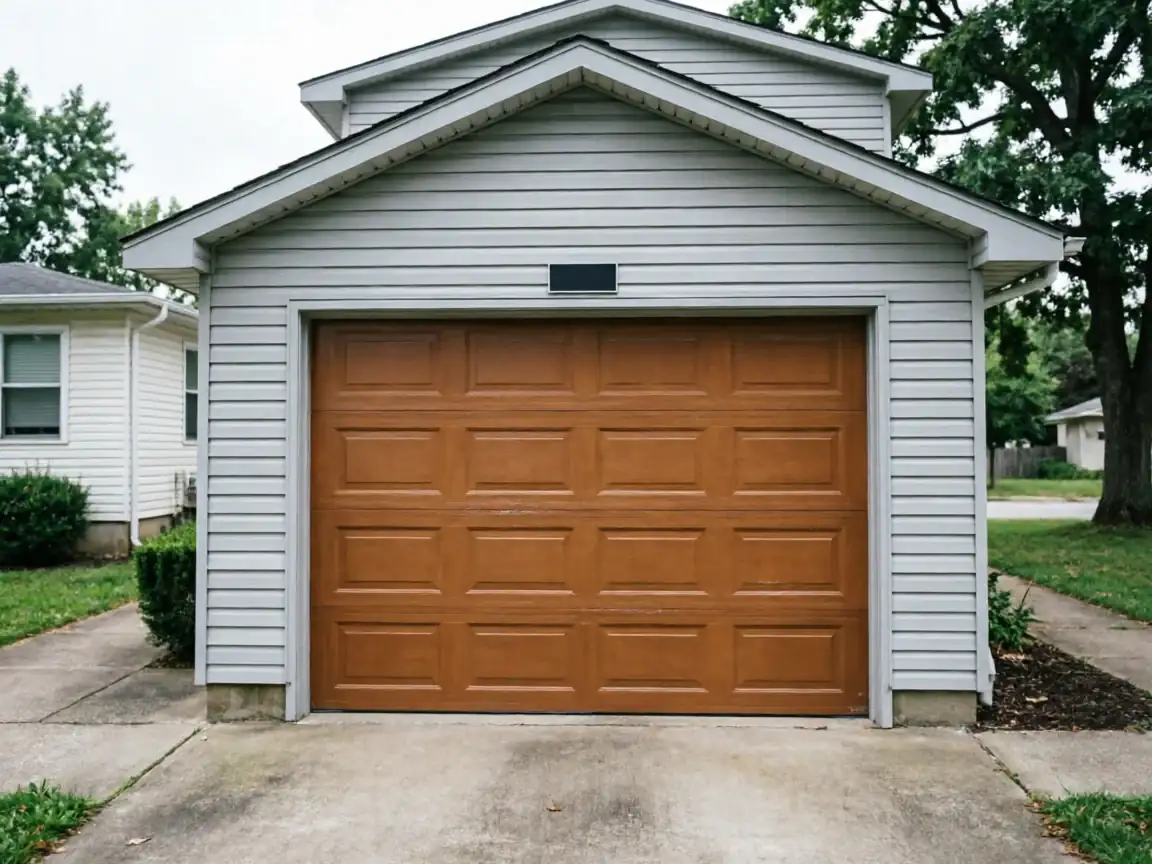
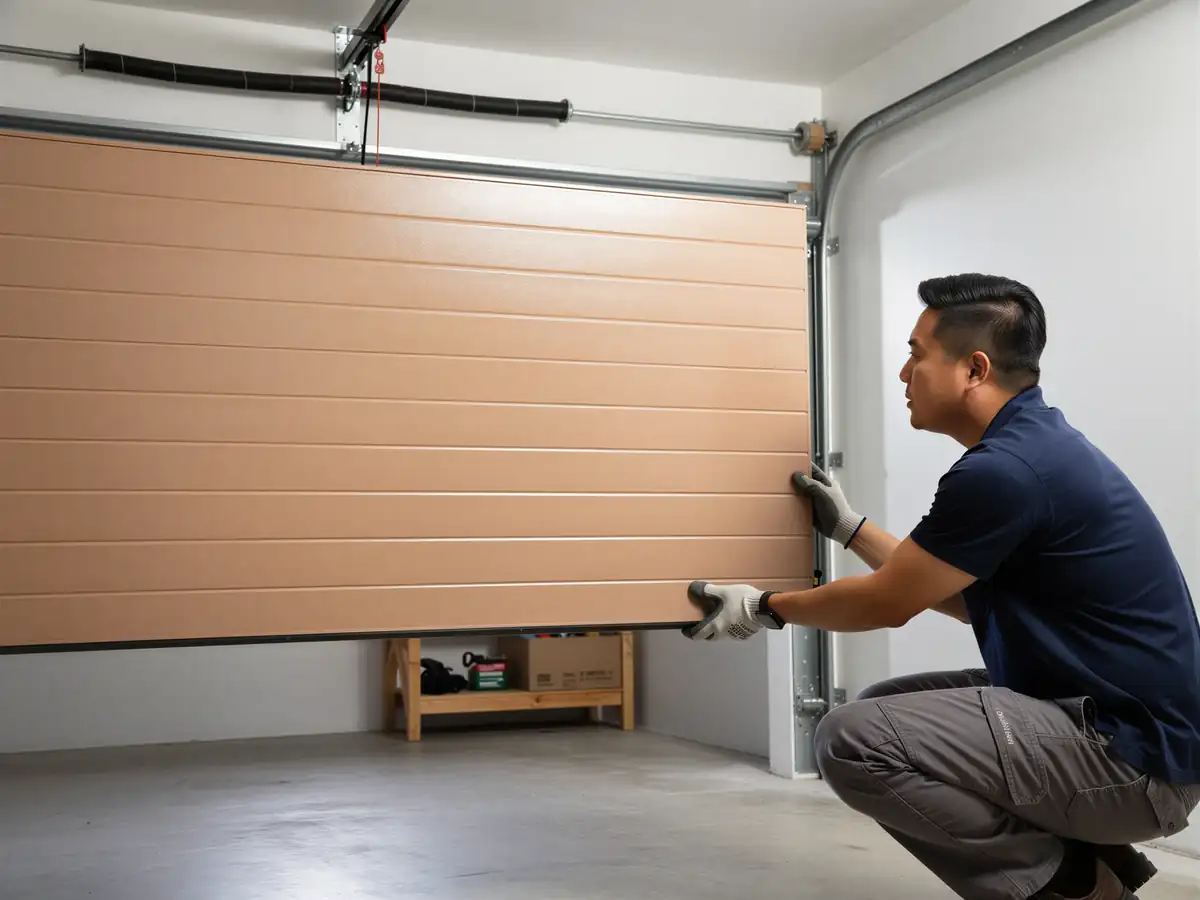
Most of the houses we get called to in Joliet went up somewhere between 1958 and 2004, with the median build year sitting around 1991. That matters more than people think, because garage door insulation standards and common steel gauges changed a lot over that stretch. A door installed on a house built in the early 1990s is often a single-layer steel panel with no foam core at all, hung on hardware that was fine for the era but was never rated for the kind of temperature swing we actually get. Across the 28 named areas we work in, the stock is heavy on that 1980s-90s build, which means a lot of garages are attached to the house with a door that's doing almost nothing to separate the two spaces. We see it as rust creeping in at the bottom panel seam, as hinges that have worked loose from decades of thermal expansion and contraction, and as weatherstripping that was replaced once, badly, and never again. None of this is dramatic. It's just a door built to a 1990s-era baseline, still working, slowly working worse. The fix usually isn't failure, it's a door that one day just does not come down square, or an opener straining against a track that's shifted a quarter inch over thirty years.
When to Get Help
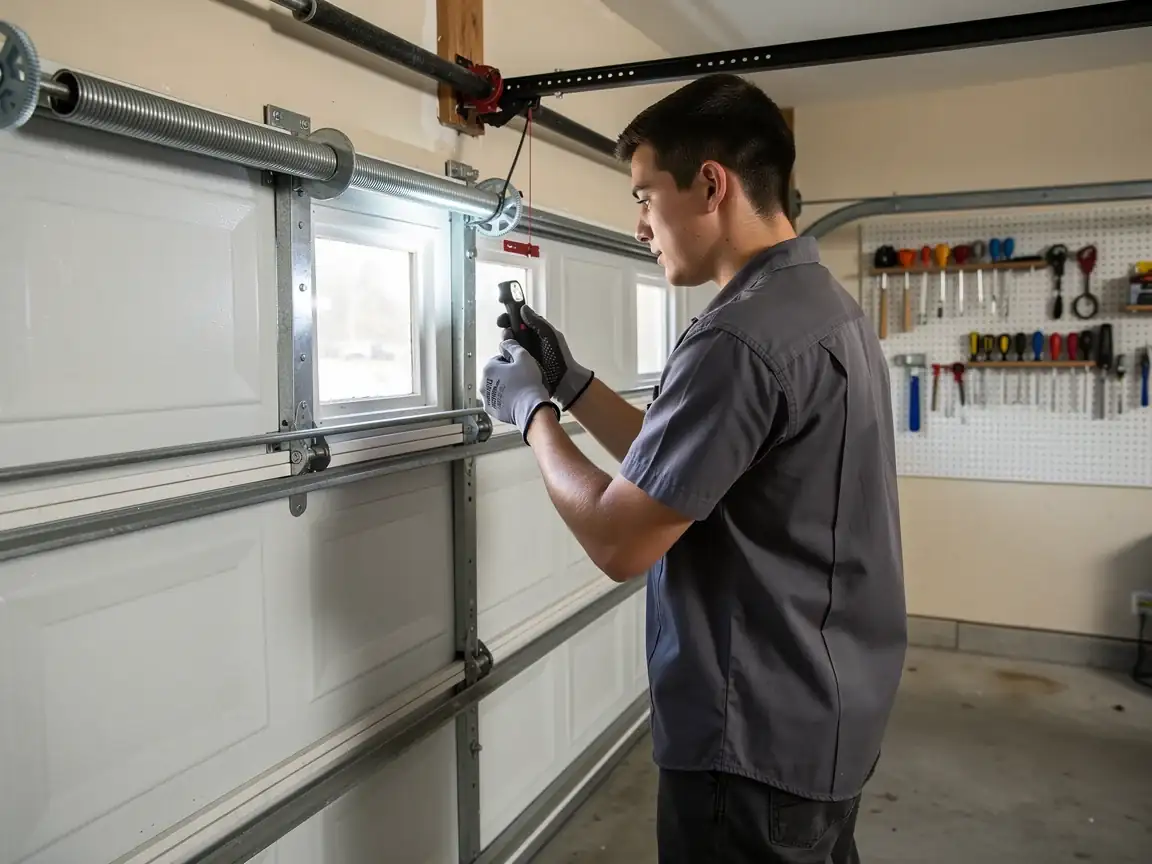
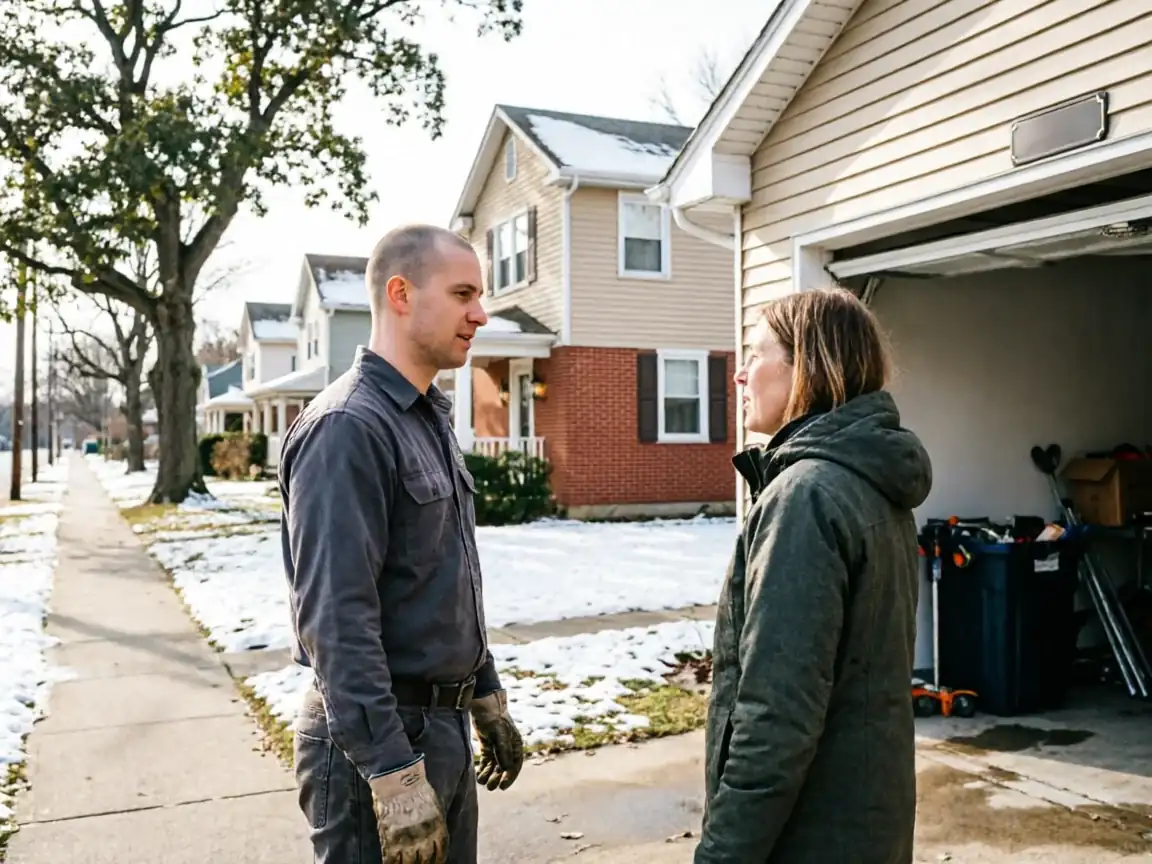
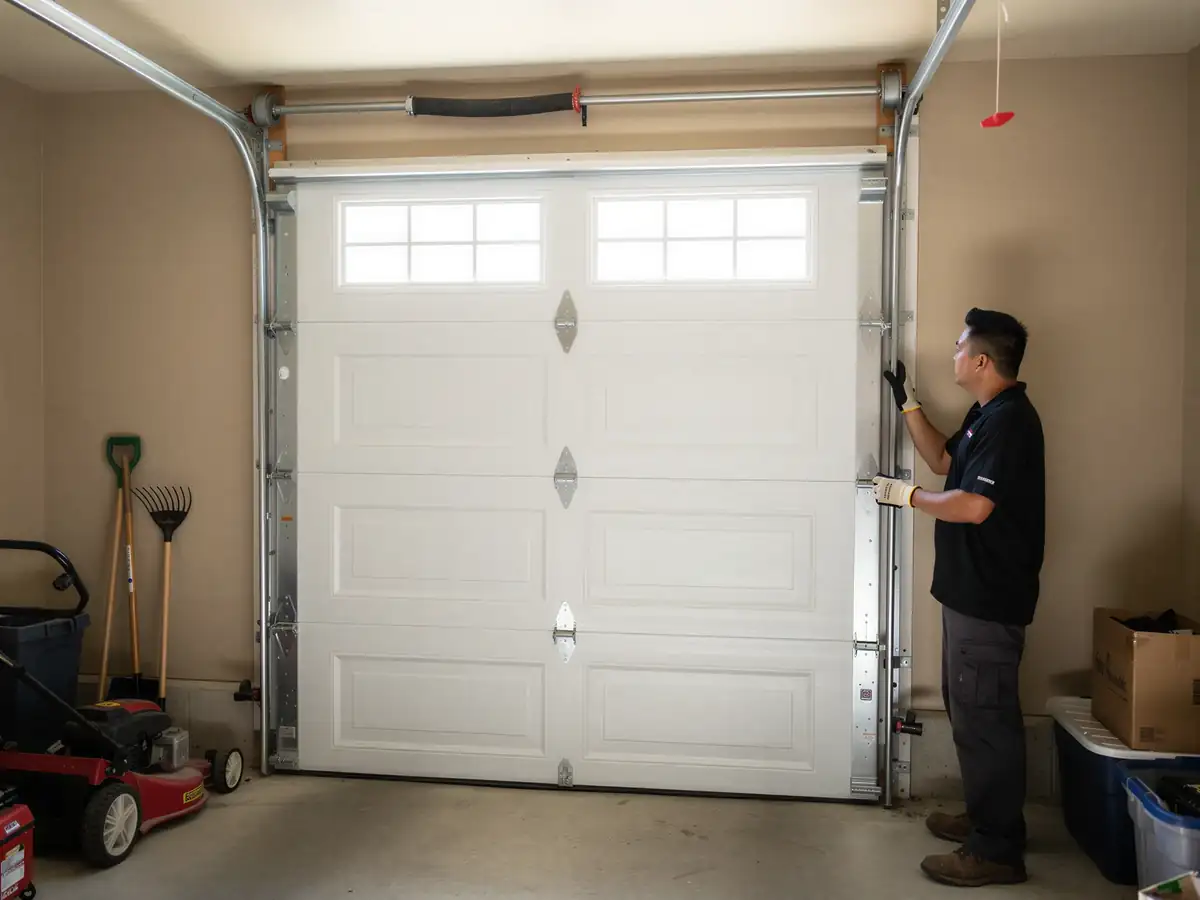
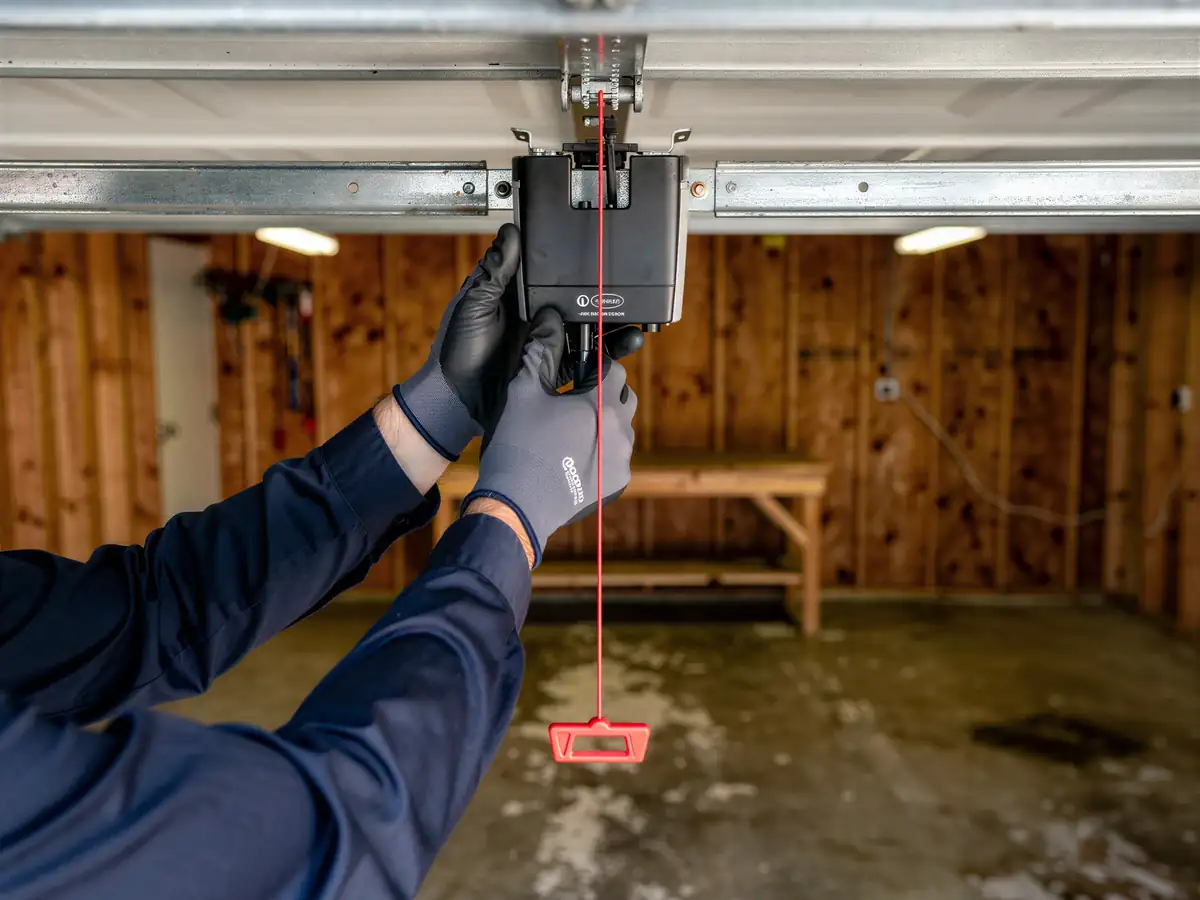
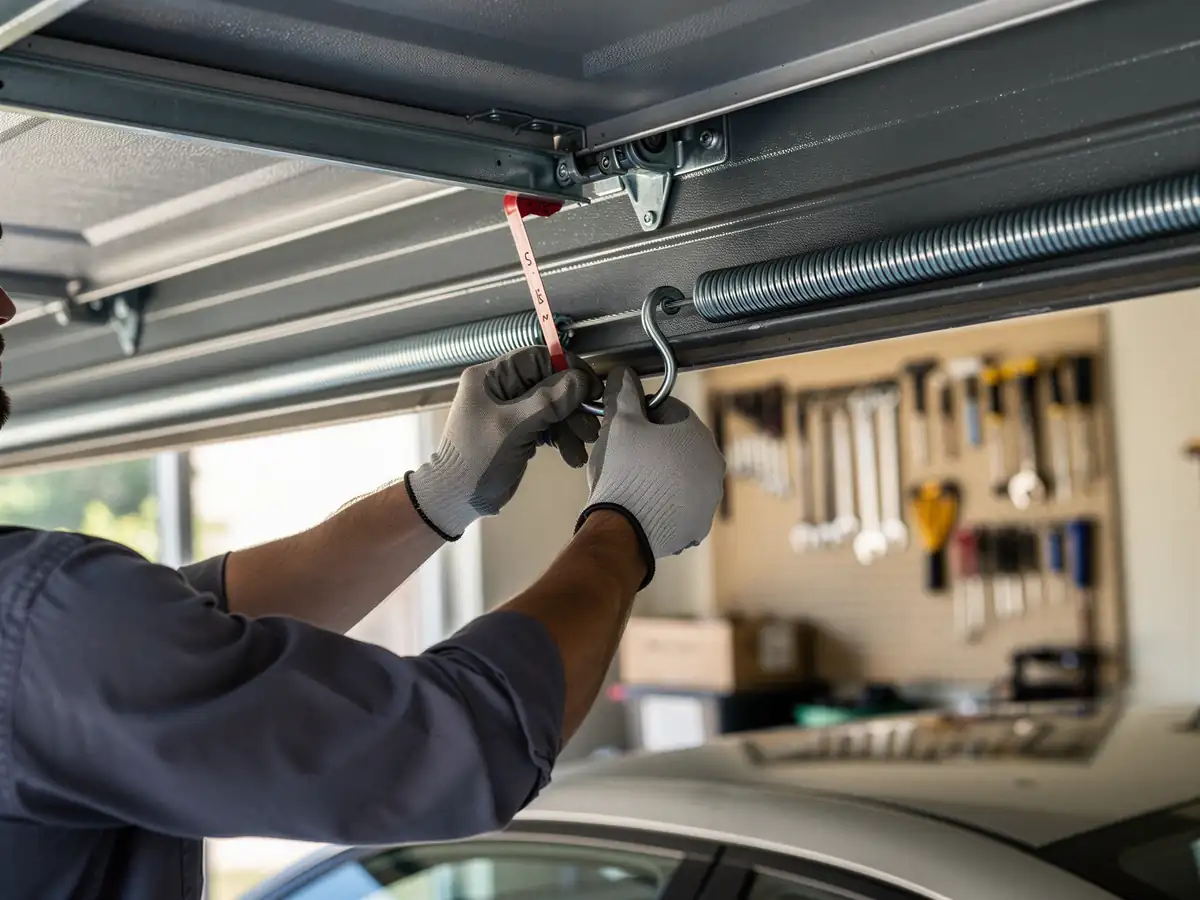
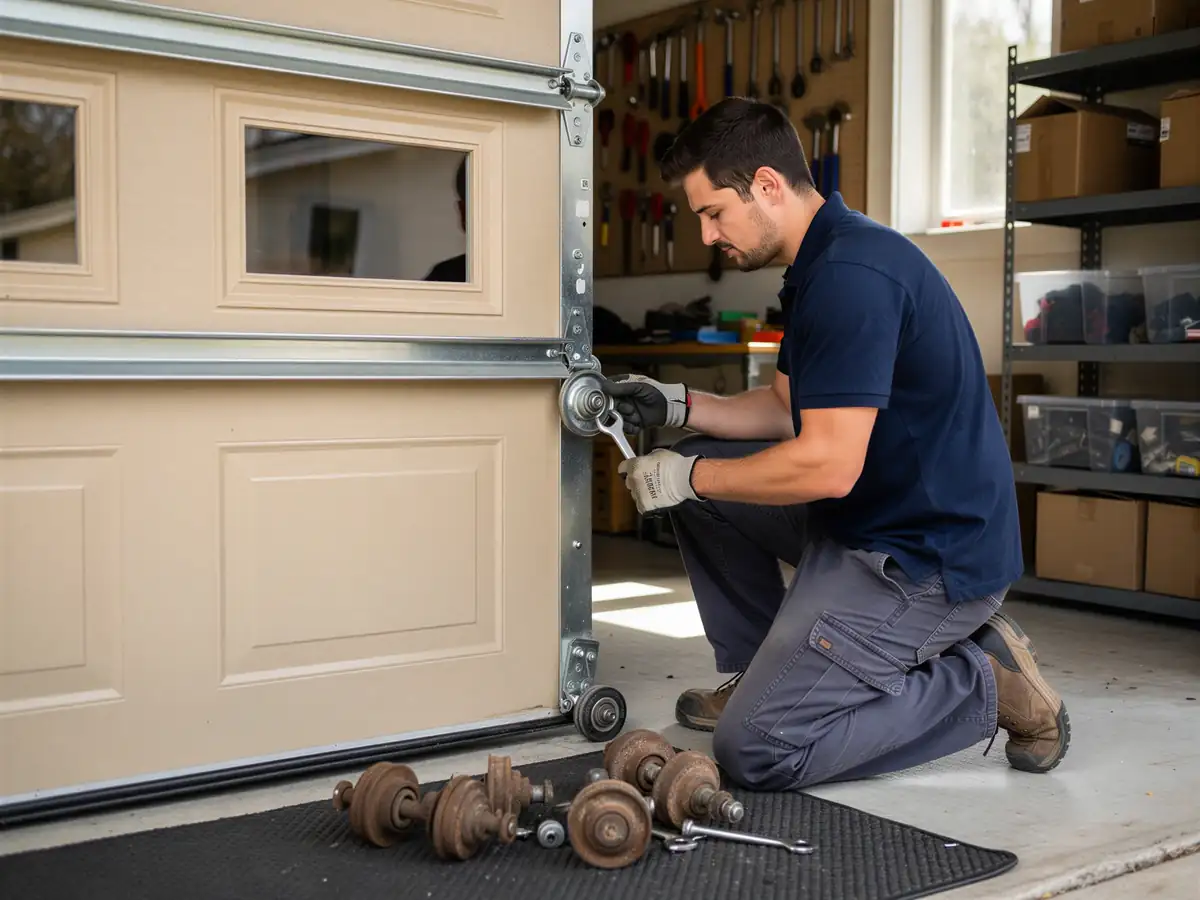
Call before the door stops working, not after. A door that's slow to open, that sags visibly on one side, or that the opener strains against on cold mornings is telling you a spring or a track alignment issue is coming, and on a door this age it's usually cheaper to deal with it as adjustment than as a full stop in the driveway. We'll say the honest thing up front: if your door is original to a house built in the 1960s or 70s, parts for that exact hardware are often gone, and a repair call can turn into a conversation about replacement instead, because we're not going to hunt for obsolete rollers that don't exist anymore. For houses from the later end of that 1958-2004 build range, most of what we see is still serviceable - springs, cables, rollers, openers - and a repair call is a repair call. We're not going to tell you to replace a door that just needs a spring.
The Seasonal Bit
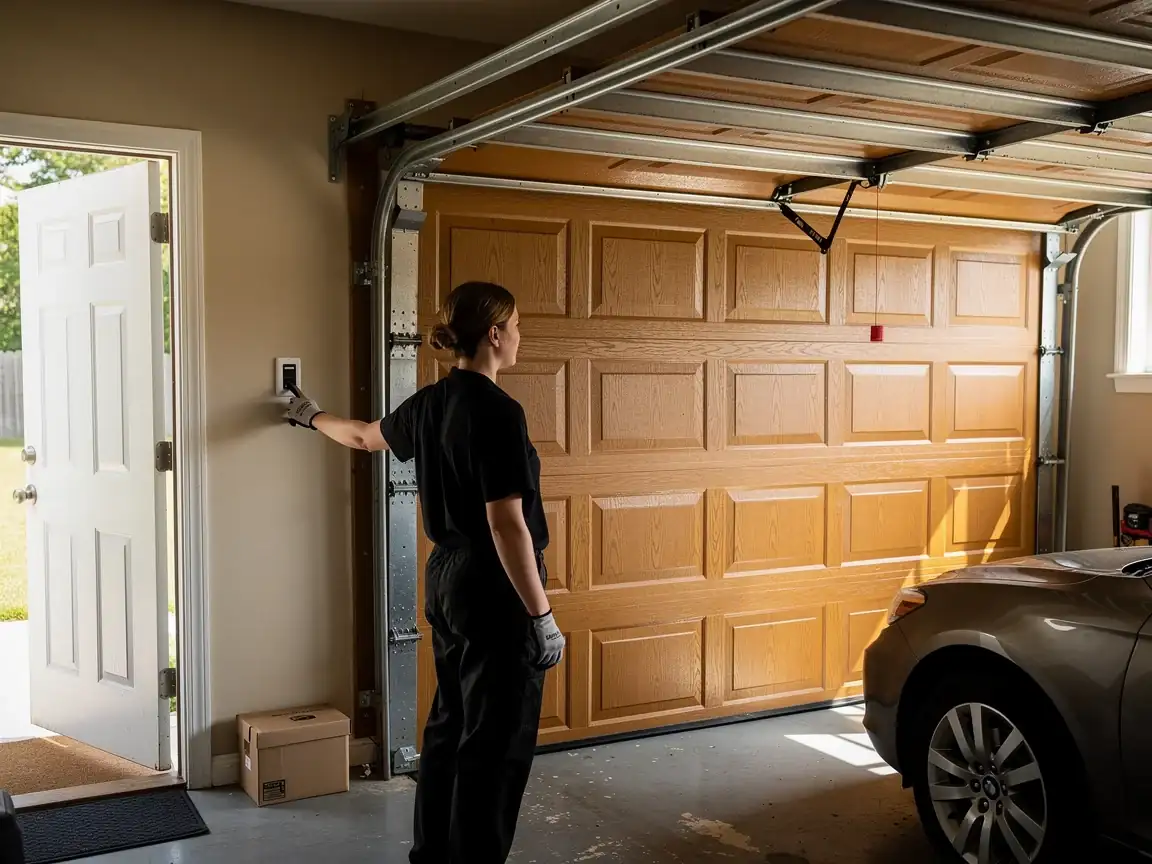
With a median household income of $109,064 across this service area and a housing stock that's heavily owner-occupied - 90,342 of roughly 155,329 households - a lot of the doors we touch are on homes people plan to stay in a long time, not flip. That changes the math on seasonal upkeep. Lubricating hinges and rollers twice a year matters more here than in a warmer climate band, because the cold-to-mild swing we get is exactly the cycle that loosens hardware on an older steel door. Fall is the better time to catch a spring that's lost tension before a cold morning turns it into a snapped cable. We'd rather do that visit in October than get the call in January when the door won't budge and the driveway's covered.