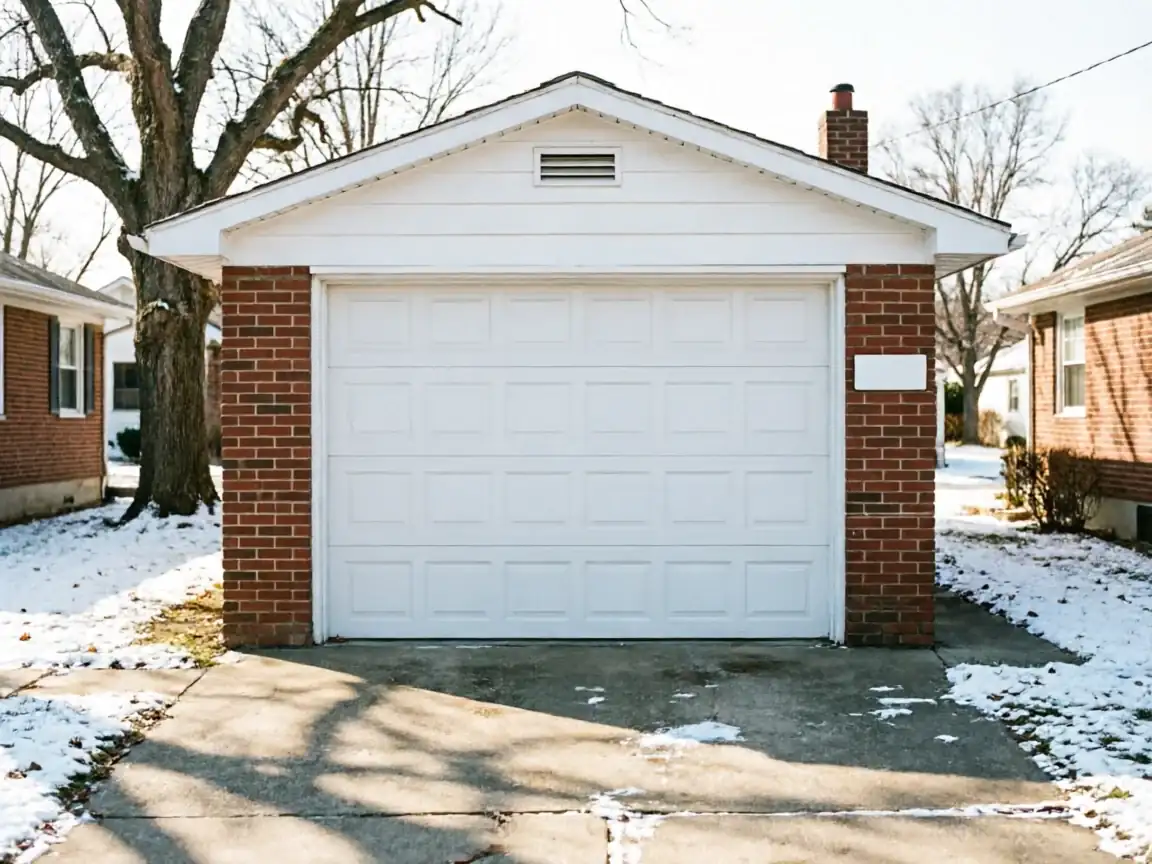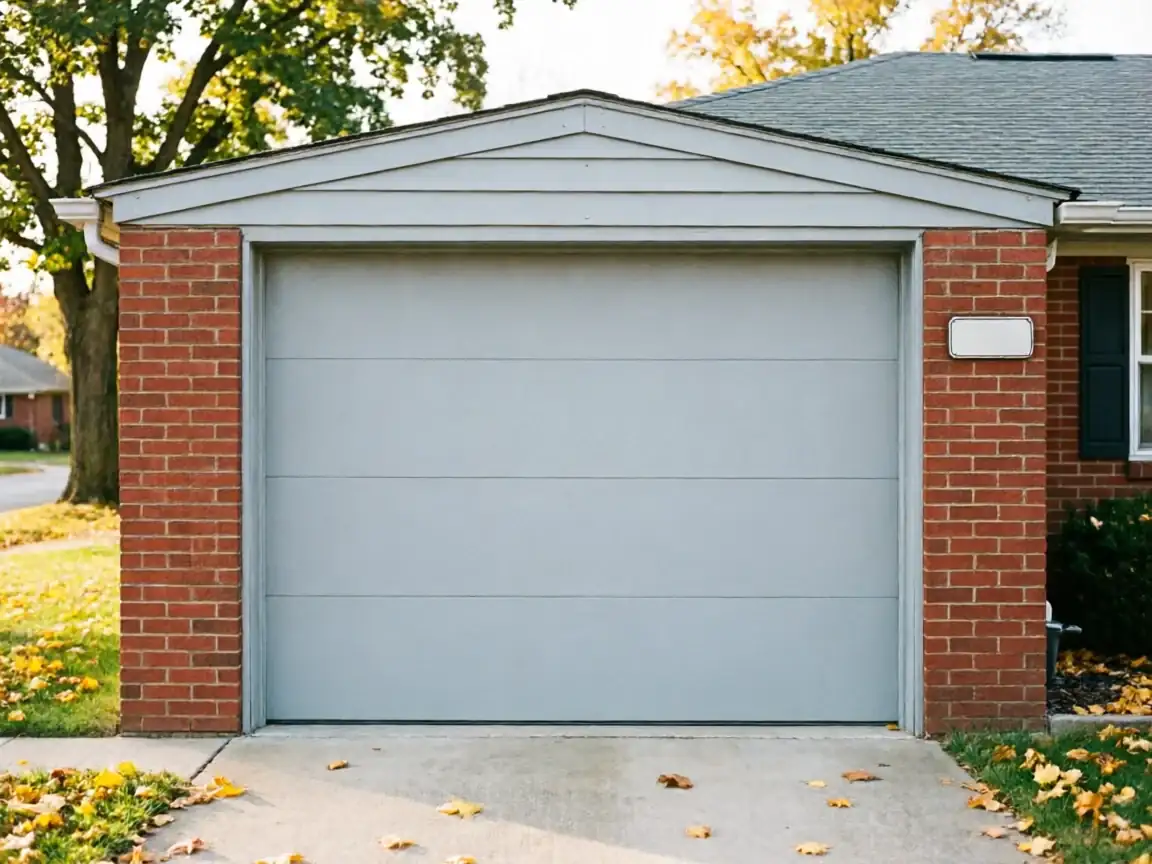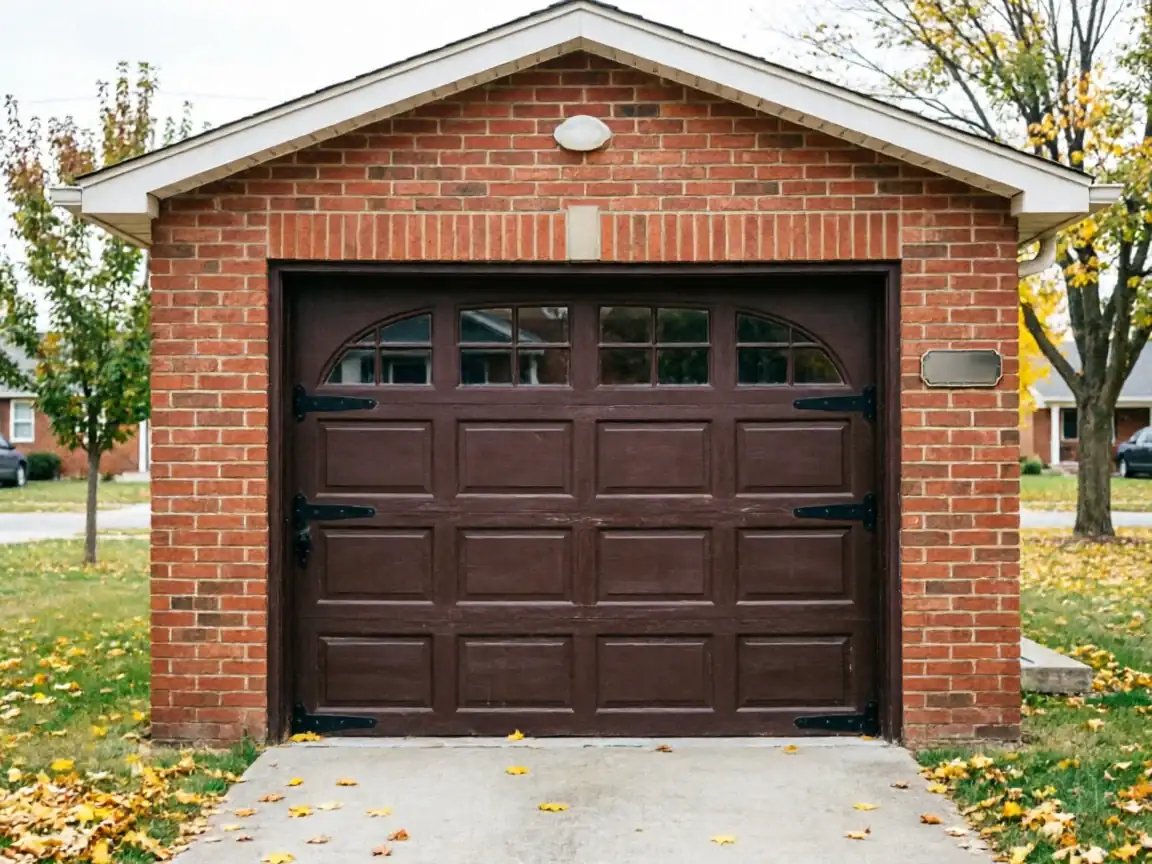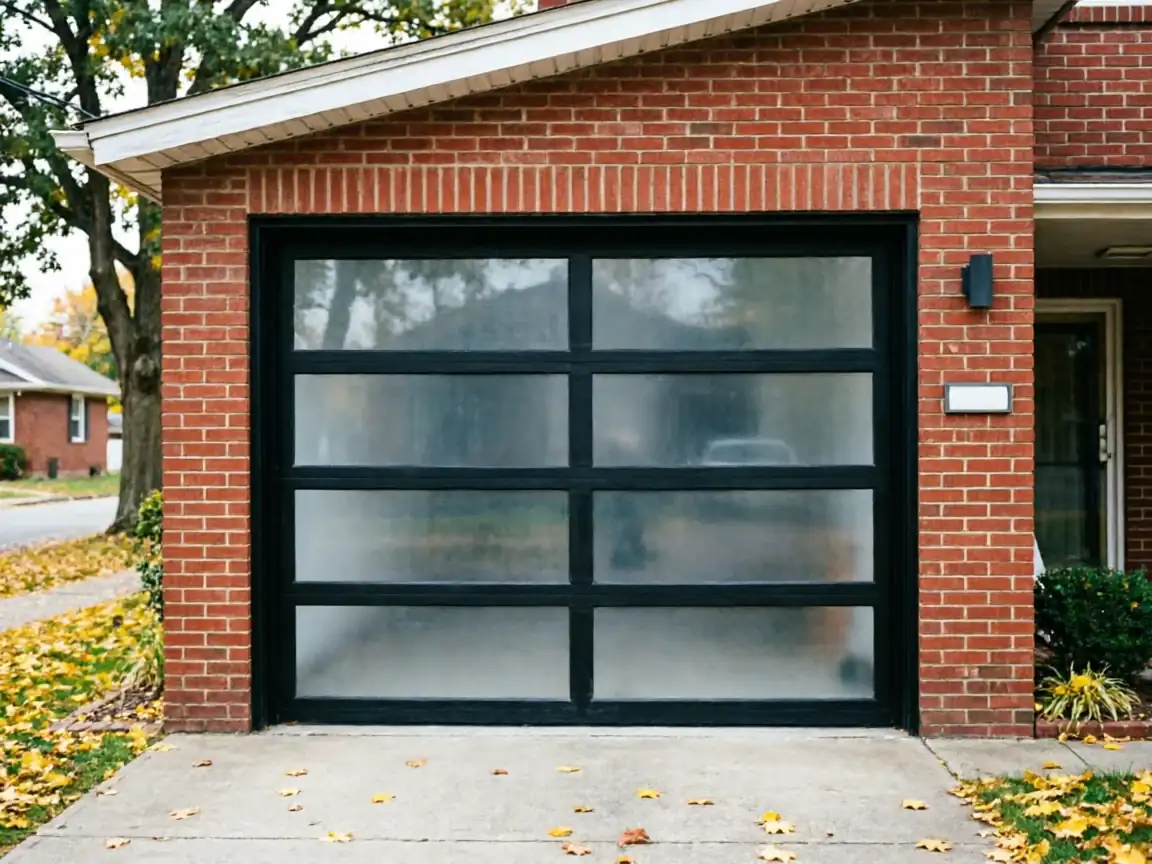
What You Are Seeing
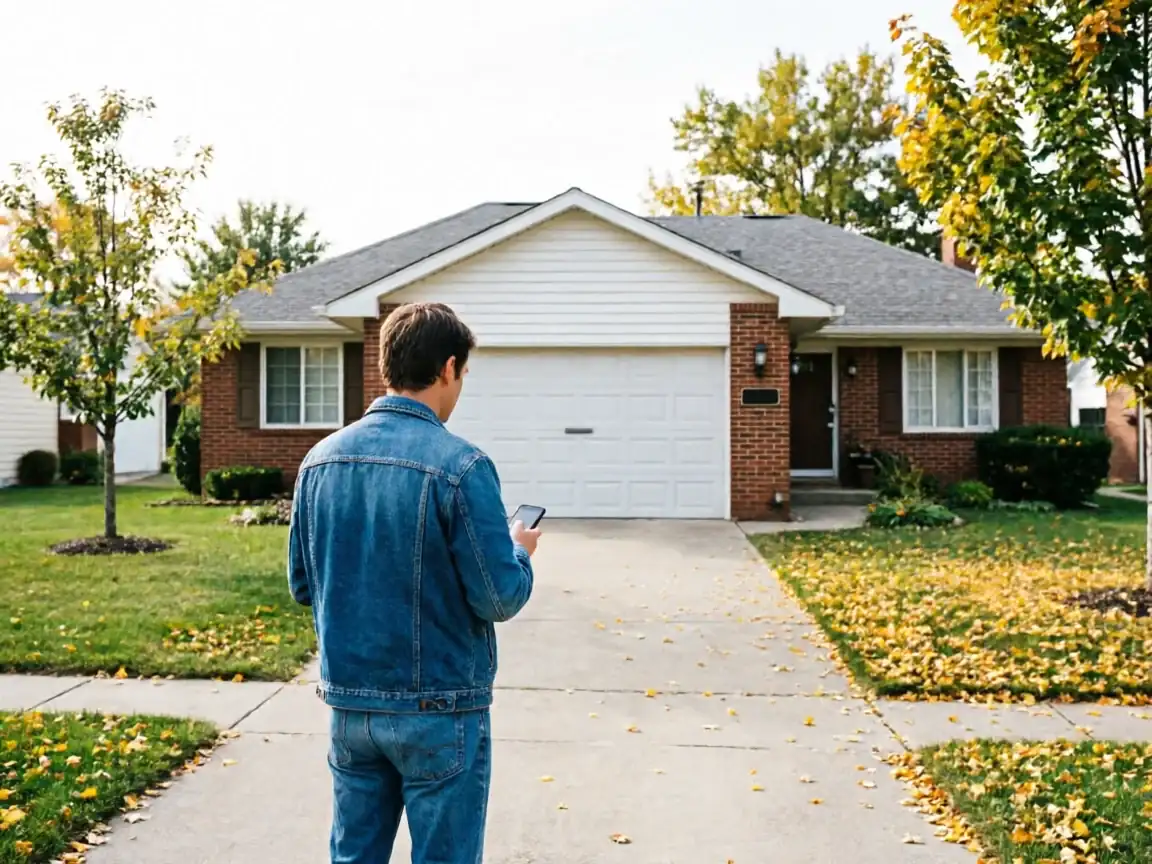
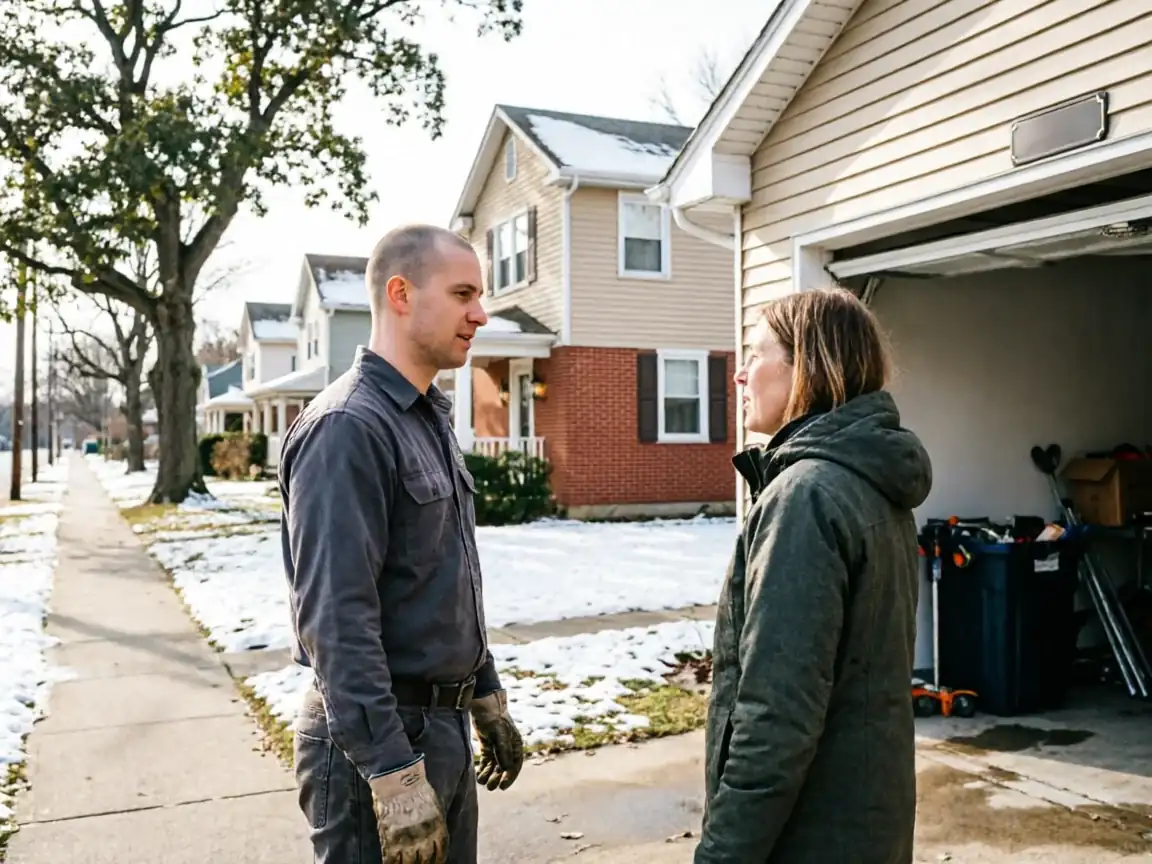
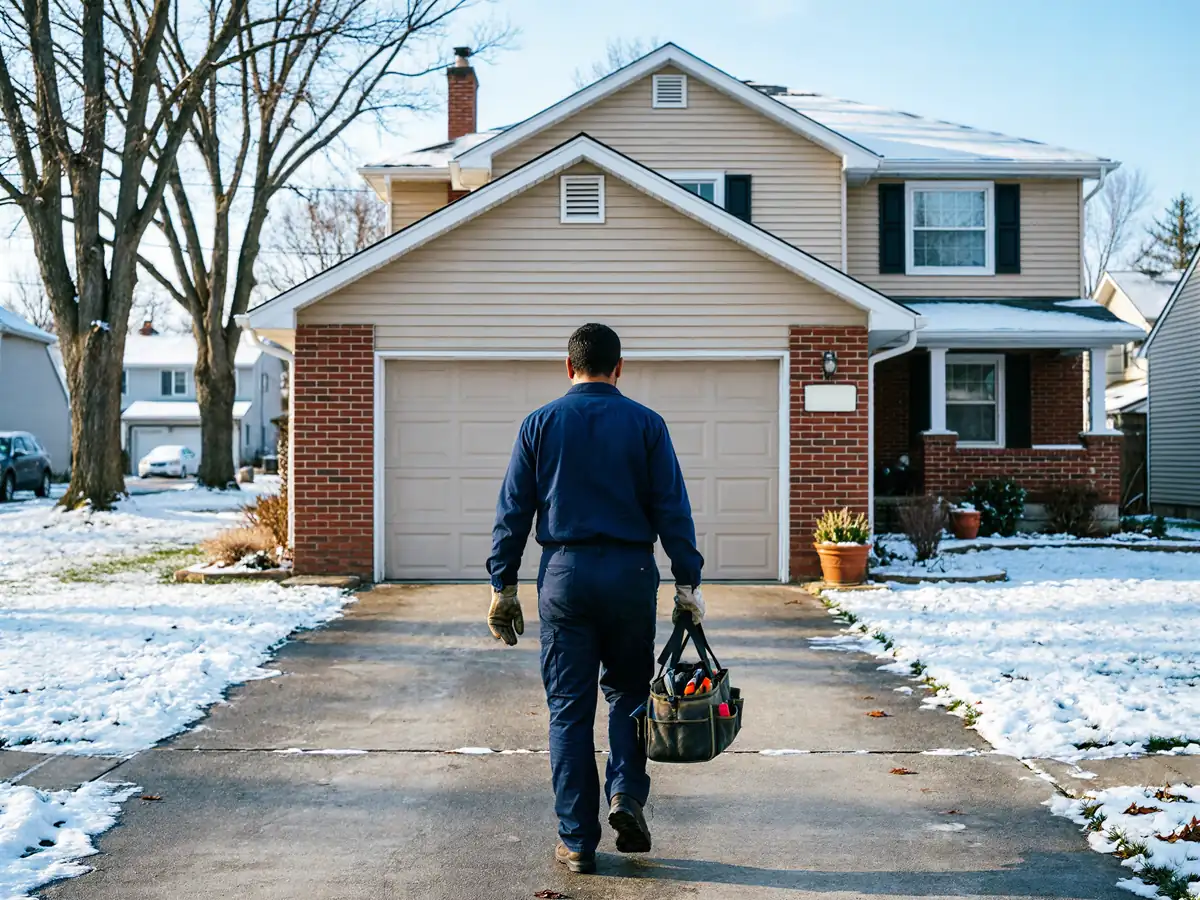
Shorewood sits three miles from our shop in Joliet, which is close enough that a stuck door or a spring that let go this morning doesn't turn into an all-day wait. That short drive matters more than it sounds like it should - it means we can usually work you into the same day instead of the next one, and it means the truck shows up with a diagnosis already half-formed, because the run out Route 59 gives us time to ask the right questions on the phone first.
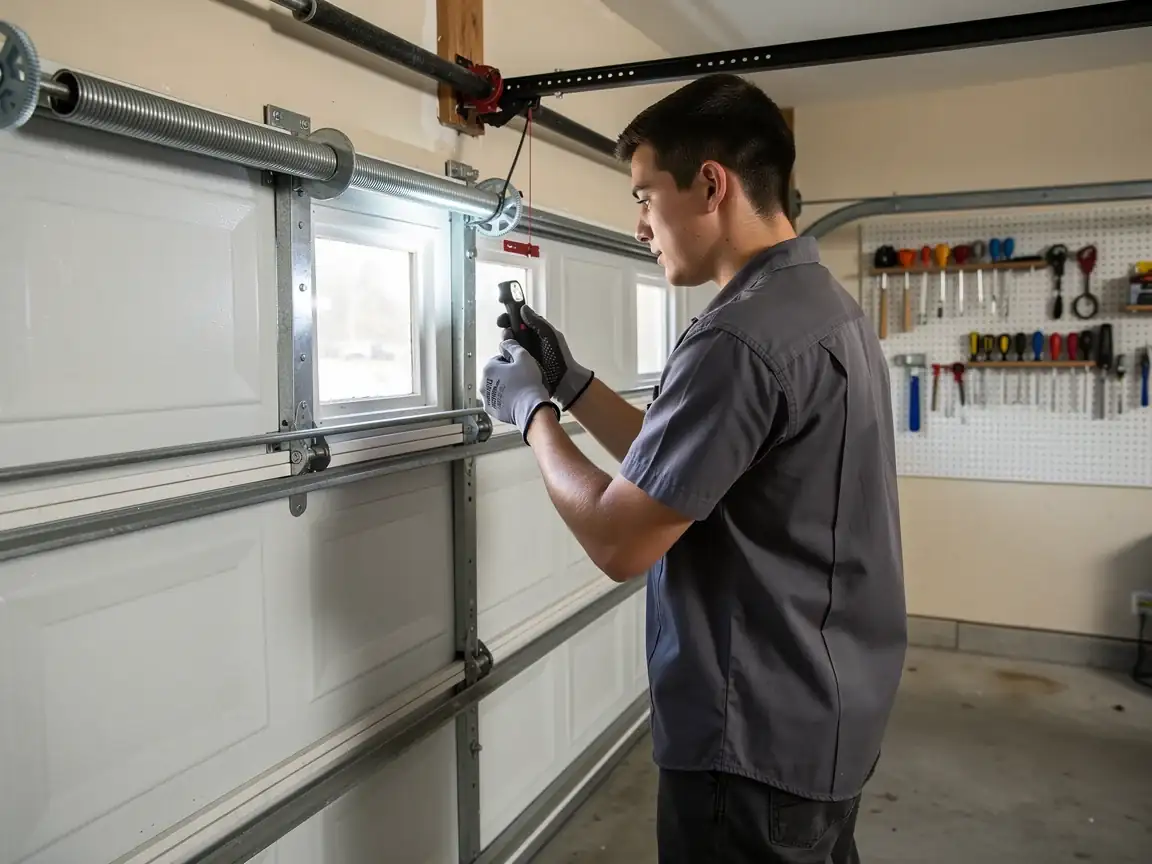
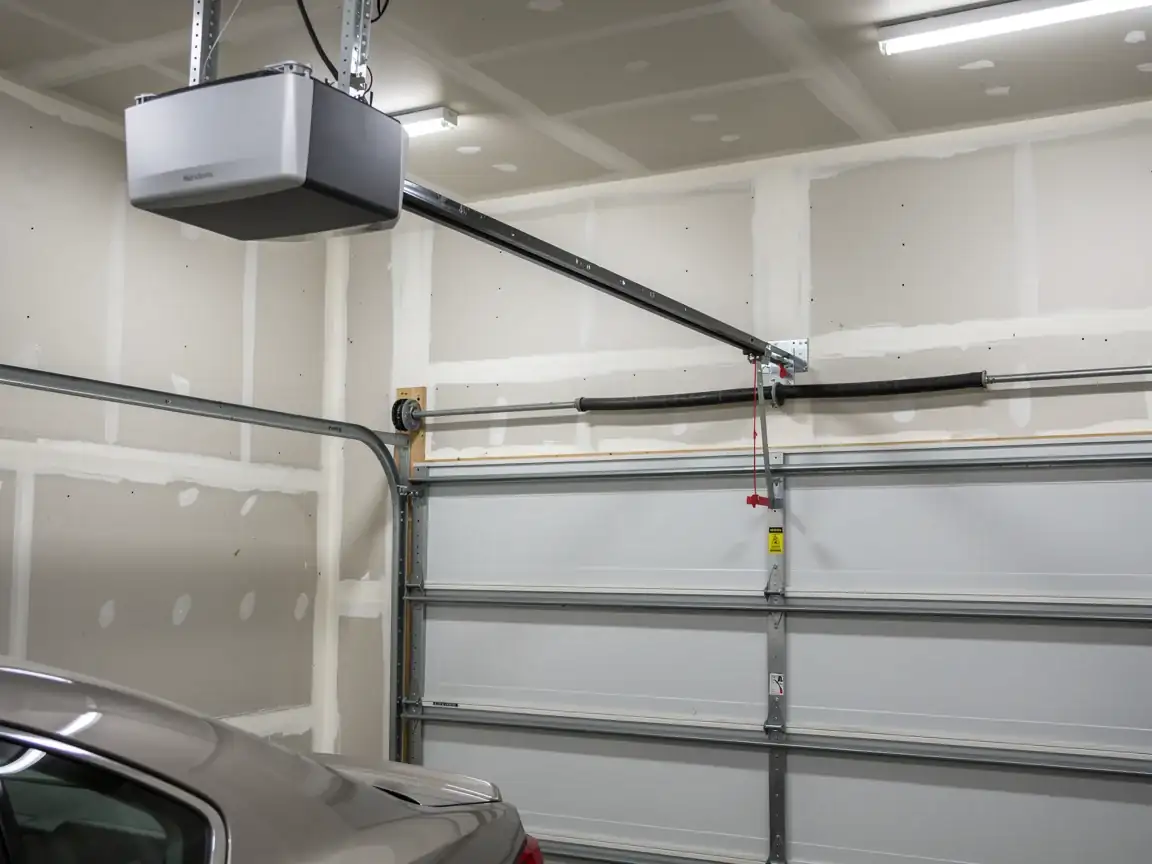
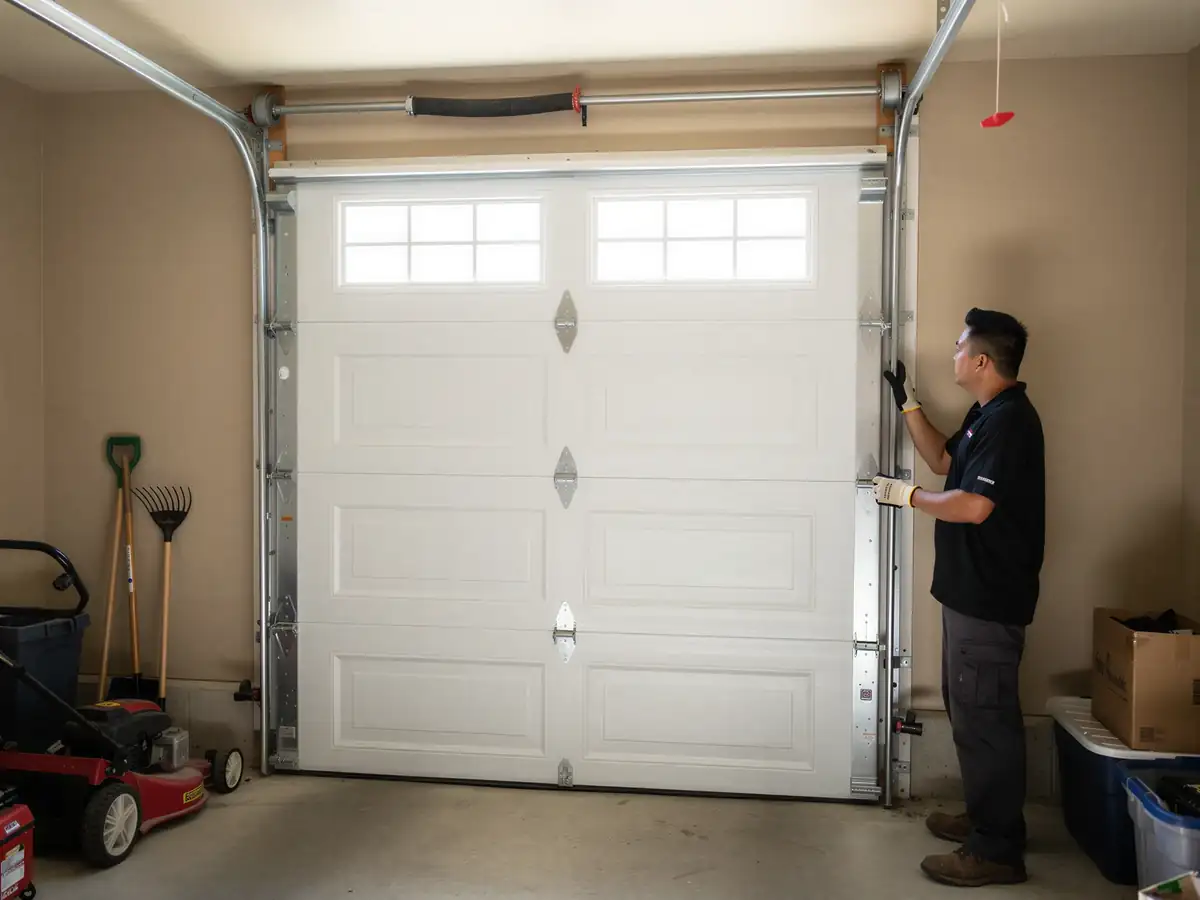
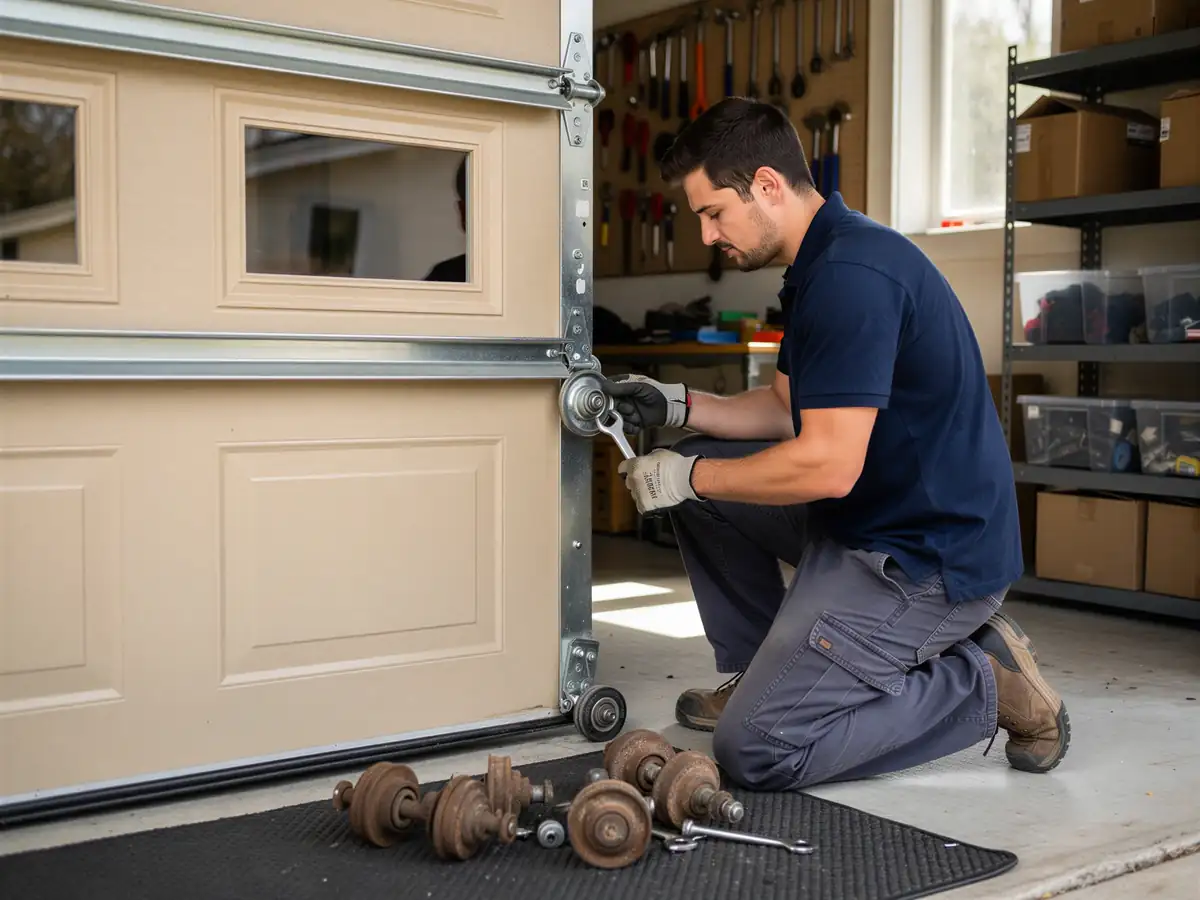
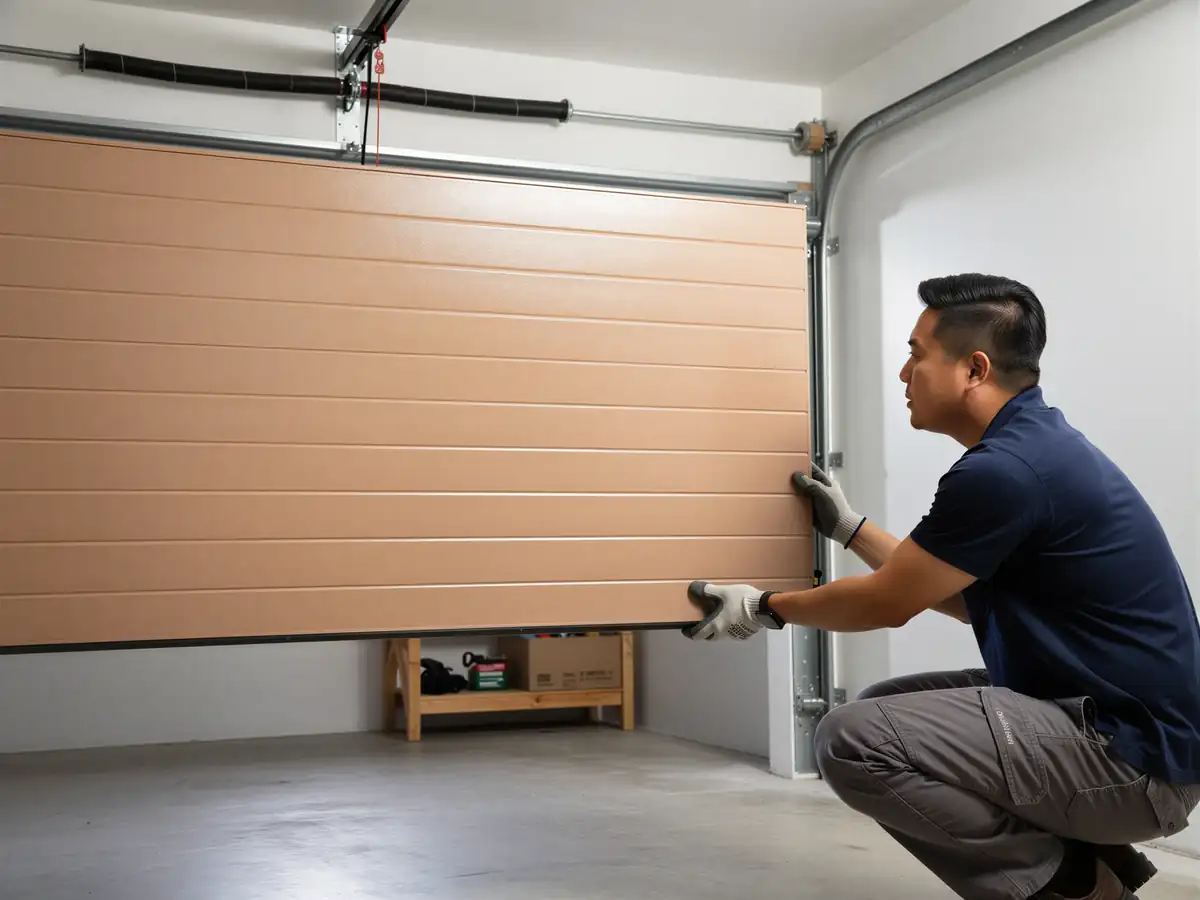
What you're dealing with is usually one of a few things: a torsion spring snapped clean (you'll hear it - a bang, then the door won't budge or only goes up a few inches before stopping), a cable that's jumped the drum, an opener that hums but doesn't lift, or a panel that's come off its track after someone backed into it or a roller gave out. None of these are things to force past. A door that's fighting you is a door with a part already failed, not a part about to fail.
Where This Job Goes Sideways
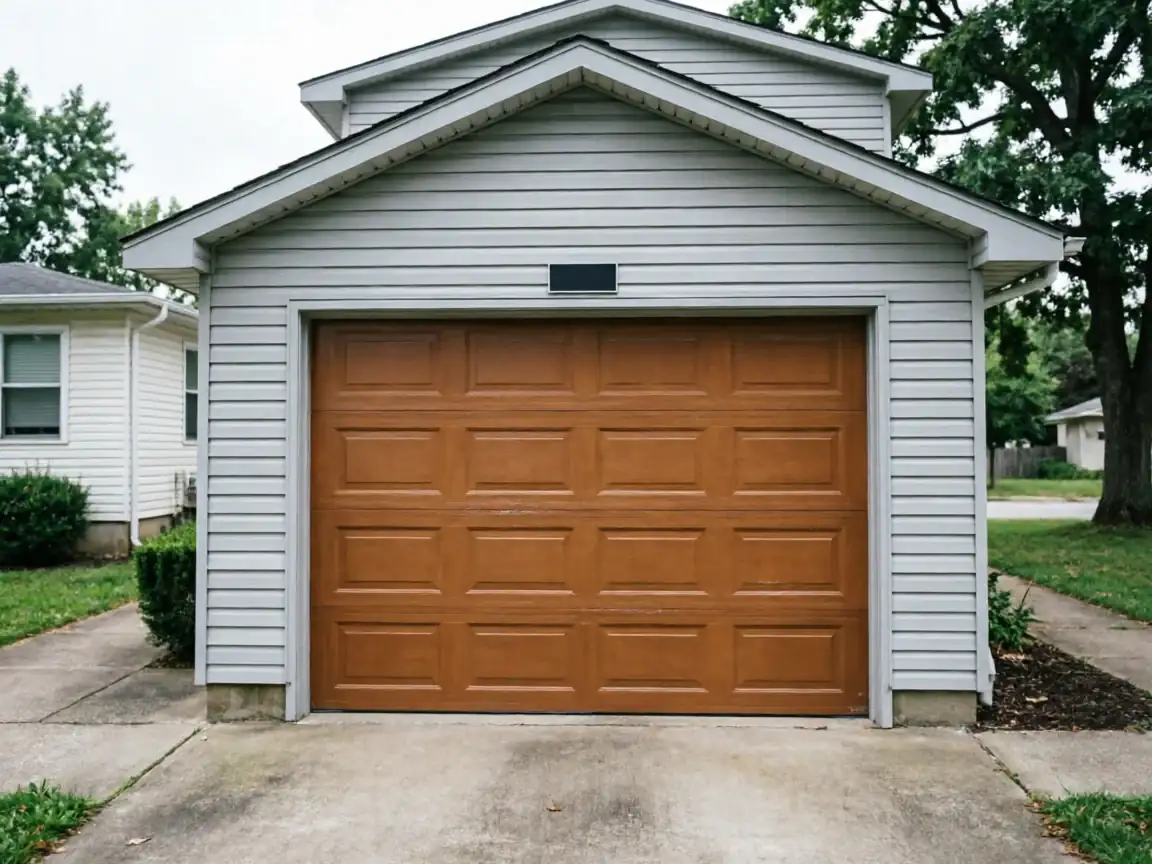
Most of Shorewood's housing went up between the late 1980s and the early 2000s
With the typical home here dating to around 2001 - noticeably newer than the service area overall, where the mix runs back to 1958. That matters for how these calls go wrong. Newer builds here are more likely to have steel sectional doors on extension or torsion springs rated for a specific door weight, paired with belt or chain-drive openers with circuit boards instead of the older relay-and-chain setups.
Where it goes sideways
A homeowner sees the door stuck and assumes it's the opener, when the opener is actually fine and just straining against a dead spring - running the opener motor against a broken spring is how you turn a $200 spring job into a cracked drive gear or a stripped rail. Or the opposite: a worn roller or a bent track gets diagnosed as 'the spring' because that's the fault everyone's heard of. Getting the actual point of failure right the first time is most of the job.
The DIY Question
Torsion springs are wound under real tension - enough to cause serious injury if the winding bars slip or the wrong size bar is used. That's not a job to learn on your own door. Swapping a cable, resetting a panel, or adjusting travel limits on an opener are things a handy homeowner can sometimes manage safely, but spring work, cable work under tension, and anything involving the torsion bar itself is where we tell people to stop and call.
One honest limit: if your opener is original to a 2001-era build and the board has failed, parts for that exact model may not be stocked anywhere locally anymore, ours included - sometimes the faster, cheaper fix is a new opener rather than hunting down a part for a 20-plus-year-old unit. We'll tell you straight when that's the case instead of running up a bill chasing a dead end.
How We Fix It
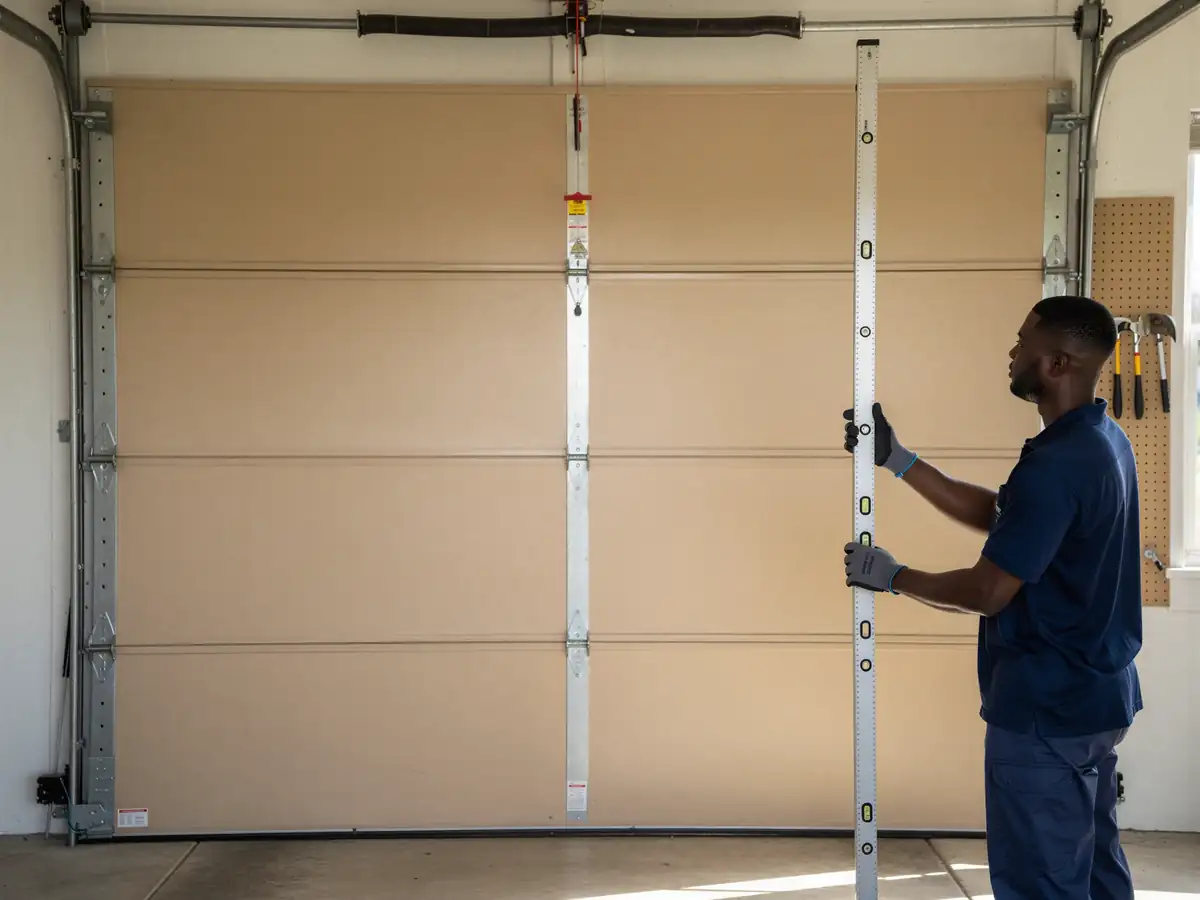
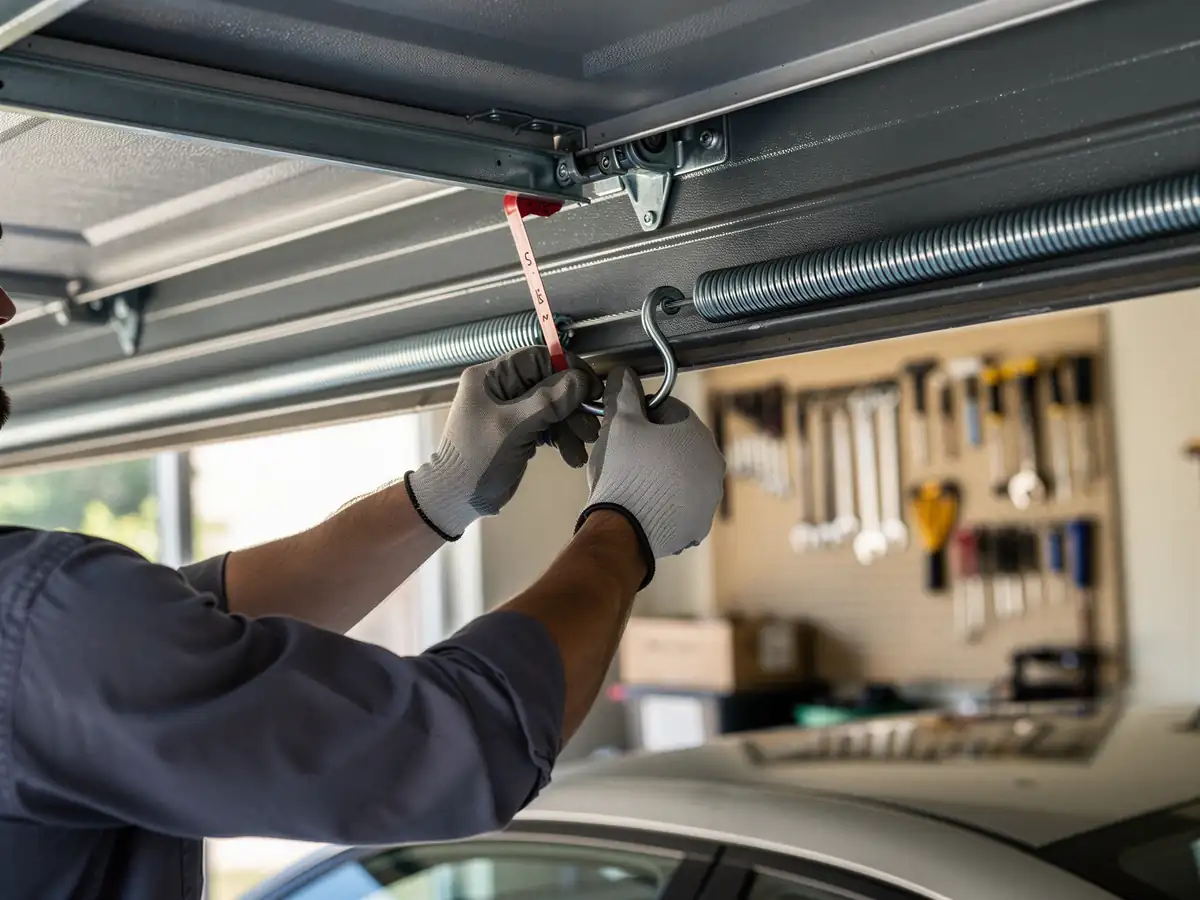
We diagnose on arrival - spring, cable, track, opener board, or some combination - rather than quoting blind over the phone. Broken torsion springs get replaced in matched pairs when the door has two, since the second one is usually close behind the first and running one old spring against one new one puts uneven load on the shaft. Cables get re-seated or replaced along with an inspection of the drum they ride on, since a frayed cable often means the drum edge is worn too.
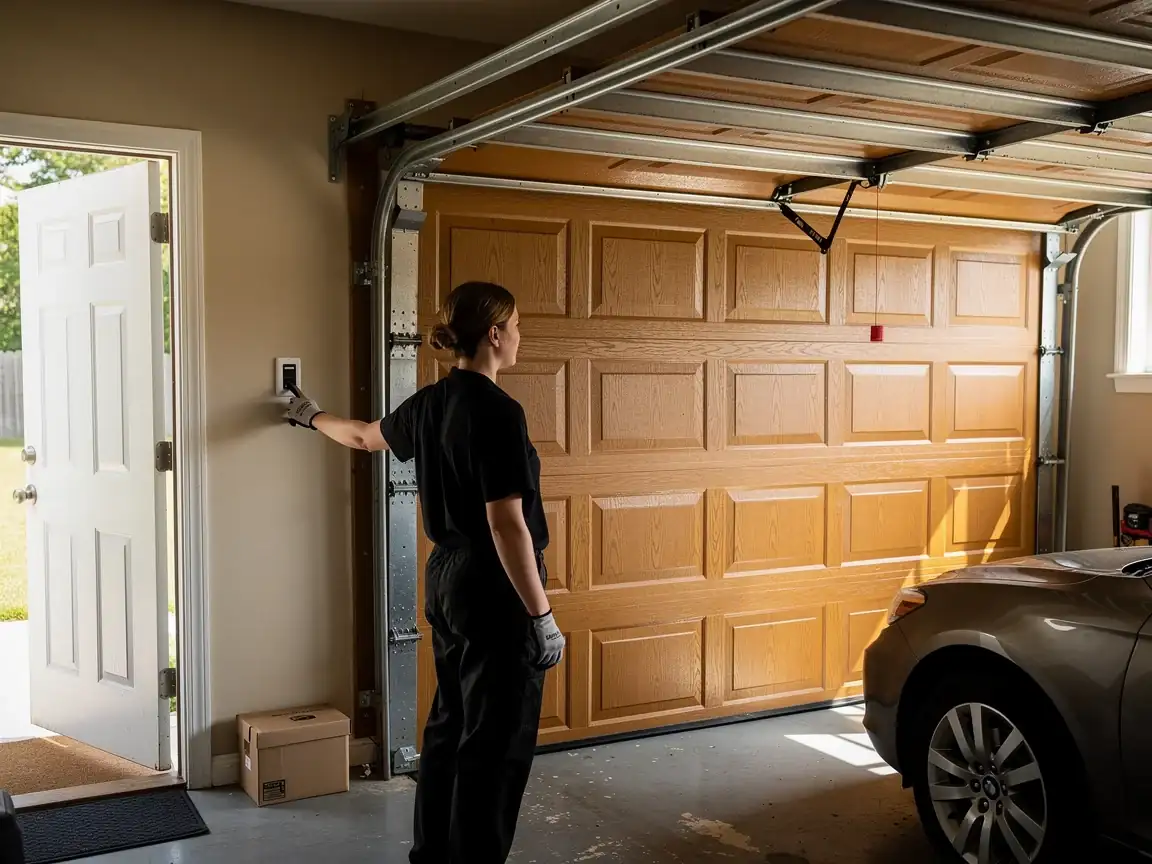
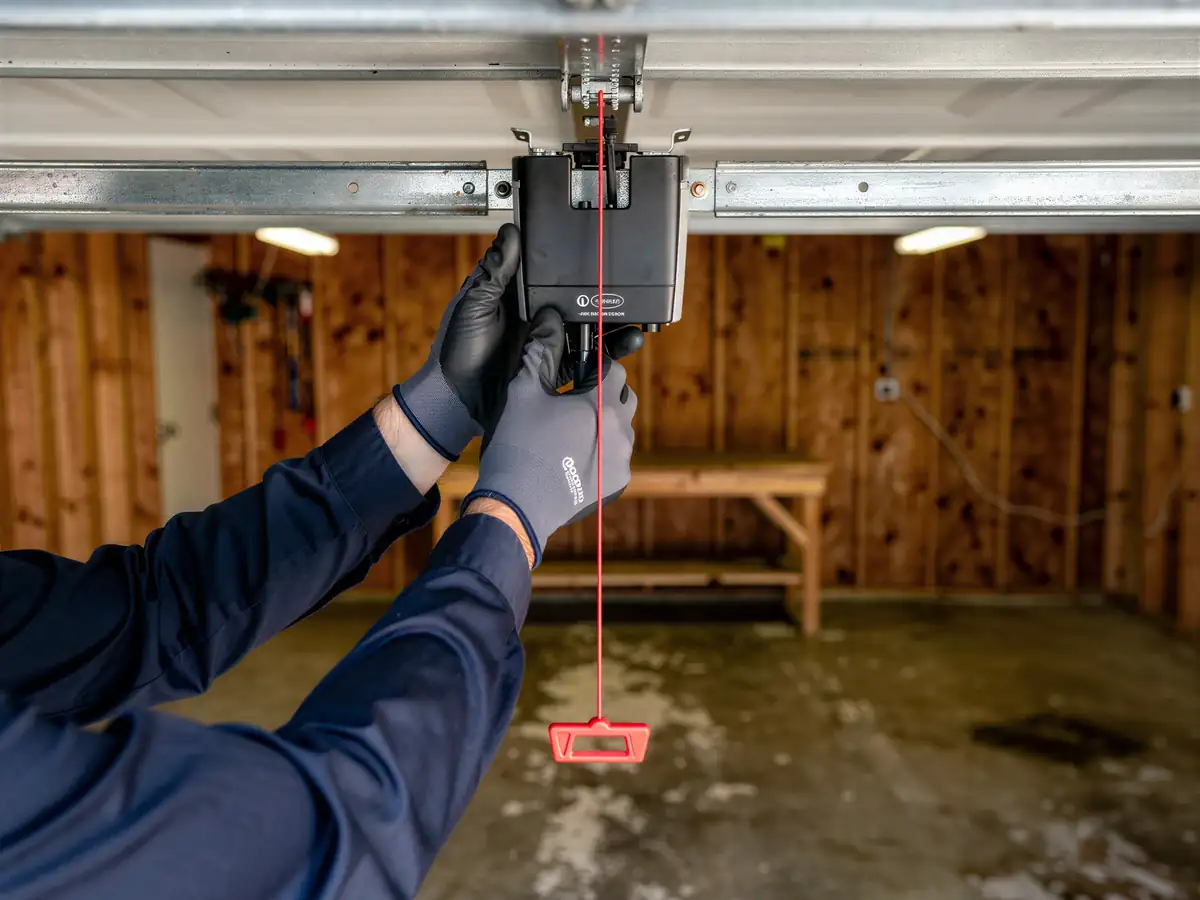
For openers, we check the board, the sensors, and the travel settings before assuming the motor itself is bad - a surprising number of 'dead opener' calls turn out to be a misaligned safety sensor, which is a five-minute fix, not a replacement. We test the full cycle before we leave, not just the first open and close.
Time on the Job
A straightforward torsion spring replacement, done once we're on site, usually runs under two hours
Cable or roller work is often faster. Opener board diagnosis can take longer if the fault isn't obvious - intermittent faults are the hardest kind to chase, and we'd rather spend the extra twenty minutes confirming it than guess and have you call back next week.
What we can't promise is a window before we've talked to you
Since the three-mile run from Joliet is short but we're still working around whatever else is on the schedule that day. What we can tell you is that distance isn't the bottleneck here - the fault and the parts on hand usually are.
What Causes It Around Here
With most Shorewood homes built in the 1990s and early 2000s, the common failure point is simple age and cycle count on torsion springs rated for roughly 10,000 open-close cycles - a door that's run twice a day for over twenty years is well past that number whether or not it's ever acted up before. Add a winter with repeated freeze-thaw swings, typical for this part of Illinois, and a spring already near the end of its life is more likely to snap on a cold morning when the steel is stiff and the door is heavier to lift.
We also see cables fail from the same fatigue, and openers from that era reaching the point where boards and capacitors just wear out. None of it is dramatic - it's mostly ordinary parts reaching the end of an ordinary lifespan at roughly the same time, because the houses here were mostly built in the same stretch of years.