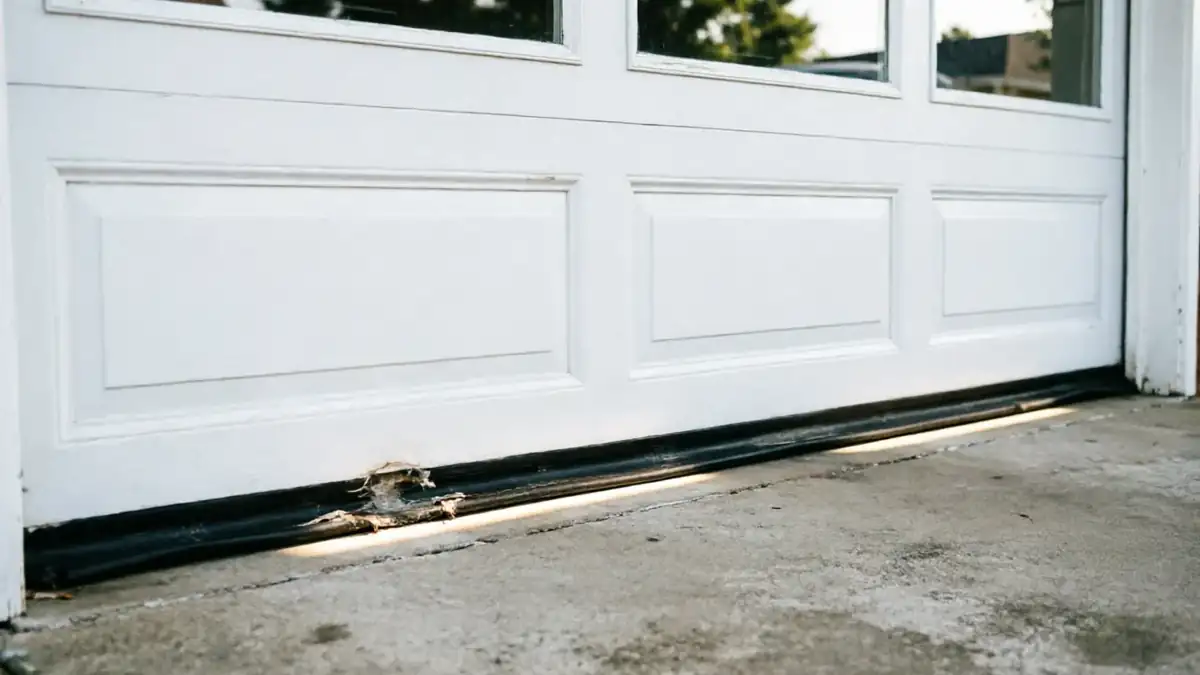
What Is Going On
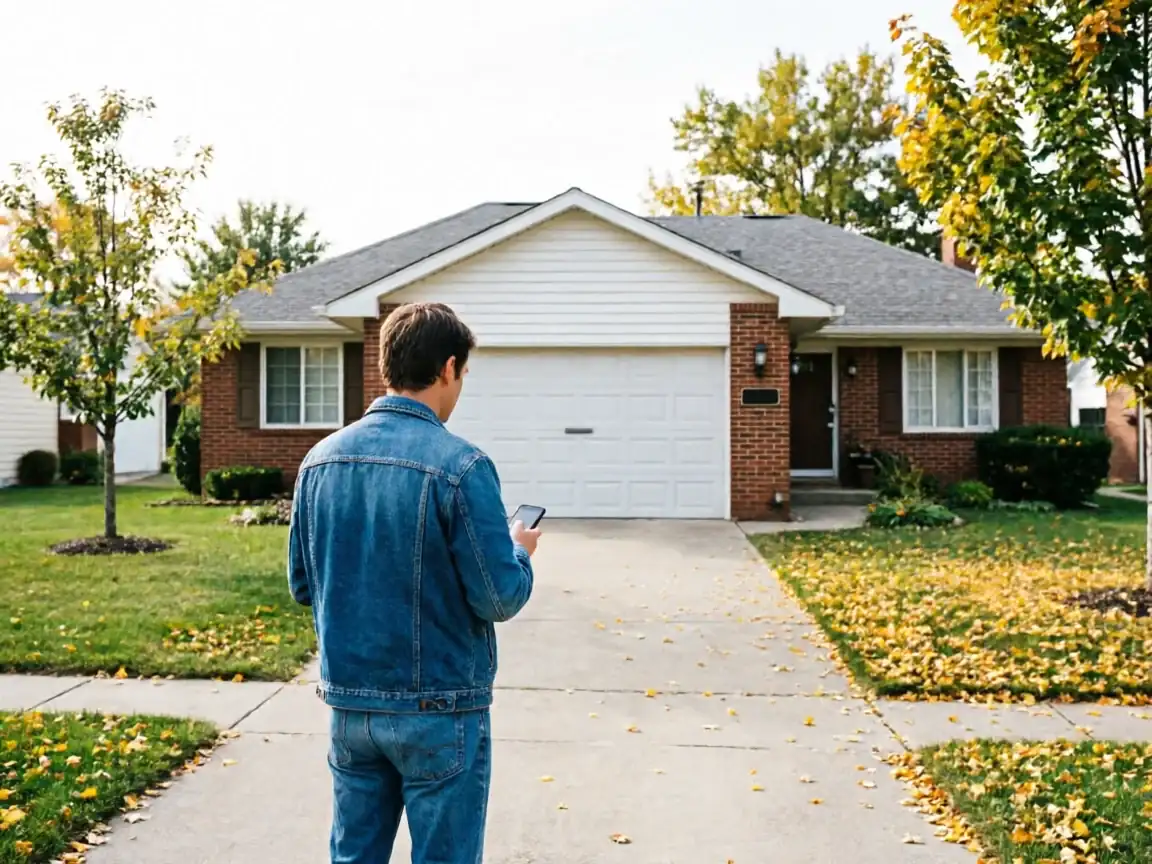
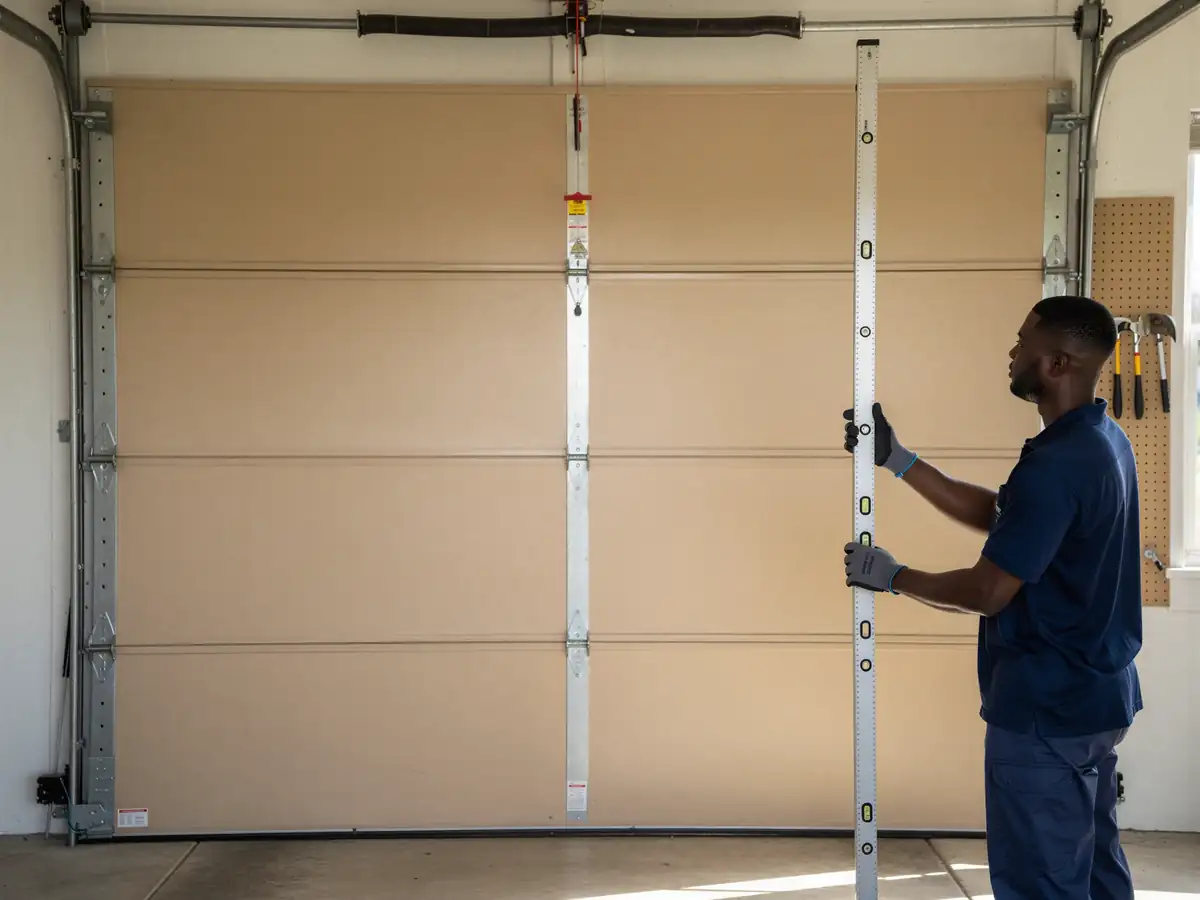
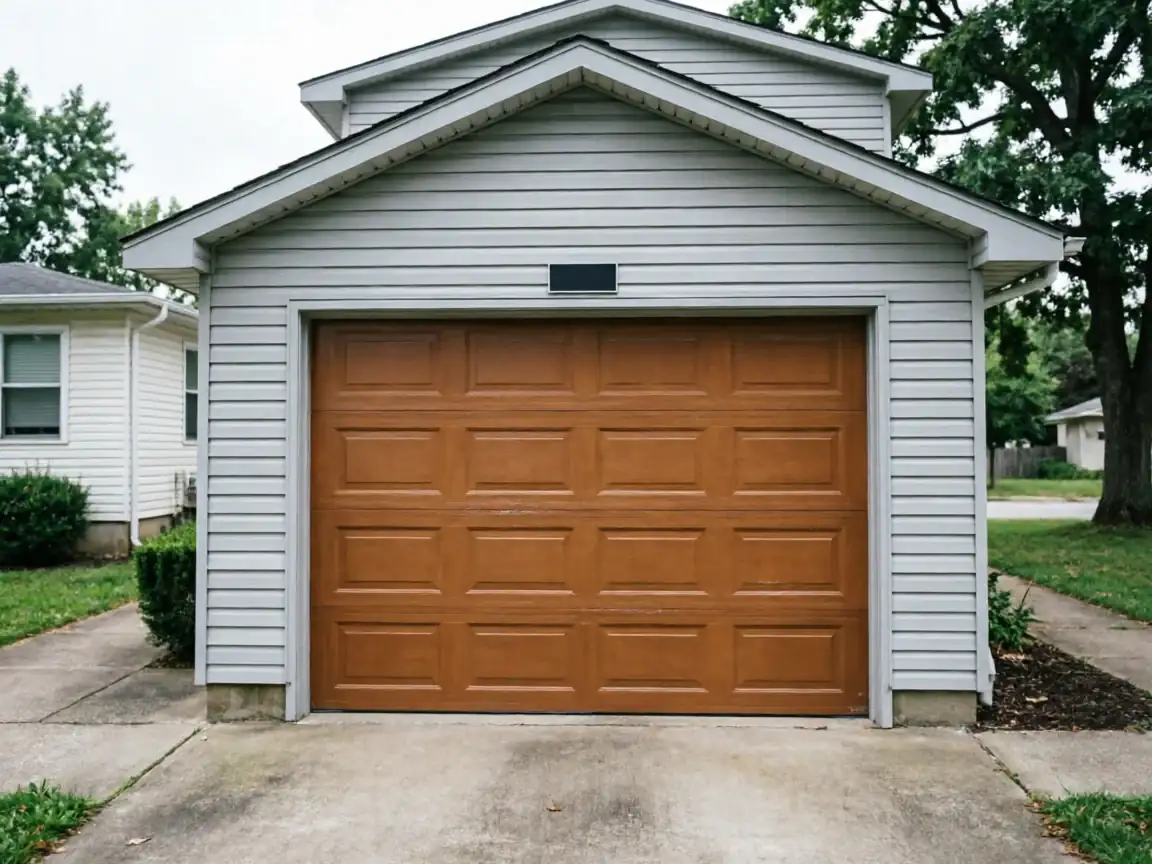
Most of the garage doors we look at around Joliet sit on houses built between 1958 and 2004, with the bulk of that stock going up in the 1980s and 90s. That matters because the bottom seal and side weather stripping that shipped with a door from that era wasn't built to last forty years. Vinyl and rubber gaskets harden, crack, and pull away from the track long before the door itself gives up.
A draught at the bottom of the door usually isn't the door's fault. It's the seal doing exactly what cracked, sun-baked vinyl does: letting air, water, and the occasional mouse walk right under it. On a door that's 20-30 years old, that seal has outlived two or three reasonable replacement cycles already.
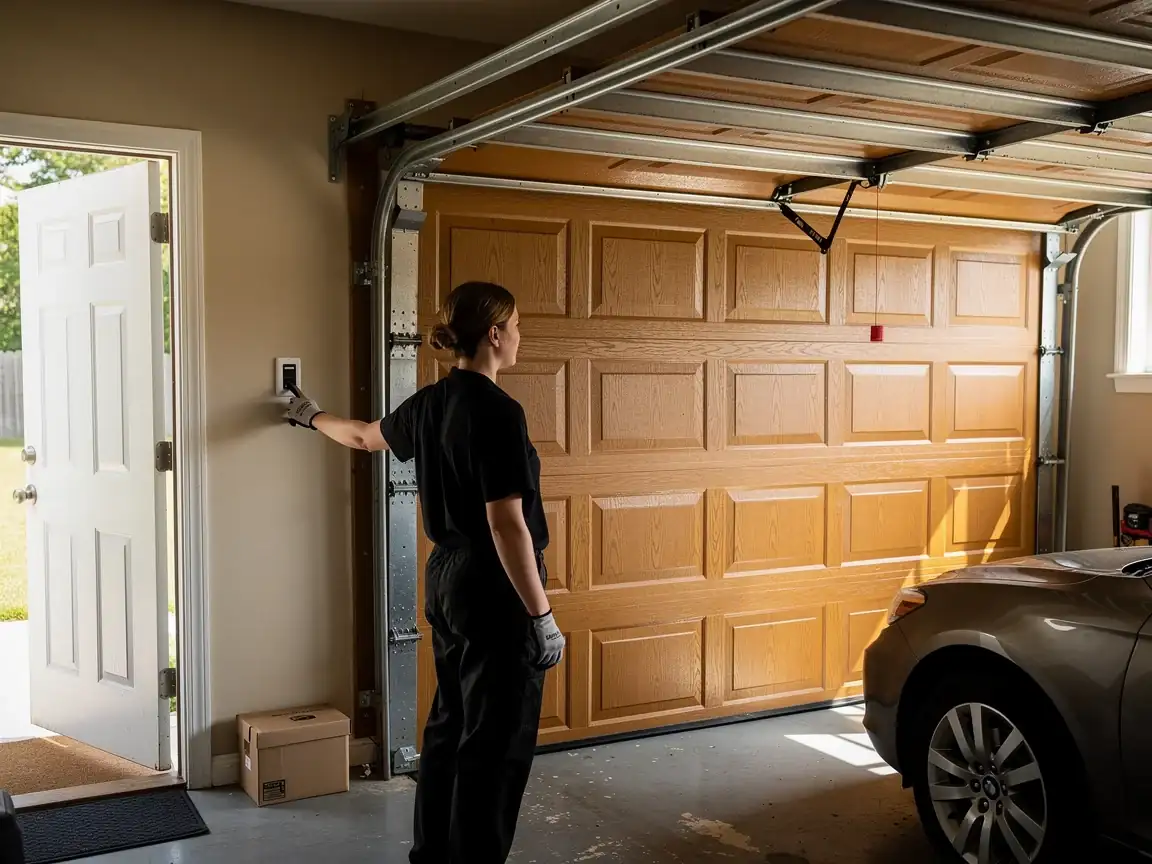
The other common culprit is the seal between the panel sections themselves, or the flexible astragal where the door meets the slab floor. On older sectional doors from the 1980s-90s run that's common across this area's 28 named neighborhoods, that astragal is often the original part, stretched thin and gapping at the corners. None of this means the door is failing. It means the rubber is older than some of the cars parked on it.
What the Weather Here Does to It
Joliet sits in a cold, moderate climate band
Which means the seals on your door go through real freeze-thaw cycling every winter, not just a cold snap or two. Vinyl weather stripping contracts hard in low temperatures and loses whatever flexibility it had left. That's when a seal that looked fine in October suddenly won't lie flat in January, and you get a visible gap of daylight along the bottom edge.
The swing matters more than the cold itself
A seal that goes from a humid 80-degree afternoon to a dry, frozen night and back again, over and over across a winter, ages faster than the same material would in a climate that just stays cold or just stays mild. On a house with original 1980s-90s seals, that cycling is usually what finally cracks the vinyl at the corners where it's already thinnest.
We don't get into claims about specific storms or snowfall totals here
Because we don't have that data in front of us. What we do know is the band this area sits in, and that band is enough on its own to explain why a seal that's a decade or two old stops doing its job well before the door itself needs replacing.
When to Get Help
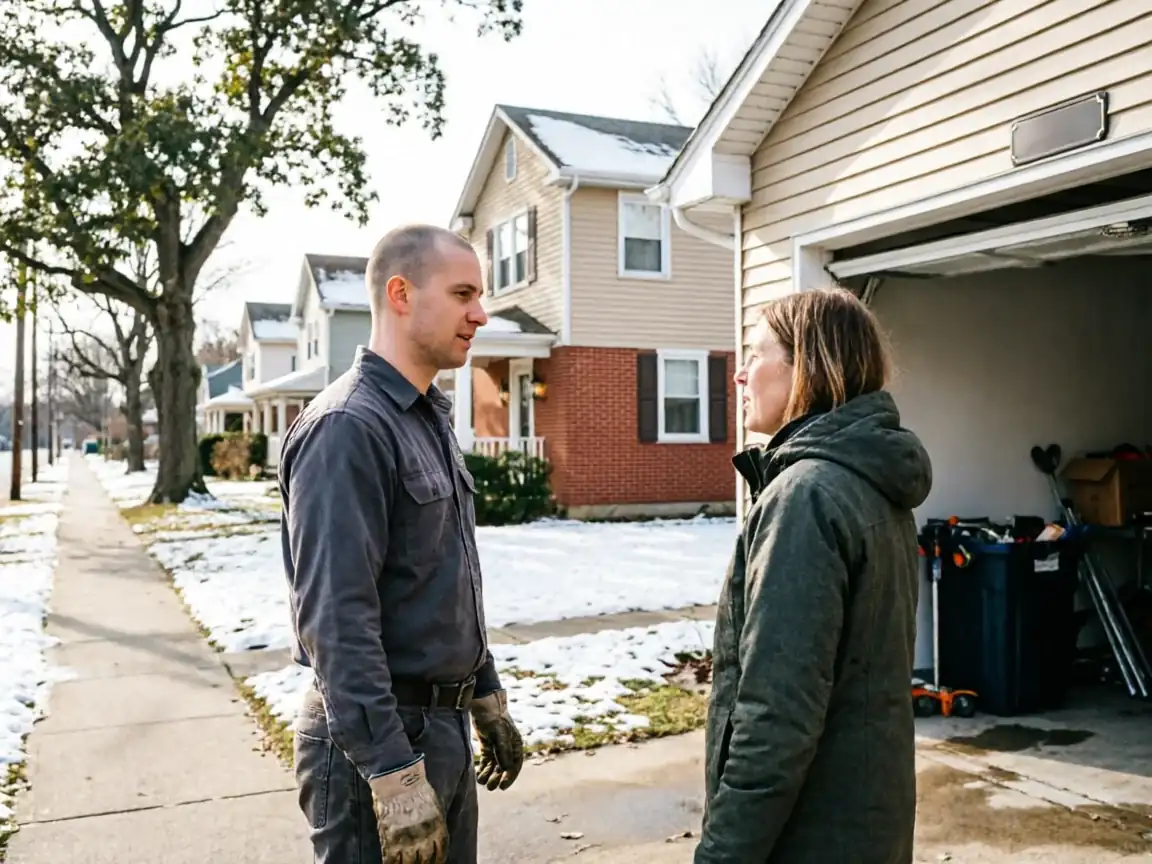
If you can see daylight along the bottom of a closed door, or feel a steady draught across the garage floor on a cold night, that's a seal problem, not a structural one, and it's usually a straightforward fix. Call before it turns into something bigger: water getting under a cracked bottom seal in a cold climate can freeze, and ice under the door edge can tear the seal further or even crack the bottom panel section on an older door.
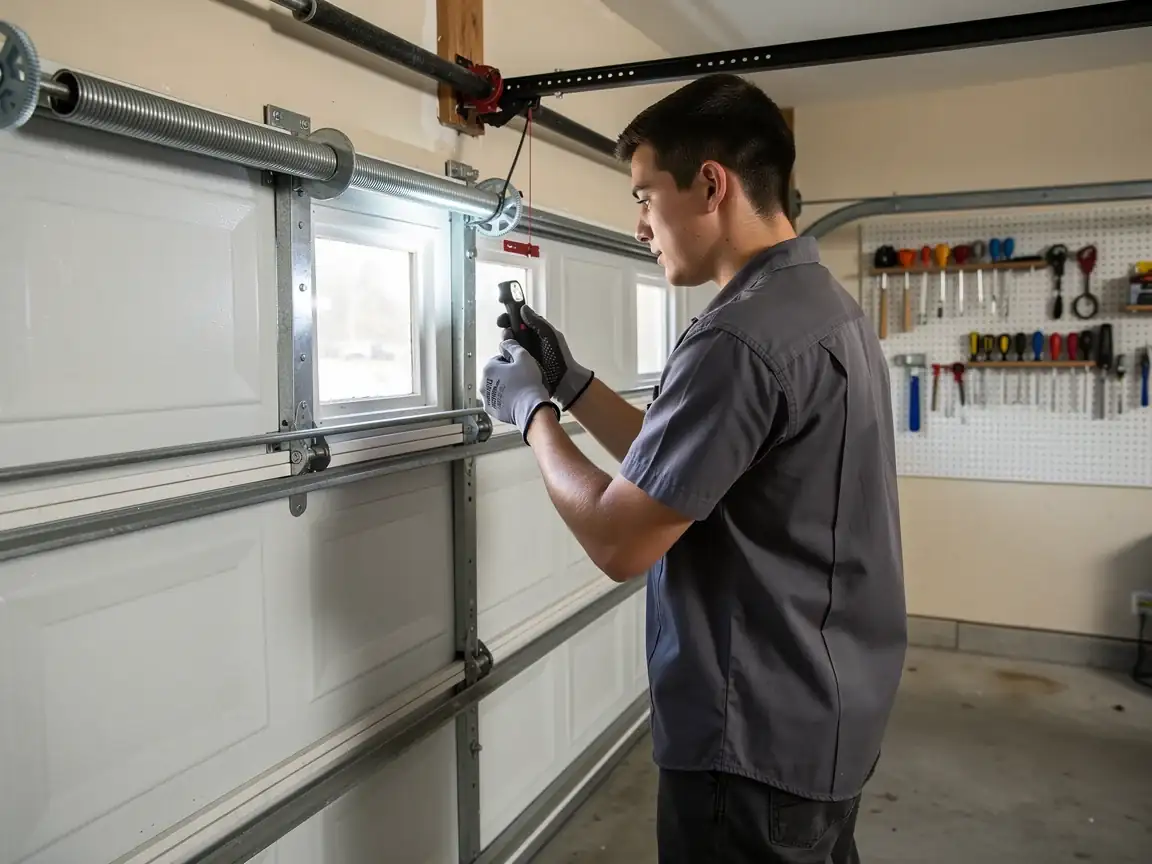
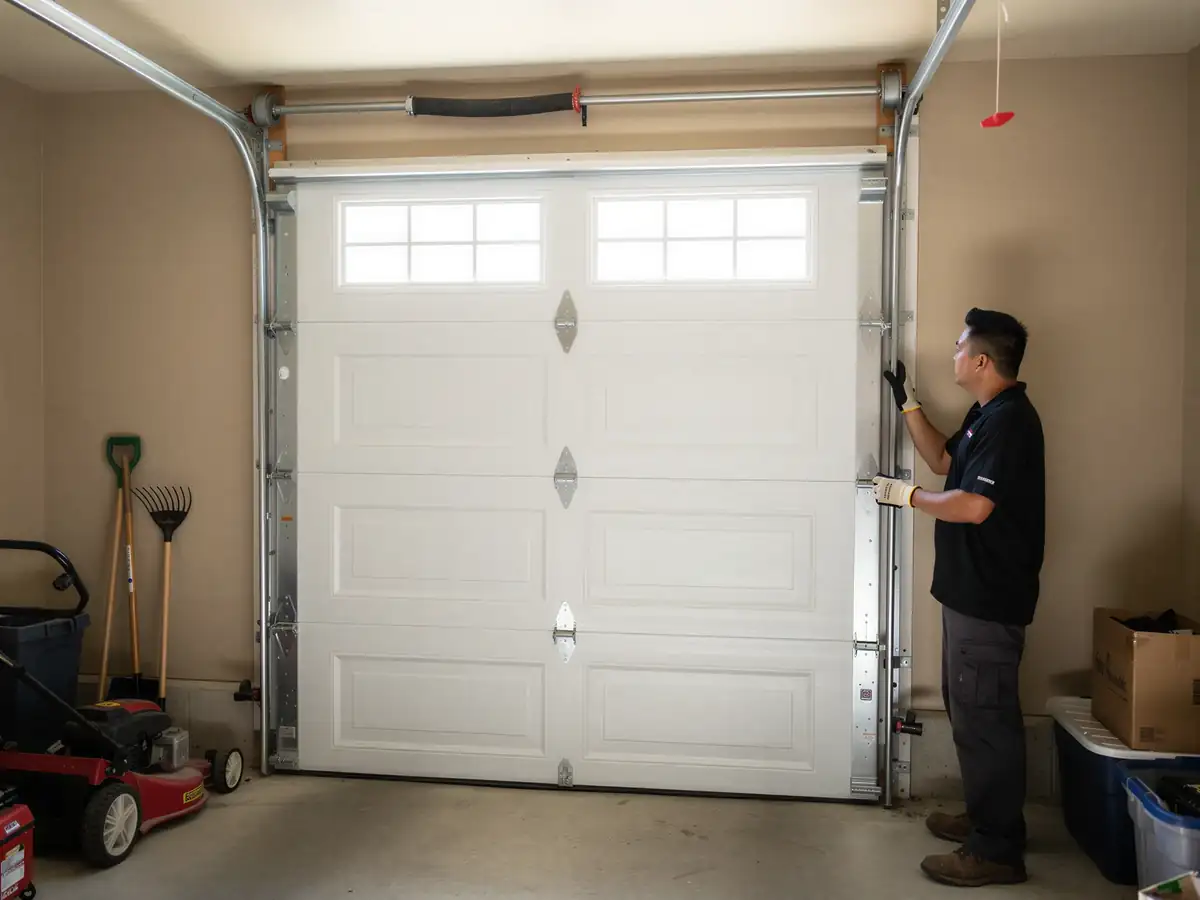
If the door is from that original 1958-2004 build era and the seals have never been touched, it's worth having someone look at the whole weather package at once, not just the bottom seal. Side stripping and the top seal along the header wear at different rates, and replacing one without checking the others means another call in a year.
One limitation worth saying plainly: if the door itself is warped, bowed, or the track is bent, a new seal won't fix the draught. At that point you're looking at panel or door replacement, and we'll tell you that straight rather than sell you a seal that won't hold against a frame that's out of square.
The Seasonal Bit
The best time to deal with seals here is before the cold band really sets in, not during it. Cold vinyl is stiff and harder to seat properly in the track, and a seal installed on a freezing day often looks fine for a week and then pulls loose at the first real cycle.
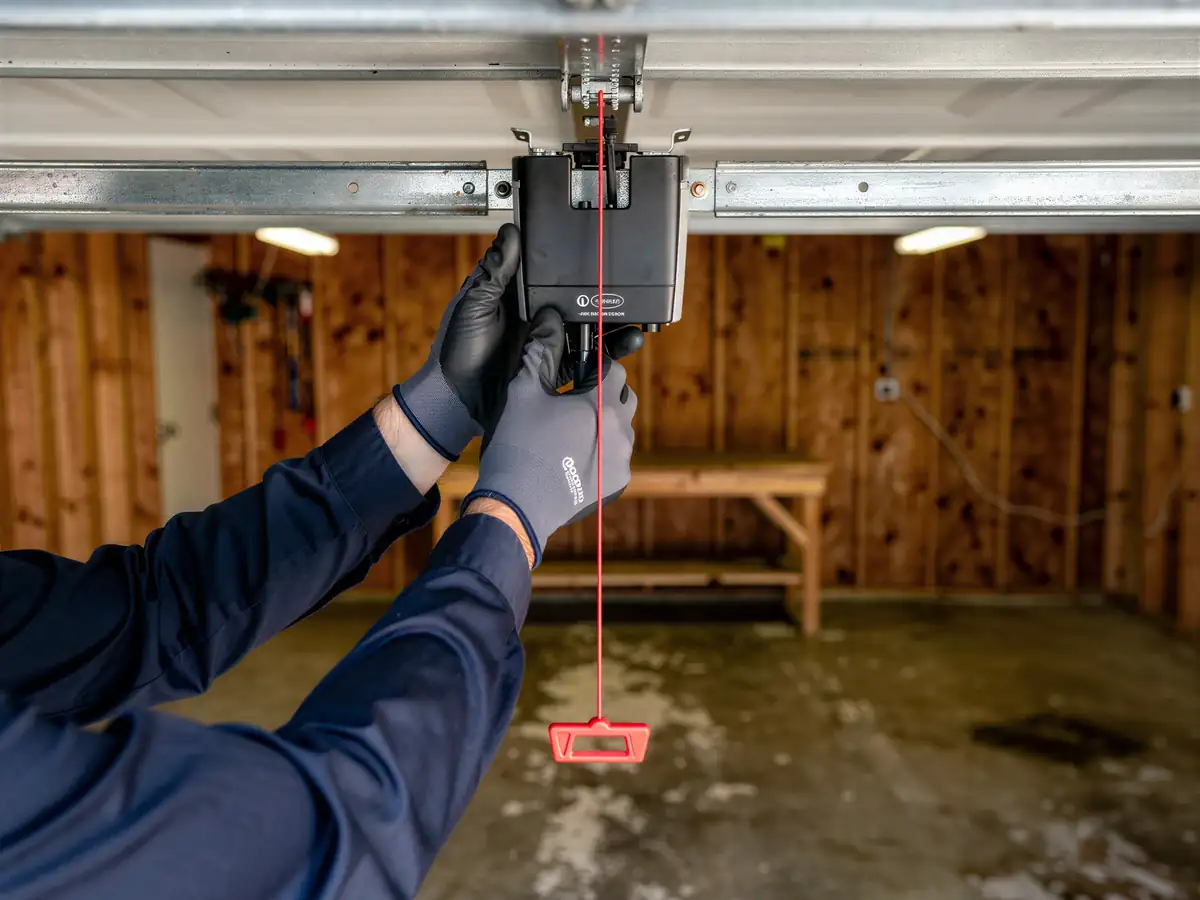
Across the service area, with roughly 90,342 owner-occupied houses sitting in a mostly 1980s-90s stock, we see the same pattern house after house: original seals holding on well past their useful life because nobody notices a slow draught until a cold morning makes it obvious. If your door dates to that build window and the seals have never been swapped, that's the first thing to check, not the opener or the springs.
A seal job is cheap compared to the alternative. Left alone long enough in a cold climate, a gapping bottom seal lets enough moisture in to start rusting the bottom panel section or rotting a wood door's lower edge, and that's a repair that costs a lot more than a strip of vinyl and twenty minutes.