What the Housing Means for Your Door
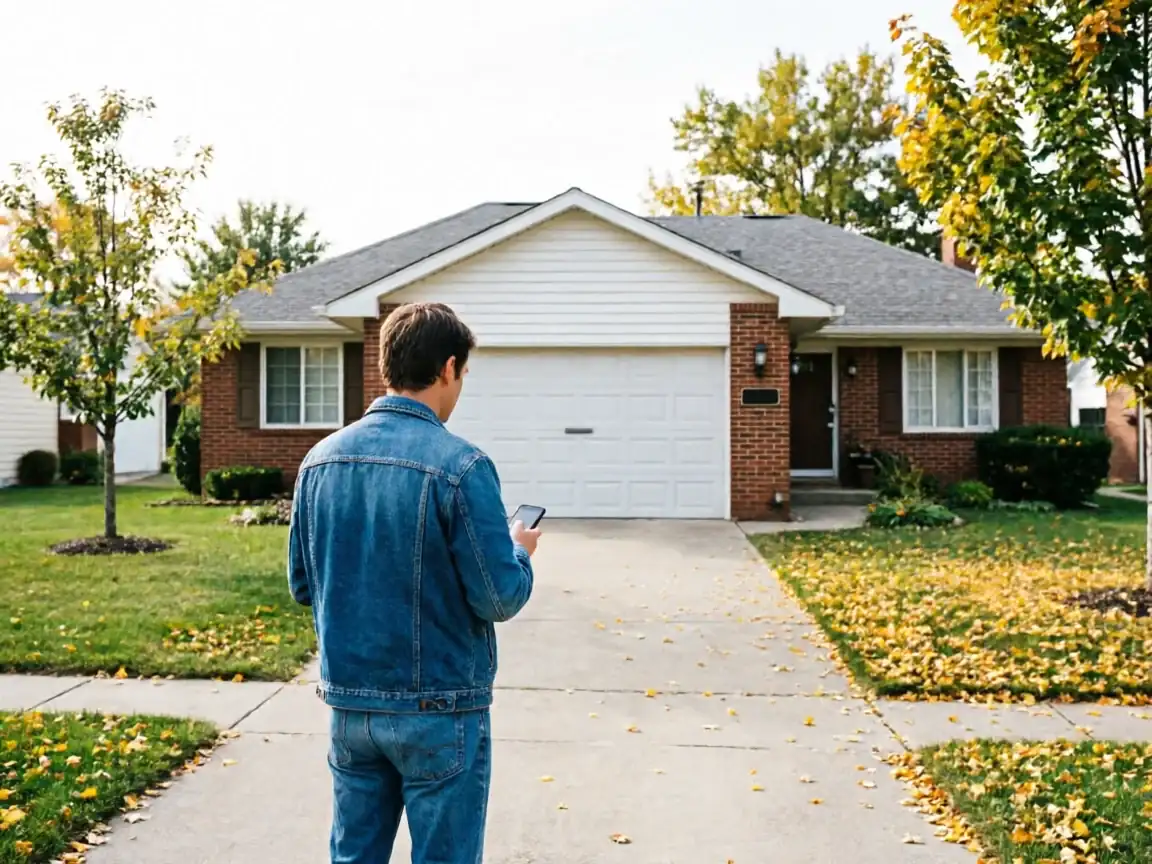
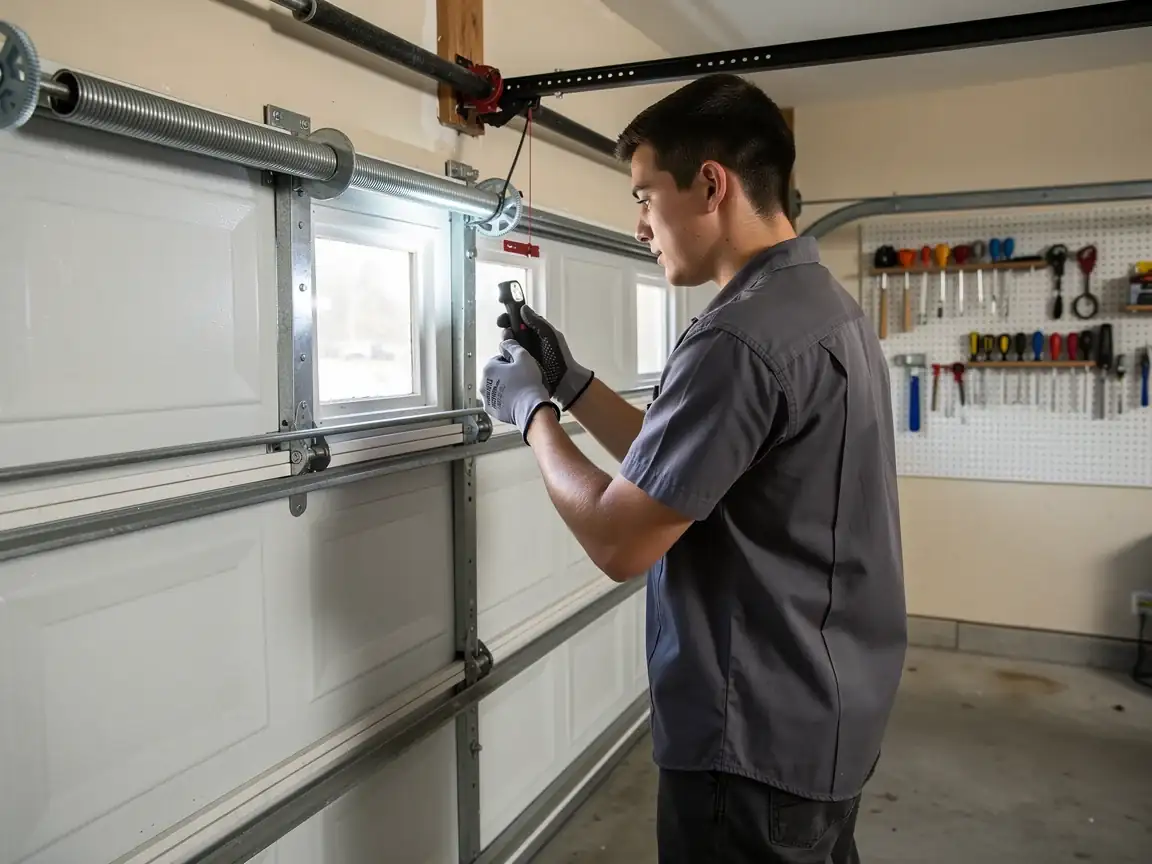
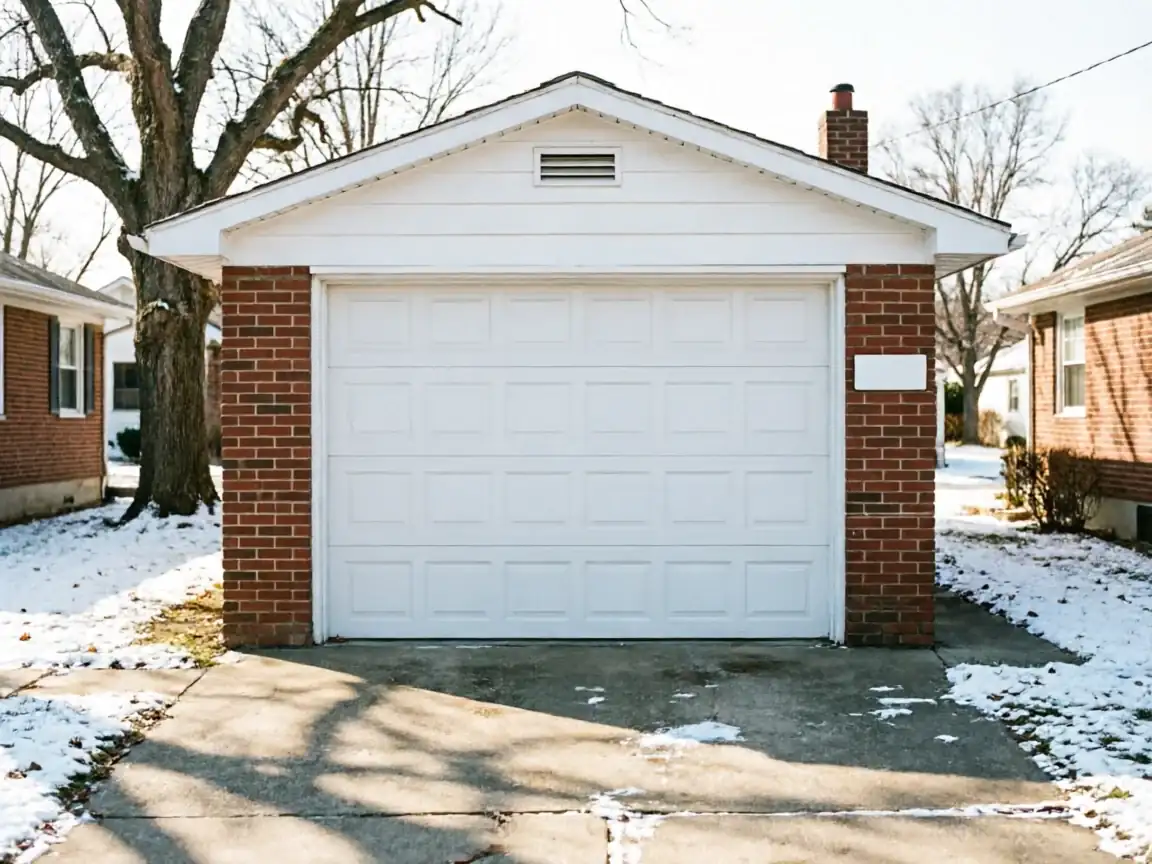
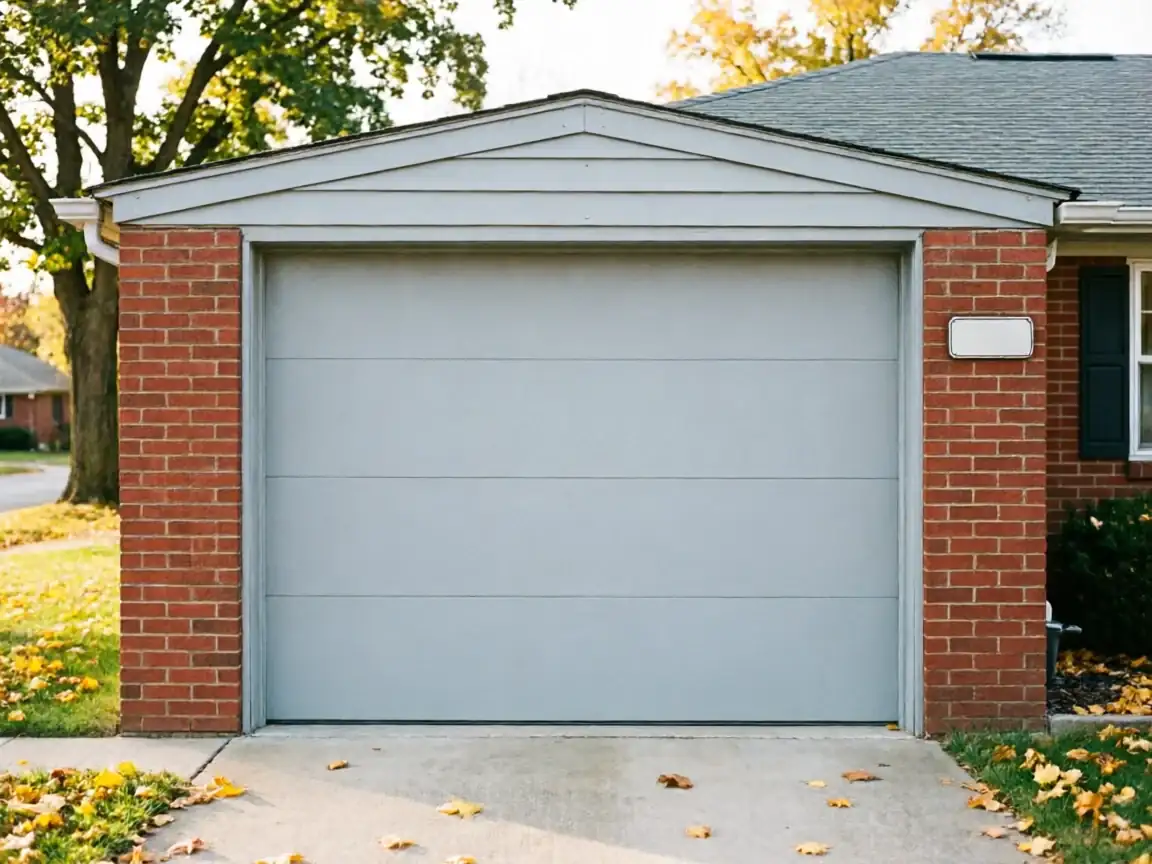
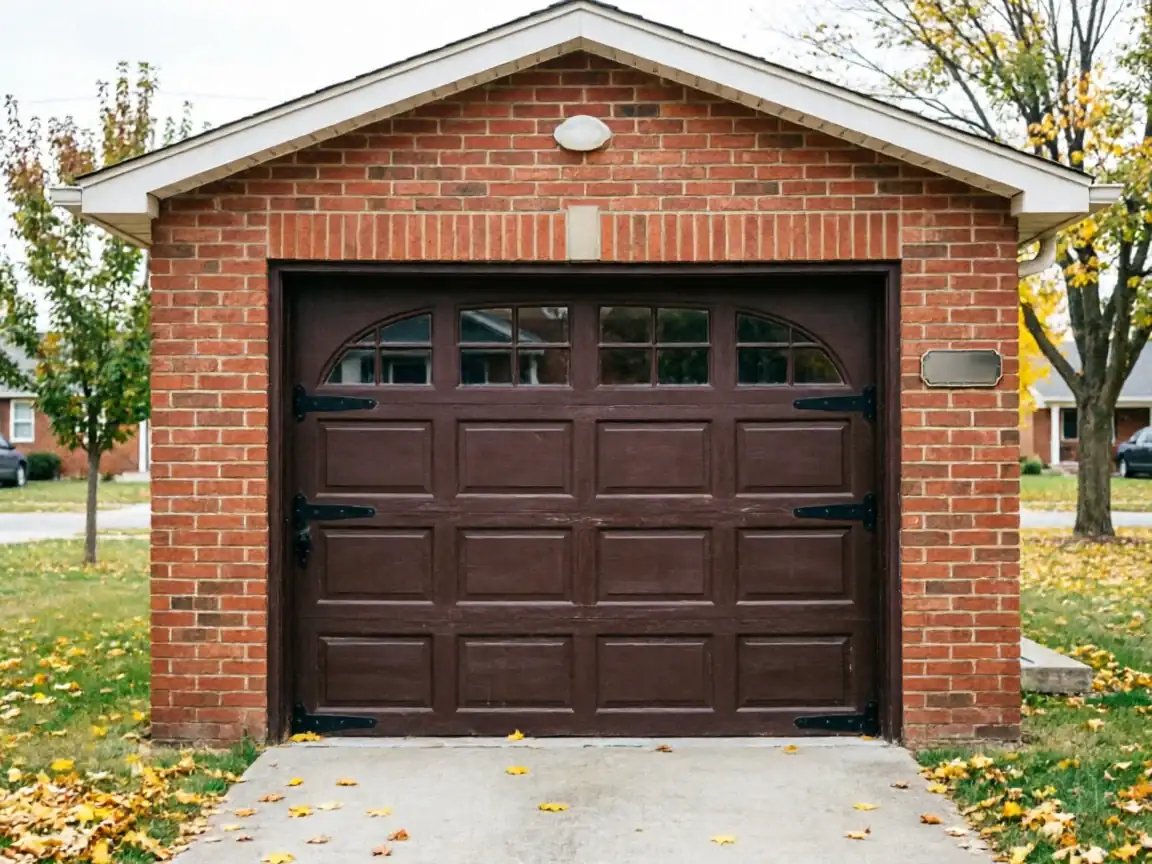
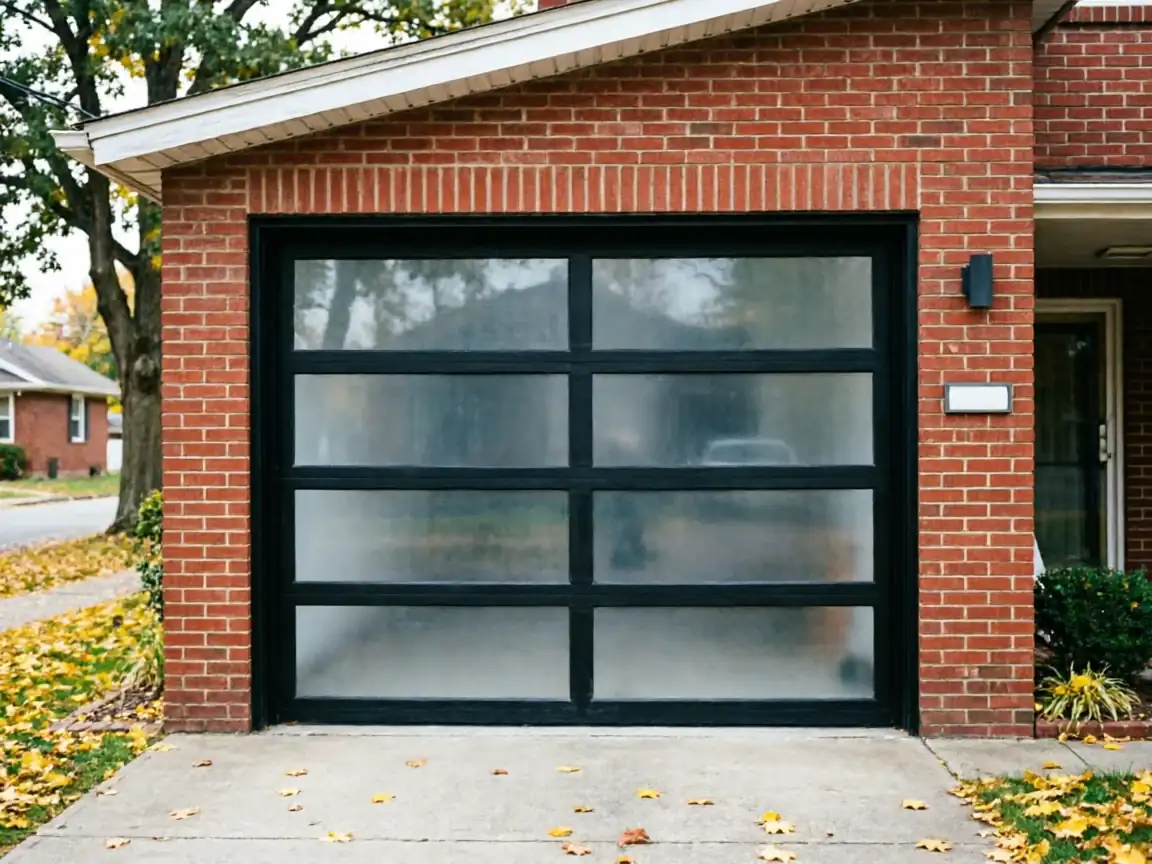
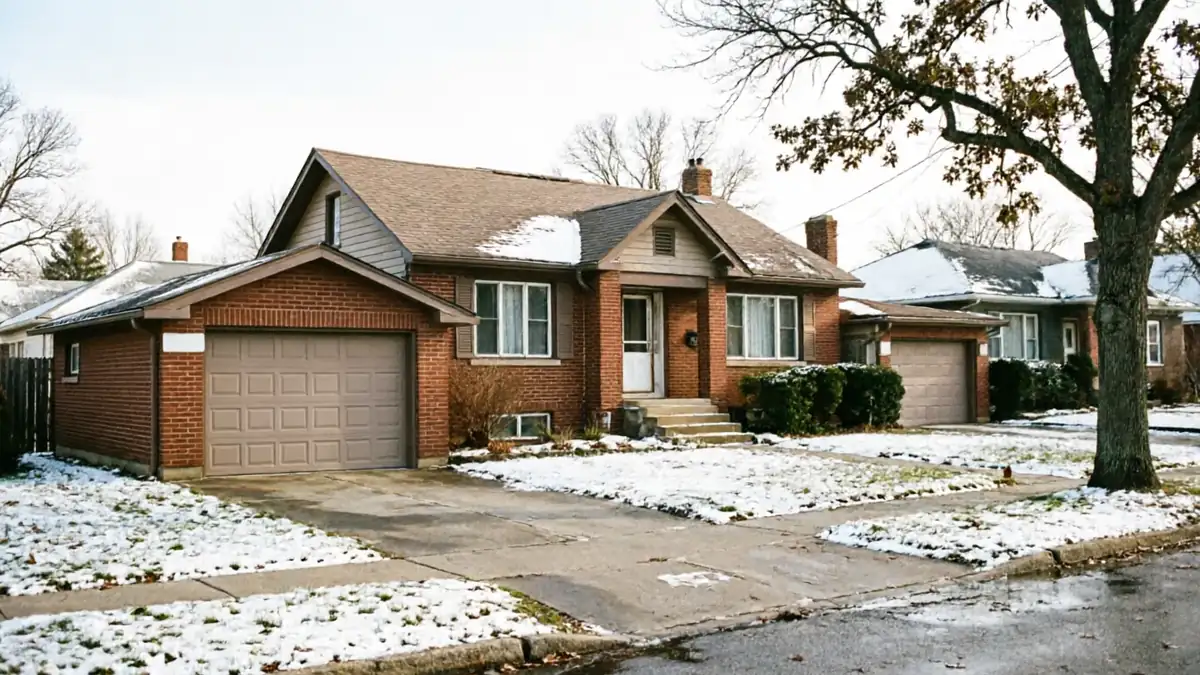
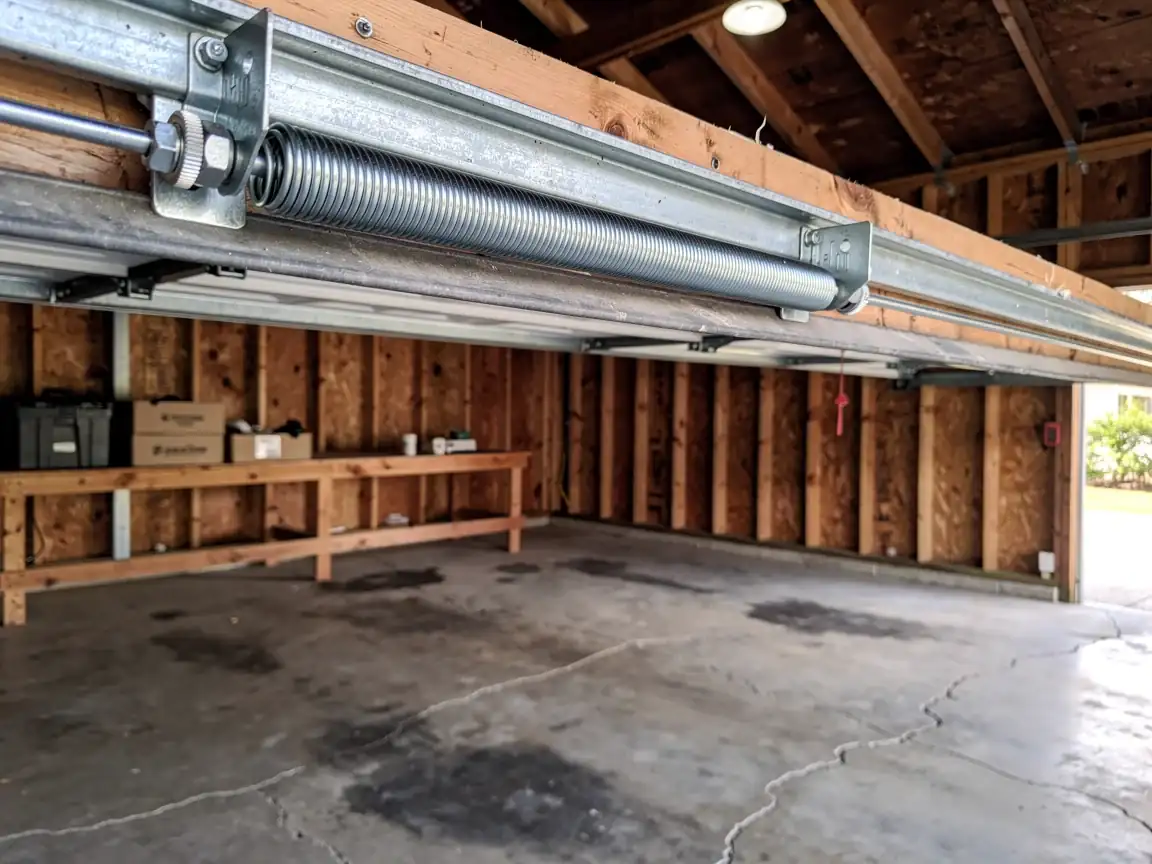
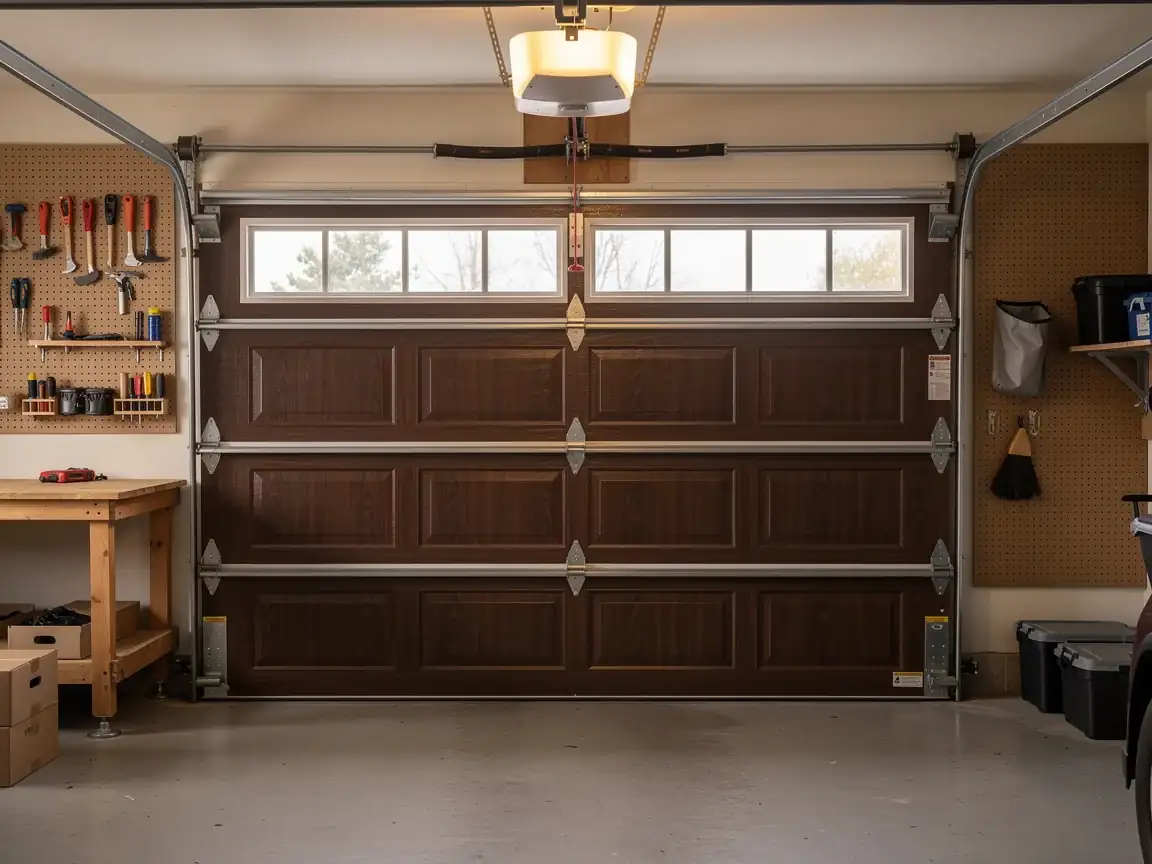
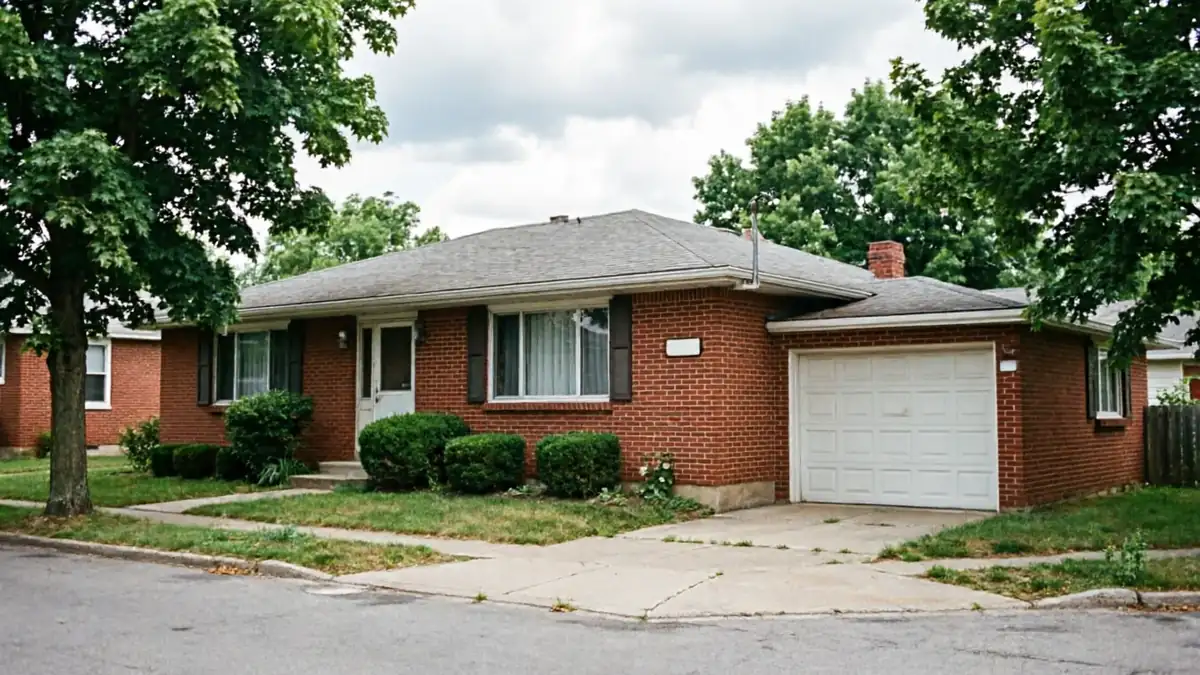
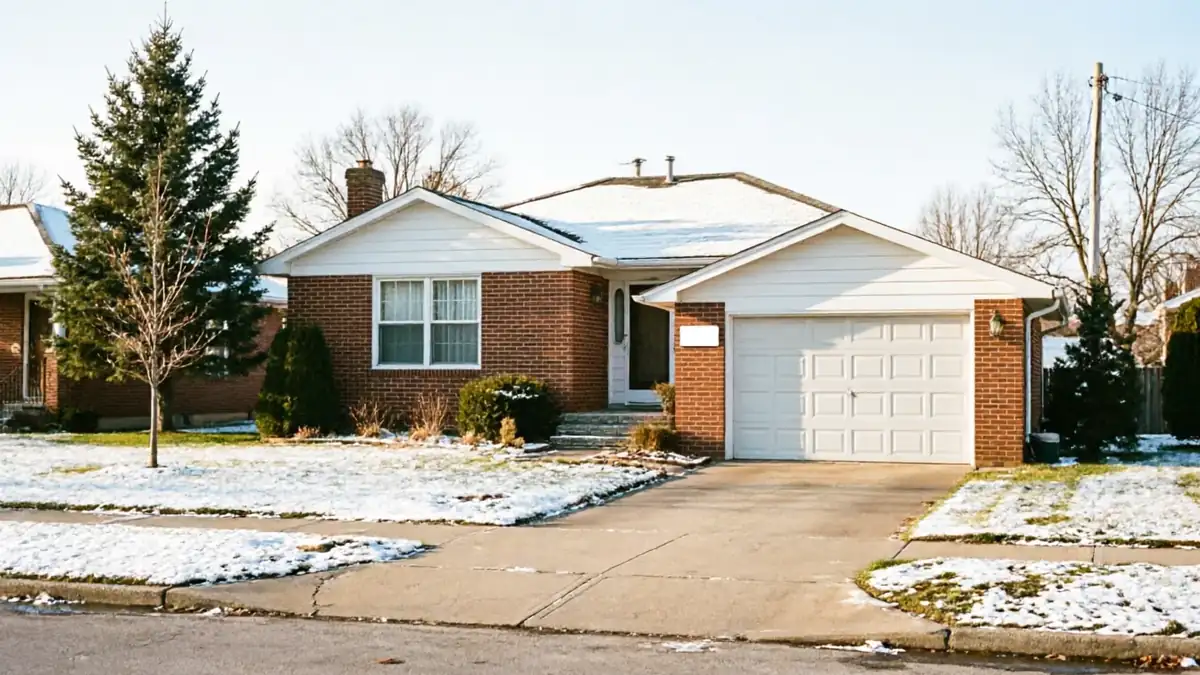
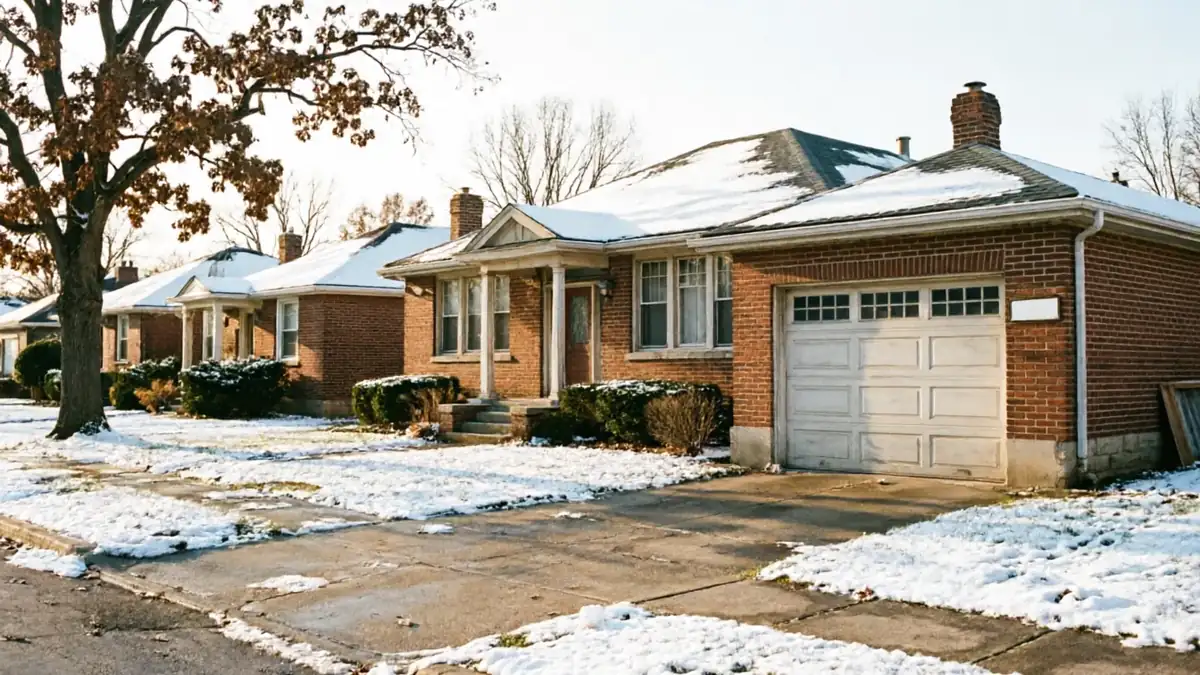
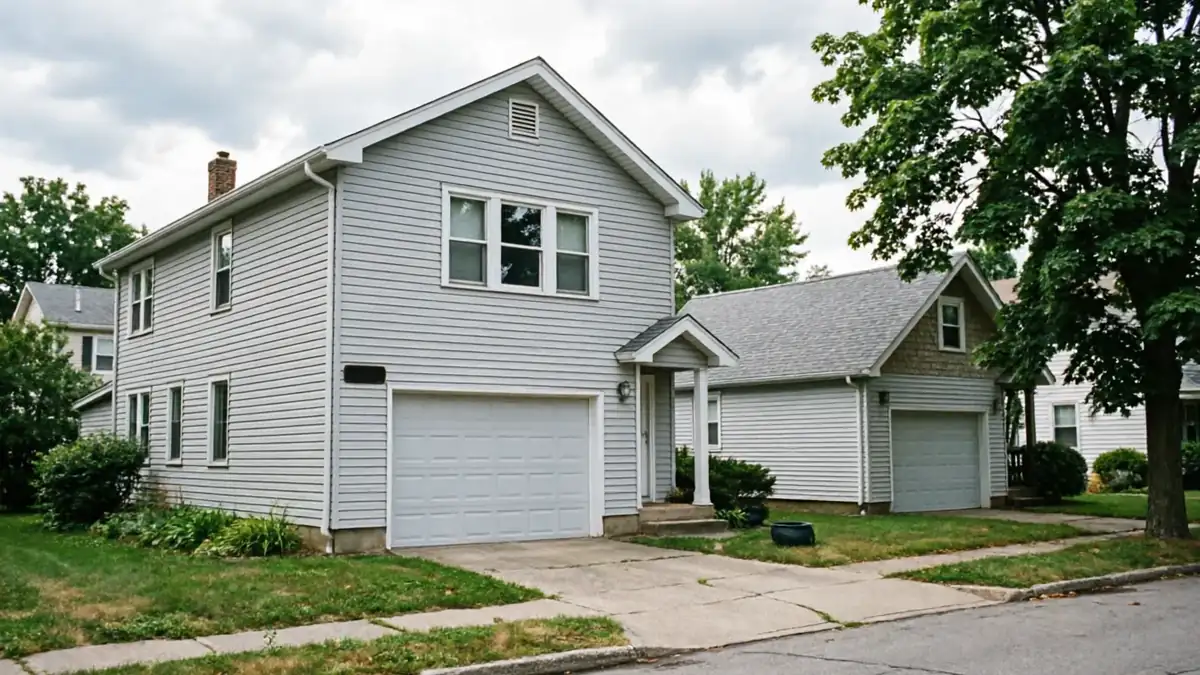
Fairmont's housing stock sits at a median build year of 1958, which is earlier than most of the 28 areas we cover out of Joliet - the broader service area runs from 1958 up through 2004 with a median closer to 1991. That gap matters. A house built in the late 1950s was almost never framed for a modern steel sectional door with a torsion spring mounted overhead. A lot of these garages still carry original or first-replacement extension spring setups, sometimes with the spring running bare along the track rather than inside a safety cable or containment bar. If your door has ever come down hard and fast, that's usually why. We see this pattern a lot more in Fairmont than we do in the newer pockets of our coverage area, and it changes what we bring on the truck before we even know what's broken.
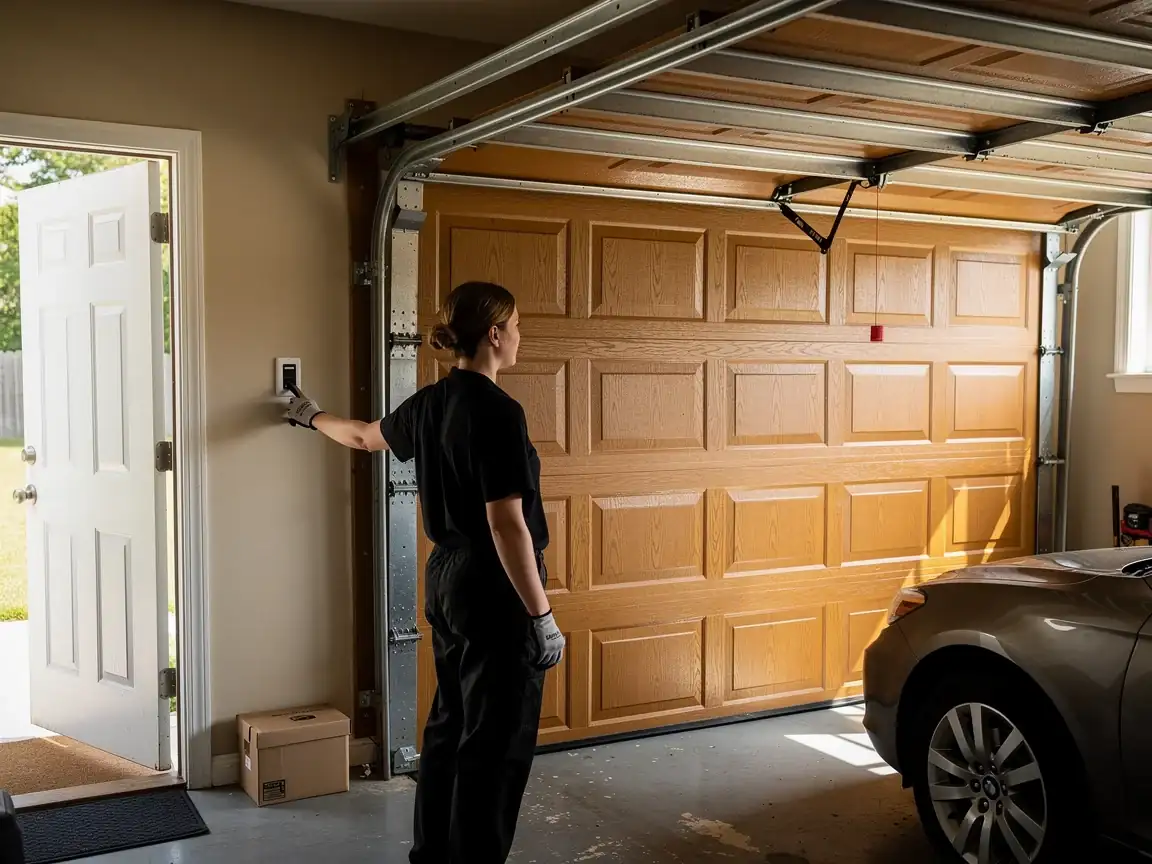
It also means the opener, if there is one, is likely a retrofit added years after the house was built, bolted onto framing that wasn't engineered for it. Loose header brackets and pulled lag screws show up more here than in houses built with the opener in mind from the start.
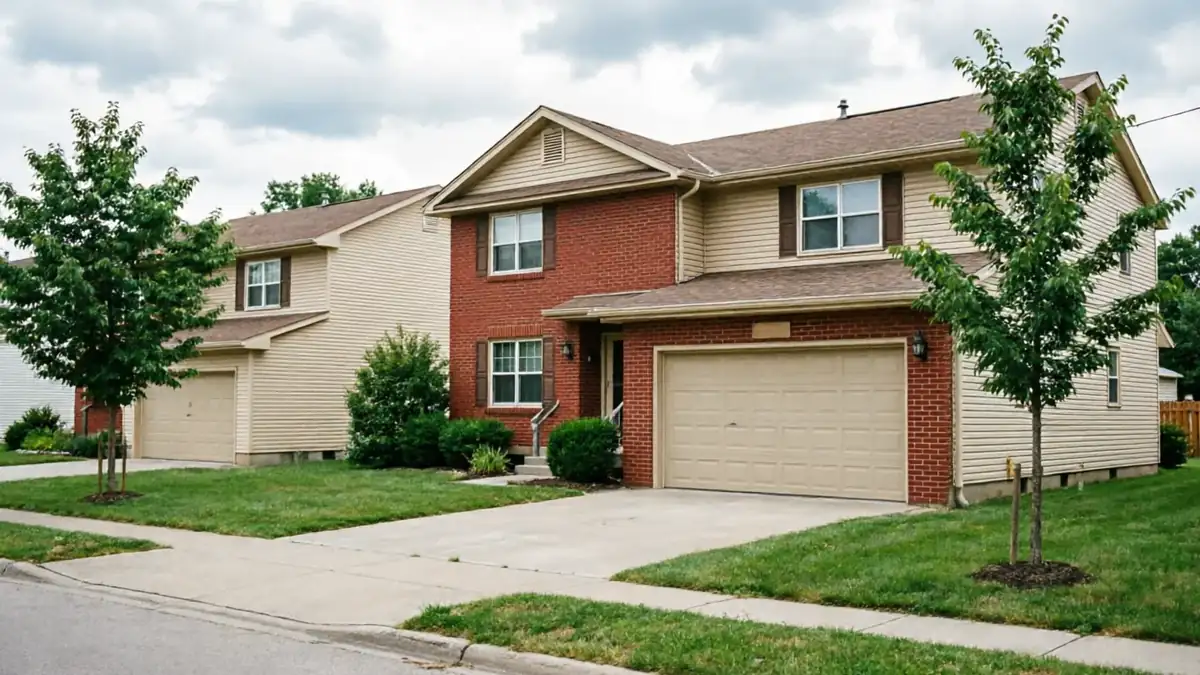
This Area's Housing
At 806 households, Fairmont is a small slice of the roughly 90,342 owner-occupied houses across our full service area
But it's a distinct one. Median household income here runs $59,244, noticeably below the $109,064 median for the service area as a whole. That doesn't change how a spring breaks, but it does change the conversation we have on site - we're more likely to talk through a targeted repair before we talk about a full door replacement, because a repair that gets another five or ten years out of existing hardware is often the right call for the budget, not just the easy one.
- 806 households
- 90,342 owner-occupied
Fairmont sits about 6 miles from our Joliet base, close enough that drive time isn't the issue
The age of the hardware is. We don't keep a depot in Fairmont itself. We come from Joliet for every job here, same as we do for the rest of the coverage area.
- 6 miles
Common Jobs Here
The jobs we run in Fairmont skew toward what you'd expect from a 1958-era garage: broken extension springs on older single-car doors, worn-out galvanized cable that's frayed at the drum, and track that's bent from decades of a door being forced through a bind instead of serviced. We also see a fair number of opener installs on houses that never had one - a straightforward retrofit, but one that needs the right bracket work given the older framing.
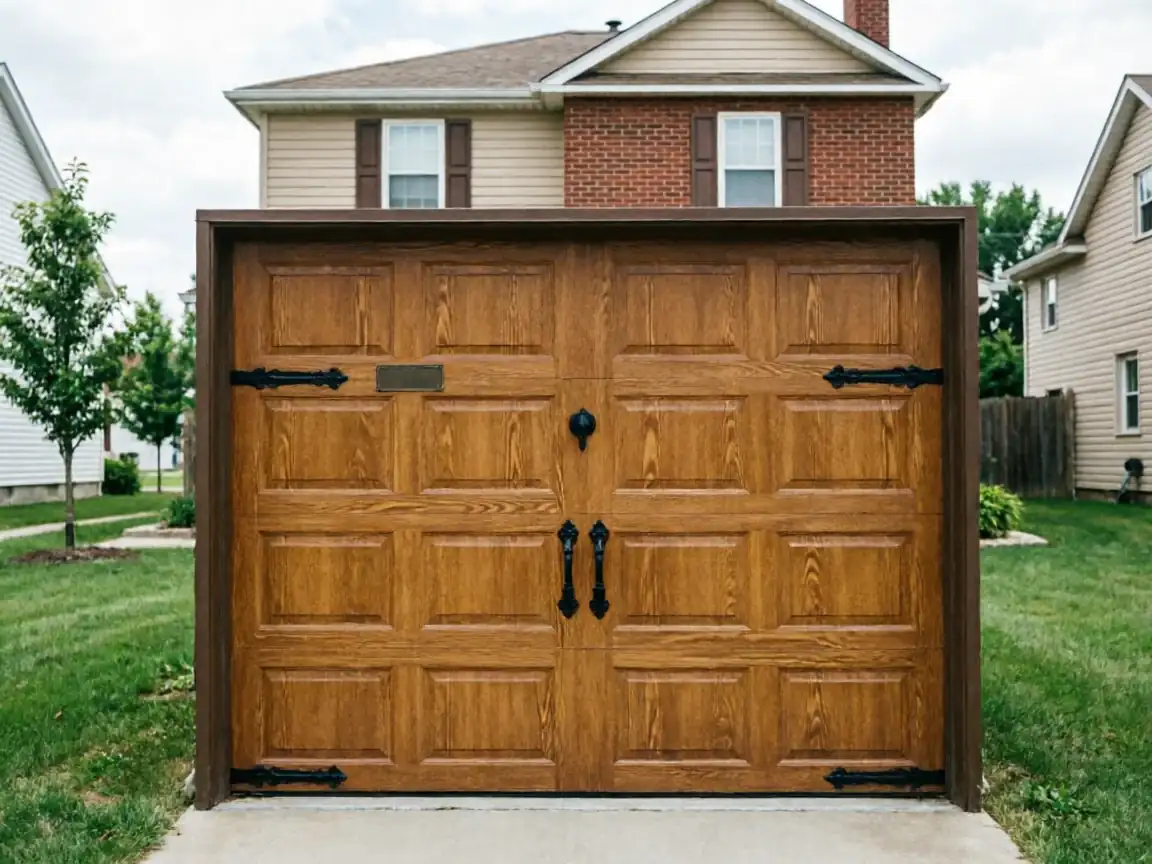
One honest limitation: if your extension springs are the original cones from the 1950s or 60s and the door itself is original wood or early steel, full parts matching sometimes isn't possible. In those cases we're usually looking at a door replacement rather than a spring swap, and we'll tell you that up front rather than force a part that won't hold.
Timing on This Area
Our winters here sit in a cold, moderate climate band, and that cold is hard on old lubricant and old steel. Extension springs that have been fine for years can snap on the first sub-freezing morning of the season, usually because the cold makes the metal brittle right as the door sees its heaviest daily cycling. If your door's springs or cable look original to a 1958 build, don't wait for the first hard freeze to find out they aren't.
We travel the 6 miles from Joliet for every call in Fairmont - there's no local depot, so the job gets scheduled around the drive like any other stop on the route, not treated as a special trip.