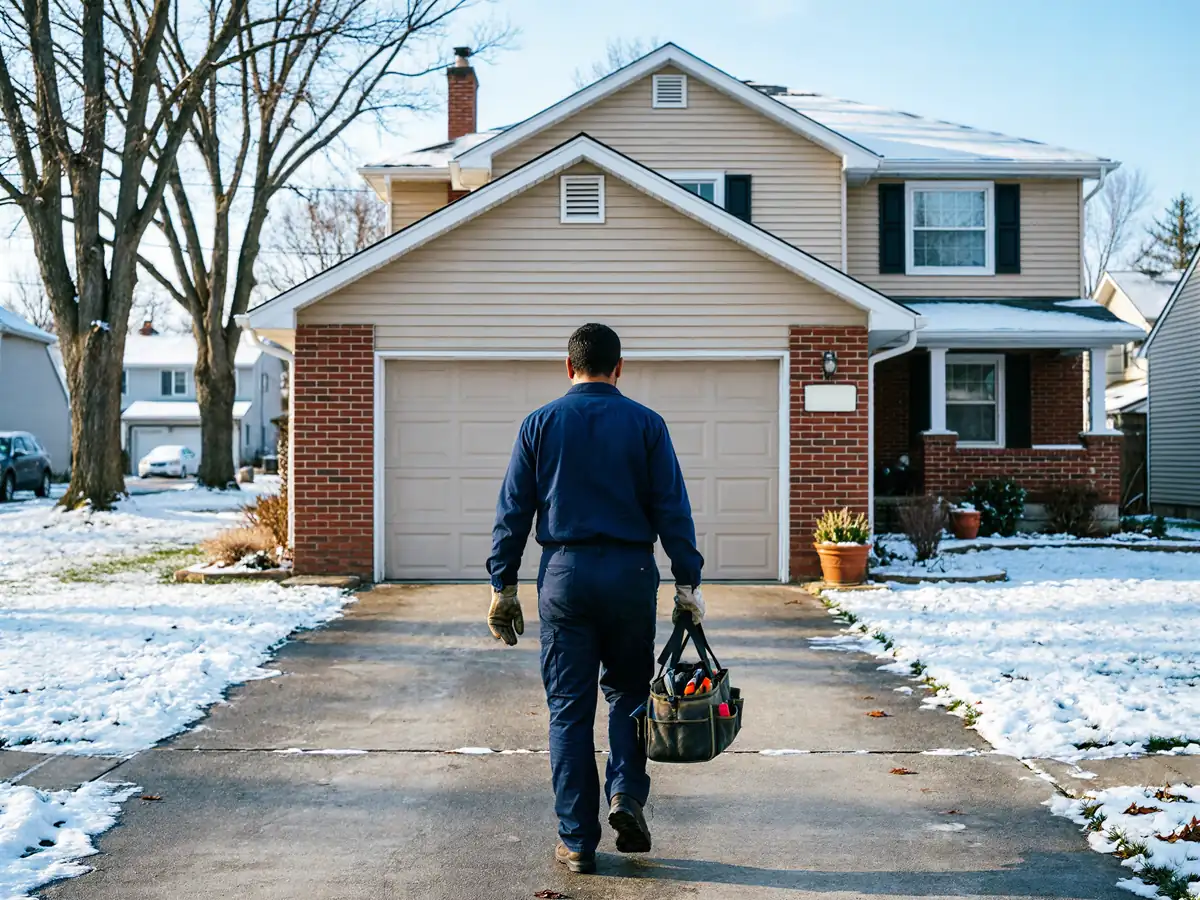
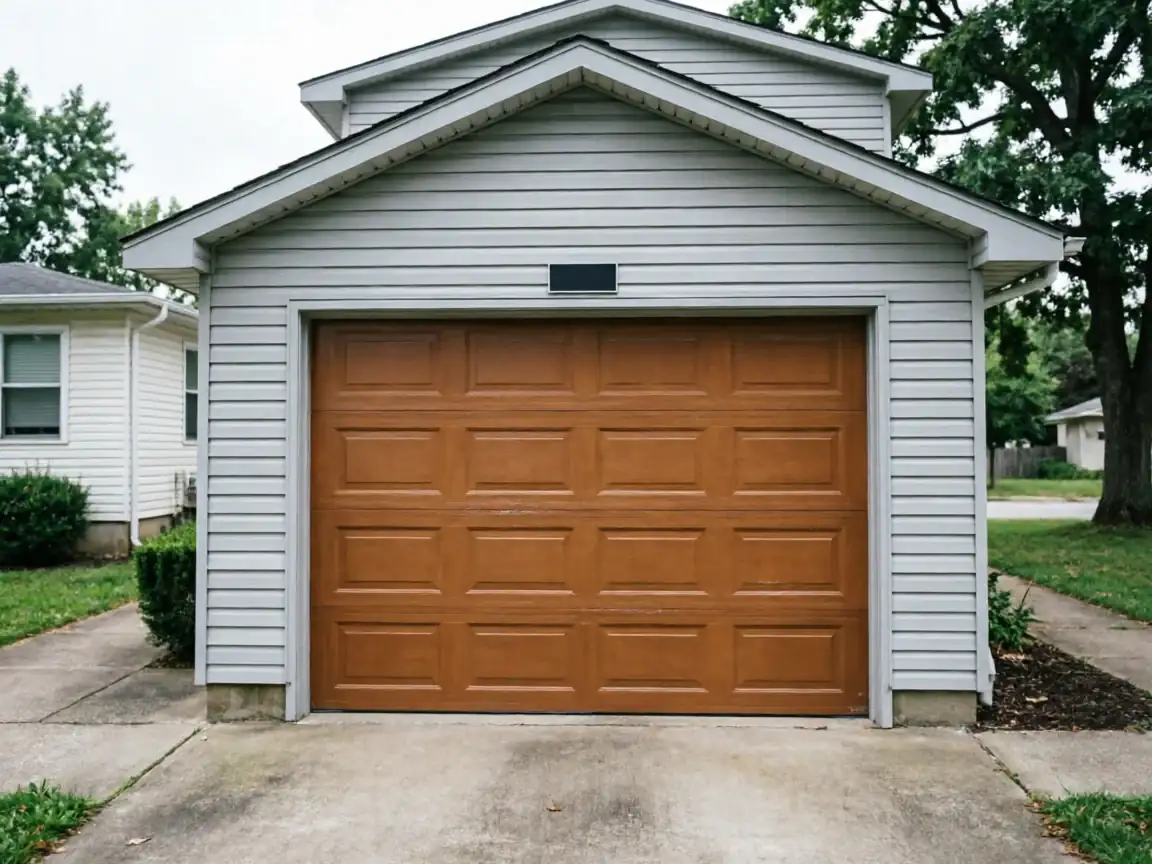
What You Are Seeing
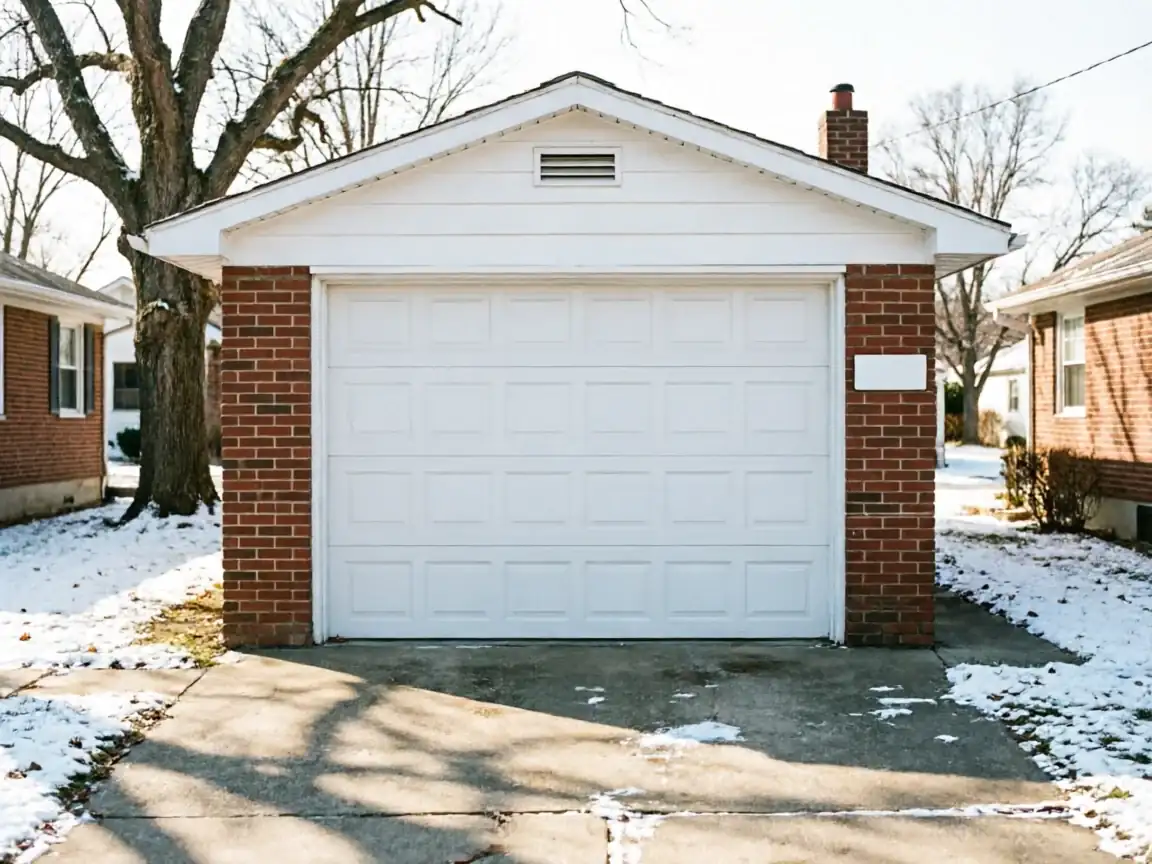
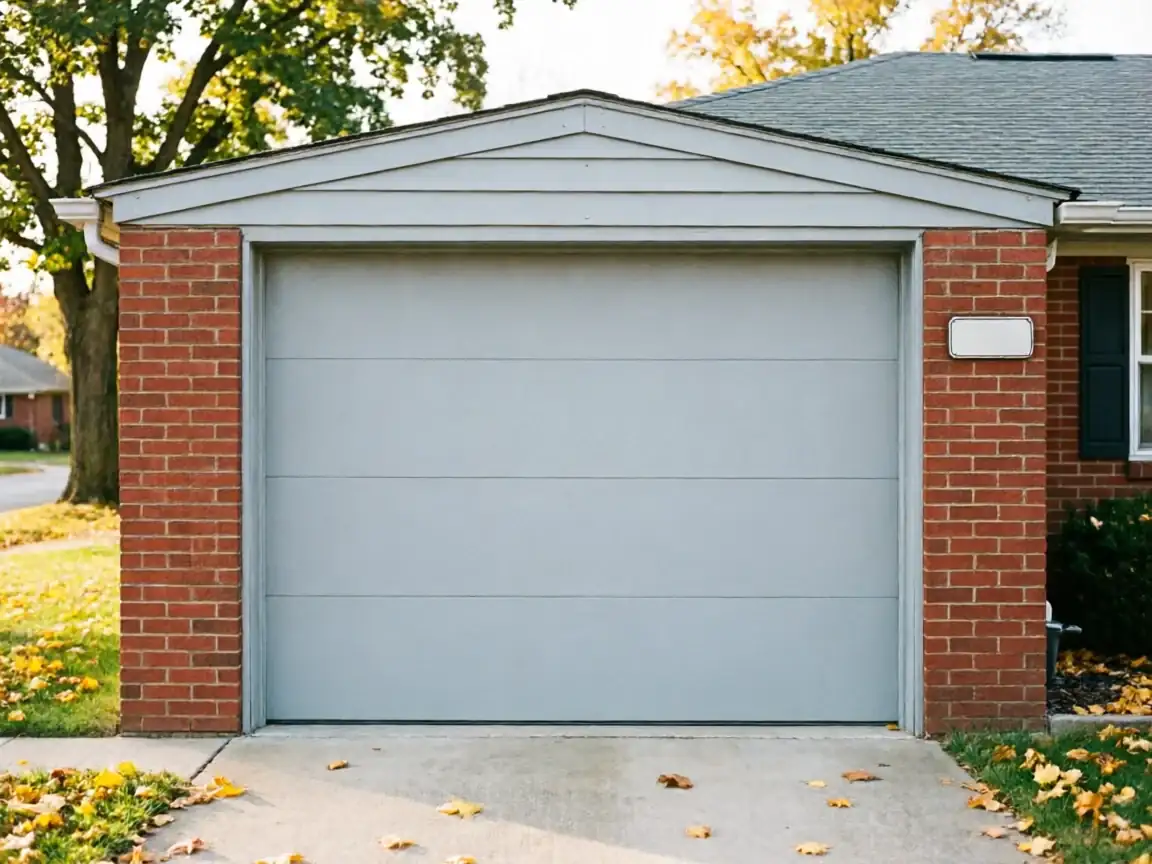
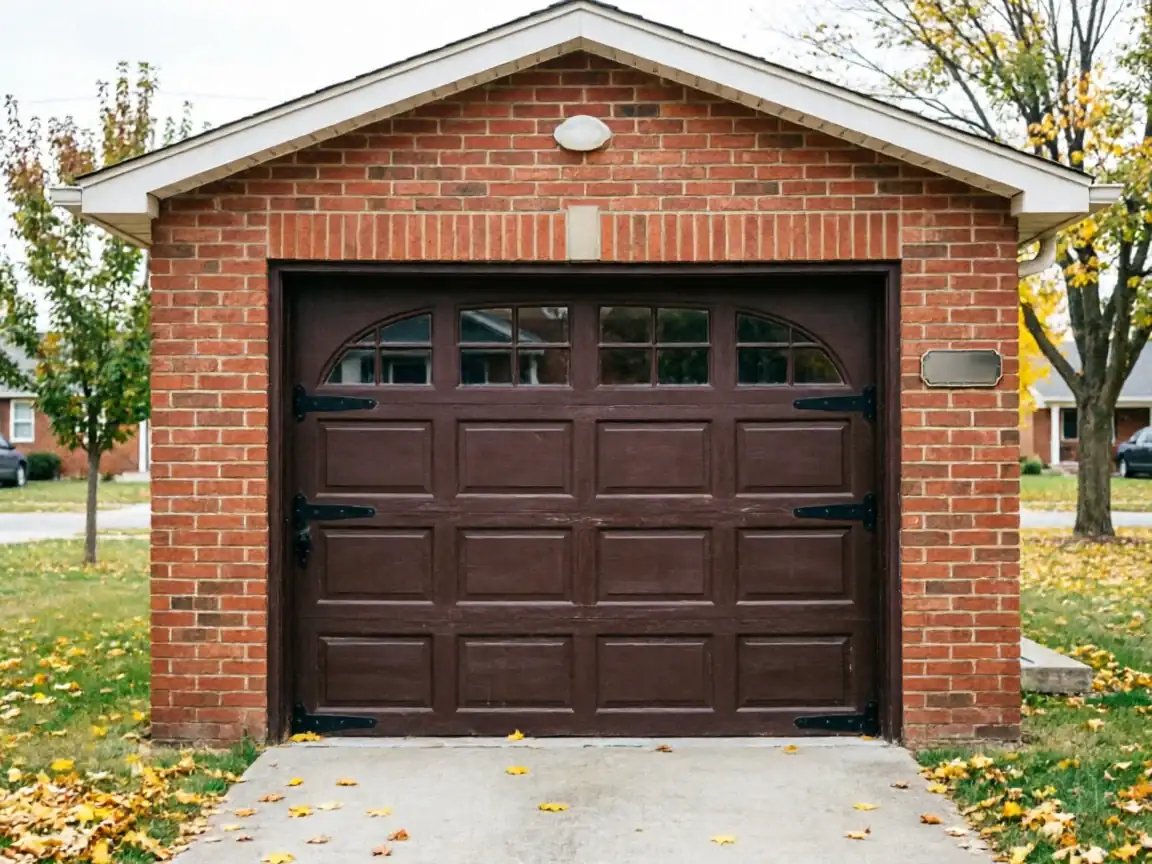
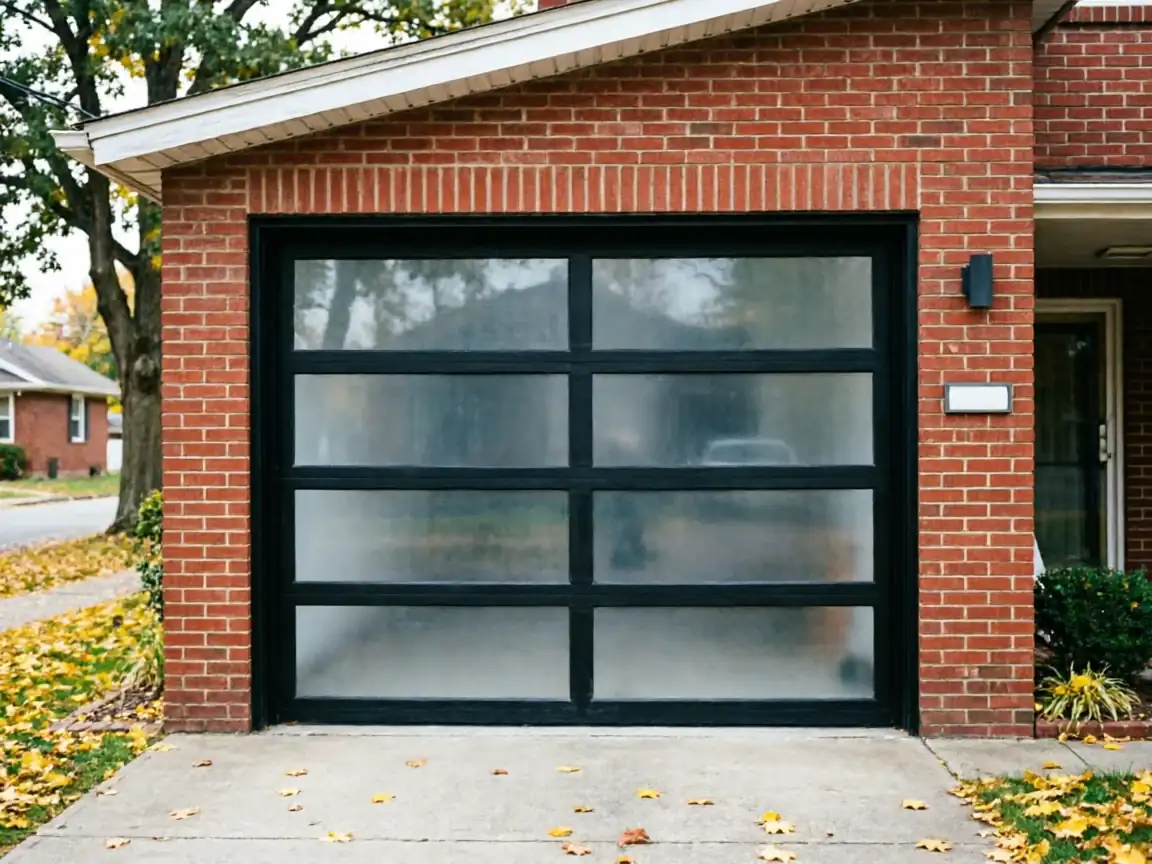
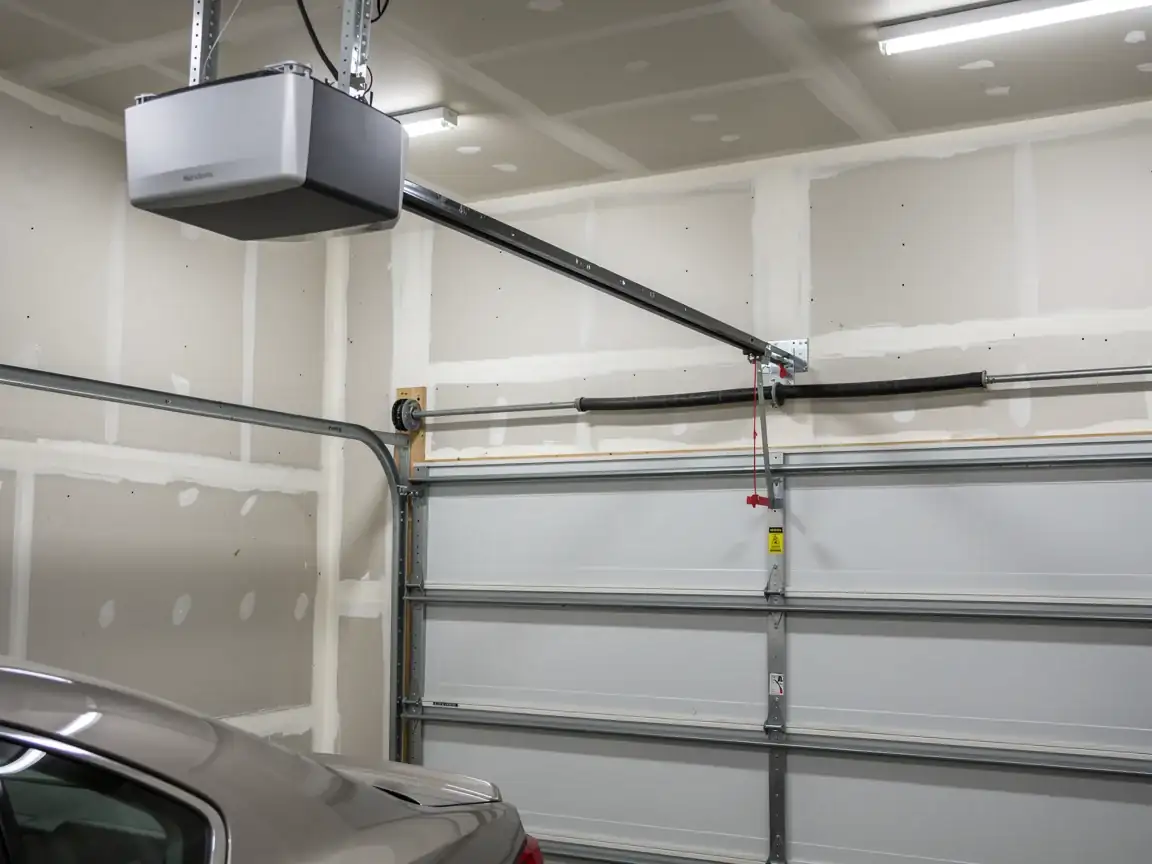
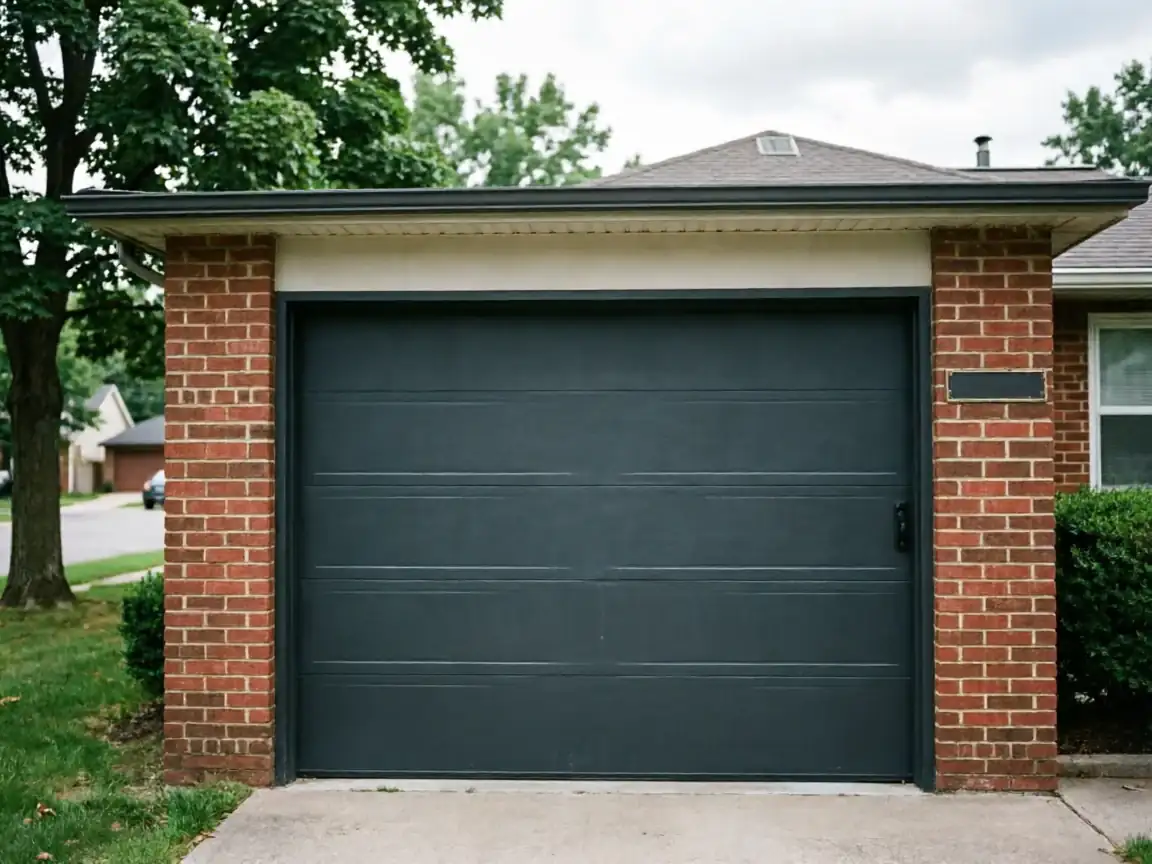
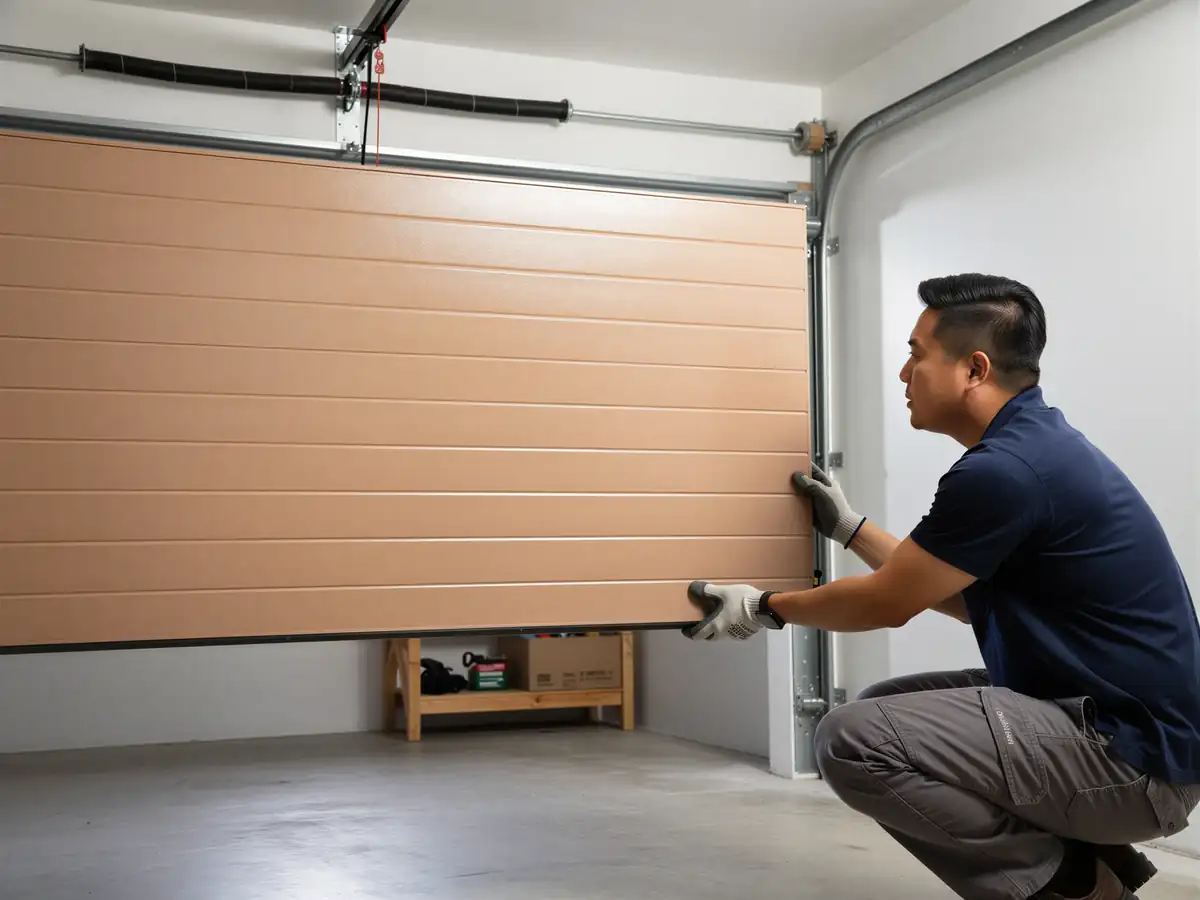
Shorewood's housing is younger than most of the towns around it - the median build year here lands around 2001, which puts most garages in a different category than the older torsion setups common farther into Joliet. A door from this era is almost always a steel sectional, insulated, usually a 16-foot double for the two-car garages that got standard in subdivisions built after 2000. The panels are heavier than the old single-skin doors from the 60s and 70s because they carry foam insulation between two steel skins, which means the torsion springs sized for them run a higher wind rating. That's the first thing to know before you even talk about what's broken: the fix has to match a door built for insulation and span, not a light single-layer door from an older build era. Get the spring size wrong on one of these and the door either won't lift clean or it over-stresses the opener trying to compensate.
The DIY Question
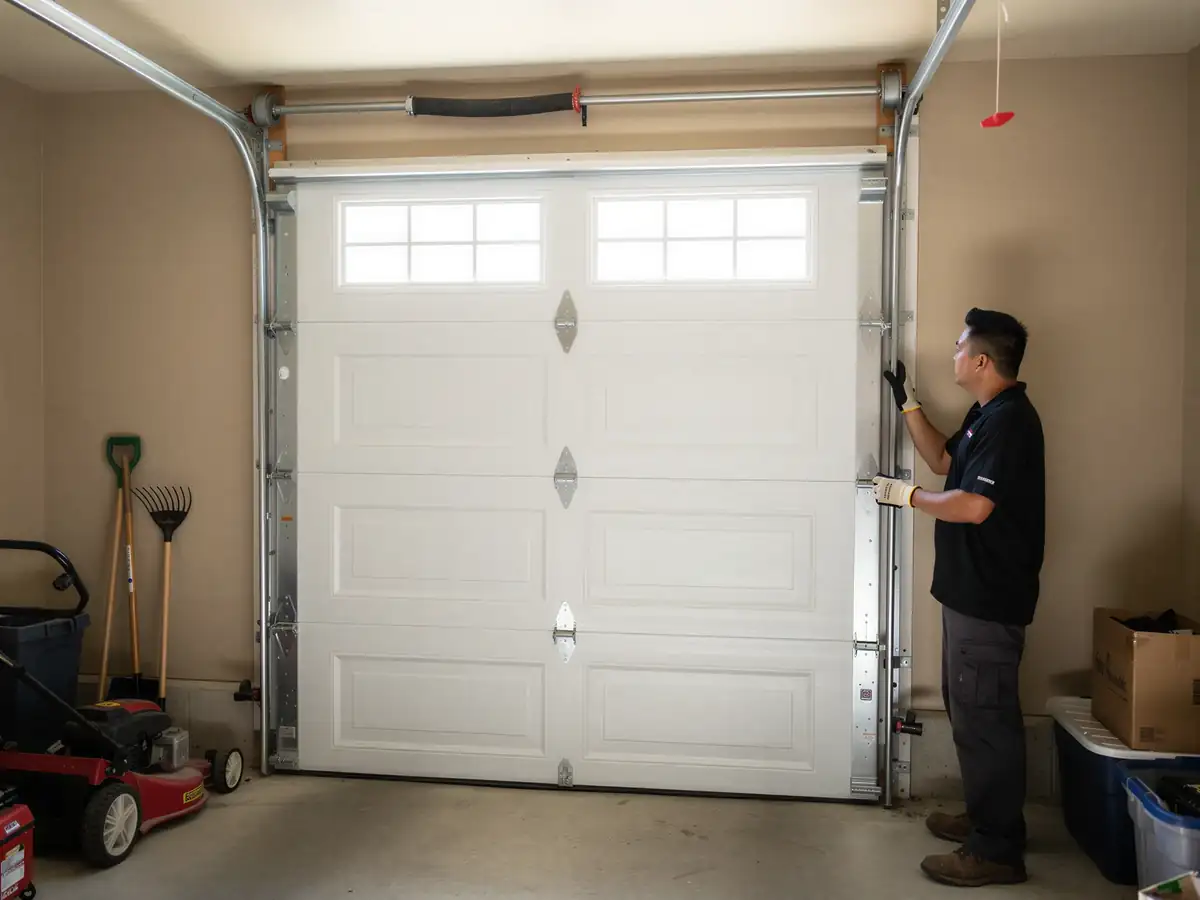
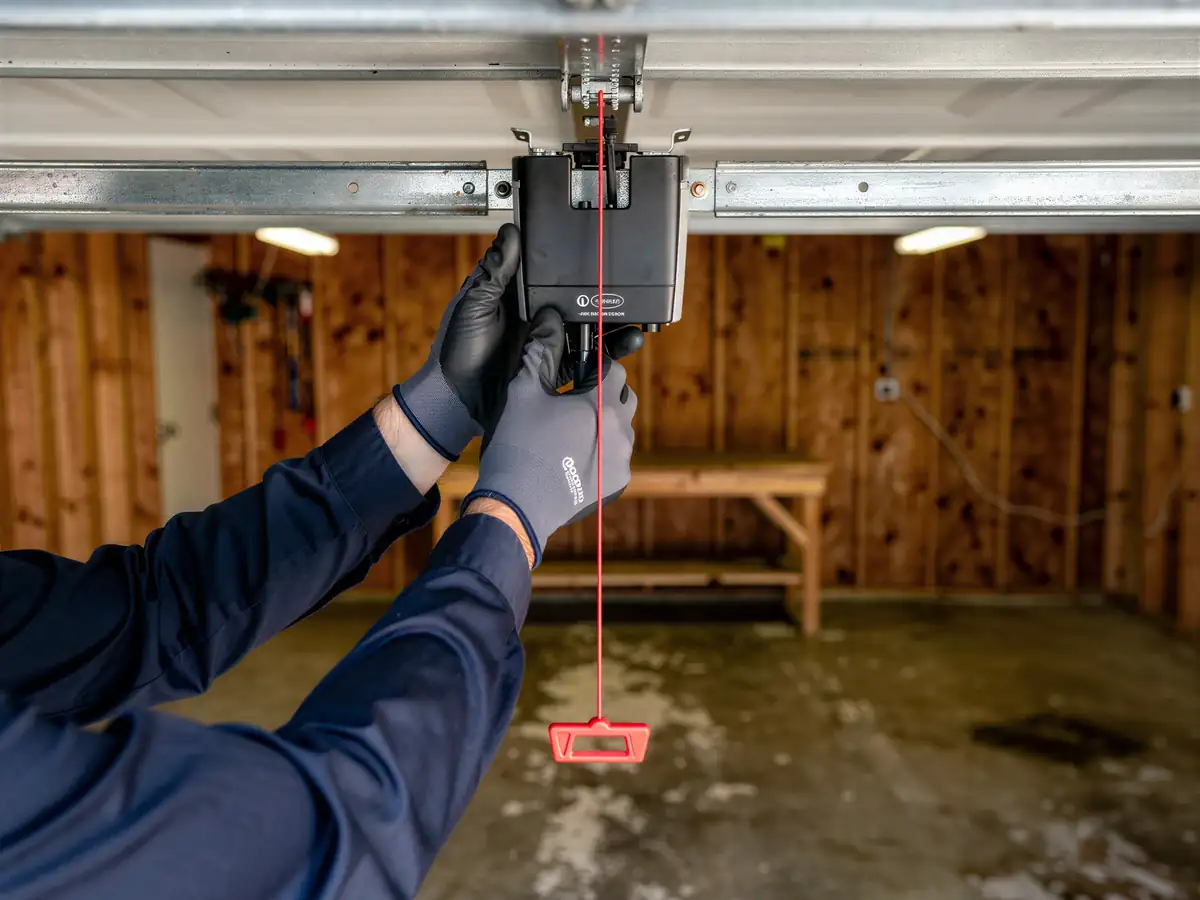
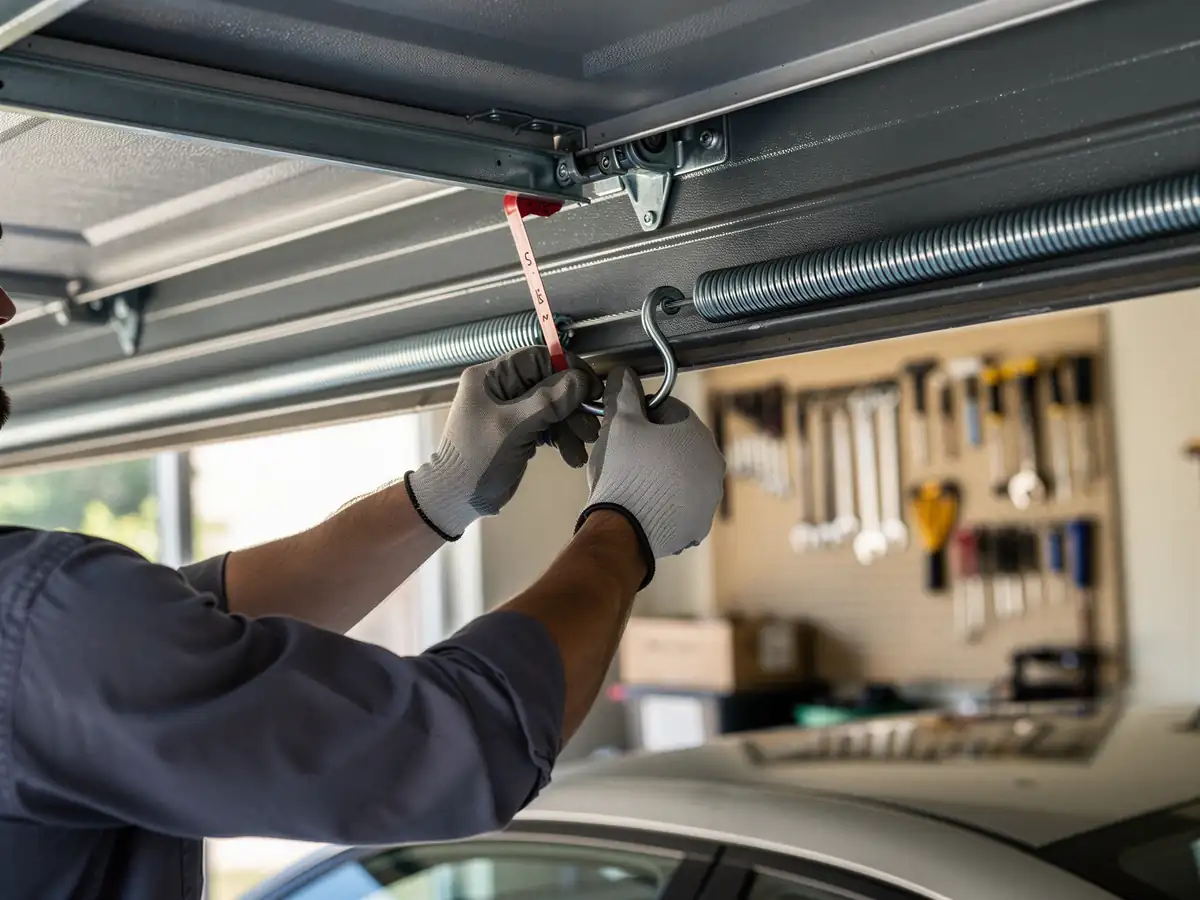
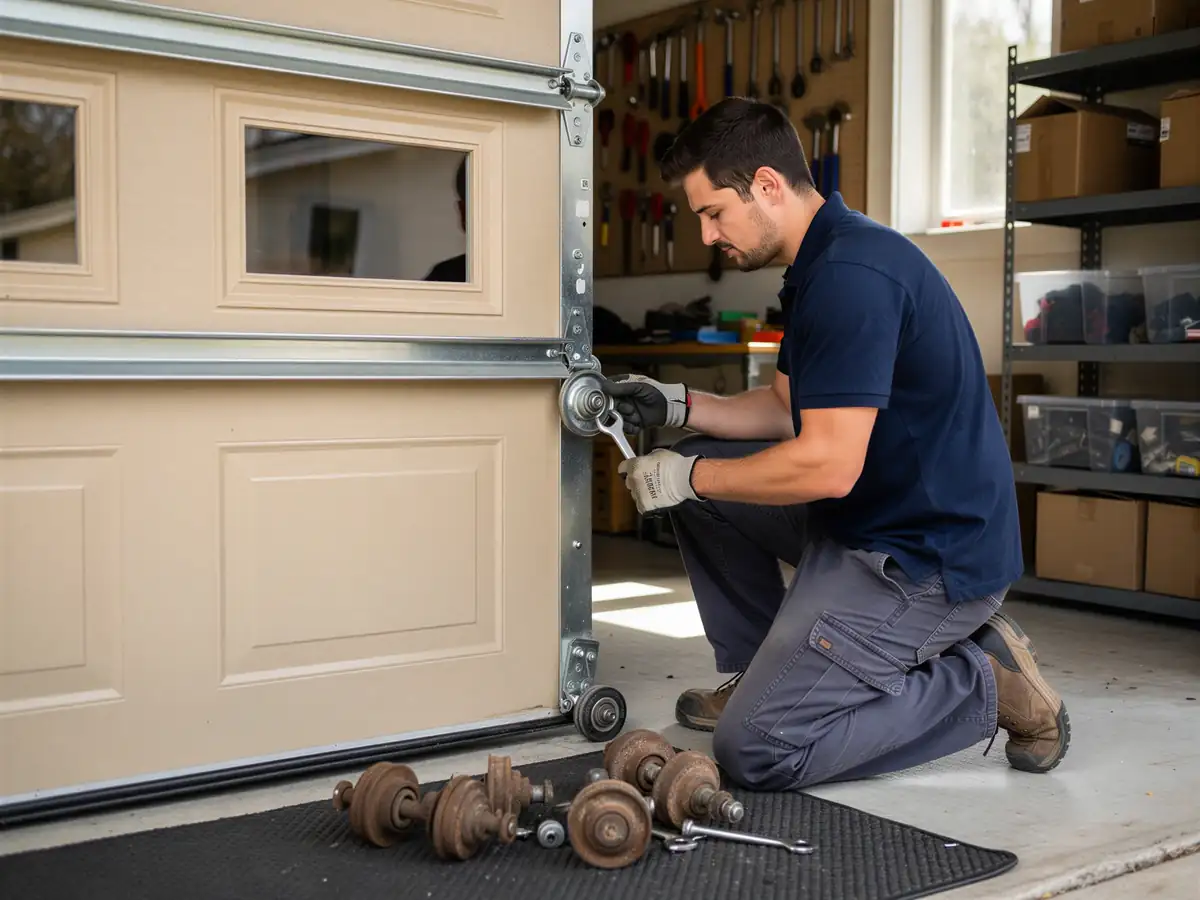
A torsion spring under tension can put you in the hospital if you don't have the bar and winding cones set up right - that's not scare talk, it's why we don't walk homeowners through it over the phone. Rollers, weatherstripping, and tightening loose hardware are fine DIY territory. Spring replacement, cable work, and anything involving the torsion tube are not, and we'll say so plainly even when it costs us the job. If your opener logic board is dying on a door this age, sometimes the honest call is a new opener rather than chasing a board that's going to fail again in a year - we'll tell you which side of that line your situation falls on instead of defaulting to the bigger invoice.
How We Fix It
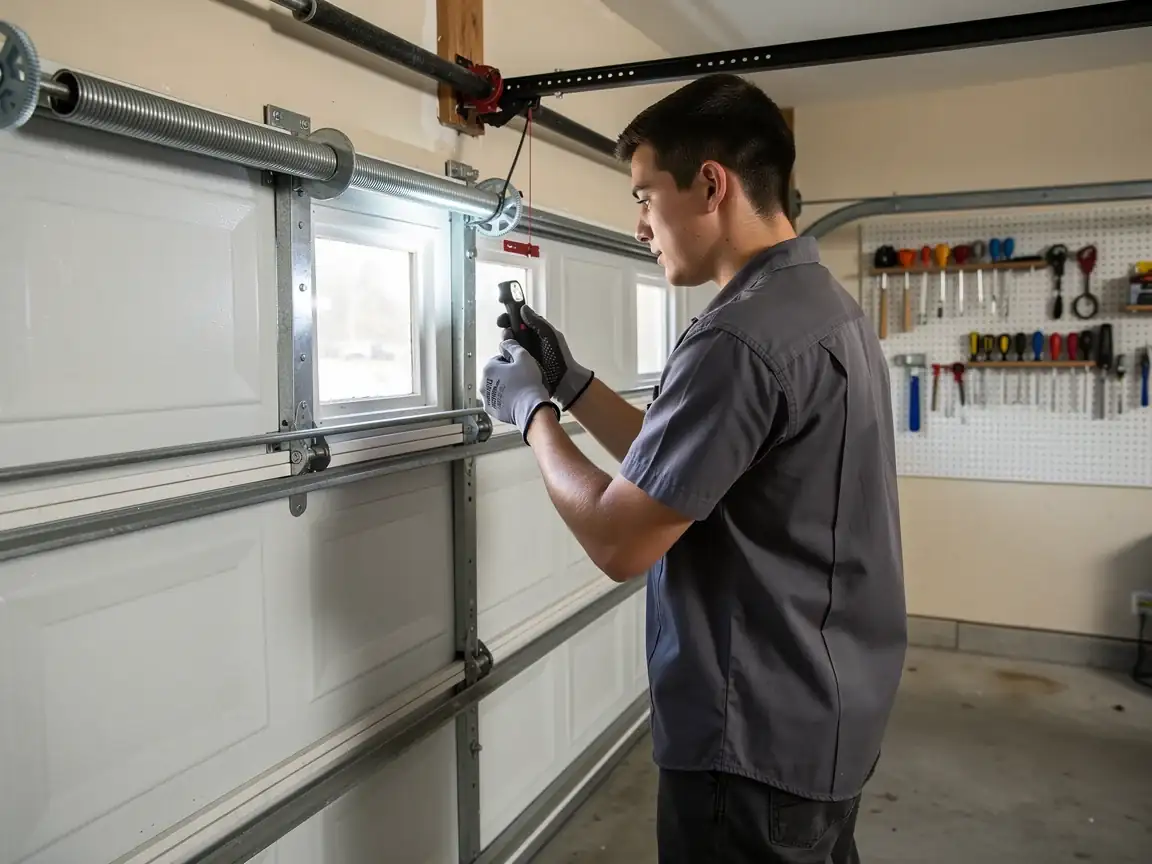
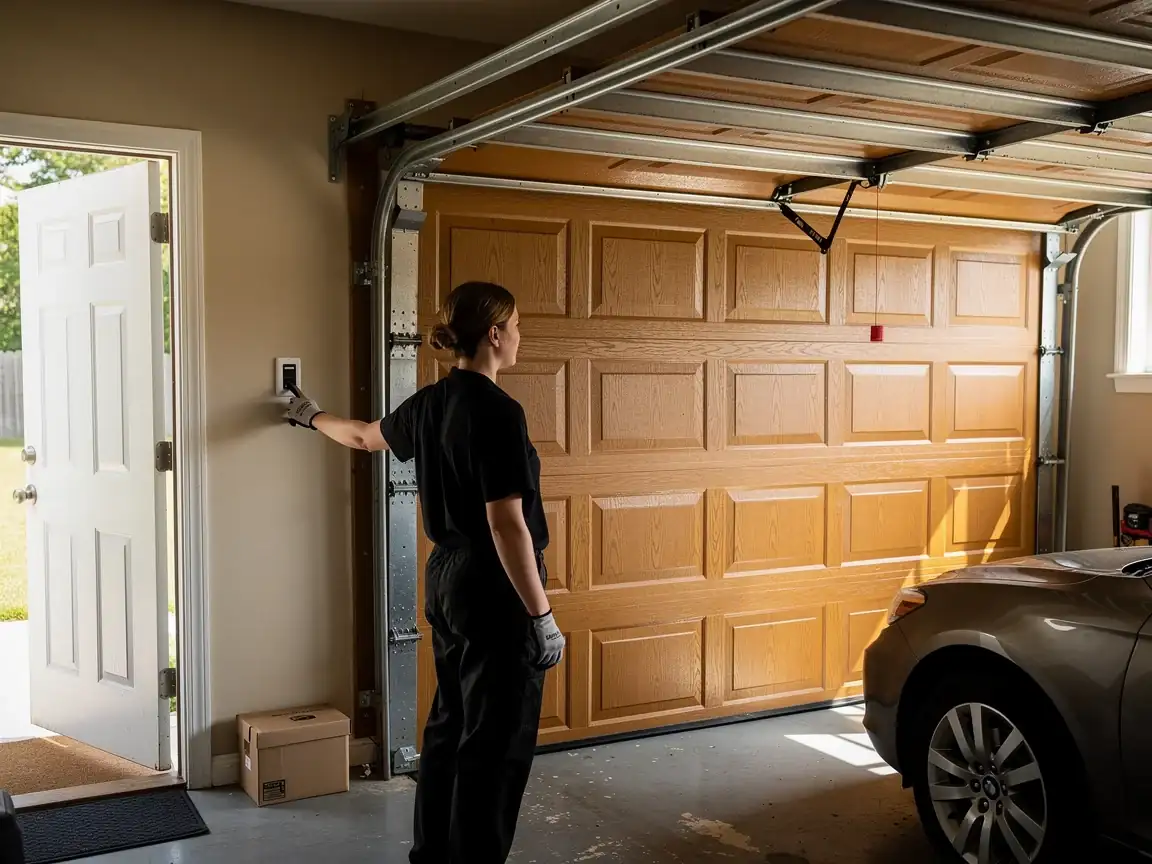
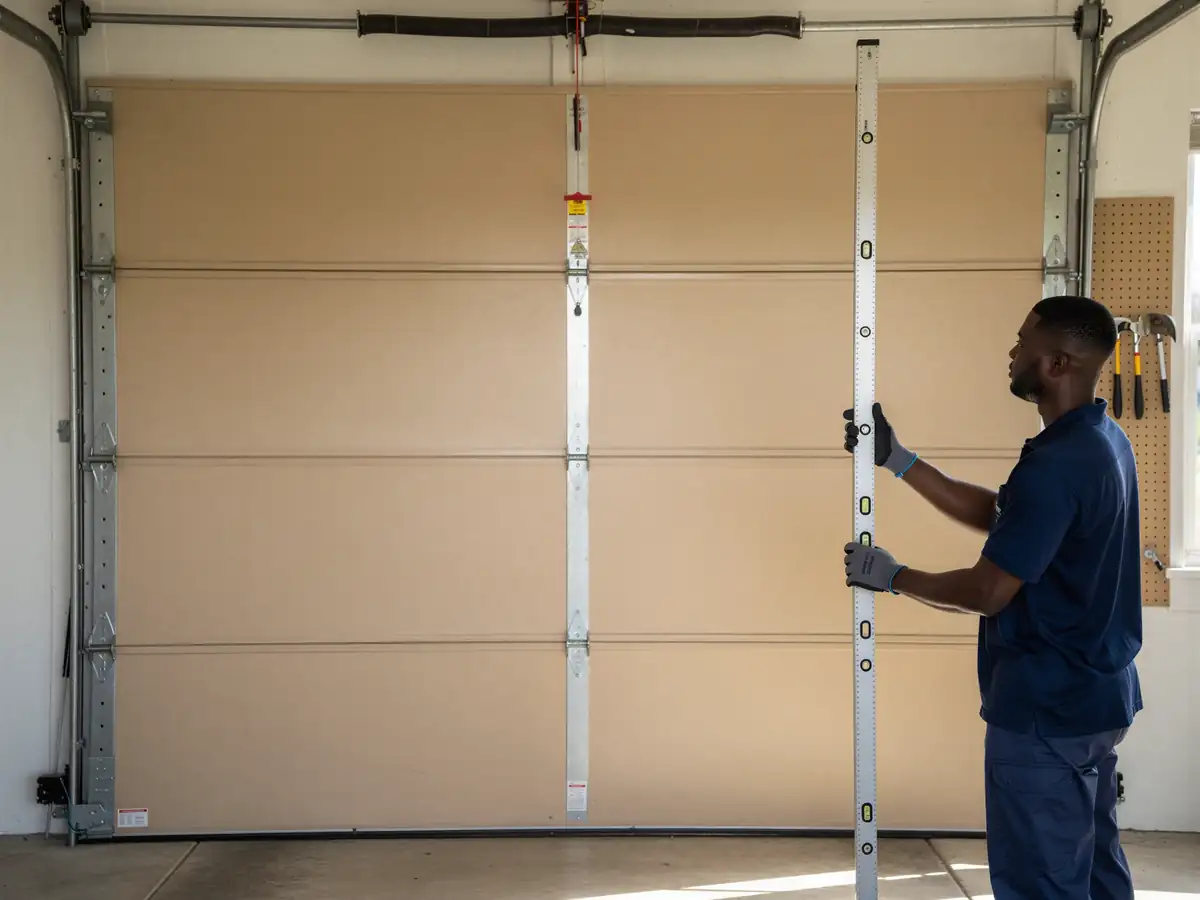
We come out from Joliet, about 3 miles to Shorewood, and the first thing we check is spring size against door weight - a lot of repair headaches start because someone put a lighter-duty spring on a heavier insulated panel. From there it's a standard sequence: release tension, pull the broken spring, match a replacement rated for the actual door weight (not just whatever came off), check cable wear on both sides, and run the opener through a full cycle before we call it done. If the opener board is the actual problem rather than the spring, we'll say that up front rather than replace parts that won't fix it. We carry common torsion spring sizes for sectional steel doors on the truck; less common sizes or discontinued opener parts can mean a short wait on a part.
What Causes It Around Here
This area sits in a cold, moderate climate band, and the freeze-thaw cycle through winter is harder on garage door seals and track alignment than people expect. Metal contracts in cold, which tightens tolerances on roller tracks that were set level in warmer weather - that's what causes doors to bind or grind partway through a lift once temperatures drop. It also dries out and cracks bottom seals faster than in milder regions, letting in the cold air and moisture that corrode cable ends and spring coils over a few winters. None of this is dramatic weather - no named storm, nothing newsworthy - it's just the ordinary cold-climate wear that adds up on a door built in the early 2000s and now two decades into its service life.