What Is Going On
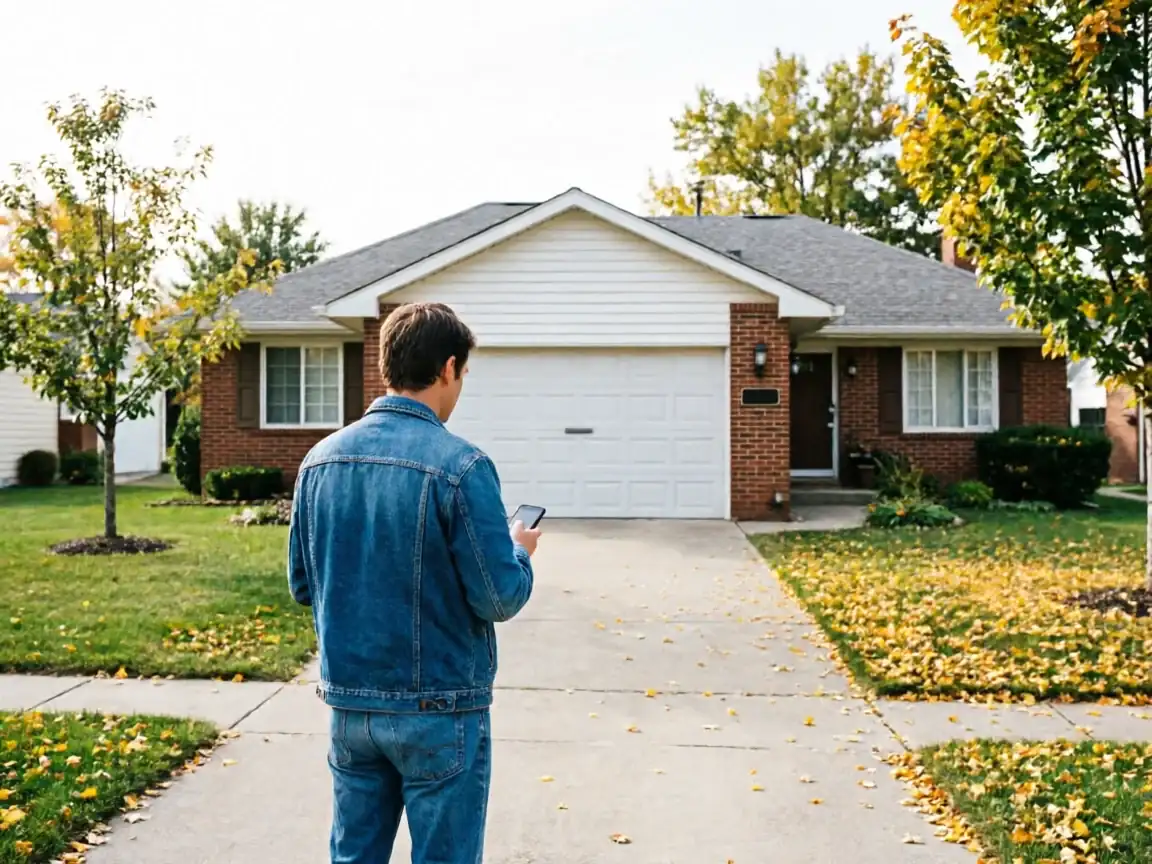
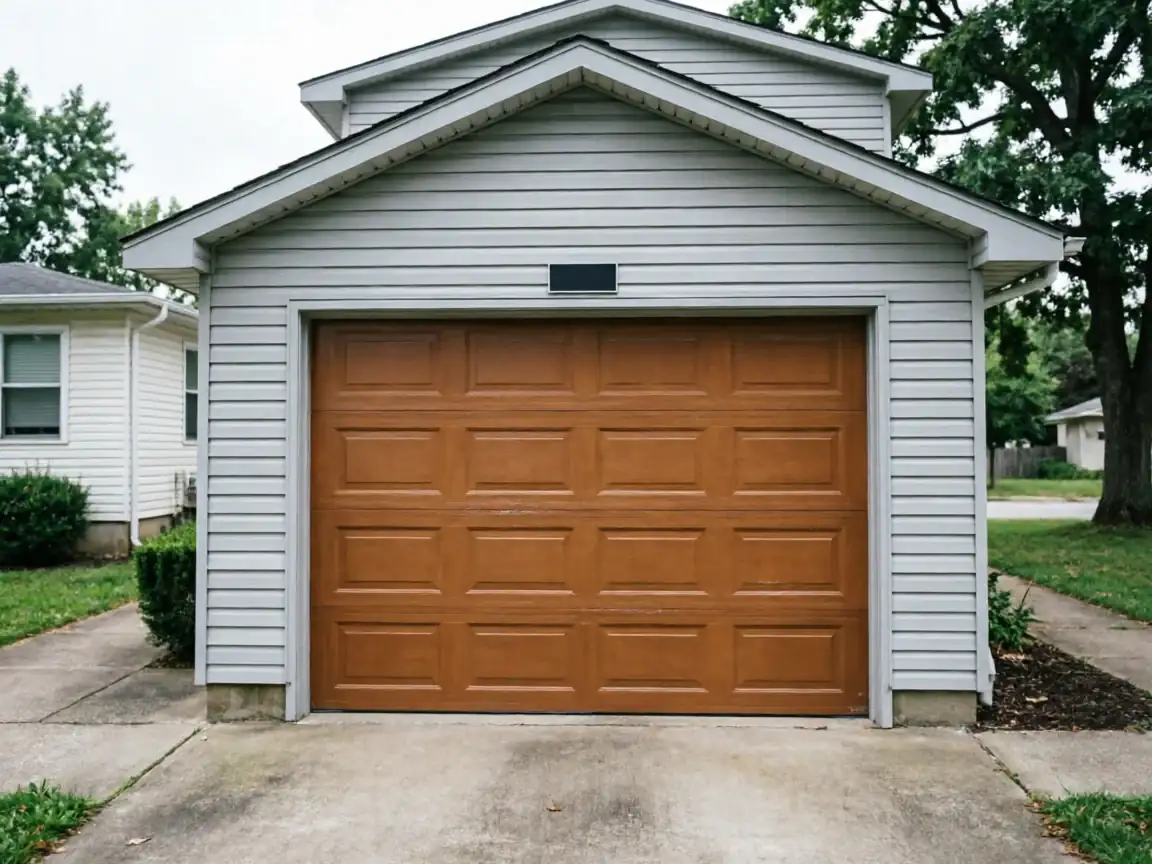
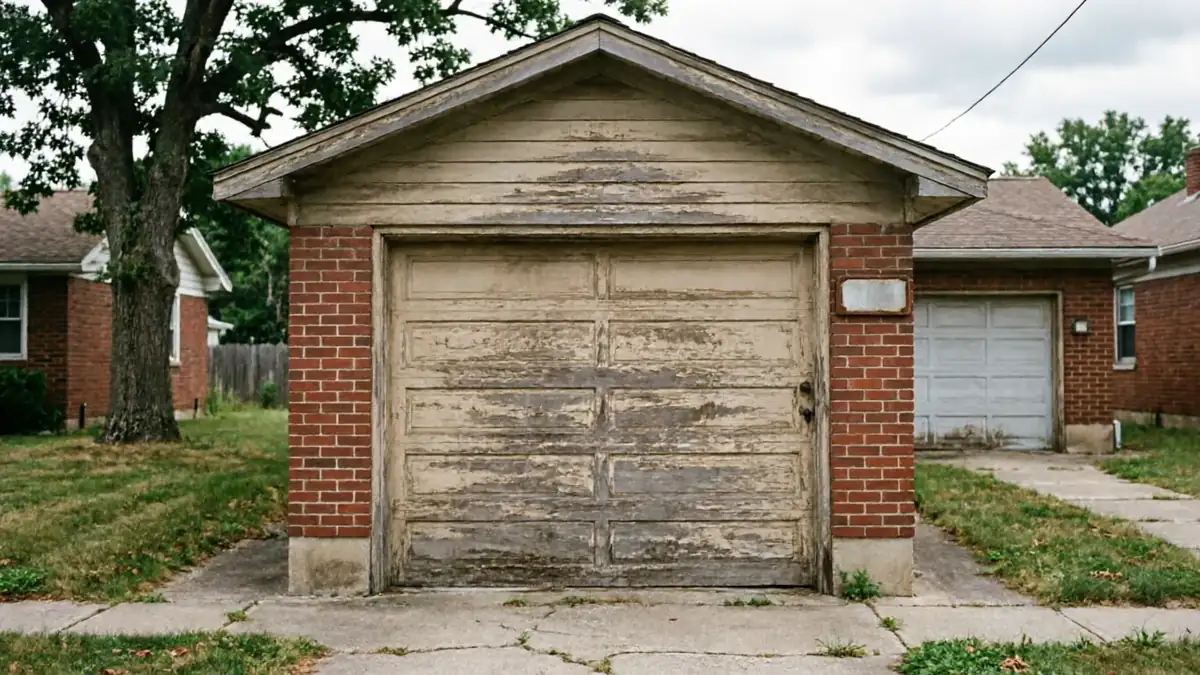
Most houses around Joliet went up between 1958 and 2004, with the median build year sitting at 1991. That means a big share of the garage doors we look at are original or close to it - steel sectional doors from the late 80s and 90s, paired with openers that are on their second or third capacitor by now. Across the 28 named areas we cover, the stock skews heavily toward that 1980s-90s build window, so the questions we answer most aren't about brand-new installs. They're about whether a 30-year-old door is still worth putting money into.
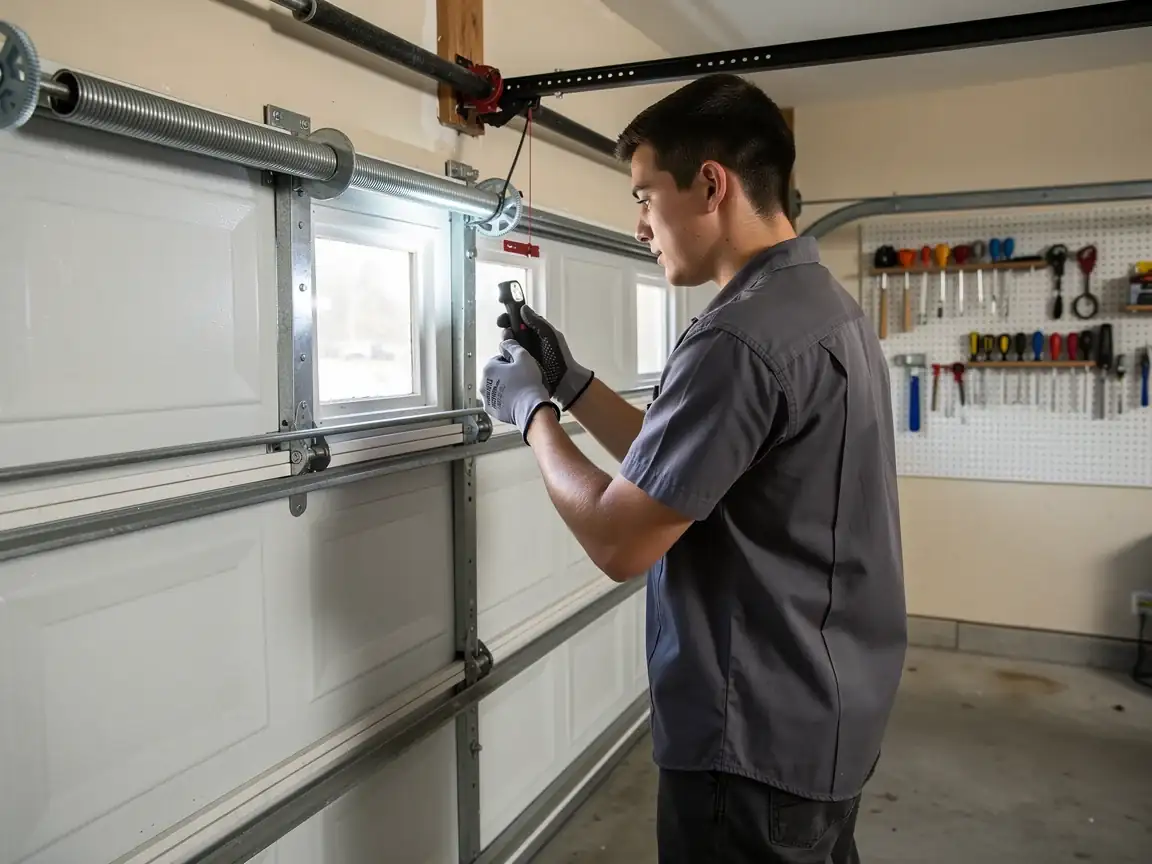
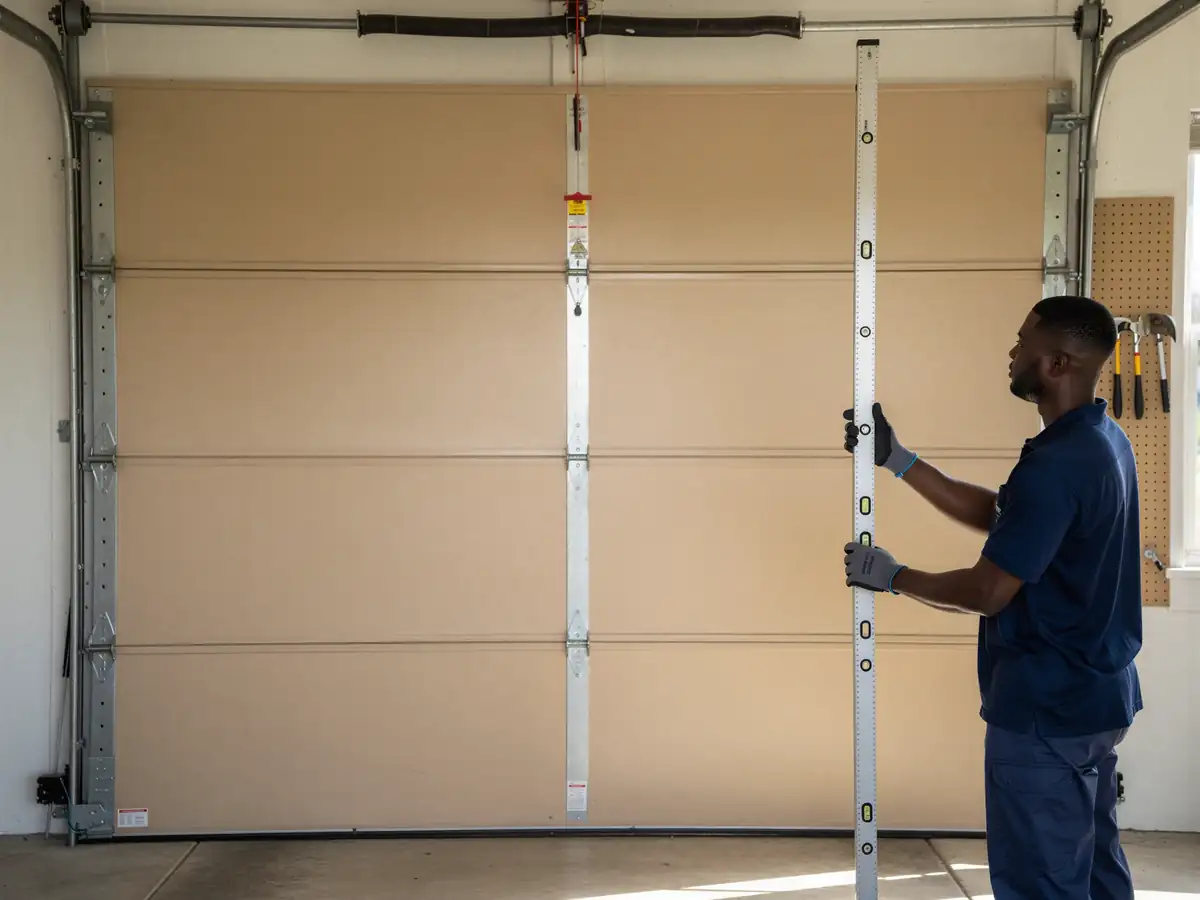
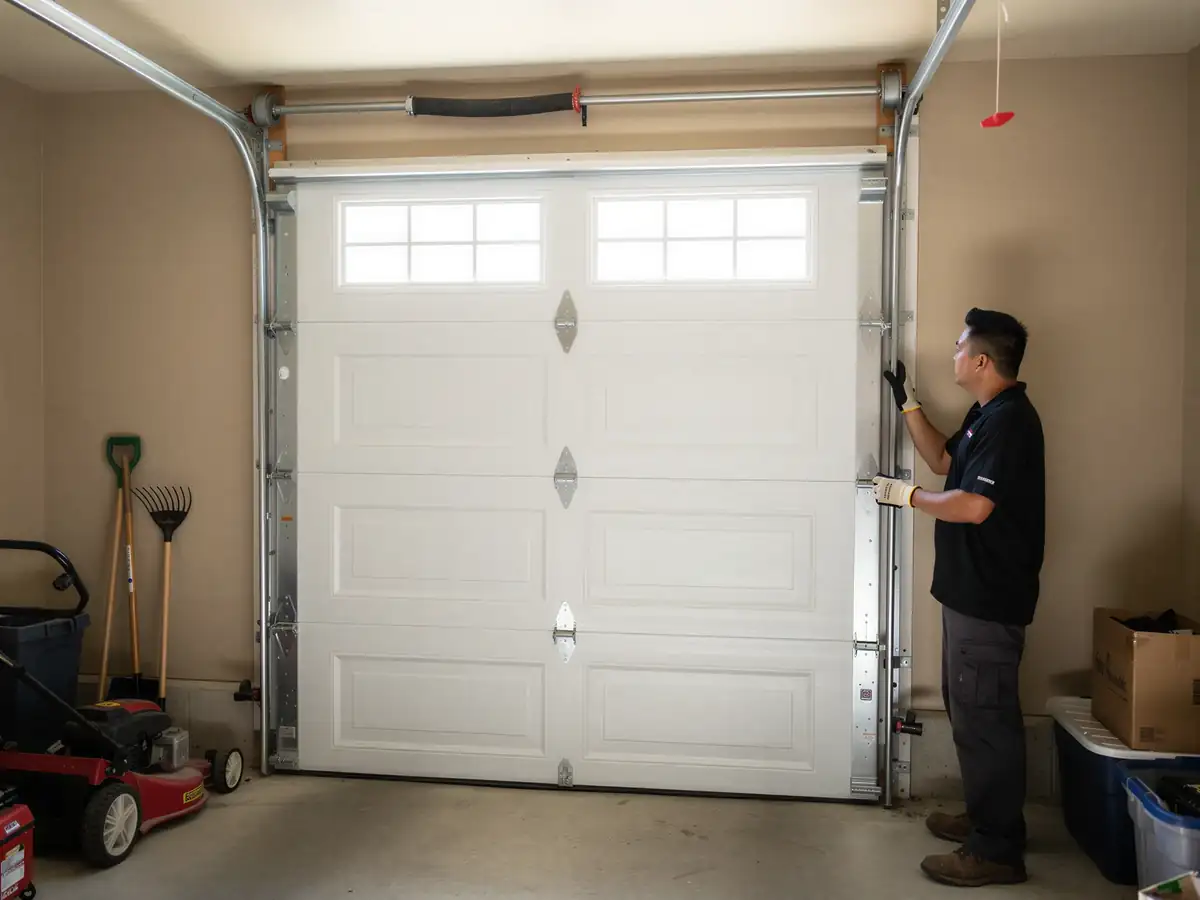
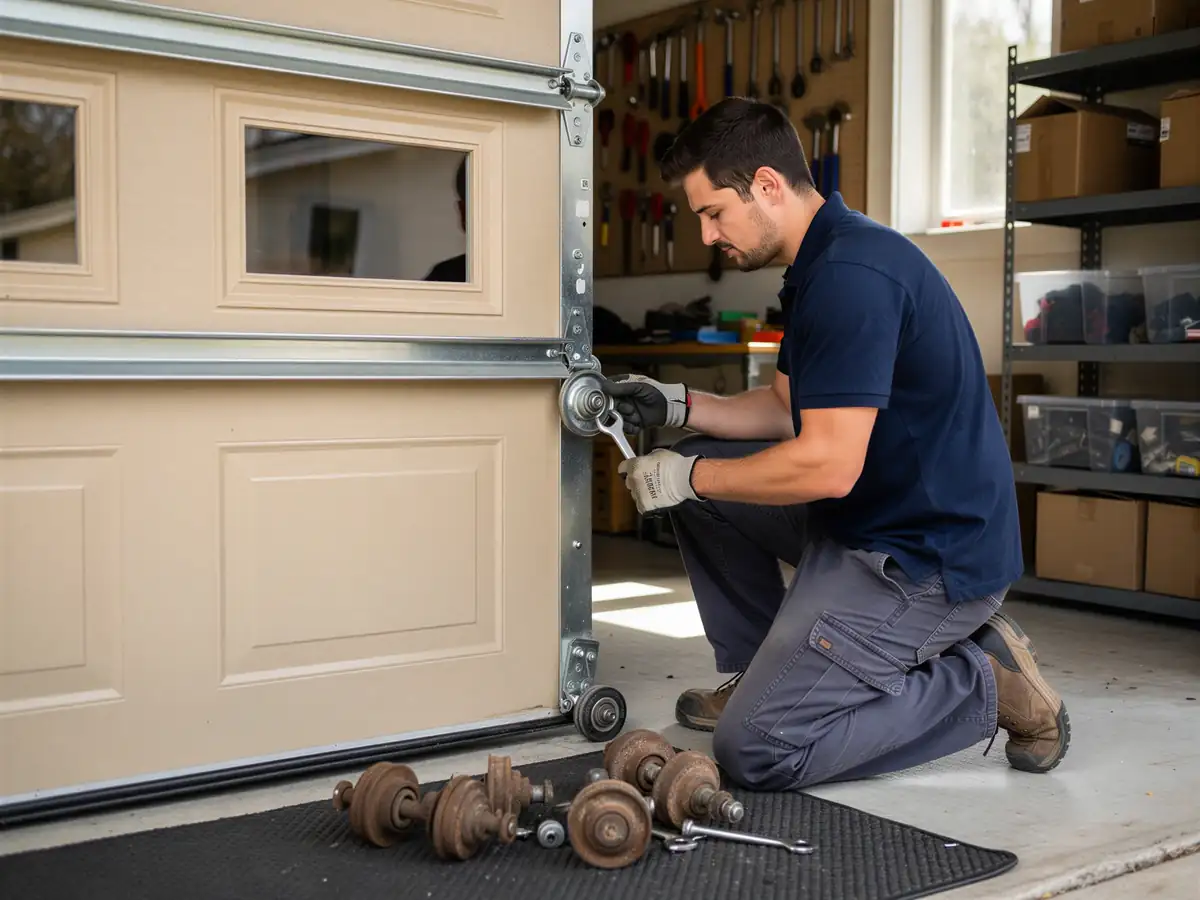
A door from that era isn't automatically junk. The steel skins hold up fine if they haven't been dented or rusted through at the bottom panel. What usually fails first is the stuff that moves: rollers worn oval, hinges stretched at the pivot holes, a torsion spring that's done its cycle count. None of that means the door is bad - it means the wear parts are at the end of their life, which is normal for hardware this age.
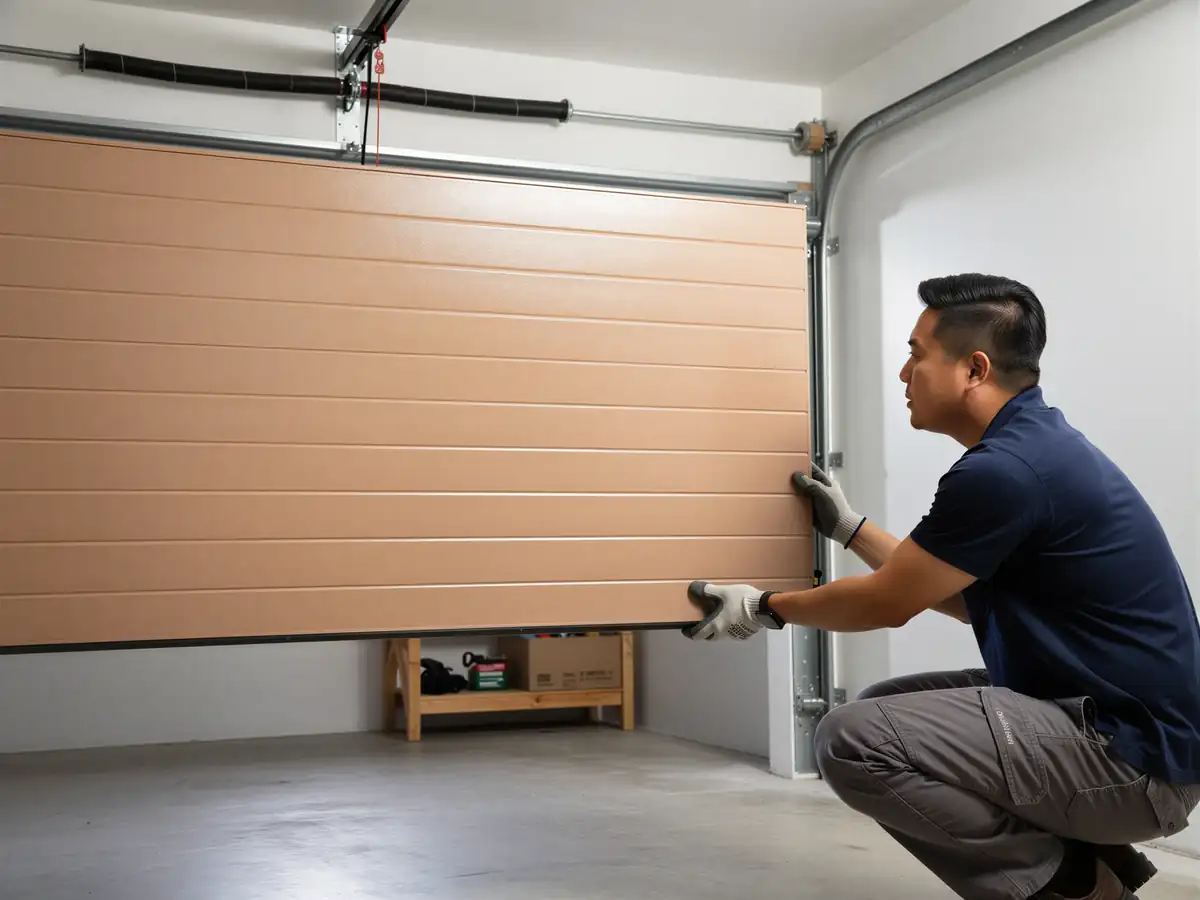
The harder call is when the track is bent, the panels are cracked, or the opener predates modern safety reversal. At that point you're not fixing a door, you're patching around problems that will keep coming back.
What the Weather Here Does to It
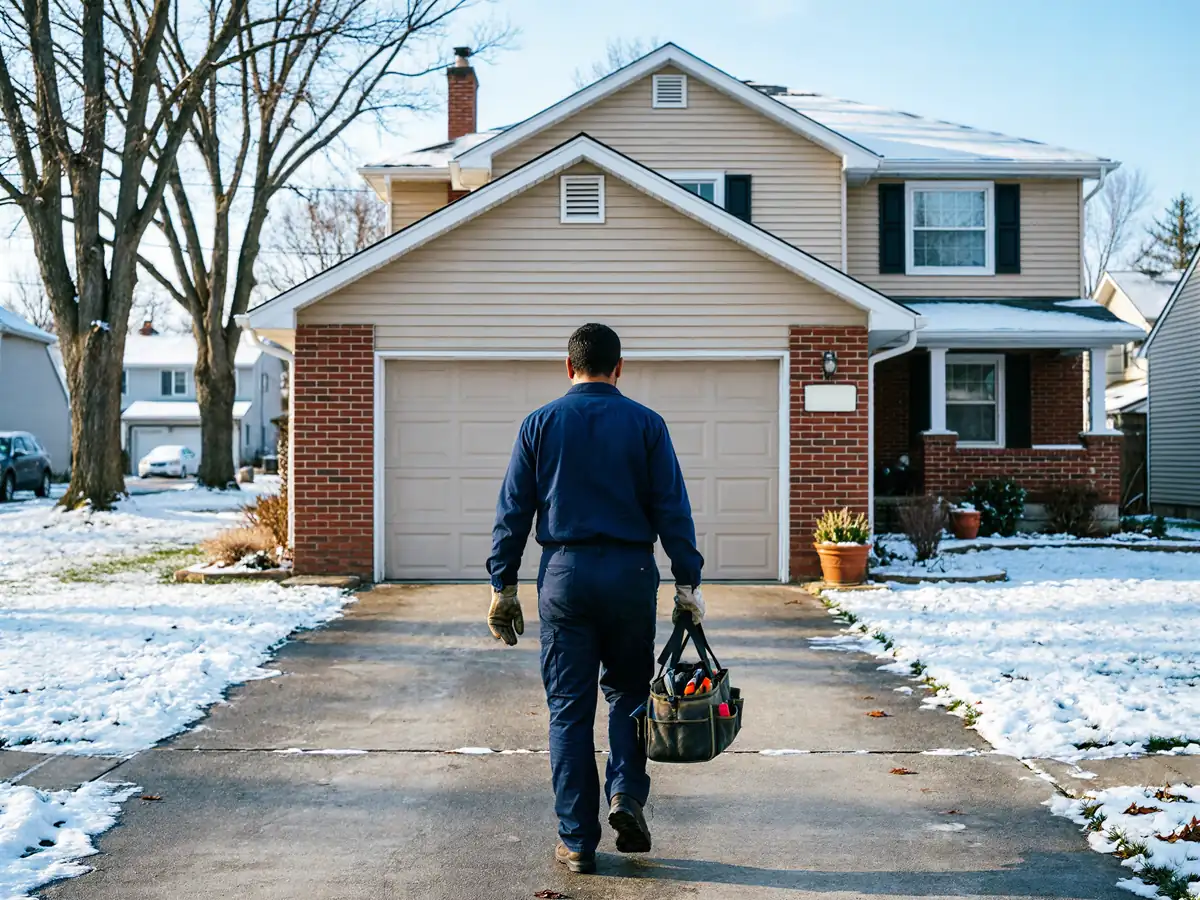
Joliet sits in a cold, moderate climate band, and that matters more for a 30-year-old door than a new one
Steel contracts in the cold, and on an original door the panel seams and weatherstripping channels have already flexed through three decades of that cycle. The rubber astragal at the bottom is usually the first thing to go brittle and crack, letting in drafts and, eventually, water that sits against the bottom panel.
Cold also changes how torsion springs behave
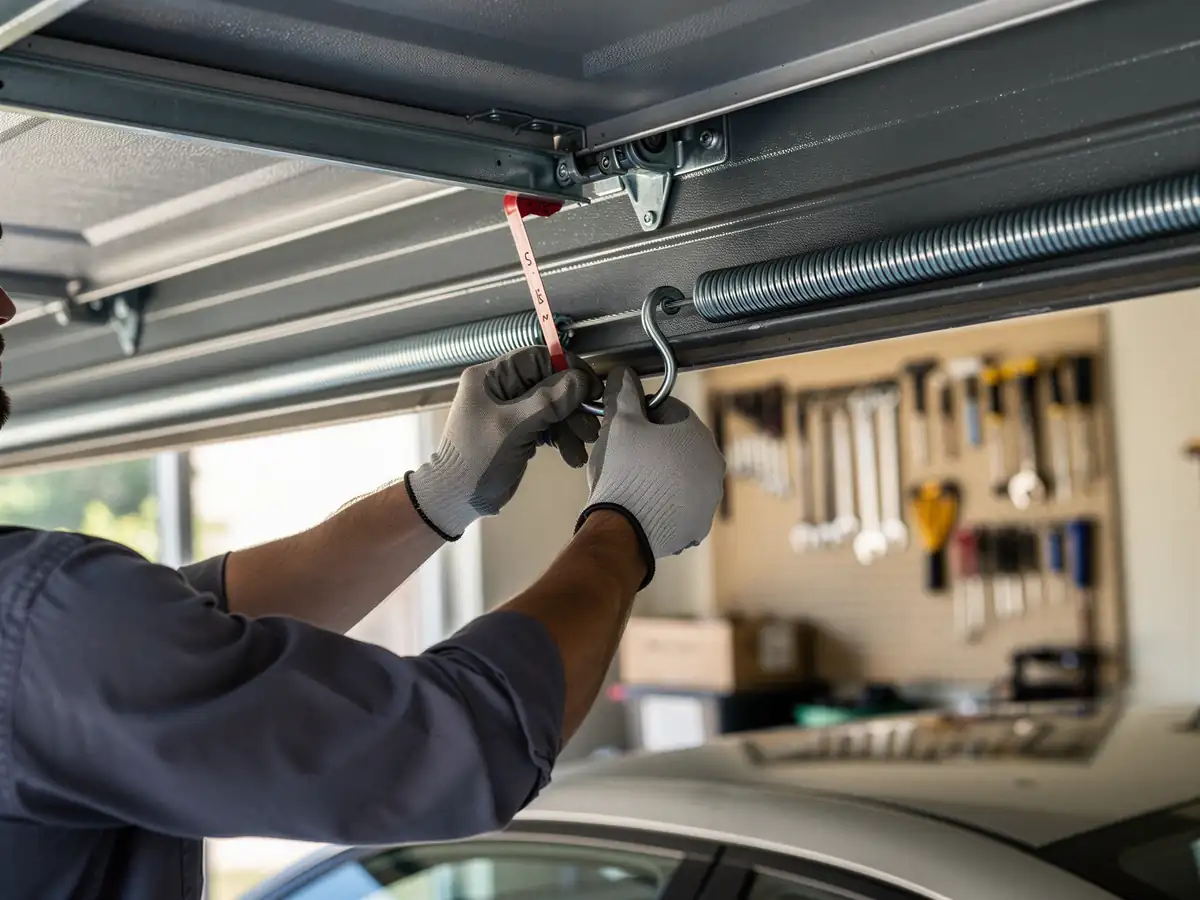
A spring that's been wound for 20+ years is already fatigued; cold weather just accelerates the day it lets go, usually on the coldest morning of the year when you're already late. Lift cables on older doors see the same thing - the cold makes the wire more brittle, and a frayed cable under tension in January is not something to leave alone.
This isn't a reason to panic about every older door
It's a reason to replace the weatherstripping and have the spring tension checked before winter rather than after it fails. On a door from the 1991-ish median build year, that's routine maintenance, not an emergency.
When to Get Help
Call before the door fails completely if you hear grinding on the rollers, see daylight at the bottom seal, or notice the door hanging crooked when it opens. Those are wear-part problems on an older door and they're almost always worth fixing - rollers, hinges, weatherstripping, even a spring replacement are a fraction of the cost of a new door.
Get help right away, same day if you can, if a cable has frayed or snapped, if the door won't stay up on its own, or if a spring has already broken. Those aren't comfort issues, they're a door that can drop. We won't tell you to wait on that one.
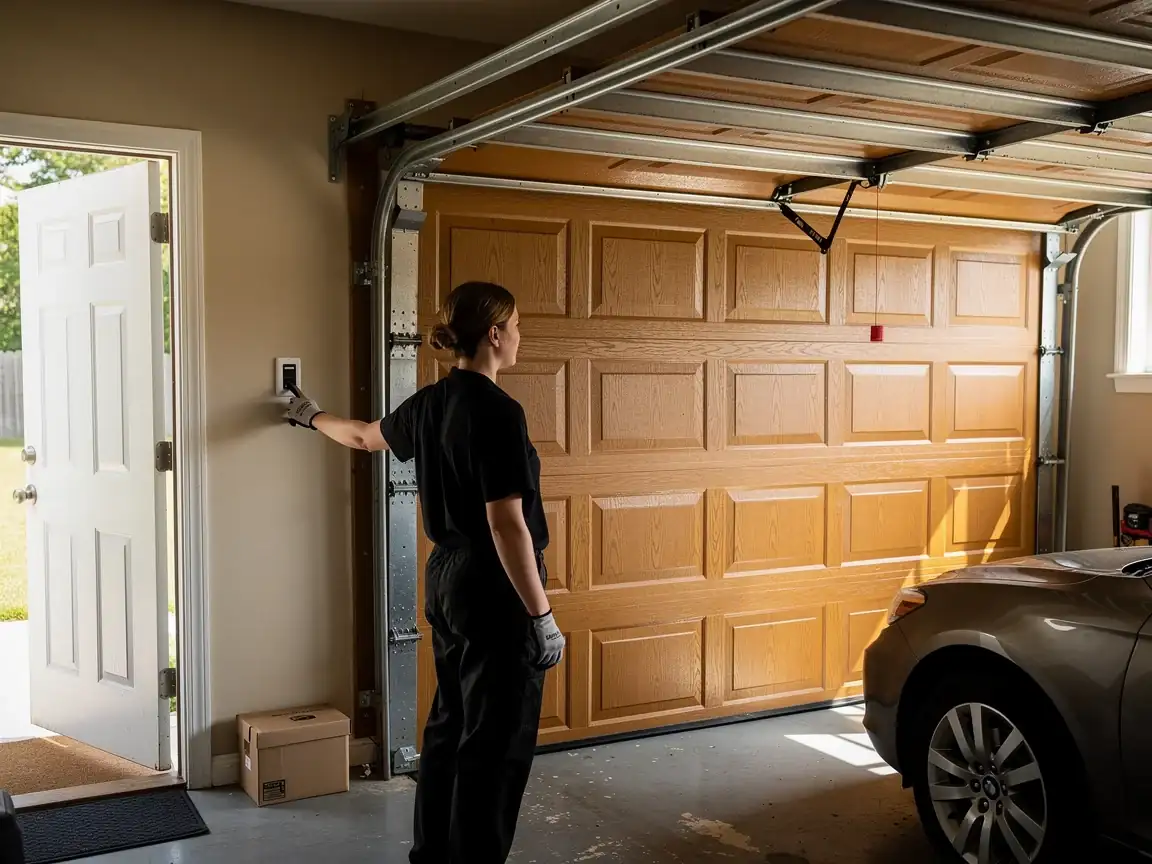
Where it stops being worth fixing: if the track is bent badly enough that the rollers keep jumping, if two or more panels are cracked or rusted through, or if the opener has no auto-reverse safety feature at all - common on doors that predate the 1993 federal safety standard. At that point you're spending repair money on a door that's still going to need replacing in a year or two anyway. We'll tell you straight when we see that, even though the bigger job is better for us.
The Seasonal Bit
With most Joliet-area homes built in that 1958-2004 window, fall is the natural time to check an older door before the cold sets in - not because anything's wrong yet, but because the parts most likely to fail (springs, cables, weatherstripping) fail worse in low temperatures than they do in July.
We're not going to pretend every door needs a fall tune-up. A door installed in the last ten years with a steel torsion spring rated for modern cycle counts can usually skip it. The doors that benefit are the ones matching the median build year around here - 1991 give or take a decade - where the hardware is original and has already seen 25-30 winters.
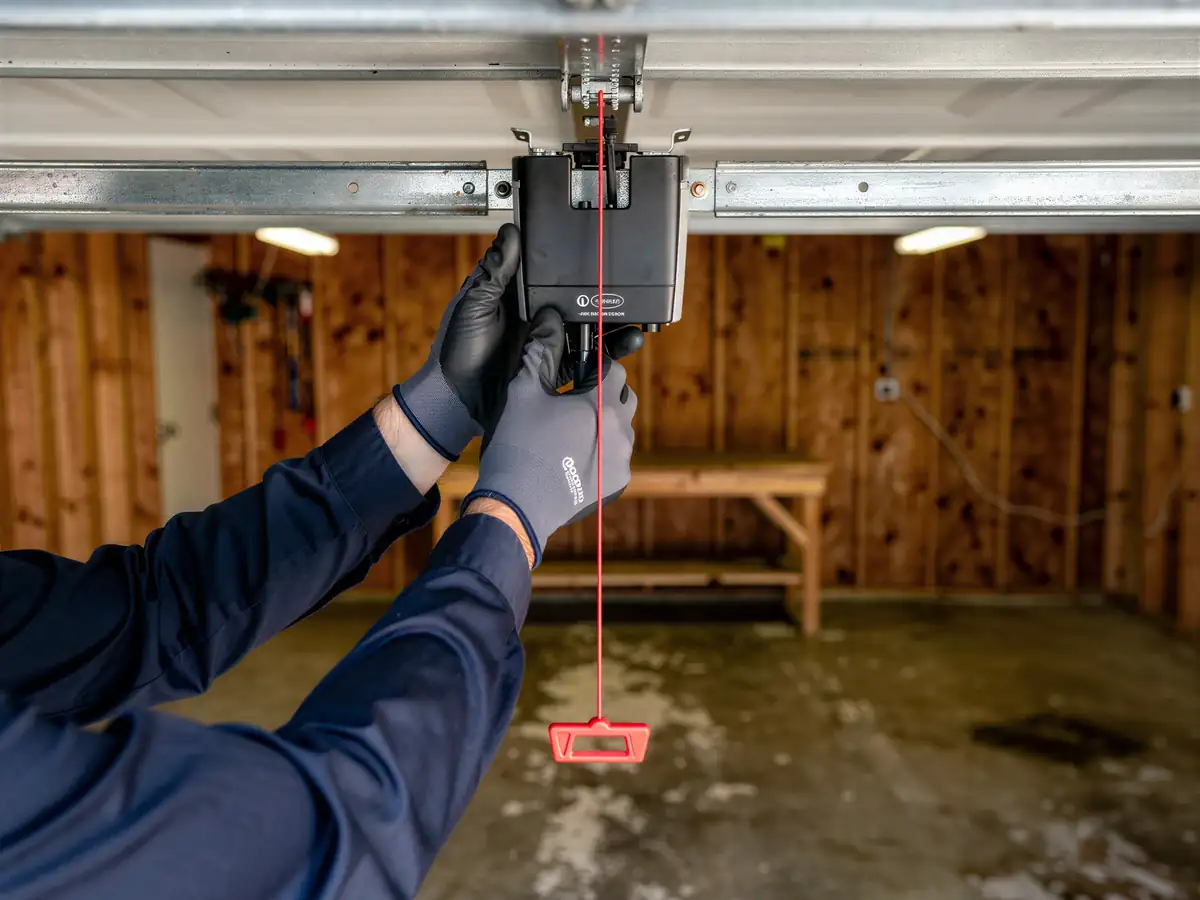
One honest limit: we don't stock parts for every opener model from that era. Some of the original chain-drive units used proprietary logic boards that aren't made anymore, and if yours needs a board instead of a belt or gear kit, replacement is sometimes the faster and cheaper path than tracking down a part. We'll always check before quoting a repair we can't actually get parts for.