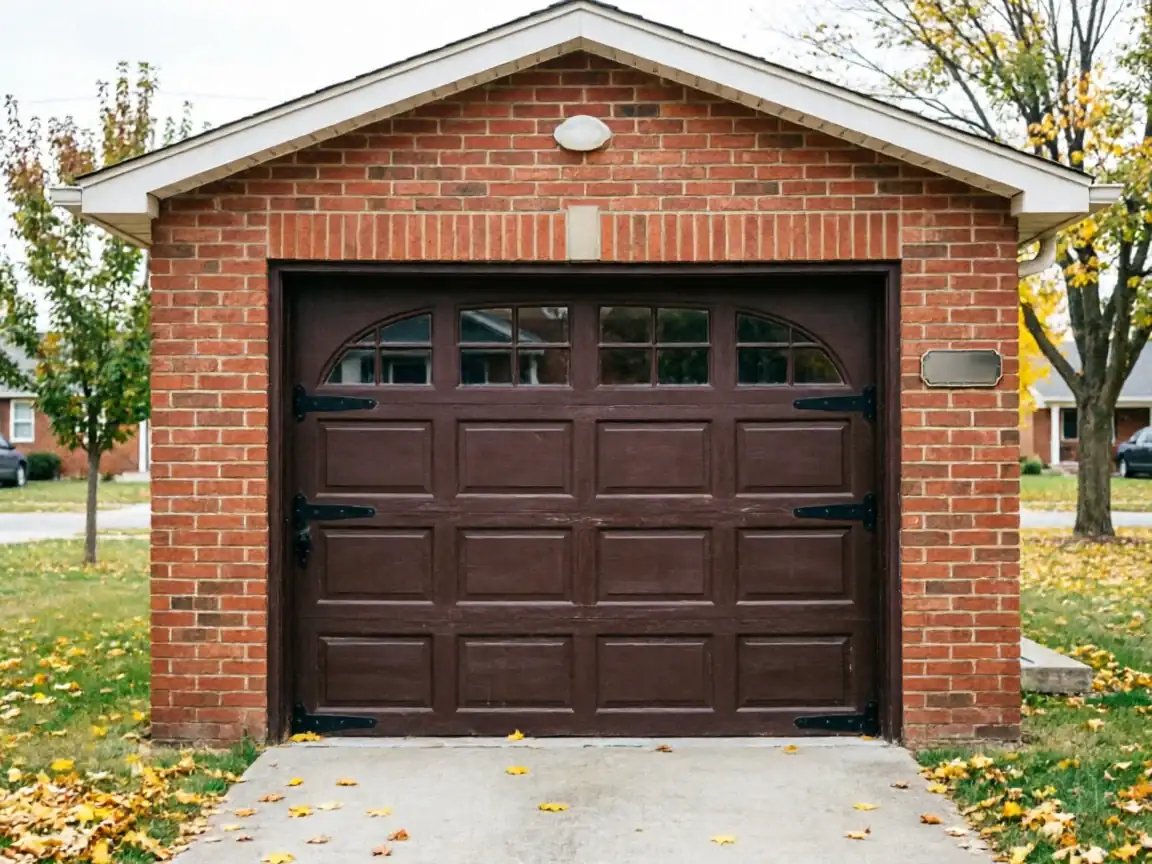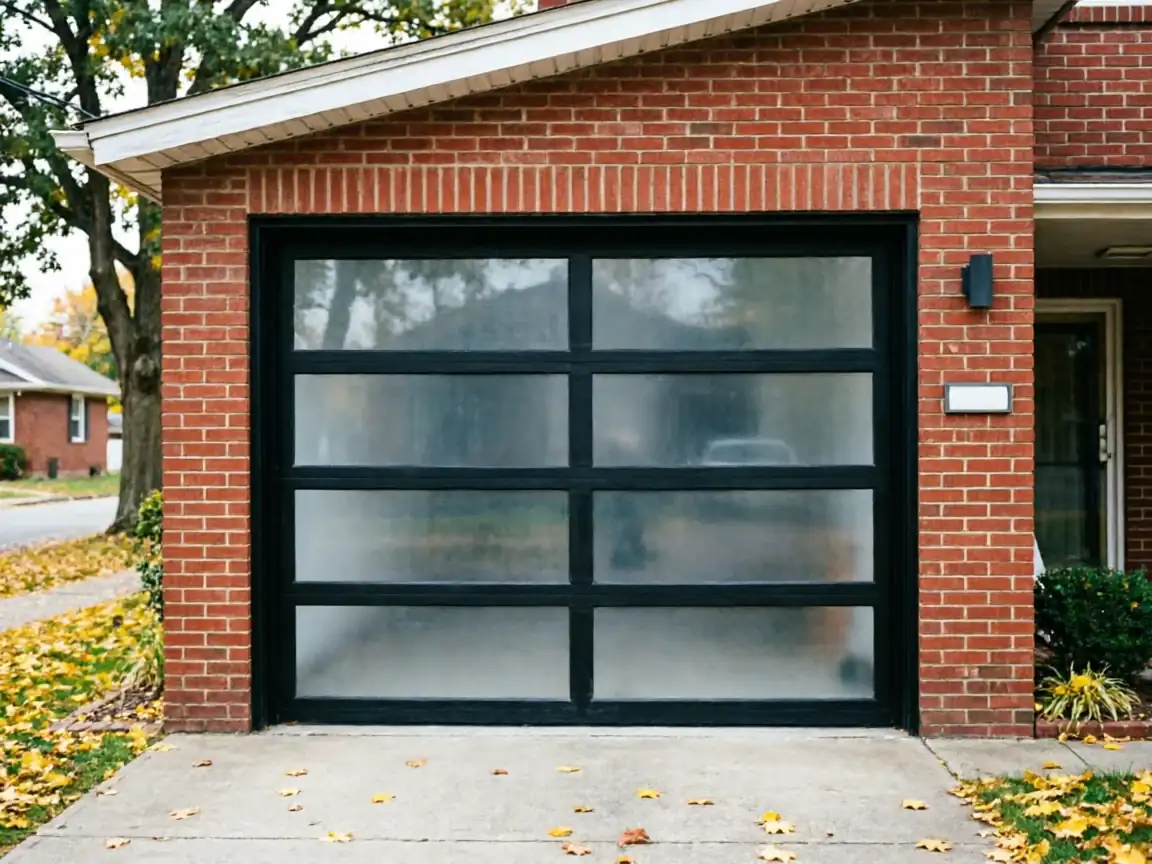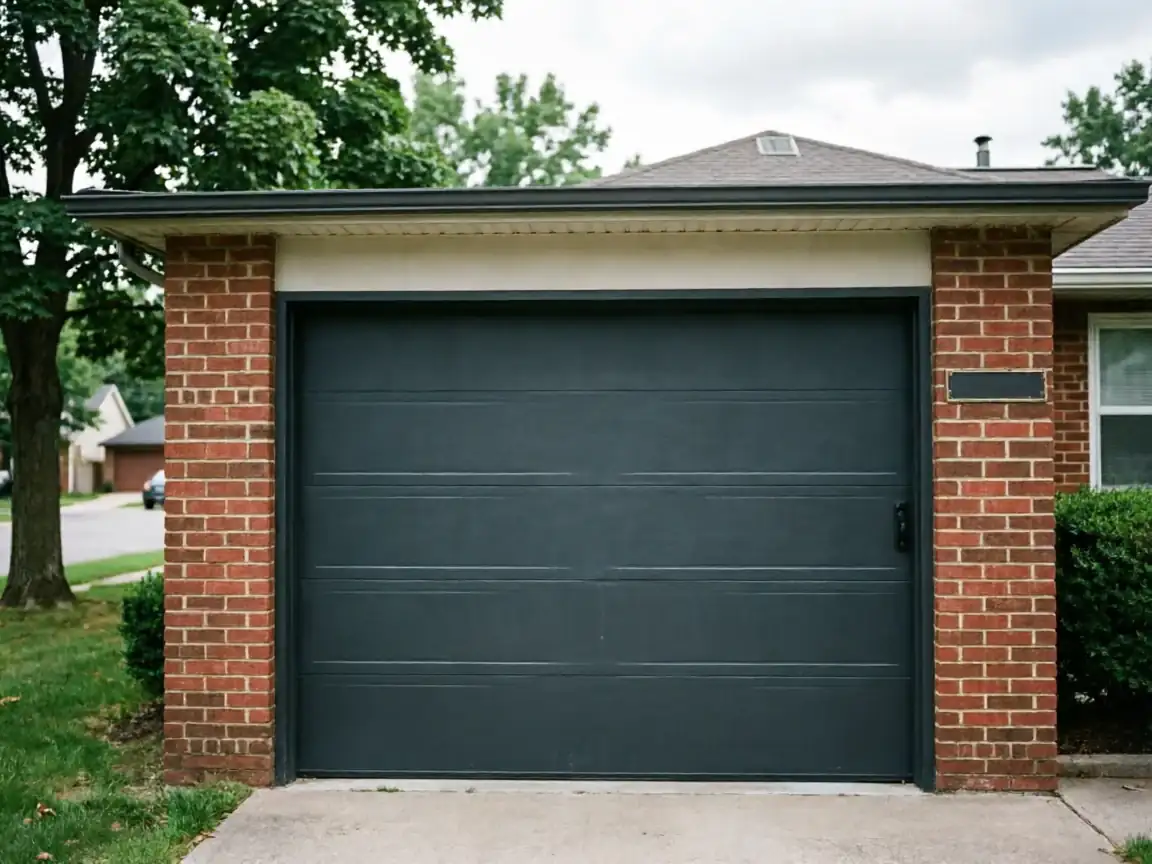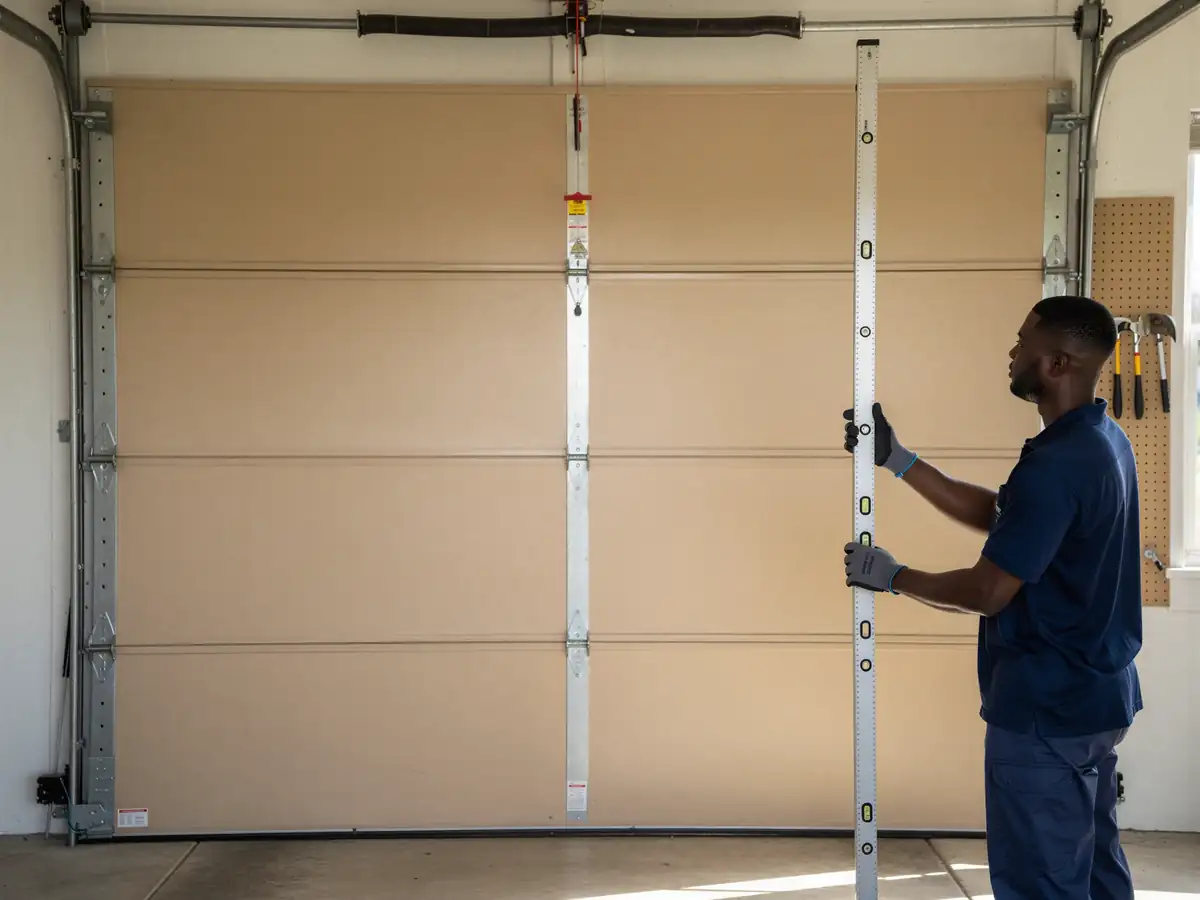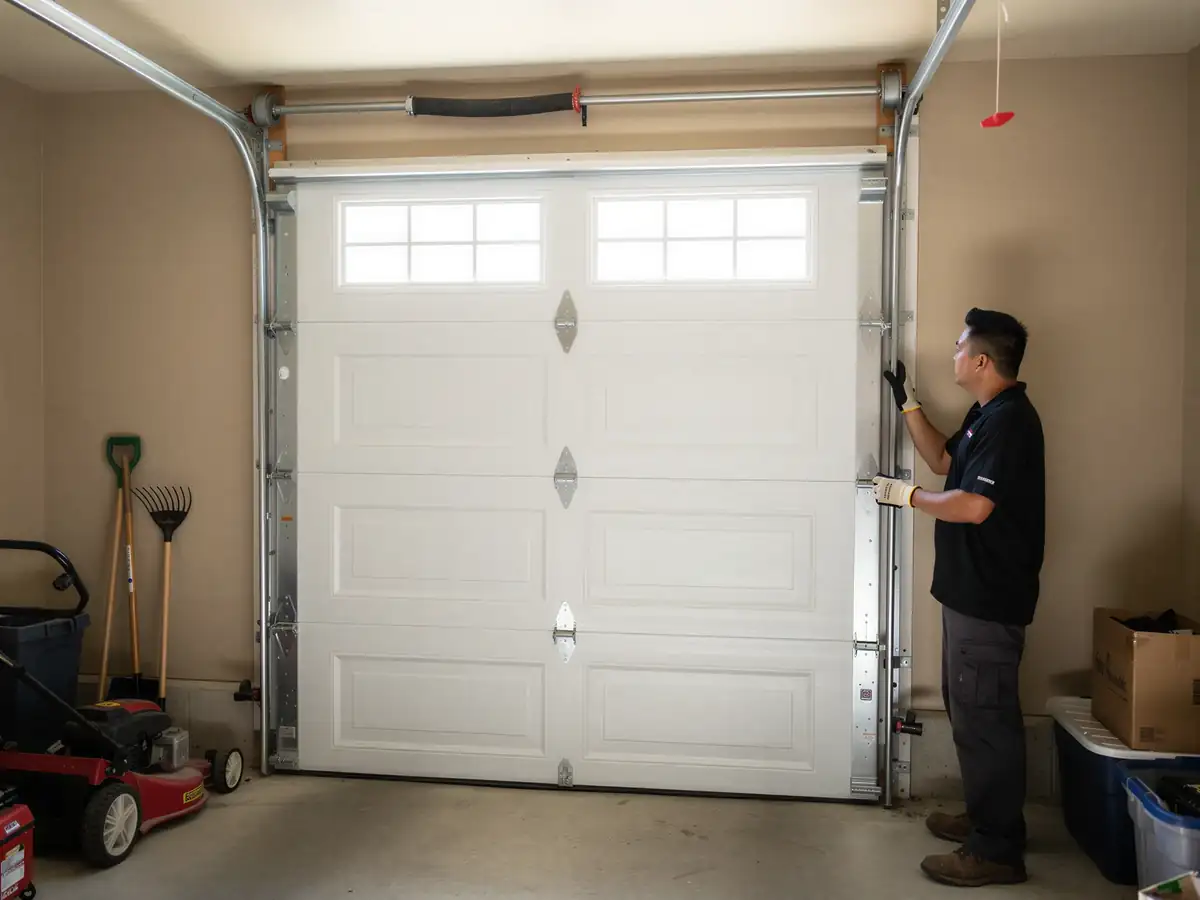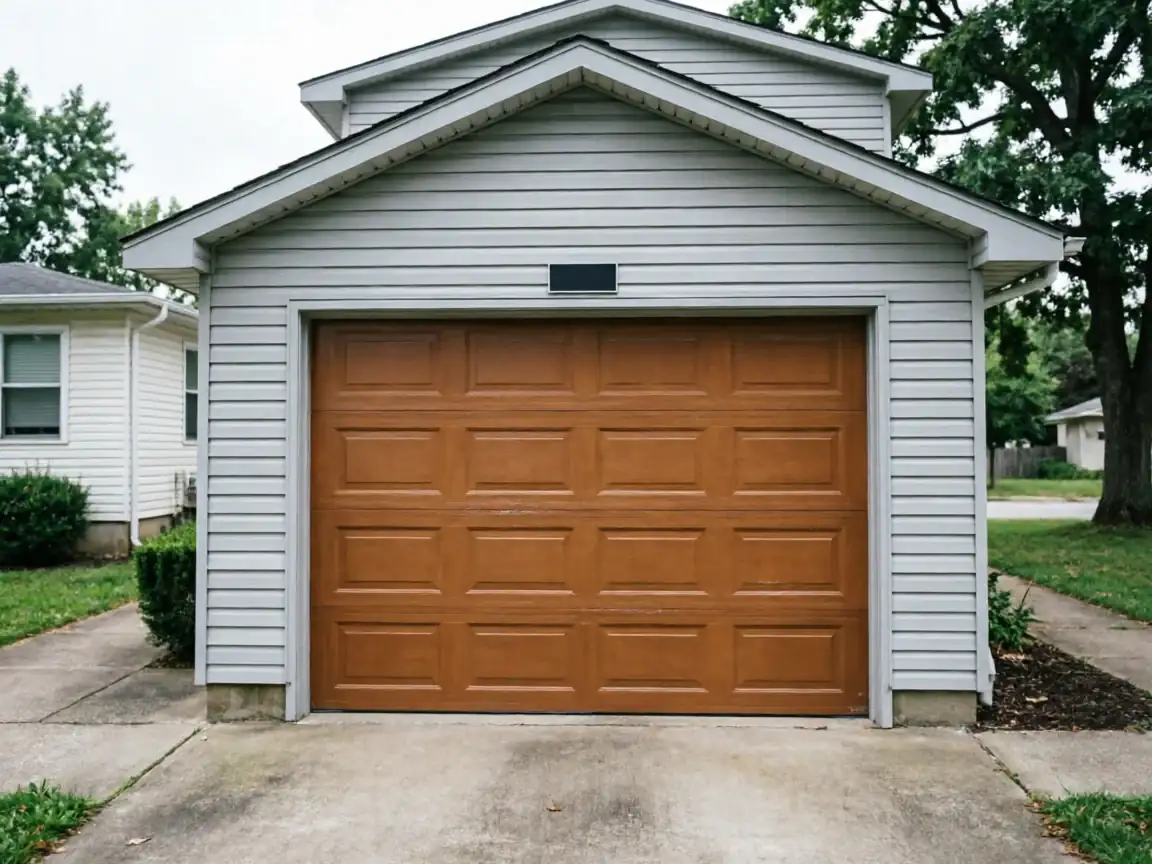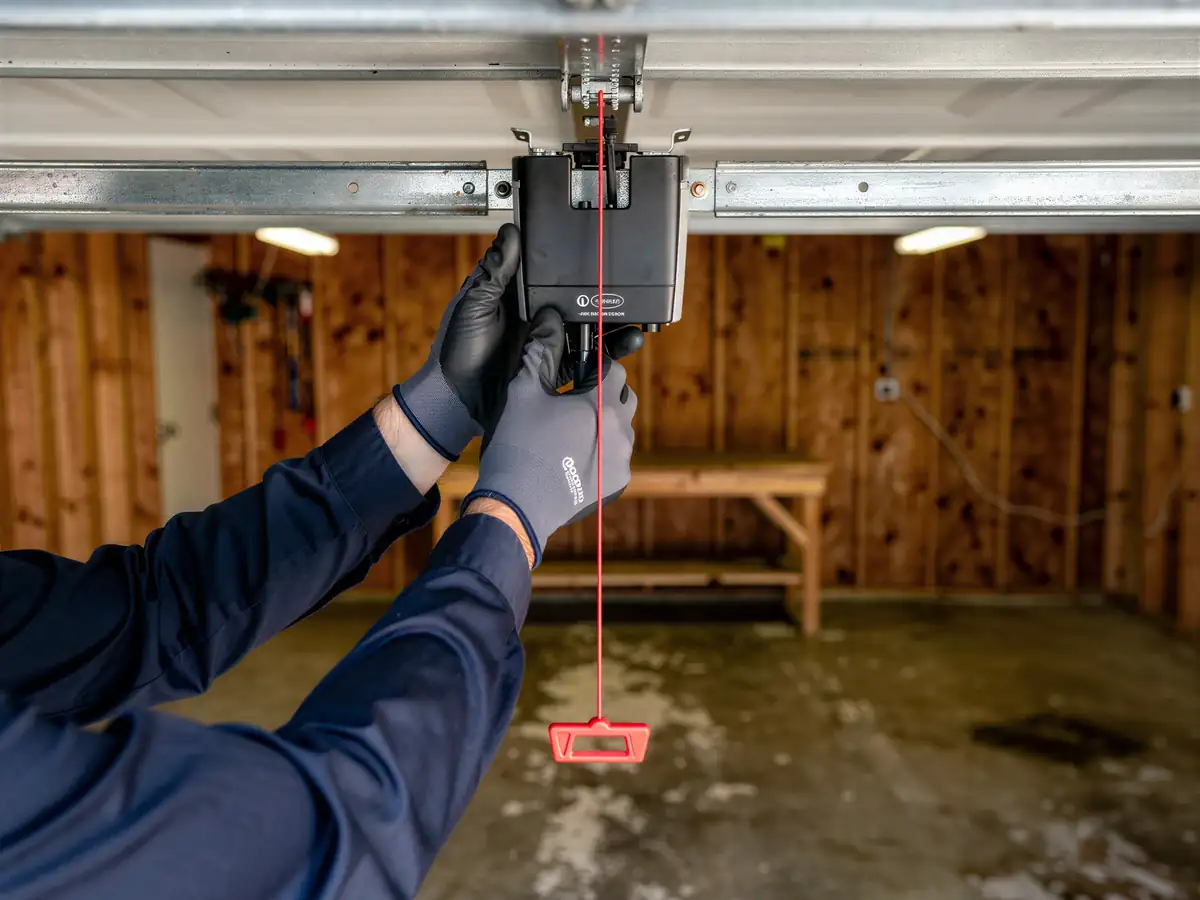
What You Are Seeing
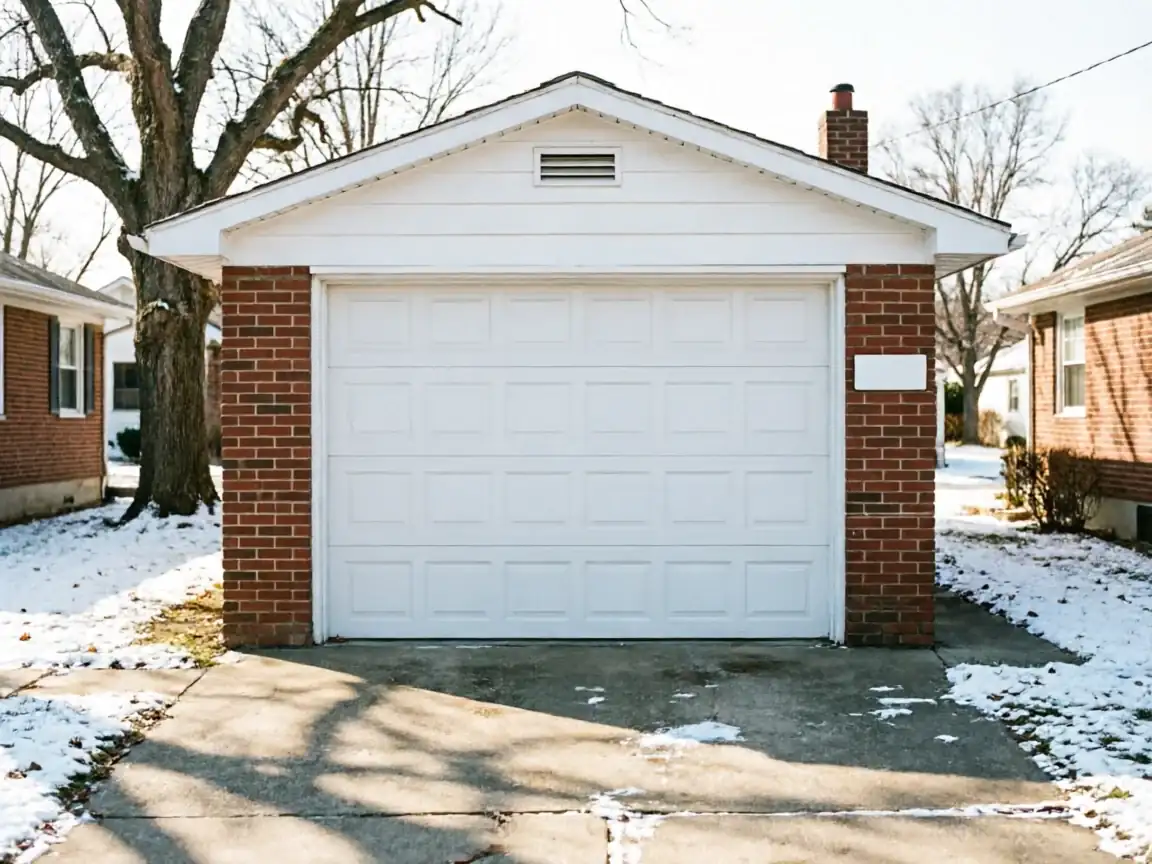
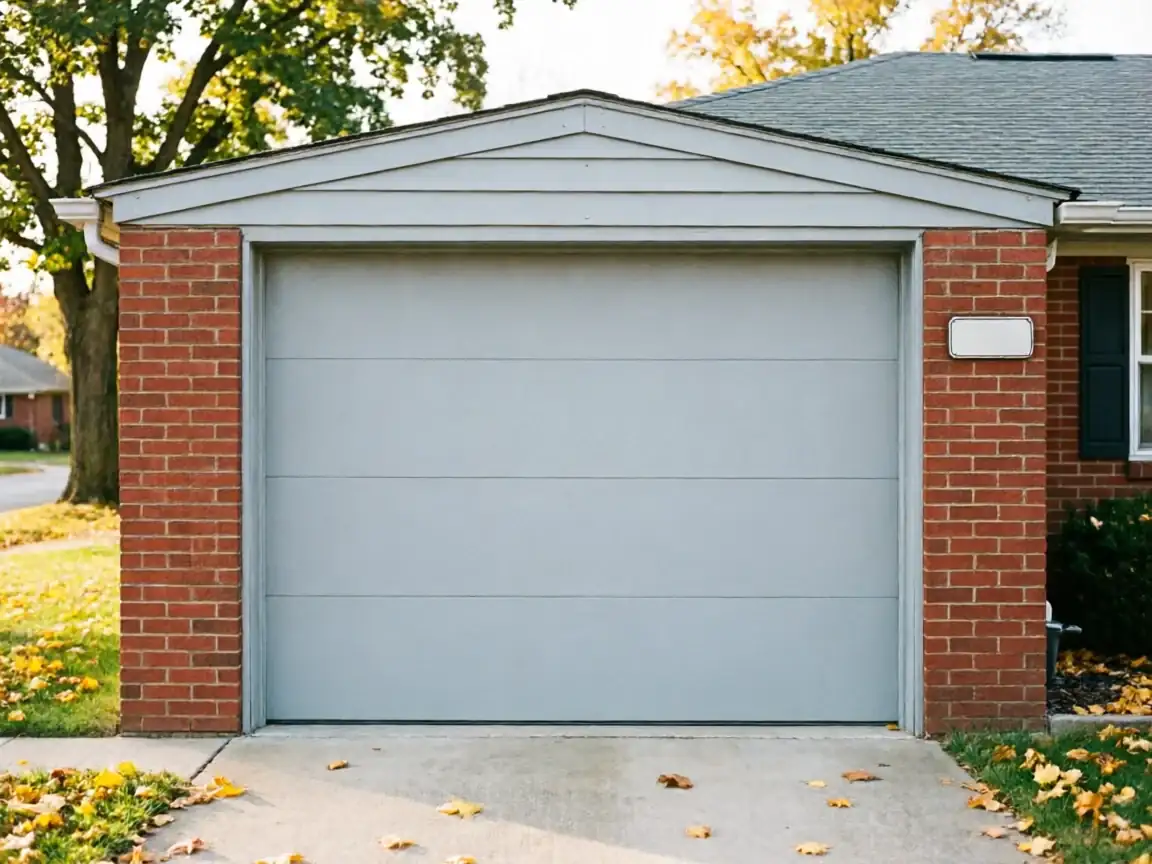
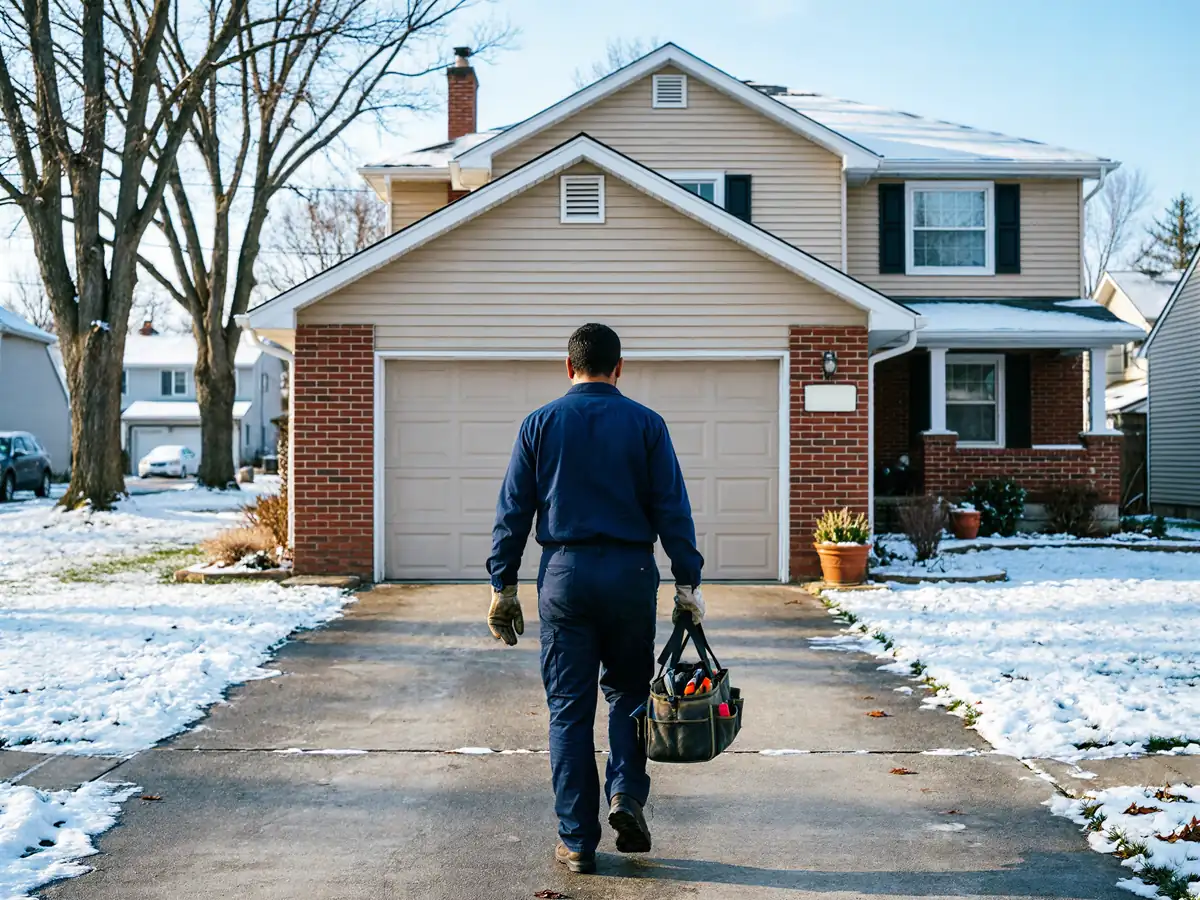
Joliet's housing across the wider service area spans 1958 to 2004, but Shorewood itself sits at the newer end of that range, with a median build year around 2001. That matters for rollers because doors installed in newer subdivision construction almost never got upgraded hardware from the builder. Production builders in that era spec'd the cheapest roller that would pass inspection - usually a plain steel roller with no bearing, sometimes a short-stem nylon roller with a sealed bearing if the door package was a step up. Either way, twenty-plus years of daily travel wears the roller stem thin, flattens the wheel, or dries out the bearing grease.
What you'll notice first is a grinding or clicking sound as the door travels, usually worse on one side than the other. The door might hesitate at the same spot in the track every time - that's the worn roller catching the track seam. Sometimes it's not noise at all, just a door that shudders or walks sideways in the track because one roller has worn down more than its opposite number. On a door this age in a house this age, roller wear is one of the most common calls we get from this area, and it's rarely the only thing wrong once we get the door open.
Where This Job Goes Sideways
A roller job on its own is simple
It goes sideways when the track has taken damage from the bad roller riding rough for months - a bent track rail, or a track bracket that's pulled loose from the jamb because the door was fighting itself on every cycle. We also see it go sideways when someone's swapped in whatever roller was on the shelf at a box store, mismatched to the stem length or wheel diameter the door actually needs, and now the door binds in a different spot than before.
The other way this gets complicated is cable wear that nobody noticed
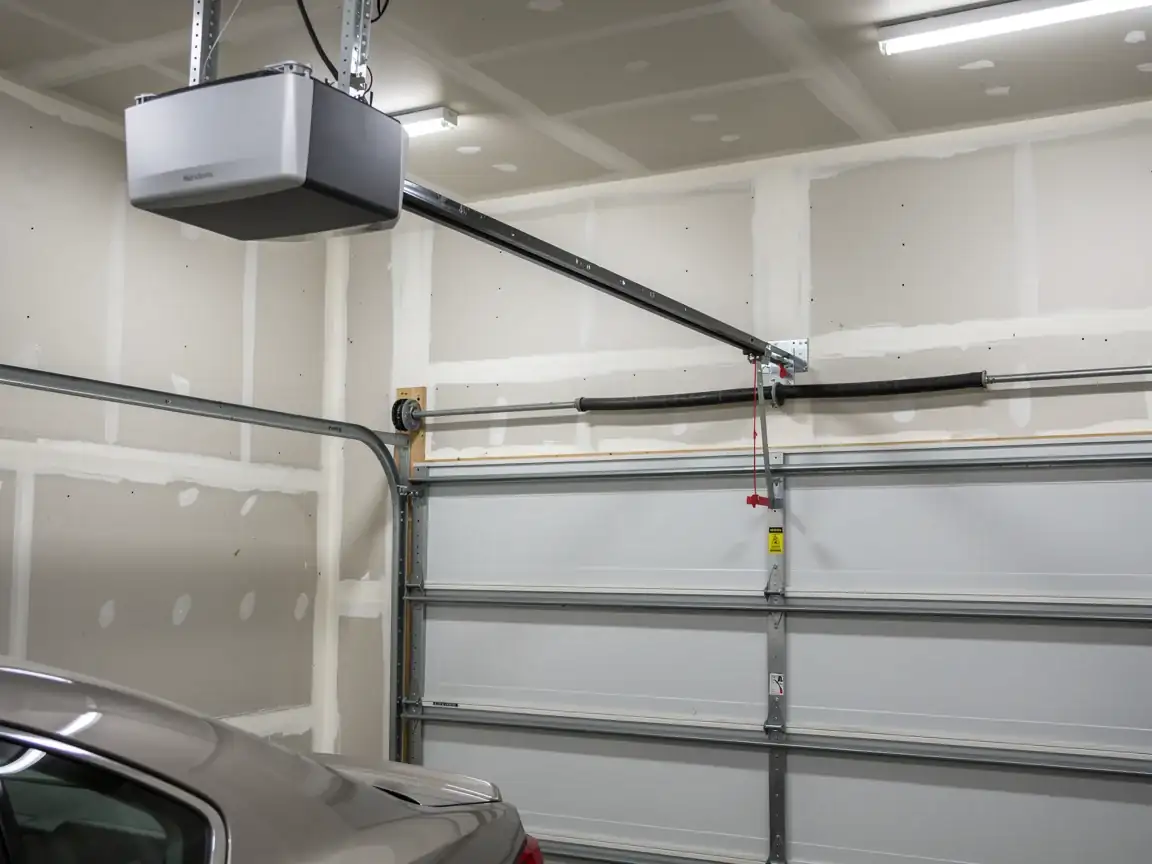
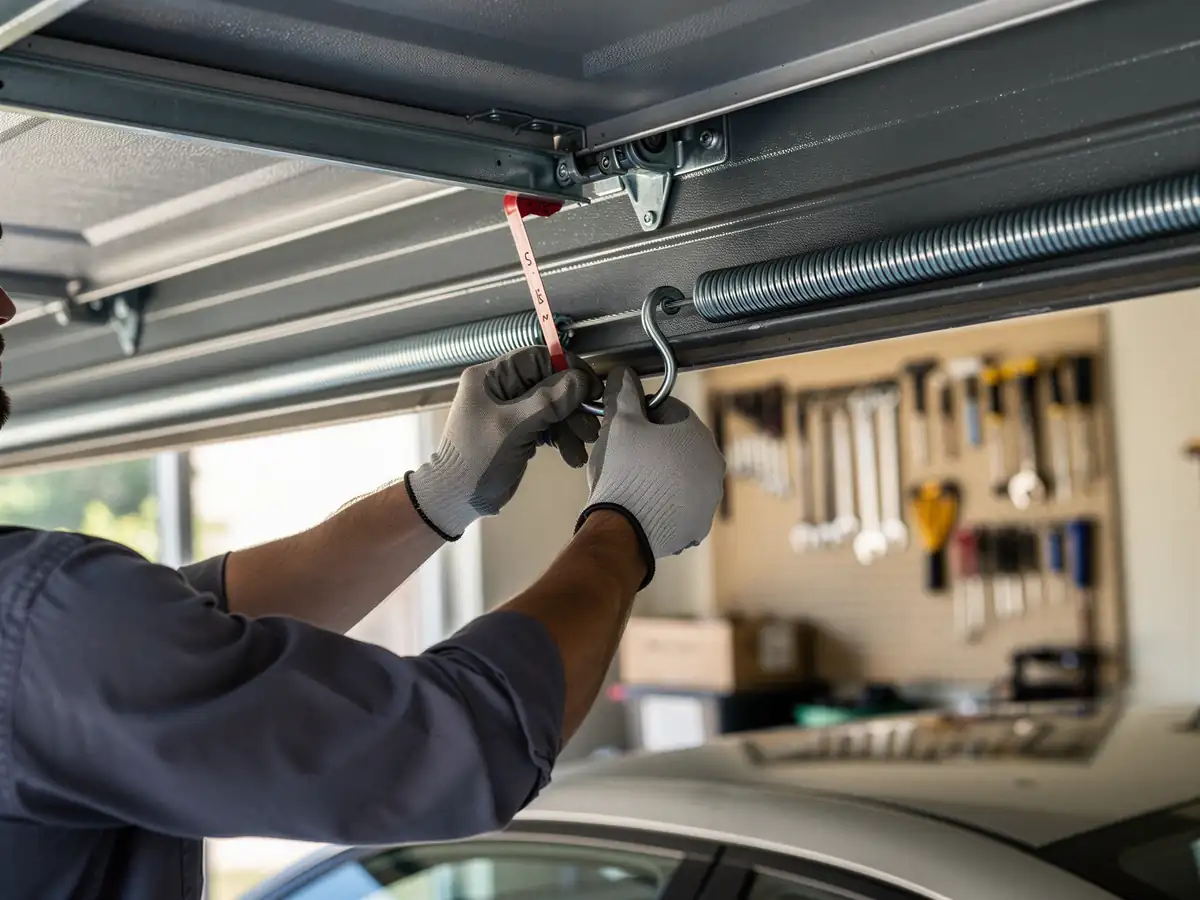
A rough-traveling door puts extra load on the cables holding the spring system, and if those are original to a 2001 install, they're due regardless of the rollers. We check that every time, because replacing rollers and leaving a cable close to failure isn't a complete job - it's a return visit waiting to happen.
The DIY Question
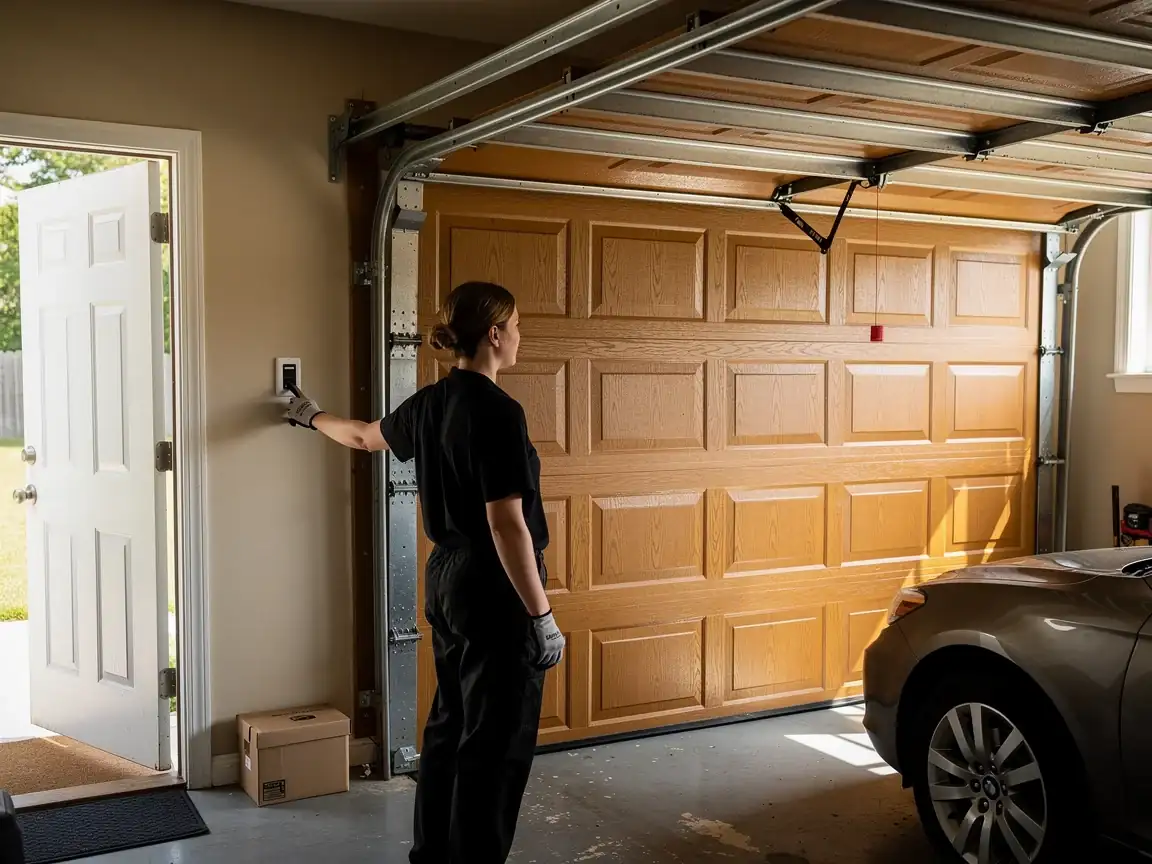
Swapping a roller is within reach for someone comfortable with tools, as long as the door is disconnected from the opener and the spring tension isn't being touched. The honest limit is the top two rollers on each side, the ones nearest the horizontal track and the spring system. Get those wrong and the door can come off the track while it's partway up, which is not a situation you want to be under.
If you've got a Shorewood house from the early 2000s with original rollers, there's also a decent chance the track itself has tolerances from that builder-grade install that don't match what's sold in stores today. We'd rather tell you that up front than have you buy a part that doesn't fit.
How We Fix It
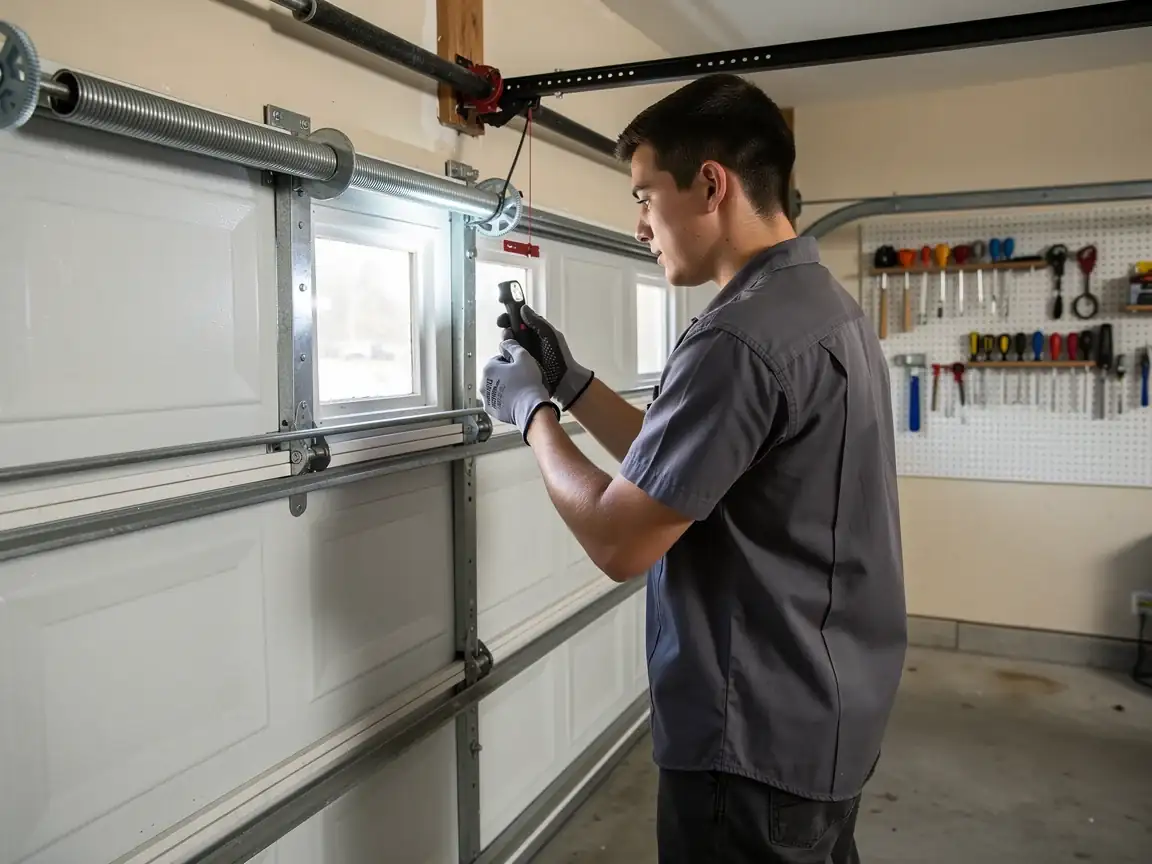
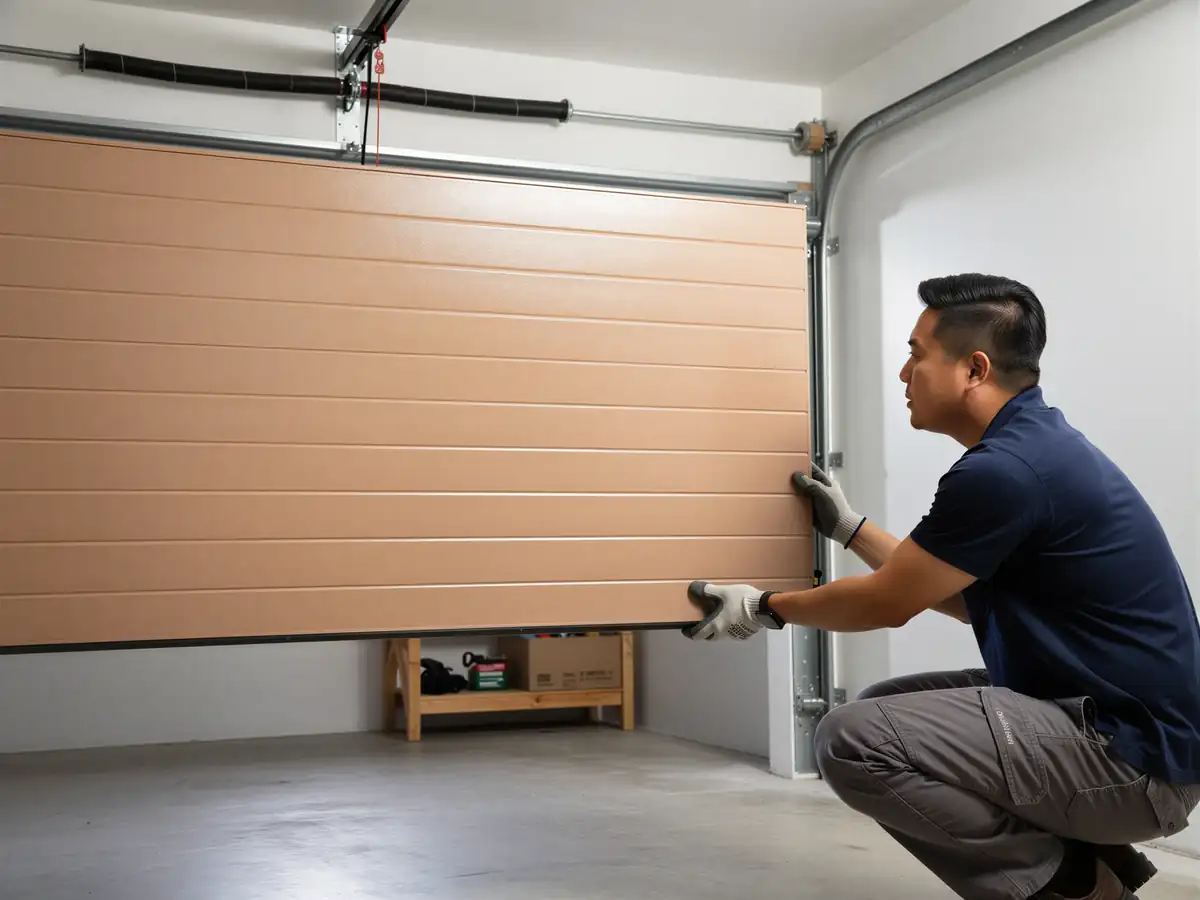
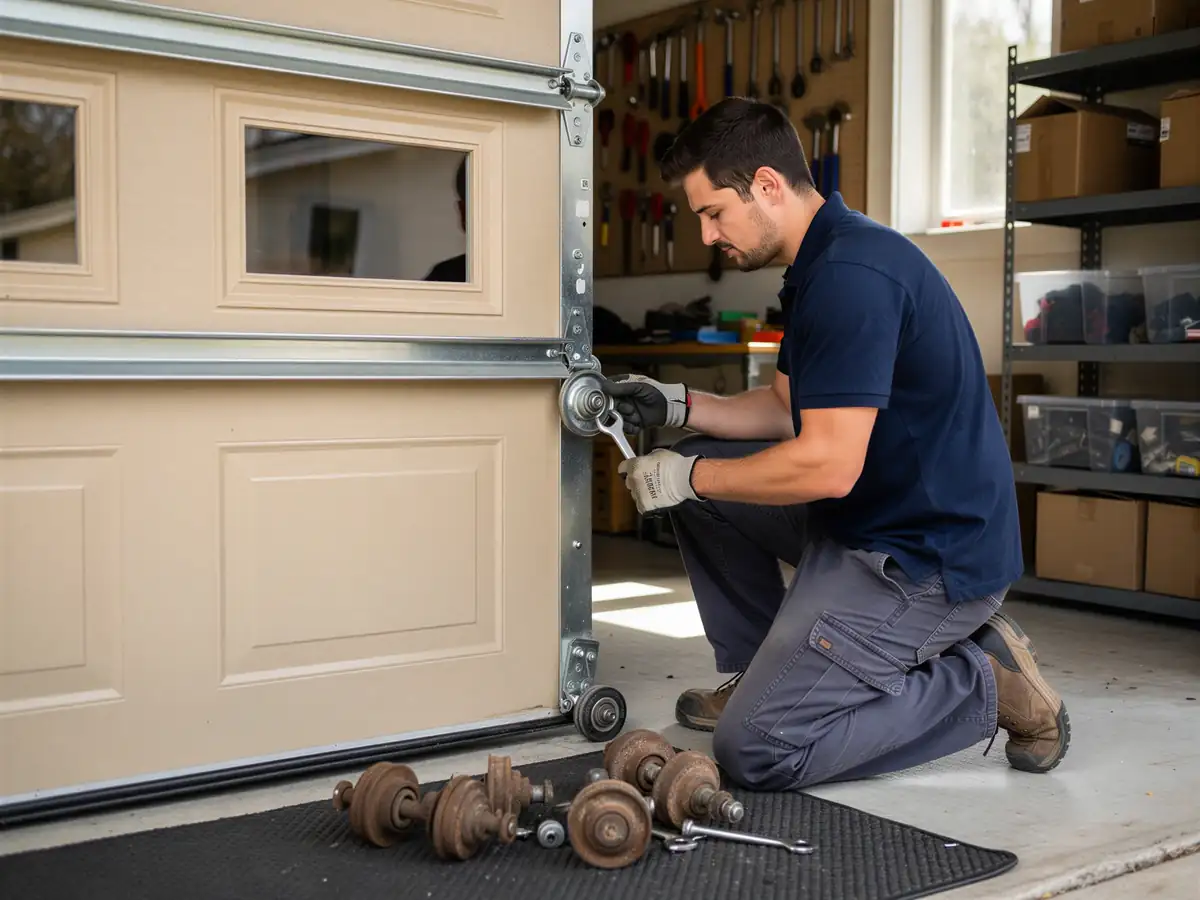
We pull the door down to manual operation, check the track alignment on both sides before touching a roller, and replace rollers in matched sets rather than one at a time - a single new roller next to three worn ones just moves the shudder somewhere else. For a cold-climate area like this one, we lean toward sealed-bearing rollers over open steel; the grease doesn't gum up or dry out the same way when temperatures swing hard in January and again in July.
If the track's bent from a roller that's been riding rough for a while, we true it up or replace the section rather than forcing a new roller into a track that's already out of spec. That's the part of the job that doesn't show up until the door's open and we're looking at it directly.
What Causes It Around Here
The straightforward answer is age matched to builder-grade parts. A house built in 2001 is old enough now that whatever roller the builder installed has had two decades of cycles, and builder-grade rollers were never spec'd to last that long - they were spec'd to pass a final walkthrough. Add the cold-moderate climate swings this area gets, where grease in an open-bearing roller thickens in a cold snap and the door drags until it warms up, and you've got the two things that wear a roller down faster than normal use alone: age and weather cycling on hardware that was never the premium option to begin with.