What Is Going On
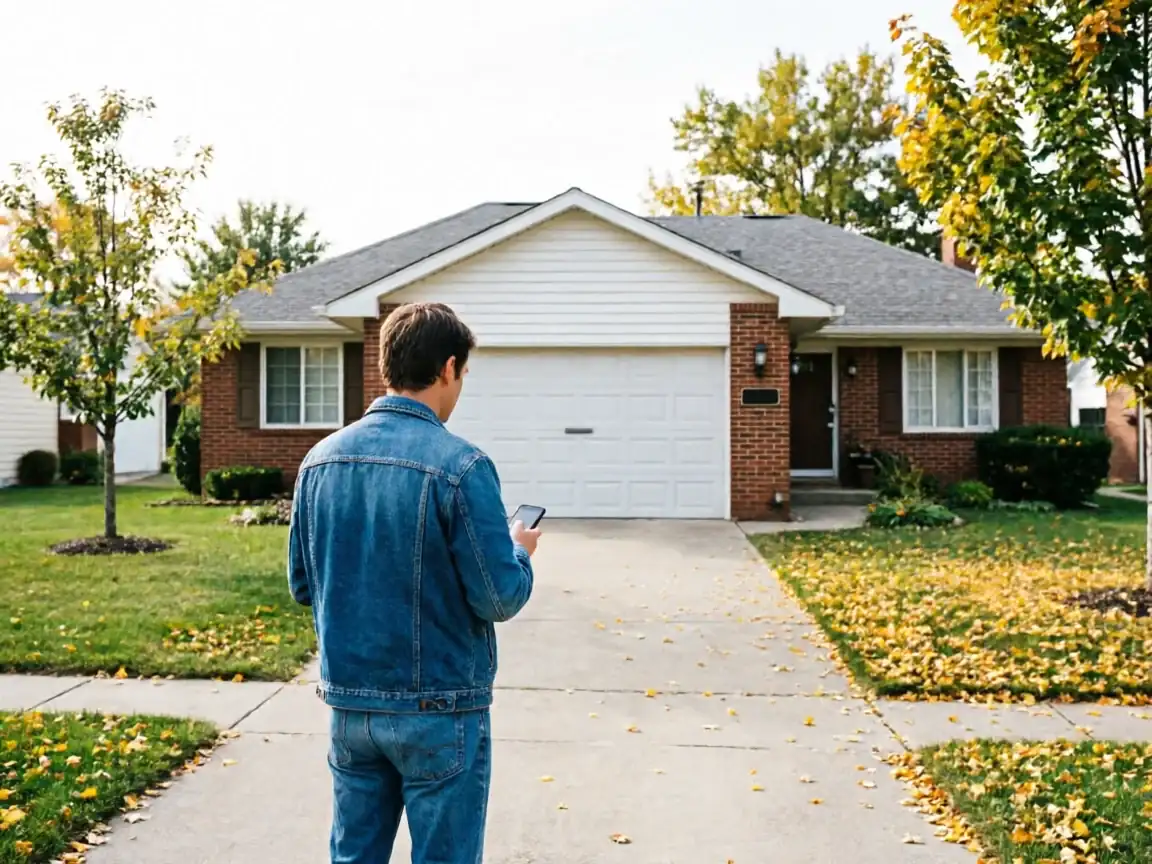
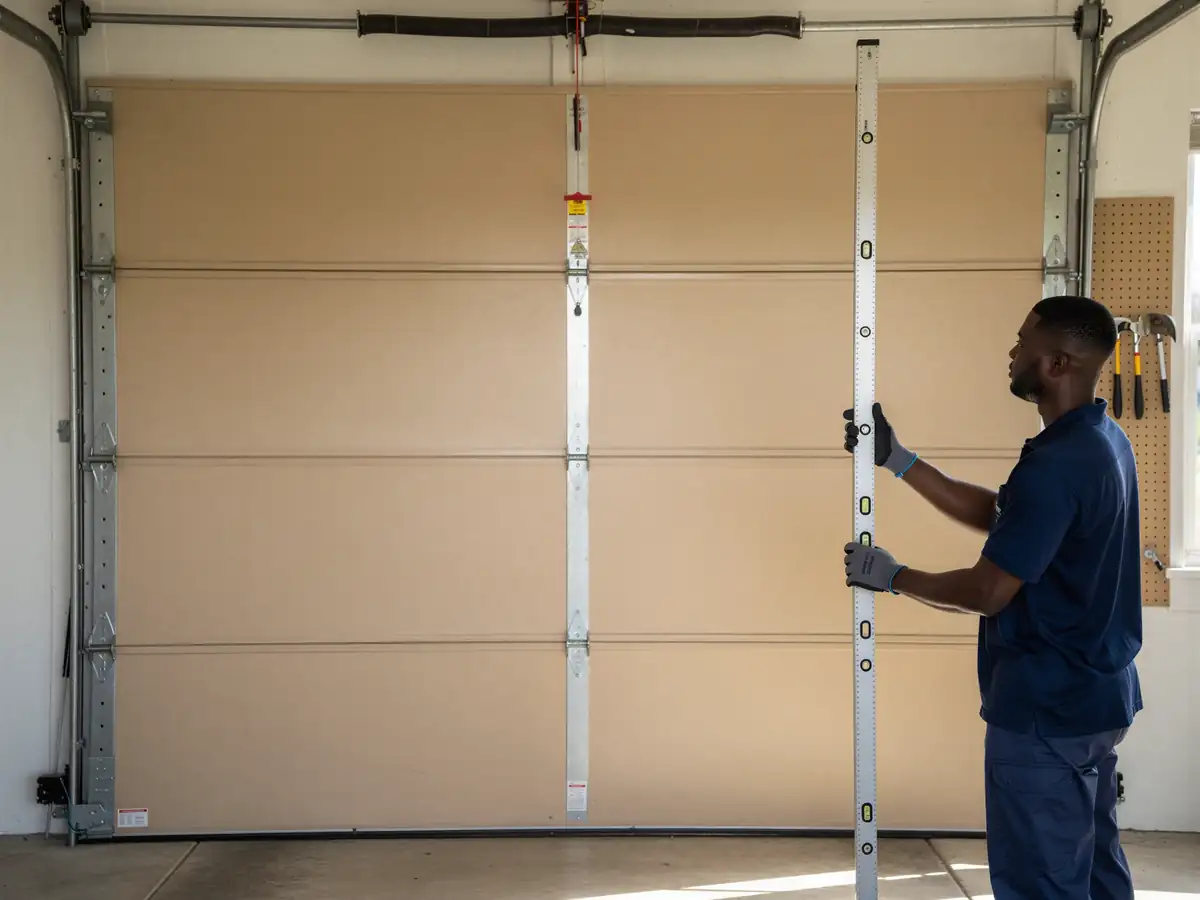
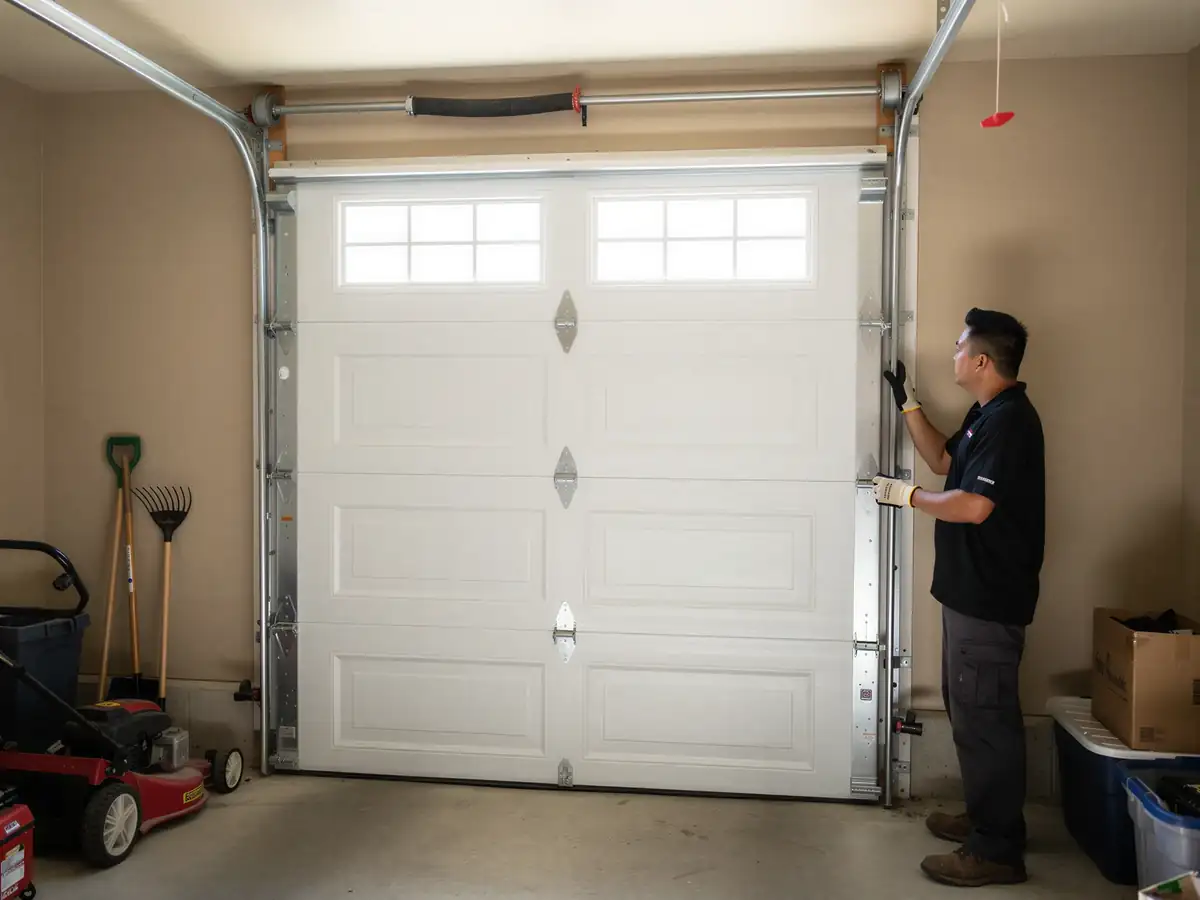
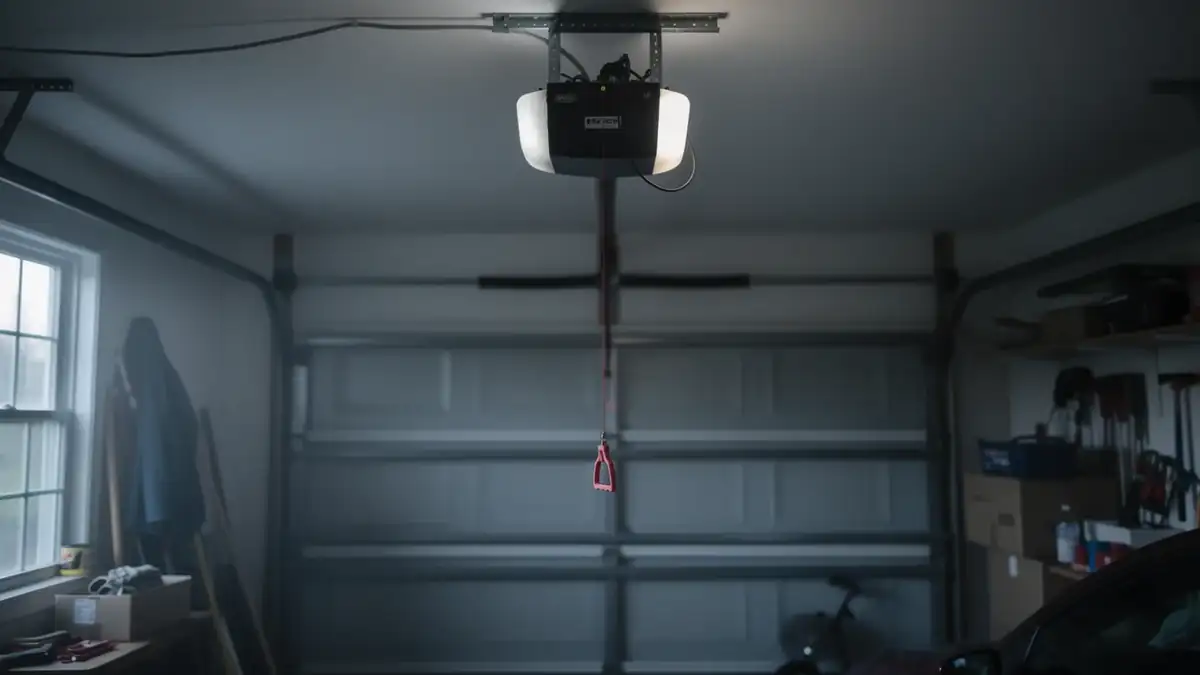
Most houses here went up between 1958 and 2004, with the bulk of that building happening in the 1980s and 90s. That's the stretch when Joliet added a lot of its garages, and the opener that came with the house is, in a good number of cases, still the opener in the house. Chain-drive units from that era run a logic board, a transformer, and a few relays that have had thirty-plus years to dry out, corrode a contact, or just wear thin. None of that shows up until something stresses the system - and a power cut is exactly that kind of stress. The unit loses power mid-cycle, the board doesn't come back clean, or a surge when the power snaps back on finishes off a capacitor that was already weak. What looks like "the power outage broke my opener" is often "the power outage was the last straw for an opener that was already thirty years old." We don't rewire your panel or chase the outage itself - that's your utility's job. We work on the opener, the wiring to the unit, and the door it's attached to.
When to Get Help
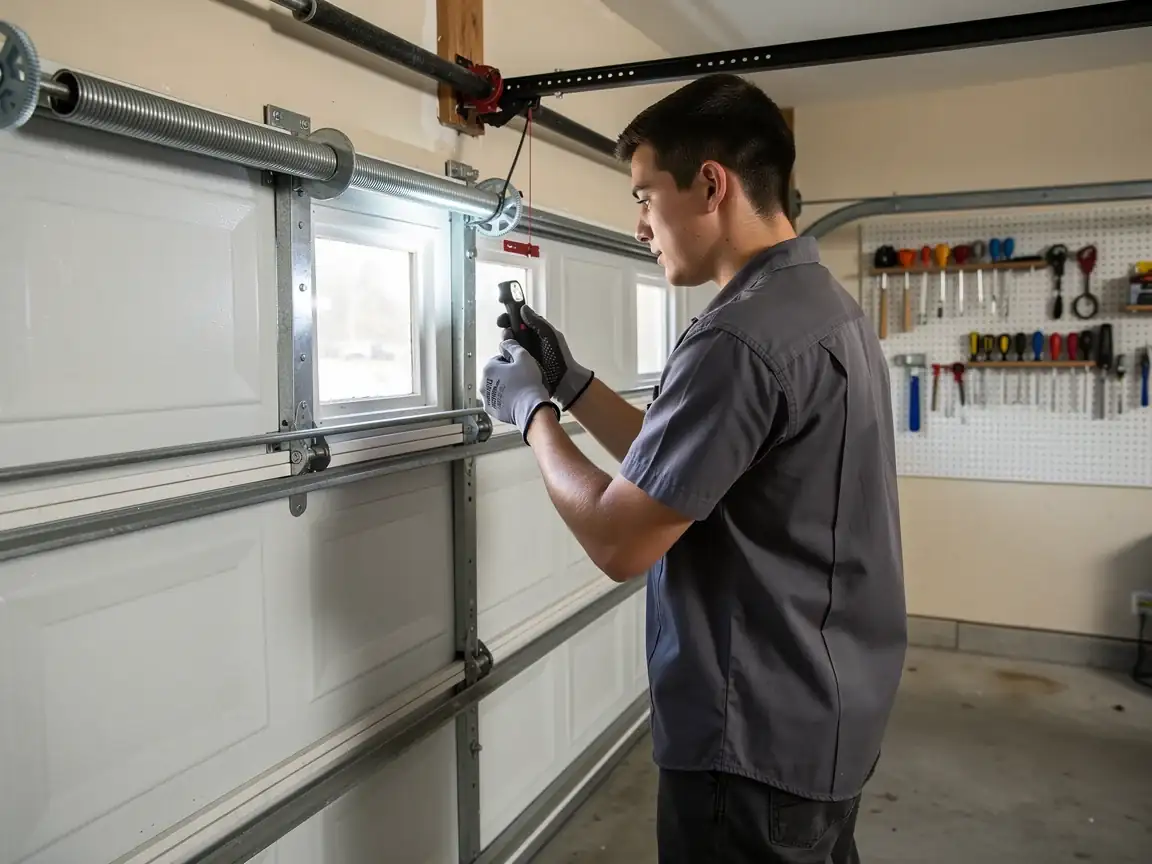
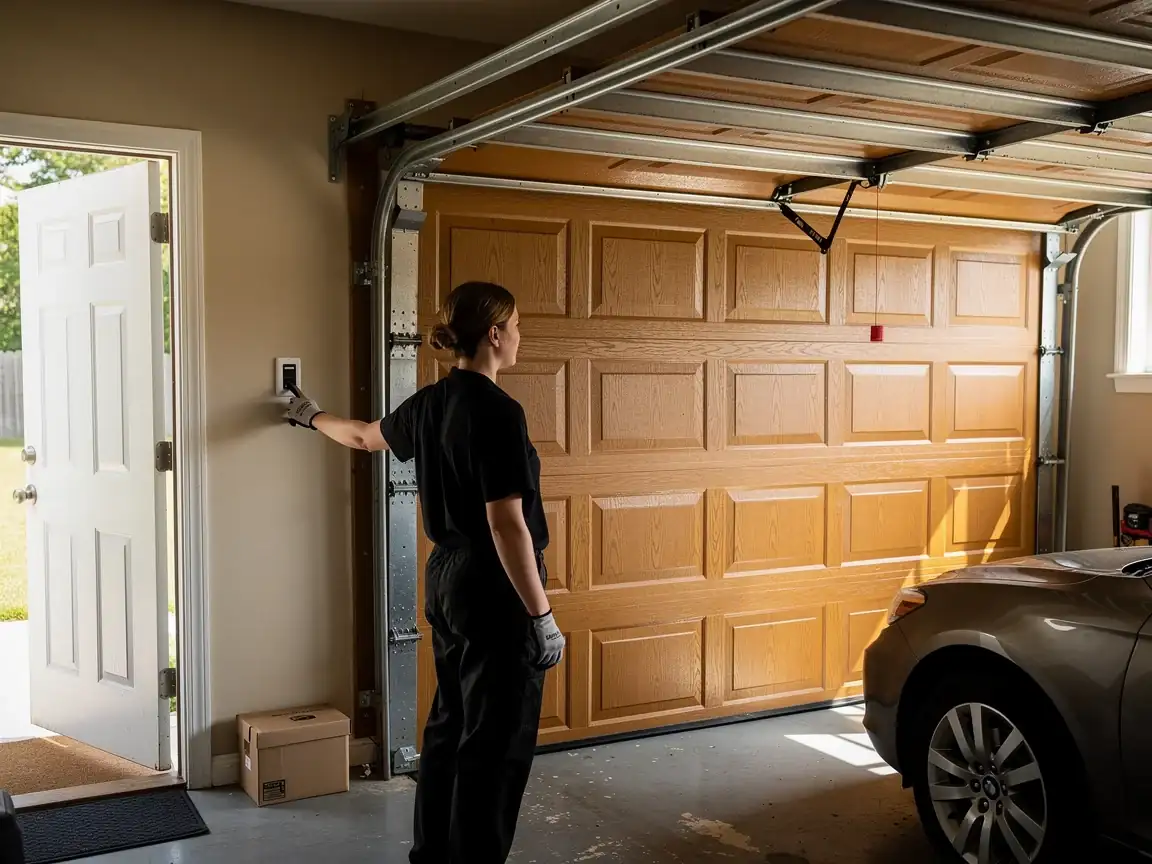
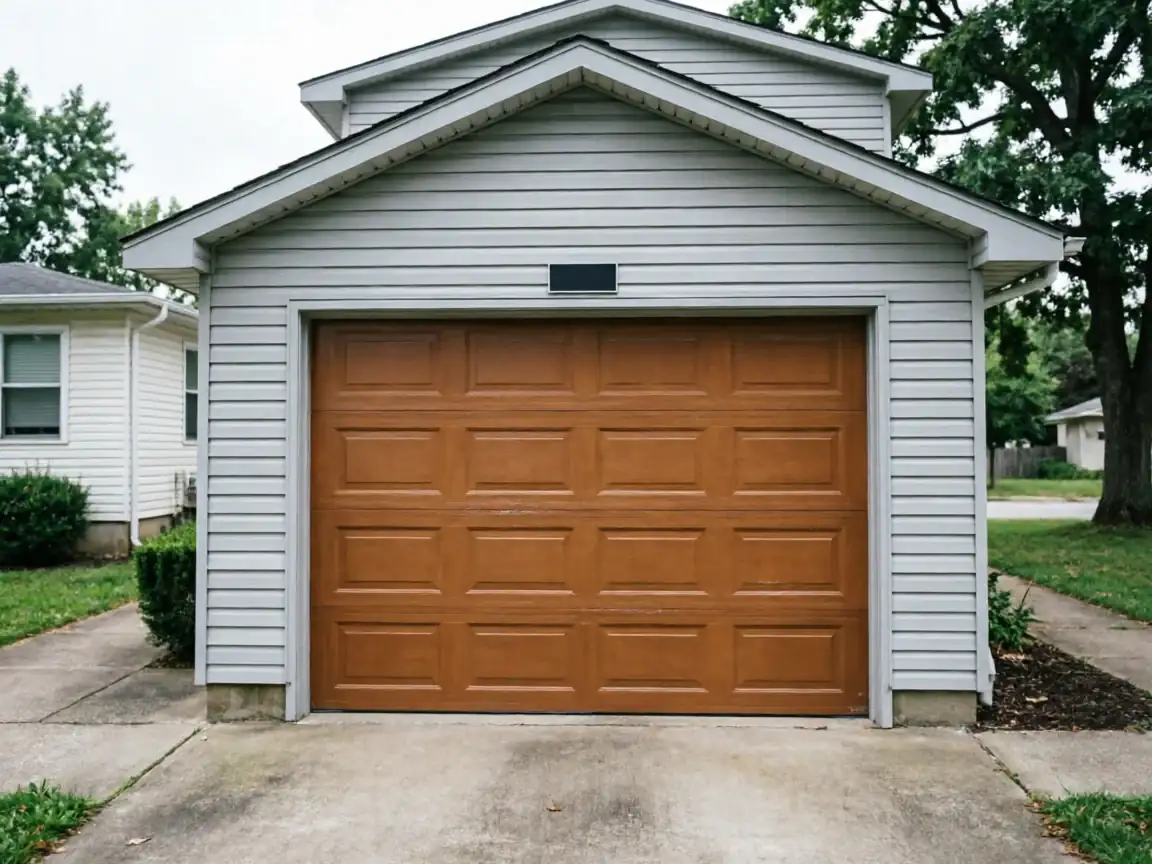
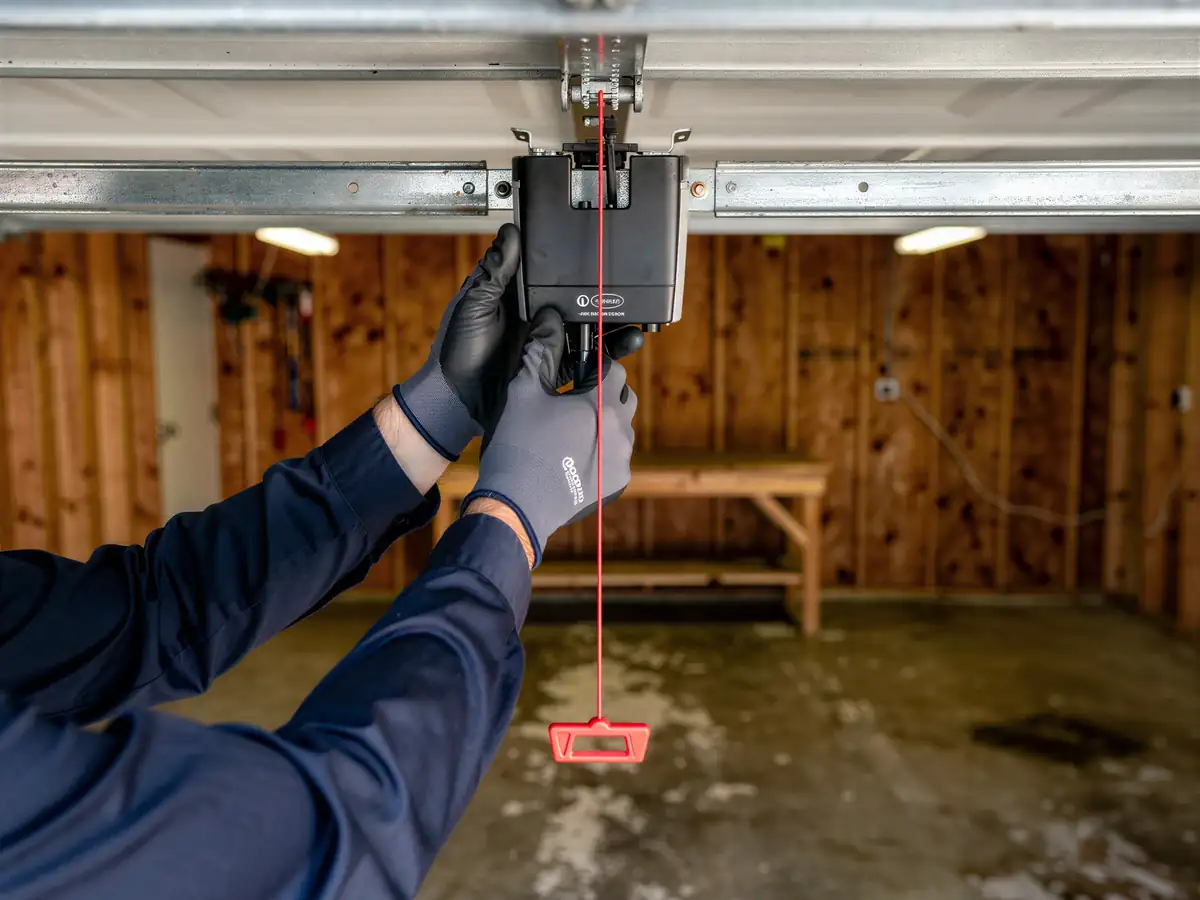
A dead opener after the power comes back isn't always a simple reset. If you hear a hum but the door doesn't move, if the light blinks a fault code and won't clear, or if there's a burning smell from the unit, that board or motor took real damage and a reset won't fix it. Same goes for a door that reverses on its own, or one that opens but won't close - those are usually travel limits or safety sensors that lost their settings in the outage and need to be reprogrammed or replaced, not guessed at. With 90,342 owner-occupied houses across this service area, a lot of those garages still run the opener that came with the house when it was built in the 1980s or 90s, and those units don't always reprogram cleanly after a hard power loss. If you're closer to Shorewood or Crest Hill, just a few miles out, you're in the same cold-climate band and same housing-age pattern, so the same failures show up. If the opener is original to a home from that era, our honest take is sometimes the repair costs more than a new unit is worth - we'll tell you straight when that's the case instead of patching a board that's going to fail again next winter.
The Seasonal Bit
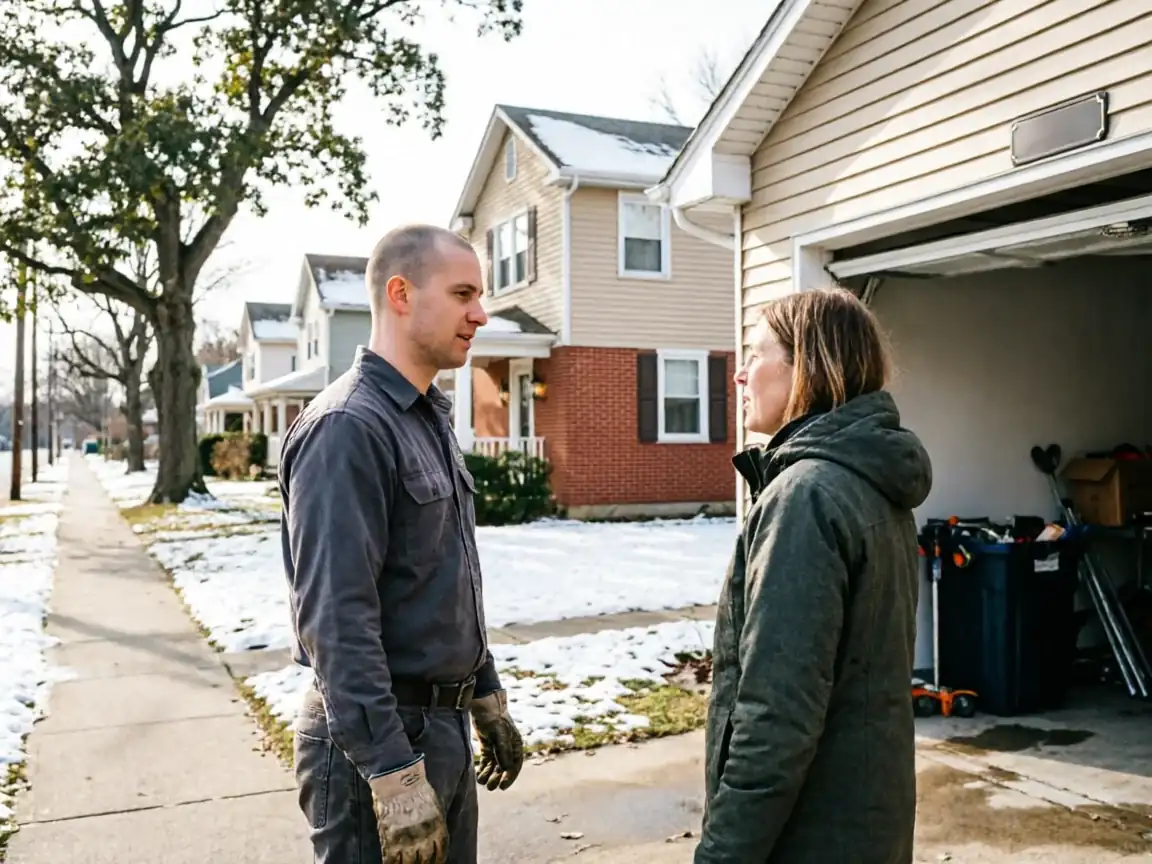
A chain-drive opener installed when the median area home went up in 1991 is pushing past its expected service life now, and that shows up on a calendar, not just a clock. Most of the calls about openers acting up after a power cut land in the coldest stretch of winter, not in summer - the combination of stiff grease, a weak board, and a grid that's more likely to blink off in a cold snap all stack up in the same three or four months. Spring and fall are usually quieter for us on the opener side, which is a decent window to deal with a unit that's been acting up instead of waiting for the next outage to finish it off. One limitation worth saying plainly: parts for a chain-drive opener built when a lot of this housing stock went in are getting hard to source. For a unit that old, replacement is often the more honest answer than chasing down a discontinued board. If your opener is from that original 1980s-90s build-out and it's already stumbling before winter even gets going, that's the sign to deal with it now rather than in the middle of the next cold-snap outage.