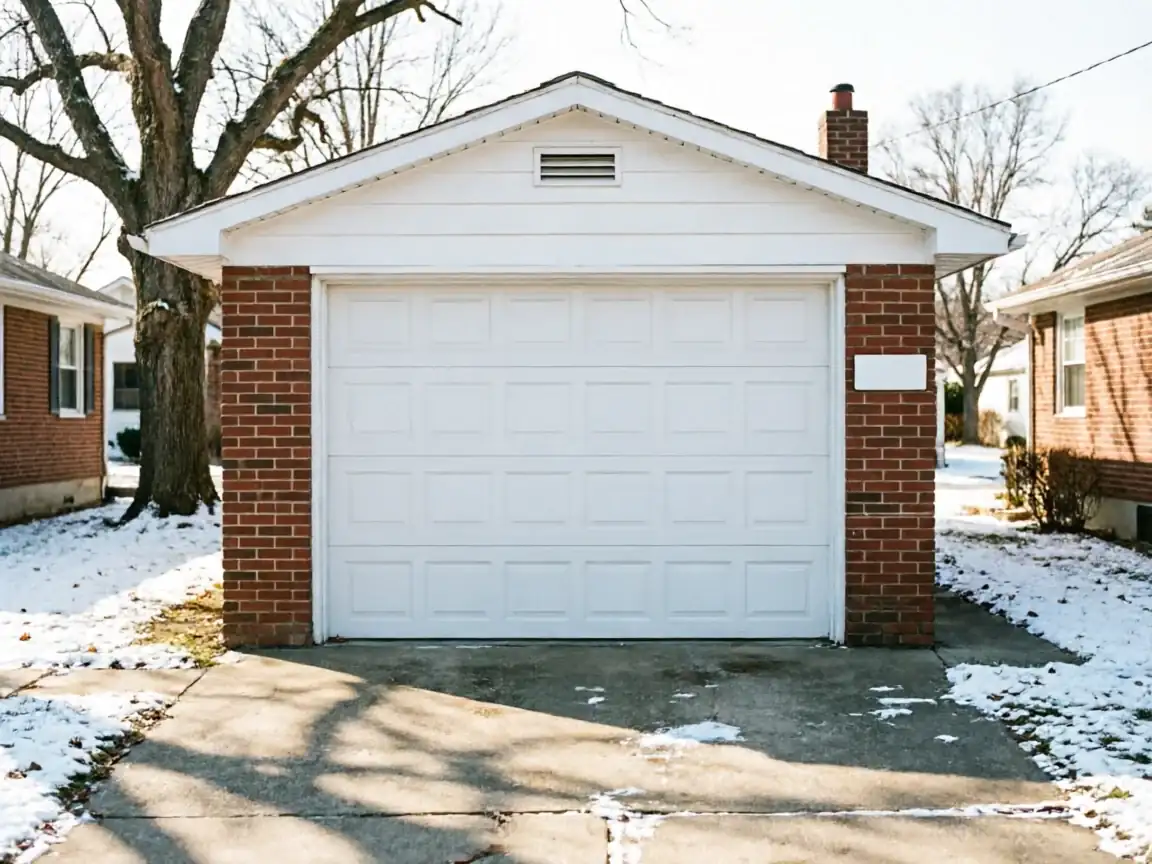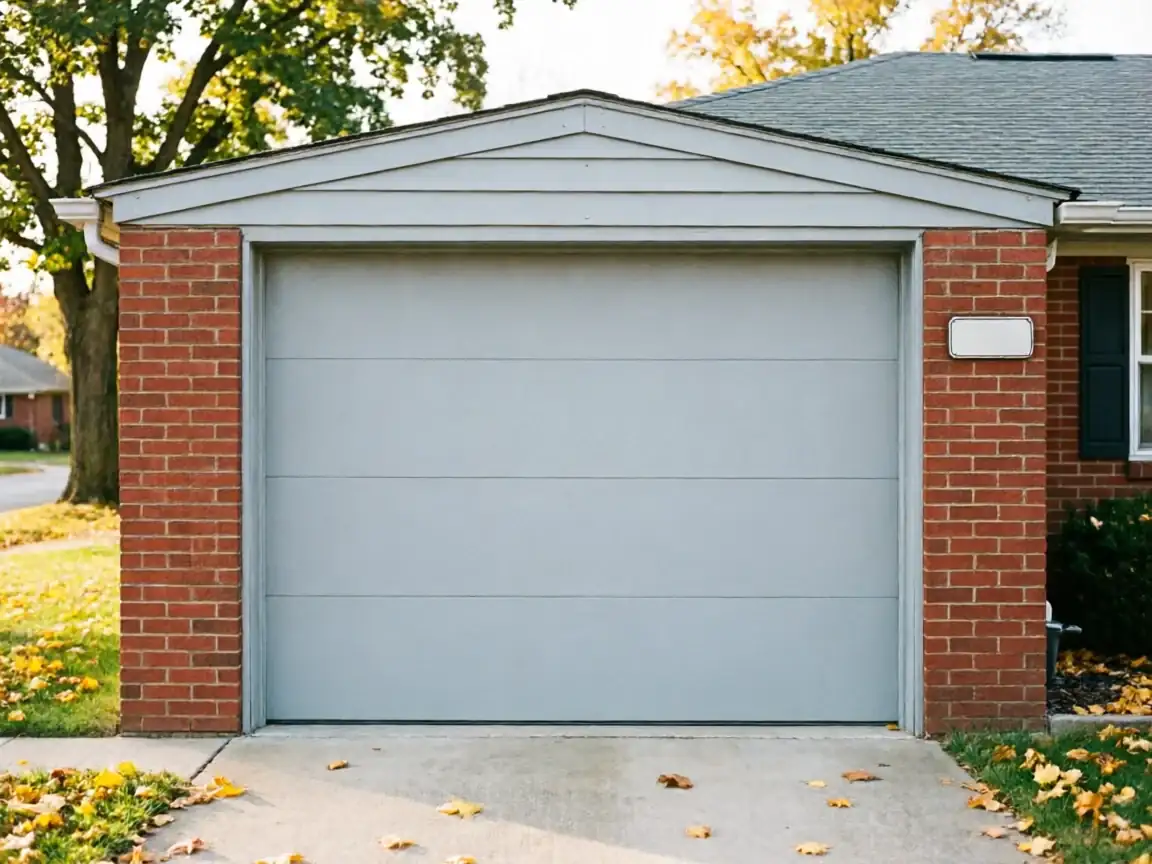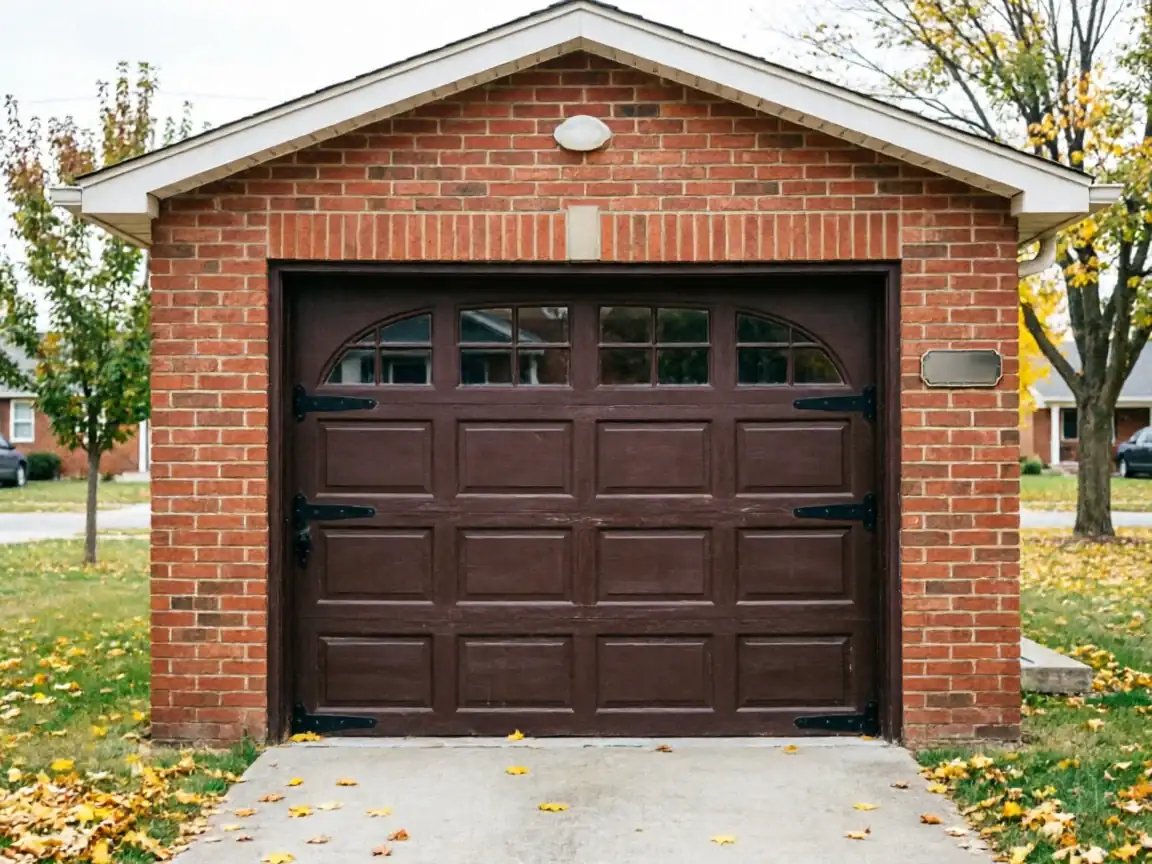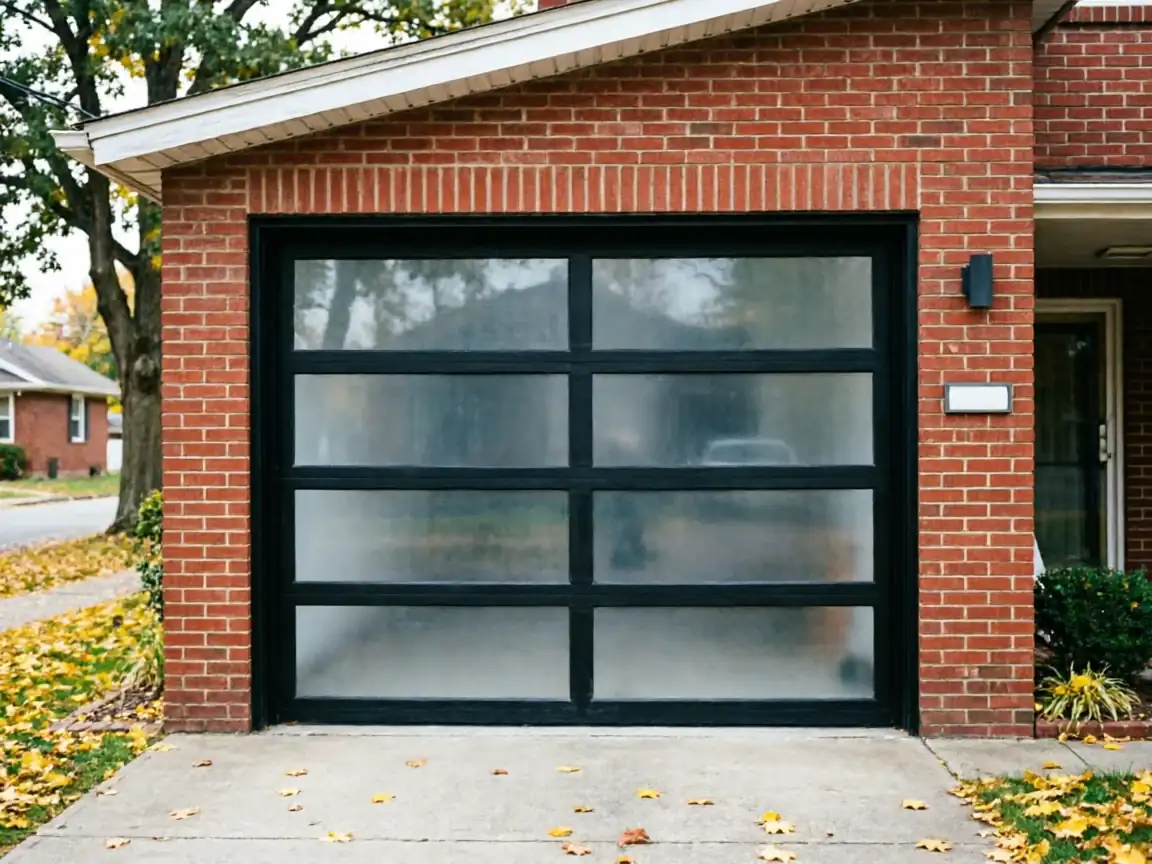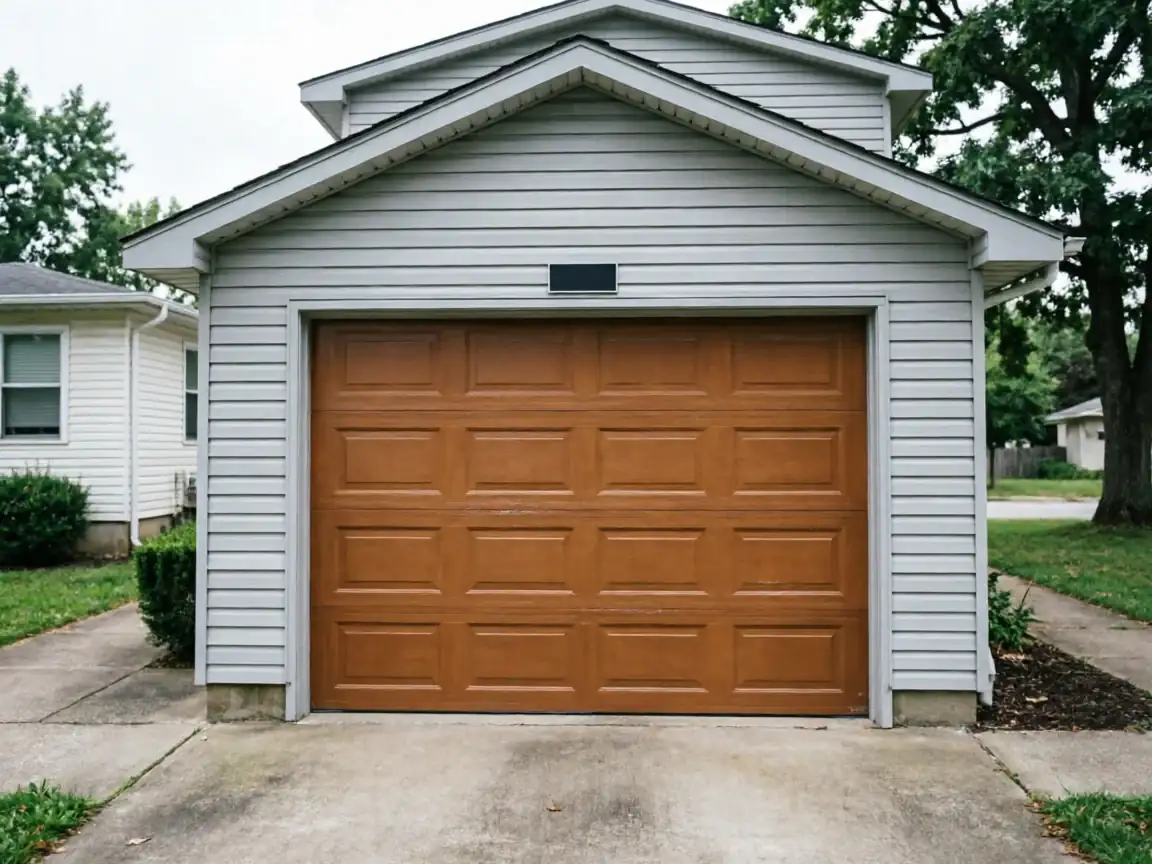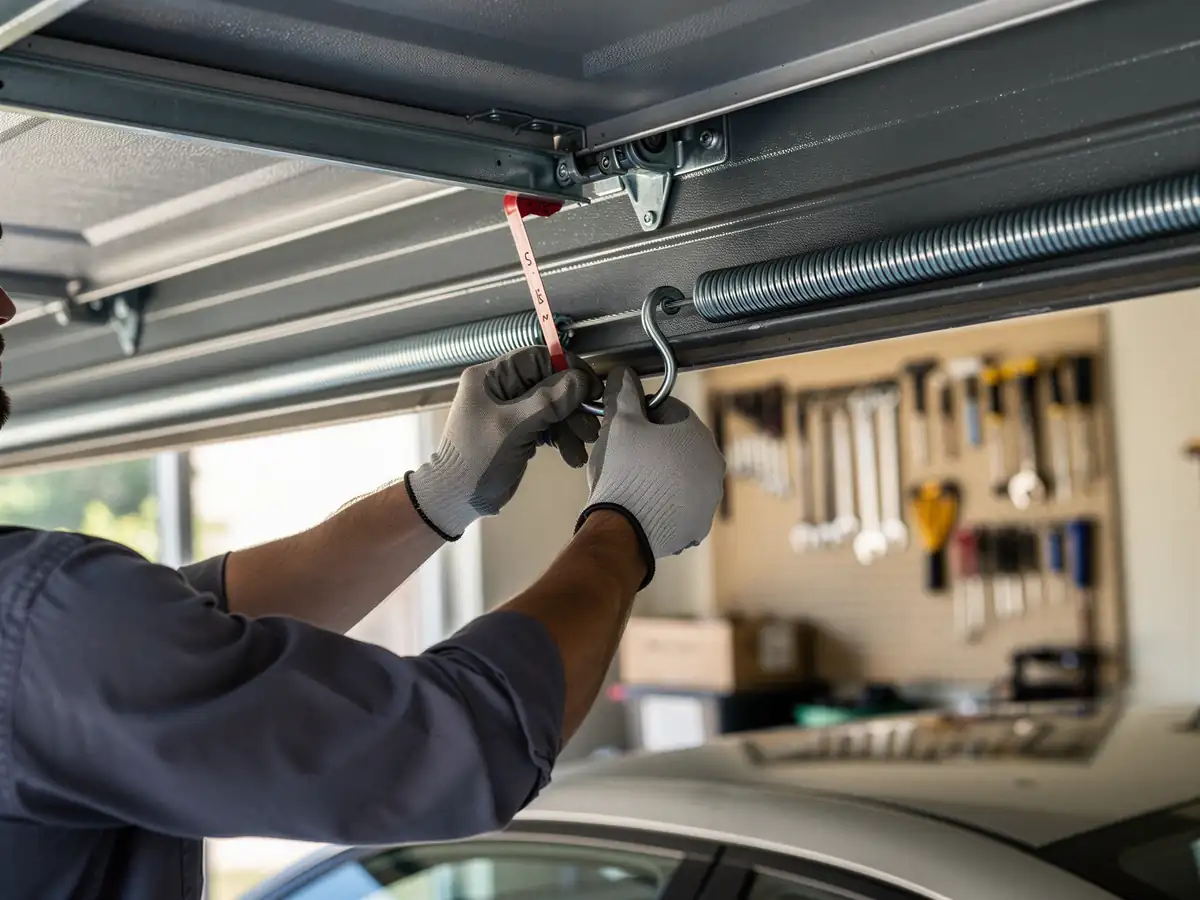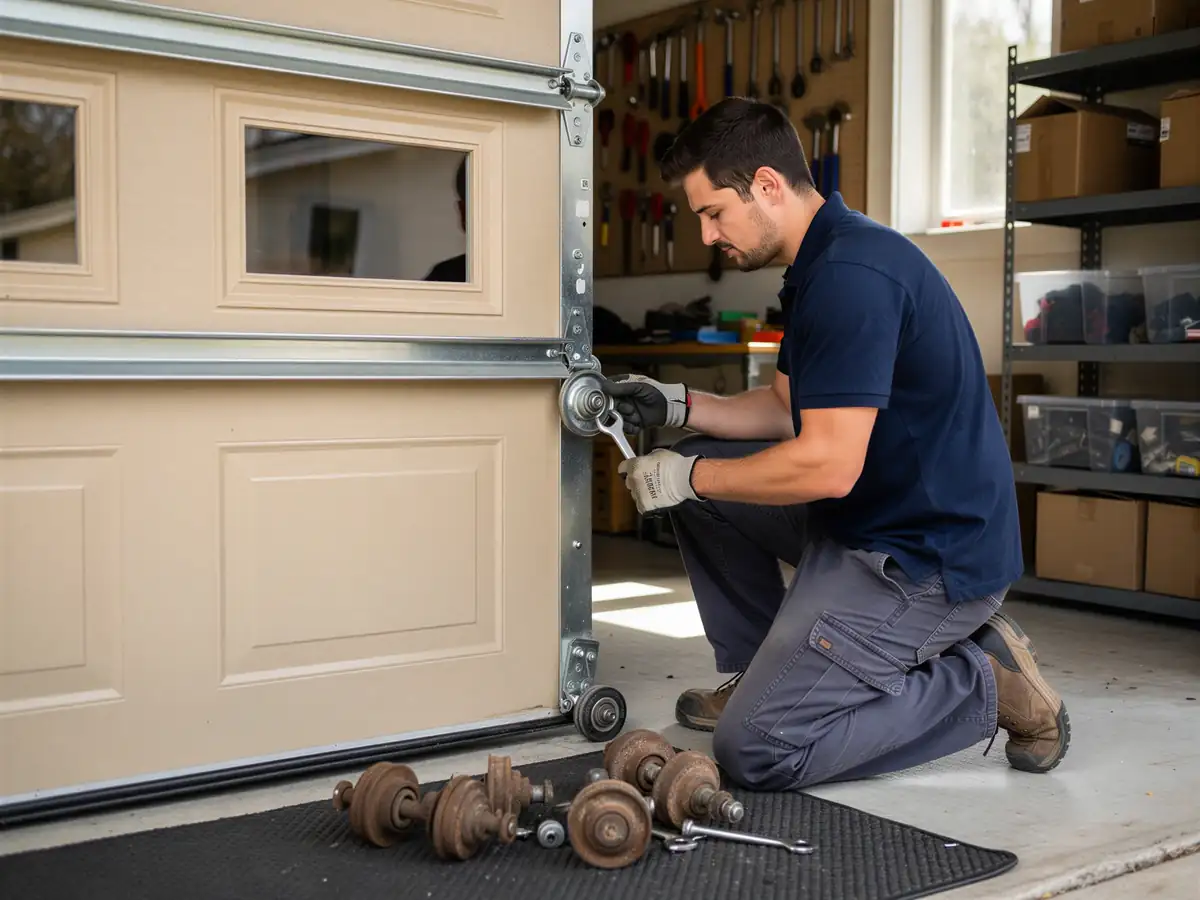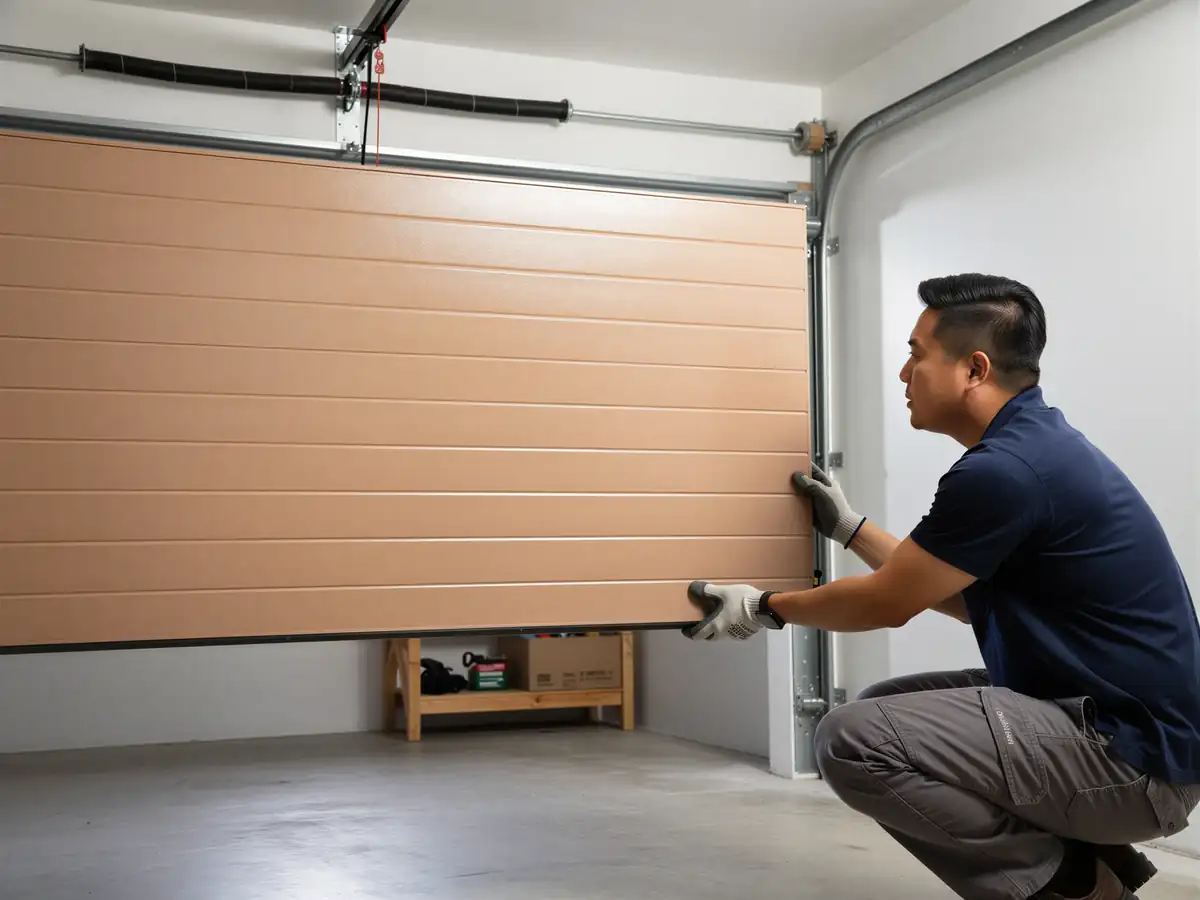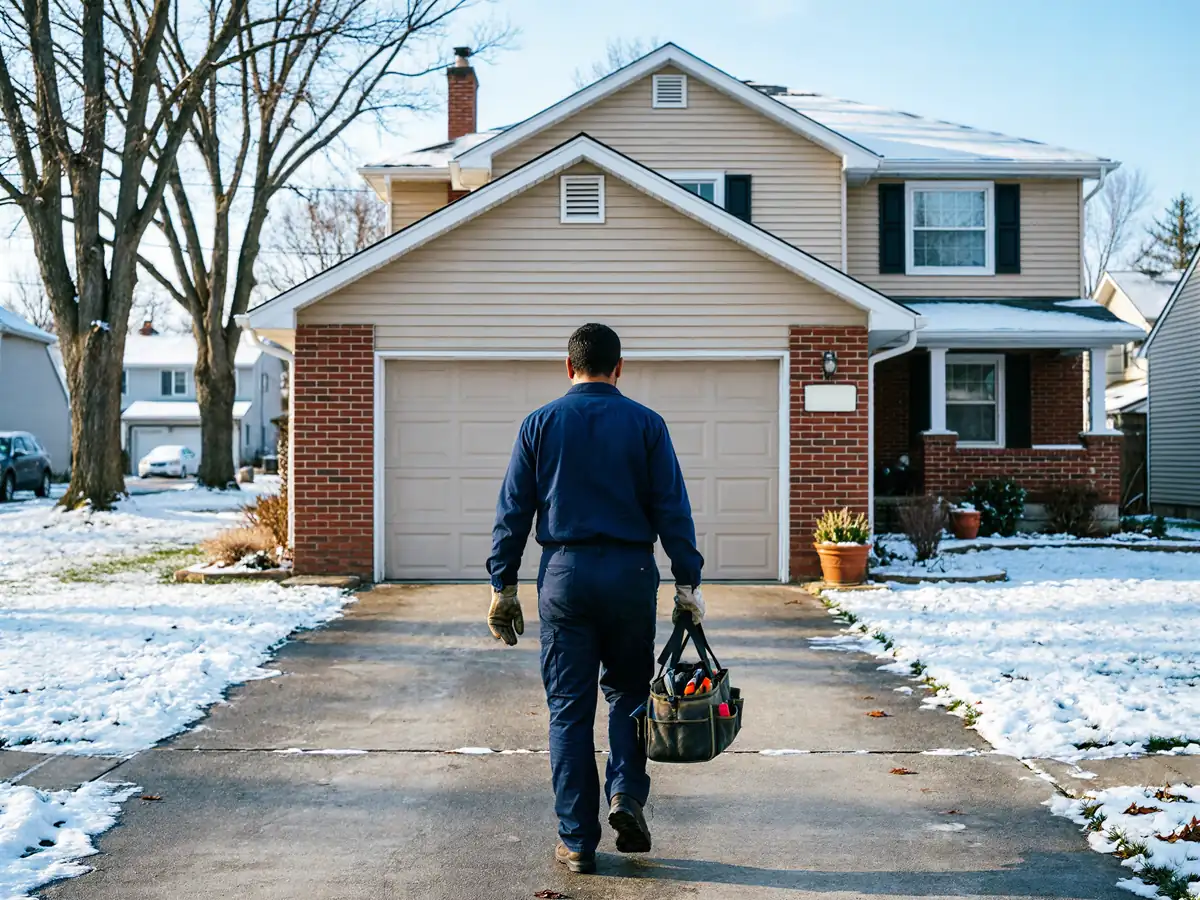
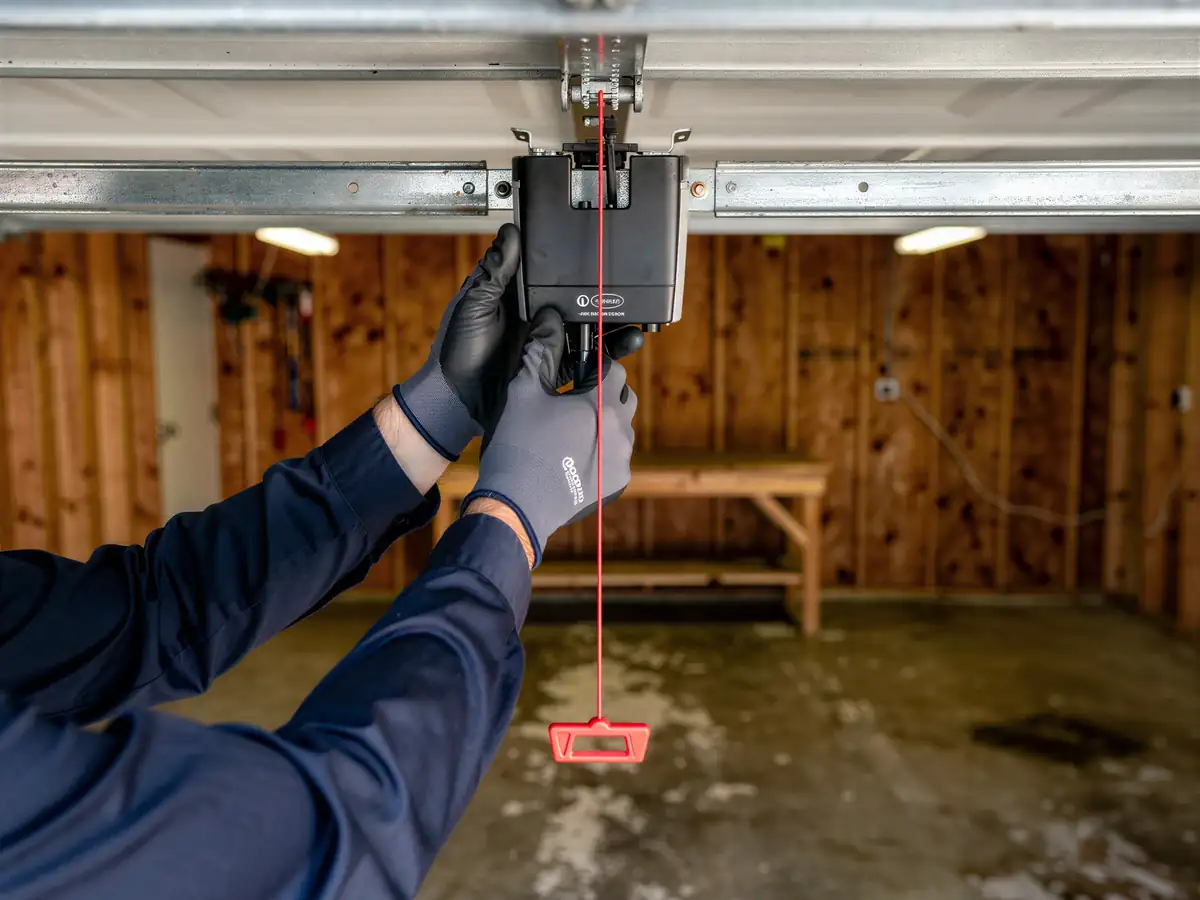
What You Are Seeing
Shorewood's median household income runs $122,648, well above the wider service area's $109,064. That number matters more than it sounds like it should, because it changes the math on a dead opener. At this income level, a lot of homeowners don't want to spend $200 to nurse along a logic board that's going to fail again next winter - they'd rather put that money toward a new unit with battery backup and a quieter belt drive. We'll tell you straight which side of that line your opener sits on before we touch a tool.
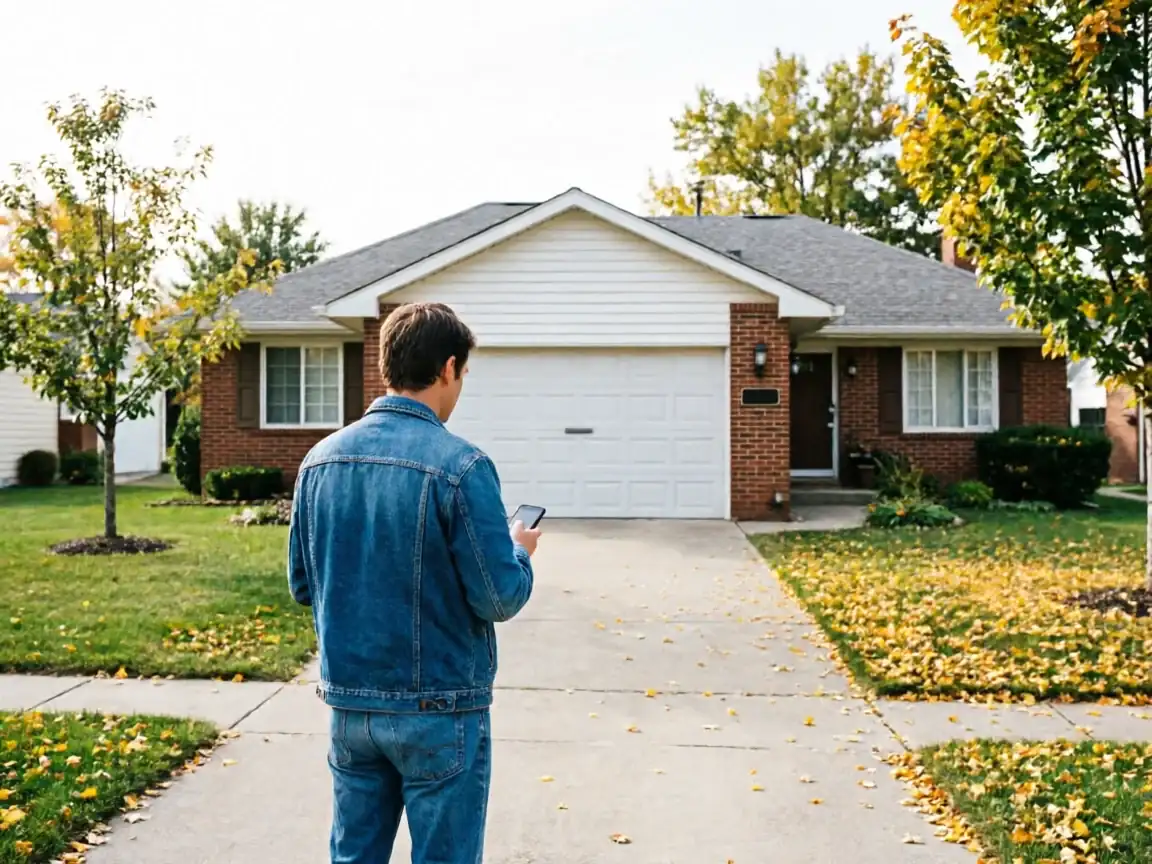
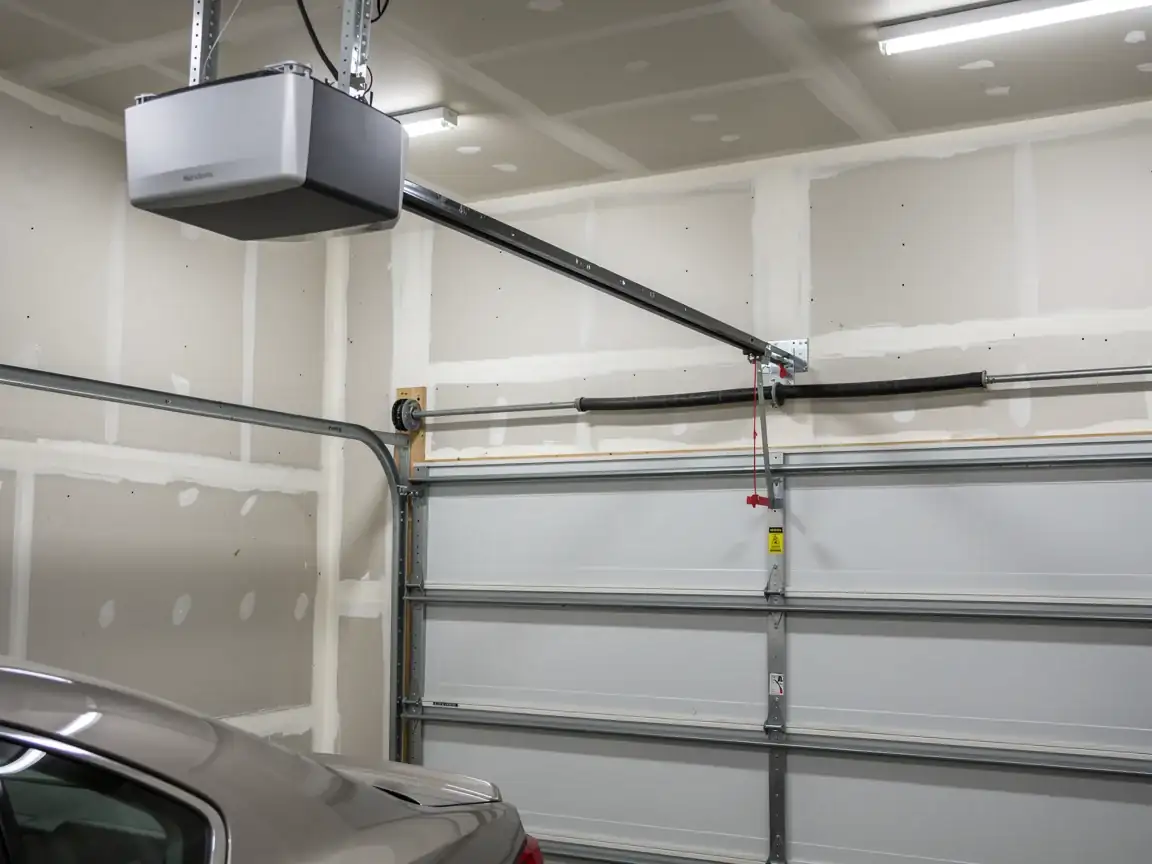
Most houses in Shorewood were built around 2001, which puts the original opener - if it's still the original - right at 20-plus years old. That's past the point where most manufacturers still stock boards or logic circuits for it. If your opener is original to the house, a repair quote on it isn't really a repair quote; it's a decision about whether you want to keep feeding parts into something near the end of its run.
Where This Job Goes Sideways
The common mistake is treating every stuck or silent opener the same way
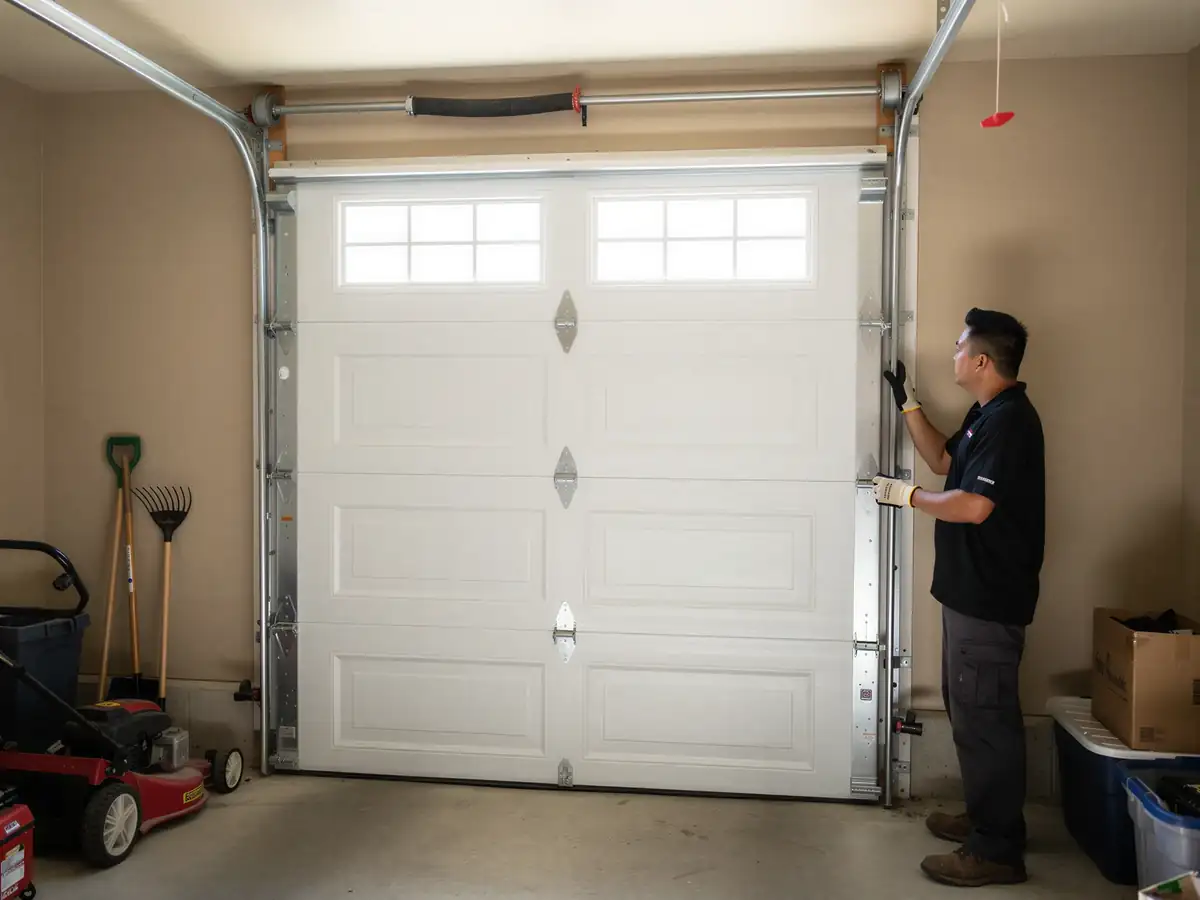
A door that won't respond to the remote but opens fine from the wall button is usually a receiver or a dead remote battery - a five-minute fix. A door that hums, tries, and stops is almost never the opener itself; it's a spring or cable binding the door, and the opener is just reporting the problem honestly. Replace the opener in that case and you've spent money without fixing anything.
In a house built in the early 2000s, we also see safety sensors that have drifted out of alignment over the years
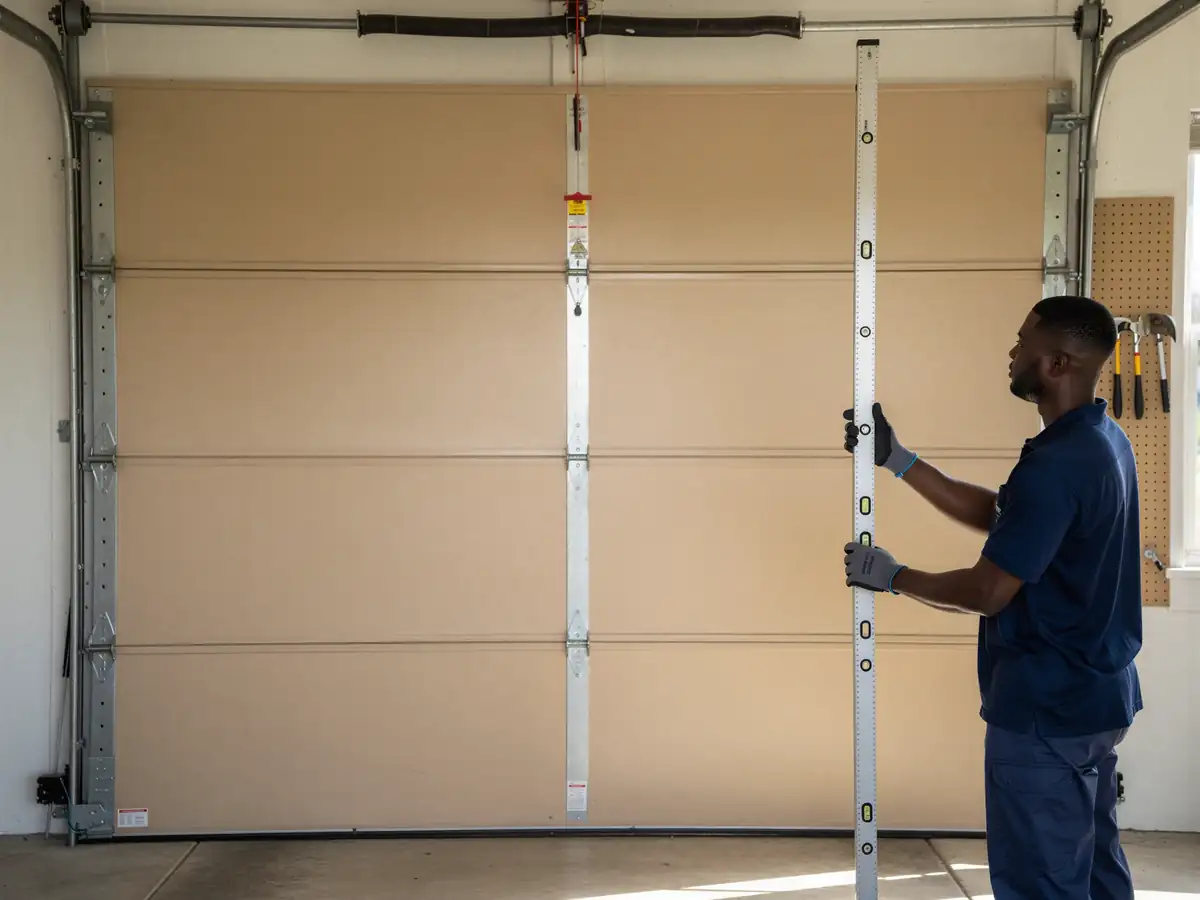
Small movement in the bracket, nothing dramatic, but enough that the opener refuses to close as a safety measure. That reads like opener failure to most homeowners. It isn't. It's a sensor that needs ten minutes and a level, not a new unit.
The DIY Question
Swapping a remote battery or re-aiming a sensor bracket - fine, do it yourself, it's not risky and it might solve the whole problem. Replacing a logic board or the opener's main circuit is a different animal. You're working around a spring-loaded system under tension, and getting the force settings wrong on a new opener can leave a door that closes with enough force to do real damage if something's in the way.
Our honest limit here: we don't recommend DIY opener swaps on anything with a belt or chain drive tied into a torsion spring system unless you've done it before. If you're comfortable with basic electrical work and your opener is a straightforward chain-drive unit, you can likely handle it. Past that, the margin for error isn't worth what you'd save.
How We Fix It
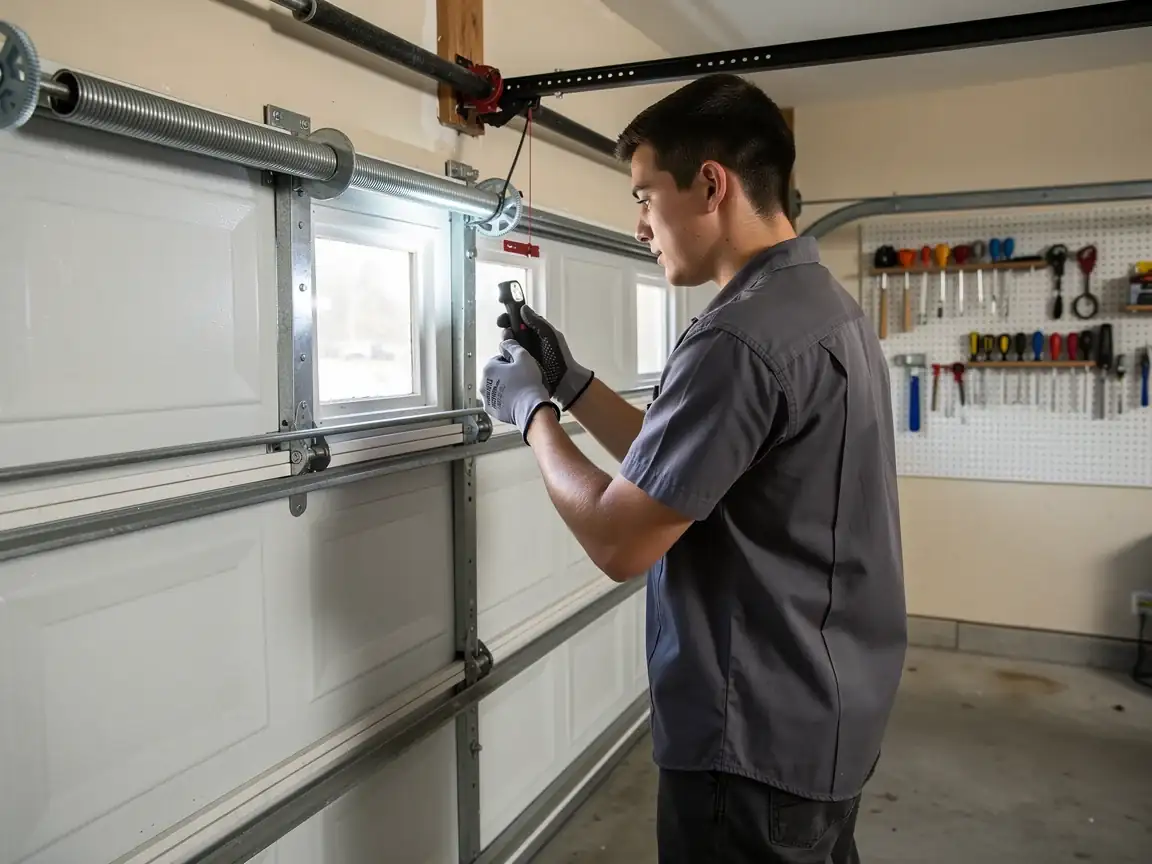
We start by testing the opener in isolation - disconnect it from the door, run it, and see if the motor and logic board actually work before we assume anything about the door hardware. If the opener's original to a 2001-era build, we'll check for belt stretch, worn drive gears, and a board that's been cycling for two decades without complaint until now.
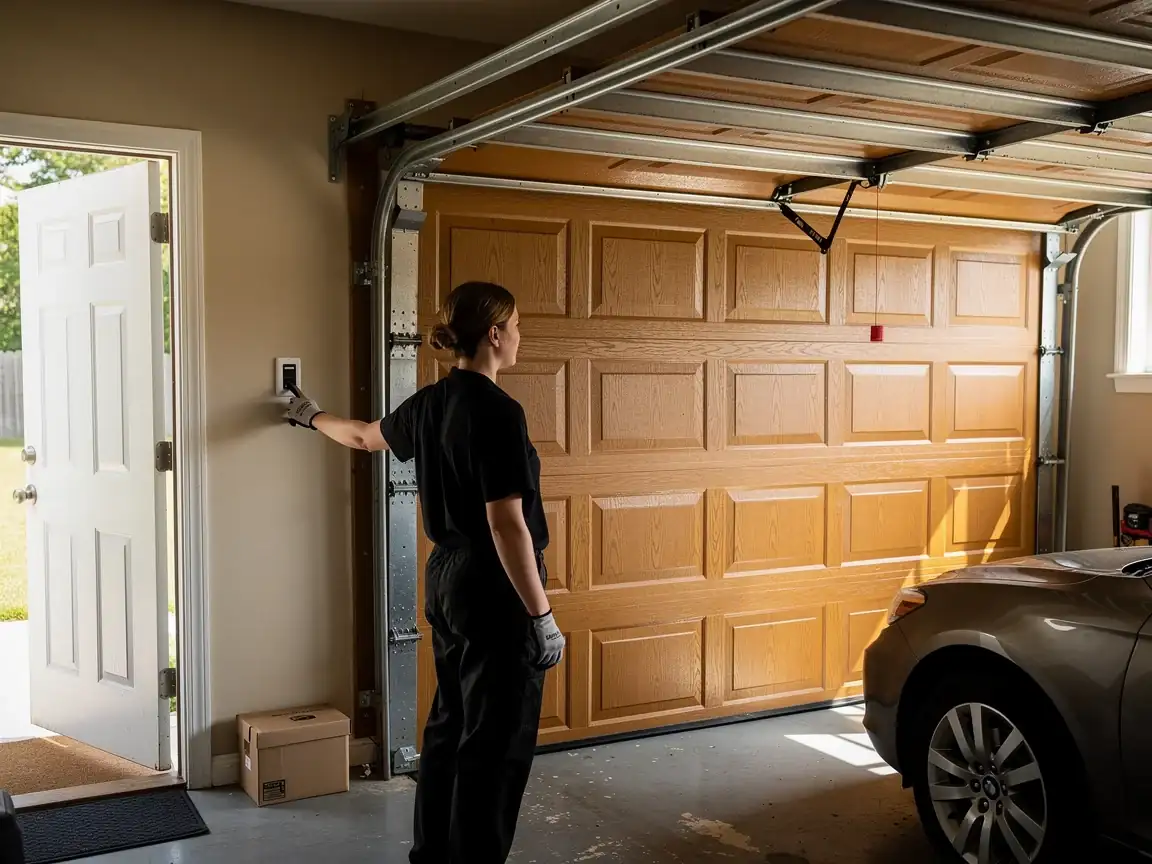
If the fix is a sensor realignment or a remote reprogram, that's quick and cheap. If the board's shot, we'll quote a replacement board against a full opener swap and let the cost difference make the decision for you - on an opener that old, the board alone sometimes costs more than half of a new unit with a better warranty. We travel from Joliet, about 3 miles to most of Shorewood, so there's no local depot delay on getting parts out here.
Time on the Job
A sensor alignment or remote reprogram is usually done in the same visit, start to finish, in well under an hour
A full opener replacement - removing the old unit, mounting a new rail and motor, setting travel limits and force, and testing the safety reverse - takes longer, typically most of a morning once you account for ceiling bracket work in an older garage.
We can't promise a same-day slot here
We're coming in from Joliet, and depending on the day's route, we may need to schedule your visit rather than arrive within the hour. If the opener needs a part that isn't a standard belt, chain, or logic board - something specific to a discontinued model - that can mean a short wait on parts rather than a same-visit fix.
What Causes It Around Here
Shorewood's winters put real strain on opener motors and drive systems - cold makes grease stiffen, chains and belts tighten up, and motors draw harder to move a door that's fighting cold-shrunk weatherstripping at the bottom. That's a straight mechanical load issue, not a wiring fault, and it shows up most on openers already weakened by age.
With roughly 6,591 households in Shorewood and most of that housing dating to the early 2000s building wave, we're seeing a lot of openers hitting the same age wall around the same time - not because of anything owners did wrong, but because that's simply when the original units were installed and how long they tend to last before the logic board or motor gives out.