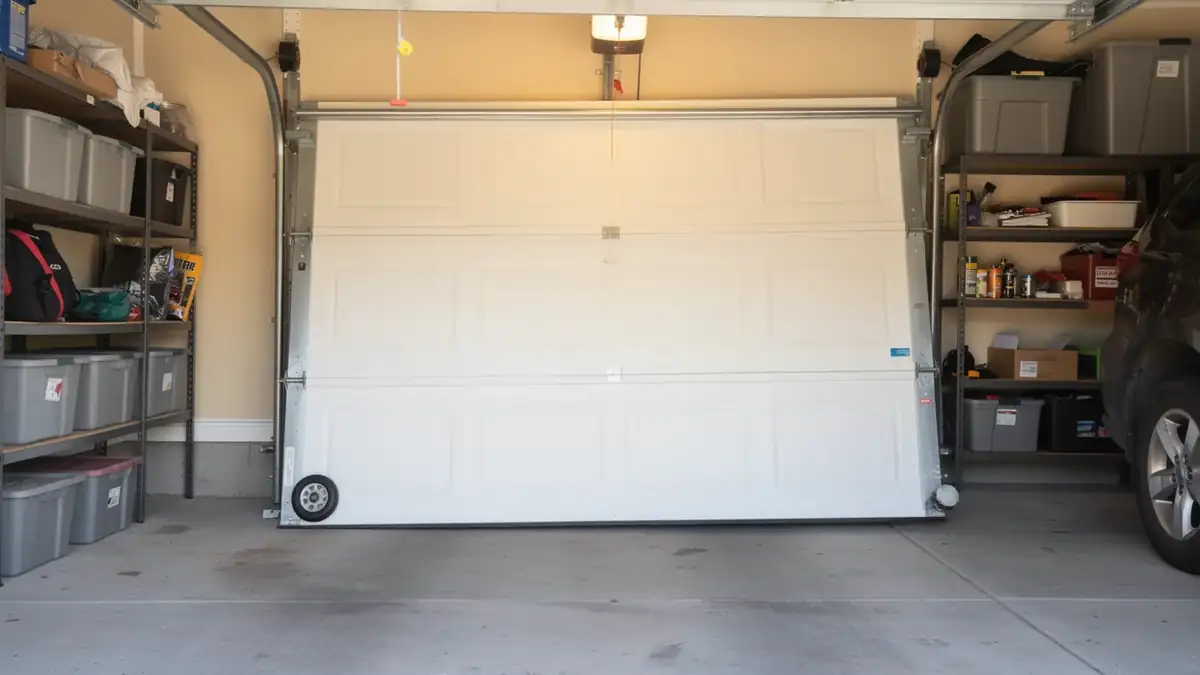
What Is Going On
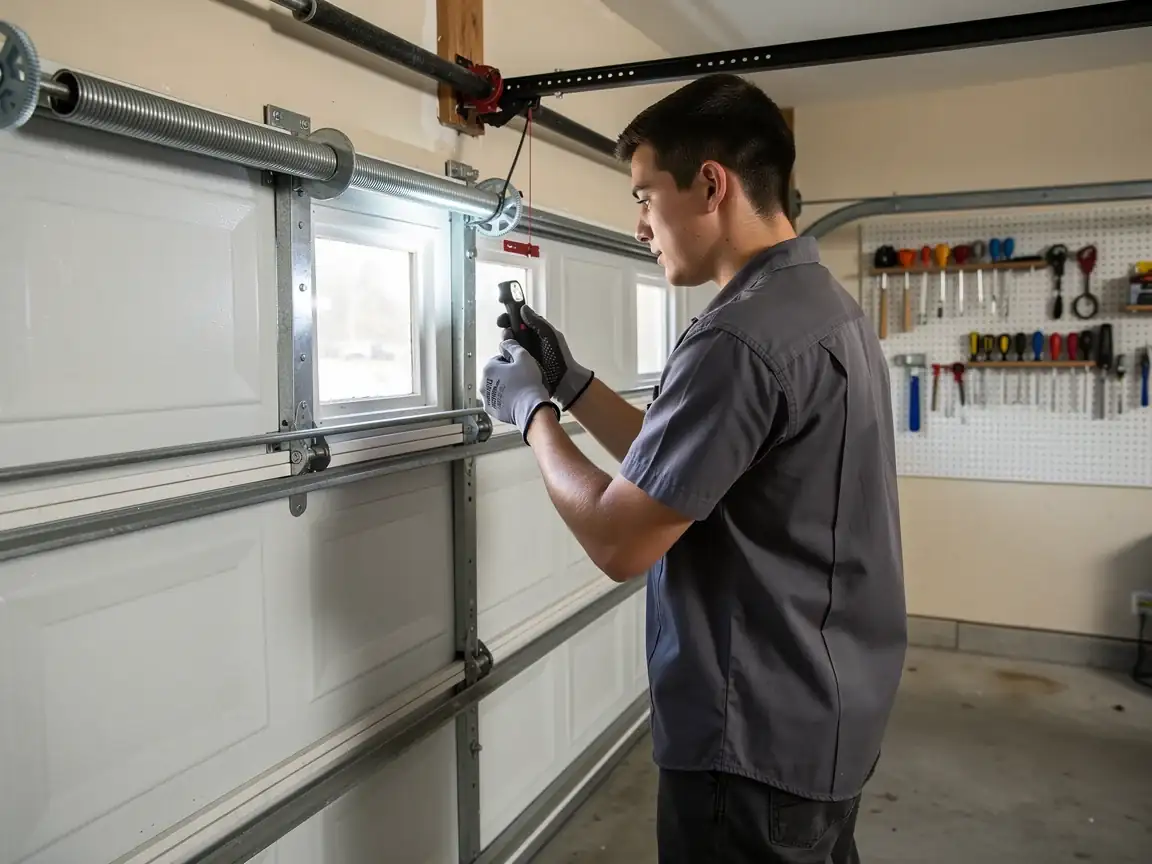
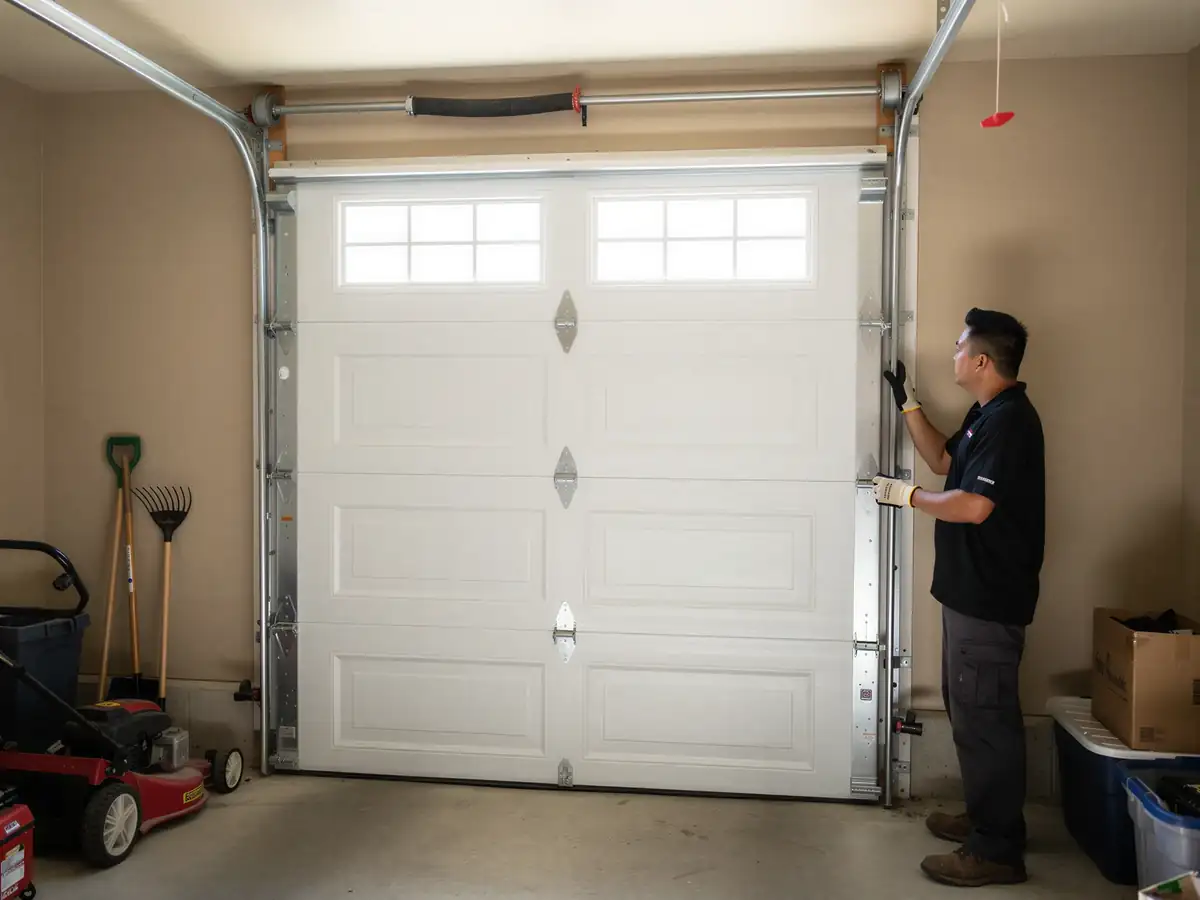
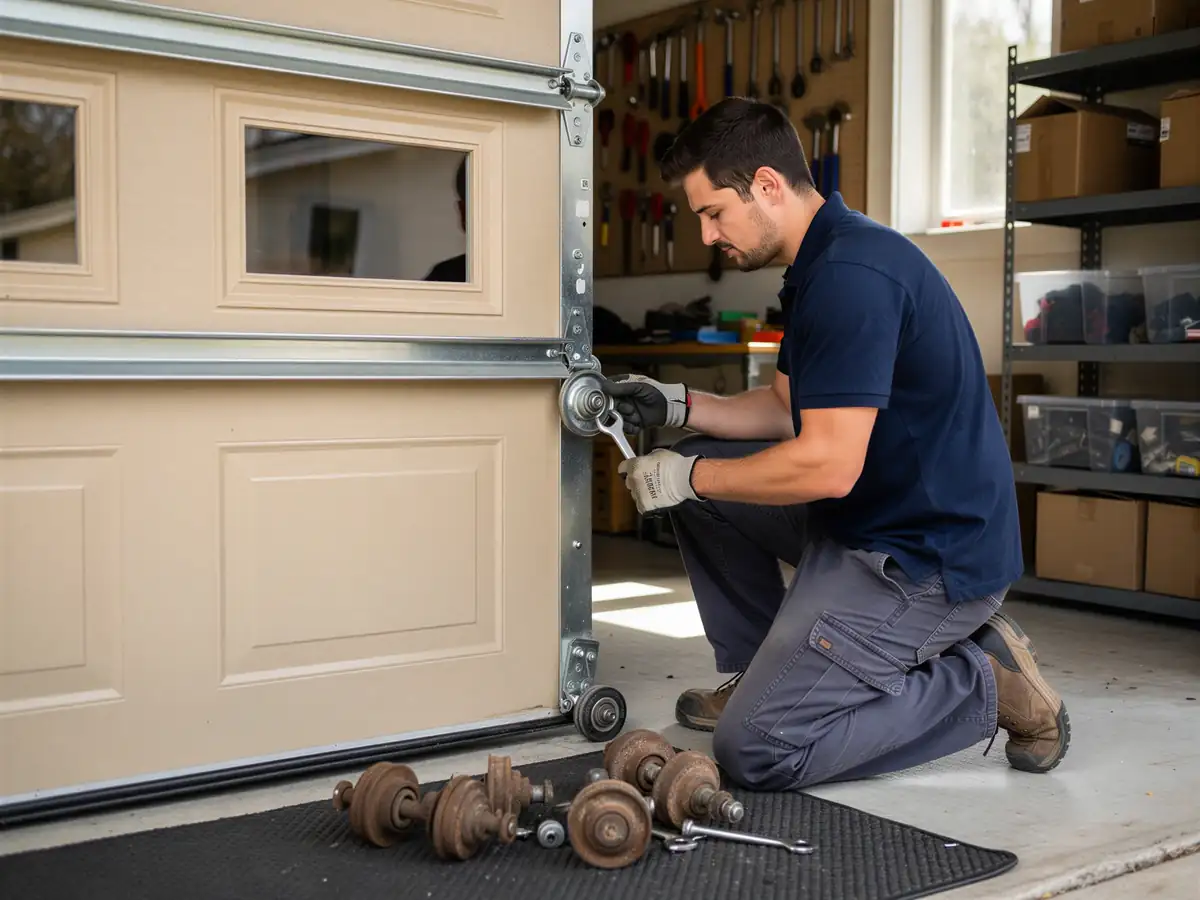
A door goes off track when the rollers stop riding inside the steel channel the way they're supposed to. Usually one side of the door gets yanked harder than the other - a cable that's slipped off its drum, a bent track bracket, or a roller that's worn down to a nub. Once that happens, the door doesn't travel straight anymore and it can bind, scrape, or jump clean out of the channel.
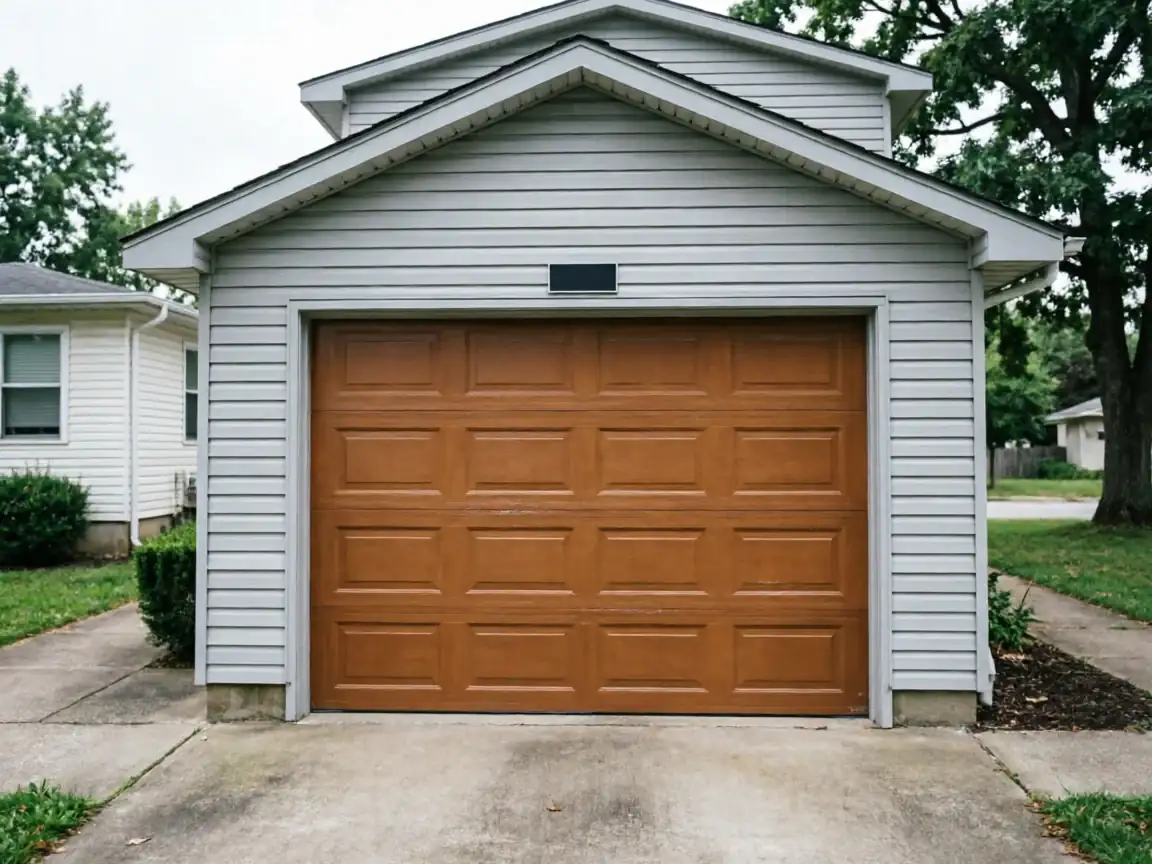
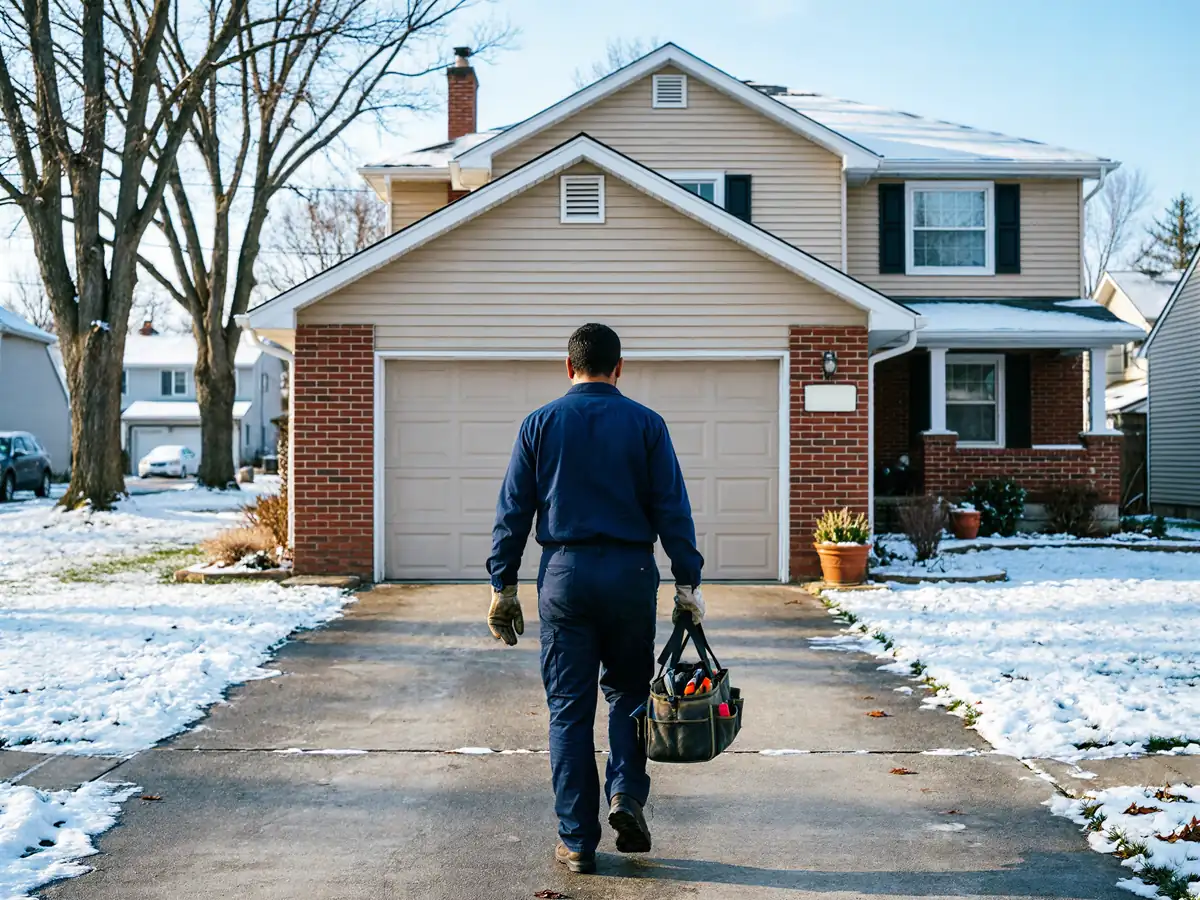
Most houses in this area went up between 1958 and 2004, with a lot of the stock dating to the 1980s and 90s across the 28 neighborhoods we work in. That matters because the track hardware from that era was built to a lighter spec than what goes in new construction today. Thirty- and forty-year-old steel track has had decades of expansion and contraction, mounting screws that have backed out of the jamb a sixteenth of an inch at a time, and brackets that were never meant to hold up this long. None of that is a design flaw - it's just what happens to a mechanical system installed before most of today's owners bought the house.
What the Weather Here Does to It
This area sits in a cold climate band with real seasonal swings
And that's hard on a track system in specific ways. Steel track contracts in sub-freezing temperatures, which can open up small gaps at the bracket joints that were already loose from age. Add the freeze-thaw cycle - ice forming in the track channel overnight, melting by afternoon, refreezing by evening - and you get a track that's gripping unevenly on a door that's already fighting worn rollers.
On a house from the 1980s or 90s stock common across this service area
That combination tends to show up as a door that seems fine until the first hard cold snap, then suddenly won't sit flush or starts rattling on the way down. It's not that the cold breaks anything outright - it's that cold exposes the slack that was already building in the hardware.
When to Get Help
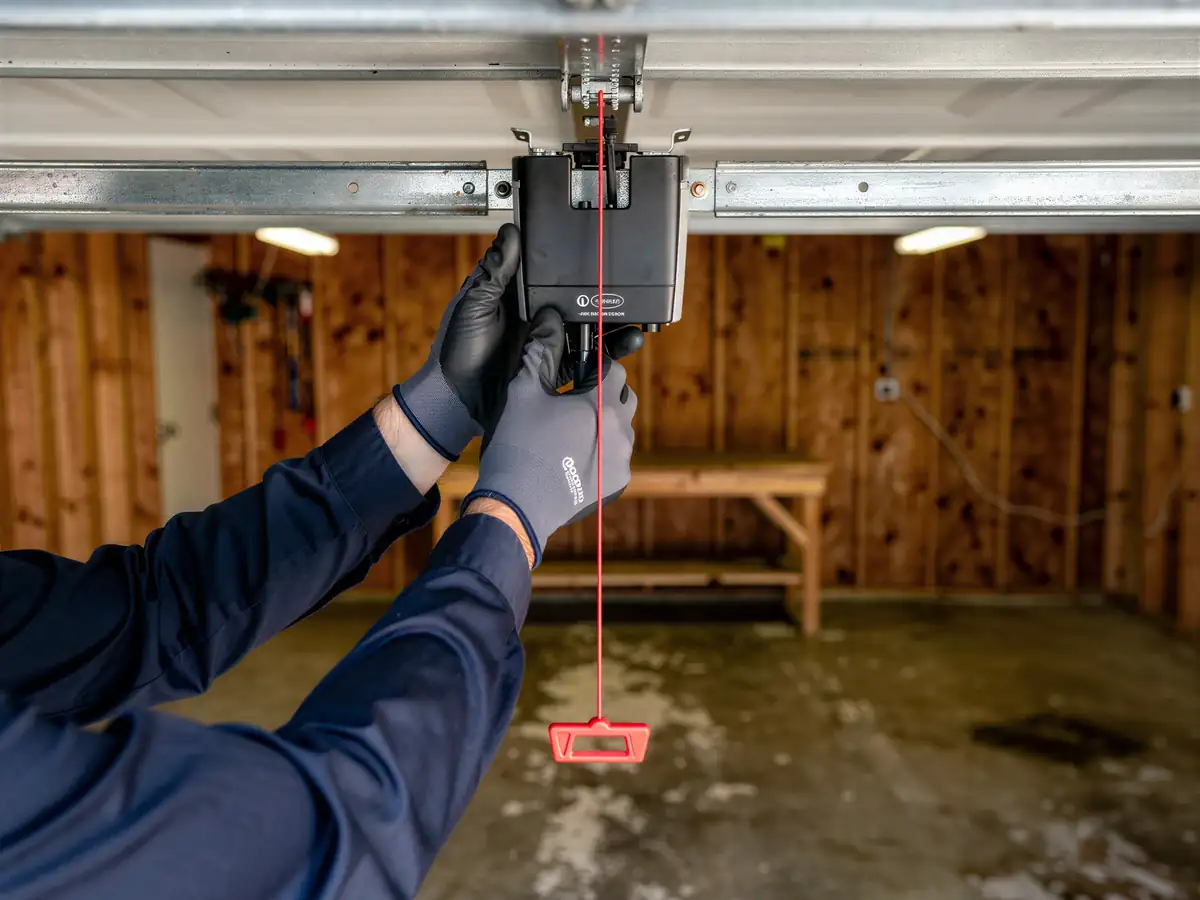
Call before the door comes off the track entirely, not after. Warning signs: the door looks crooked when it's halfway open, one cable looks slack while the other is taut, or you hear a grinding sound right as it passes the brackets partway up the track. If the door has already jumped the track, don't try to force it back - a torsion spring under tension can do real damage if the door shifts wrong while someone's hands are on it.
We'll be straight with you: if the track itself is bent rather than just loose, bending it back rarely holds for long. On older track from houses built well before 2004, replacing that section is usually the more honest fix, even though it costs more than a quick straighten. We'd rather tell you that up front than have you call us back in six weeks.
The Seasonal Bit
With a cold climate like Joliet's, the worst time for an off-track door is the first stretch of real winter weather, not the dead of January. That's when hardware that loosened all through the warm months - thanks to houses here averaging over three decades old - gets its first serious temperature swing and finally gives. A quick look at roller wear and bracket screws before the cold really sets in catches most of this before it becomes a jammed door at 6 a.m.
We can't promise a yearly tune-up prevents every off-track call - sometimes a roller just fails - but on the housing stock typical of this area, most of what we see could have been caught a season earlier.