Serving Joliet, IL & nearby
(815) 247-0975
Joliet, IL

What Replacing a Garage Door in Joliet Actually Involves

Joliet homes built between 1958 and 2004 need doors matched to cold winters and original openings. See what to check before you buy a replacement door here.

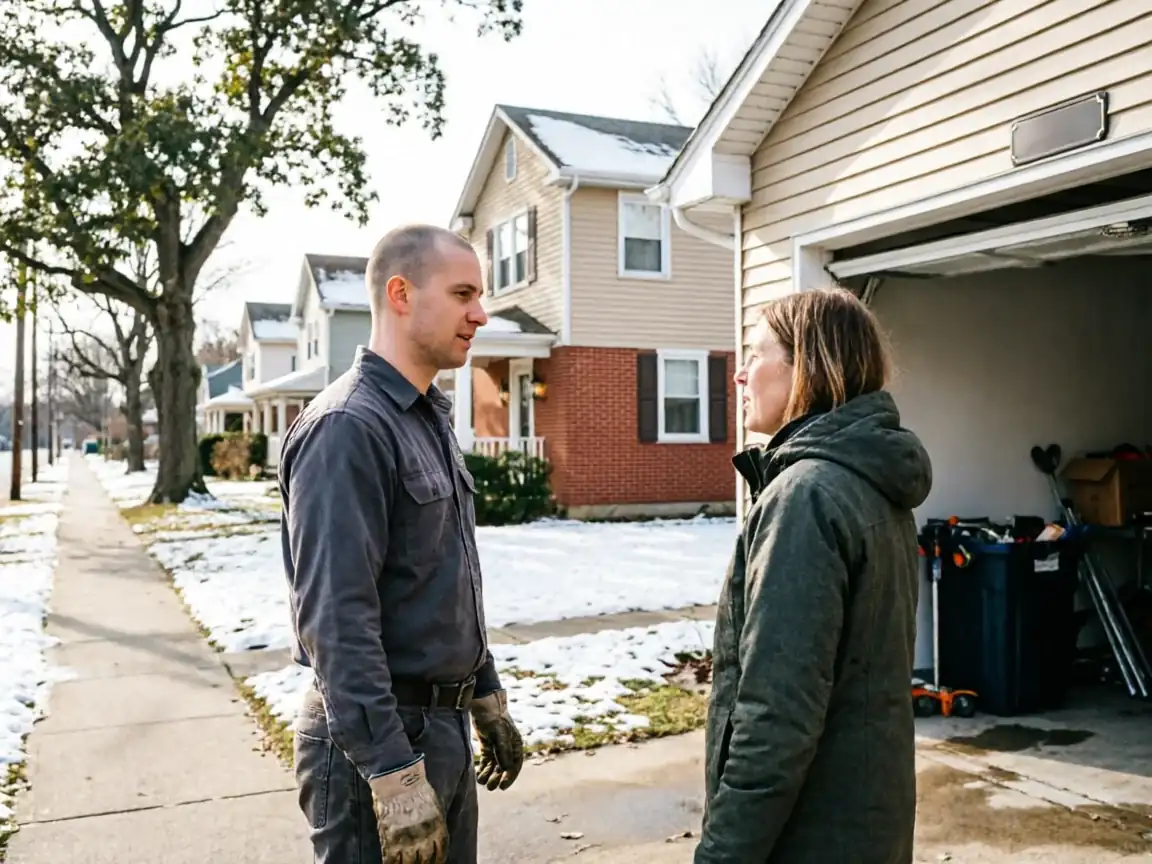
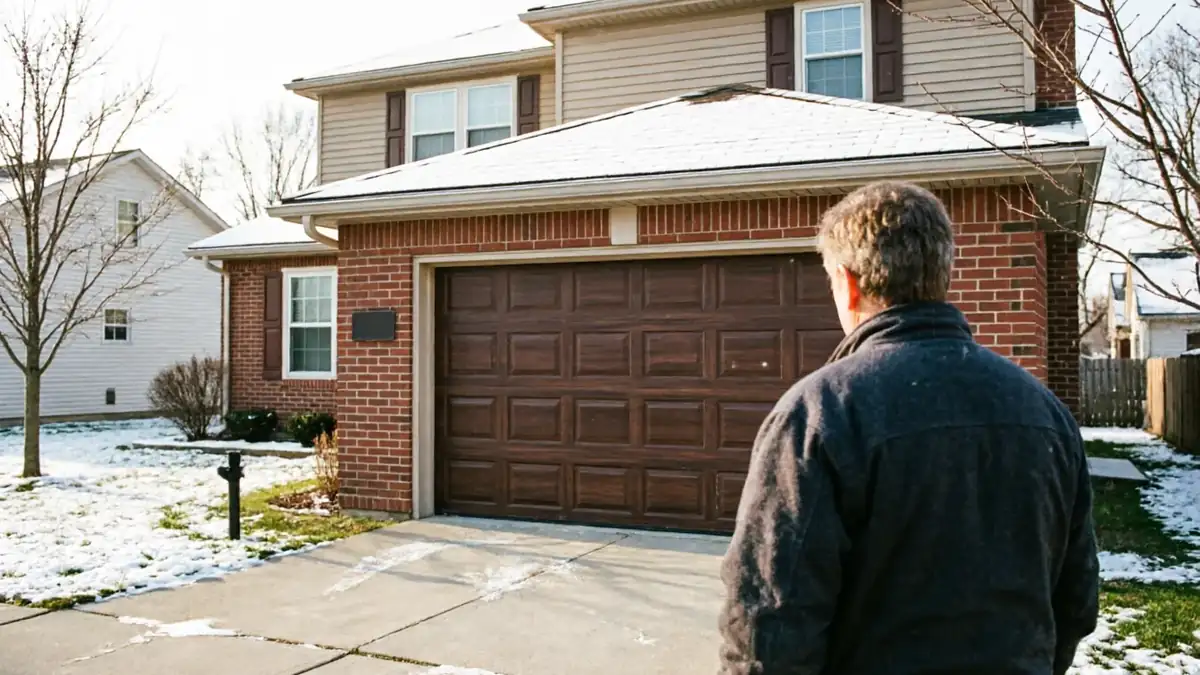
A technician stands in a snowy driveway looking at a brown garage door on a brick house.

What Is Going On

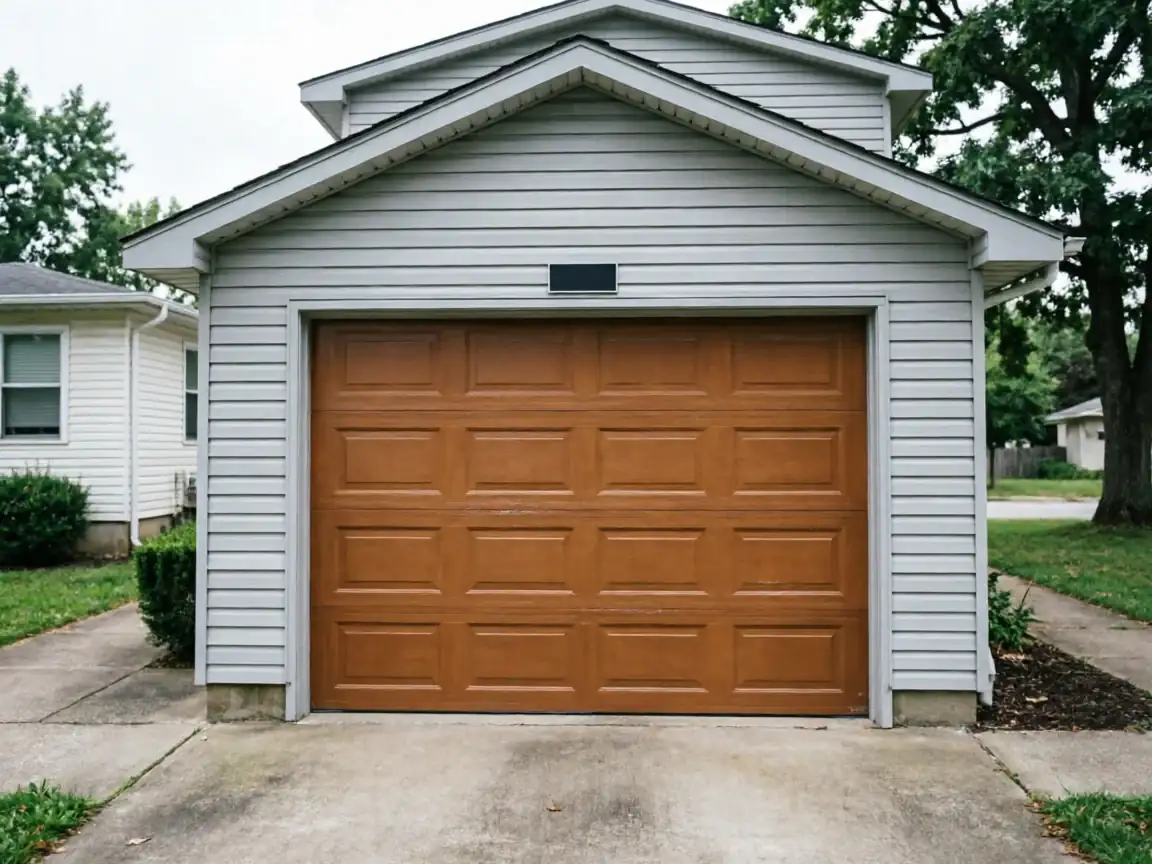
Most of the housing stock in this service area went up between 1958 and 2004, with the median landing around 1991. That matters more than it sounds like it should. A door installed when a house was built in, say, 1985 is a steel sectional with the hardware and opening sizes that were standard then - not always the same as what a big box store carries off the shelf today. Across the 28 named areas that make up this market, the bulk of homes date to the 1980s and 90s, so a huge share of the doors we get called on aren't just old, they're a specific generation of old: non-insulated or lightly insulated panels, extension springs on older garages, torsion on the newer ones. When a homeowner calls wanting a quote, the first question we ask isn't the color - it's roughly what decade the house went up, because that tells us more about what's actually on the wall of the garage than a photo usually does. If you're closer to Shorewood or Crest Hill than you are to downtown Joliet, the same housing patterns mostly hold - this stretch built out in waves, not all at once, and the doors reflect it.

What the Weather Here Does to It

Joliet sits in a cold, moderate climate band, and that shapes which doors hold up and which ones don't. Steel contracts in cold air - panels that were sized and hung in warmer months can bind slightly against tracks once temperatures drop, which is why a door that rolled smooth in October starts groaning or catching in January. Grease in rollers and hinges thickens in the cold too, which slows the opener and puts more strain on the spring than the spring was built for. None of this is dramatic weather - we're not talking about a coastal storm zone - but moderate cold, sustained over a winter, is enough to turn a slightly tired torsion spring into a snapped one, usually on the coldest morning of the stretch. Non-insulated doors from the older end of the local housing stock feel this hardest, since there's nothing buffering the temperature swing between inside and outside. If you're shopping for a replacement, an insulated steel or composite door with a tighter bottom seal earns its keep here in a way it wouldn't in a warmer part of the country - it's not a luxury upgrade, it's matched to what the winters here actually do to a garage.

When to Get Help

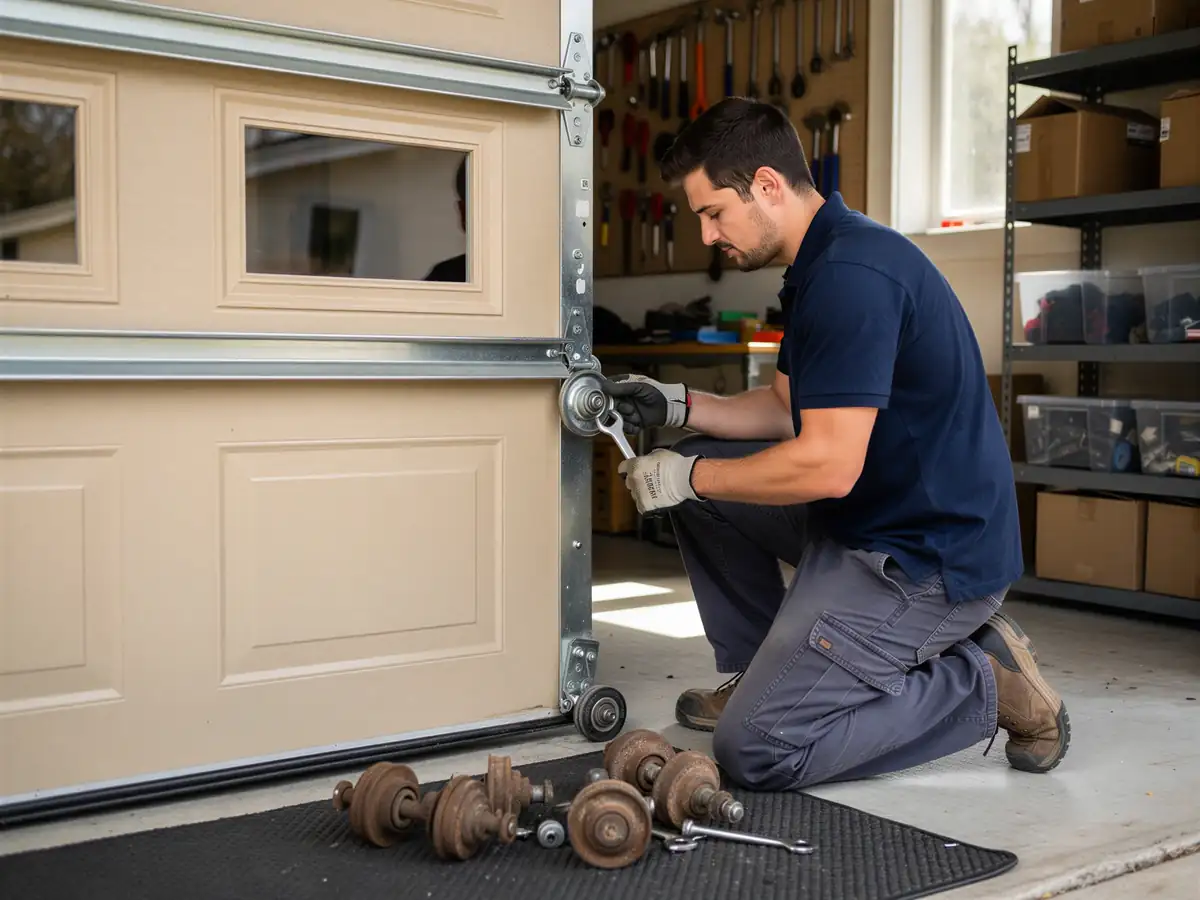
Not every bad sound means buy a new door. A noisy track can usually be adjusted. Worn rollers get swapped out for a fraction of what a full replacement costs. Where it stops making sense to repair is when the door itself - the panels, not just the hardware - is from that older end of the 1958-2004 build range and starting to show rust-through or panel separation at the seams. At that point you're paying real labor to patch a door that's going to need the next thing fixed in a year anyway. We'll tell you straight if that's where you're at, because replacing a cracked panel on a 30-year-old non-insulated door usually costs more in parts hunting than just buying a replacement door here outright. One honest limit on our end: we don't stock every obsolete panel profile from every era of local construction, and custom-matching an old discontinued style can mean a real wait on parts. If your door is from that older stock and the damage is cosmetic but widespread, replacement is usually the faster and cheaper path, not just the easier sell.

The Seasonal Bit

With 90,342 owner-occupied houses out of 155,329 households across this area, there's a lot of garage door hardware sitting outside doing seasonal duty every year, and most of it gets ignored until it fails. Given the cold moderate climate here, the window that matters most is early fall - before the first hard freeze, not after. That's when lubricating hinges and rollers actually does something, because grease applied once the cold has already set in just sits there thick and useless. Weatherstripping at the bottom panel is worth a look at the same time; a gap that let in a draft in October is a bigger problem once the temperature drops further. Springs don't care about the calendar the way owners do - a torsion spring near the end of its life is just as likely to go in a mild stretch as a cold one - but cold snaps are what tip a marginal spring over the edge, which is why winter is when we see the volume of snapped-spring calls climb. Median household income here runs $109,064, which puts a planned fall tune-up, rather than a January emergency call, well within reach for most owners who'd rather not find out the hard way.
How it works

From “it’s stuck” to “it’s fixed”

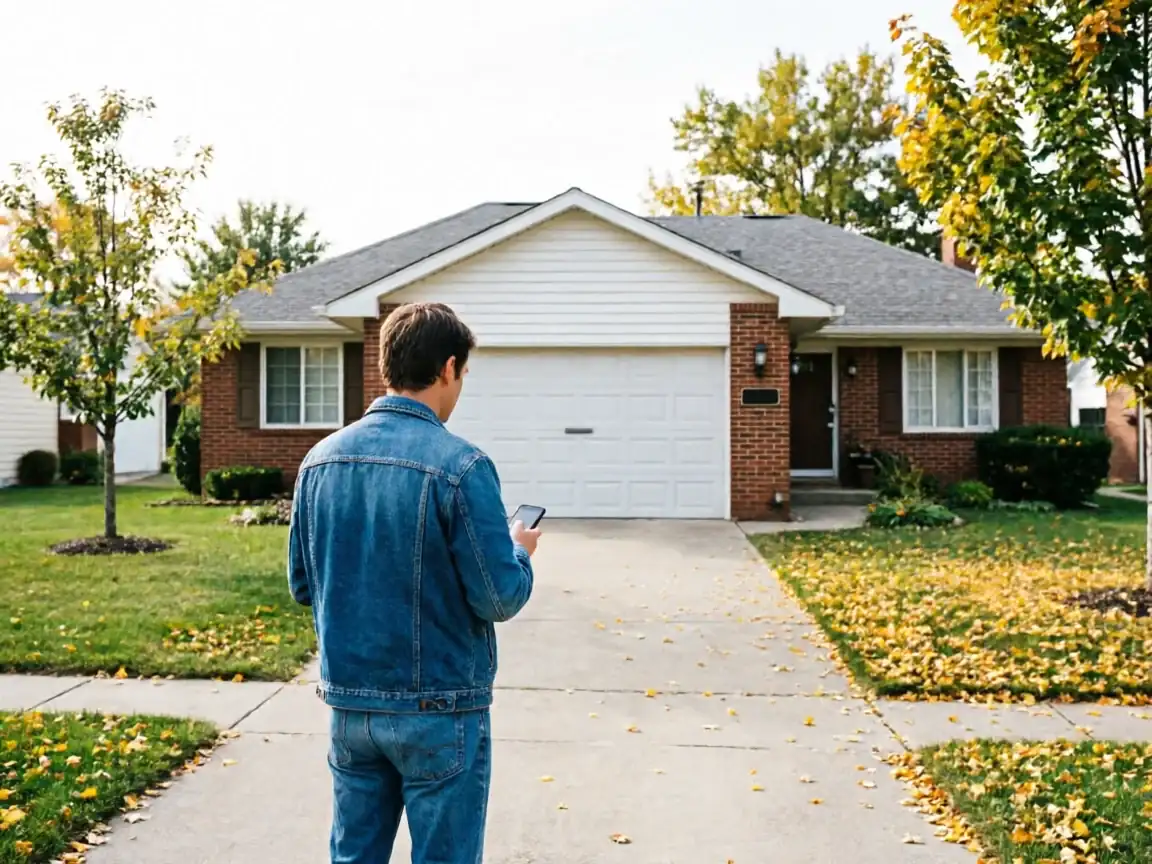
A man in a denim jacket stands in a driveway looking at his phone.

Tell us what’s wrong

Describe the symptom - won’t open, loud bang, opener runs but the door won’t move.

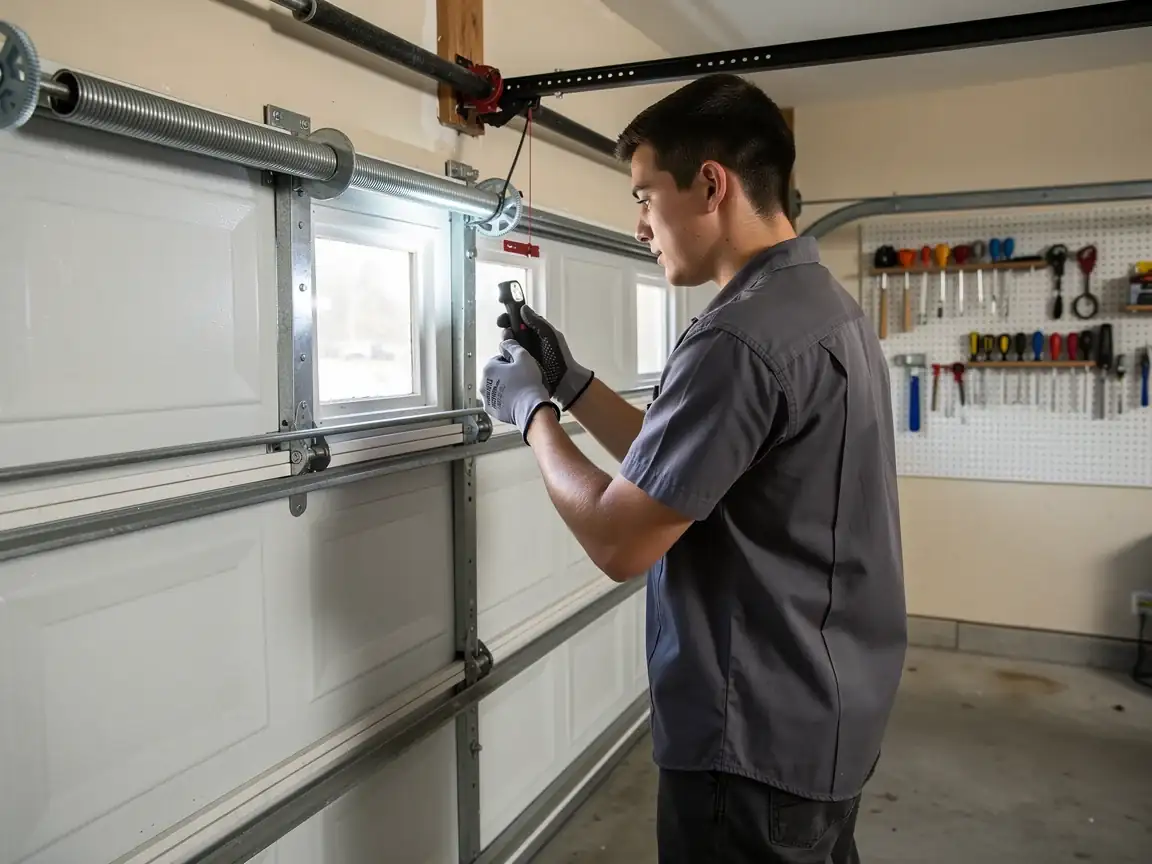
A technician in a gray shirt inspects a white garage door with a flashlight.

On-site diagnosis

A technician tests the door under power and by hand and finds what actually failed.

A technician talks to a woman in front of a house with an open garage door.

Clear, up-front plan

You get the fix that’s needed and what drives the cost - before any work starts.

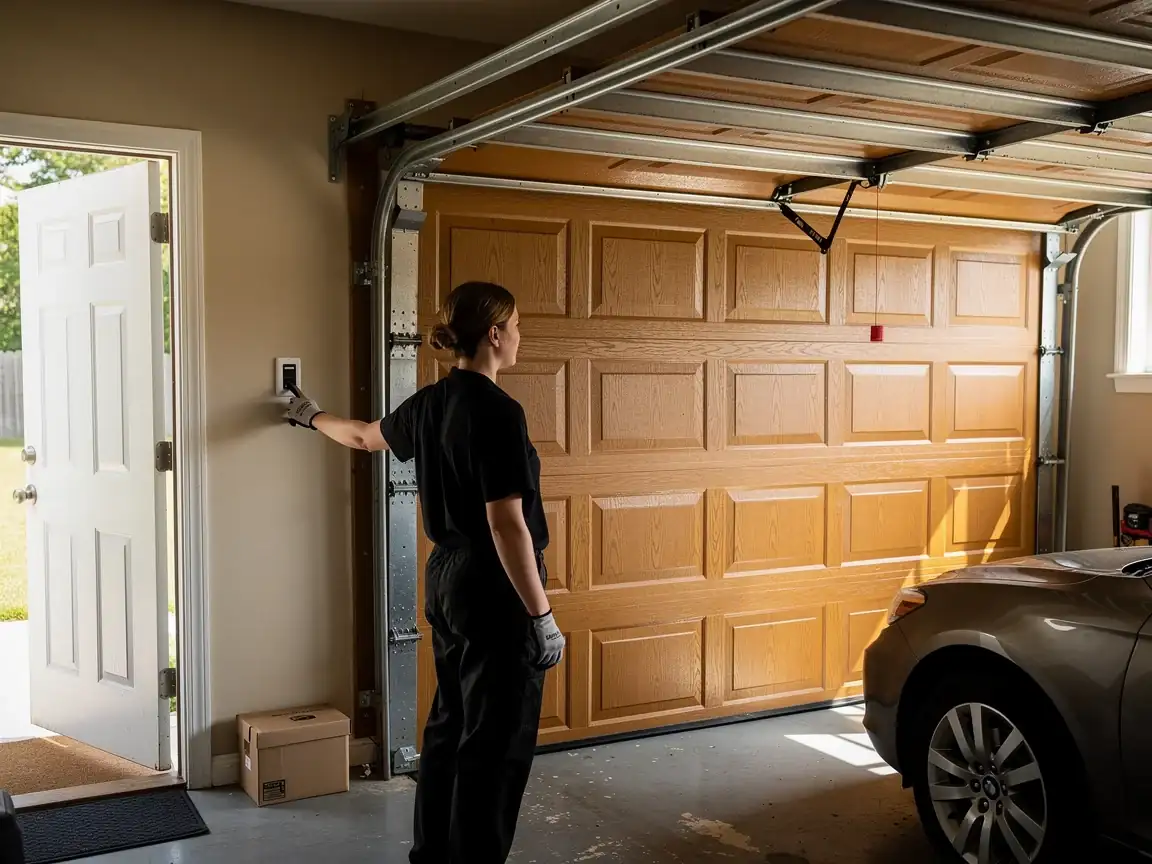
A technician presses a button on the wall next to a closed wooden garage door.

Repaired & tested

The repair is done, the door is set true and tested, and the work area left clean.

Not sure which repair your door needs in Joliet, IL? Describe what it’s doing - every job starts with a diagnosis.

How we work

What to expect

Diagnosis firstEvery visit starts by finding what actually failed - not a pre-written parts list.
The right part for the doorSprings and openers matched to the door’s weight and age, so the fix holds up.
Straight answersWhen a repair makes more sense than a replacement - or the reverse - you hear it plainly.
Clean, careful workTension released safely, hardware set true, the door tested under power before we leave.
What we do

Garage Door Services

Repair and installation work for Joliet homes and businesses.

Questions

Frequently asked

Straight answers about garage door repair in Joliet. Still unsure? Ask us directly.

How do I know if my garage door is original to the house?

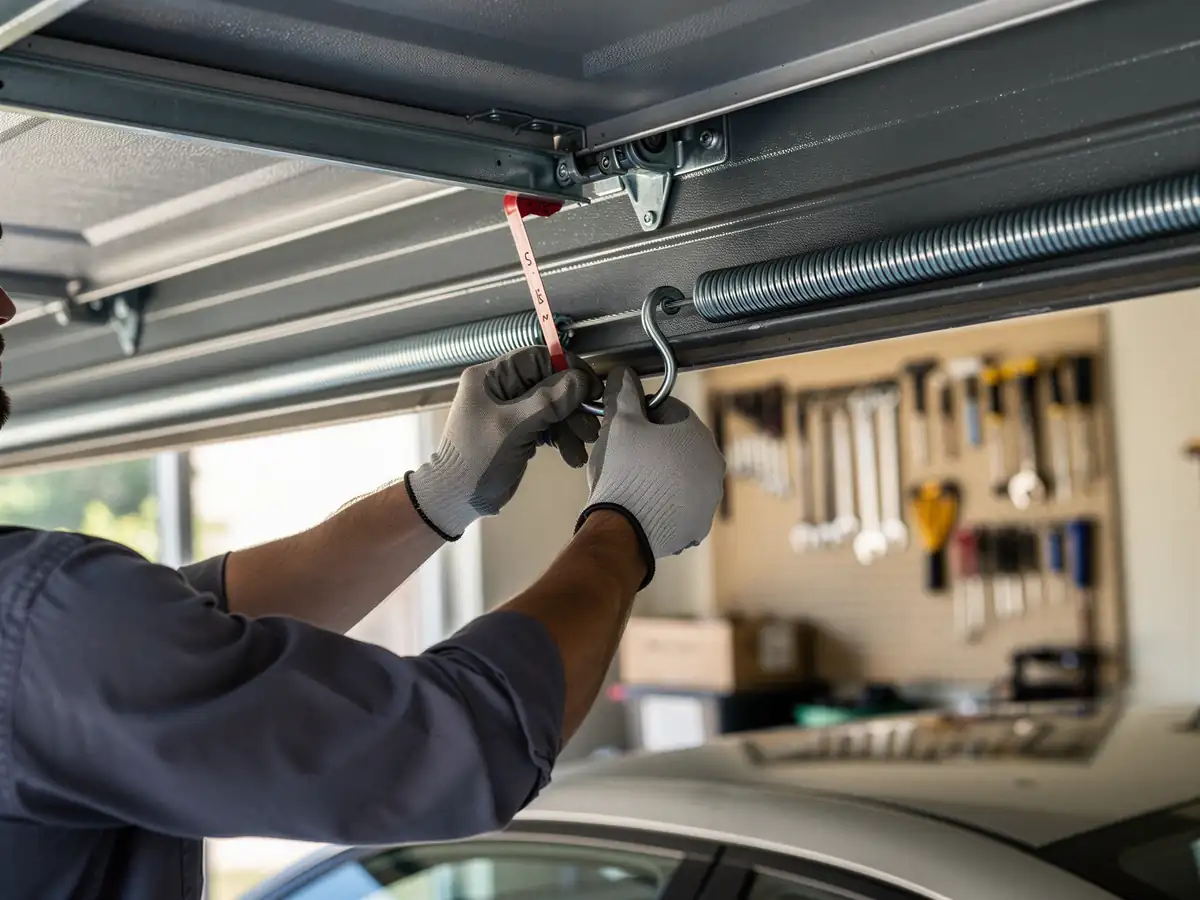
If your house was built anywhere in the 1958-2004 range common to this area and you haven't had a replacement done, there's a decent chance the door is original or close to it. Look for extension springs mounted along the horizontal track rather than a torsion spring over the header - that's usually an older setup and a sign the door itself predates more recent hardware standards.

Why does my door act up more in winter?

Cold air makes steel panels contract slightly and thickens grease in the rollers and hinges, which adds strain right where a spring is already working hardest. In this area's cold, moderate climate, that extra strain is usually what turns a worn-out torsion spring from a slow problem into a sudden one, often on the coldest morning of a cold stretch.

Is it worth repairing an old door or should I replace it?

Hardware problems like rollers, cables, or a bent track are usually worth repairing regardless of the door's age. It stops being worth it when the panels themselves are rusting through or separating at the seams, which we see more often on the older end of the local housing stock. At that point, buying a replacement door here is usually cheaper than chasing discontinued parts.

Ready to get your garage door sorted?

Tell us what it’s doing and where you are in Joliet - we’ll take it from there.

Request a QuoteCall