What Causes It Around Here
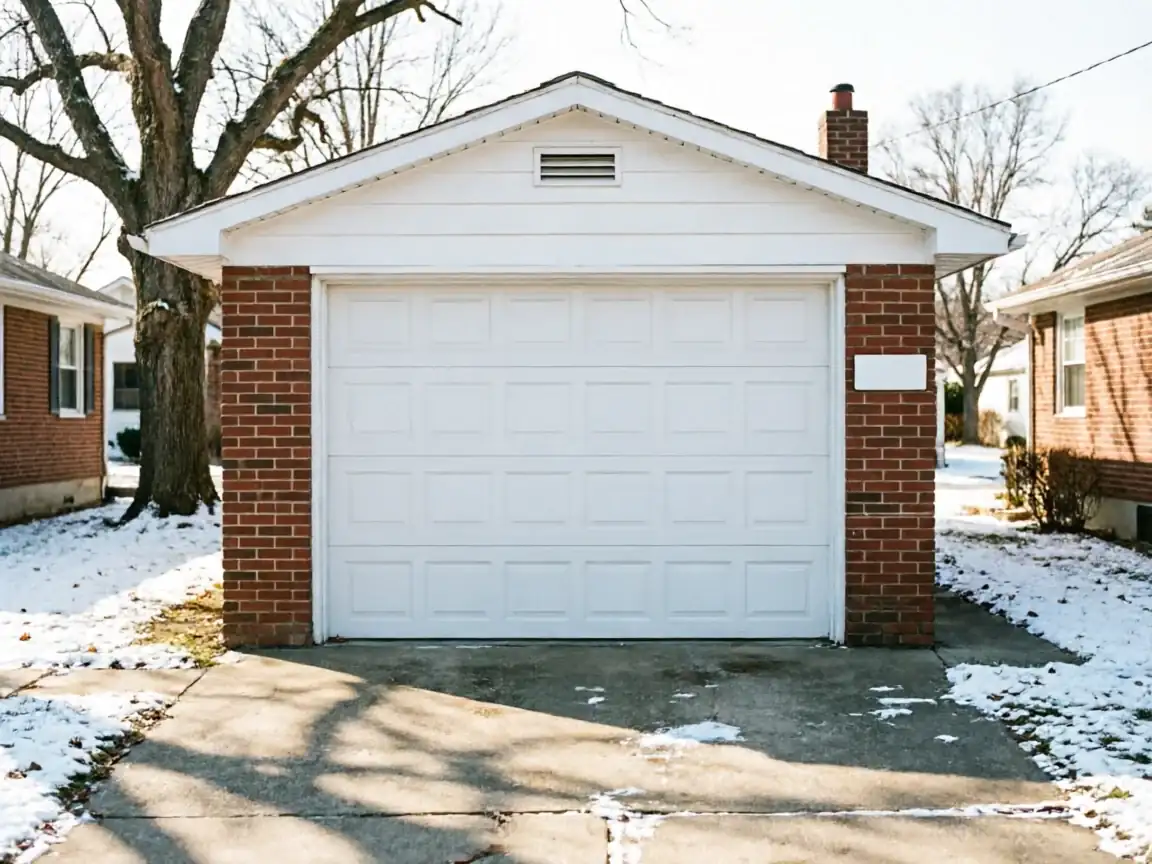
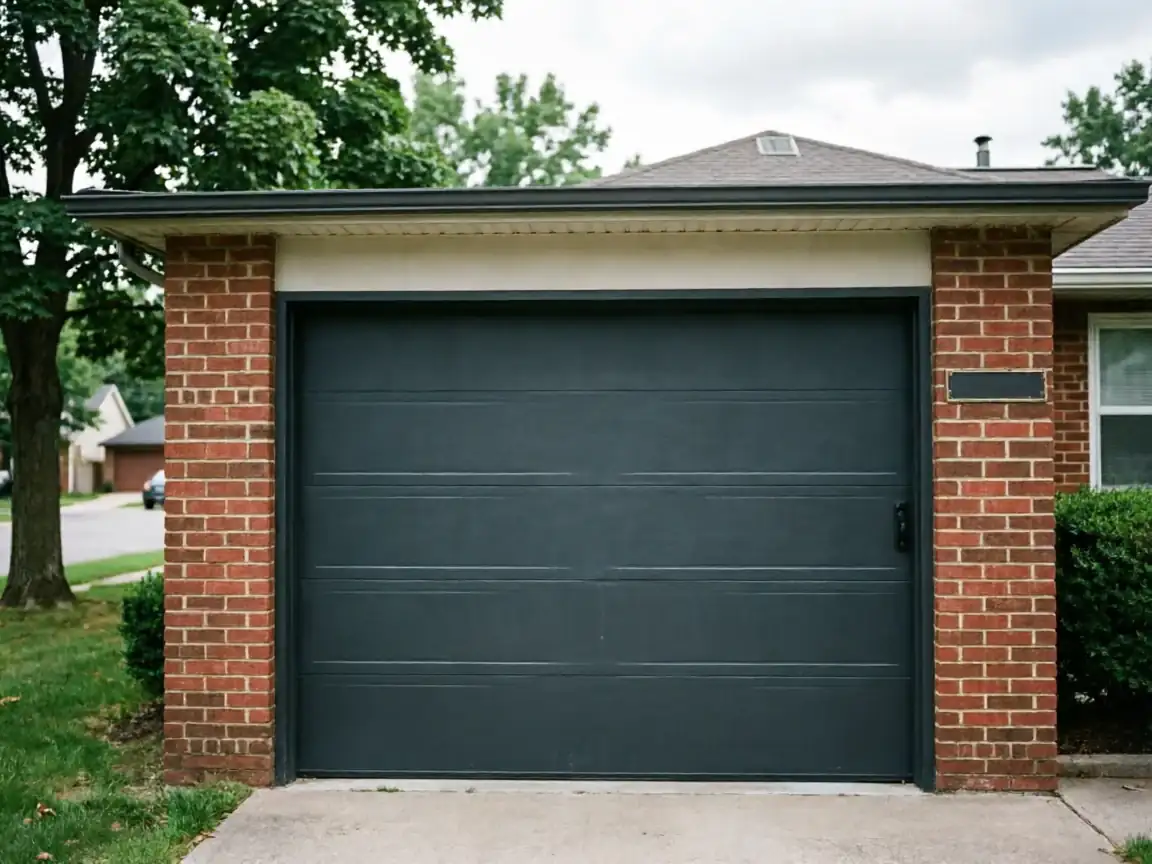
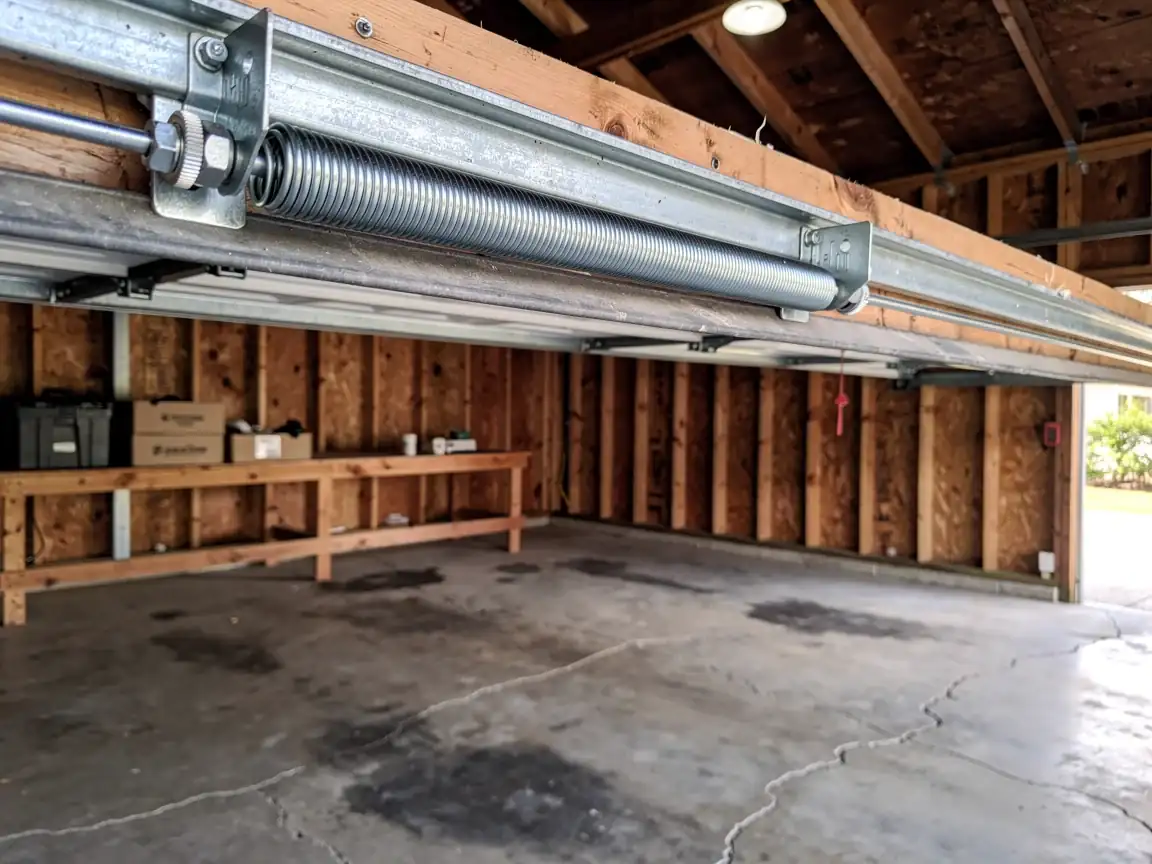
Joliet's housing stock mostly went up between 1958 and 2004, with the median build year sitting around 1991, and across the 28 mapped areas that feed this market most of it skews 1980s and 90s construction. Doors installed during that build-out were sized and sprung for the original openers and track hardware of that era - not for the insulated steel panels and heavier torsion systems homeowners want now. In this cold-moderate climate, uninsulated single-layer steel doors from that period let heat out of the garage fast, and the torsion springs rated for a lighter 1980s-era door strain hard once a heavier storm door or added insulation gets bolted on. Winters here put repeated expansion and contraction stress on tracks and rollers that were never rated for 30-plus years of freeze-thaw cycles. By the time a door from that build window needs real work, it's usually cheaper and more sensible to replace the whole unit - door, spring set, and track - than to keep patching a system built for a house that's now three decades old or more.
How to Book
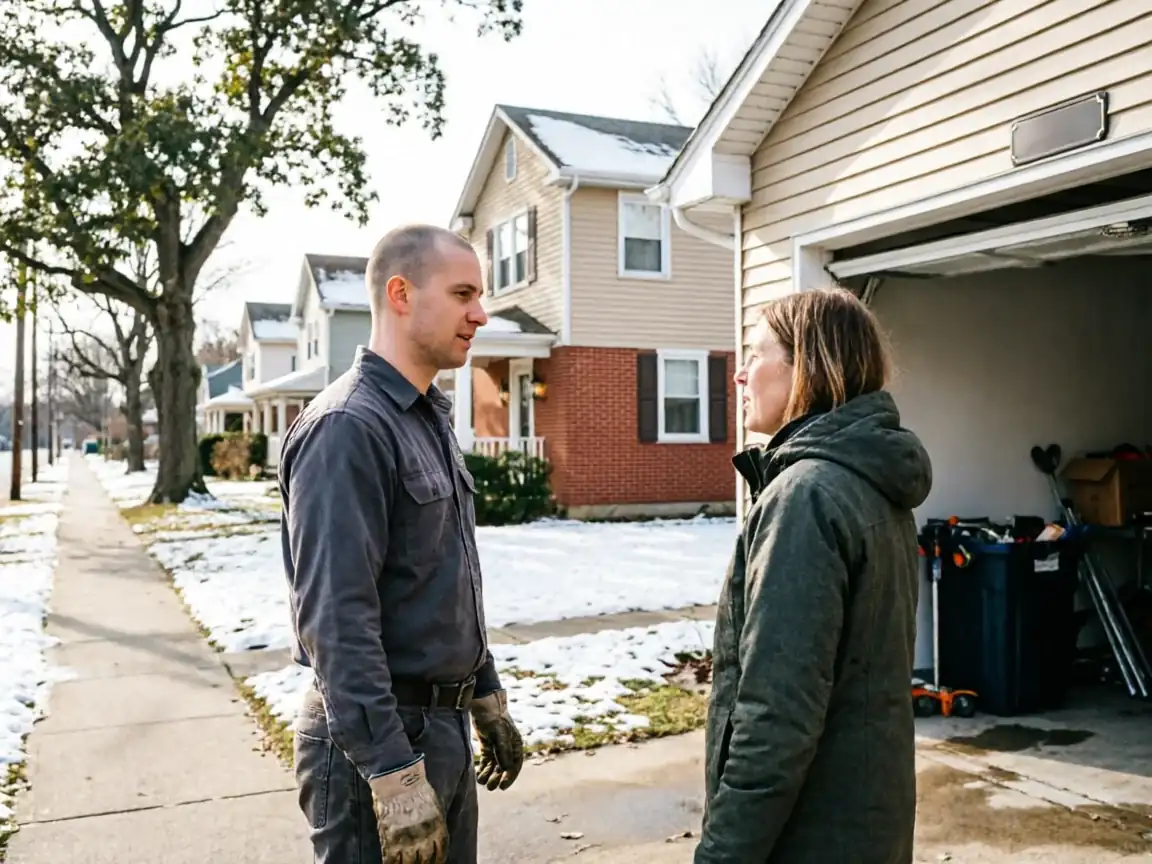
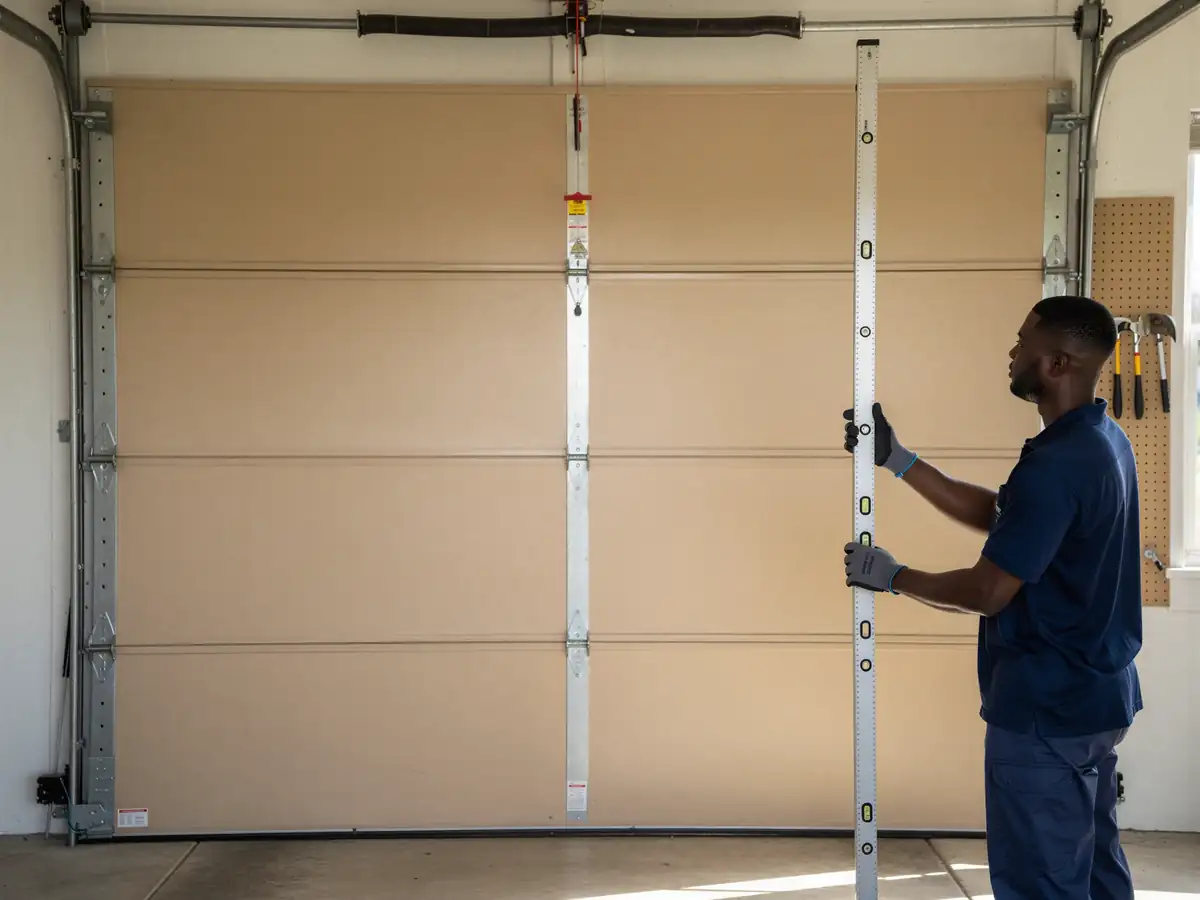
Call or use the contact link on our site and tell us the age of the house if you know it - a door going into a house built in the 1991 median-era range gets sized differently than one going into something older or newer. We'll ask about the opening width, whether there's a window line you want to keep, and whether the garage backs onto living space, since that changes the insulation spec. We run jobs out of Joliet and into the surrounding towns - Shorewood, Crest Hill, Fairmont, and out past Romeoville and Lockport - so if you're just outside city lines, say so when you call. Installation gets scheduled once the door itself is in; stock sizes move faster than custom ones, so we'll give you a real timeline once we know which you need, not a guess.
What You Are Seeing
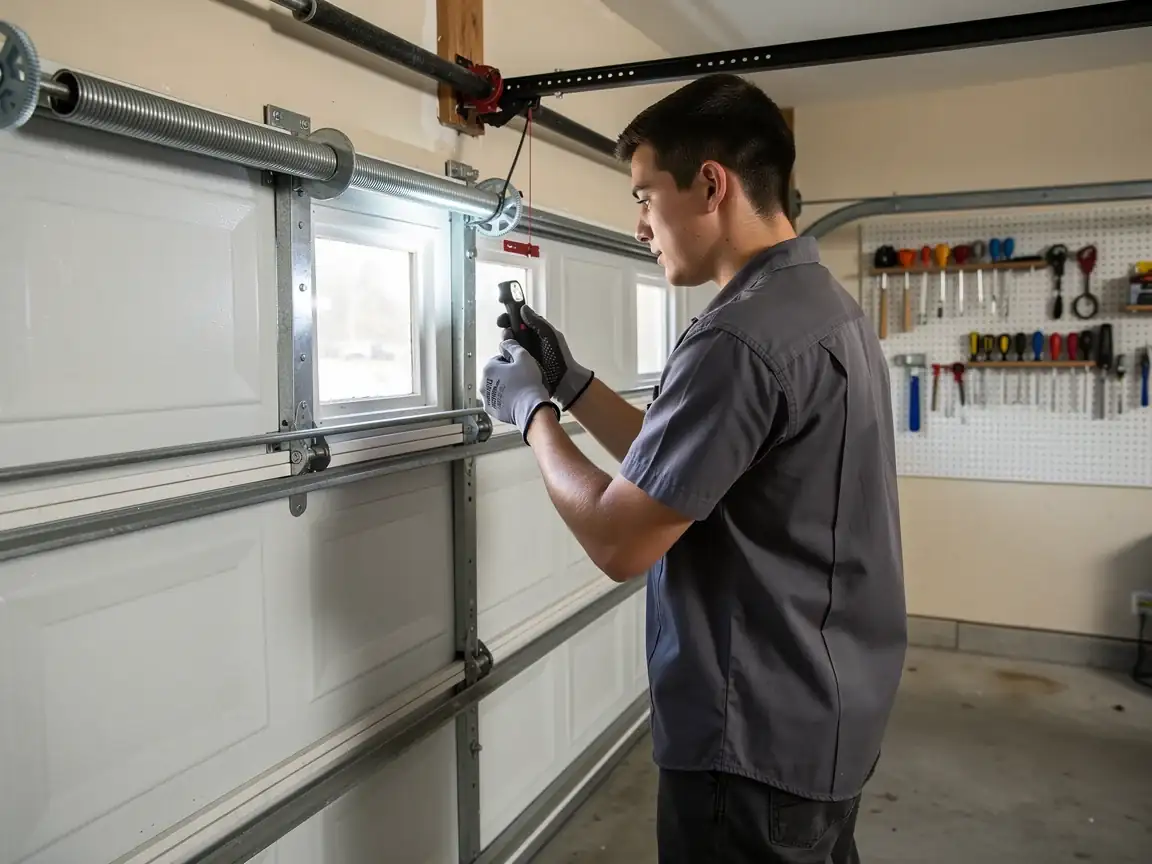
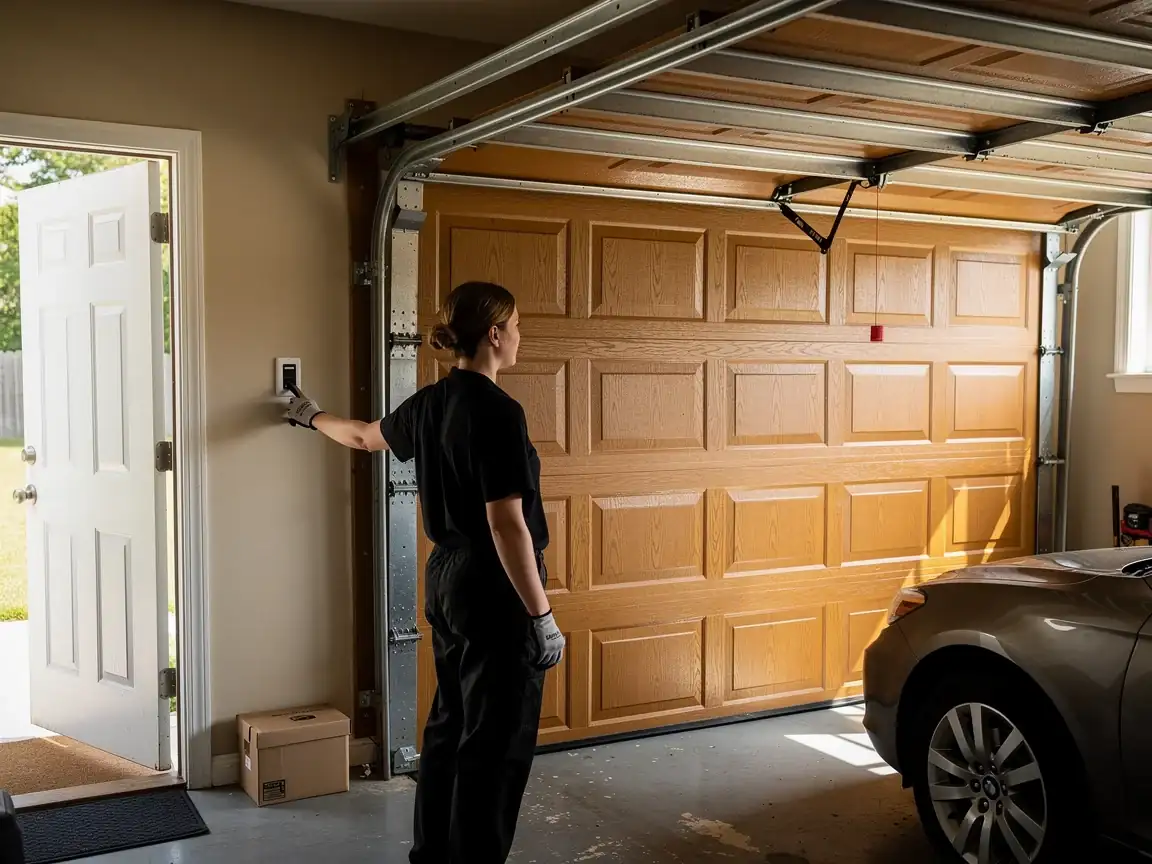
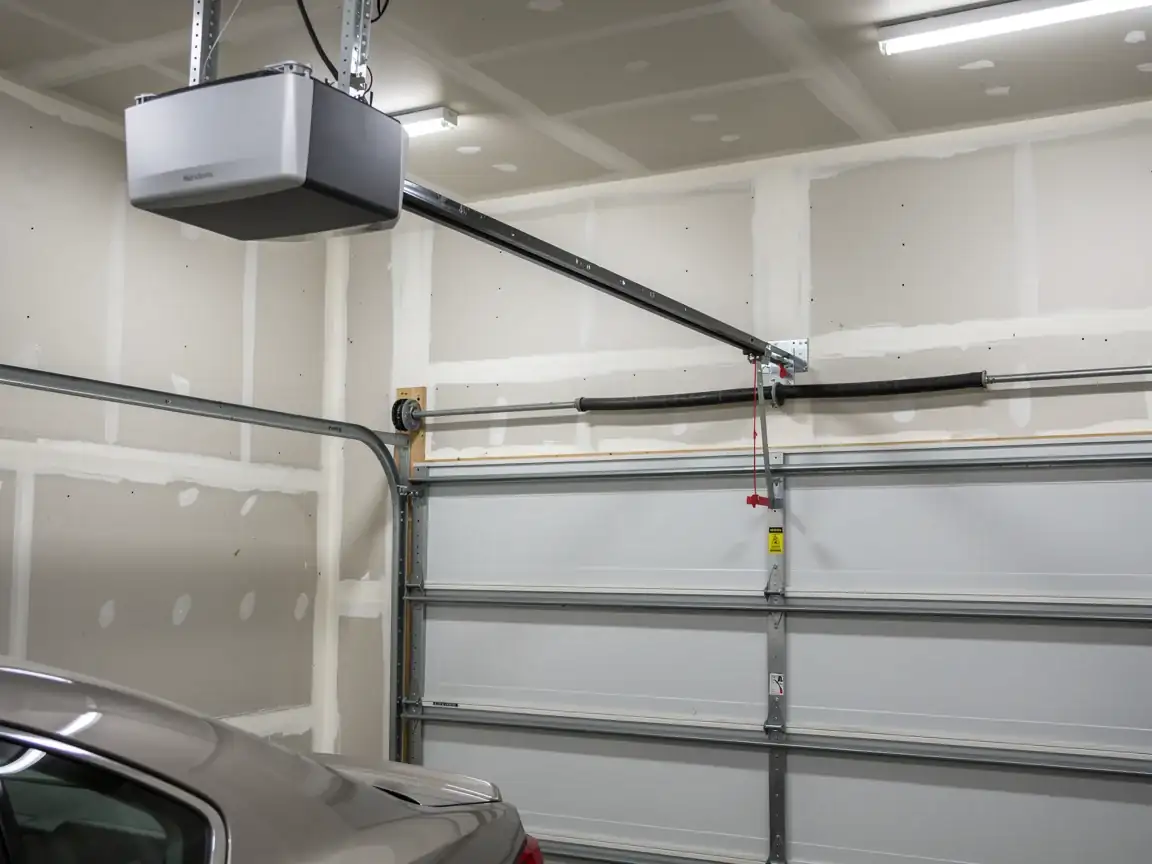
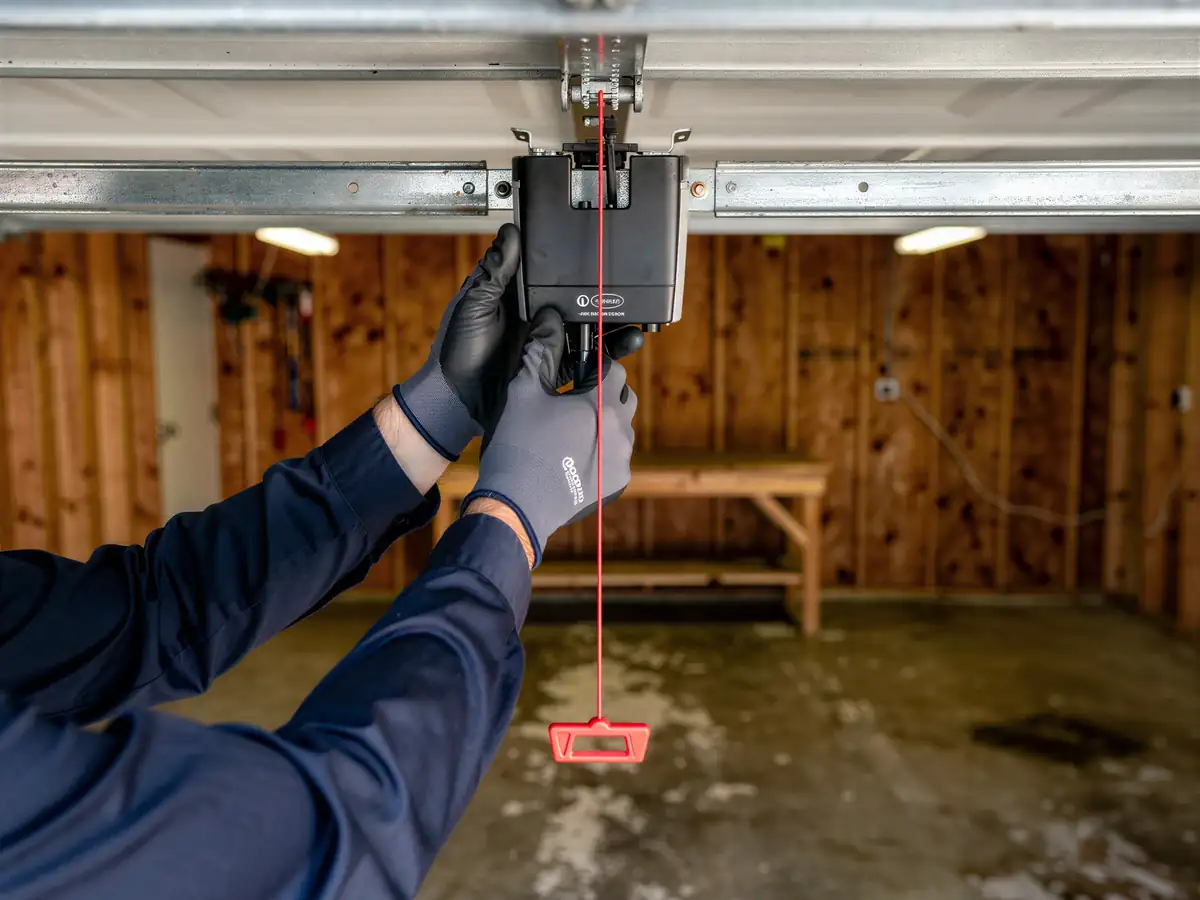
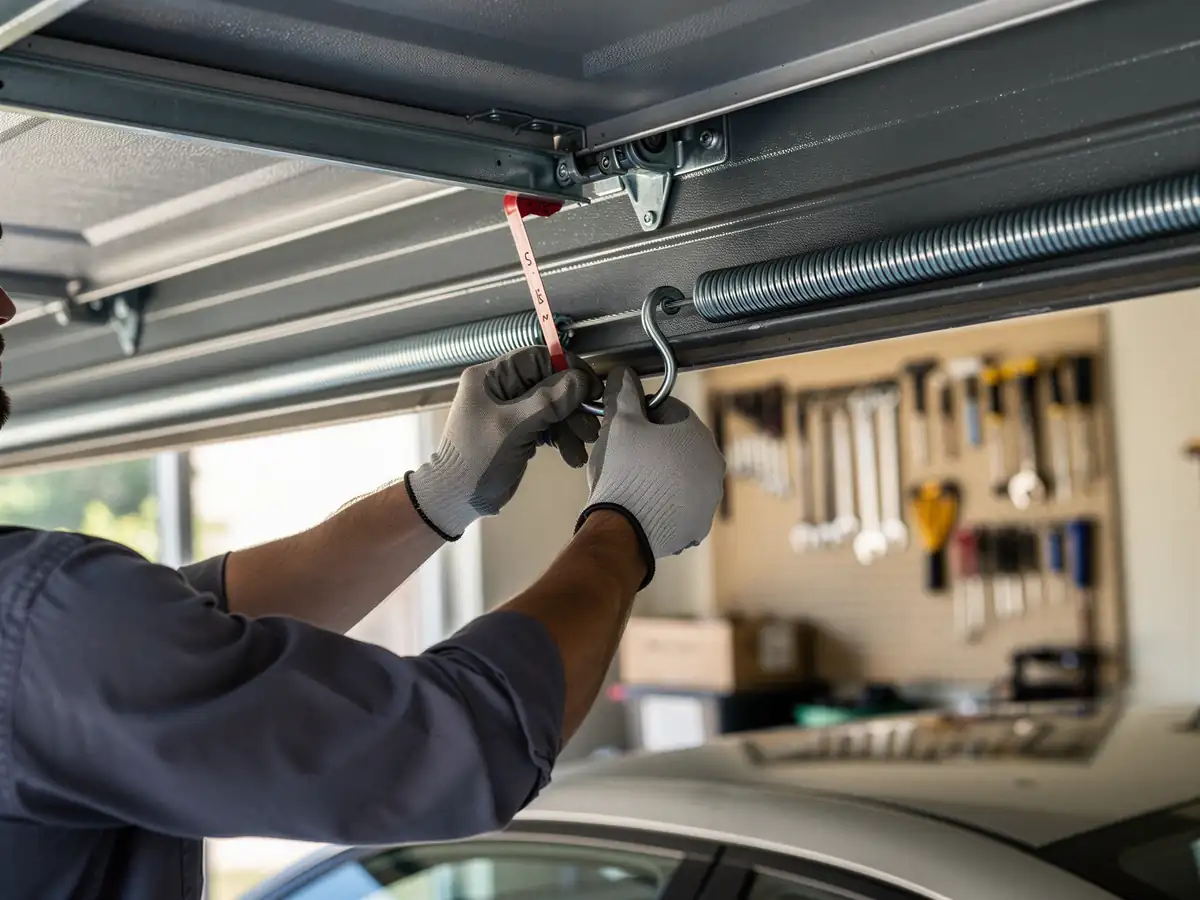
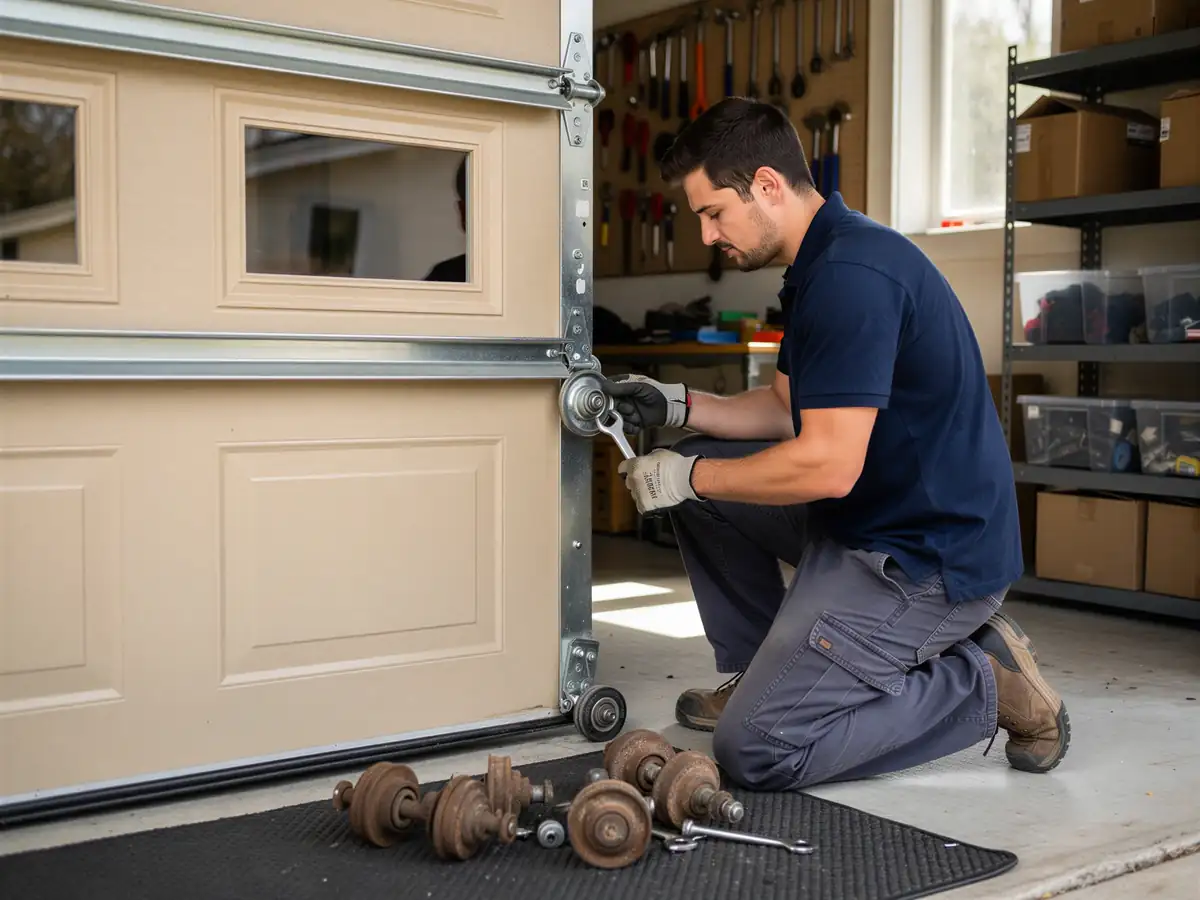
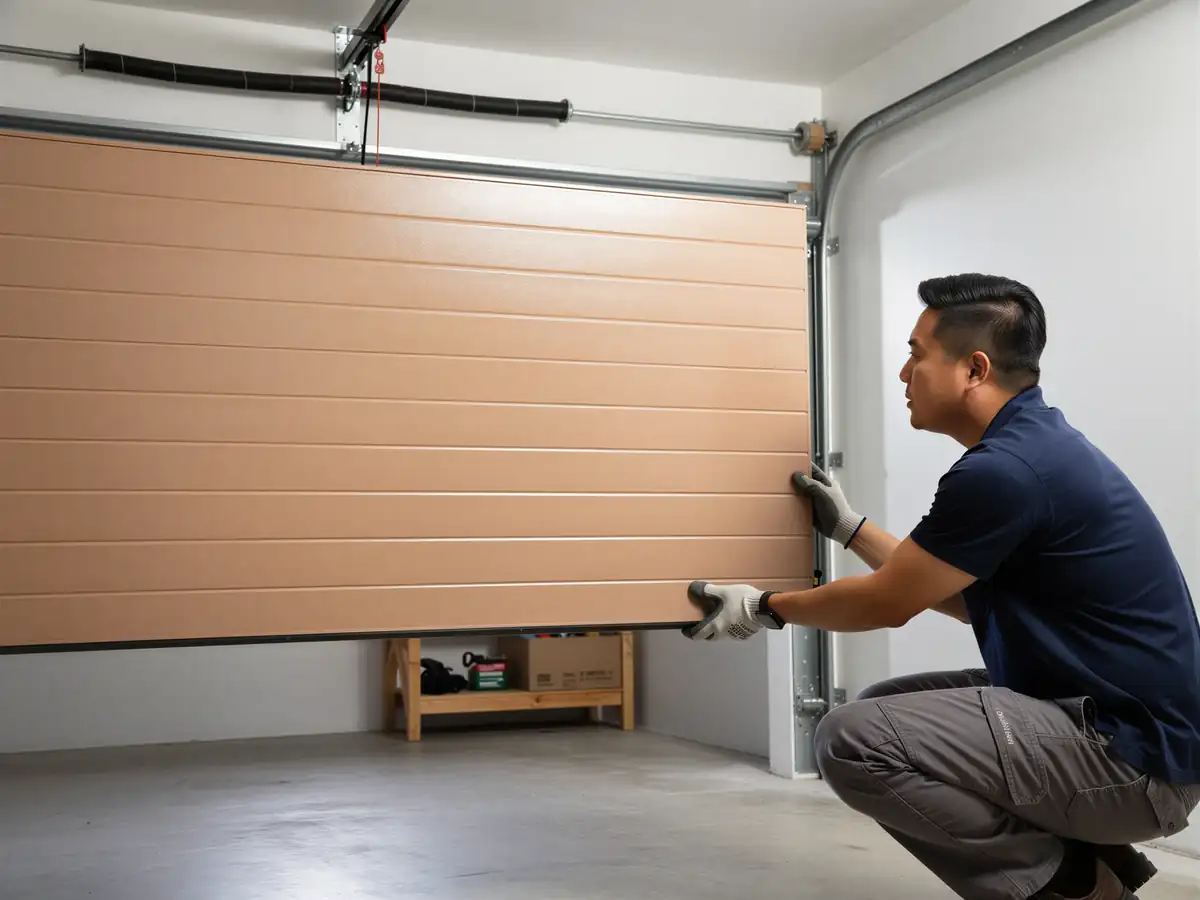
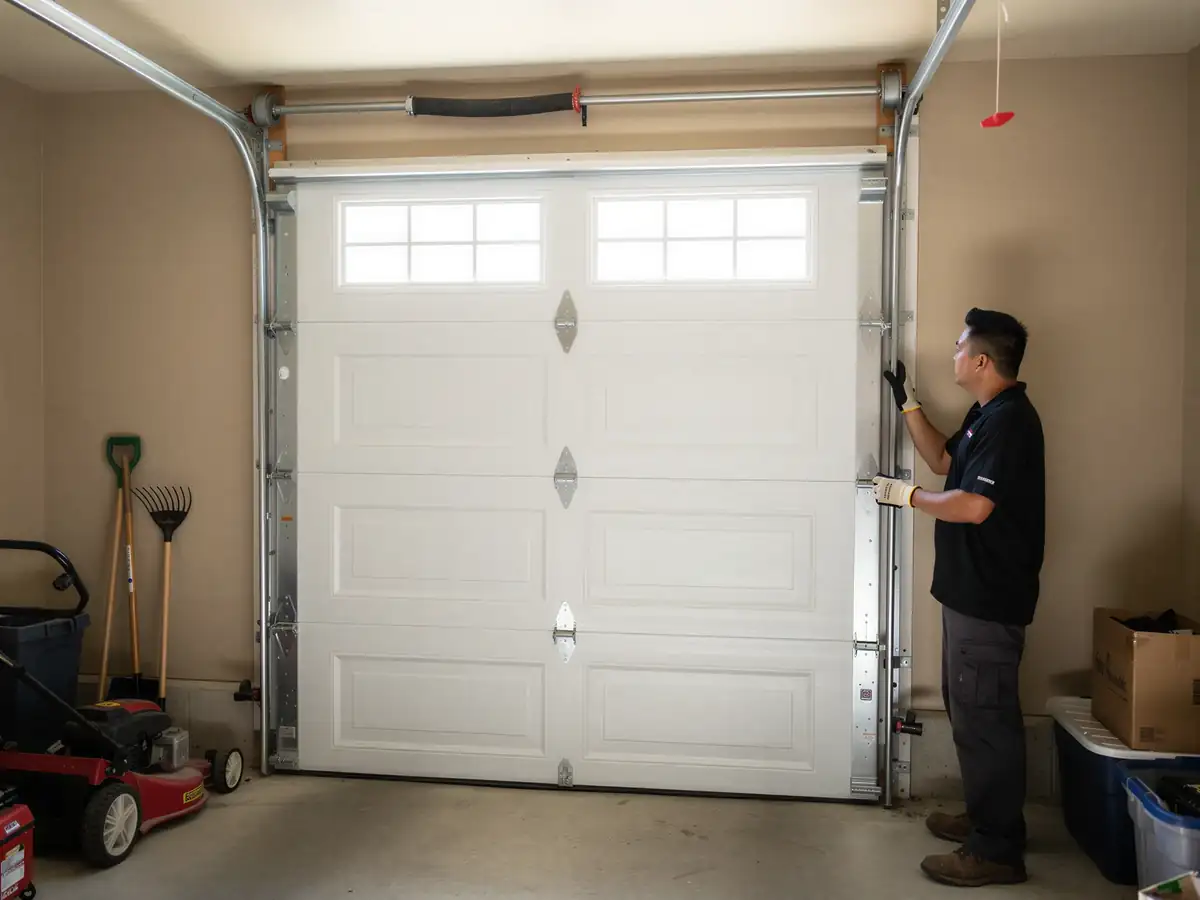
If the door is sagging at the bottom corners, binding halfway up the track, or taking noticeably longer to close once temperatures drop, that's the age of the stock talking - most of what we see in houses from the 1958-2004 build window shows this pattern by now. Panels on original steel doors from the 1980s often show rust bubbling at the bottom few inches where decades of snowmelt and runoff sat against the steel. An opener straining or reversing partway through a cold-morning close usually means the spring is still sized for the original lighter door, not whatever's been added to it since - a storm kit, extra insulation, a heavier handle set. None of that means the opener is broken; it means the door and spring are mismatched to the job the opener's being asked to do. That's the point where replacement, not another spring adjustment, is the actual fix.