What Causes It Around Here
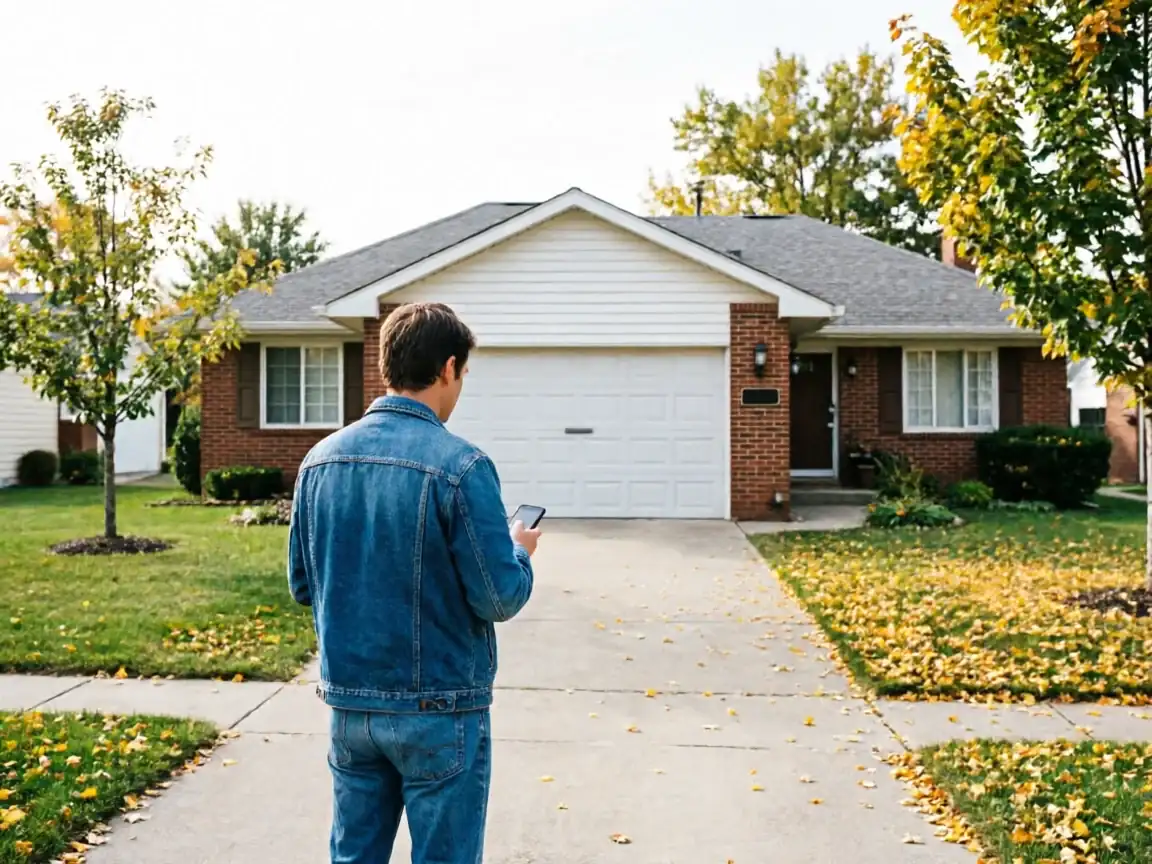
Most of the houses we work on in this area went up between 1958 and 2004, with the bulk of that stock dating to the 1980s and 90s across the 28 communities we cover. Doors from that era almost always shipped with steel rollers on steel tracks, no nylon, no sealed bearings. Thirty-plus years of use wears the roller stem down to a point where it rattles in the track instead of riding smooth, and once that stem gets thin enough, it can snap off clean.
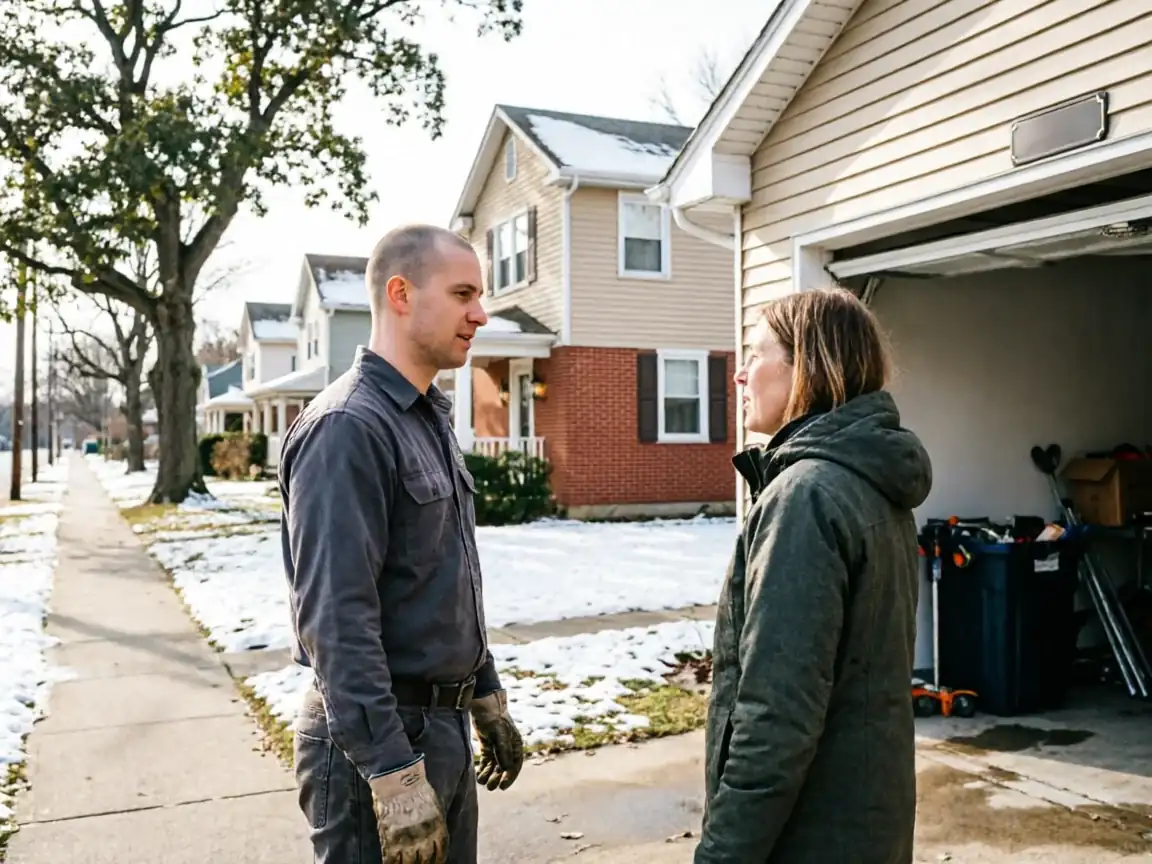
Cold is the other half of the problem. This area sits in a moderate-cold climate band, which means real freeze-thaw cycling every winter. Steel rollers contract in the cold and the grease inside stiffens up, so a roller that was already worn starts binding instead of rolling. Binding puts extra load on the opener and the cables, and that's when a simple roller problem turns into a bent track or a frayed cable too. We see this pattern most in homes built in the 1980s and 90s that have never had the rollers swapped since the door went in - which, across a service area with over 90,000 owner-occupied houses, is a lot of doors still running original hardware.
How We Fix It
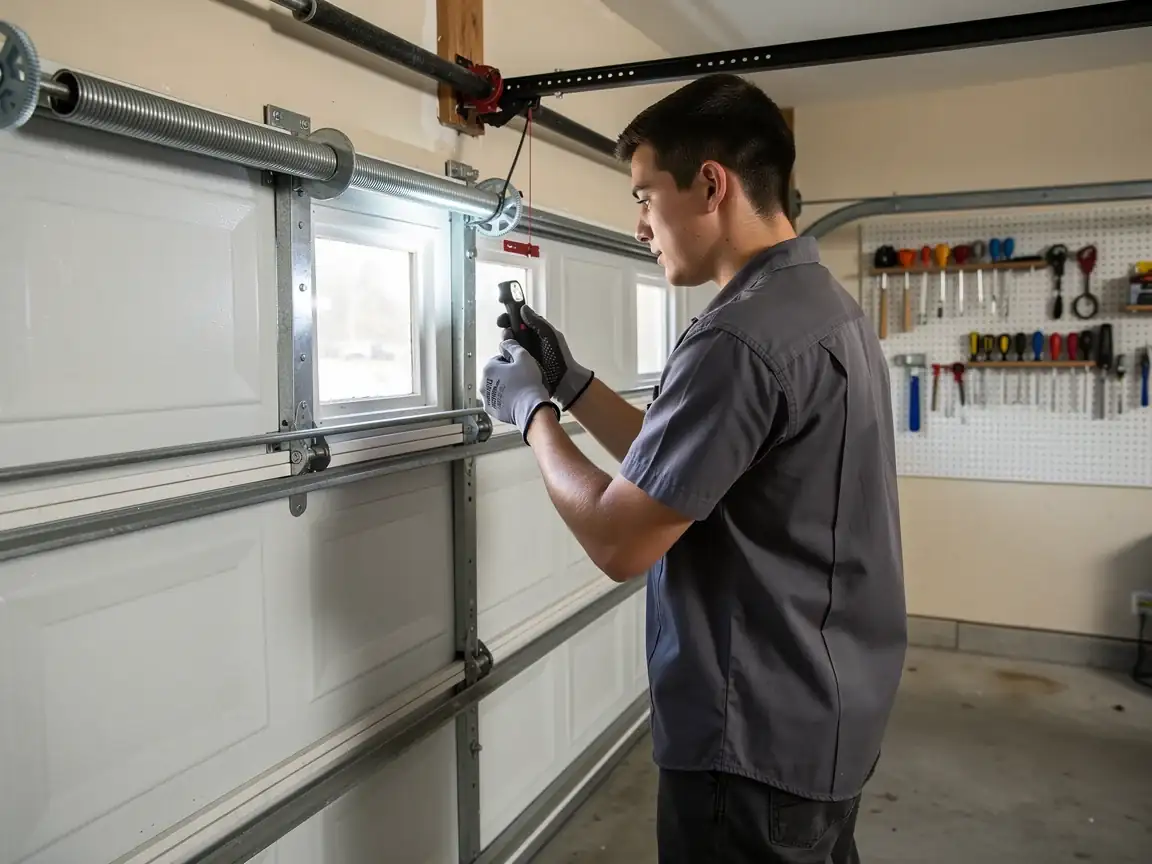
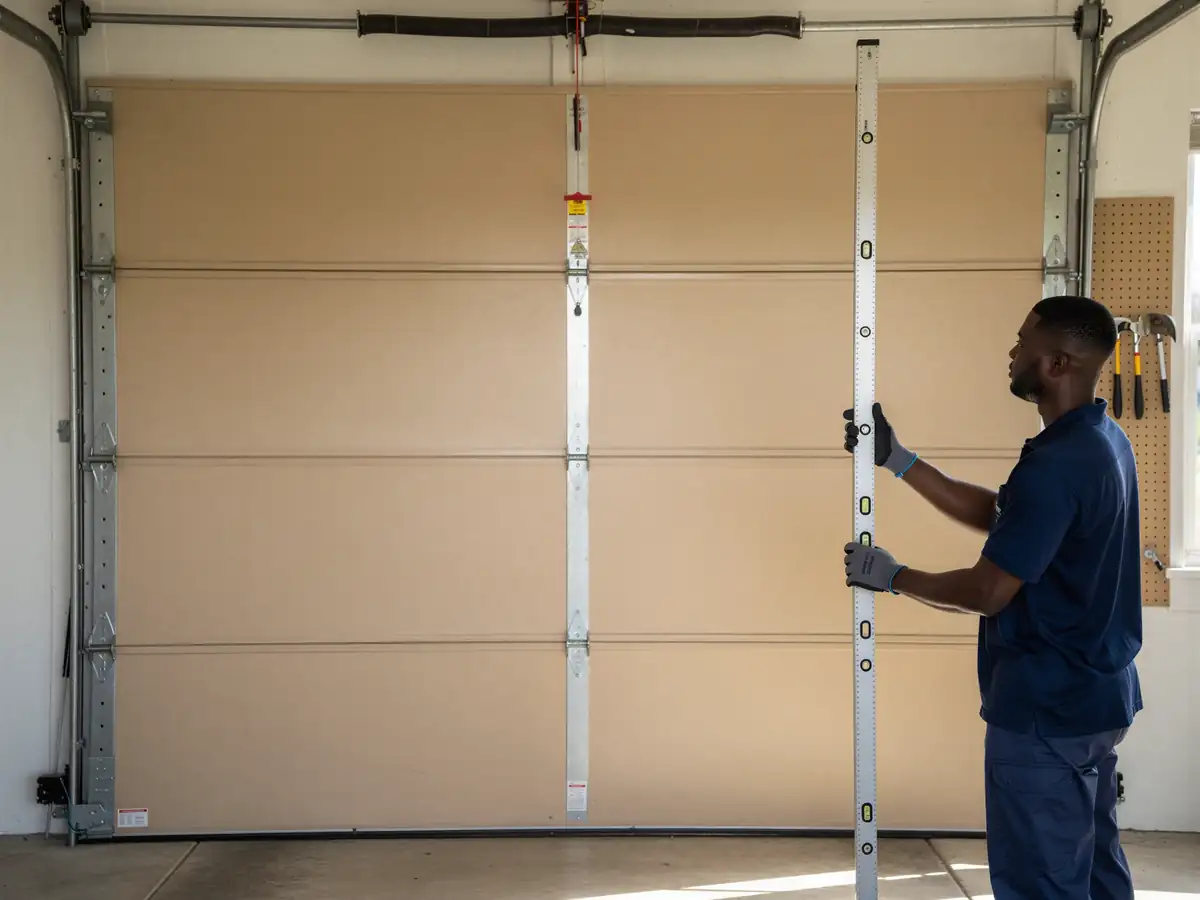
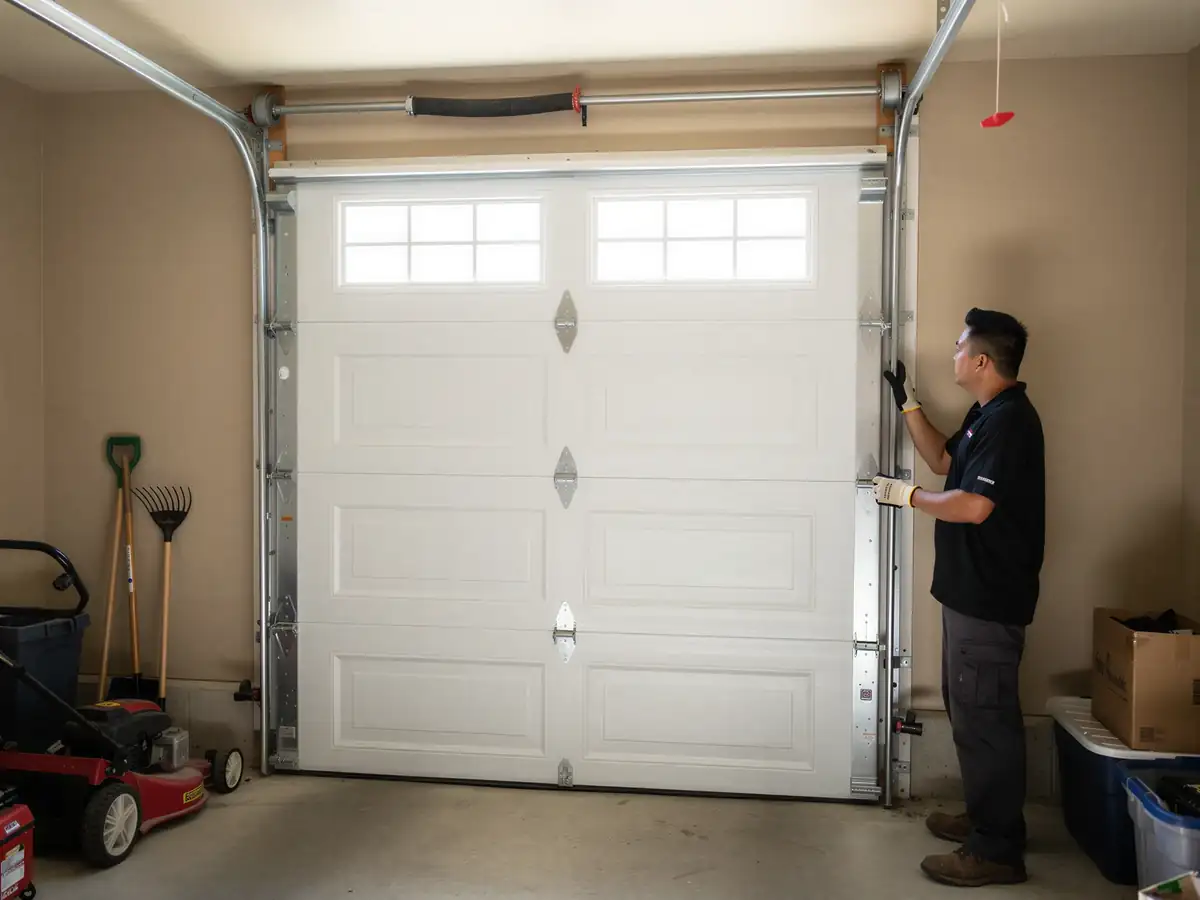
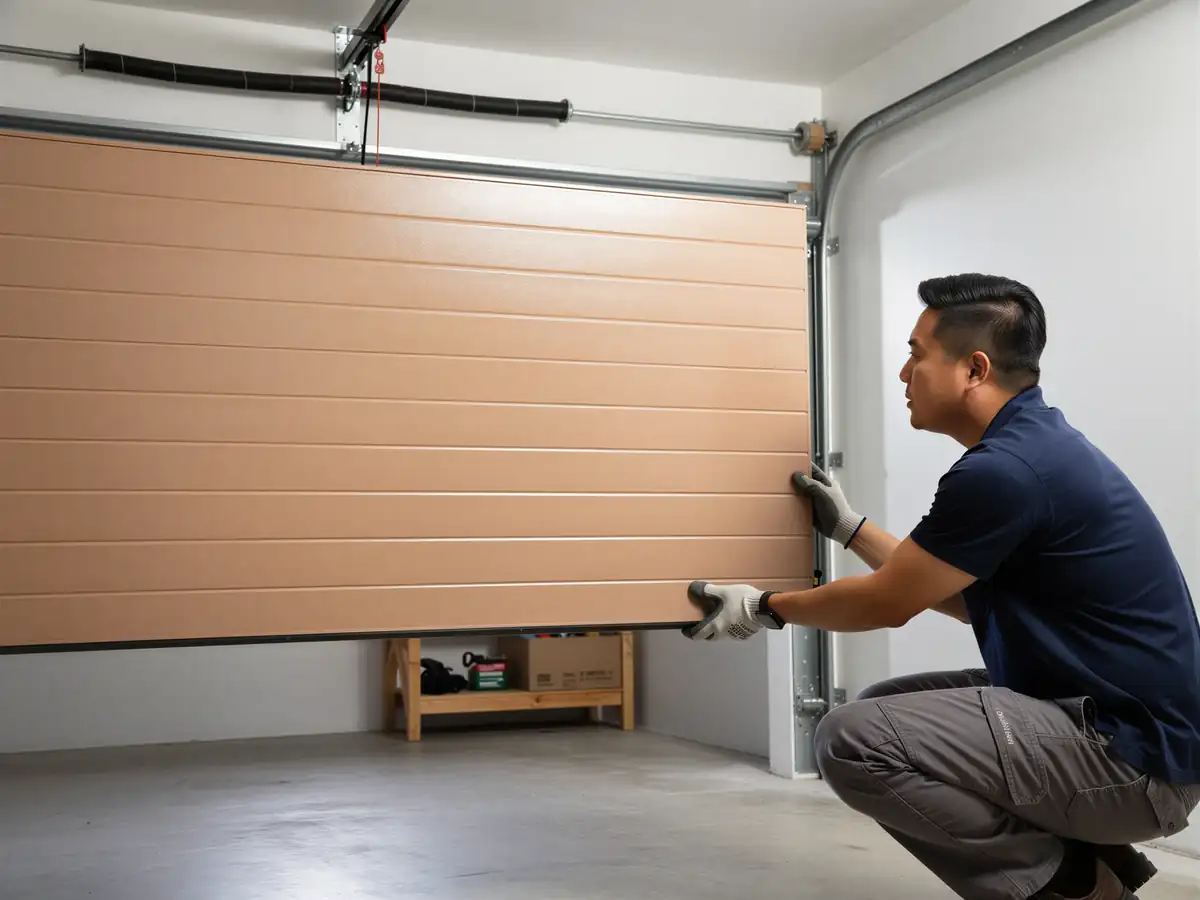
We start by pulling the door up by hand with the opener disconnected and watching each roller travel through the track
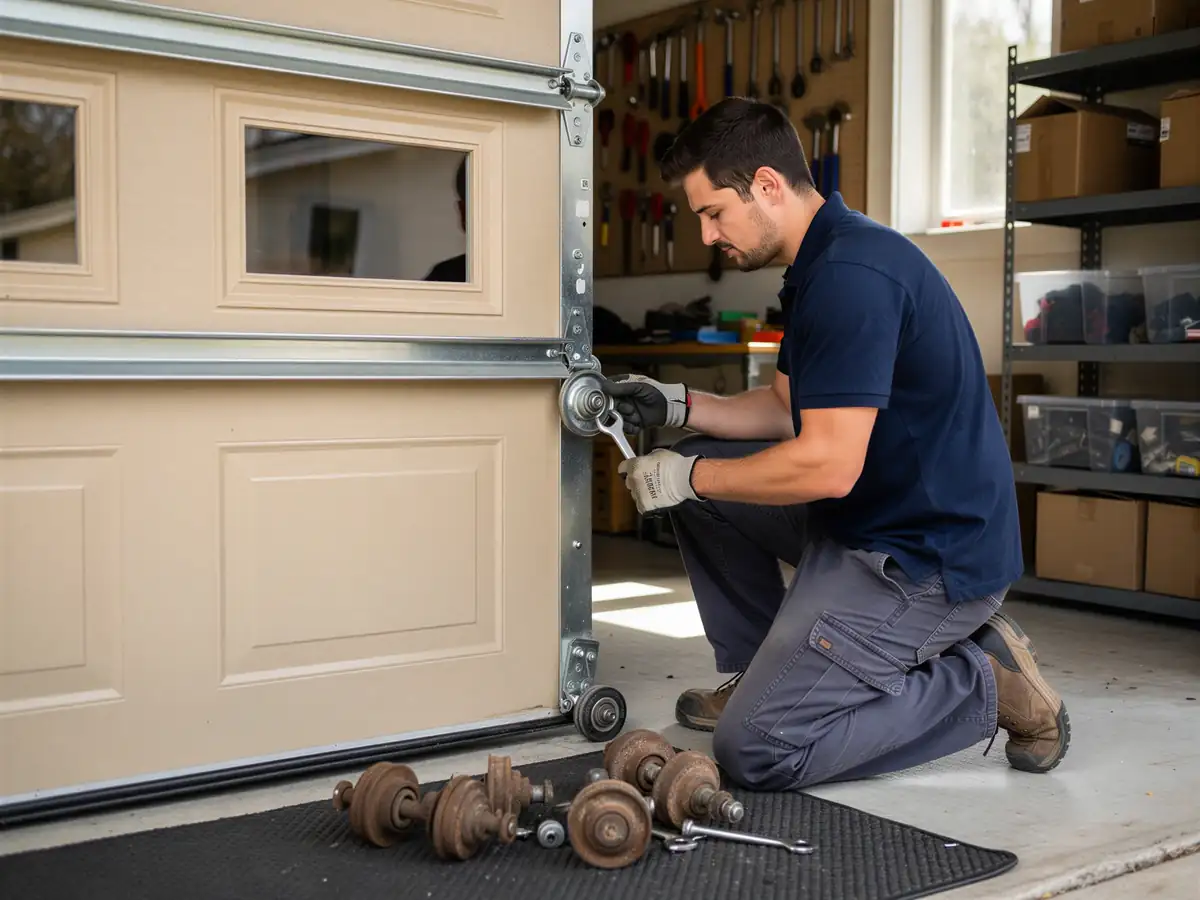
A roller that's cracked, flat-spotted, or missing chunks of its nylon or steel surface gets replaced on the spot. If only a couple of rollers on one side are bad, we don't push a full set - we replace what's actually worn and leave the good ones alone.
If the track itself has been bent or chewed up from a roller that's been grinding against it
We check that section of track before closing the job out. A new roller in a damaged track just wears out again in a few months, so that gets addressed too, not ignored. For most jobs we carry standard roller sizes on the truck. If a door uses an odd roller stem length or an older style that's not common anymore, that can mean a short order delay - we'll tell you up front if that's the case rather than guess and have you wait on site.
How to Book
Call and describe what you're hearing or seeing - a grinding noise, a door that jerks instead of gliding, a roller visibly hanging loose in the track. That tells us roughly what to load on the truck before we come out. We work across the service area, so whether you're closer to Shorewood or out toward Lockport or Minooka, the same crew and the same parts stock apply.
If you're not sure whether it's the rollers or something else - a spring, a cable, the opener itself - that's fine, you don't need to diagnose it yourself. Tell us what the door is doing and we'll sort out the actual cause when we're there.
What You Are Seeing
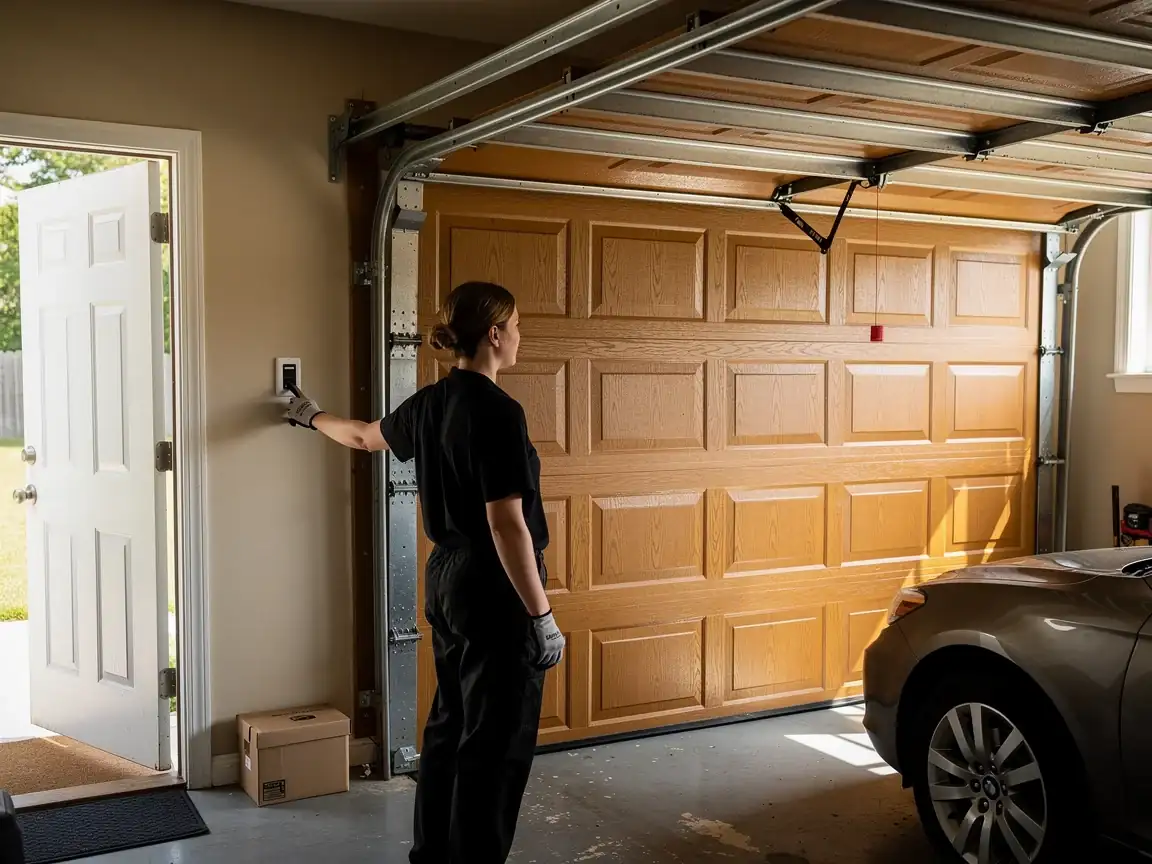
A roller going bad doesn't usually fail quietly. Listen for a rhythmic squeak or grind that gets louder as the door moves, especially right where a roller passes a track joint. Look at the door from the side while it opens - a roller that's worn down unevenly will make the door travel in small jerks instead of one smooth motion.
A roller stem that's cracked or sheared can let that corner of the door drop slightly in the track, which you'll feel as the door binding or needing a shove to keep moving. If you see a roller sitting loose, tilted, or partly out of the track, stop running the door. A roller that comes fully out while the door is moving can let that corner drop and put sudden load on the cable above it, which is a bigger repair than the roller alone.