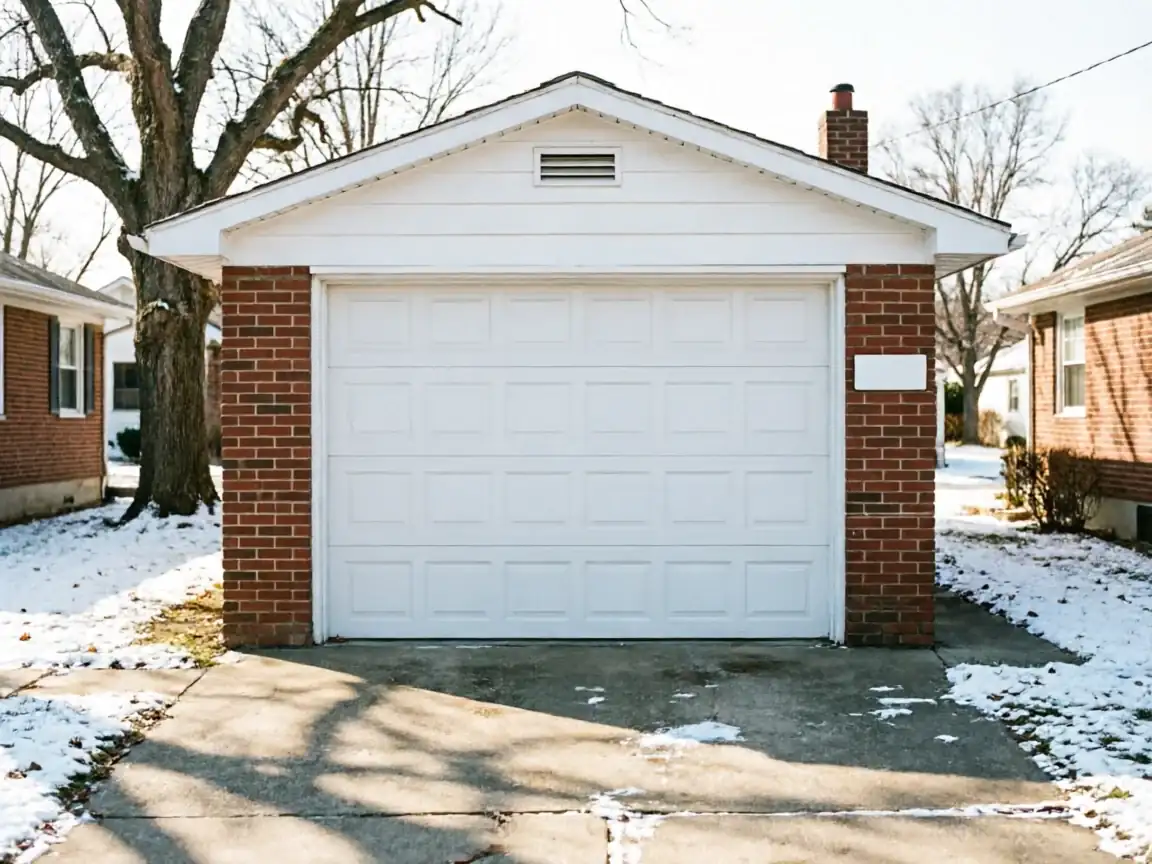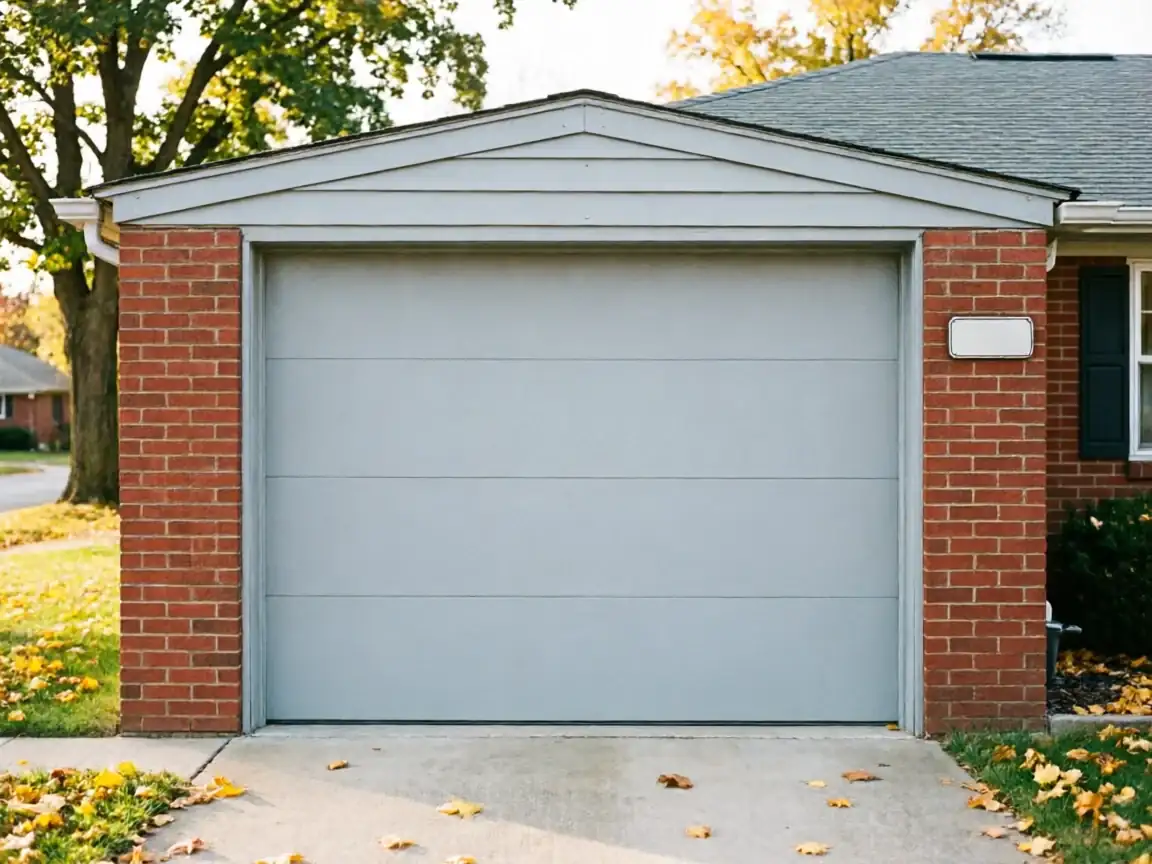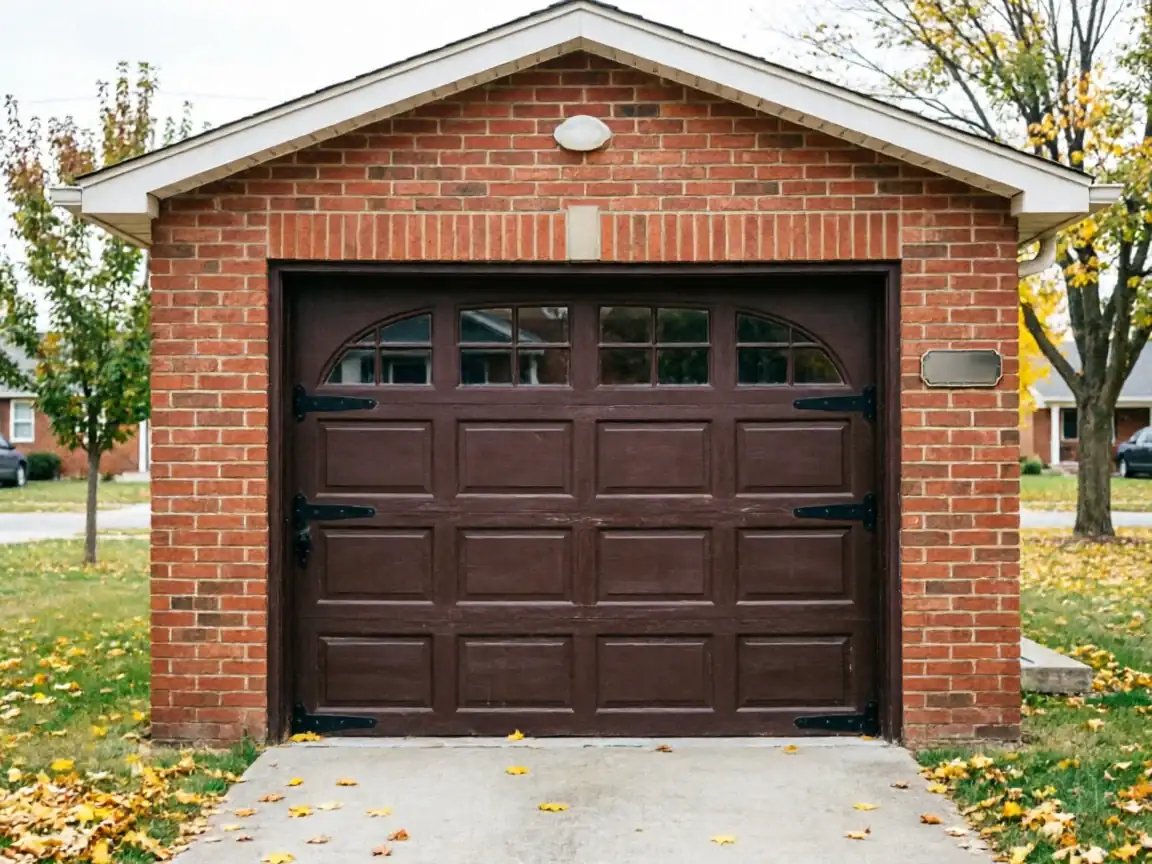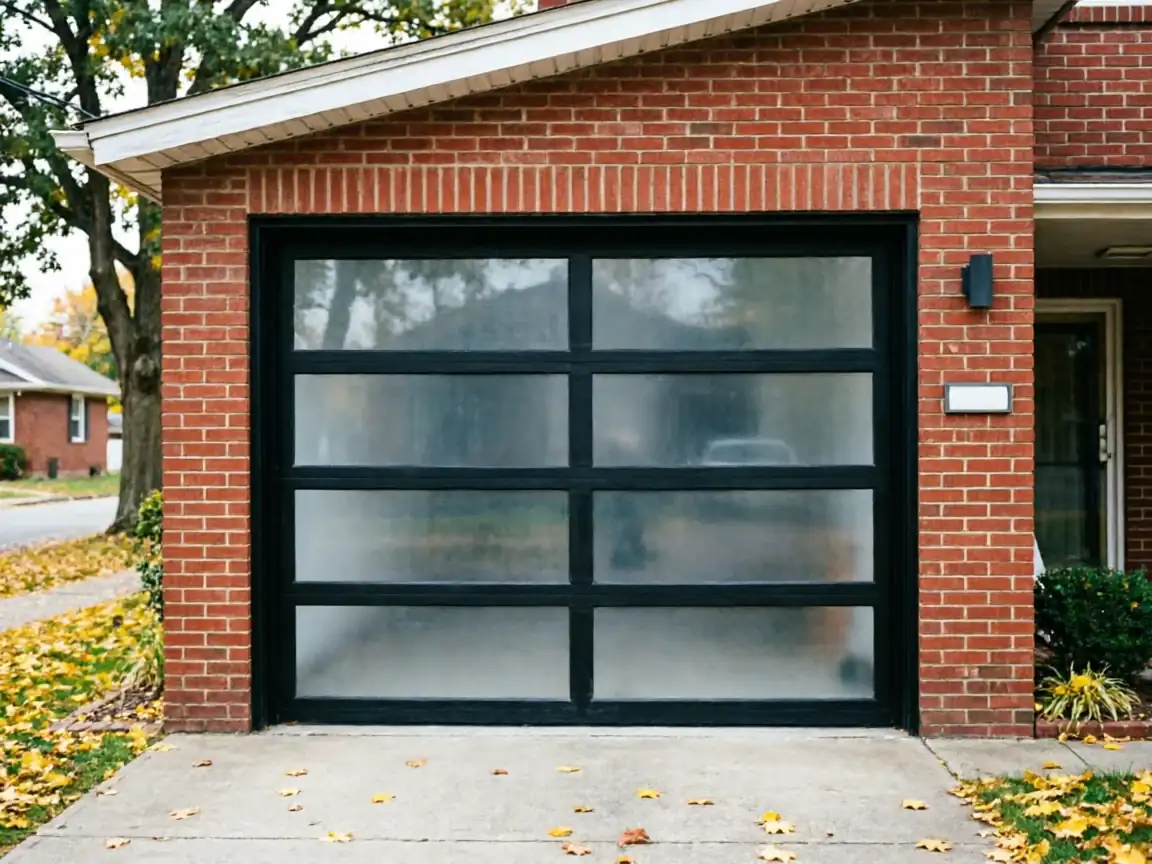
What You Are Seeing
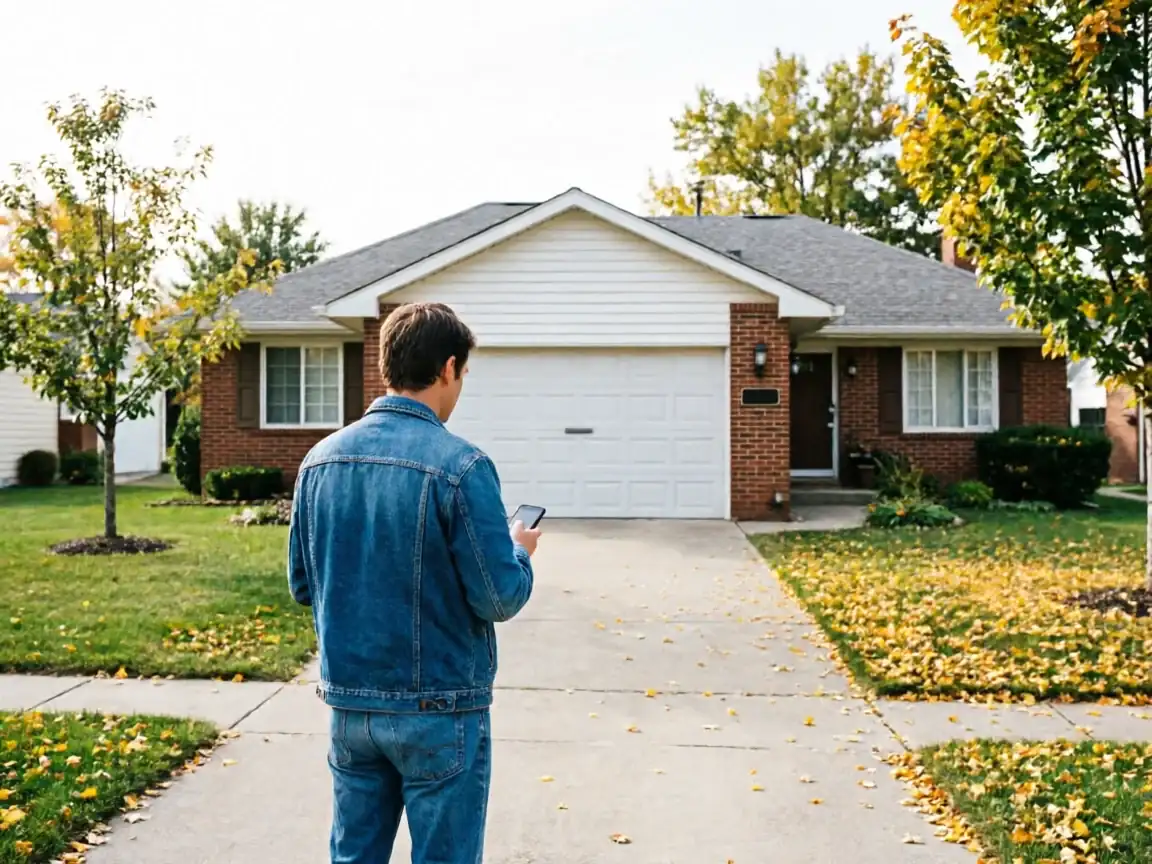
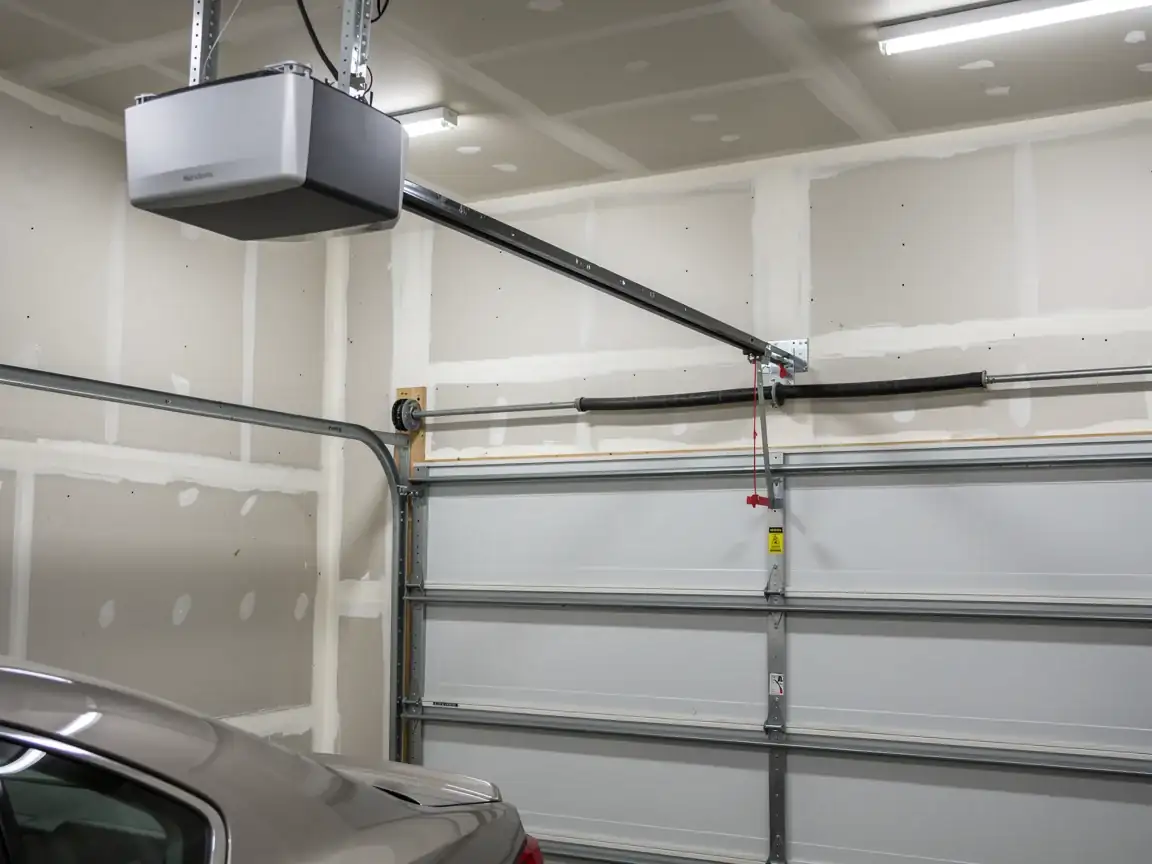
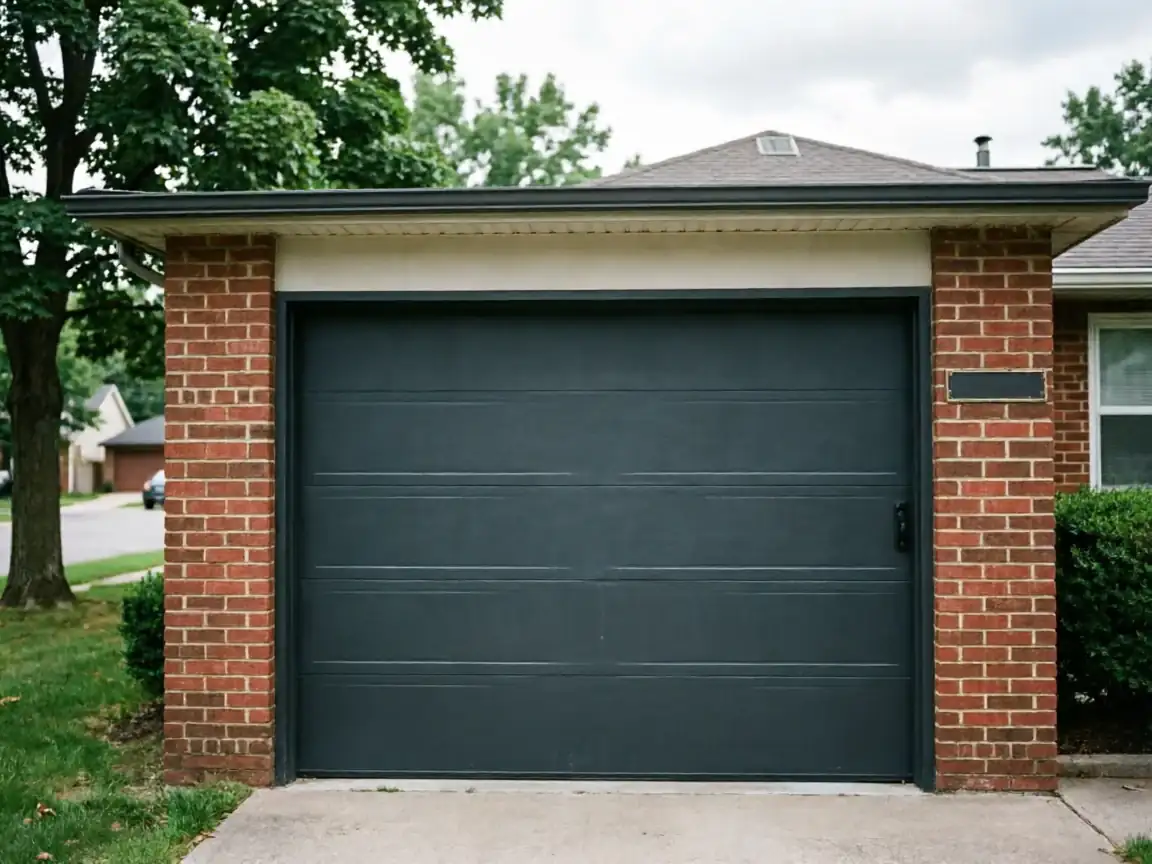
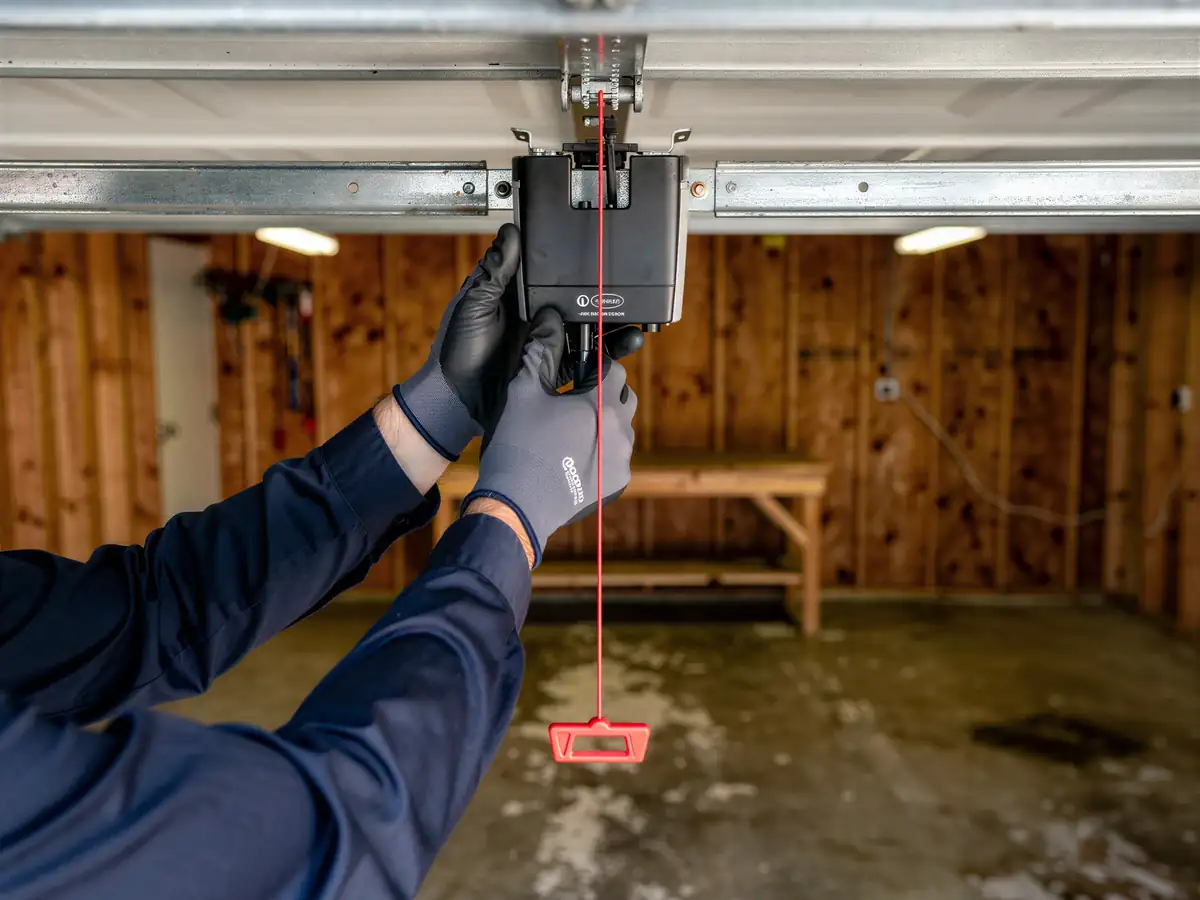
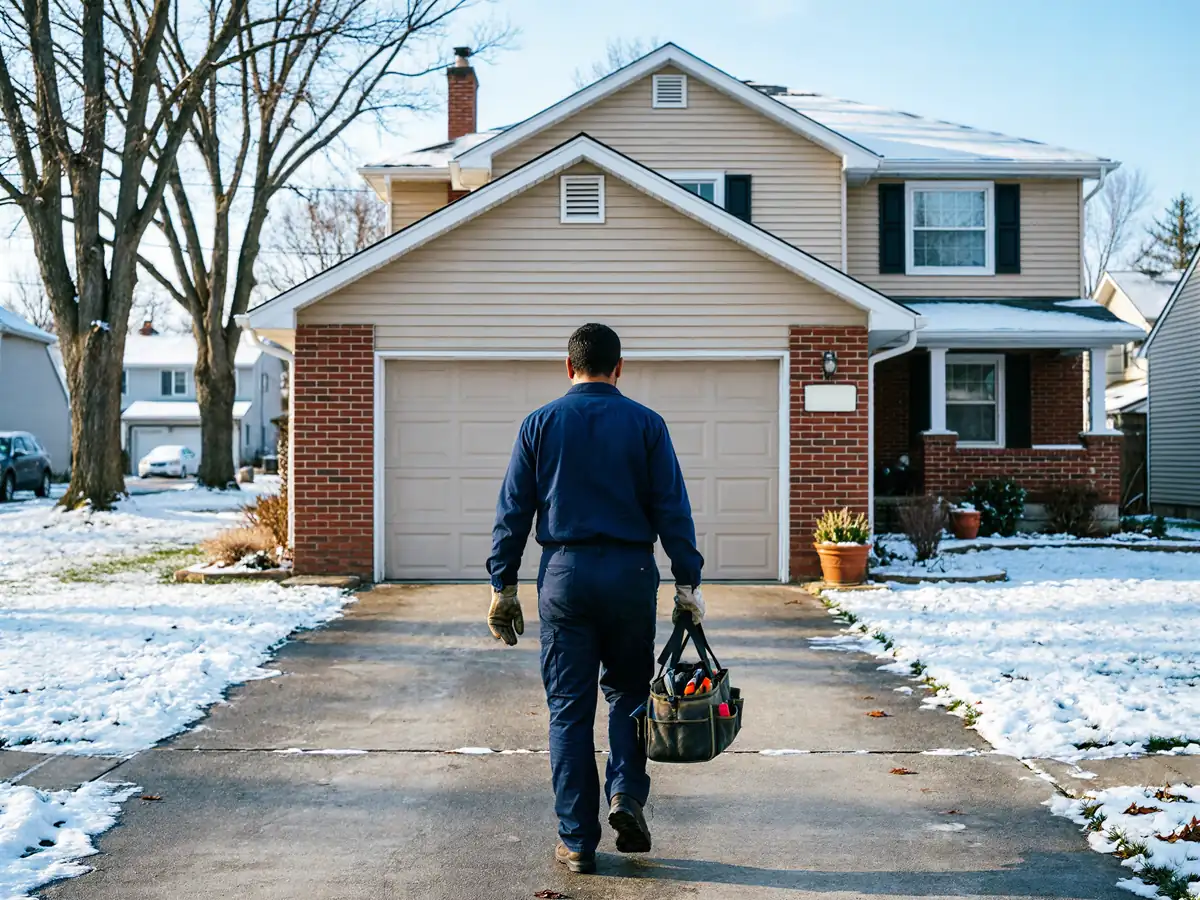
Most houses in Shorewood went up around 2001, which puts this town a good decade newer than the median build year across the wider Joliet service area, where homes date back as far as 1958. That matters more than it sounds like it should. A door and opener installed when a house was built in 2001 is now over twenty years old, and in most cases nobody has touched the torsion spring, the rollers, or the opener's circuit board since the day the garage was finished. The springs are usually still the builder-grade pair sized for whatever door shipped standard at the time - not necessarily right for a heavier insulated door if one got swapped in later. The opener is likely a chain-drive unit with an aging logic board, not a belt-drive with battery backup. If your door is groaning, slow to close, or the opener clicks without moving the door, you're looking at hardware that's simply reached the end of what it was built to do, not a fluke.
The DIY Question
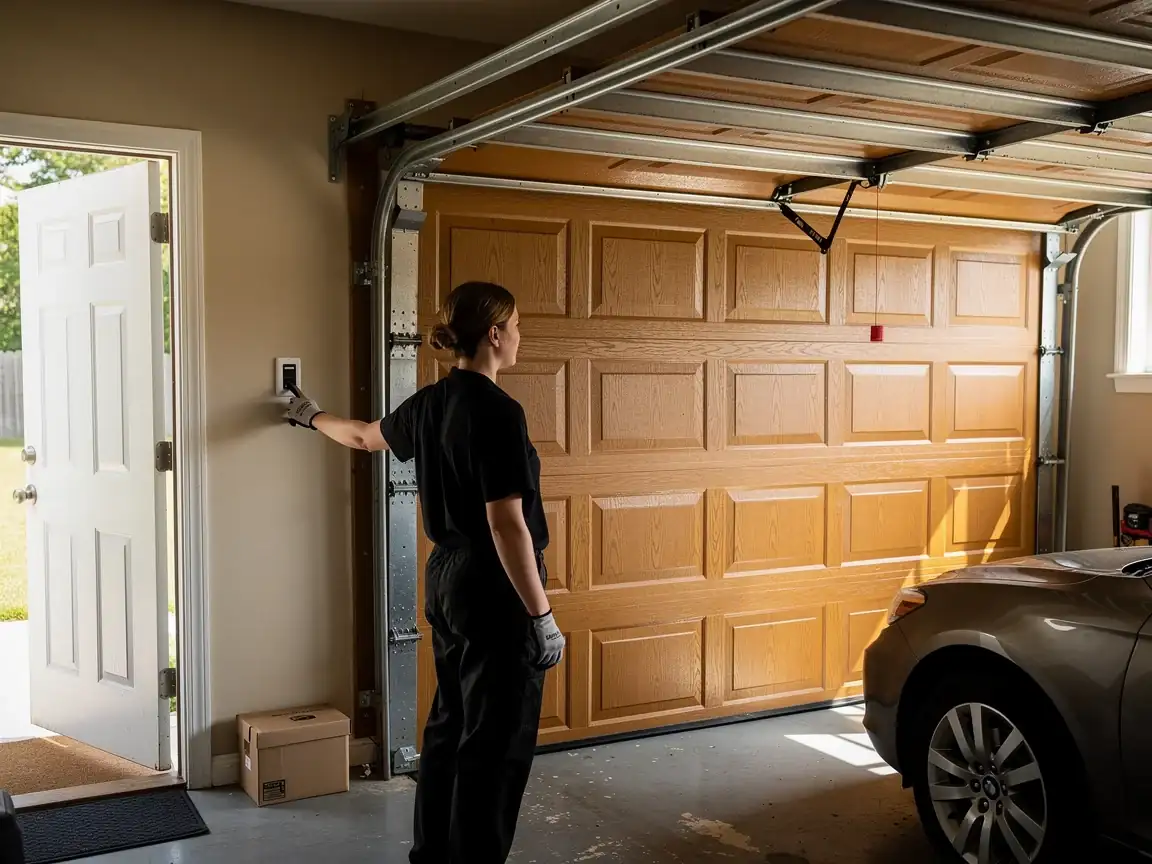
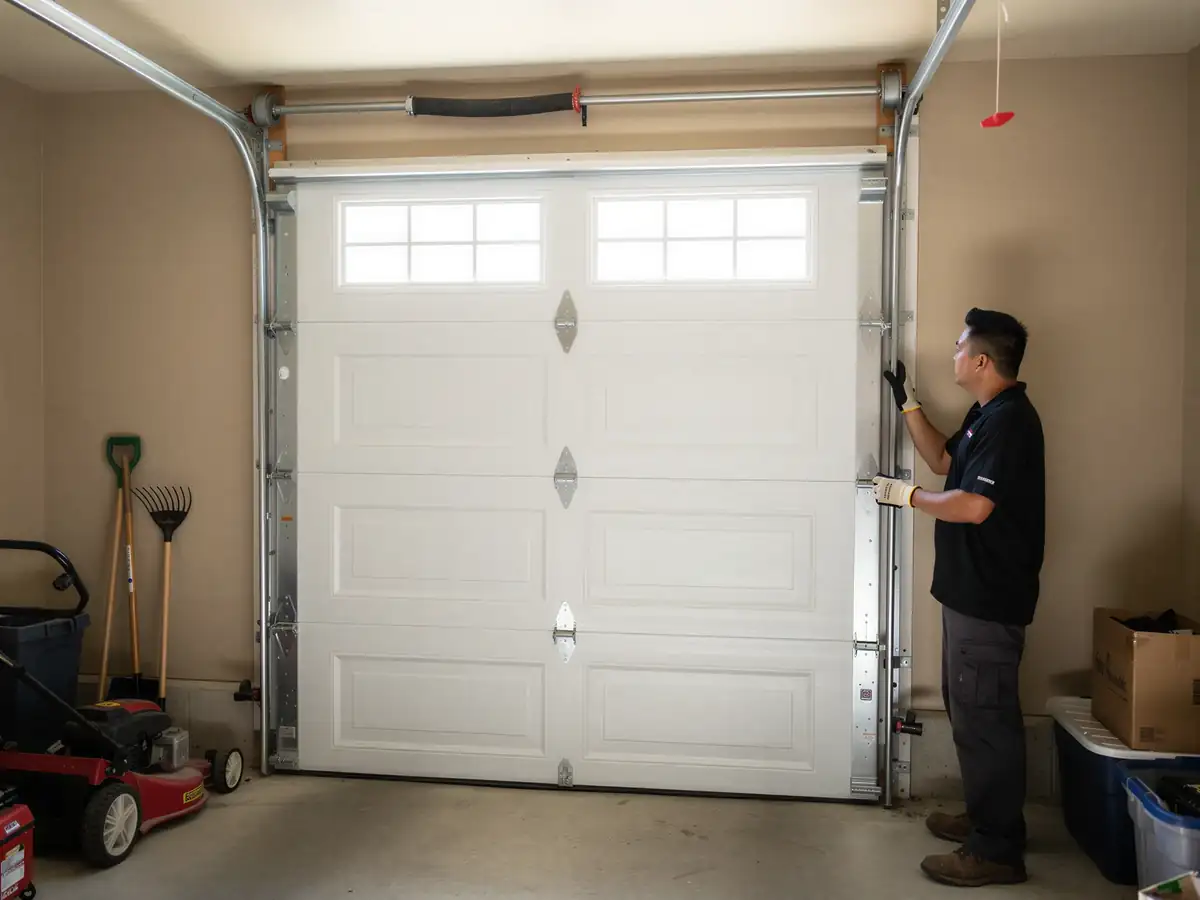
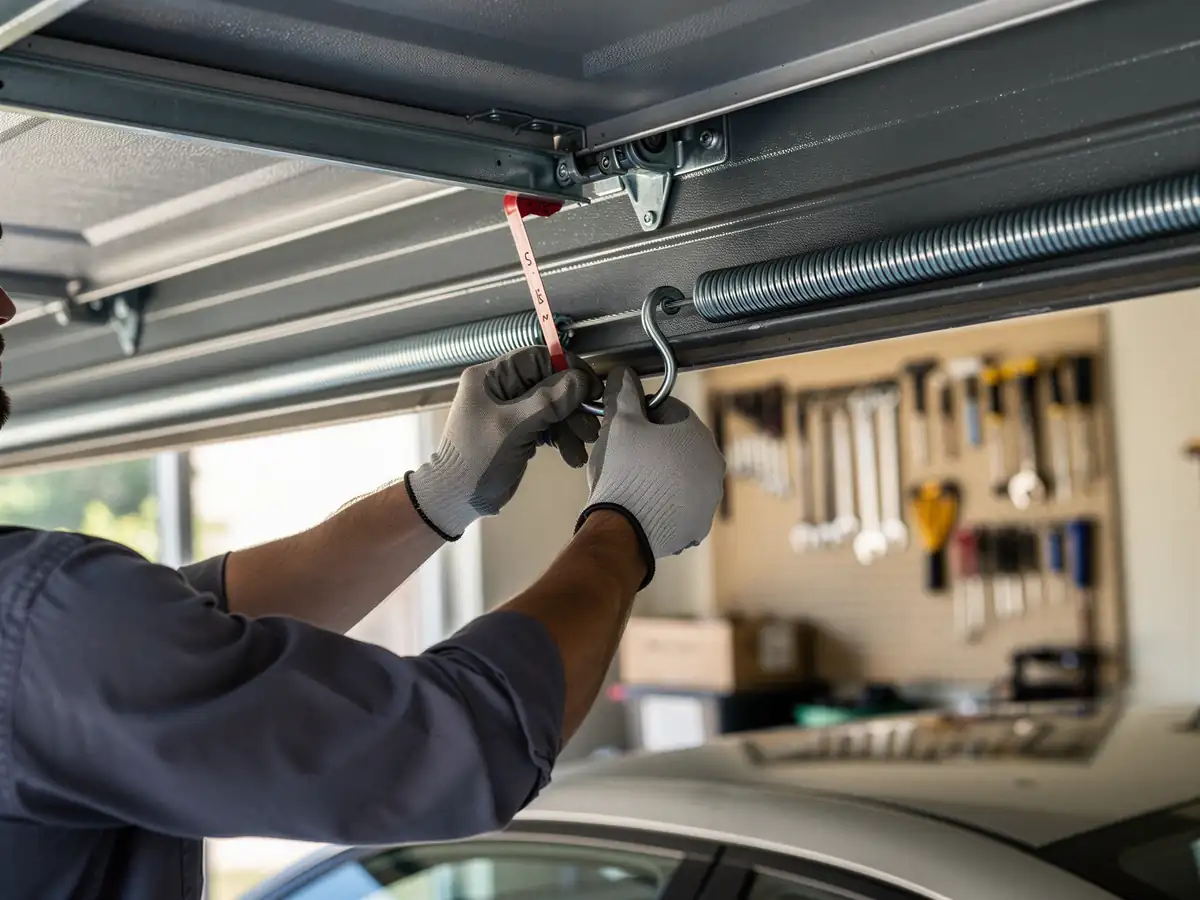
Checking the sensors, clearing the track of debris, and tightening loose hardware are all fair game to do yourself. A torsion spring is not. The spring on a double door is under enough tension to break bone or worse if the winding bar slips, and that risk doesn't go down because the house is only twenty years old instead of fifty. If your opener is acting up intermittently, you can rule out the easy stuff - sensor alignment, the wall button, the remote batteries - before calling anyone. But if the symptom points to the spring, the cable, or a board that's failing under load, that's not a weekend project. We'll say plainly: we'd rather talk you out of a repair that isn't worth doing than sell you parts for a door that's better off replaced outright, and sometimes that's the honest answer once we're actually looking at it.
How We Fix It
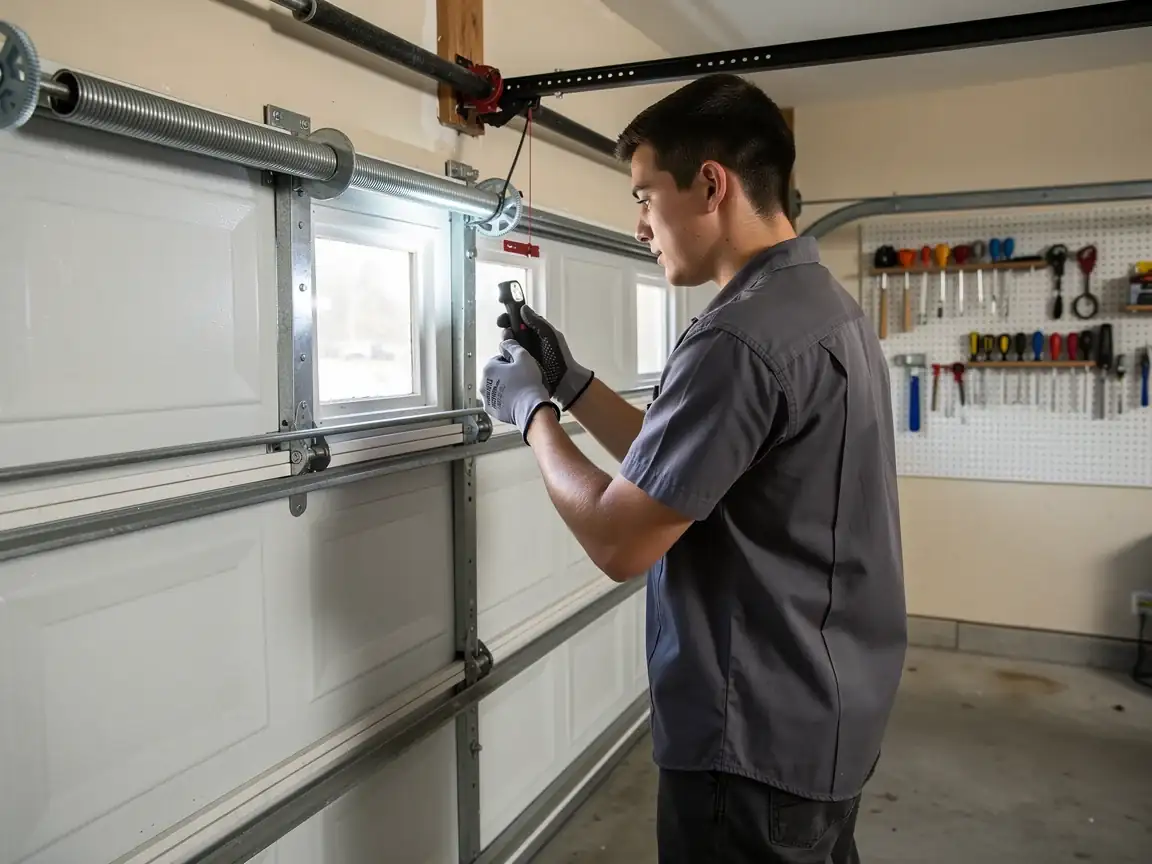
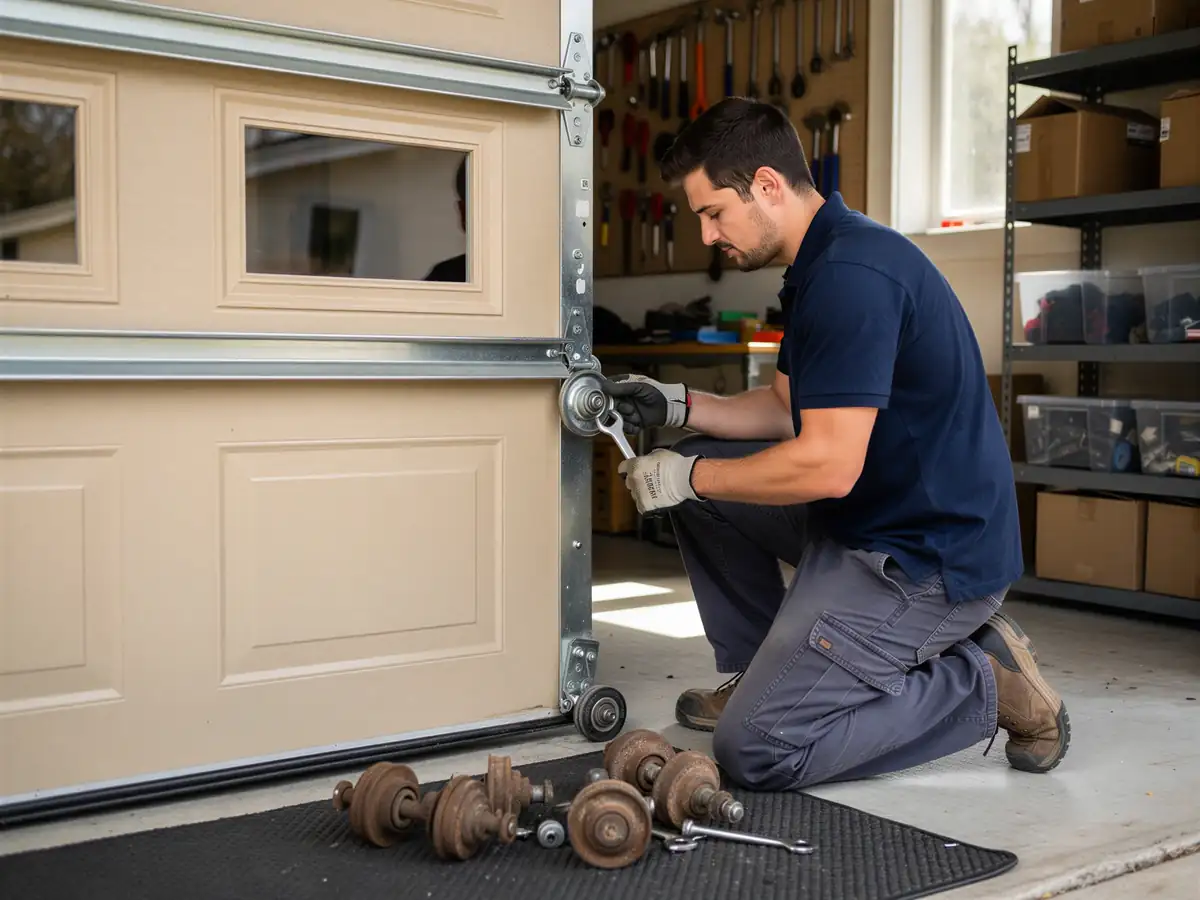
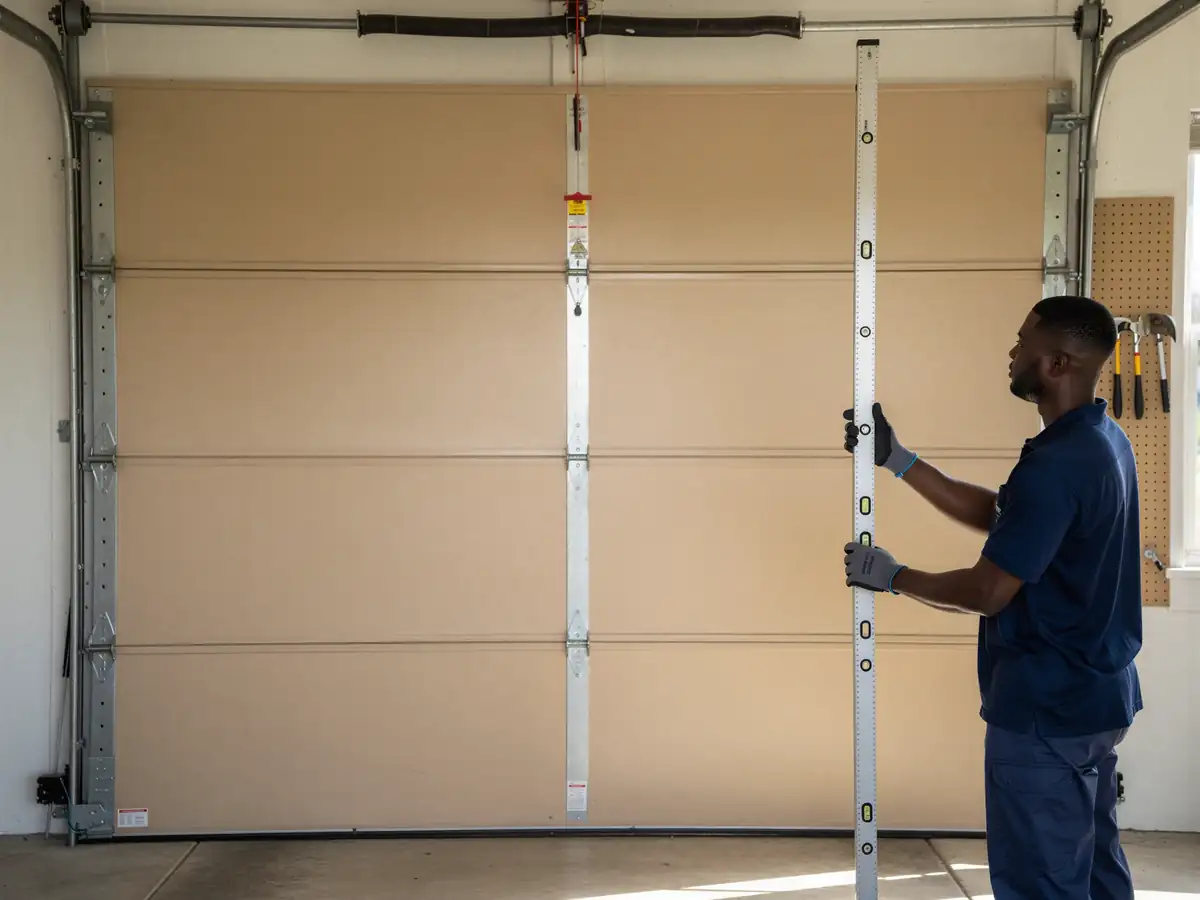
We start by counting cycles on the spring where that's possible and checking the drum and bearing plates for wear, since original 2001-era hardware rarely gets replaced piece by piece - it tends to go as a set. If the spring is undersized for the door it's currently holding, we size it correctly rather than matching what's there, which is a common gap in homes where the door itself got upgraded at some point but the spring didn't. On openers, we test the logic board under load rather than just swapping sensors, because an intermittent fault often traces back to the board itself in units this age. Track and roller wear gets addressed at the same visit when it's part of the same root cause - a spring under too much tension puts extra strain on the rollers, and fixing one without the other just moves the next failure down the road a few months.
What Causes It Around Here
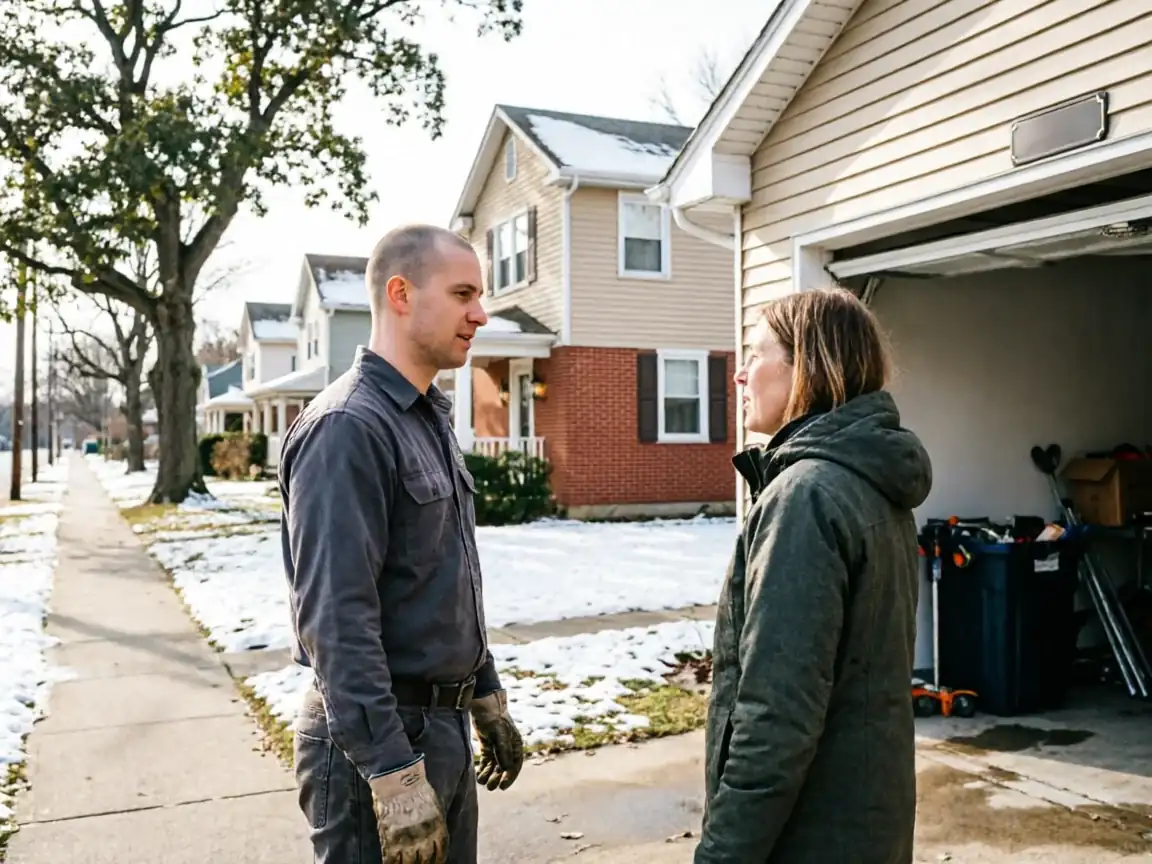
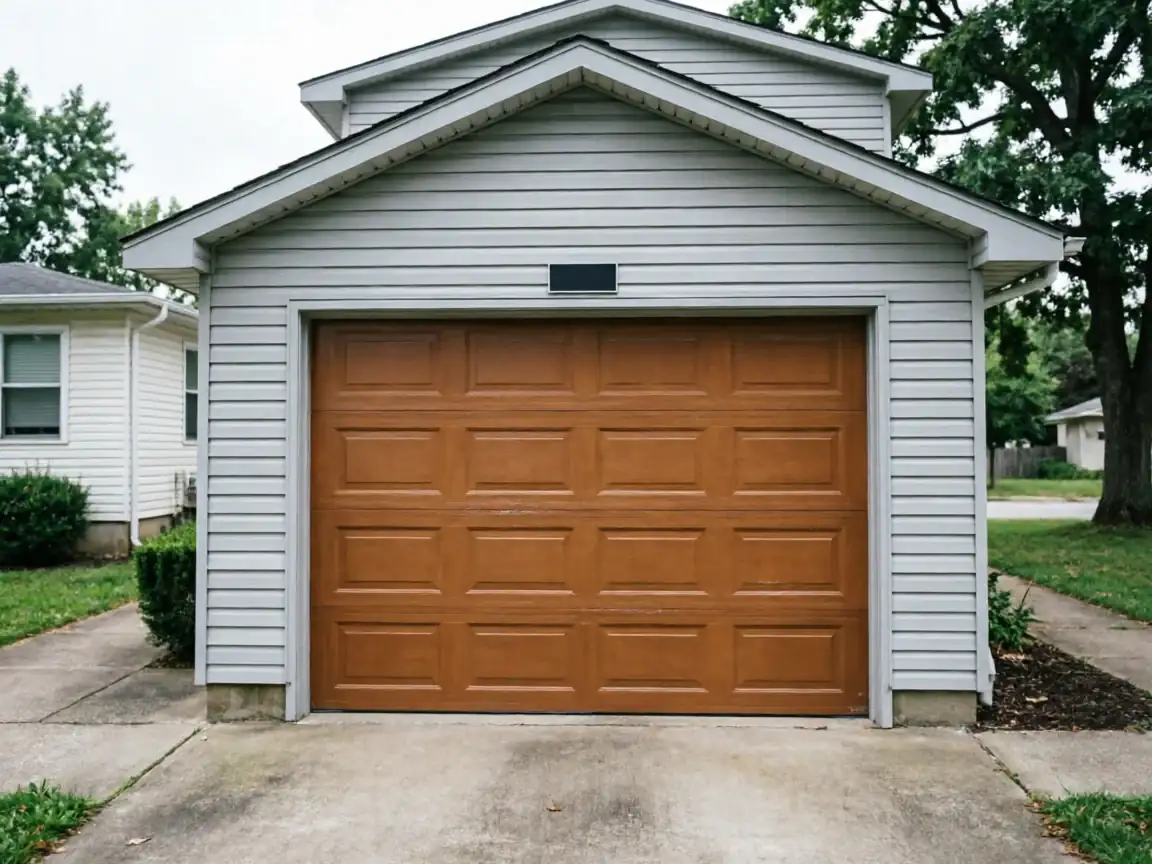
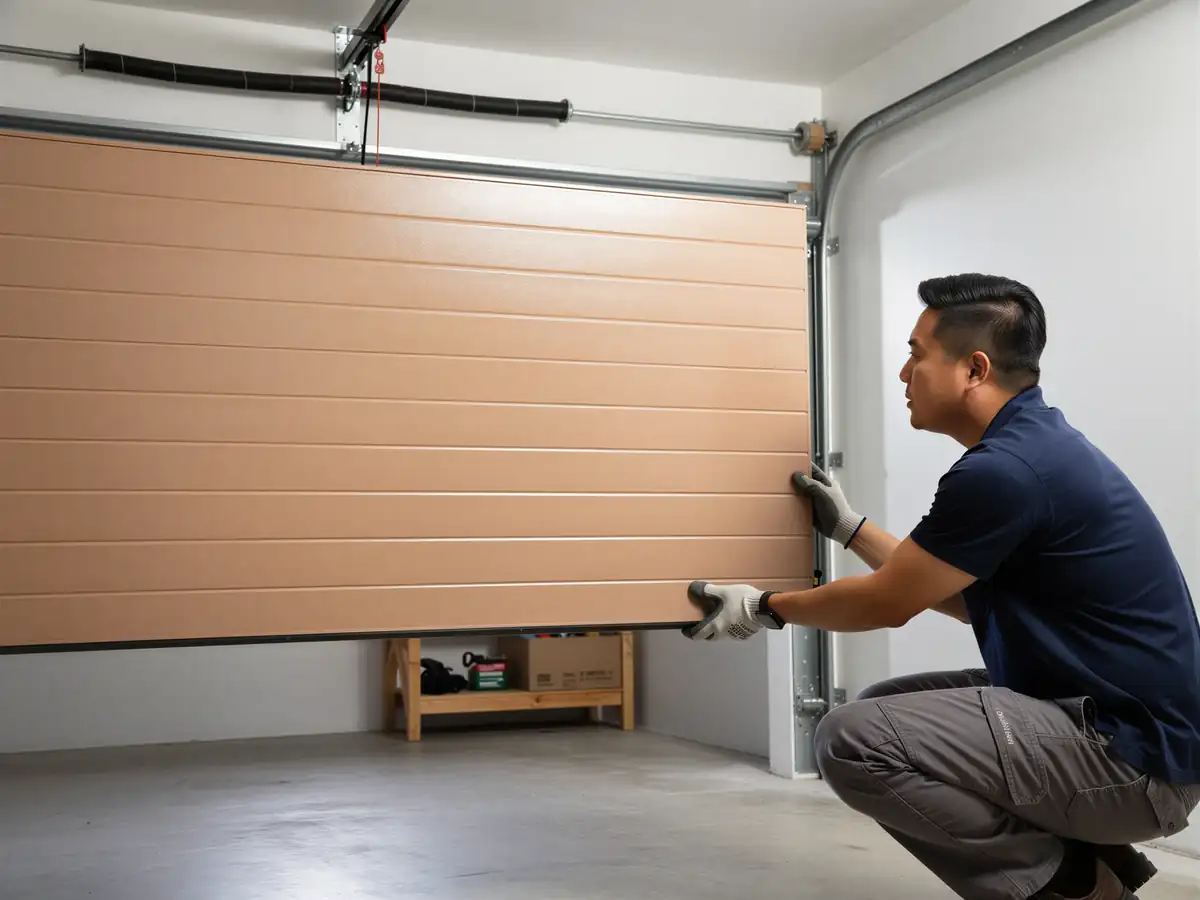
Two things stack on top of each other in Shorewood. First, the housing stock here runs newer than much of the surrounding service area, which means a lot of original hardware is aging out all at once rather than being staggered across decades like it is closer to Joliet's older core. Second, this is a cold-climate area with real seasonal swings, and steel springs and cables don't like going from a warm garage interior to a hard freeze overnight - that's when a spring near the end of its life actually gives out. Higher household incomes here also mean more insulated, heavier doors than the stock builder-grade door from 2001, and a heavier door run on an original, lighter-rated spring wears out faster than it should. None of that is unique to any one house, but it adds up to the same pattern across a lot of driveways in this town.