What Causes It Around Here
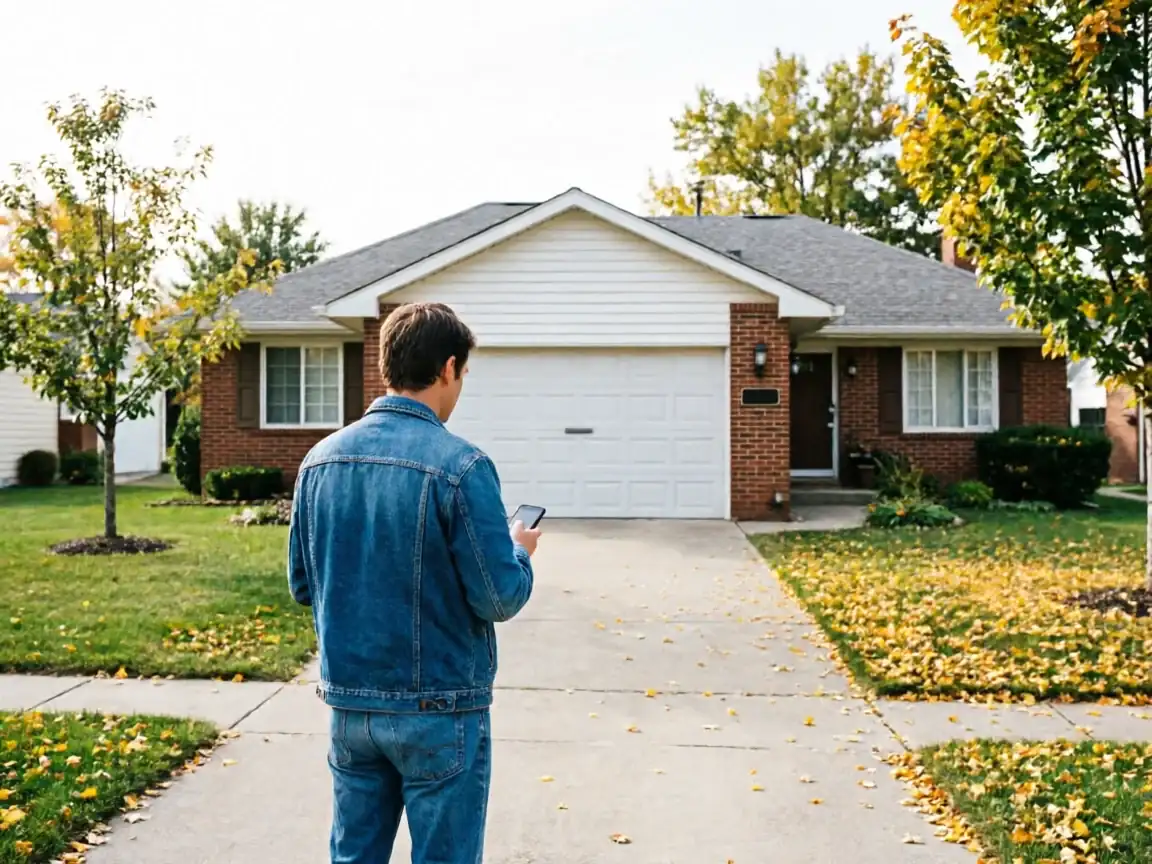
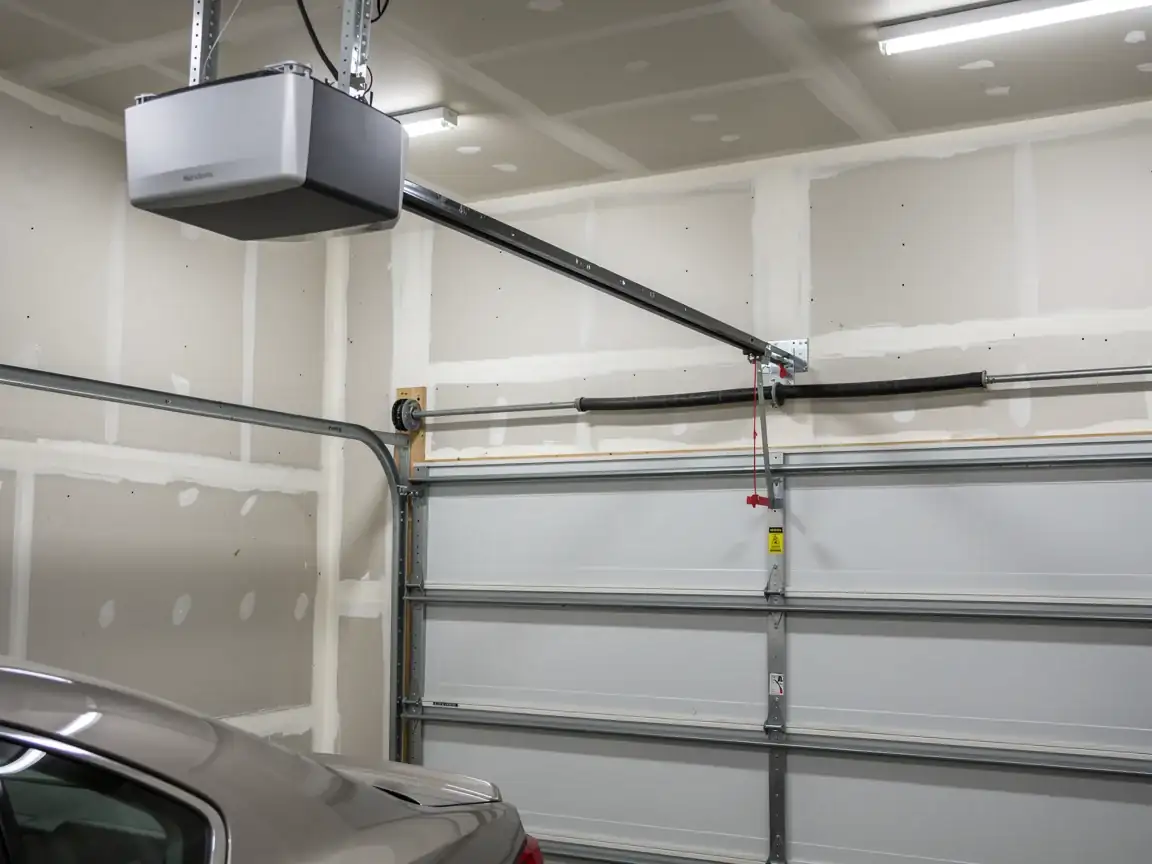
Most of the houses we get called to went up between 1958 and 2004, with the median build year sitting at 1991. That means a lot of original torsion springs, steel panel doors, and first-generation chain-drive openers that are now thirty-plus years old and still carrying the same hardware the builder put in. Across the 28 named subdivisions in this area, the bulk of that stock dates to the 1980s and 90s, so you see the same failure patterns over and over: springs that have hit their cycle limit, rollers that have worn grooves into the track, and openers with drive gears that strip once the grease dries out.
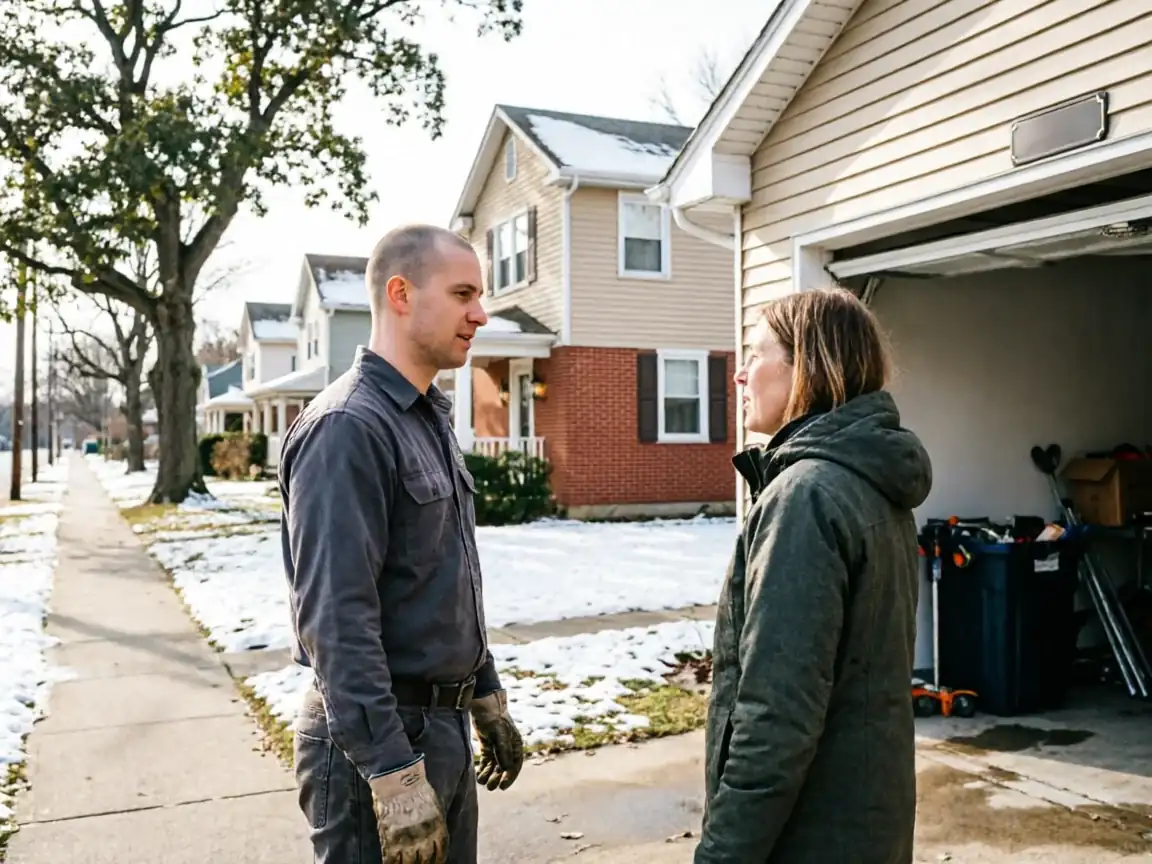
Cold is the other half of it. This is a moderate-cold climate, and that matters more than people think. Steel contracts in winter, so a track that was a hair out of alignment in August becomes a door that binds or jumps the roller in January. Torsion springs lose tension faster when they're cycling through big temperature swings, and openers with older circuit boards get sluggish or stop sensing the door position correctly in the cold. None of this is really about one bad part. It's thirty-year-old equipment meeting Illinois winters, year after year, until something finally lets go.
How We Fix It
We start by figuring out whether the problem is the spring, the opener, or the track
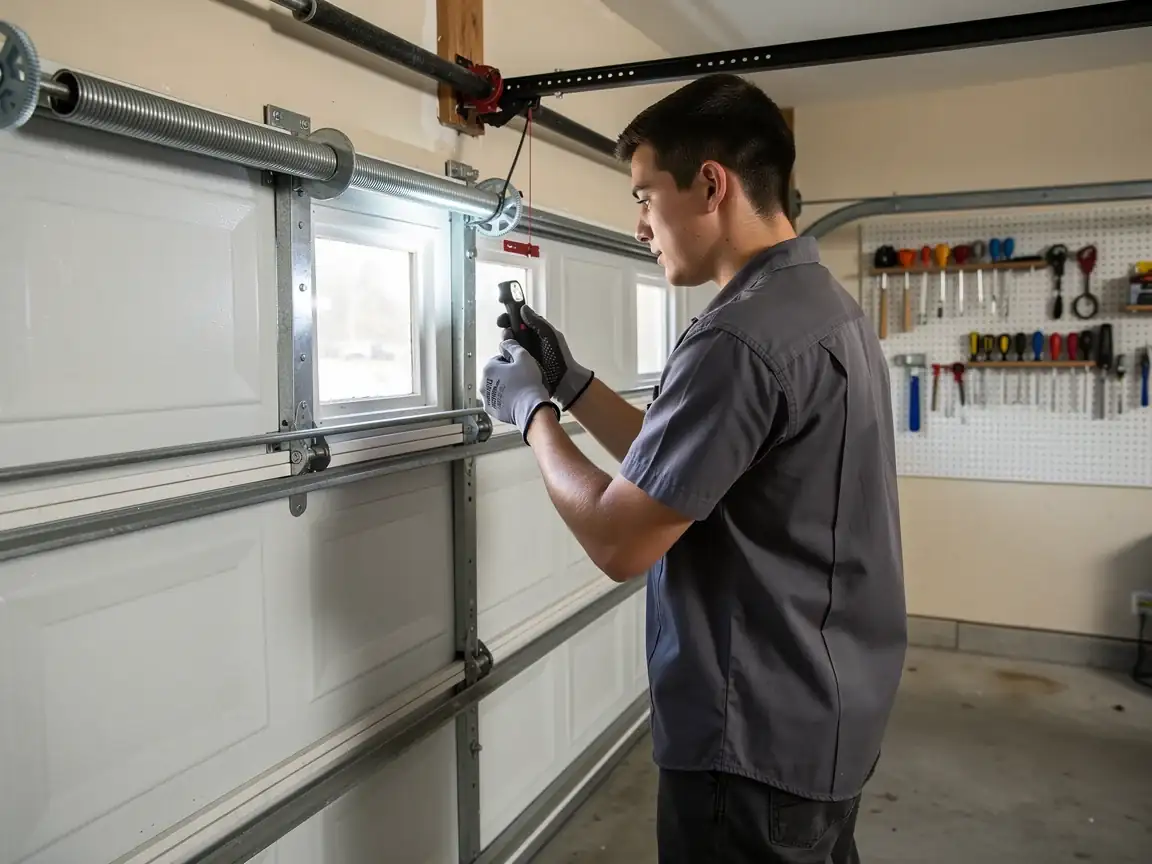
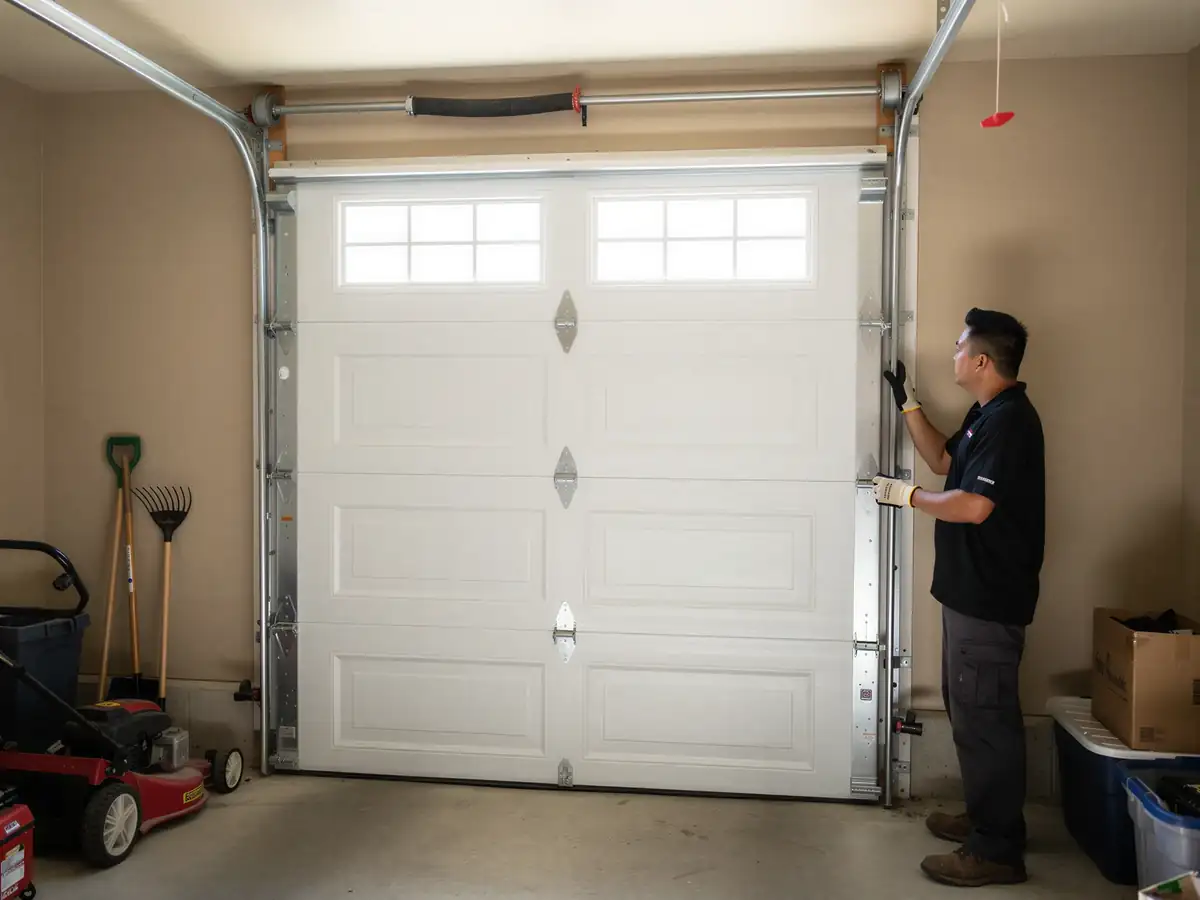
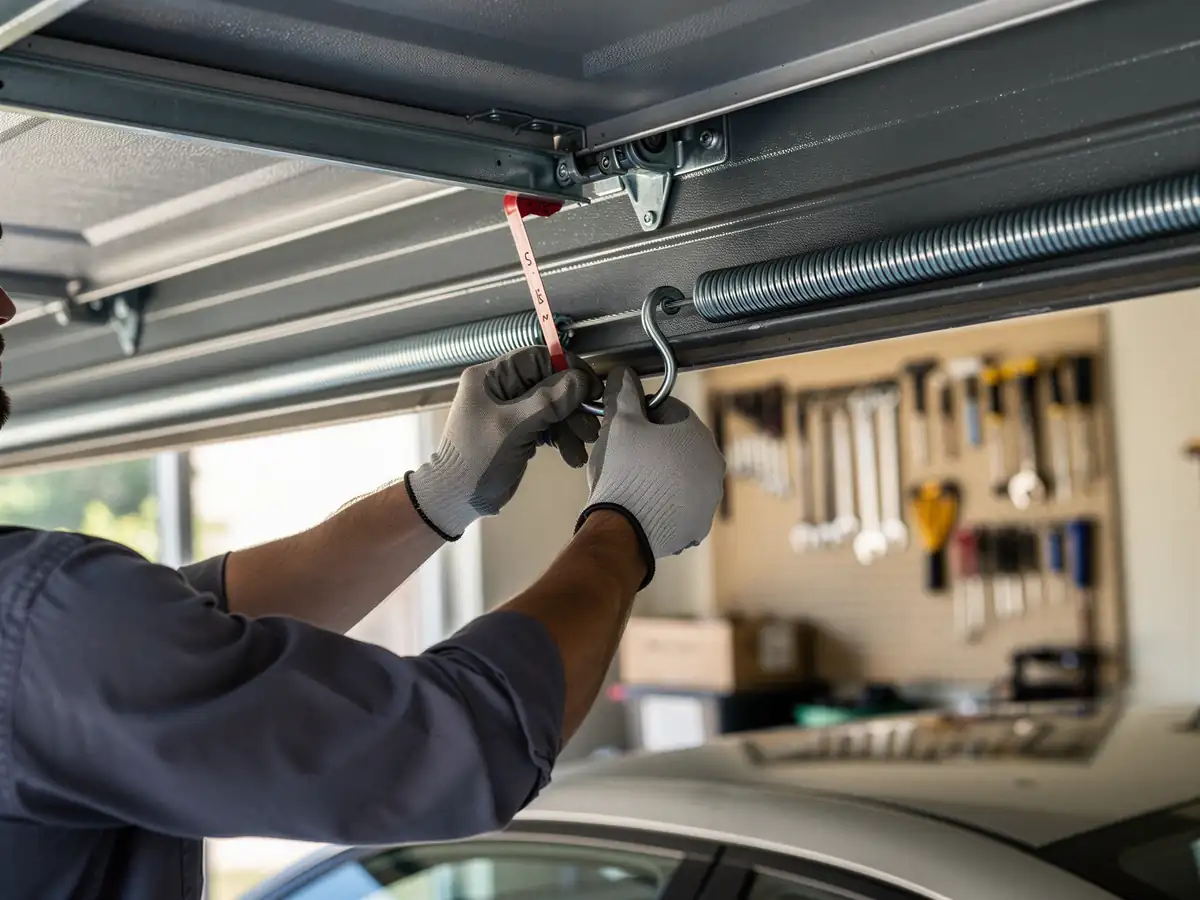
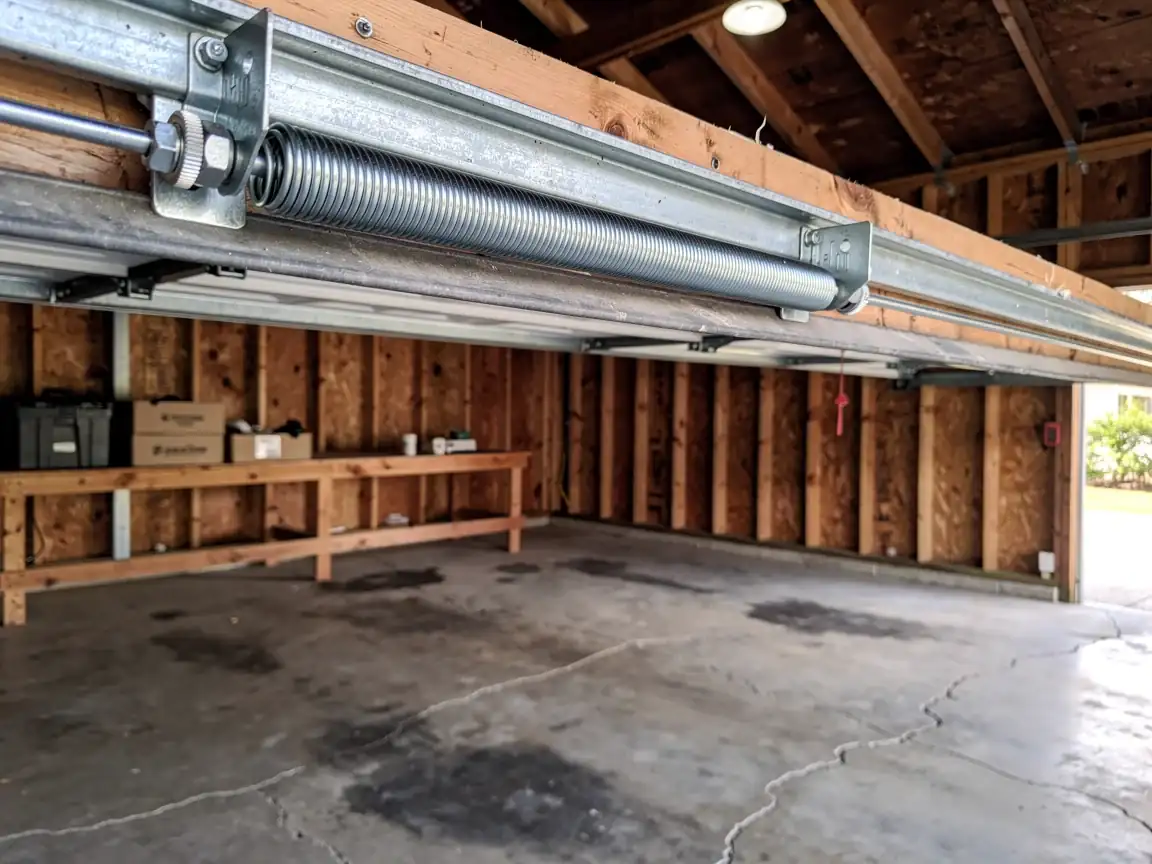
Because those three get confused with each other more than any other calls we run. A door that won't lift can be a dead opener capacitor or a broken torsion spring, and they look almost identical from the driveway. Once we know which it is, torsion spring replacement is a same-visit job on standard setups, and we match spring wire size and wind to the door weight rather than grabbing whatever's closest, since an undersized spring just fails again in a year.
For doors from the 1980s and 90s stock common in this area
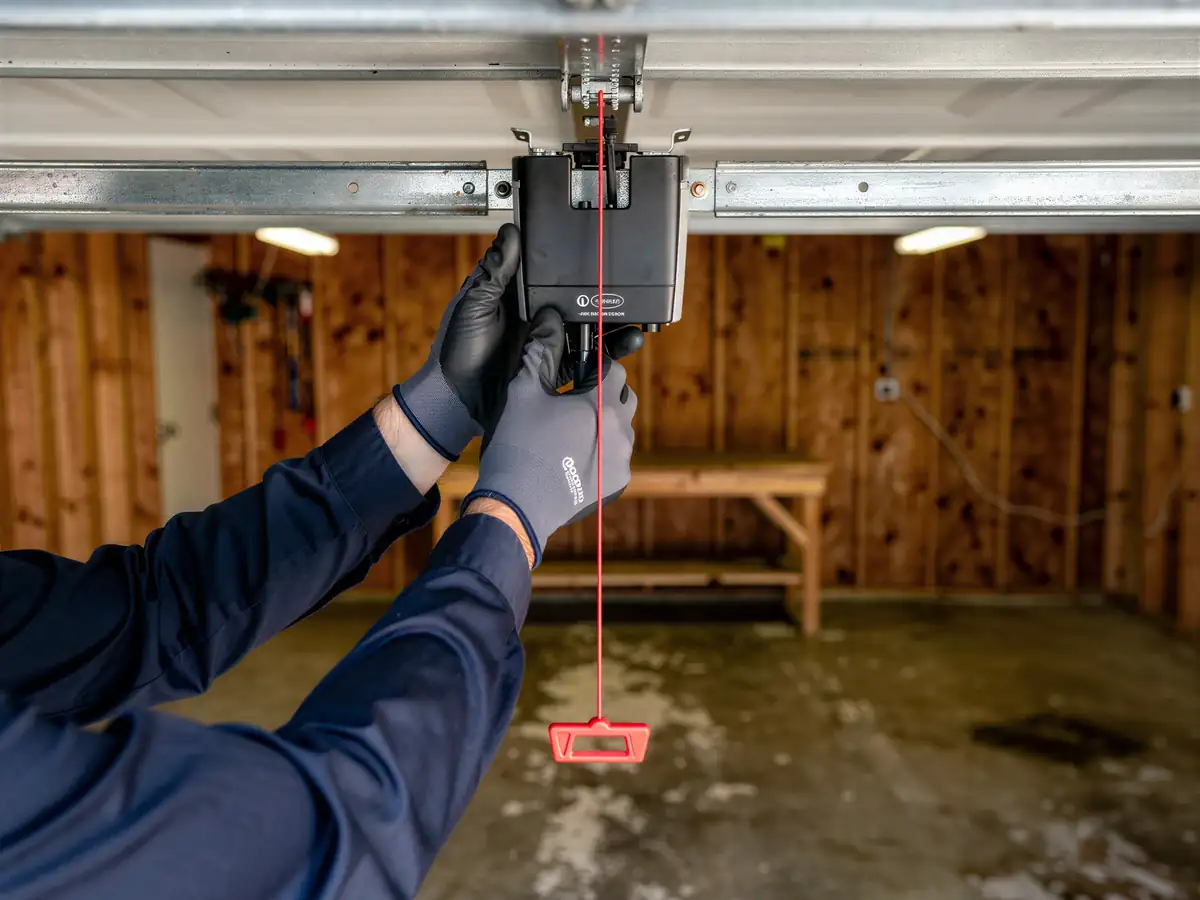
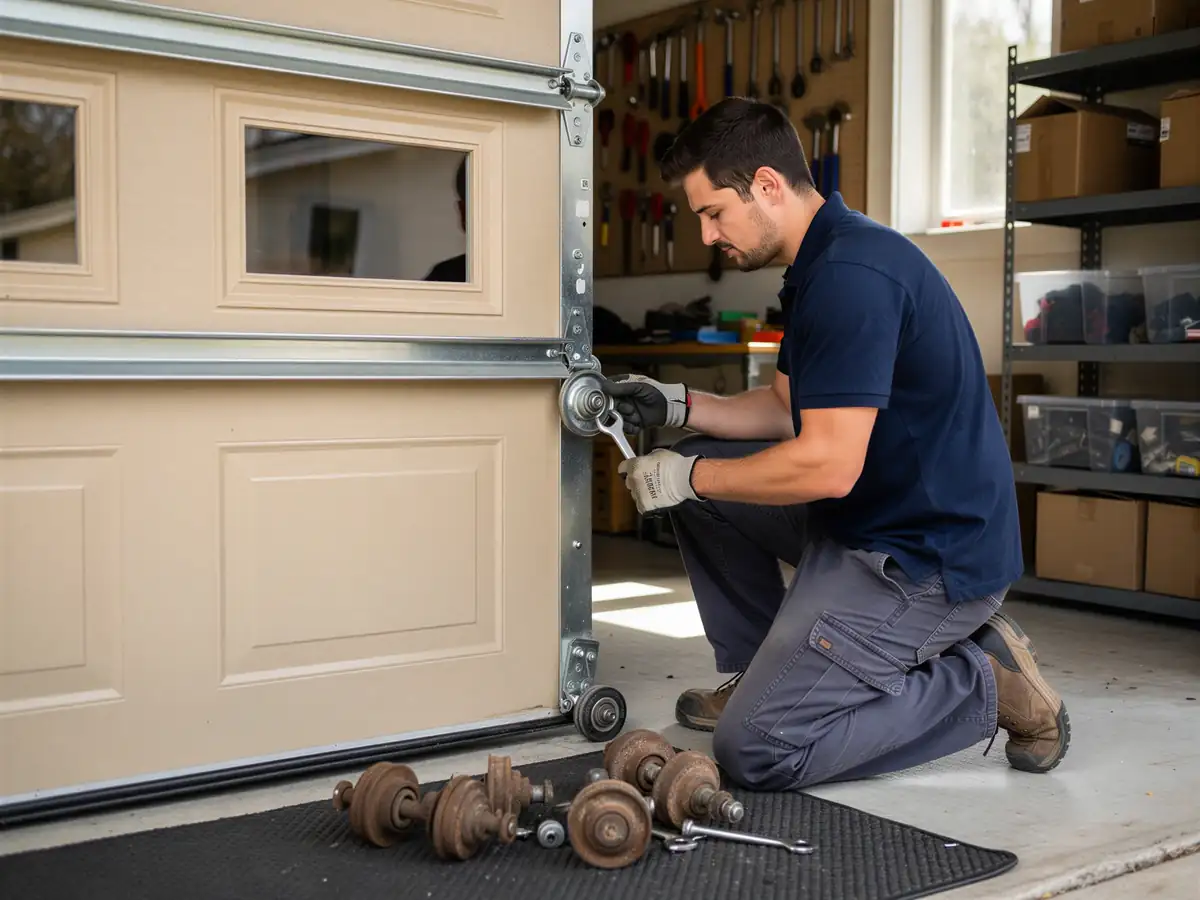
We also check cable drums and end bearing plates while we're in there, since those wear out on the same timeline as the spring and save a second call if we catch them early. Opener work usually means replacing the logic board or the whole unit rather than chasing individual relays, because parts for openers from that era are getting harder to source and labor on a board swap can cost more than a new unit.
Here's the limitation worth knowing
If your opener is an older chain-drive model and the manufacturer has discontinued the control board, we're not going to pretend we can special-order a part that doesn't exist. At that point replacement is the honest answer, not a repair quote that strings you along.
How to Book
If your door is stuck, making a grinding noise, or won't respond to the opener at all, the fastest way to get on the schedule is through our site at /. Tell us what the door is doing and roughly how old it is, since that alone usually tells us whether we're looking at a spring, opener, or track problem before the truck even shows up.
We work throughout Joliet and the surrounding area, covering towns from Shorewood and Crest Hill a few miles out to farther communities like Morris, Yorkville, and Burr Ridge. If you're not sure whether your address falls in range, just ask when you reach out and we'll tell you straight rather than guessing.
What You Are Seeing
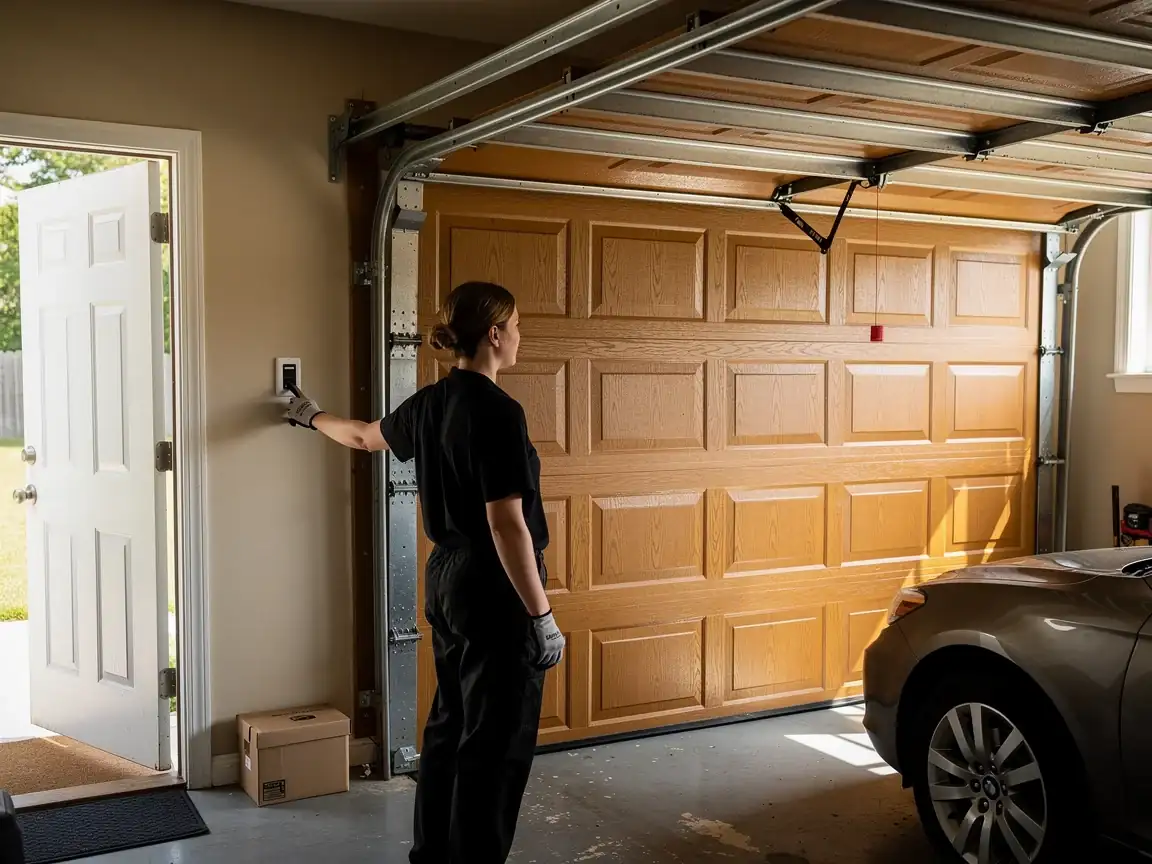
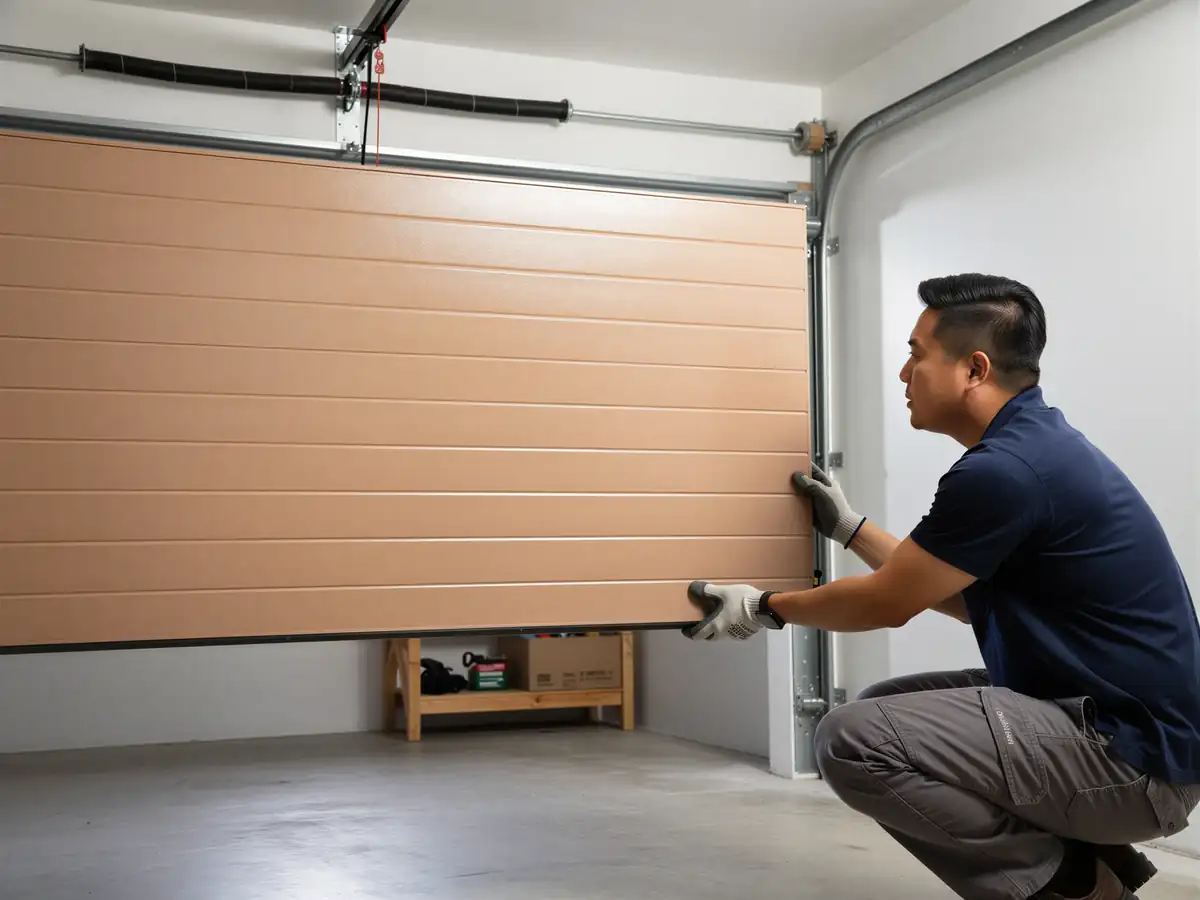
A door that reverses halfway up and won't finish the cycle is usually a spring that's lost enough tension that the opener's force sensor thinks something's blocking it. A door that drops fast at the end of its travel, or one side visibly lower than the other, points to a broken or unwinding torsion spring rather than the opener itself. If you hear a grinding or popping sound right as the door starts to move, that's often a spring near the end of its life, not the opener straining.
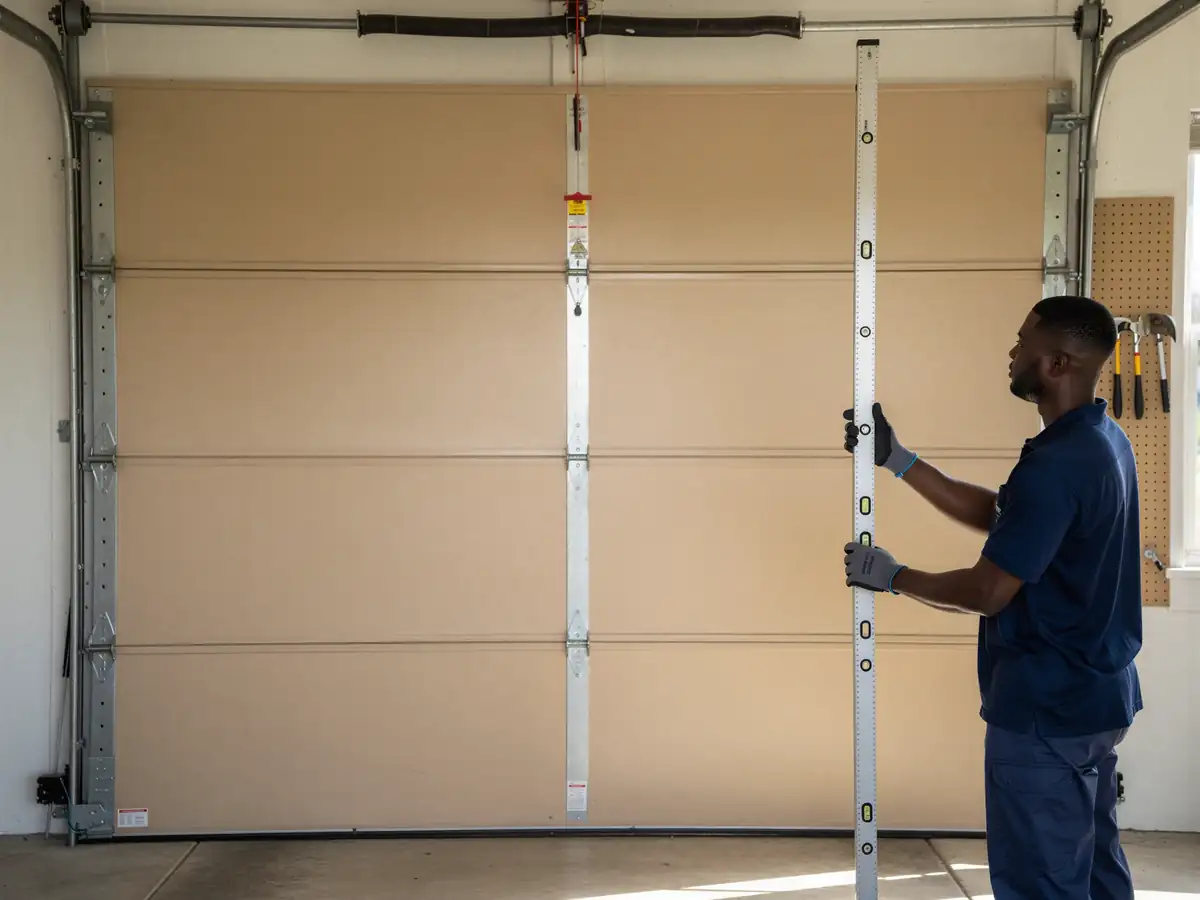
In winter specifically, watch for a door that's noticeably slower to respond to the remote, or one that stops a few inches off the ground and needs a second press to finish closing. That's common on openers from the 1980s-90s stock still running around this area, where cold temperatures slow the circuit board's response and make the door drift out of the sensor's expected range. A track that looks fine in summer but binds or rattles once temperatures drop usually means it shifted slightly out of alignment, something steel does more in a climate with real winter swings than it would somewhere milder.