What Causes It Around Here
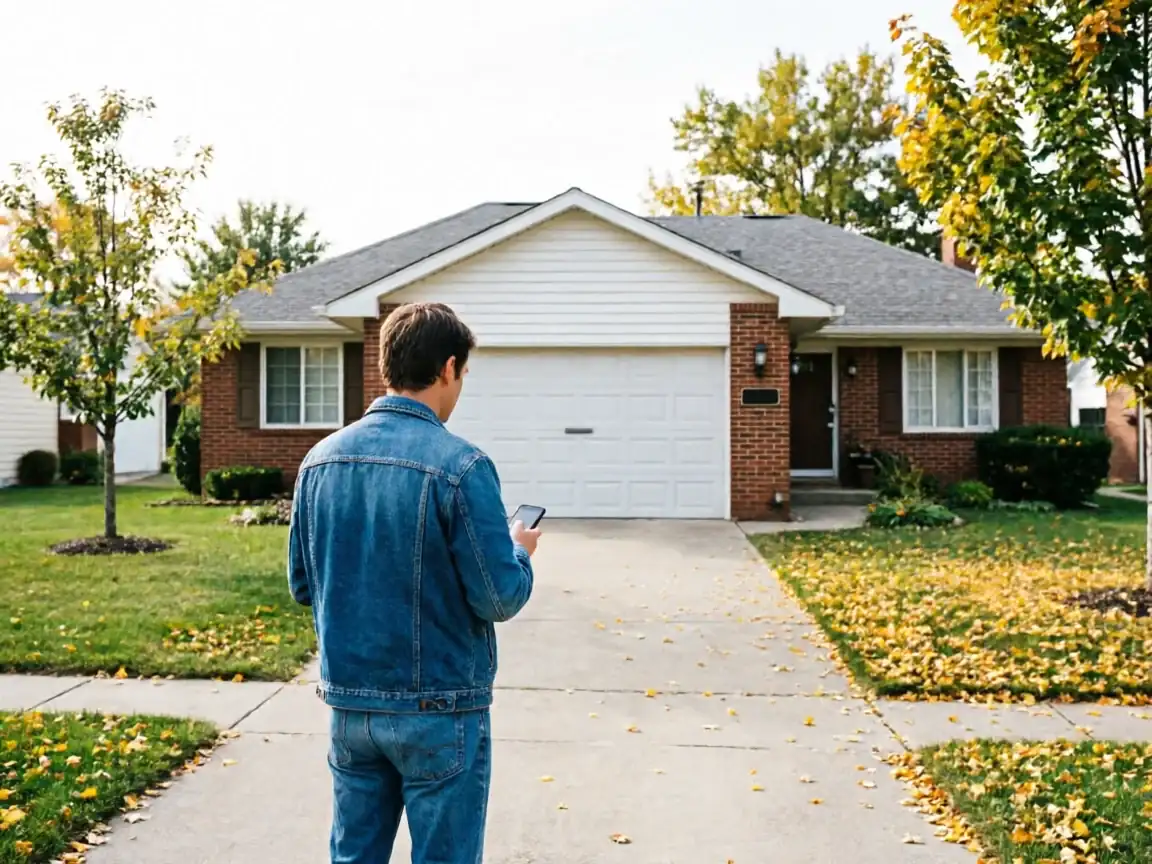
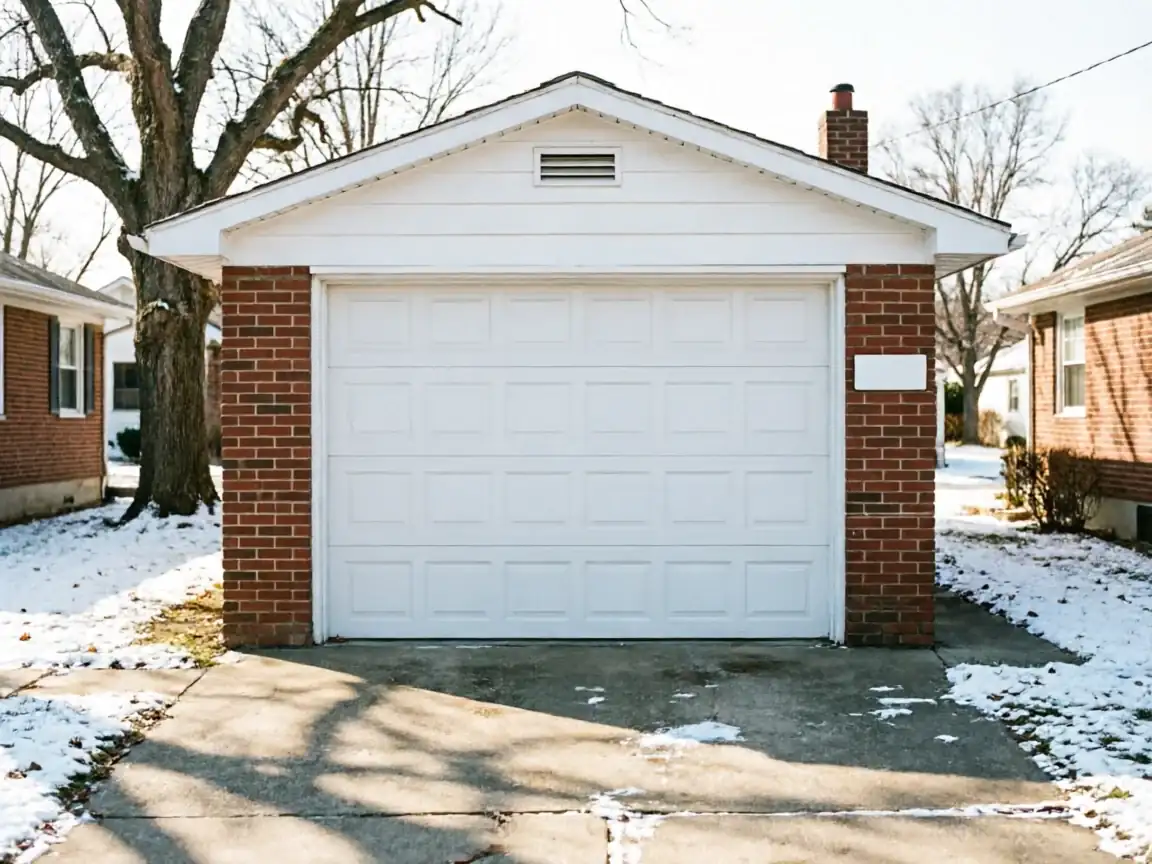
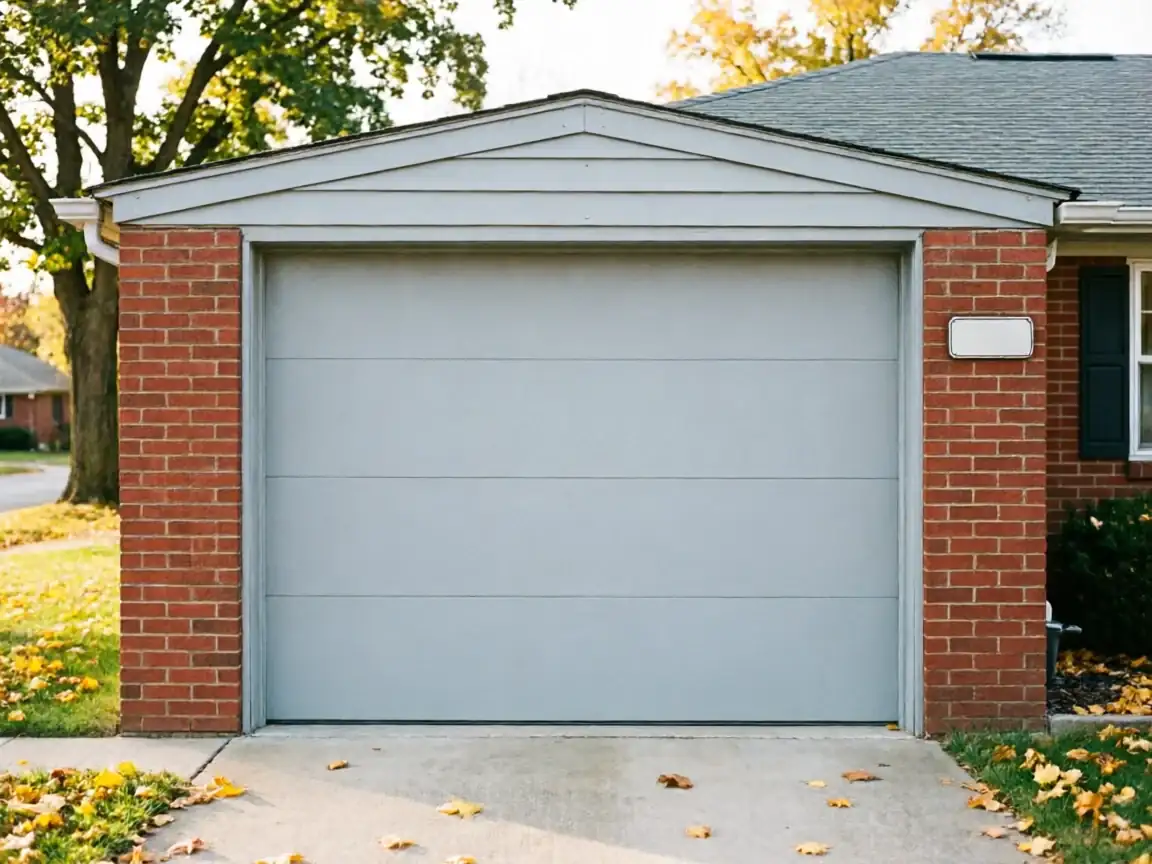
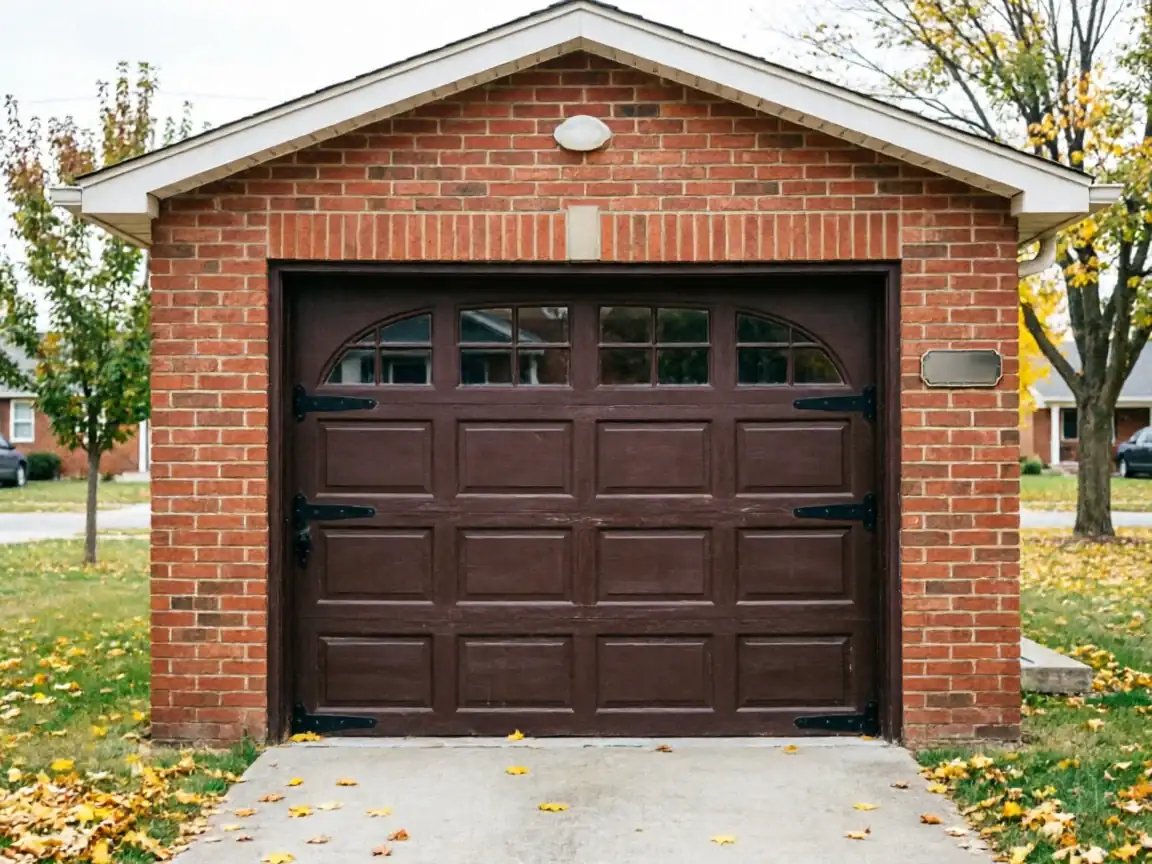
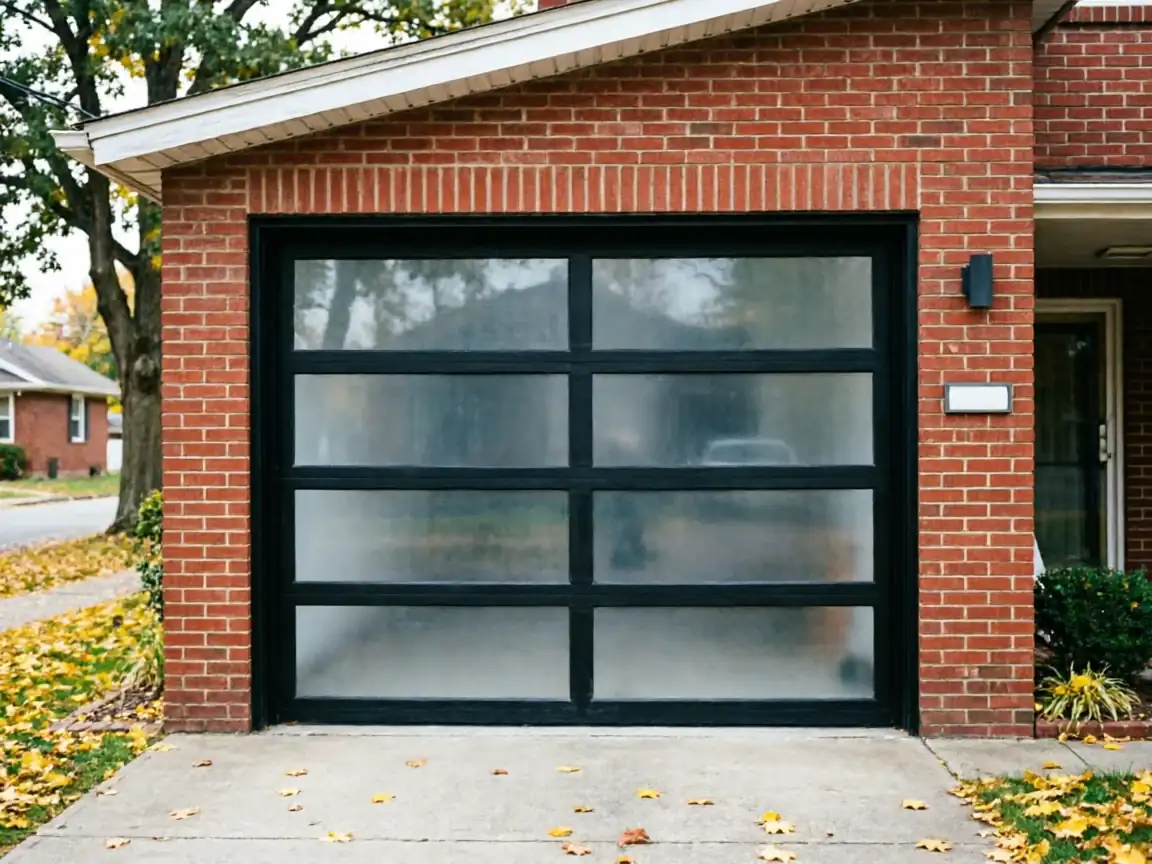
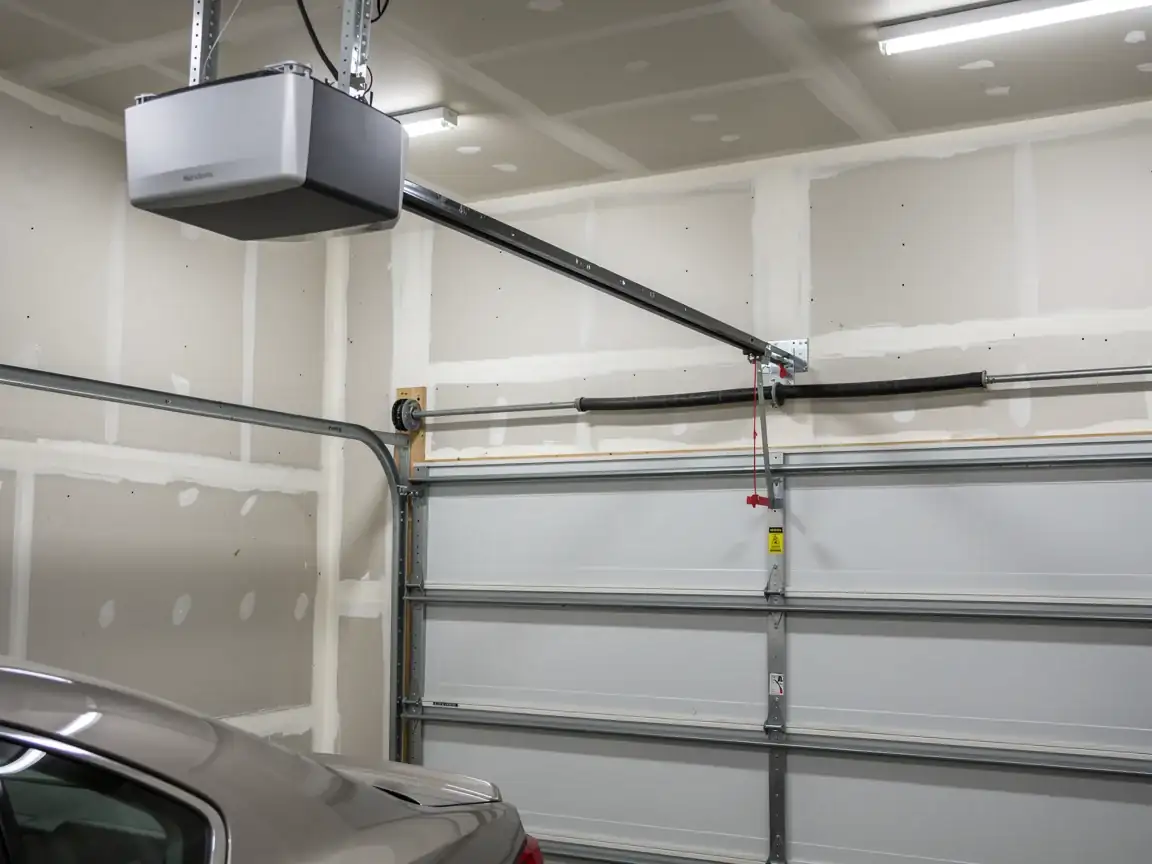
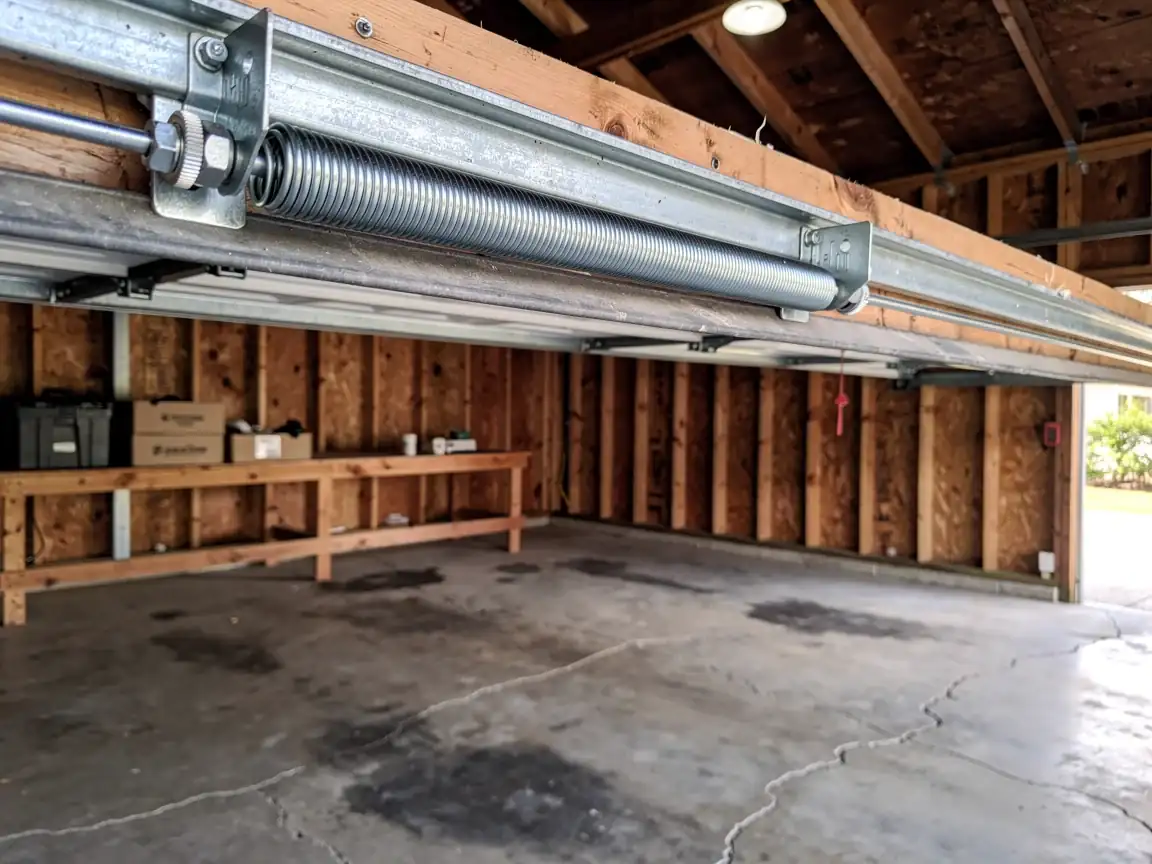
Most of the housing stock across this service area went up between 1958 and 2004, with the bulk of it from the 1980s and 90s spread over 28 named areas. That matters for emergency calls because a door installed during that window is now 20 to 60 years old, and torsion springs are rated for a number of cycles, not years. A spring that was wound in 1991 has likely outlived its rating regardless of how the door looks from the driveway.
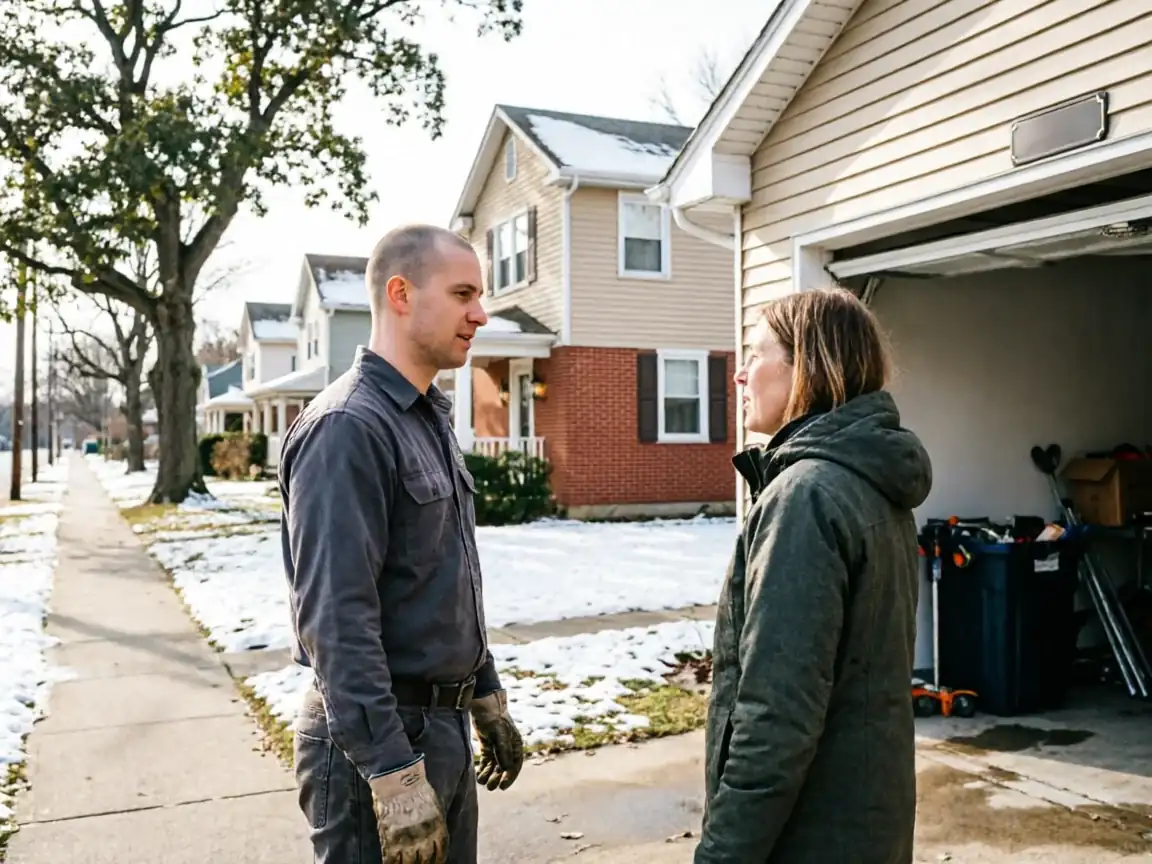
The cold moderate climate band this region sits in adds a second failure path. Steel contracts in winter, and a spring already near the end of its cycle count is more likely to snap on a sub-freezing morning than in July. Nylon rollers from that same housing-stock era go brittle for the same reason, and openers with aging capacitors can stall out trying to lift a door that's gotten heavier from a worn weatherstrip or a rusted track.
We're not saying every call is spring-related - cables fray, hinges crack, sensors get knocked out of alignment by a bumped car. But the pattern we see tracks the age of the housing, not the brand of the door. If your garage was built or last had a door put in anywhere in that 1958-2004 range, you're in the window where parts are simply due.
How We Fix It
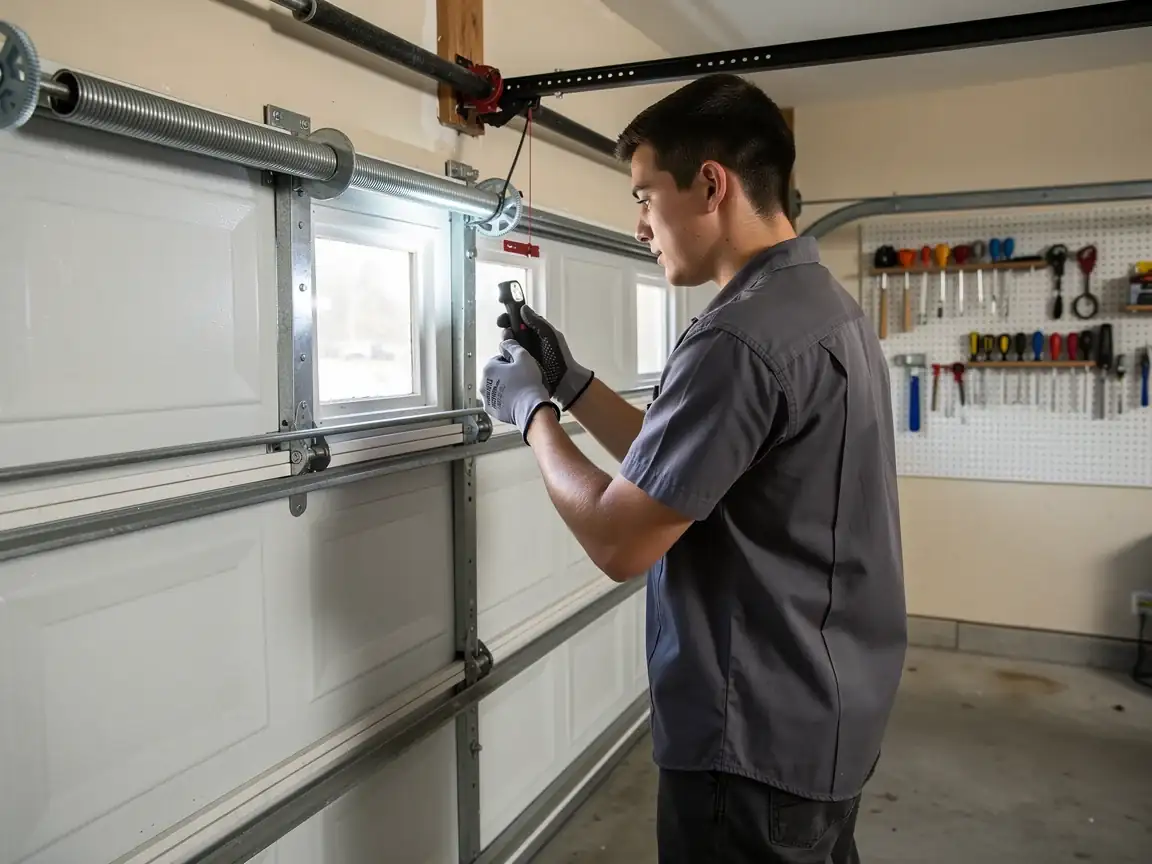
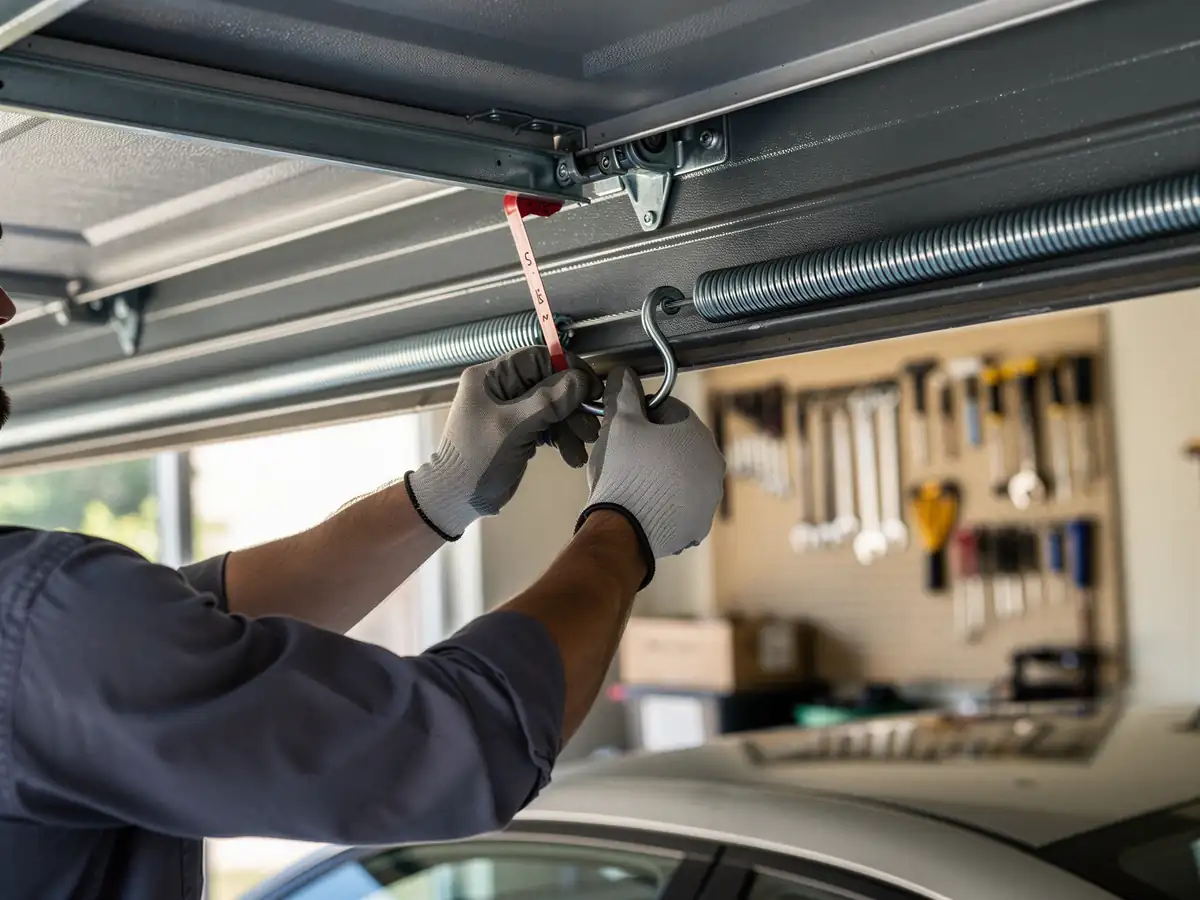
Torsion spring replacement is the most common emergency call
And it's not a job to do yourself - the spring is under enough tension to cause real injury. We match the spring to the door's weight and cycle count rather than just swapping like for like, since the original spring may have been undersized to begin with.
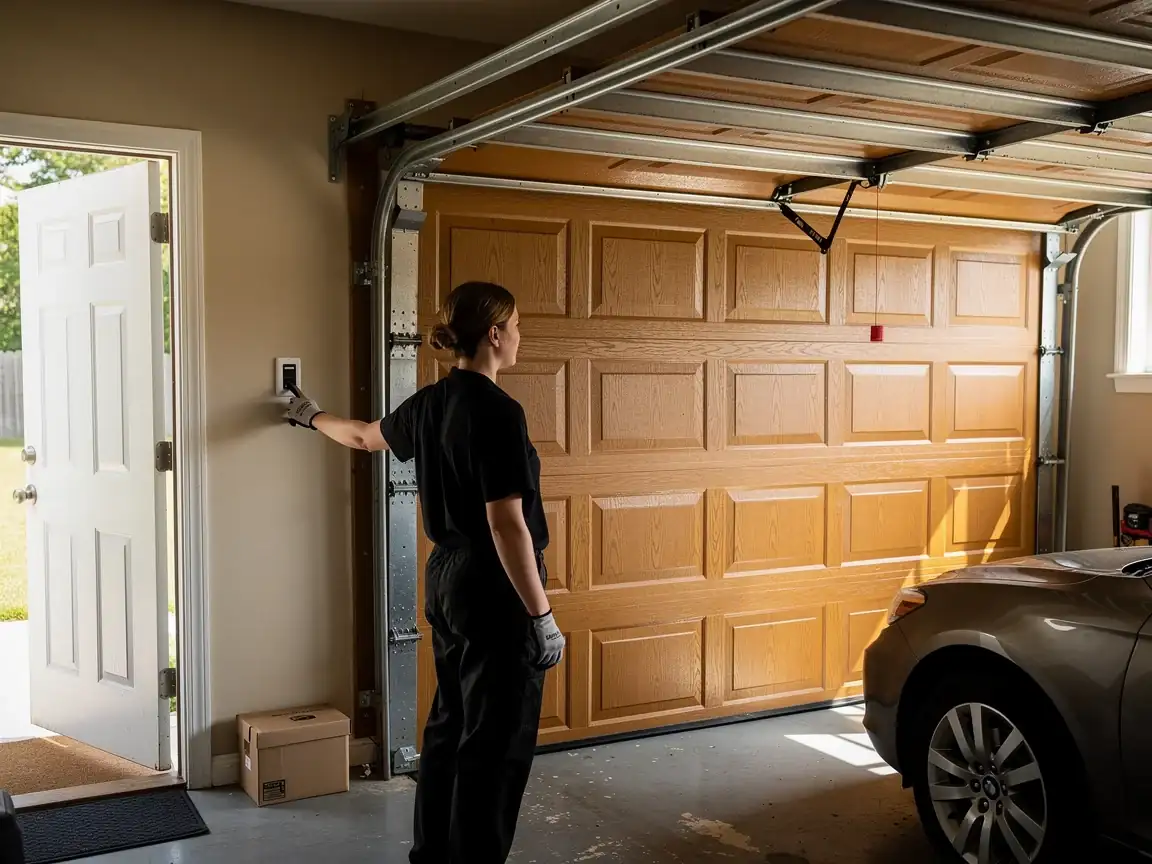
For openers that won't respond, we check the capacitor, the drive gear, and the logic board before assuming the whole unit needs replacing
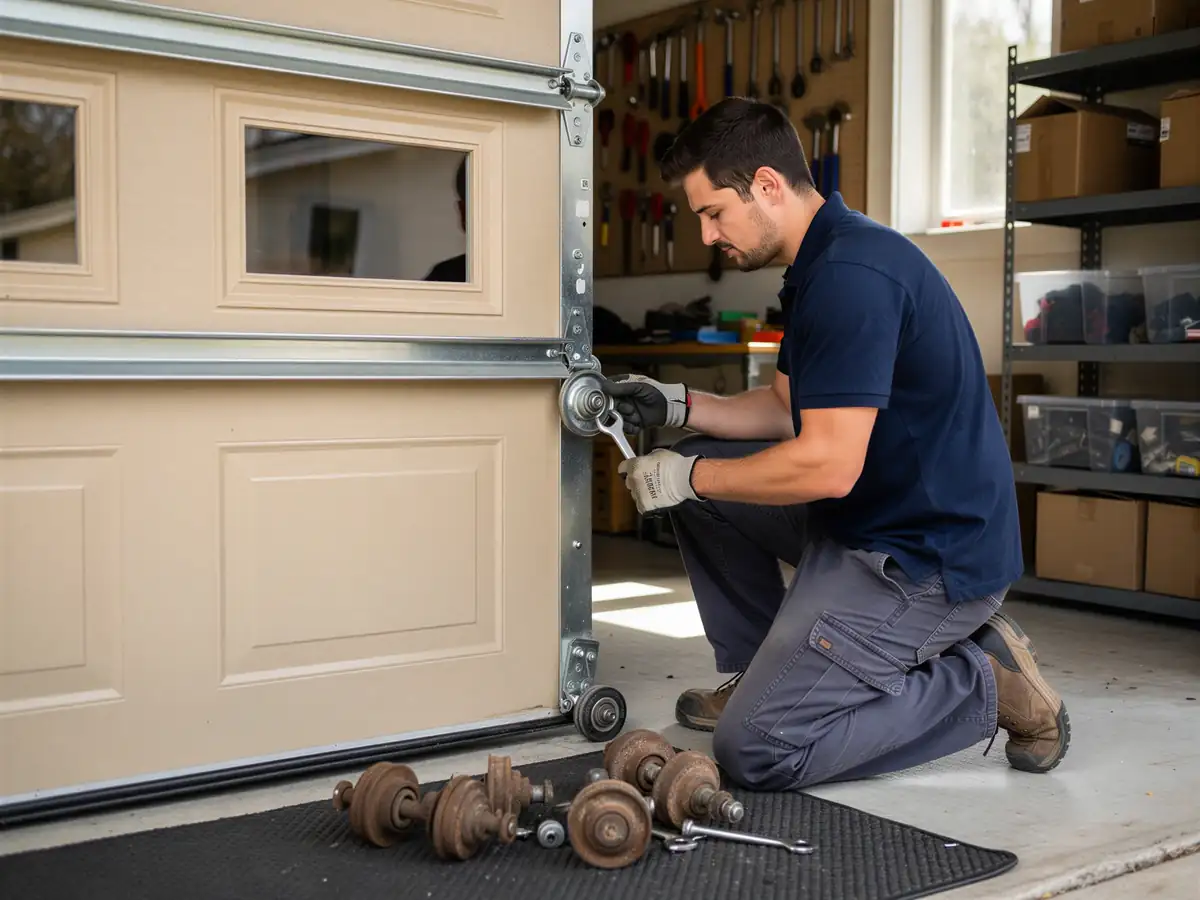
A $40 part fixes more openers than people expect. Broken cables get replaced in pairs, not one at a time, since the second cable is usually close behind the first.
One honest limitation
If a panel is cracked or a track is bent beyond a certain point, patching it costs nearly as much as replacing the door, and we'll tell you that instead of billing you twice. We also don't stock every opener model on the truck - if yours is an older or less common unit, the part may need to be ordered, which can push a same-day fix to a couple of days.
How to Book
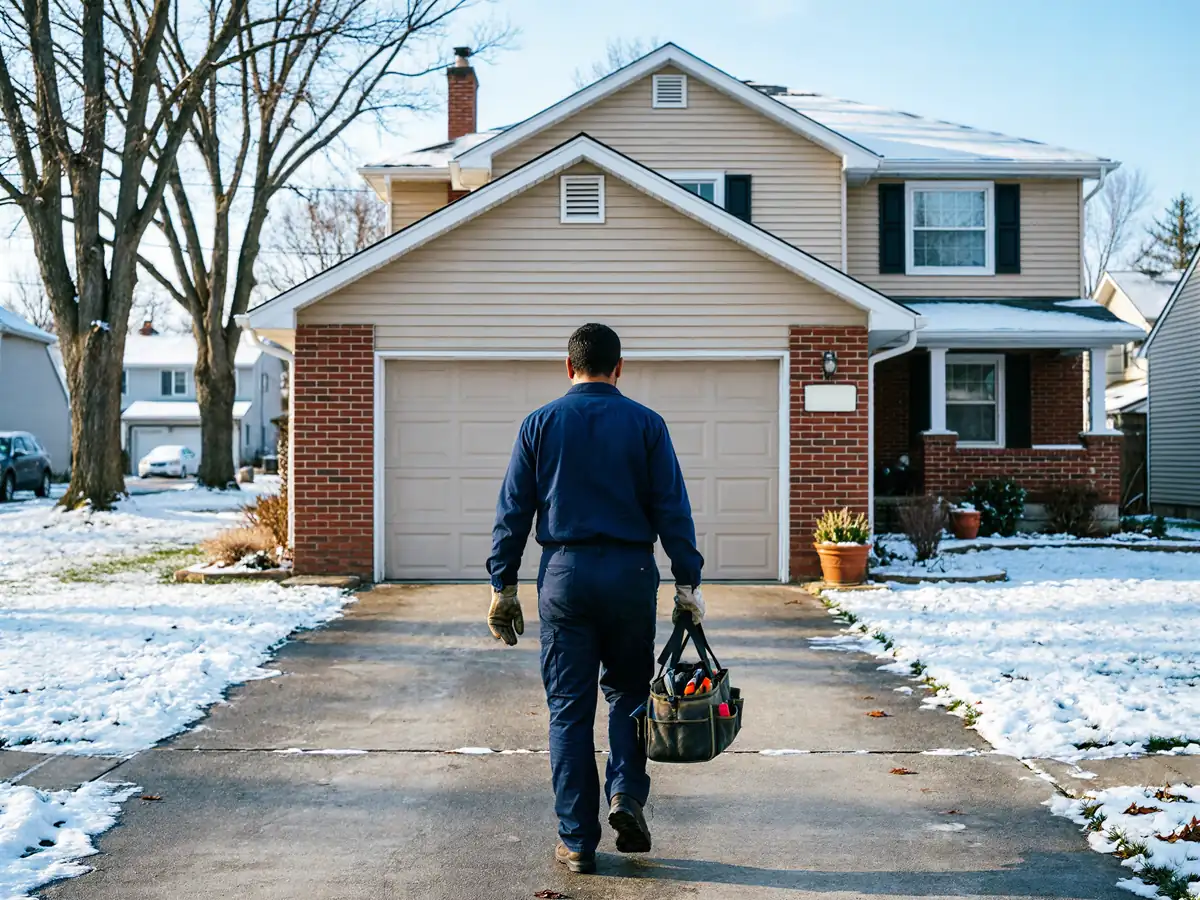
Call and describe what you're seeing - a door that won't move, a loud bang followed by the door going slack, or an opener that hums but doesn't lift. That tells us what to load on the truck before we're on the road, which saves a second trip. We serve homeowners across the Joliet area, from Shorewood and Crest Hill a few miles out to Lockport, Romeoville, and the towns further along like Minooka, Channahon, and Mokena. If you're not sure we cover your address, just ask when you call.
Have the door's age or the opener brand handy if you know it - it's not required, but it speeds up diagnosis once we're on site.
What You Are Seeing
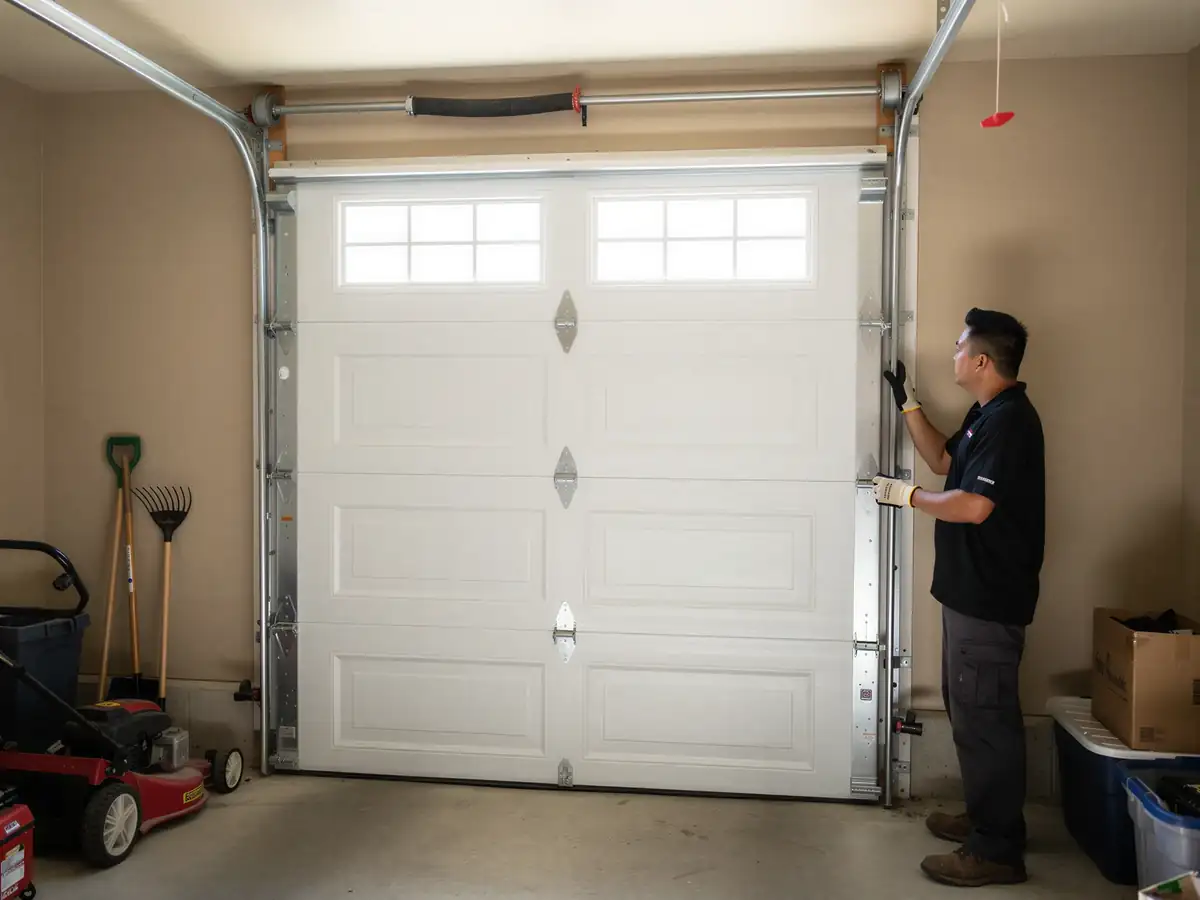
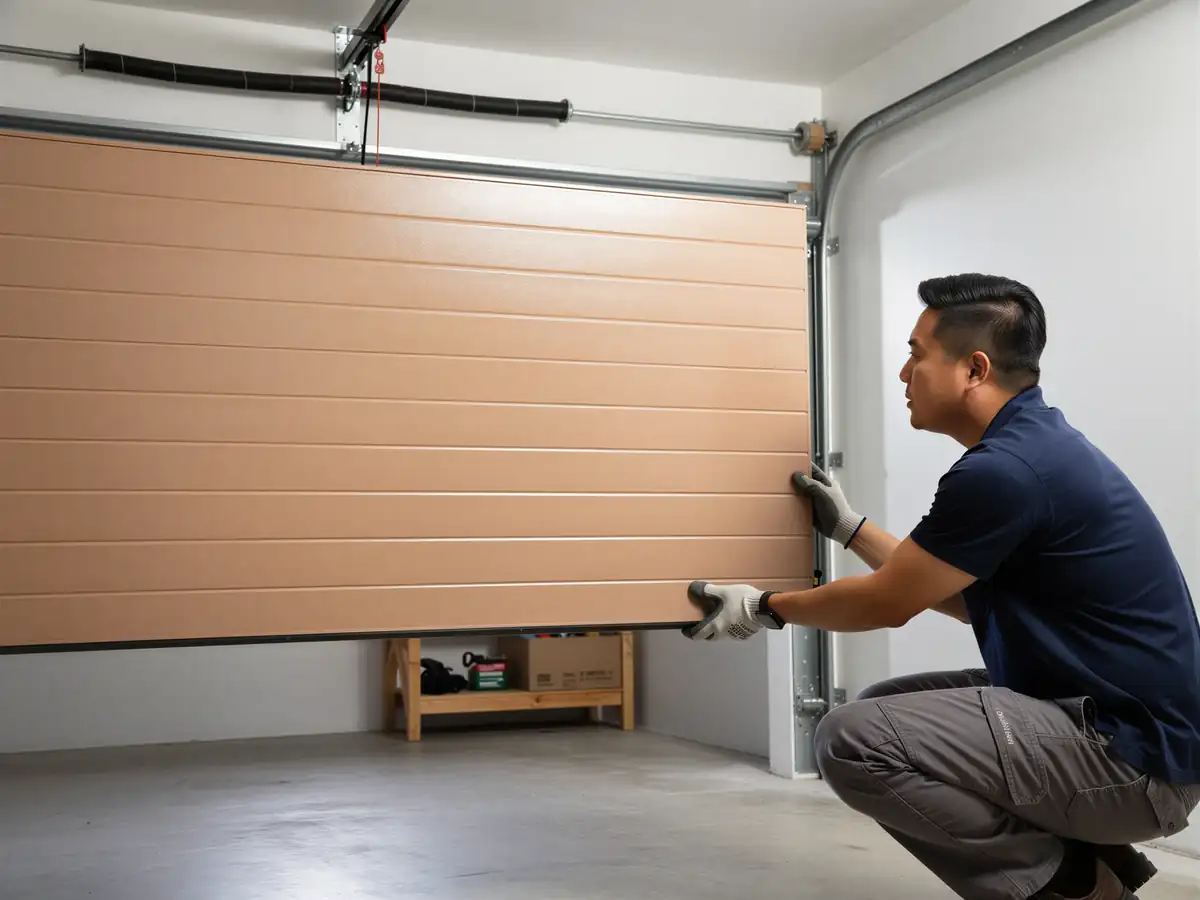
A door that drops suddenly and won't catch is almost always a broken torsion spring - you'll often hear a bang like a gunshot moments before. A door that moves a few inches and stops is usually the opener's travel limits or a safety sensor knocked out of alignment, not the spring. Cables that look frayed or have come off the drum mean the door is structurally unsupported on one side; don't force it open or closed.
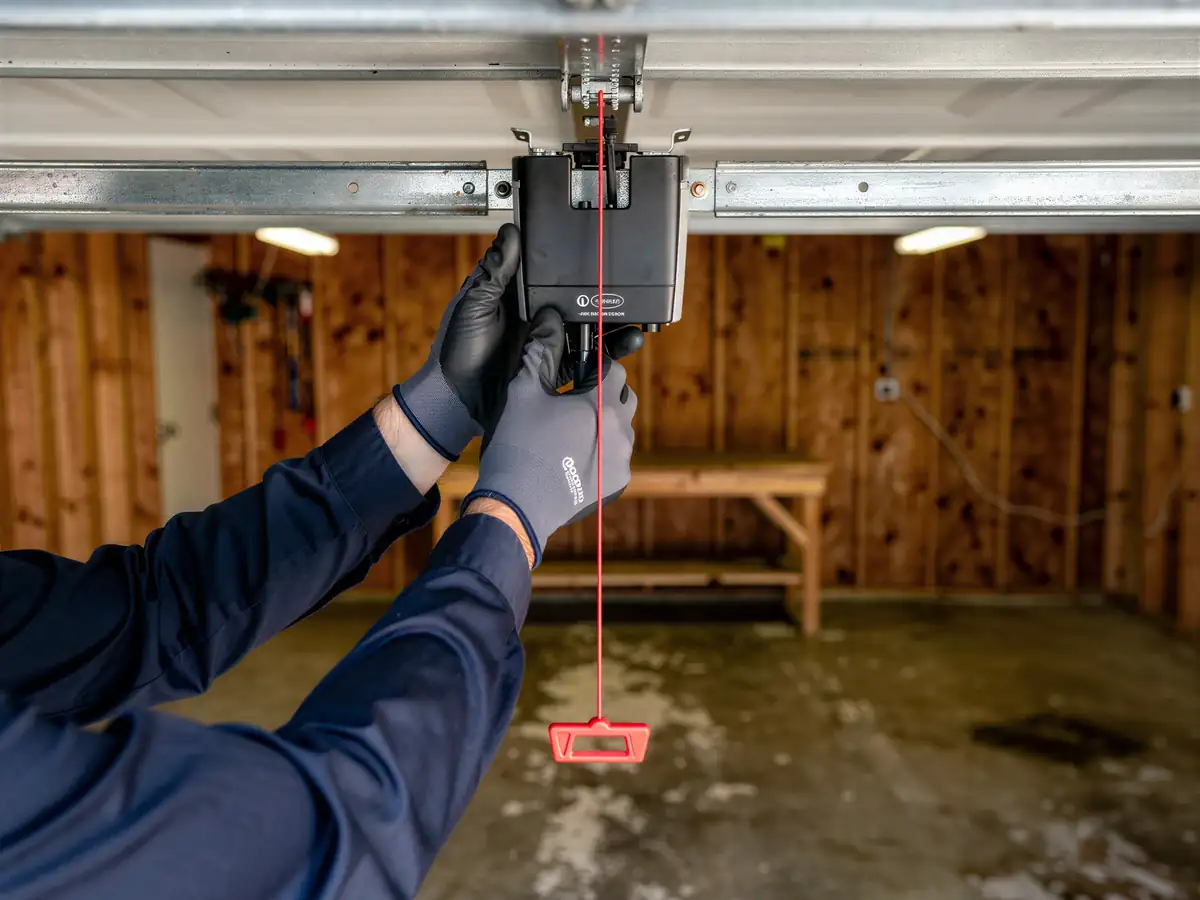
If the opener runs but the door doesn't move, check whether the trolley has disengaged from the carriage - a red emergency release cord sometimes gets pulled by accident. A door that's noticeably harder to lift than it used to be, even by hand, points to a weakening spring before it fully breaks, which is the cheaper time to call. Given how much of the local housing stock is now 20 to 60 years past its build date, a door that suddenly feels heavier is worth a call before it fails outright on a cold morning.