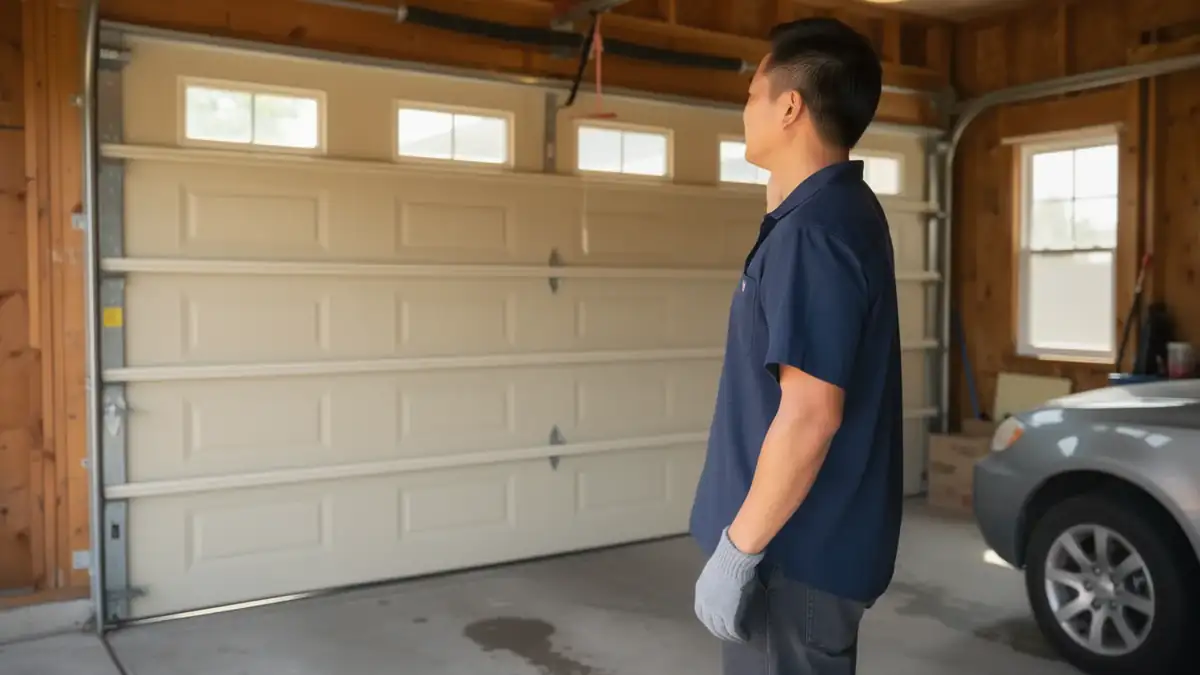
What Is Going On
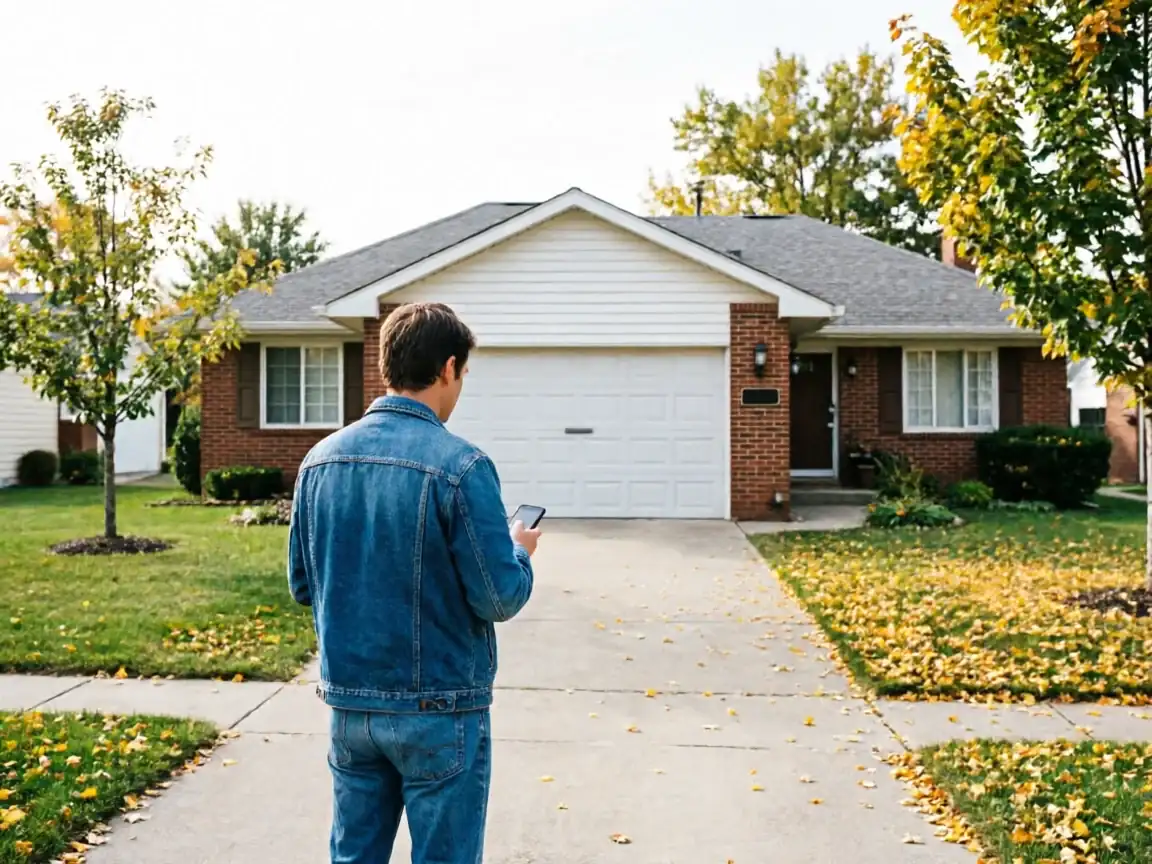
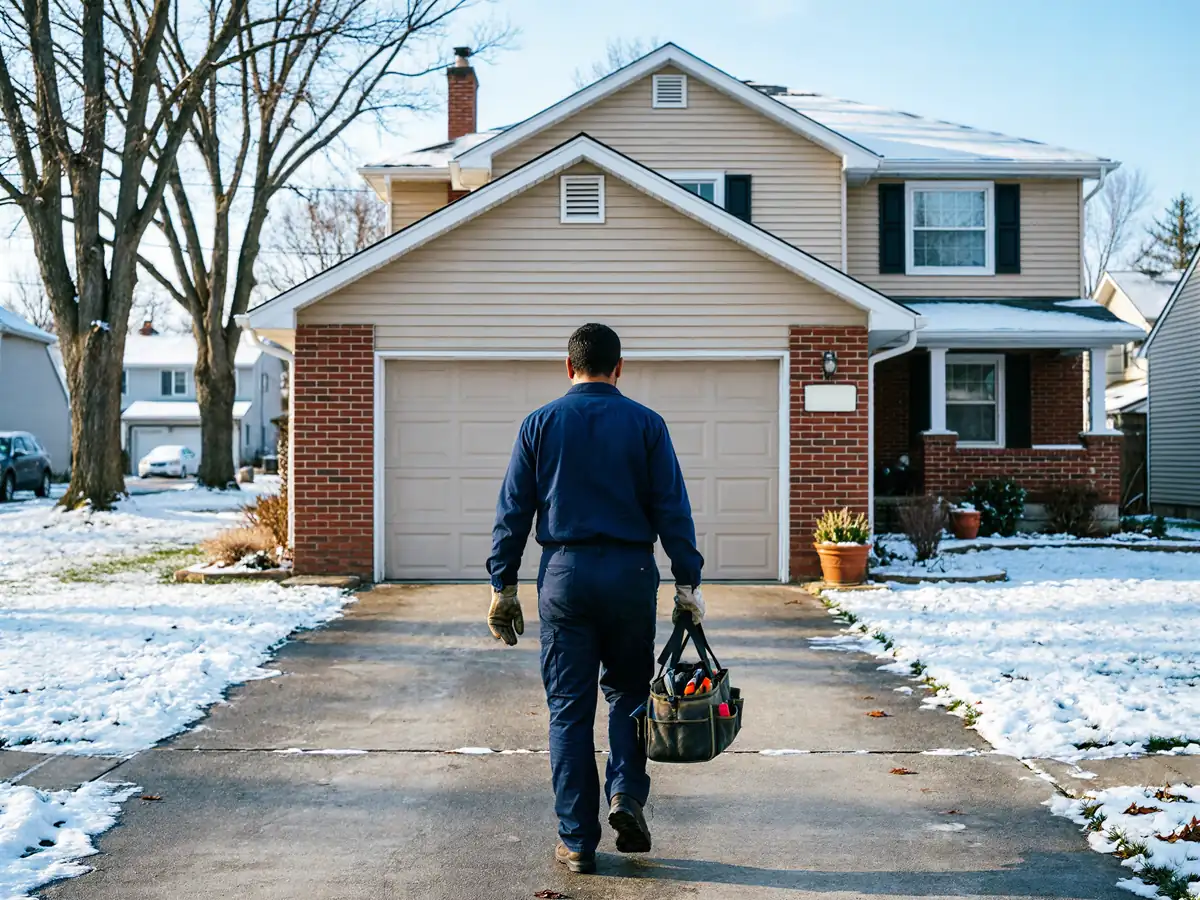
Most of the houses on this side of Joliet went up somewhere between 1958 and 2004, and the thick middle of that range is the 1980s and 90s. That's not trivia - it tells you what's hanging above your car. A door and opener installed when the house was built, or even once replaced since, is now old enough that the parts inside it are reaching the end of their rated cycles at roughly the same time across whole blocks. When one neighbor's spring goes, the one three doors down often isn't far behind, because the hardware is the same age.
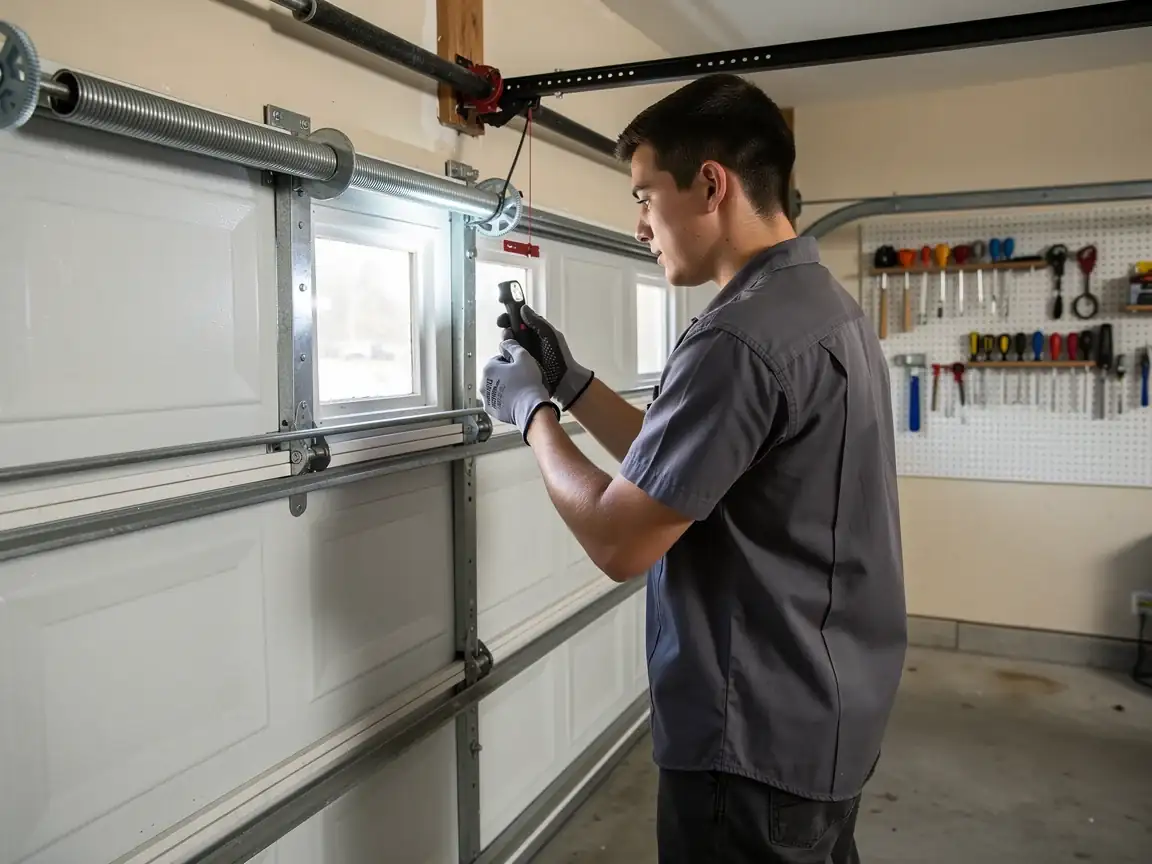
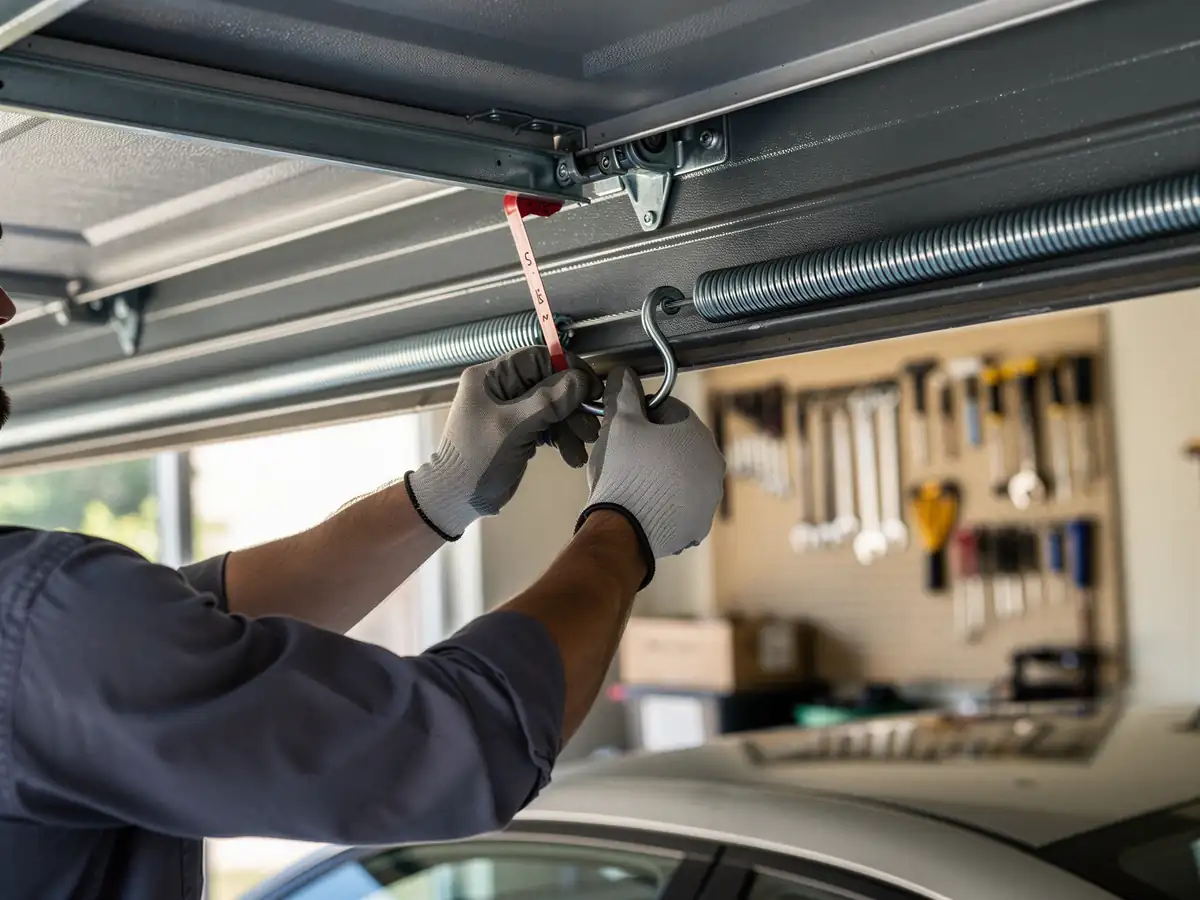
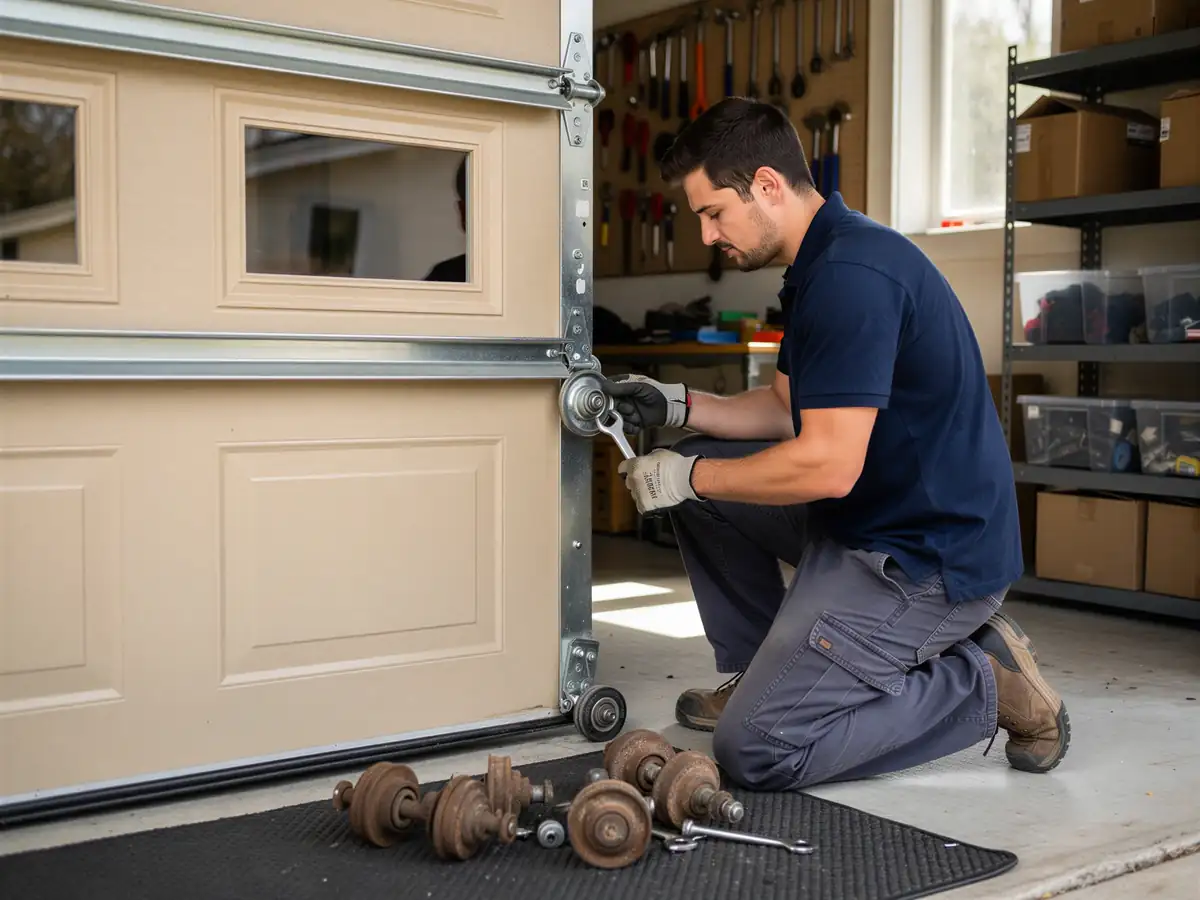
A new noise is the door telling you something changed. A rhythmic thump once per rotation usually means a flat spot on a roller. A sharp bang followed by the door refusing to lift is almost always a broken torsion spring - common on doors from that 80s/90s build wave because the springs are original or close to it. A grinding sound from the motor unit, not the door itself, points to worn gears inside an aging opener rather than anything wrong with the door panels. None of these are mysteries once you know the age of what you're listening to.
What the Weather Here Does to It
Joliet sits in a cold, moderate climate band, and that matters more to a garage door than most owners think
Steel contracts in winter. A torsion spring wound to spec in July sits under different tension in January, and that shift shows up as a change in pitch - a squeal that wasn't there in summer, or a groan on the way up that fades once the door's been run a few times and the metal warms slightly from friction.
Cold also stiffens old grease
Lubricant that moved fine on the rollers and hinges in warmer months can thicken enough in winter to make a door that was quiet in October start chattering in December. That's not a new mechanical problem - it's the same old grease behaving differently in the cold. And condensation on a cold track, especially after a quick temperature swing, can freeze into a thin film that makes the rollers skip instead of roll, producing a stutter you'll hear before you see.
None of this means the door is failing
It means the cold is exposing wear that was already there.
When to Get Help
Some noises are fine to live with for a while. Others aren't. A single bang followed by the door sitting dead on the track, refusing to budge even with the opener running, is a broken spring - stop using the opener, because without the spring doing its job the motor will try to lift the full weight of the door and strip itself trying. That's not a repair you want to do yourself; a wound torsion spring under tension is genuinely dangerous without the right bars and experience, and we'll say that plainly rather than pretend otherwise.
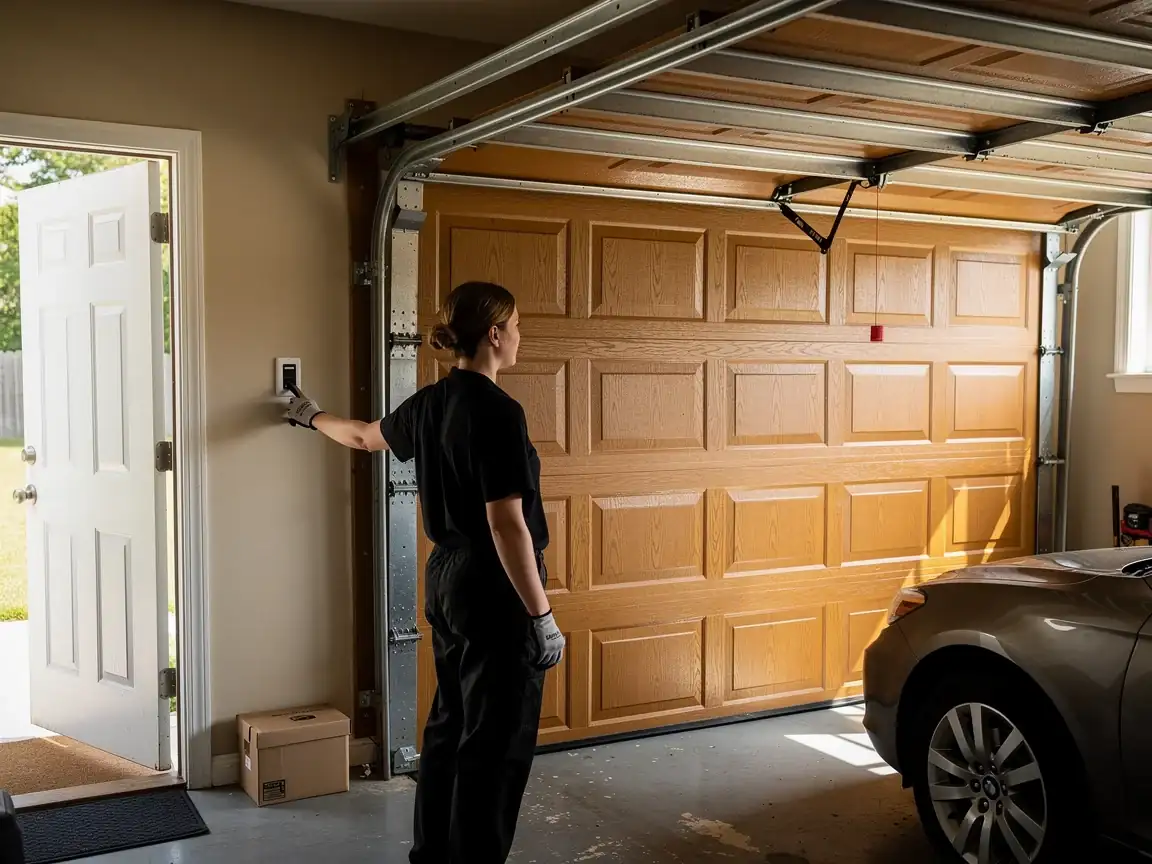
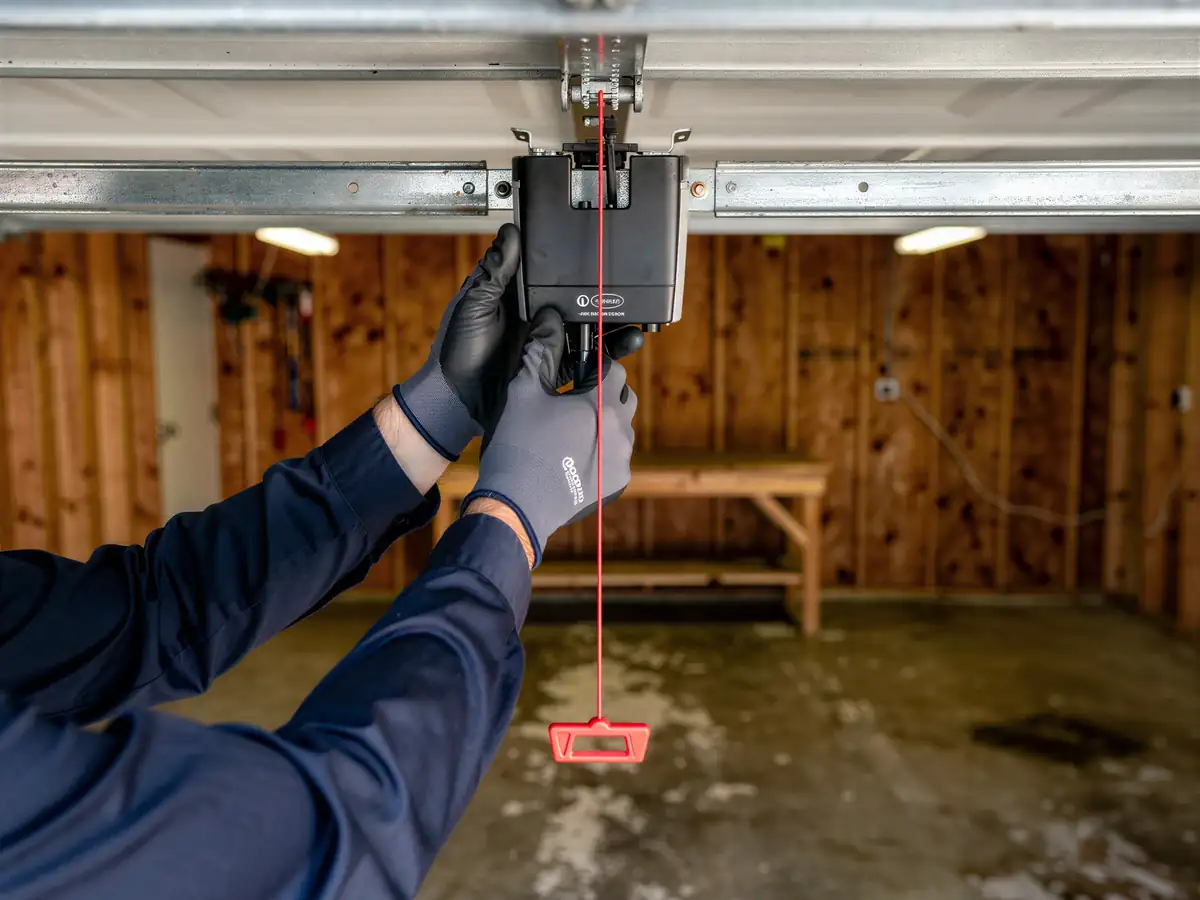
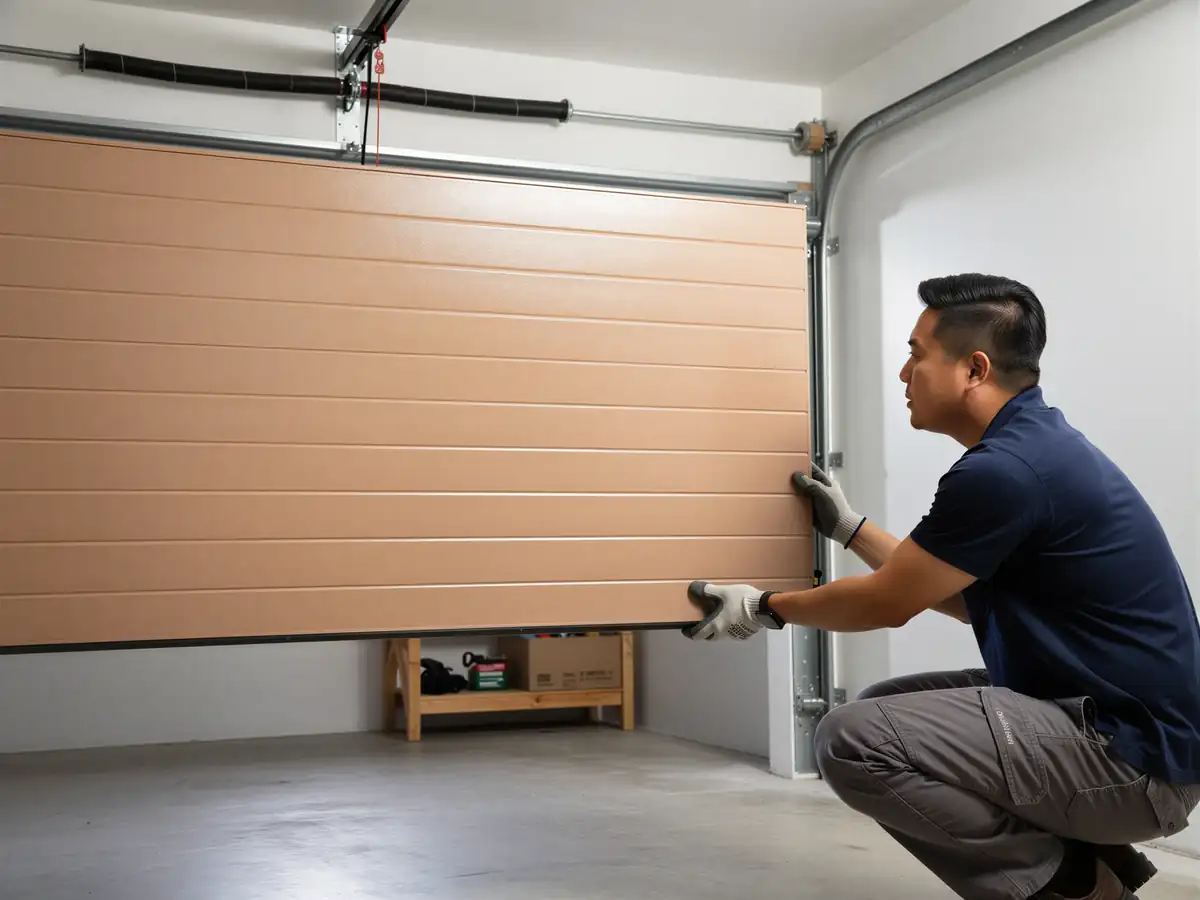
A grinding or whining from the motor housing that gets louder over days, not just in cold snaps, usually means the gear set inside the opener is wearing out - worth a look before it quits mid-lift with the door half open. A frayed cable makes a distinct popping or snapping sound as strands break one at a time; if you see rust-colored threads near the bottom bracket, that's your cable, not your imagination.
If you're not sure which of these you're hearing, describe it over the phone before you decide whether it waits until morning. You can reach us at /.
The Seasonal Bit
Given how many houses here date to the 1980s and 90s, and given Joliet's cold winters, the seasonal pattern is pretty consistent: complaints spike in the first hard cold stretch of the year and again when it warms back up and the metal readjusts the other direction. If your door has been quiet all summer and starts talking to you in November, that's the age of the hardware meeting the season, not a coincidence.
The honest limitation here: lubricating hinges and rollers yourself with a garage-door-rated spray before the cold sets in will quiet a lot of minor noise, but it won't fix a spring that's already fatigued or a gear set that's already stripped. Maintenance slows the clock on 20 and 30-year-old hardware; it doesn't reset it. If your door was already original when the house was built decades ago, a seasonal tune-up is buying time, not solving the underlying age of the parts.