What You Are Seeing
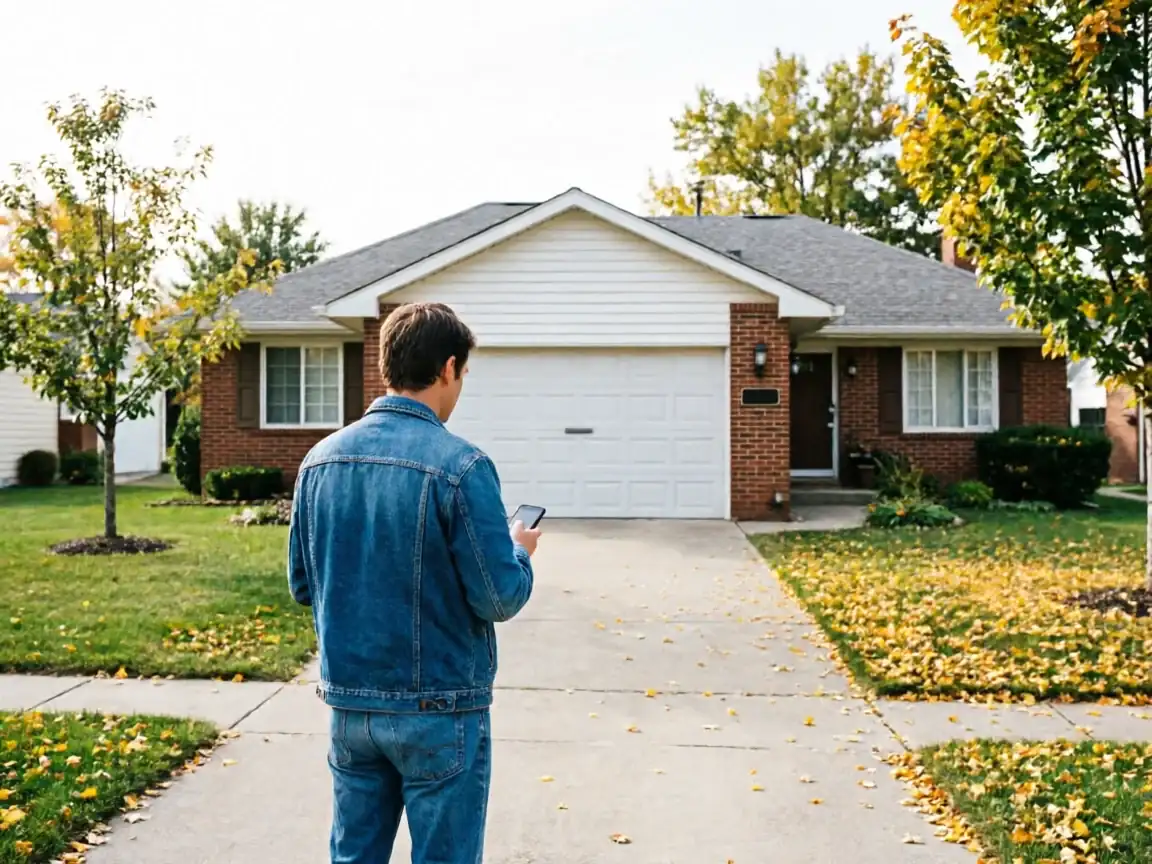
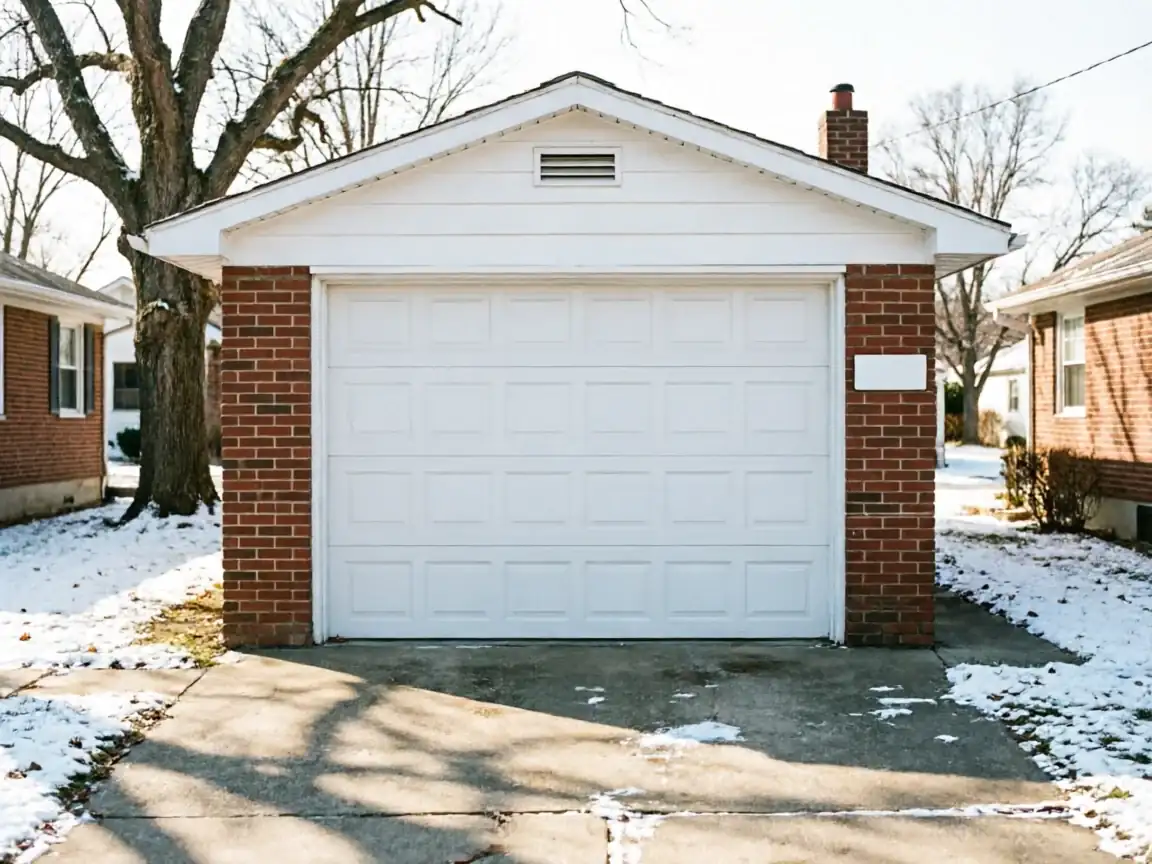
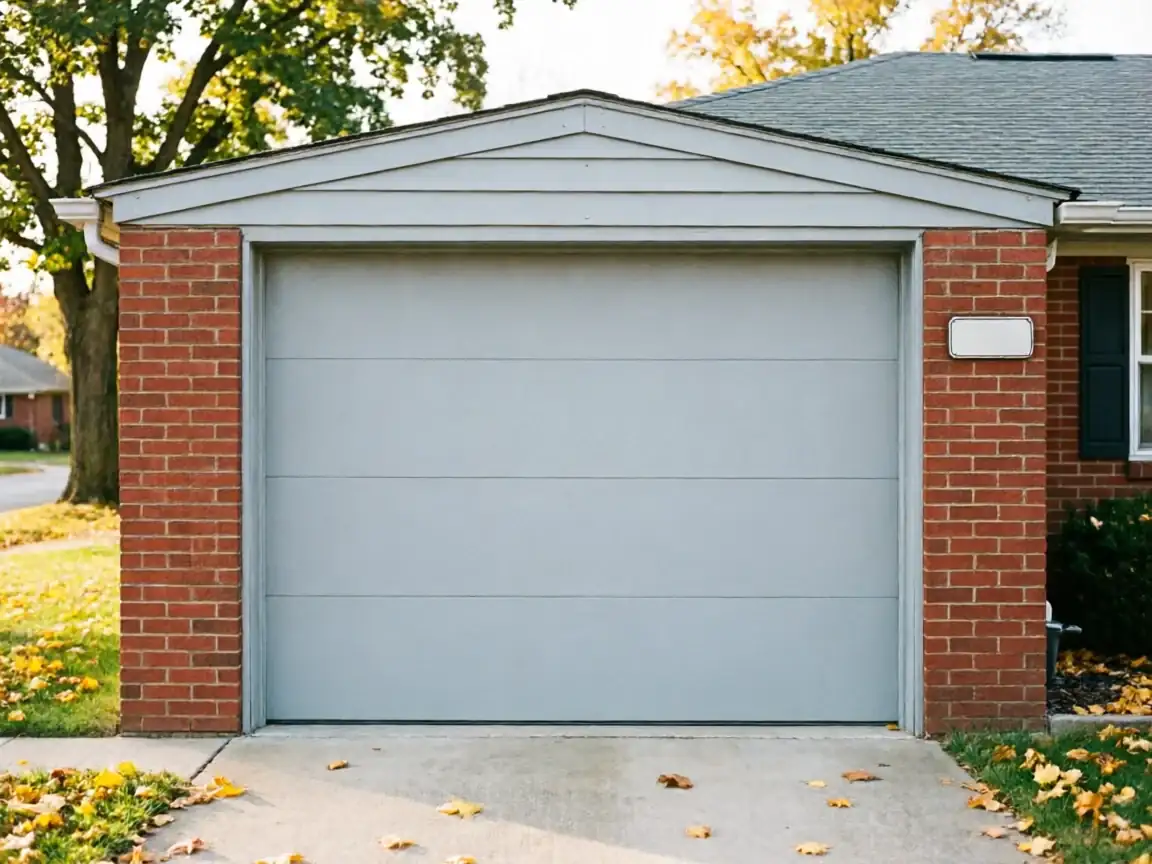
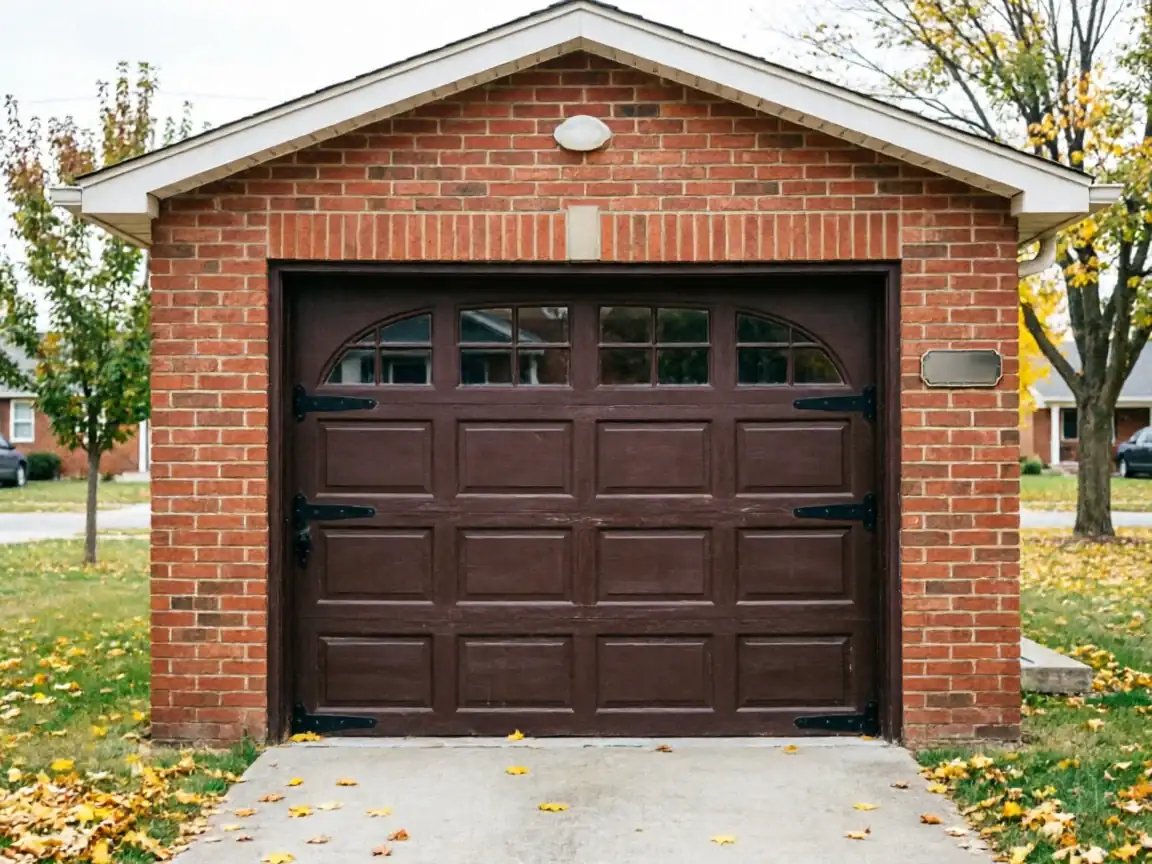
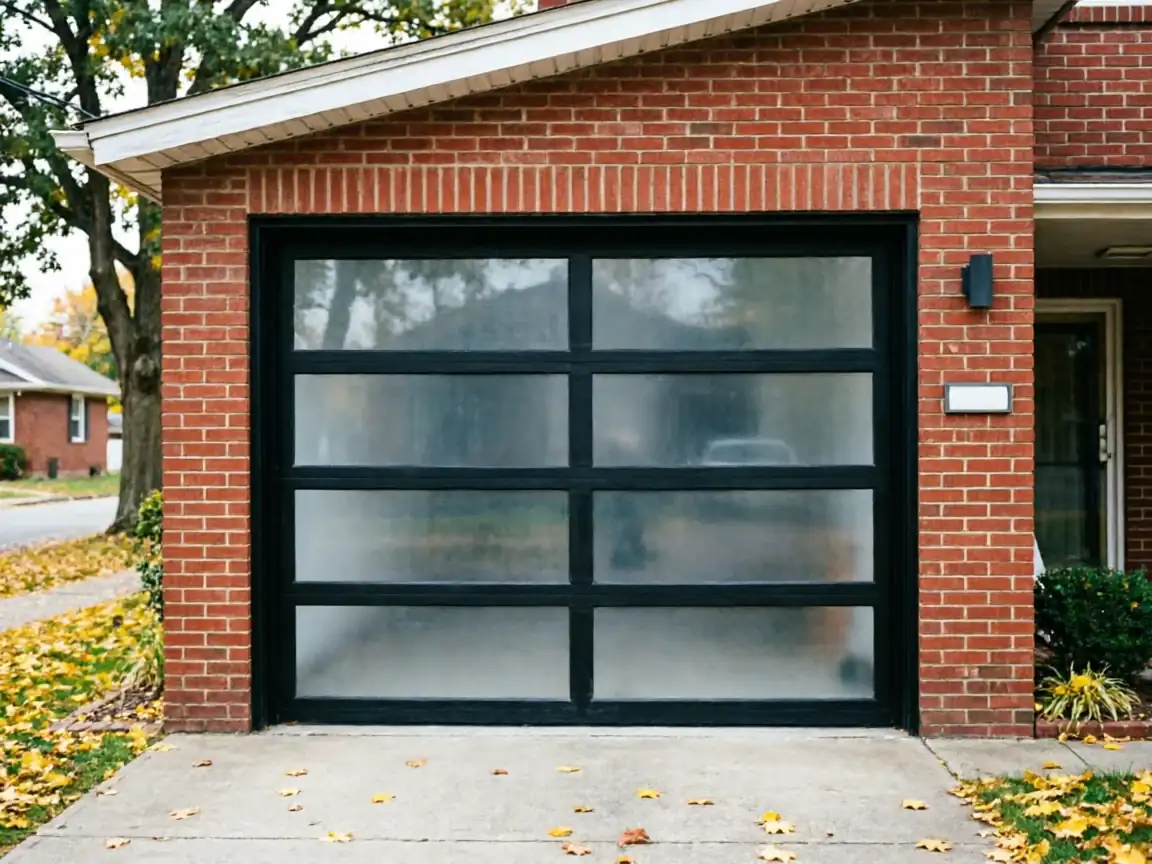
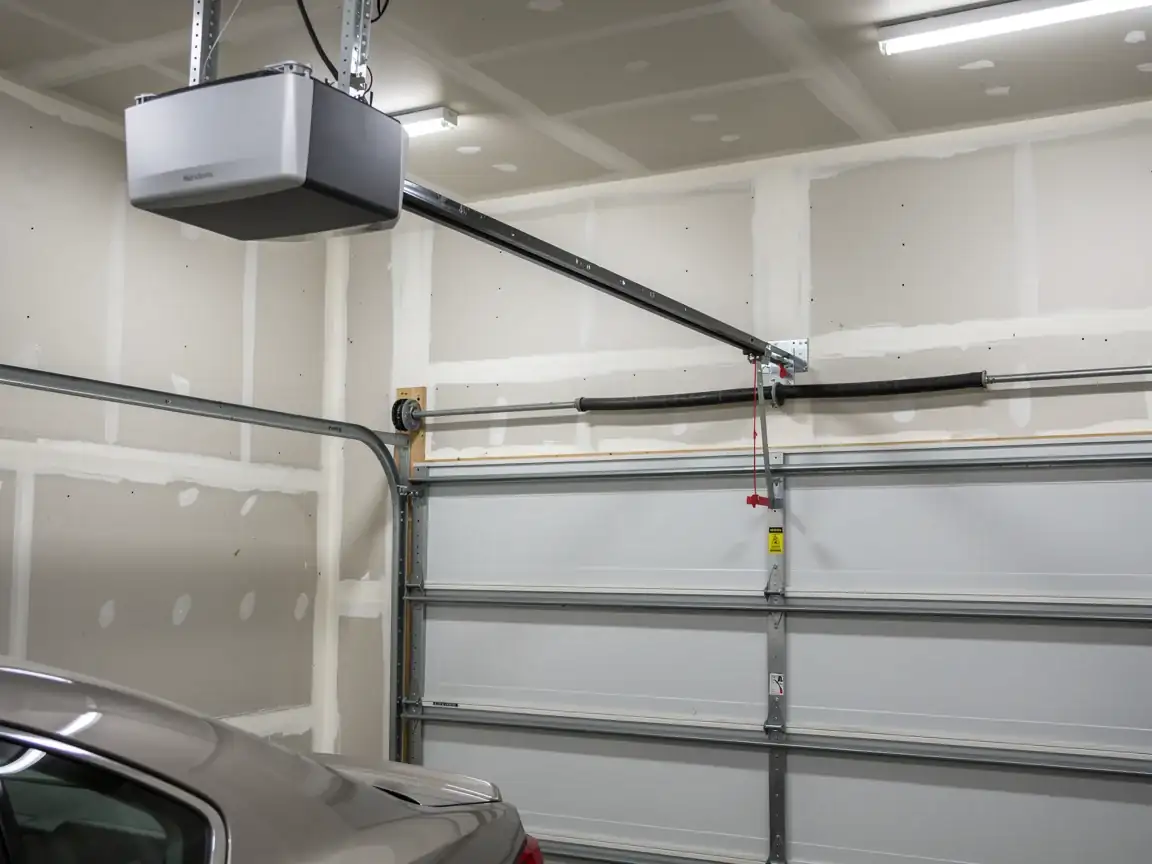
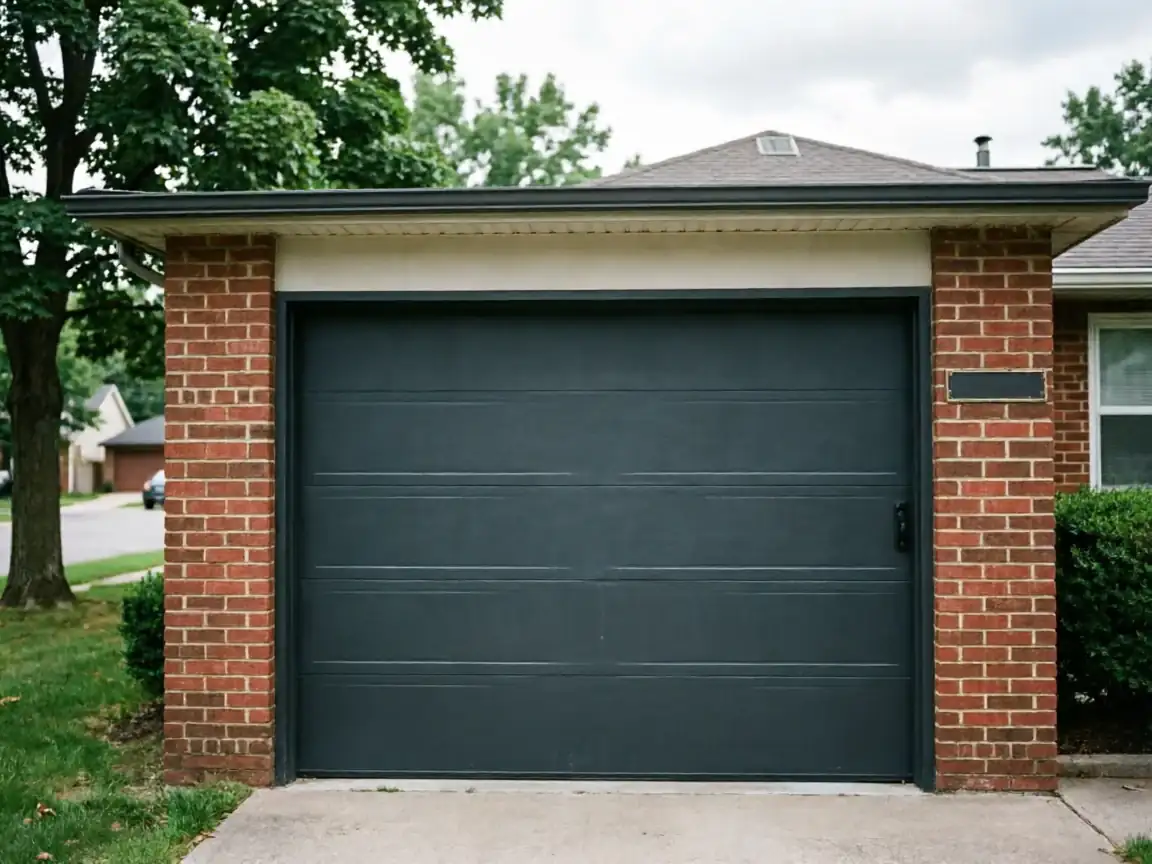
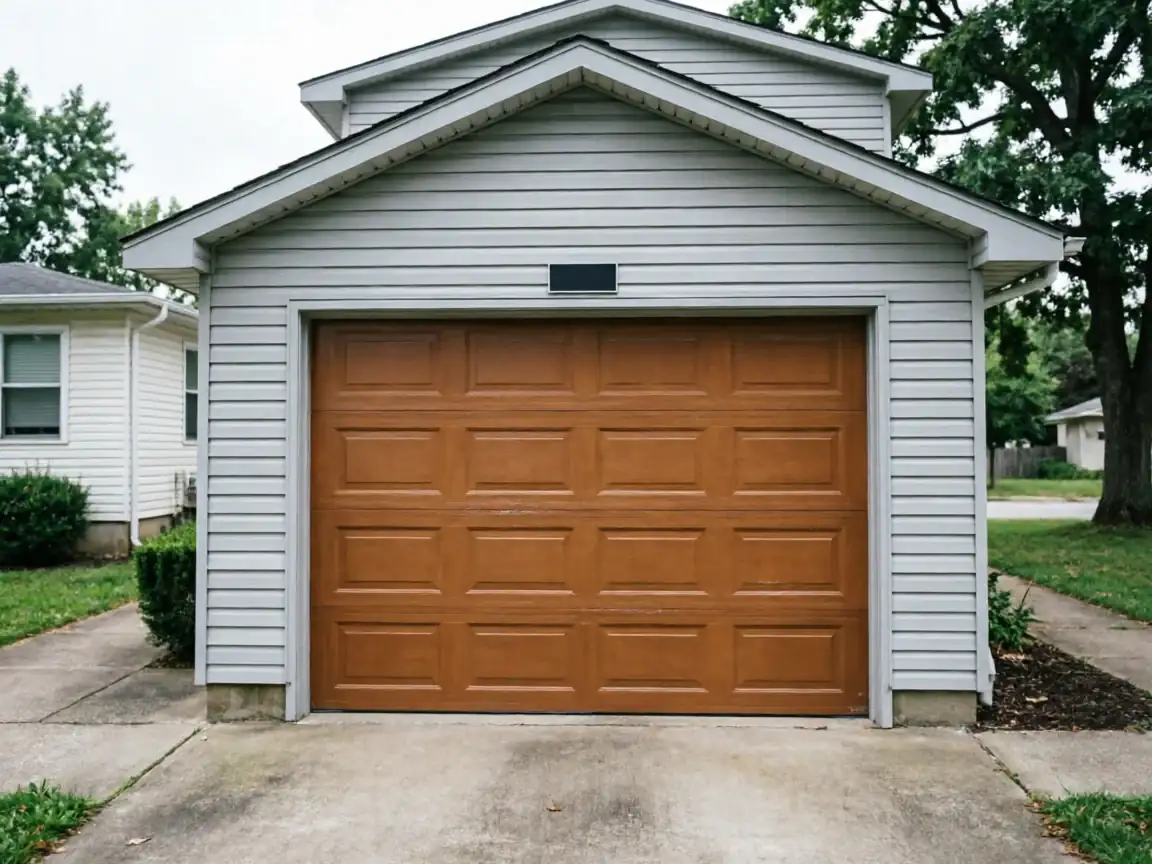
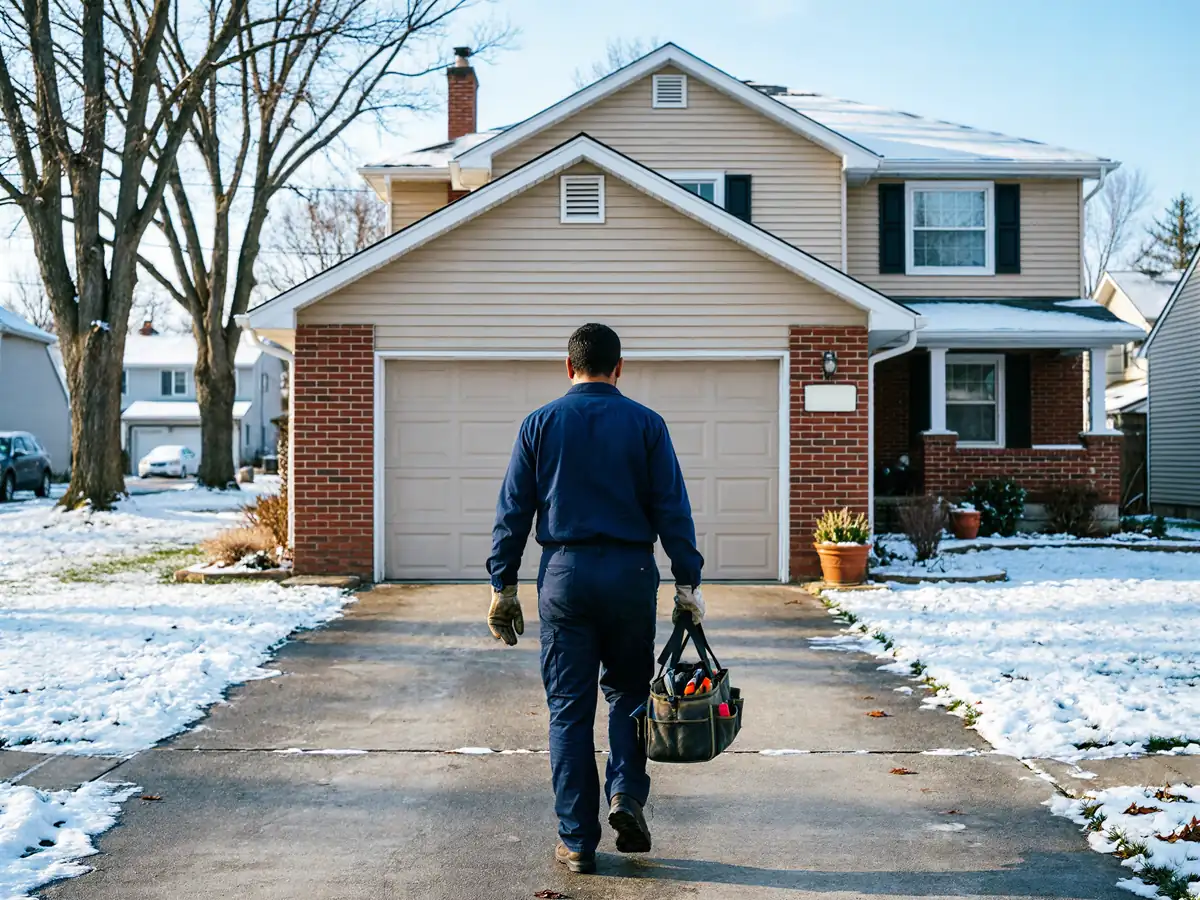
Most houses in Shorewood were built around 2001, which puts this suburb's housing a decade or two newer than a lot of the rest of the Joliet service area, where the median build year runs closer to 1991. That matters for garage doors because 2001 is right when builders were putting in steel sectional doors as standard, usually with single-layer skins, minimal insulation, and a torsion spring sized for the lightest door the builder could get away with. Twenty-plus years on, those original doors are hitting the end of their service life at roughly the same time across whole blocks, since the houses all went up within a few years of each other. If your opener is also original, it's likely a chain-drive unit from that same era, before rolling-code security was standard on the cheaper builder packages. We're not guessing at your exact door - we don't have a list of what's on your street - but the build year tells us what we're almost always pulling off the track when we get the call.
The DIY Question
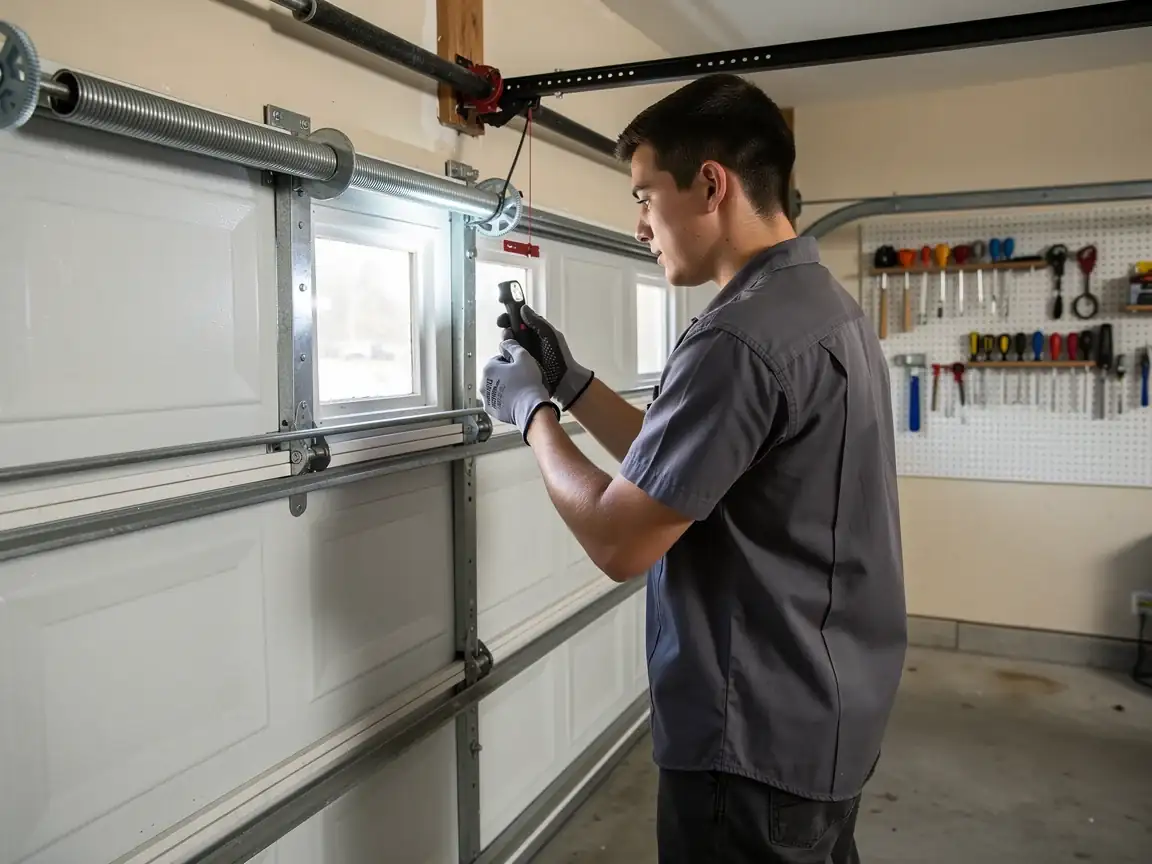
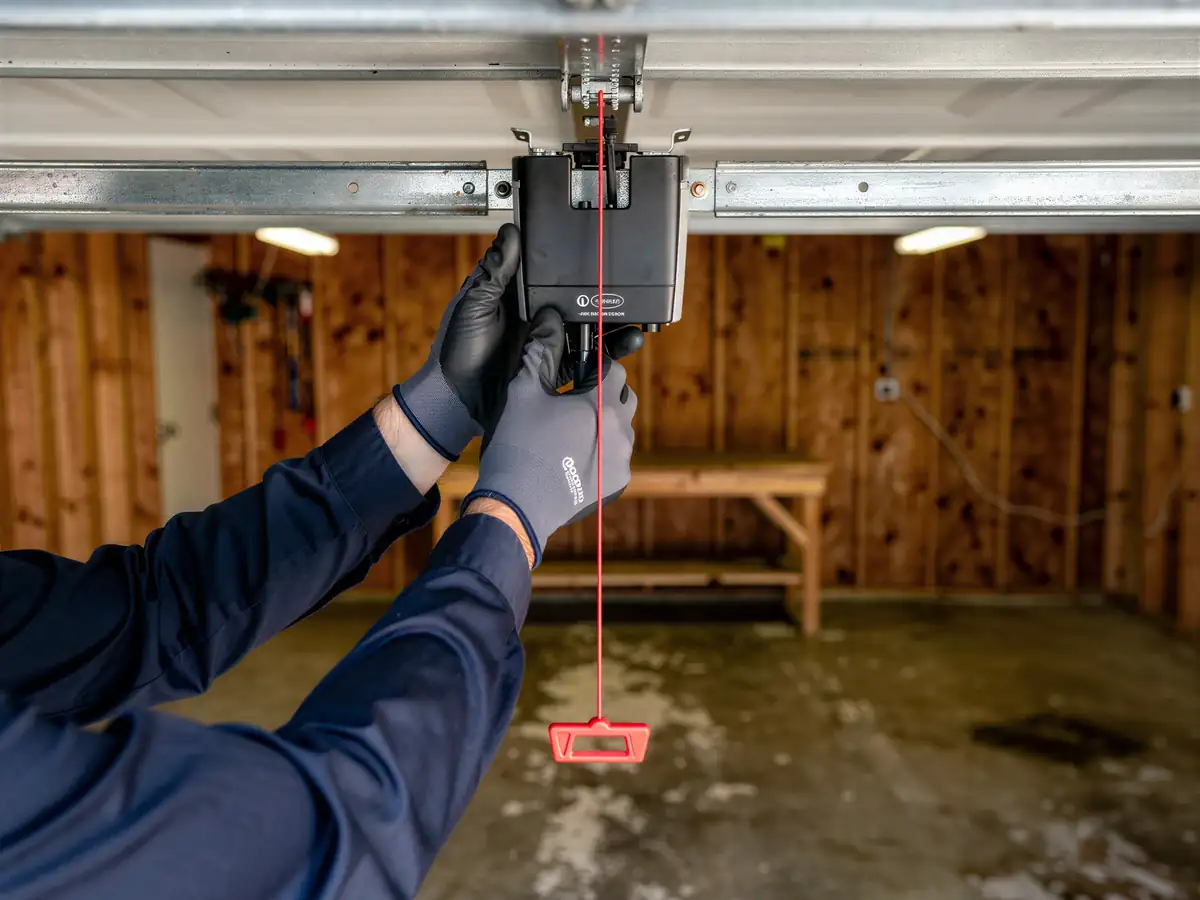
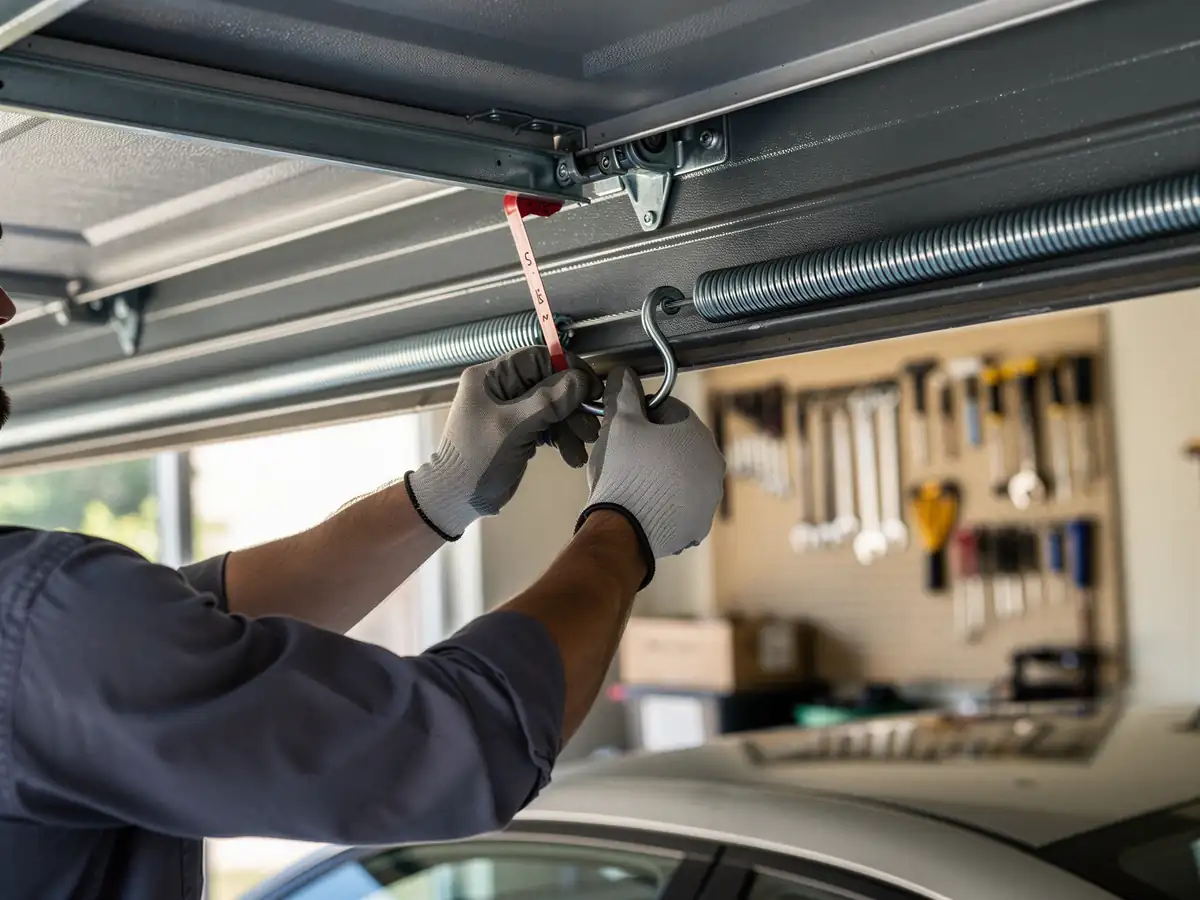
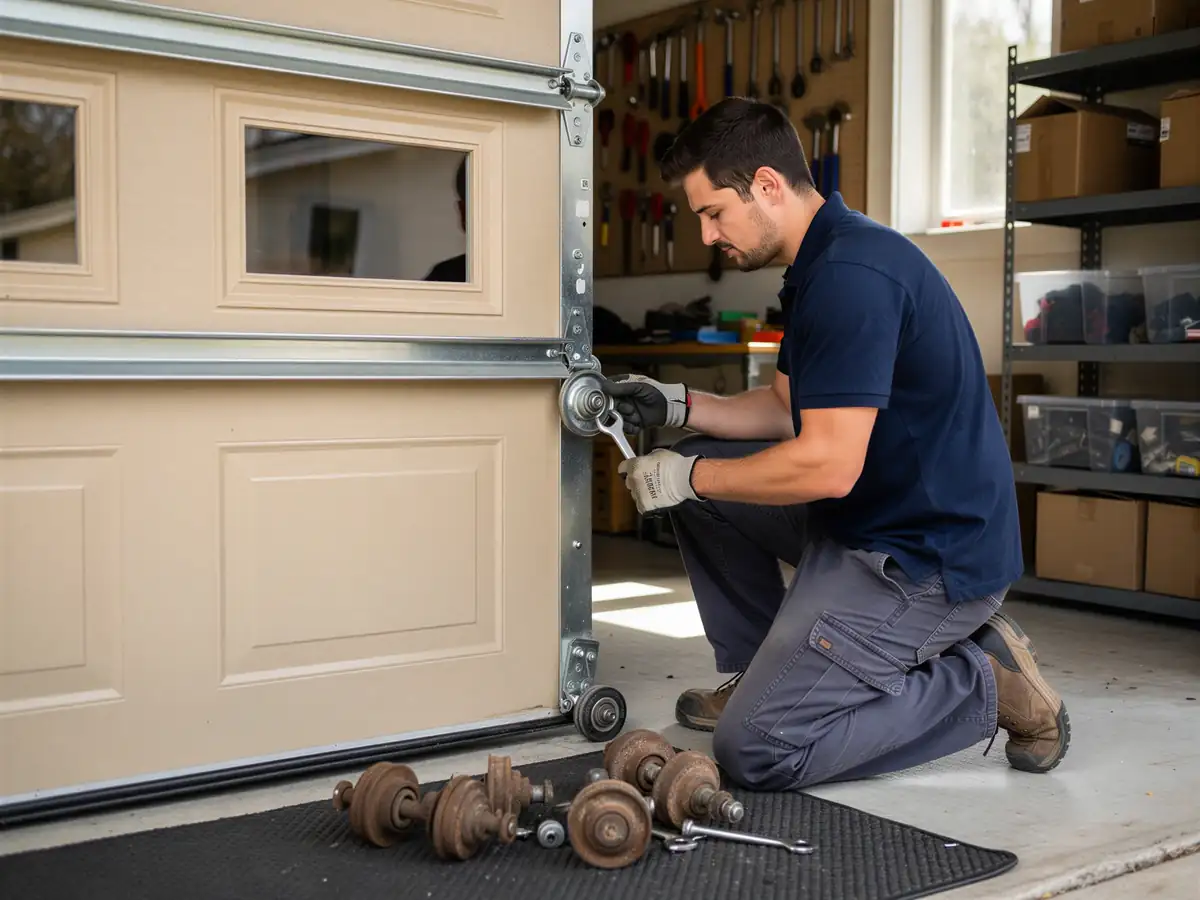
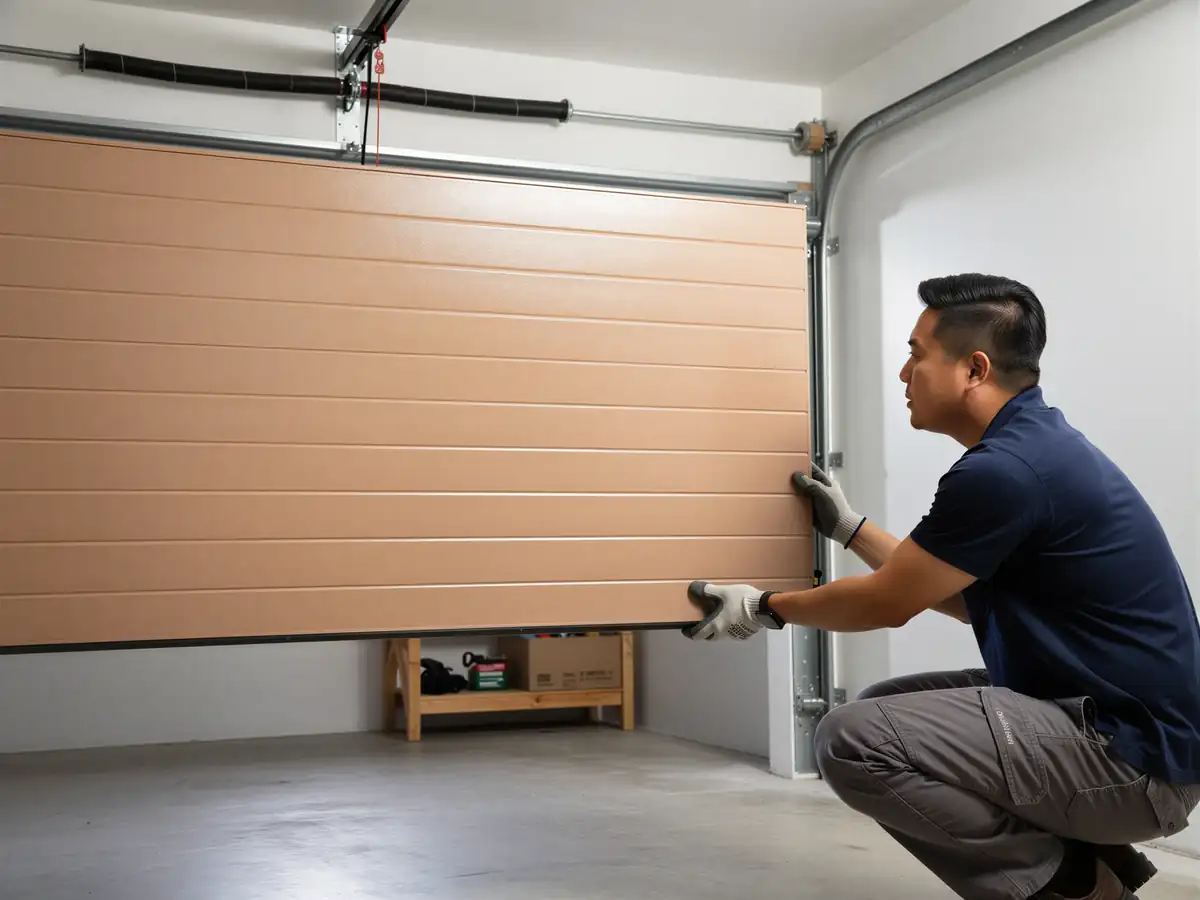
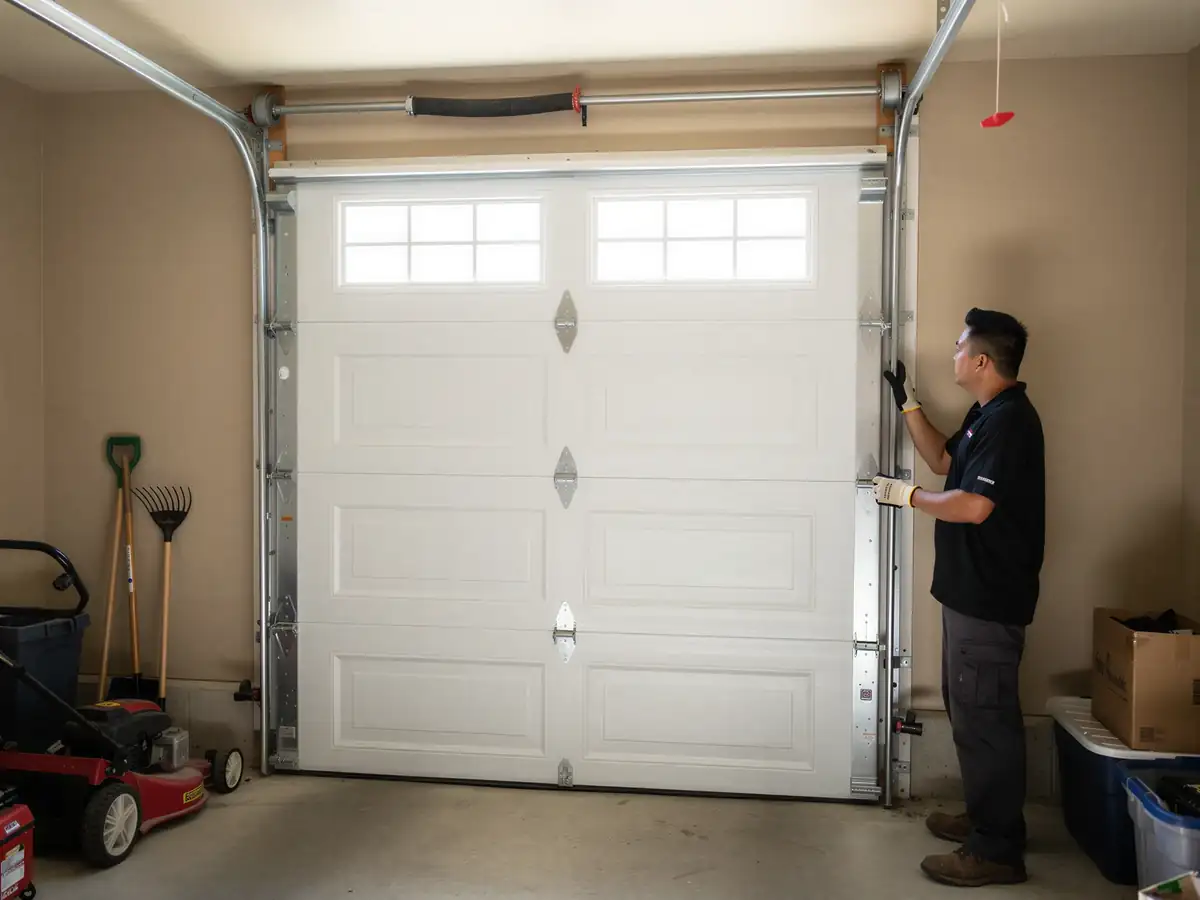
A new garage door install isn't a weekend project, and this isn't us protecting the job - a sectional door with its springs under tension is one of the few things in a house that can genuinely hurt you if the cable slips while you're lifting a panel into place. Where it makes sense to do yourself: swapping weatherstripping, replacing a cracked window insert, or tightening hardware on an otherwise sound door. Where it doesn't: setting new tracks, sizing a torsion spring for a heavier insulated door, or anything involving the opener's lift chain while the door is off its rollers. Given how many Shorewood doors are hitting the same age at once, we'd rather tell you straight that this is a two-person job with the right jacks and winding bars, not a Saturday with a ladder.
How We Fix It
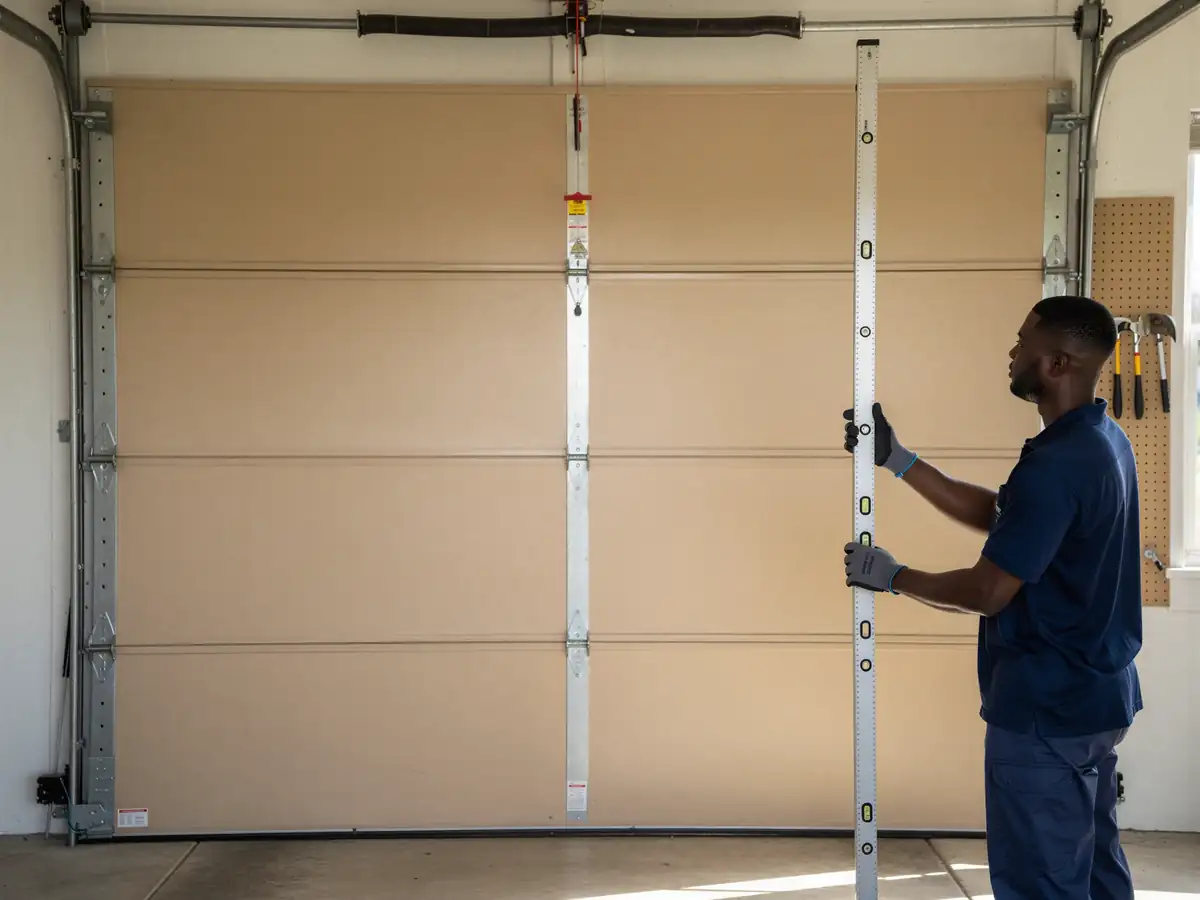
We measure the opening first, not the old door - header clearance, track radius, and what the framing will actually support, since a lot of 2001-built openings were sized for the lightest door available at the time. From there we size a torsion spring to the new door's actual weight, not the old spring's wind count, which is the single most common mistake we see from swapped-in doors that don't match their hardware. We travel in from Joliet for the job; we don't keep a branch or crew staged in Shorewood itself, so install scheduling runs through our Joliet dispatch same as the rest of the service area.
What Causes It Around Here
The area sits in a cold-moderate climate band, which over twenty-plus winters works on garage door hardware in a specific way: steel contracts in deep cold, springs lose a little tension cycle after cycle, and single-layer skins without insulation transmit that cold straight through to an attached garage. None of that is dramatic, it's just steady wear, and it lines up with why doors built right around 2001 are reaching failure now rather than some other random year. Shorewood's household income runs higher than the area median of $109,064, which is part of why we see more owners here asking for insulated doors upfront rather than a bare replacement - it's a reasonable upgrade when you're already pulling the old door off anyway.