The DIY Question
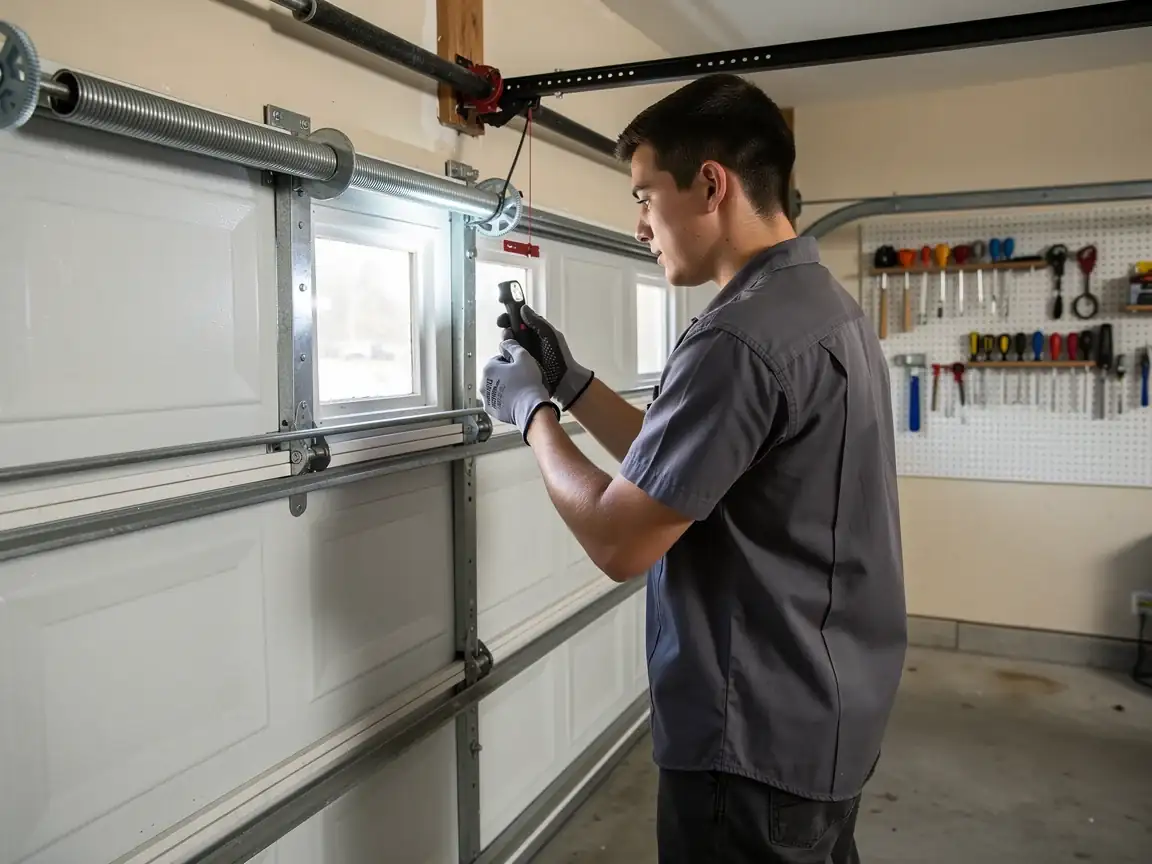
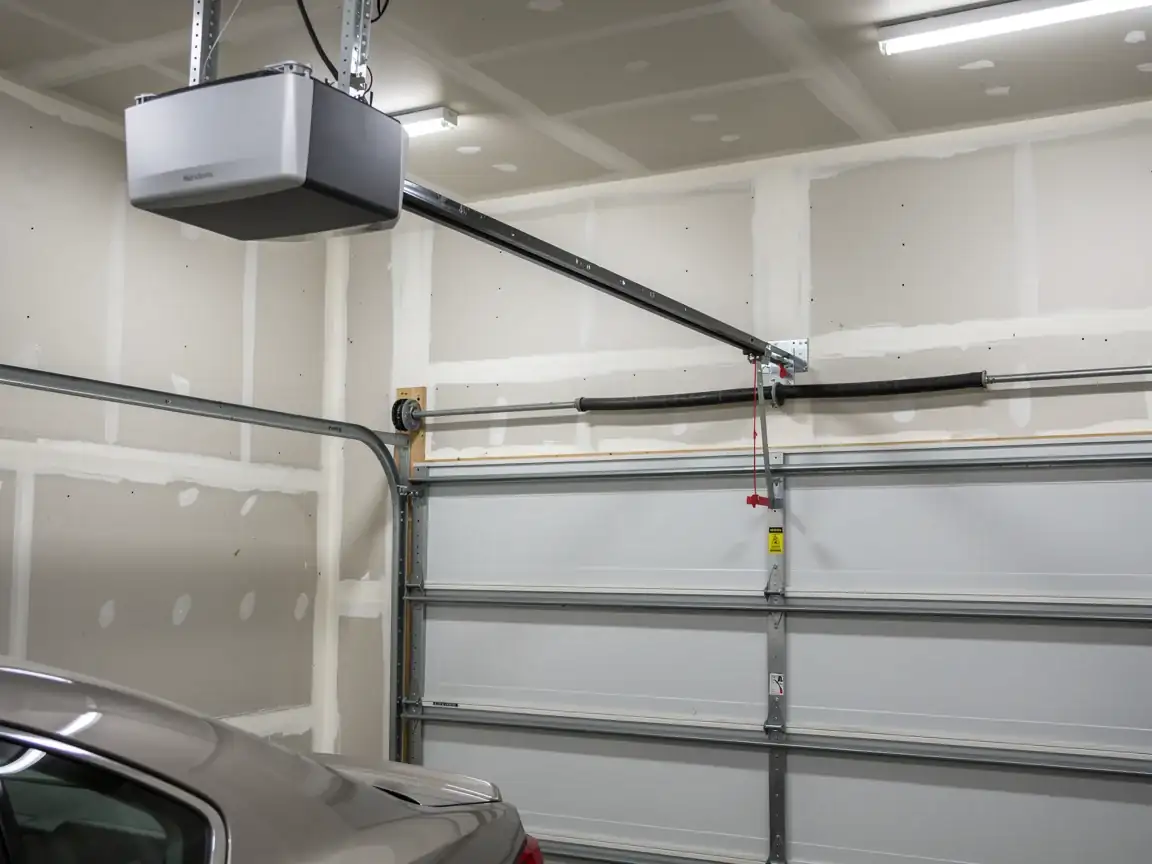
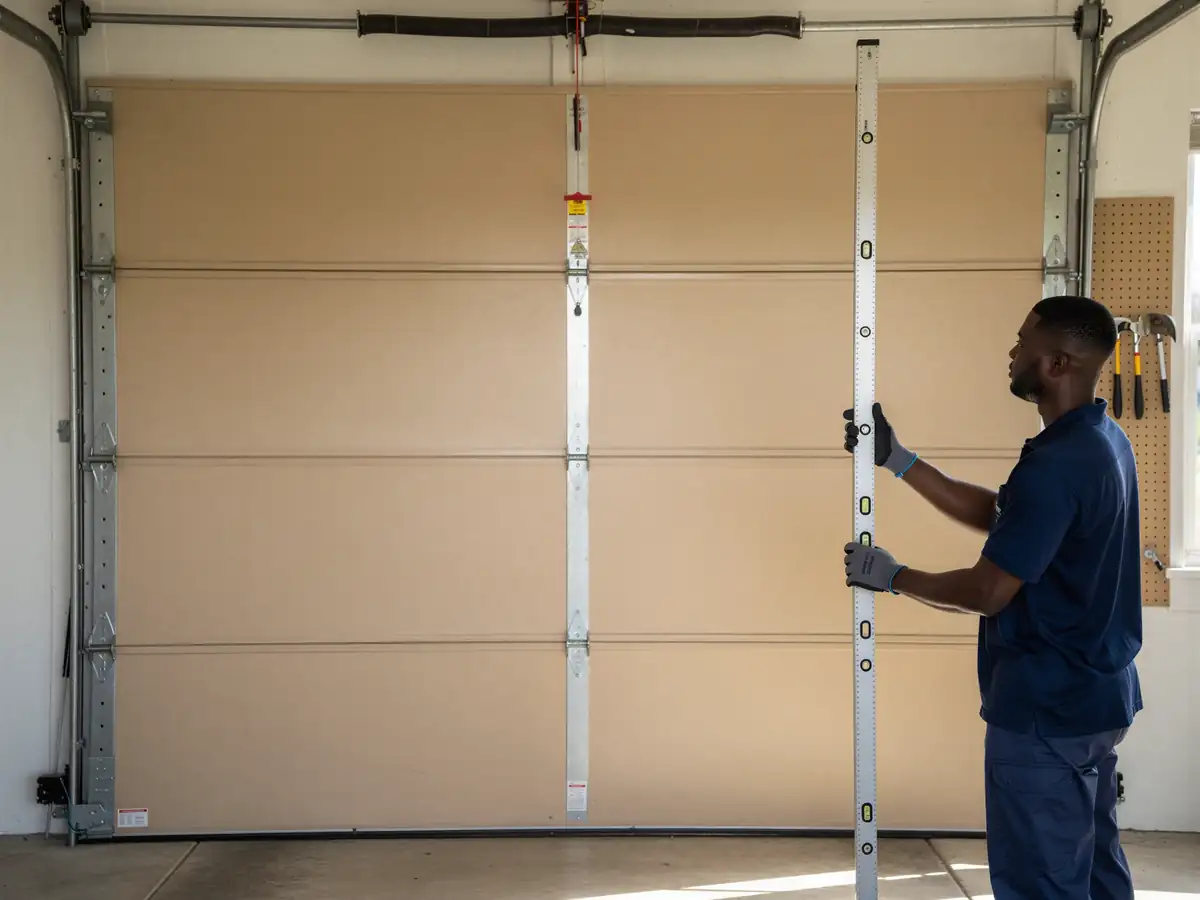
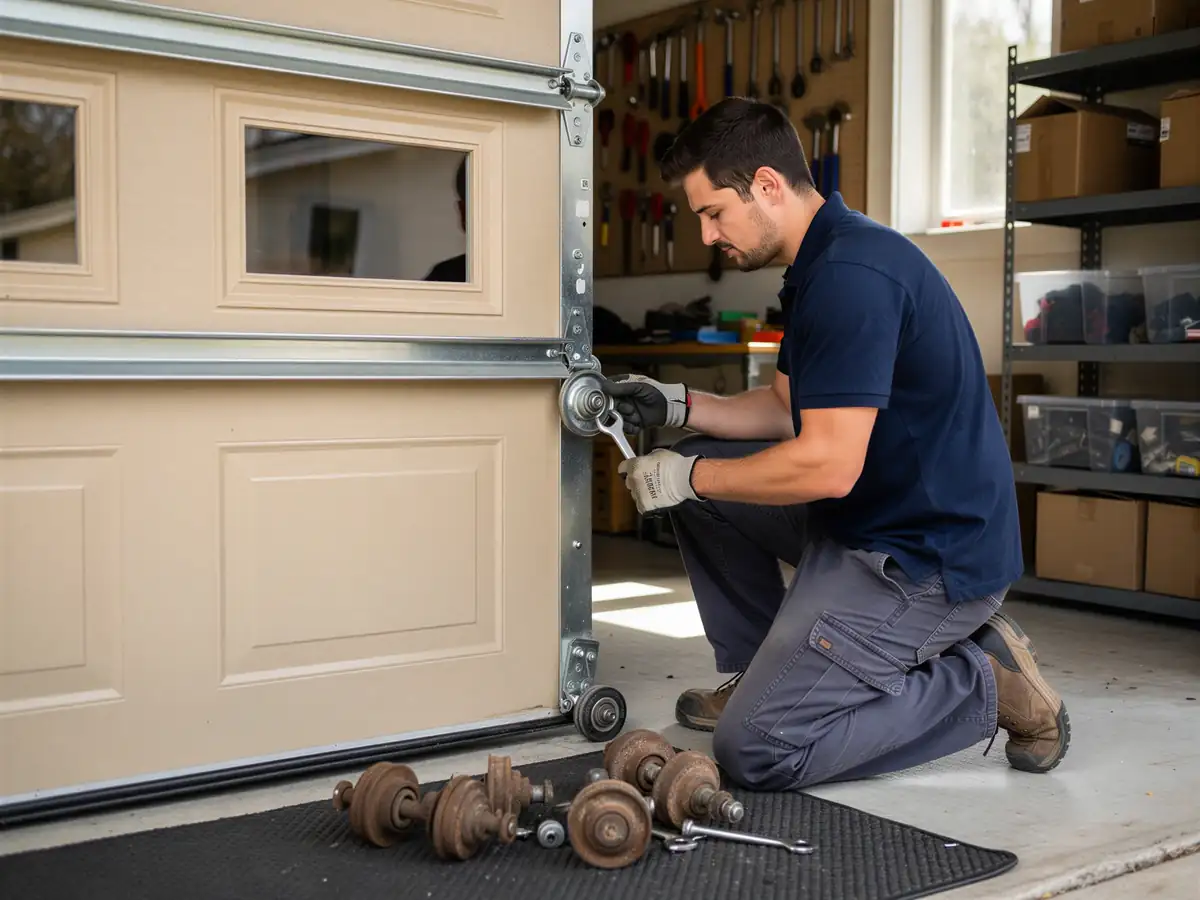
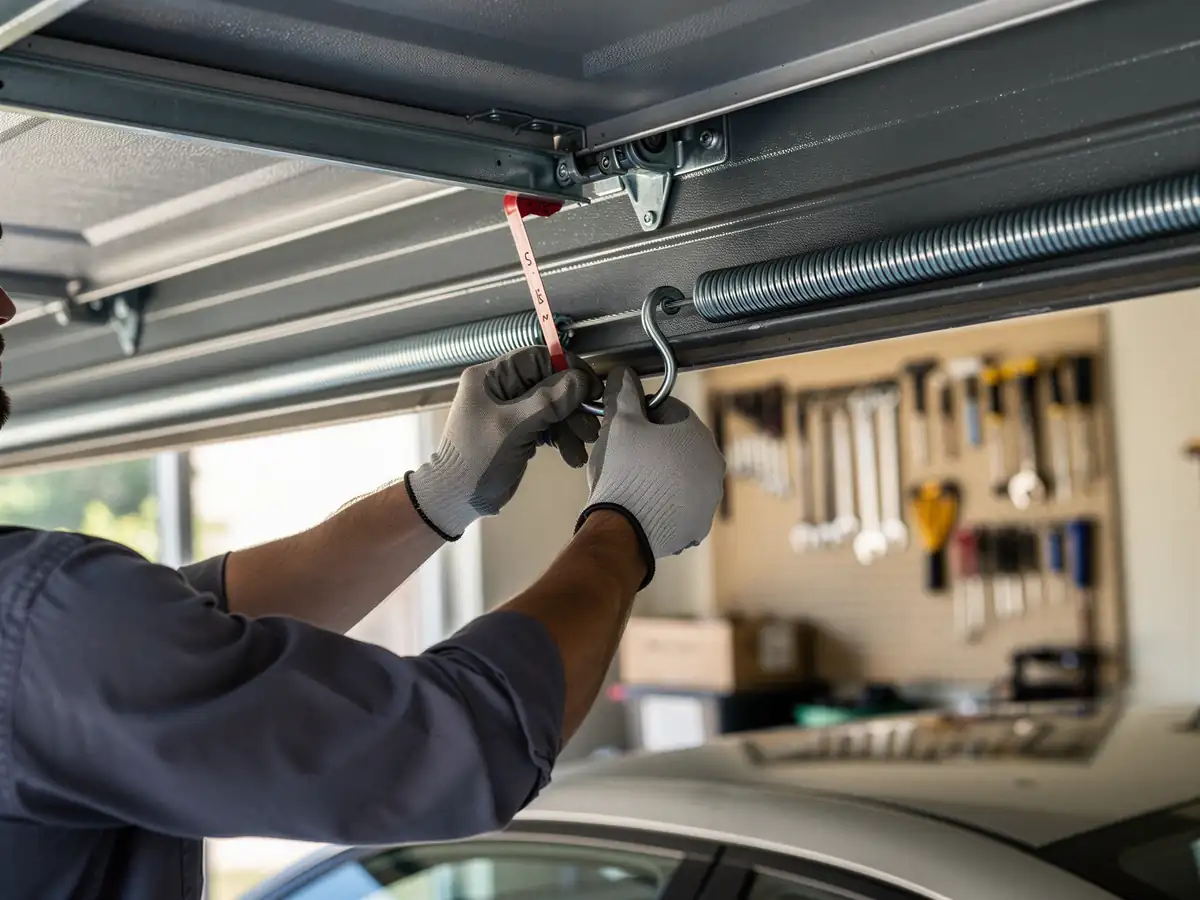
Most of Crest Hill went up around 1992, give or take a few years, and that matters more than people think when a spring lets go. A door that old almost never has a second, newer spring sitting next to the broken one - it's the original pair, both wound to the same age, both one bad cycle from the same fate. That's the part that makes a YouTube fix risky here specifically: the spring that snapped probably has a twin that's just as tired, and winding a replacement onto 30-year-old center brackets and bearing plates is a different job than doing it on hardware installed last year. The wind-up bar can take a hand off if it slips. We won't talk you through doing this yourself, and any shop that will is skipping the part where they tell you what the bracket underneath the spring actually looks like after three decades of Illinois winters. If you want to watch, we're fine with that. If you want to do it, that's where we draw the line - not because we're protecting the job, but because a torsion spring under full tension doesn't care how many videos you watched.
Stocked Parts
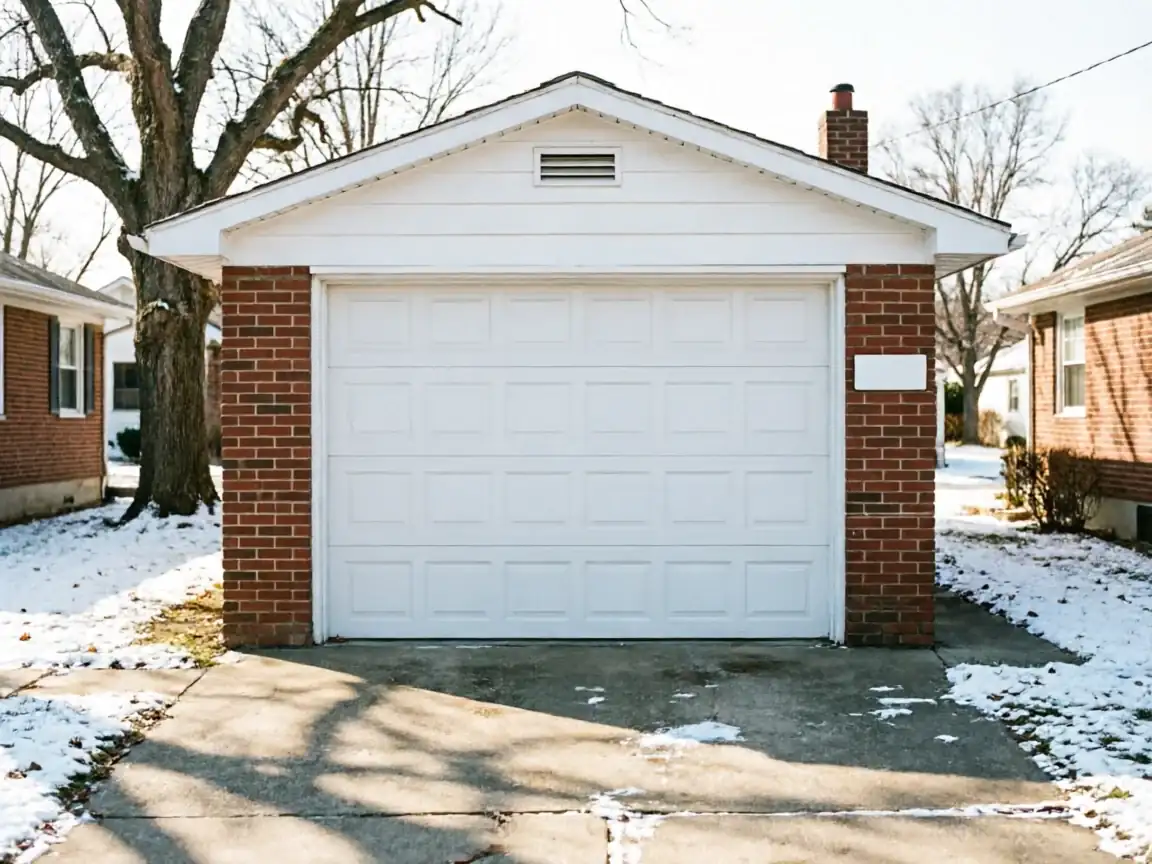
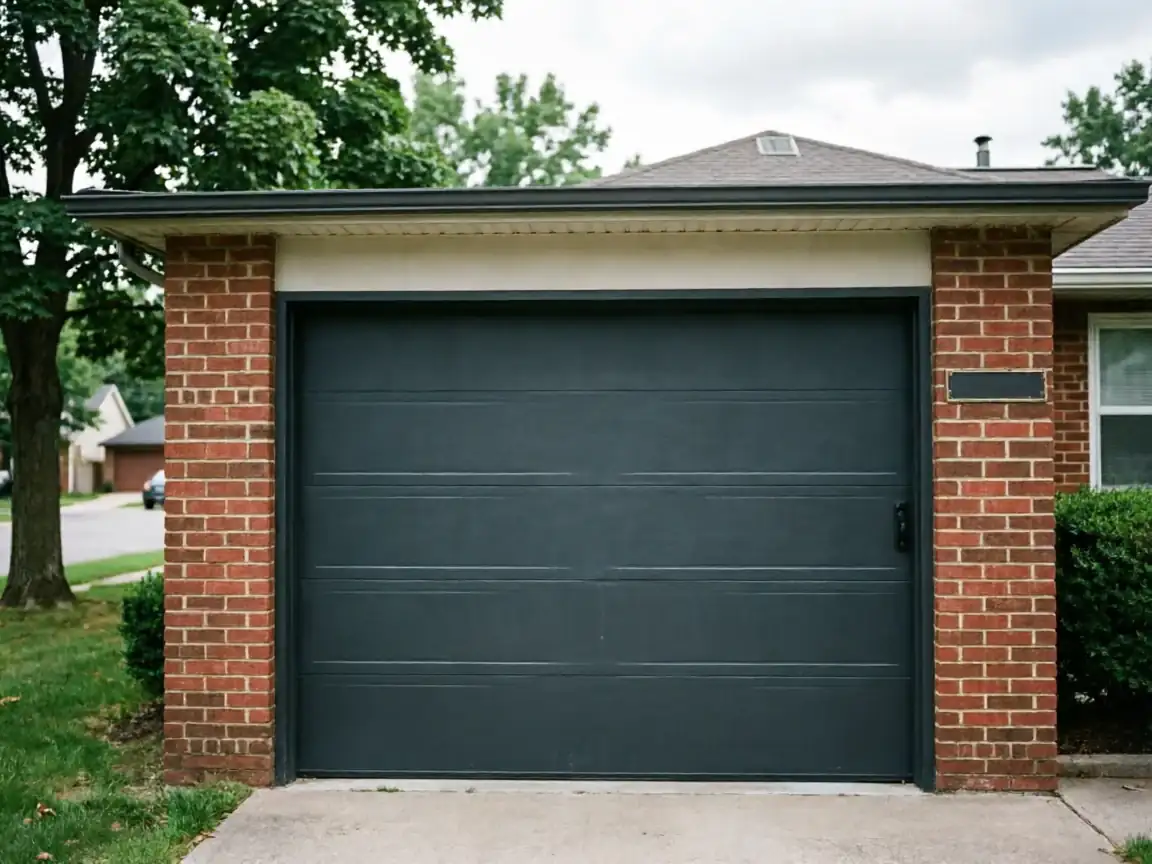
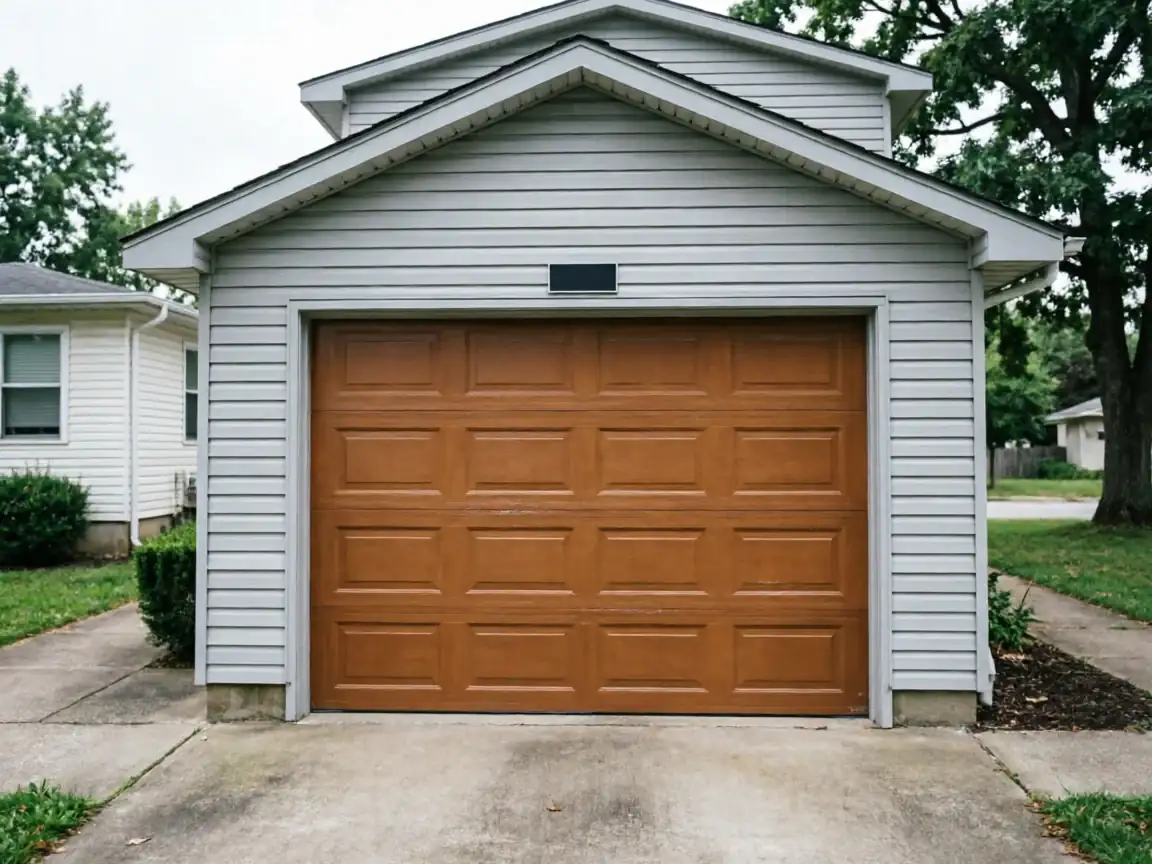
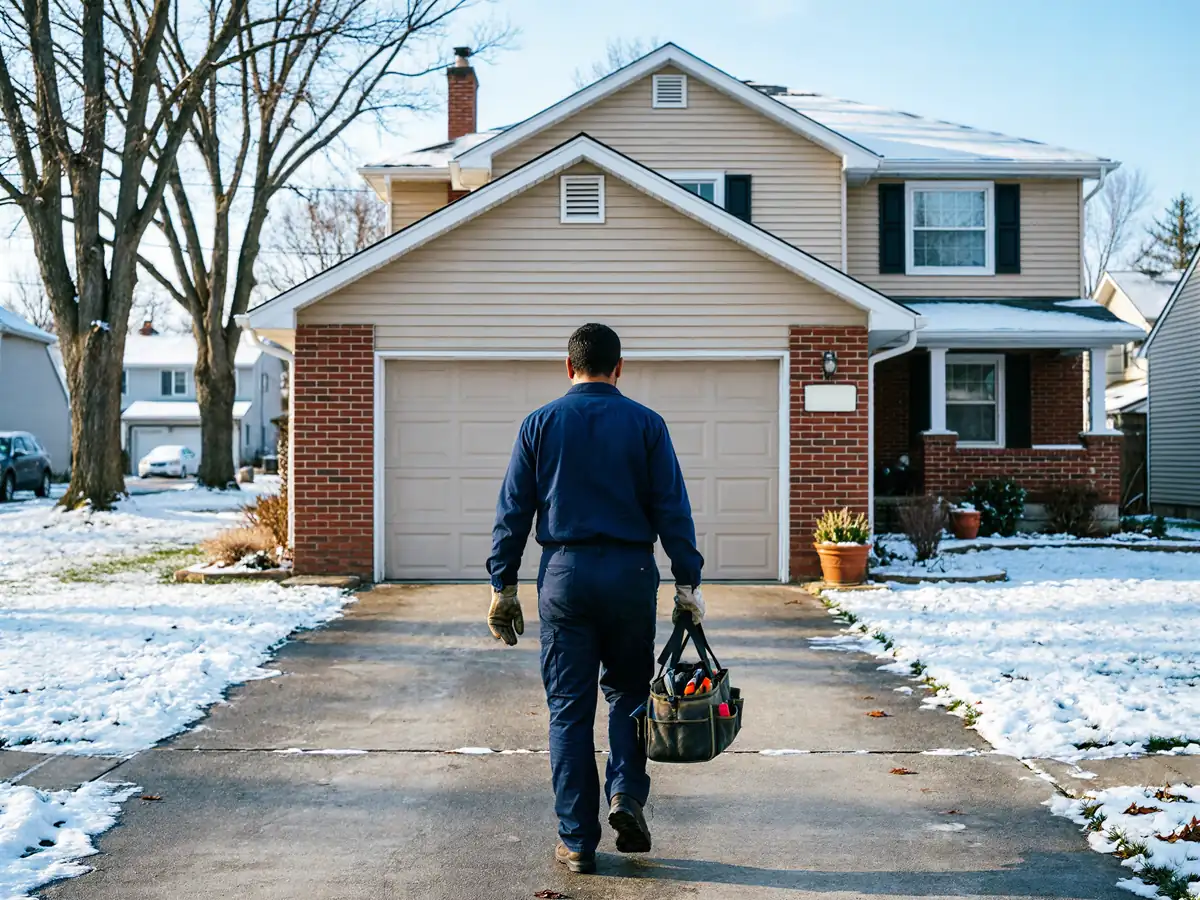
Crest Hill's housing stock lines up with the broader pattern across this part of the service area - mostly 1980s and 90s construction, which means mostly the same two or three torsion spring sizes and the same style of extension springs on older single-car doors. We stock what fits that window because that's what we're pulling up to most often: standard wind-up torsion springs rated for typical double and single door weights, plus the end bearing plates and cable drums that tend to fail alongside them. What we don't keep on the truck is anything custom - oversized doors, specialty insulated panels, or springs sized for a door that's been modified from its original setup. If your house falls outside that 1980s-to-90s pattern, or somebody's swapped the door since it was built, we may need to measure and order rather than fix it on the first visit. We'd rather say that than hand you a part that's close enough and call it done.
What You Are Seeing
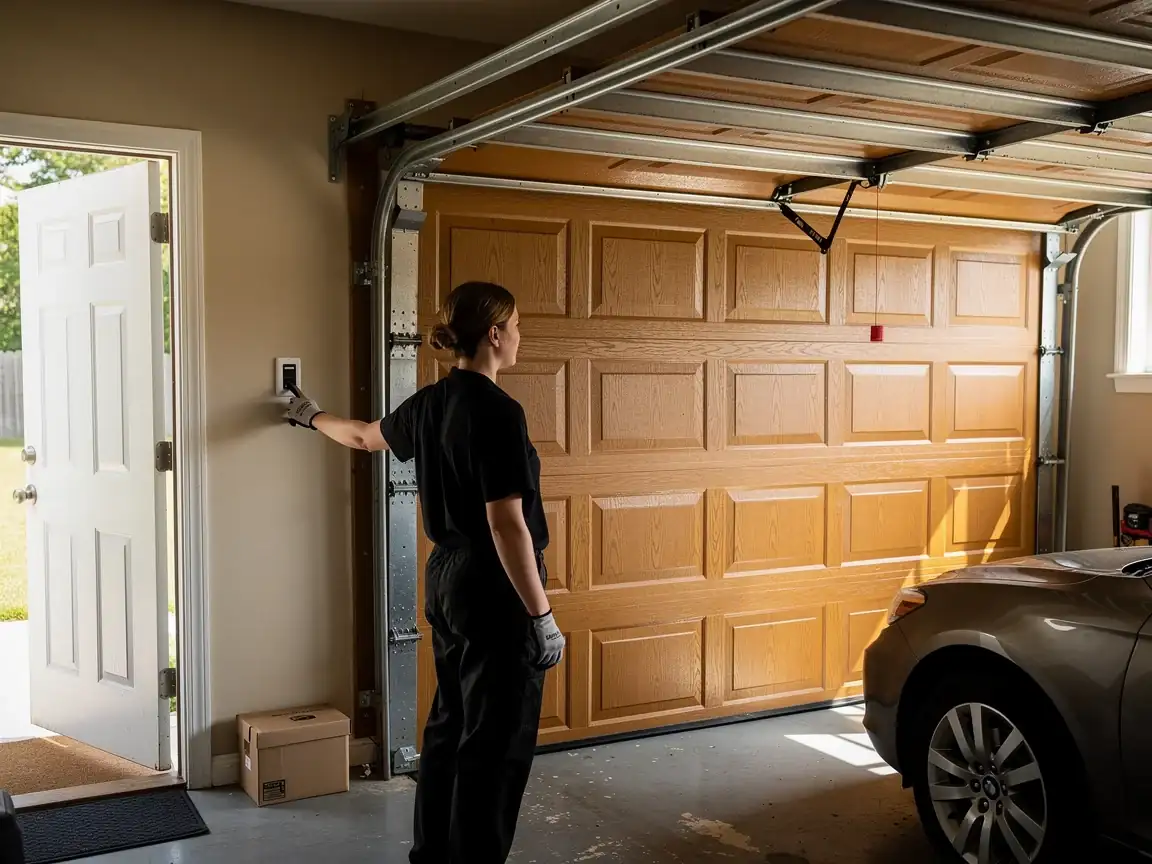
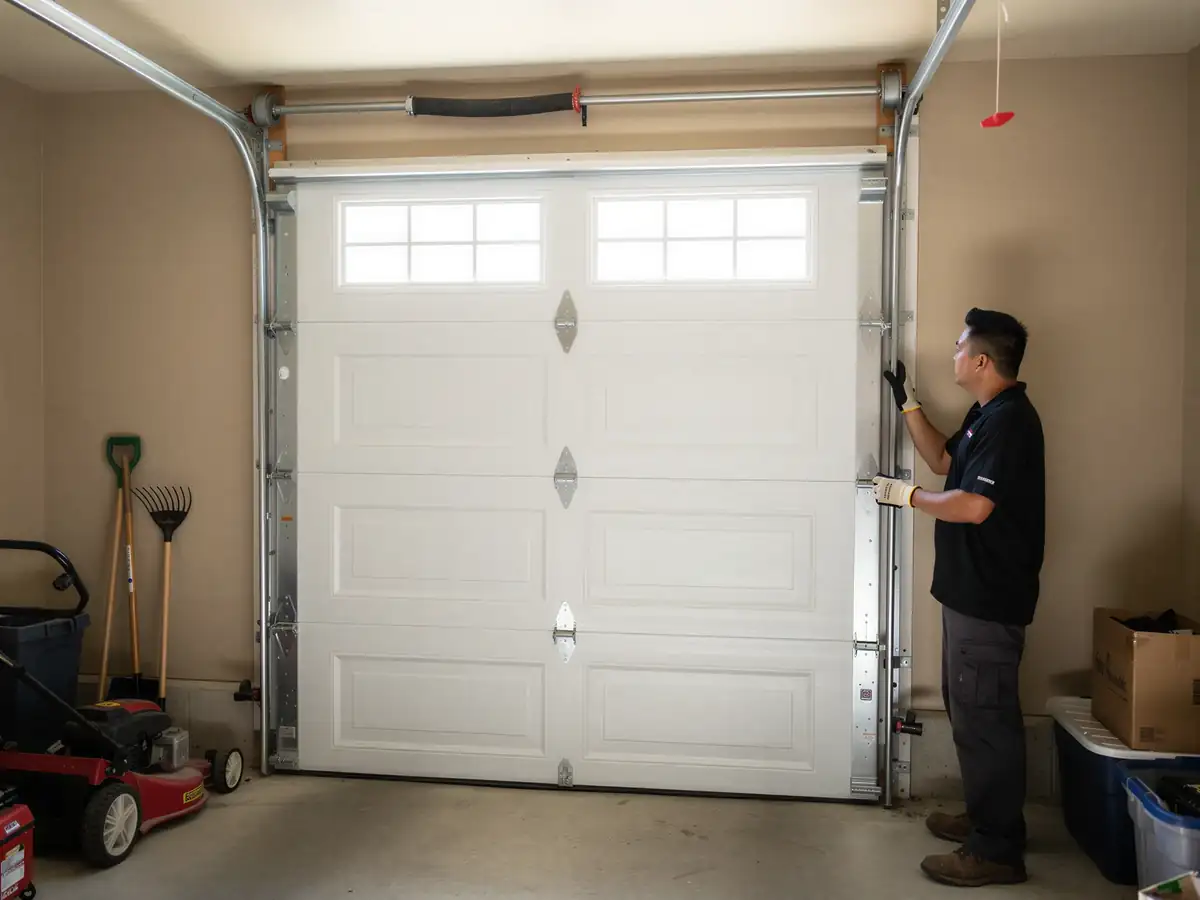
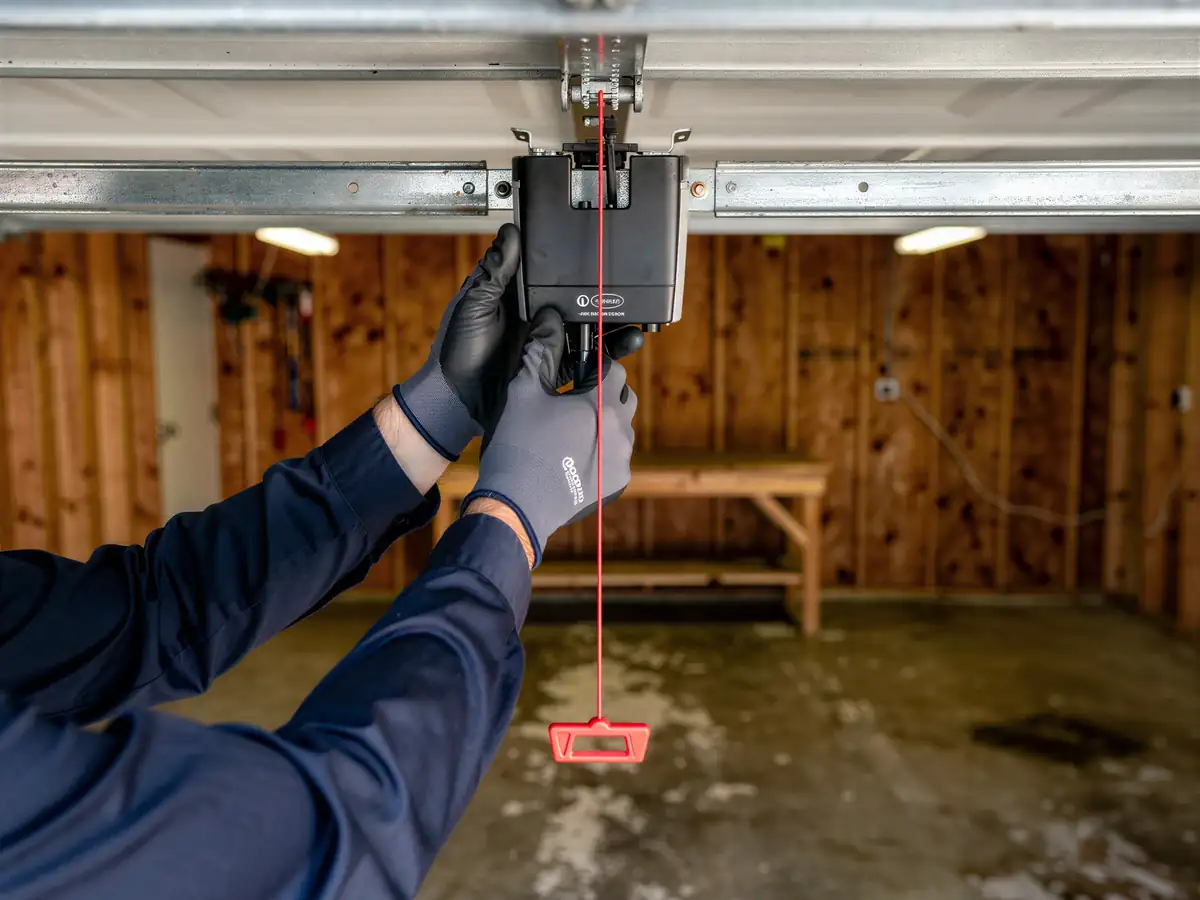
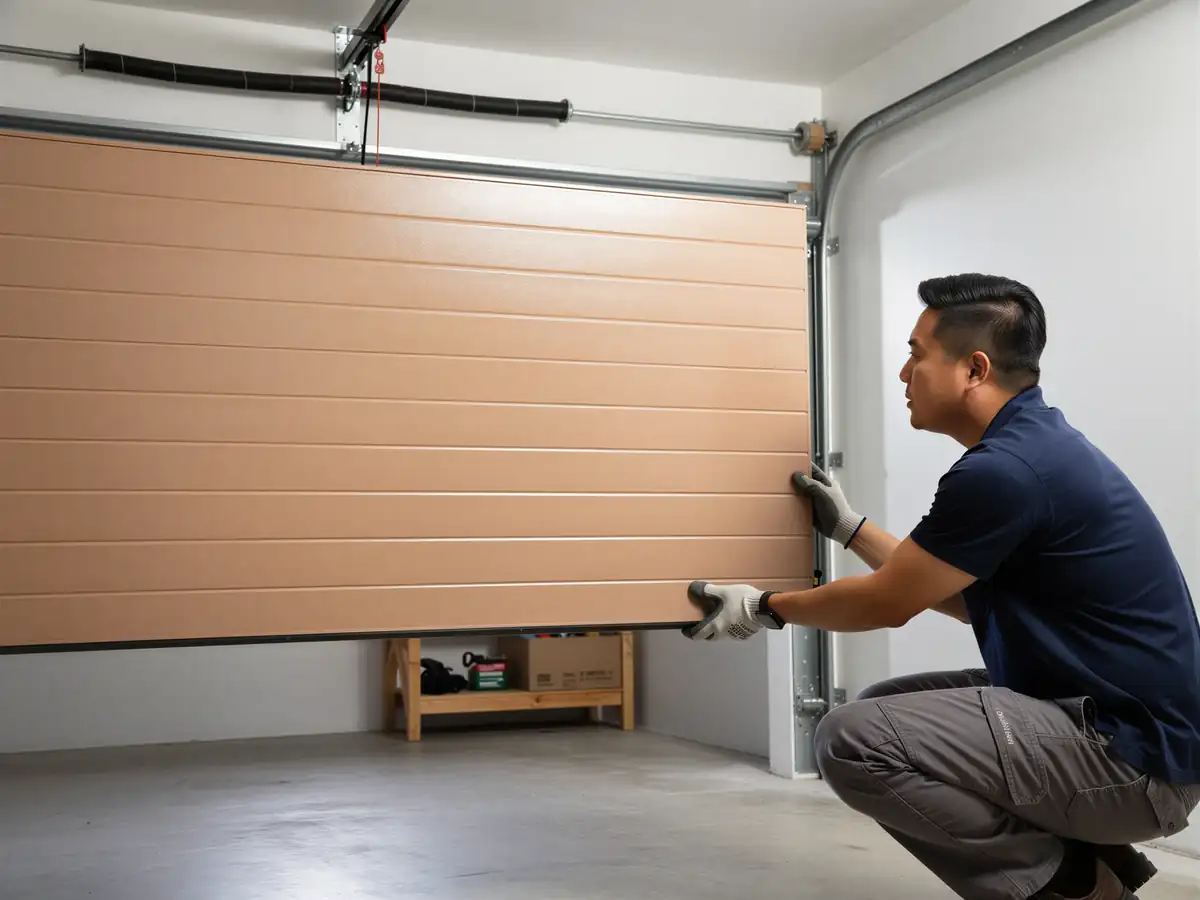
A broken spring on a door this age usually announces itself the same way: a loud bang from the garage, sometimes while the door's just sitting there, followed by a door that won't lift past a few inches, or an opener that strains and reverses. On older torsion springs, you'll sometimes see the gap in the coil before it ever fully separates - a visible crack running through the wound steel. The region's cold winters don't cause the failure by themselves, but years of temperature swings on steel that's been wound tight since 1992 don't help, and metal fatigue shows up faster on hardware nobody's replaced. If the cable's gone slack on one side and the door sits crooked, that's usually the spring, not the cable itself. If the door won't budge at all and the opener motor just hums, don't keep hitting the button - that's how you strip the gear or bend a track trying to force a door that a spring isn't holding anymore.