The DIY Question
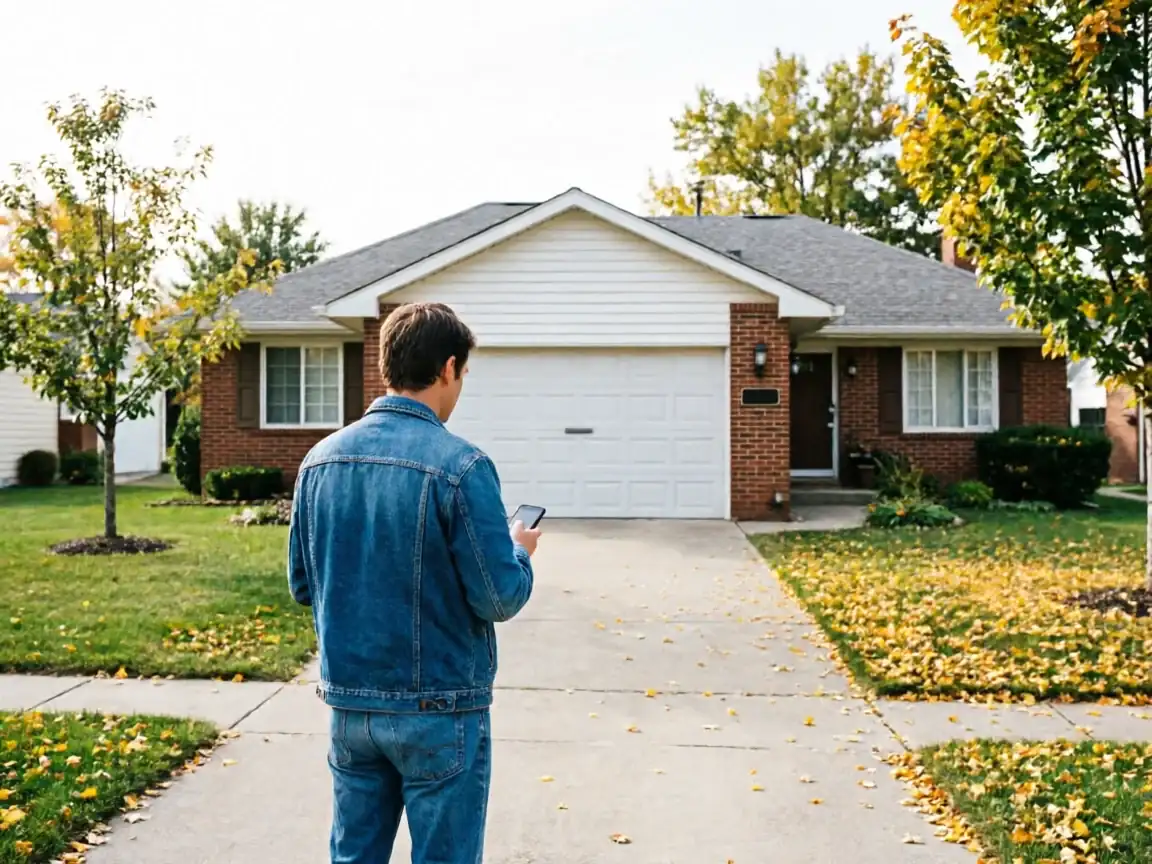
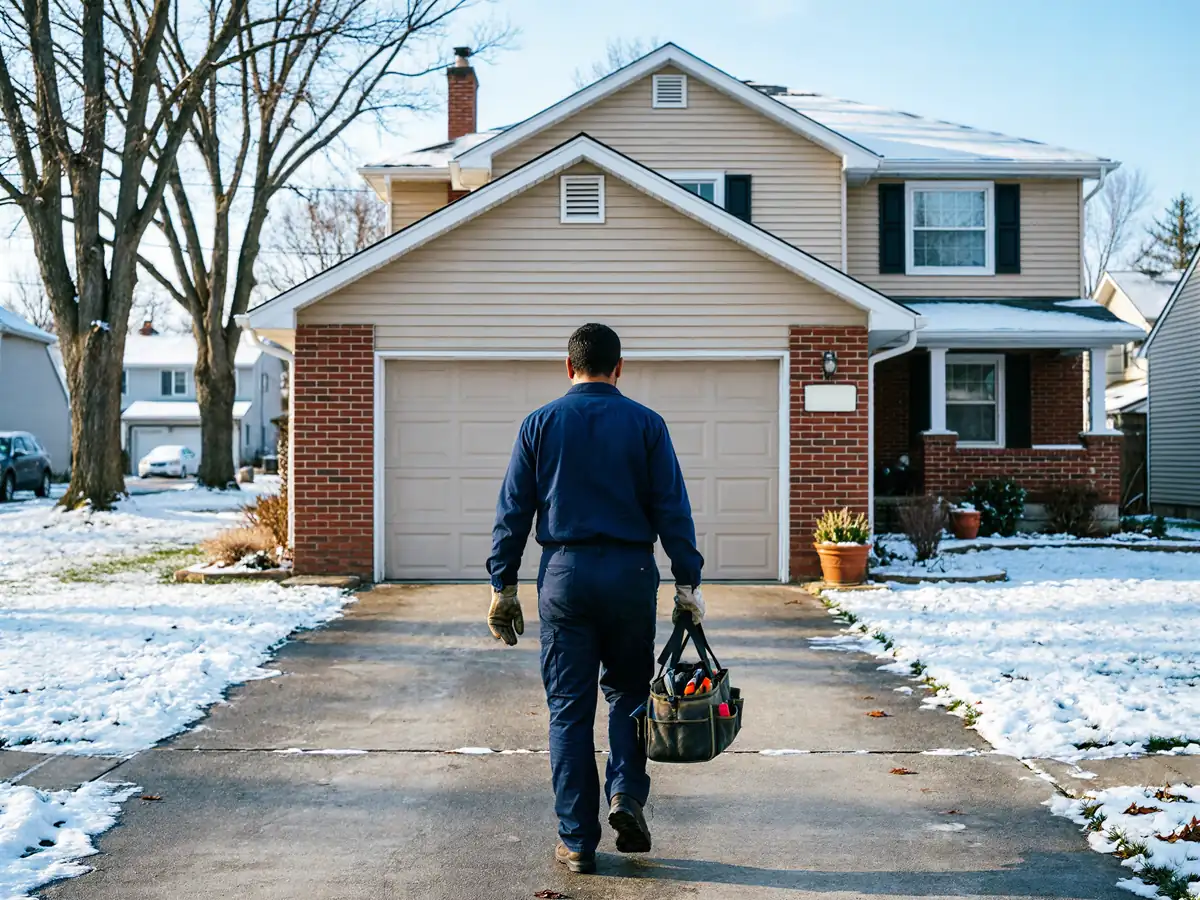
Crest Hill is a four mile drive from our shop in Joliet, short enough that a measuring trip and the install itself often happen back to back without the truck sitting idle between calls. That matters for how a job here actually runs: we're not scheduling around a long haul, so a full-day install doesn't eat into tomorrow's route the way it would for a farther stop.
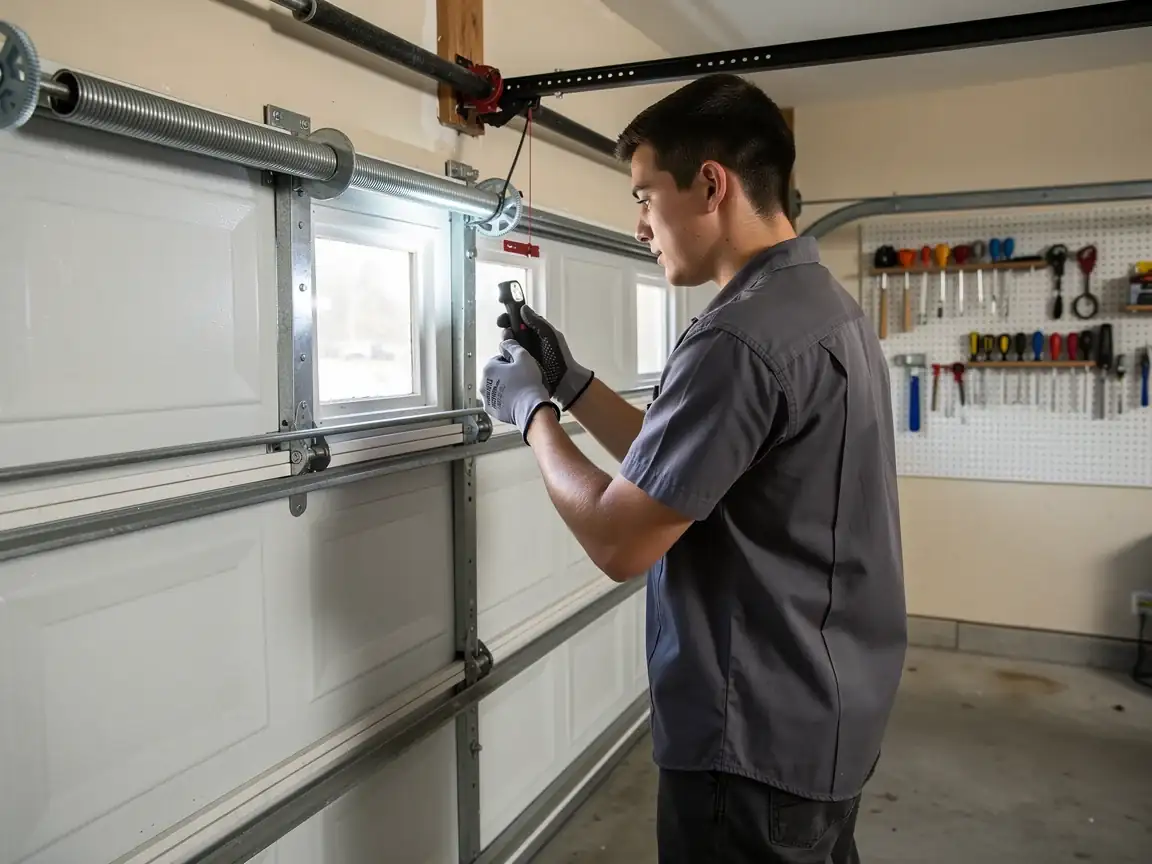
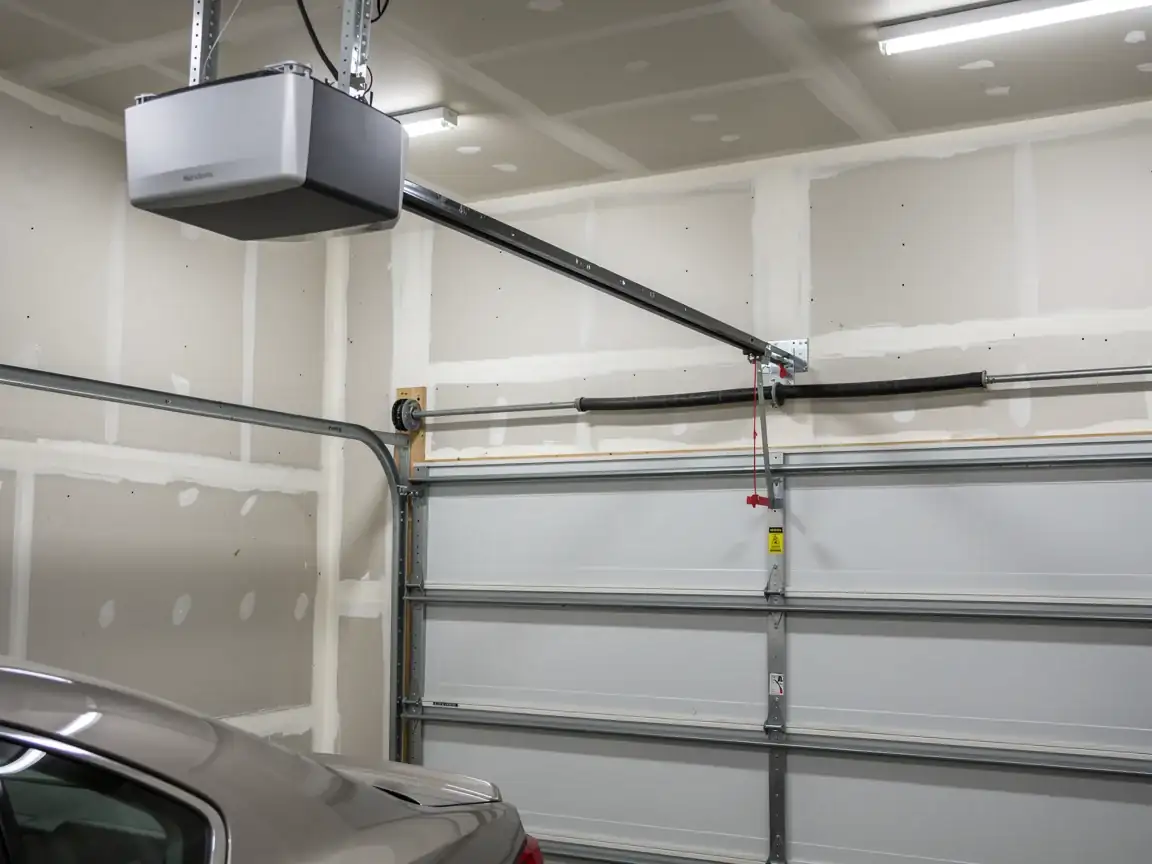
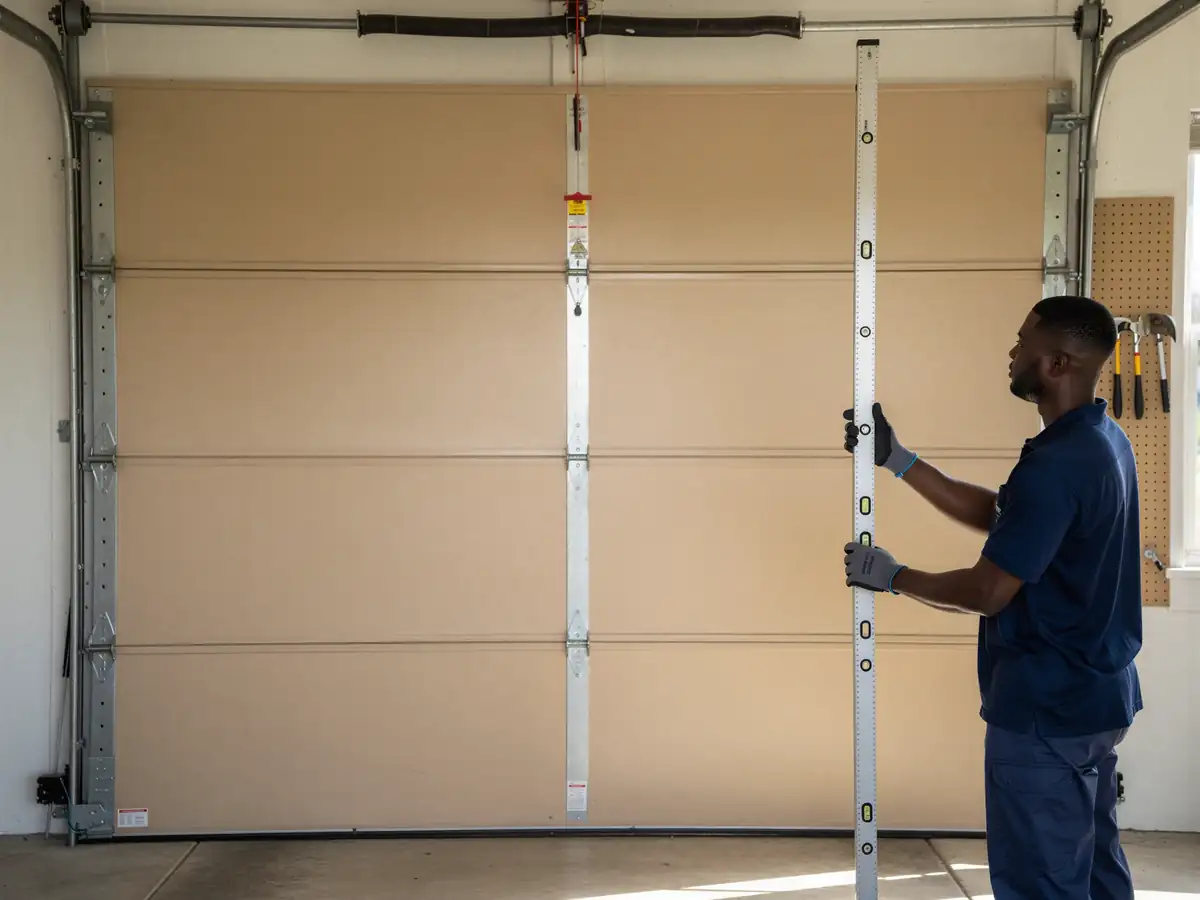
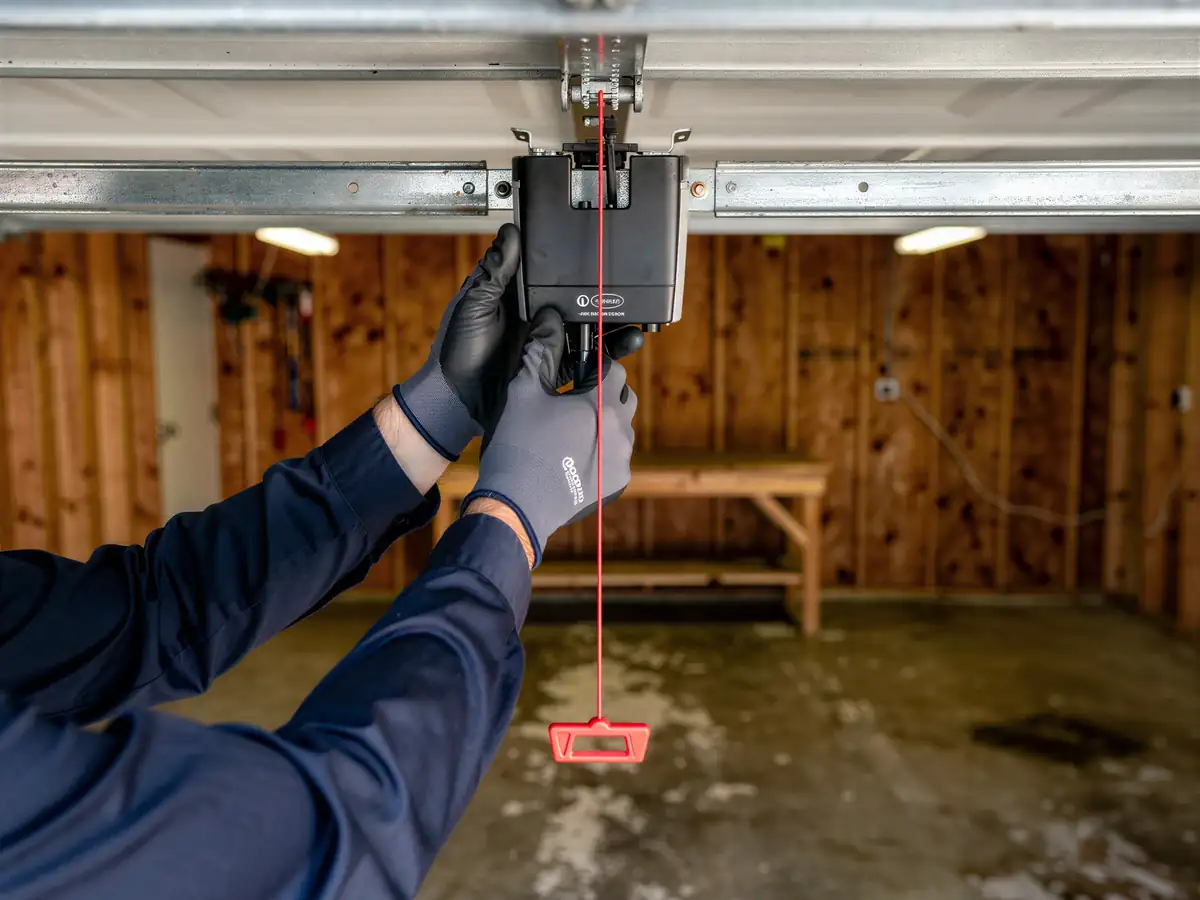
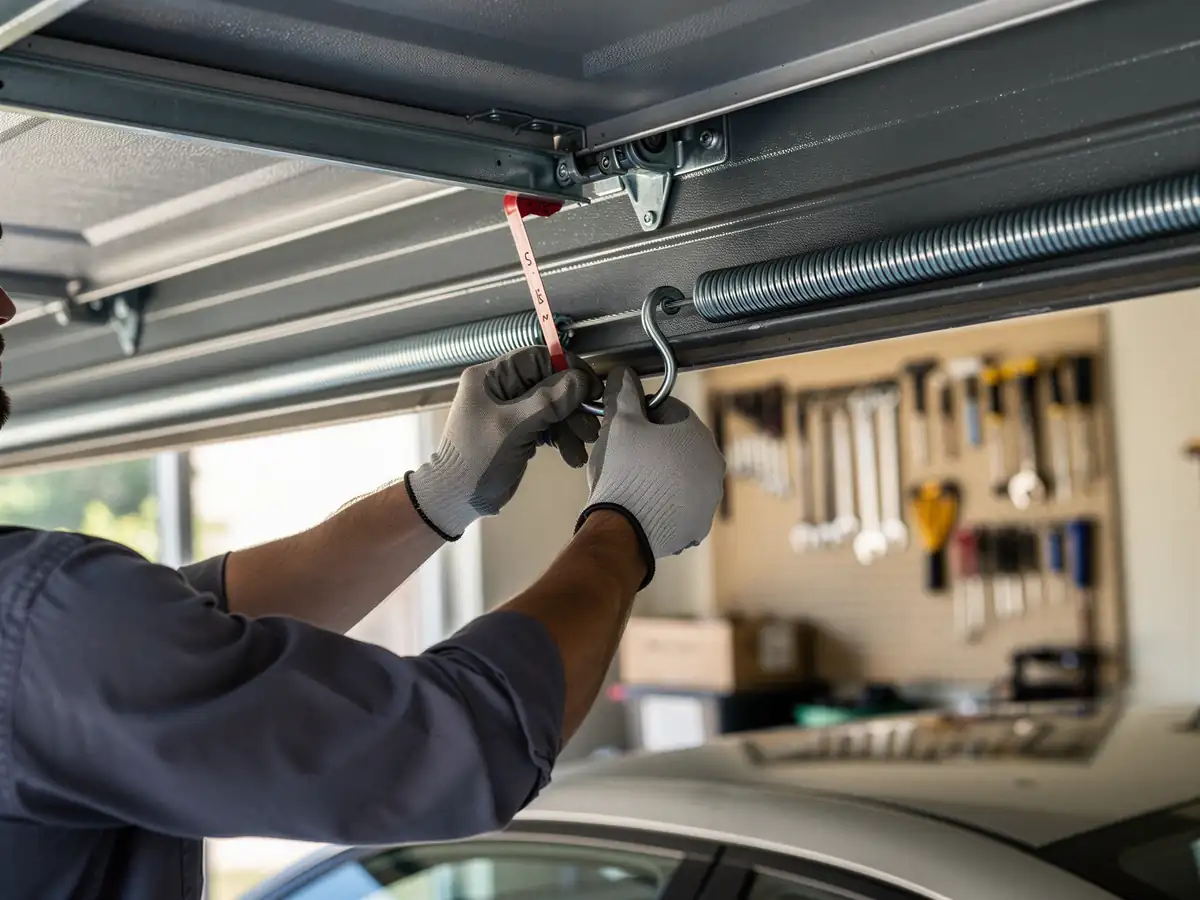
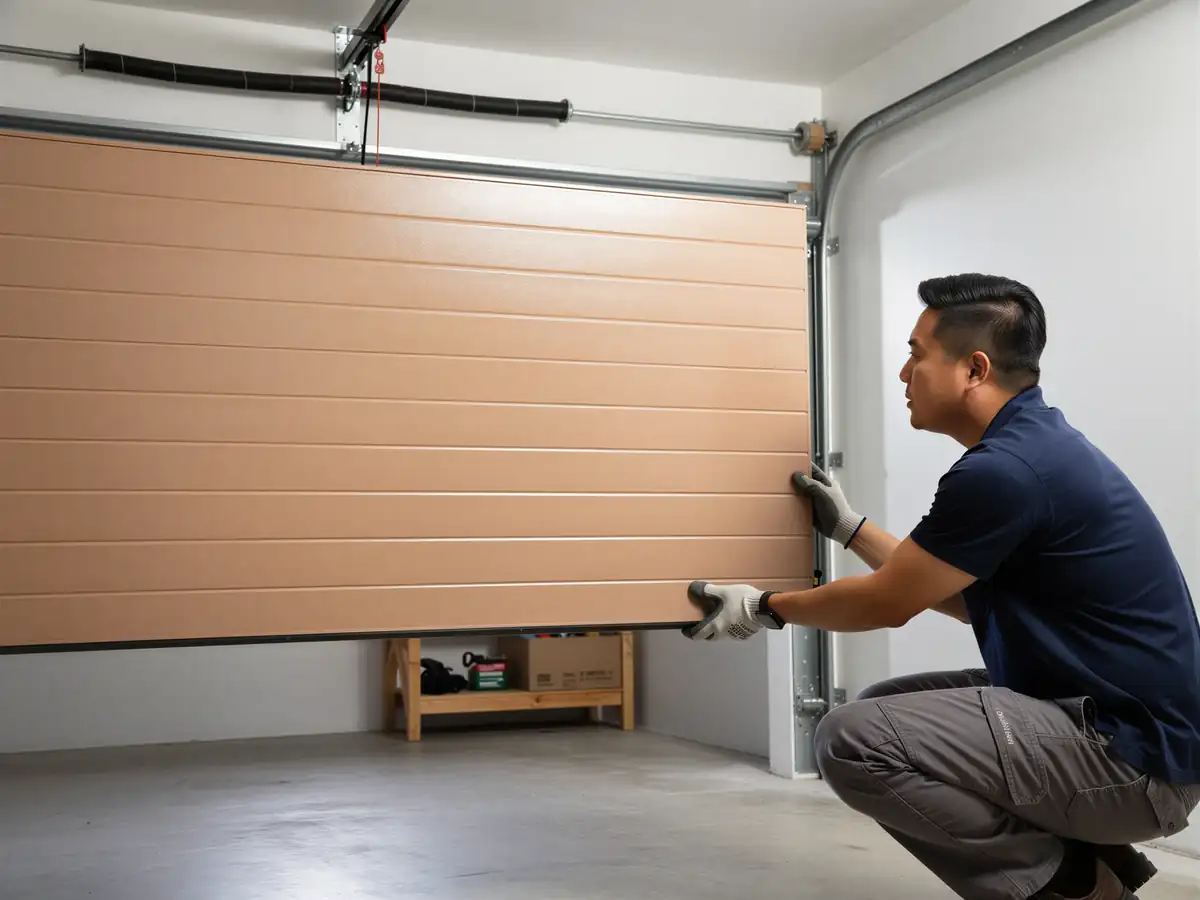
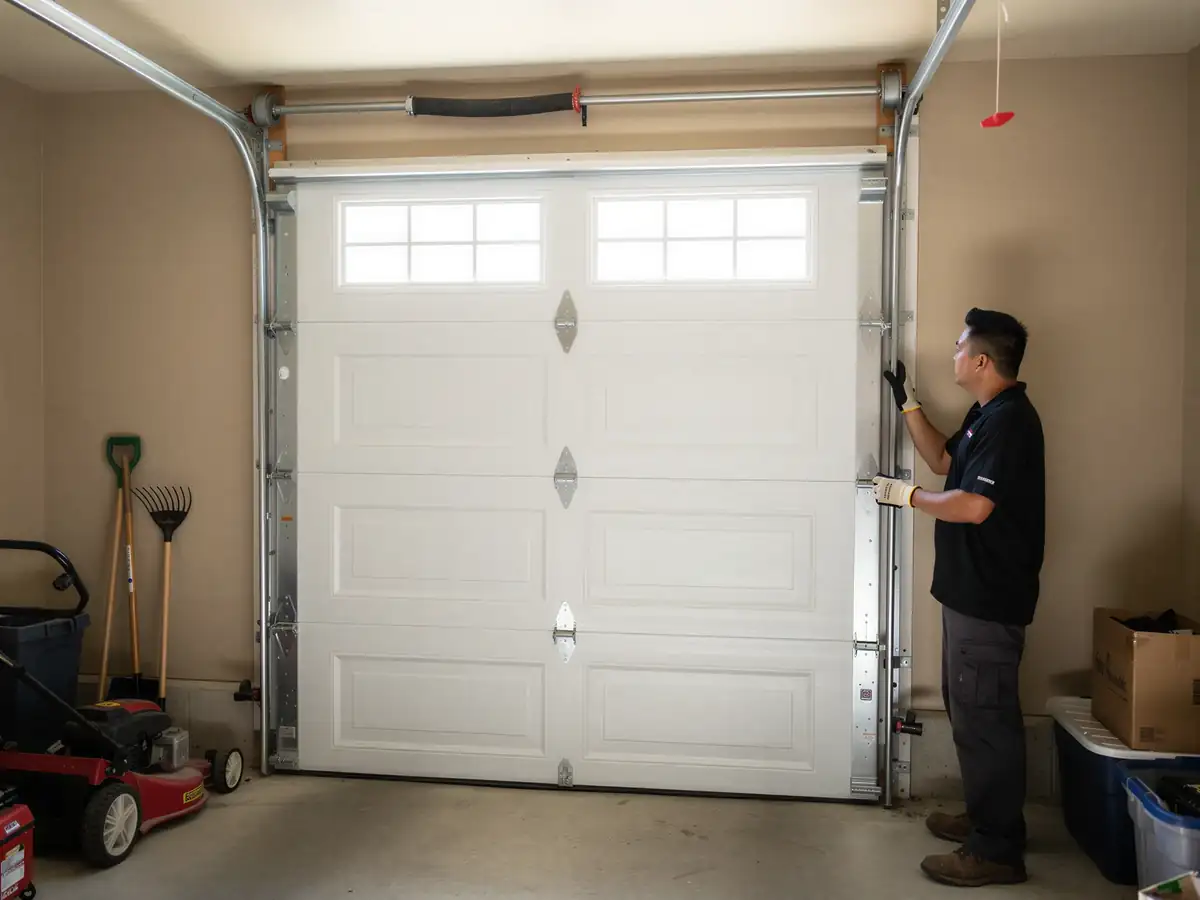
That said, homeowners ask whether they can skip the call and do it themselves. A new garage door is not like hanging a shelf. The door itself might be a one-person lift on a light steel panel, but the track alignment, the torsion spring tension, and getting the opener's travel limits set correctly are where DIY installs go wrong. A spring wound to the wrong turns on a double door can put real force into a small space fast. If you're comfortable with the mechanical side and just want the door and track, that's a reasonable project. Pairing a new door with the matching spring and opener setup is where we'd rather you call.
Time on the Job
Most homes in Crest Hill were built around 1992
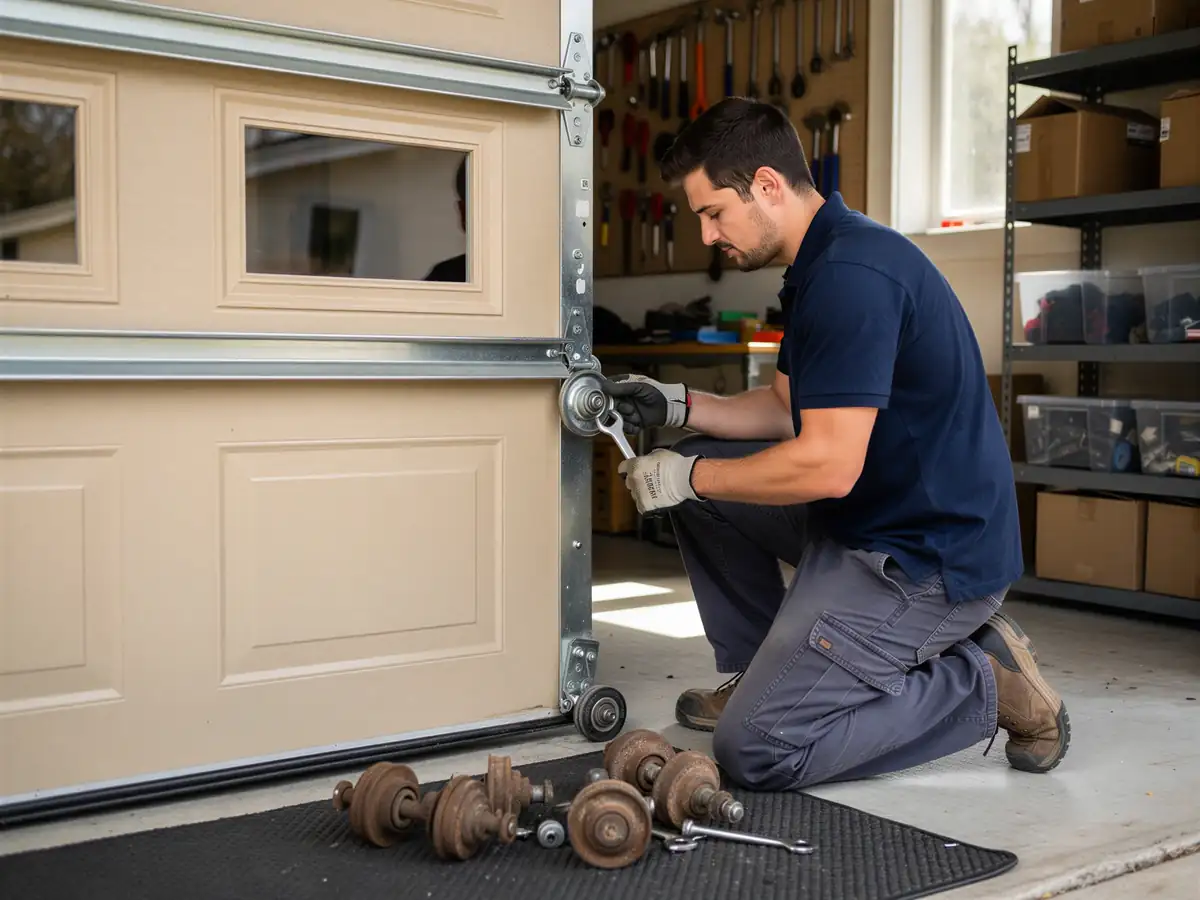
Which puts the original door and opener hardware solidly in a specific era: steel sectional doors on standard 7-foot openings, torsion springs sized for the lighter panels of that period, and openers that are now well past any reasonable service life. A new install on one of these openings usually means swapping the track brackets too, since hardware from the early '90s doesn't always match current door thickness.
We don't give a blanket number for how long a job takes
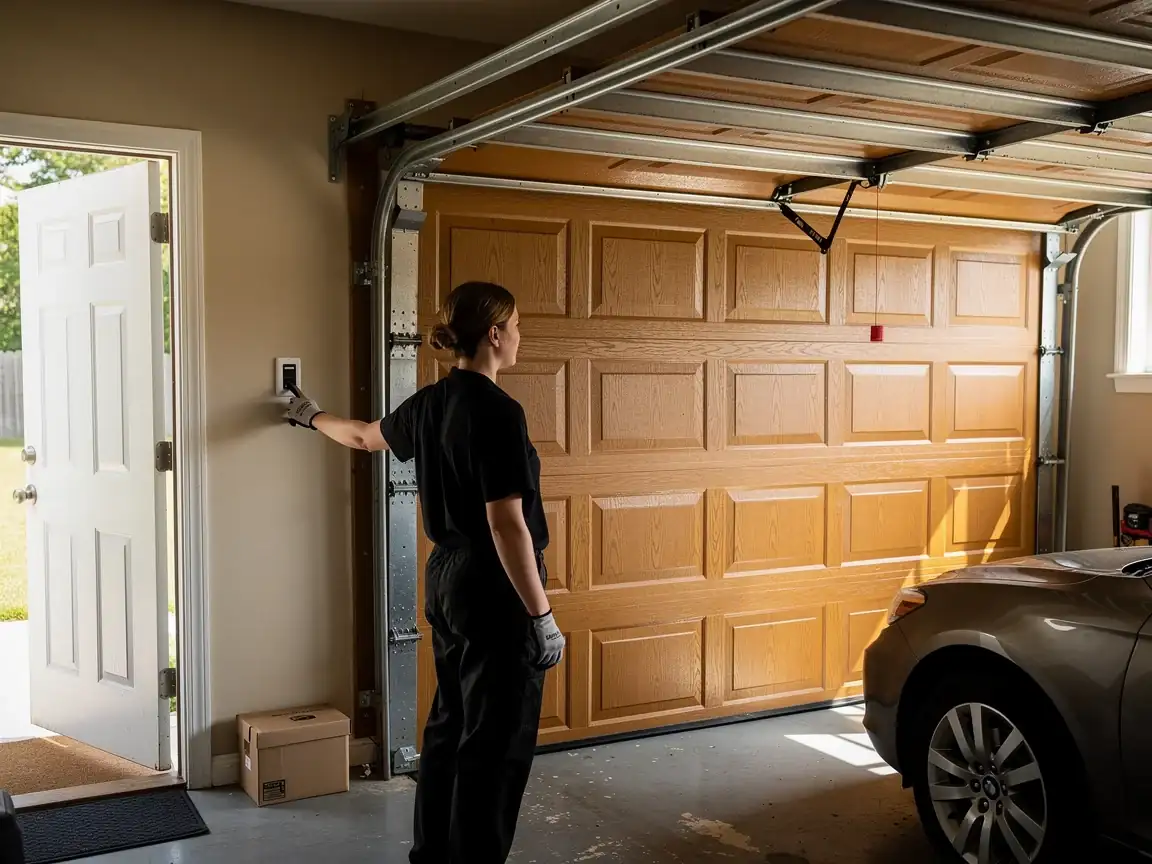
Because it depends on whether the opening needs new track, whether the old springs come off clean, and whether the opener wiring needs rerouting. What we can say is that the short trip from Joliet means we're not rushing the finish work to make the next appointment across town. A job that needs an extra half hour to get the travel limits right gets that half hour.
Stocked Parts
Because so much of Crest Hill's housing stock clusters around that early-90s build year, the trucks carry the sizes and hardware that match it: standard 7-foot and 8-foot door widths, torsion springs rated for steel sectional panels of that generation, and track brackets that fit the stud spacing common to houses from that period. That's not a guess about your specific house, it's a reflection of what the area's housing data tells us to expect.
Where it gets harder is on anything custom, insulated doors with non-standard R-values, or openings that were framed outside the typical dimensions. Those parts aren't something we carry on the shelf, and ordering them adds lead time we can't promise away. If your opening is a standard size, which most are here, the parts side of the job moves fast. If it isn't, we'll tell you that up front rather than make you wait to find out.
What You Are Seeing
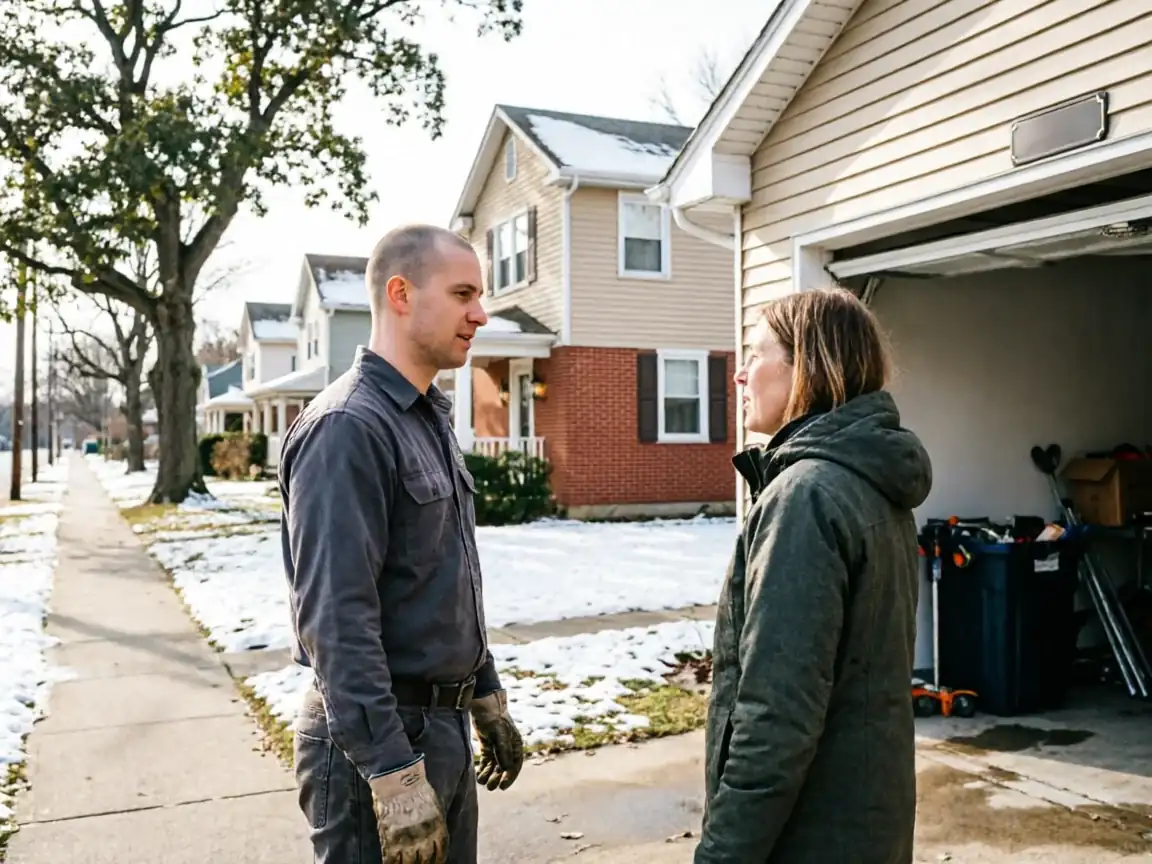
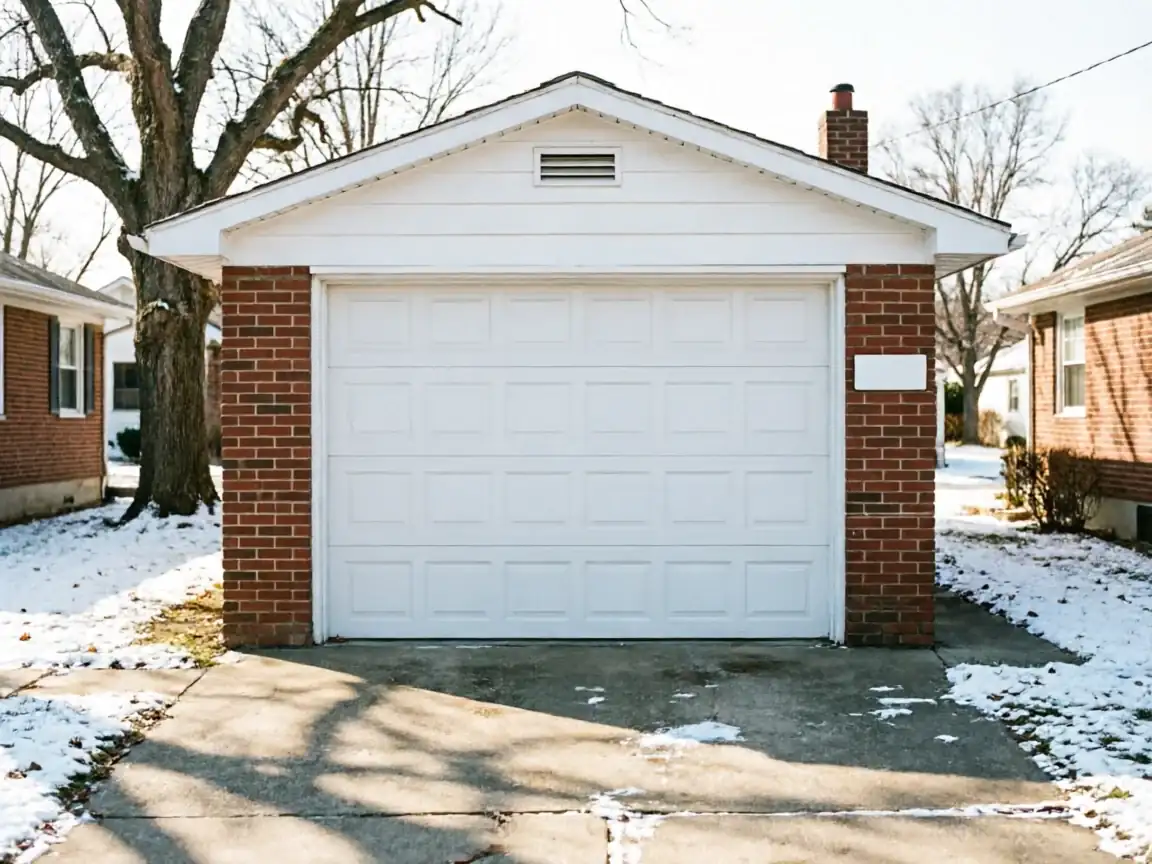
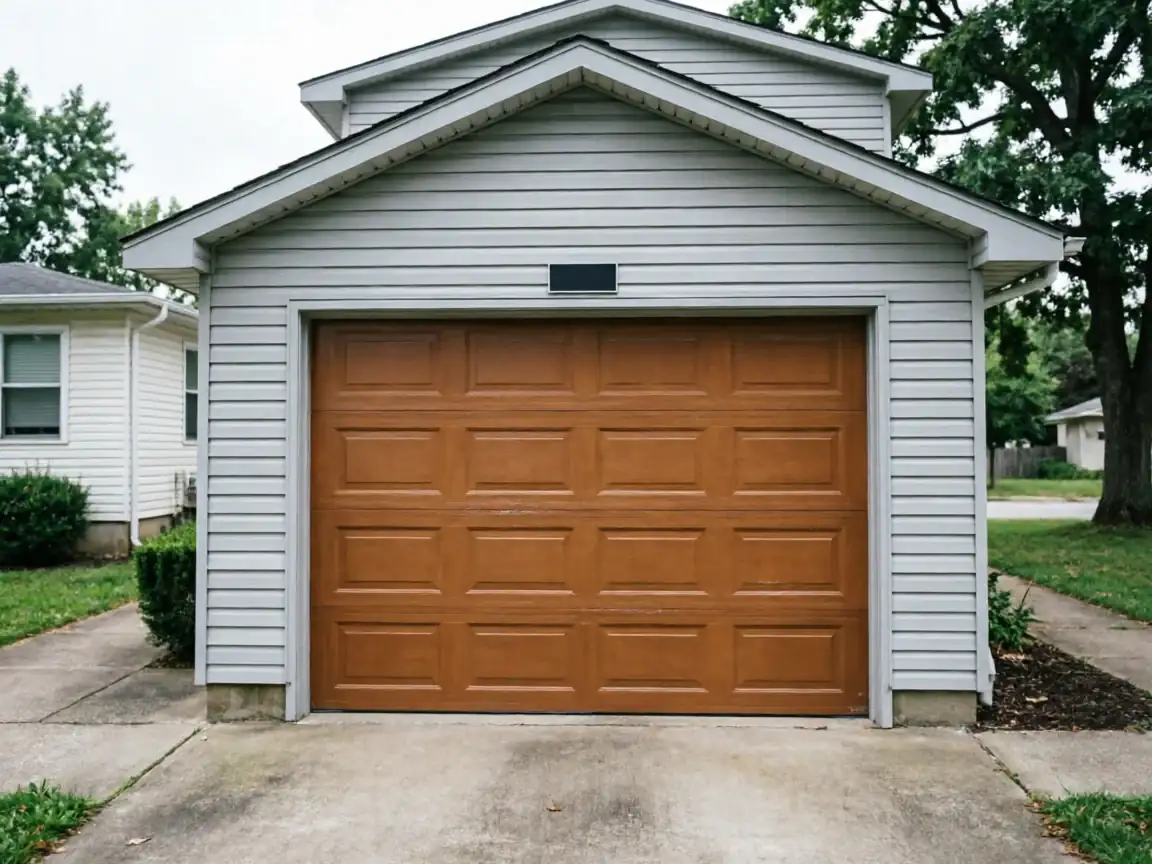
A door going bad on a house built in the early 1990s usually shows itself the same few ways: panels that have started to bow or dent from three decades of use, a bottom section rusting out where it sits closest to the slab, or an opener that strains and reverses on cold mornings. This area sits in a cold climate band, and steel doors from that era weren't always insulated well by today's standard, so the cold-morning strain on an aging opener is a pattern we see more than the occasional fluke.
Some of what you're seeing is cosmetic and some of it is structural. A dented panel on an otherwise sound door and opener is a cosmetic fix or a single-panel swap, not a full replacement. But if the springs are original to a 1992 build and the opener motor is laboring, replacing the whole system at once usually costs less over time than patching pieces as they fail one by one. We'll tell you which situation you're in before we quote anything.