The DIY Question
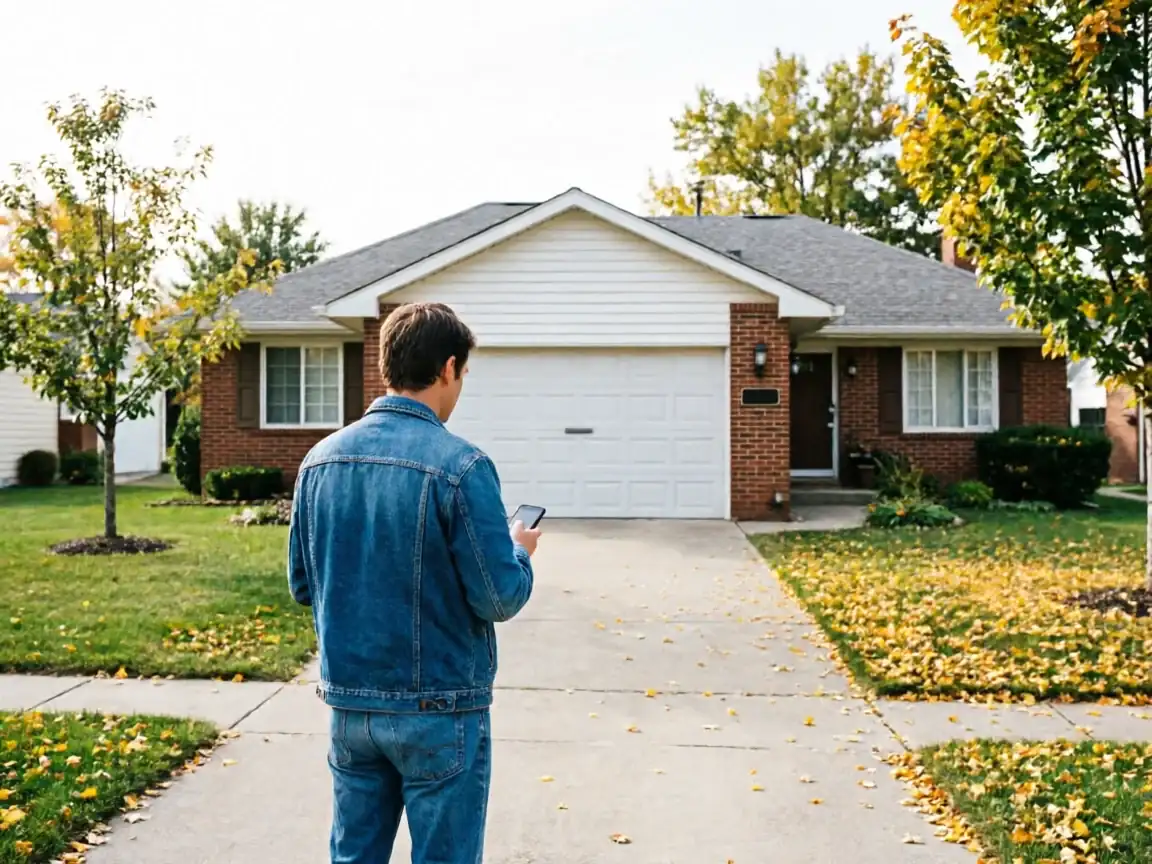
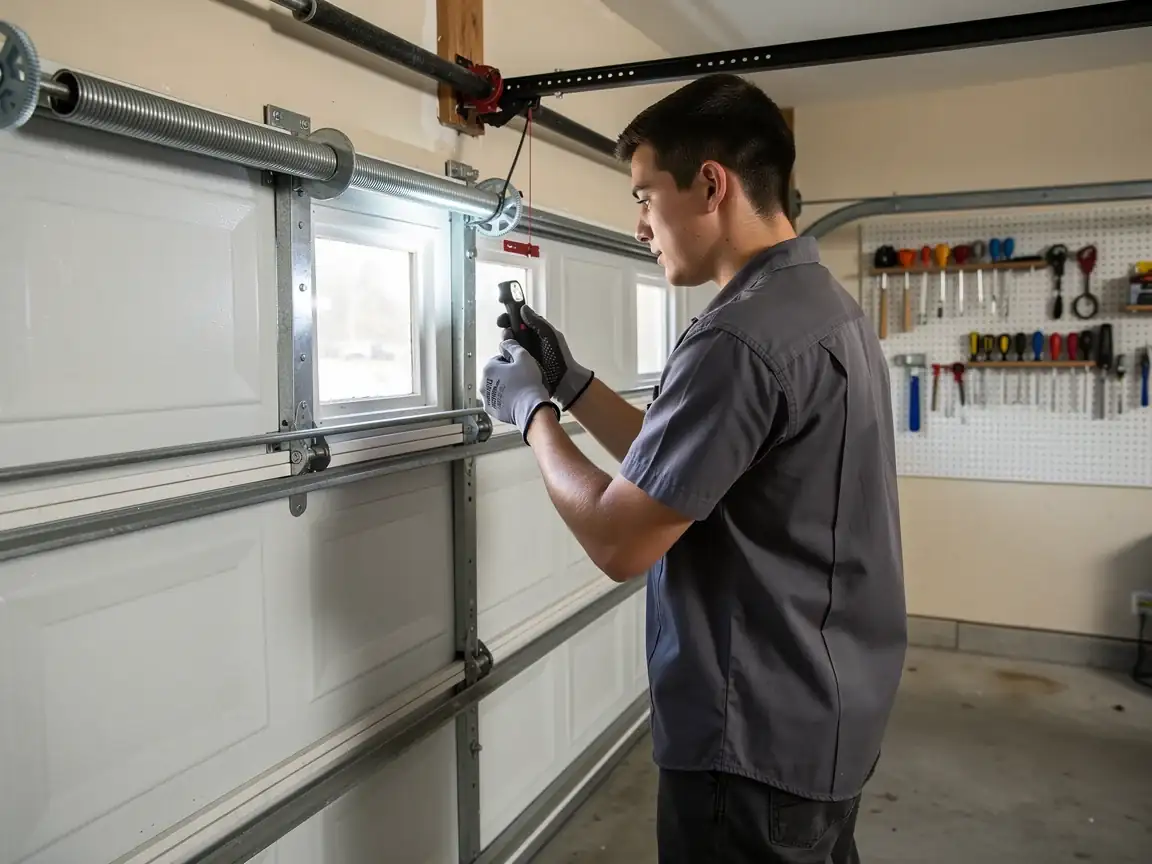
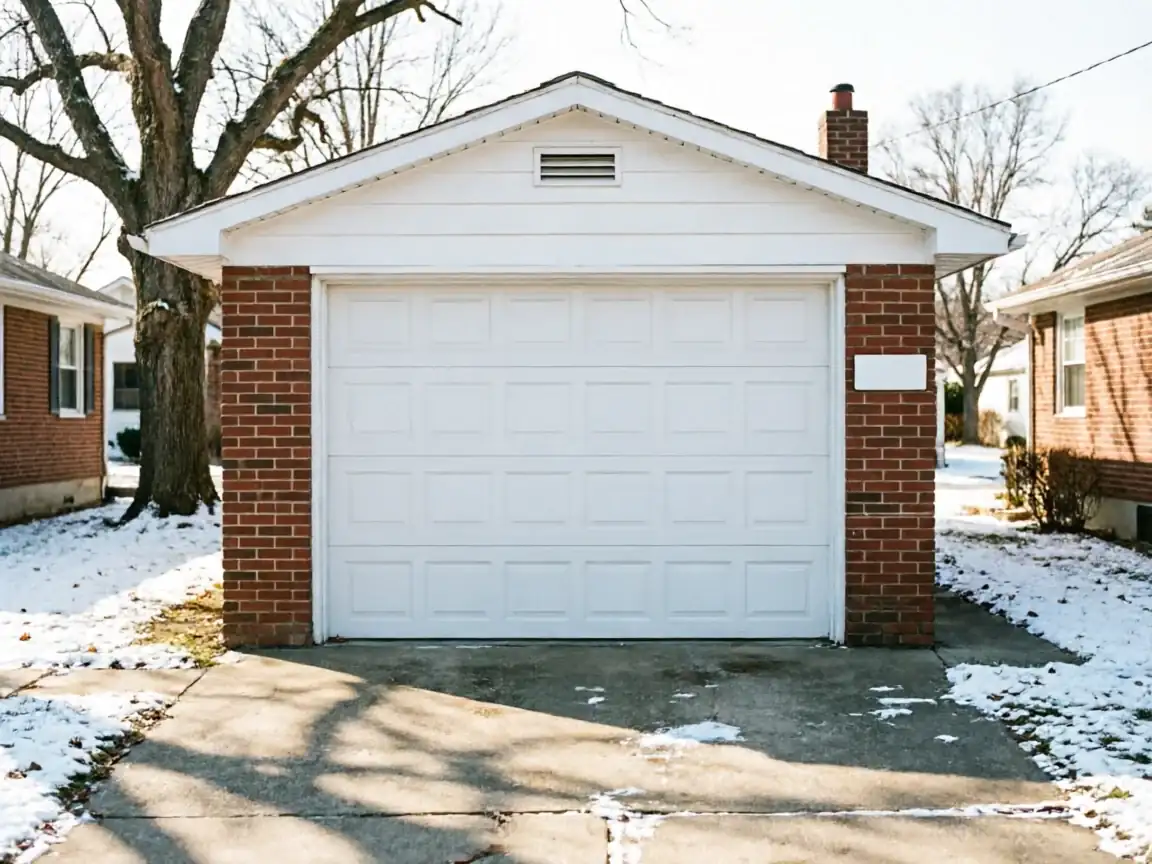
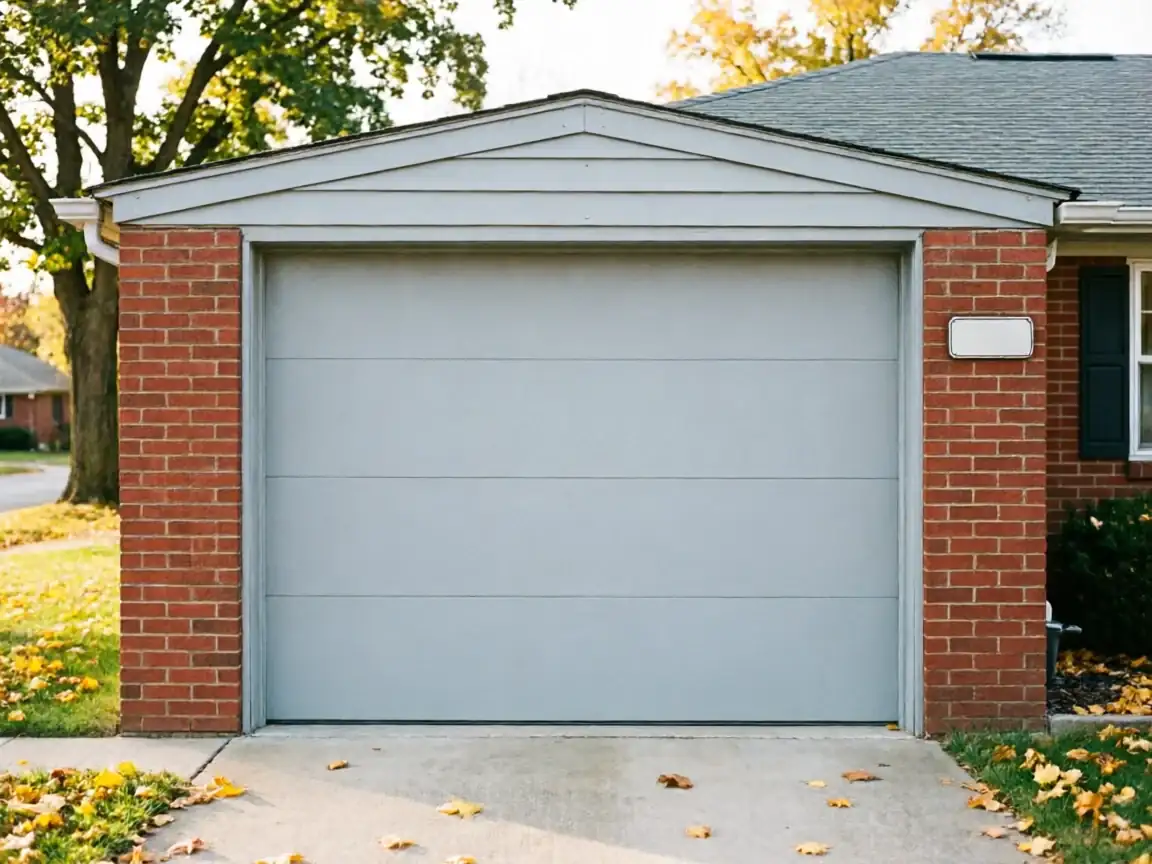
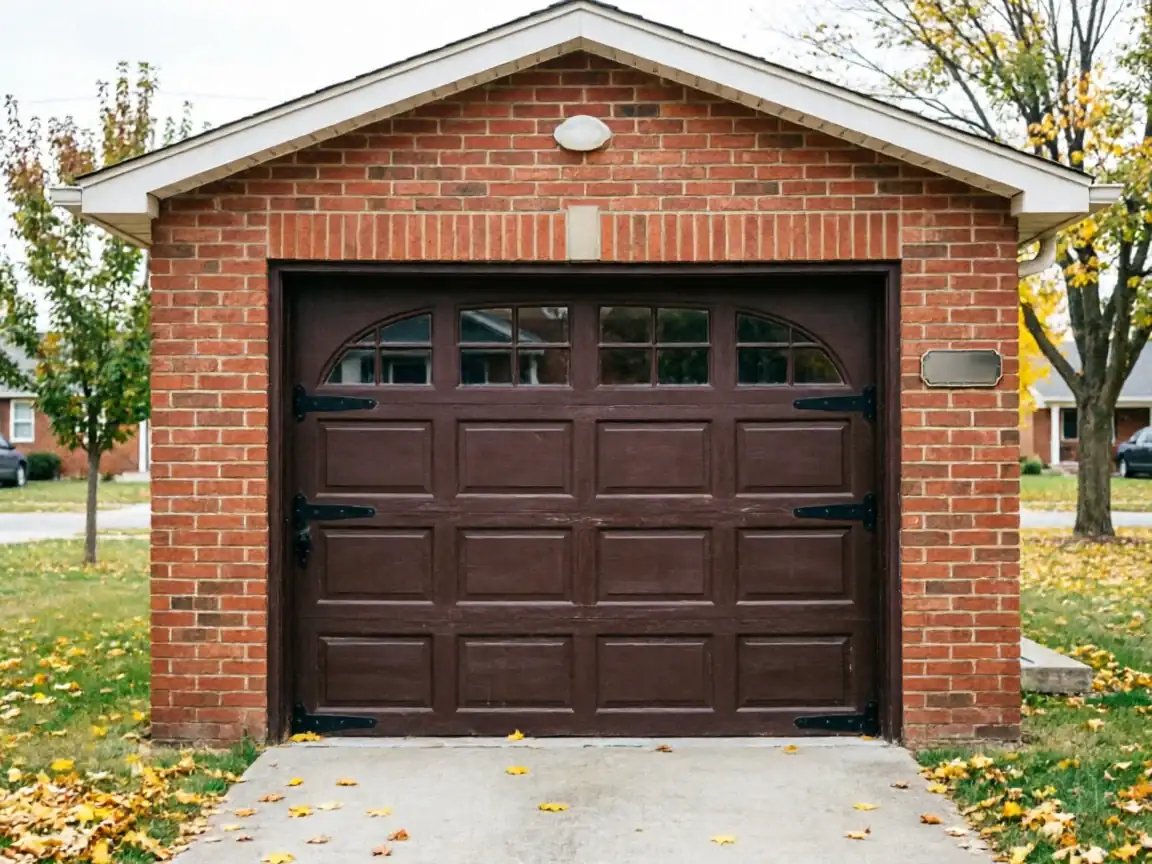
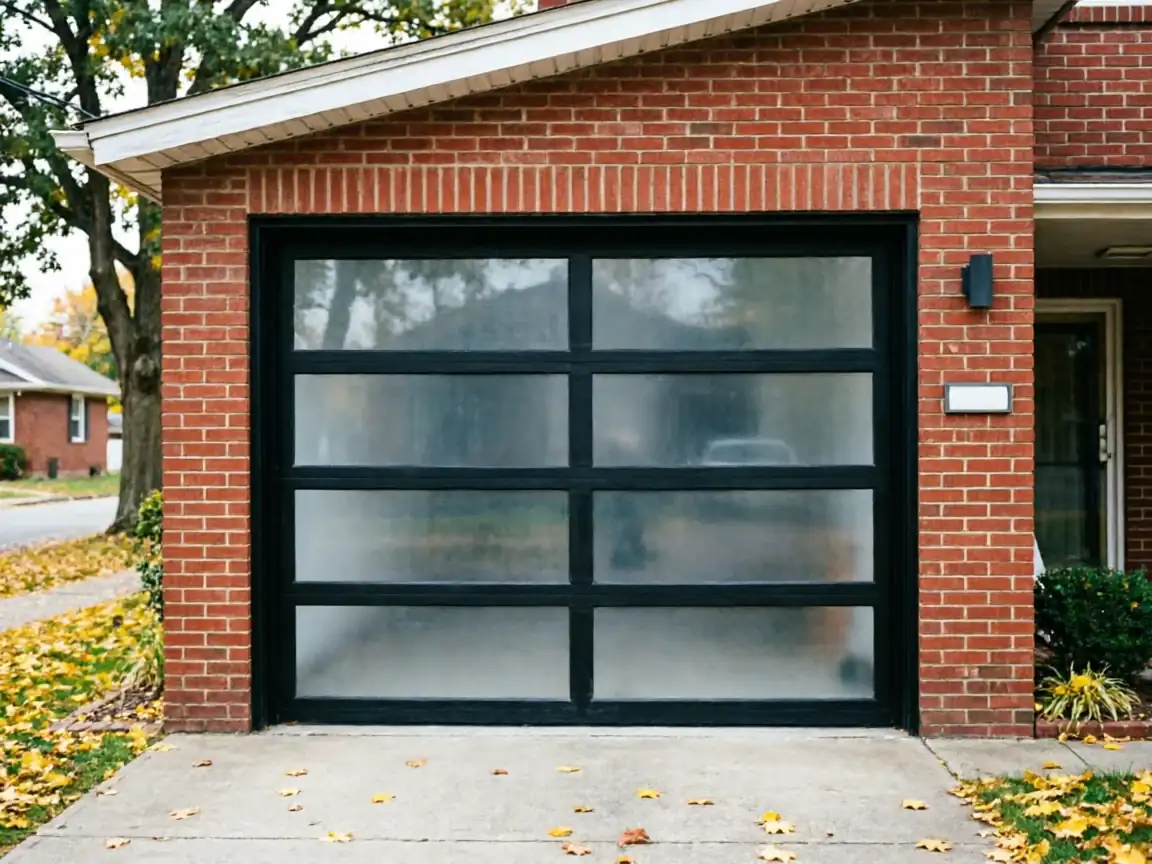
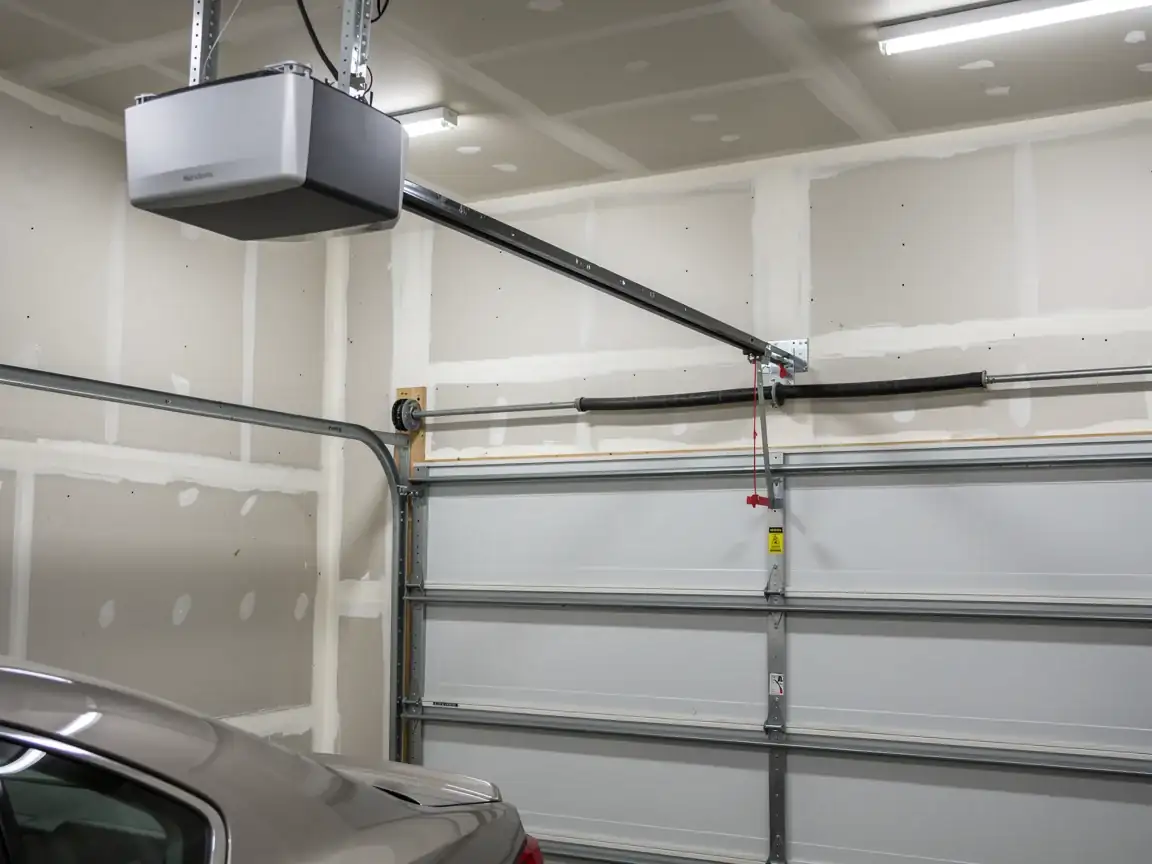
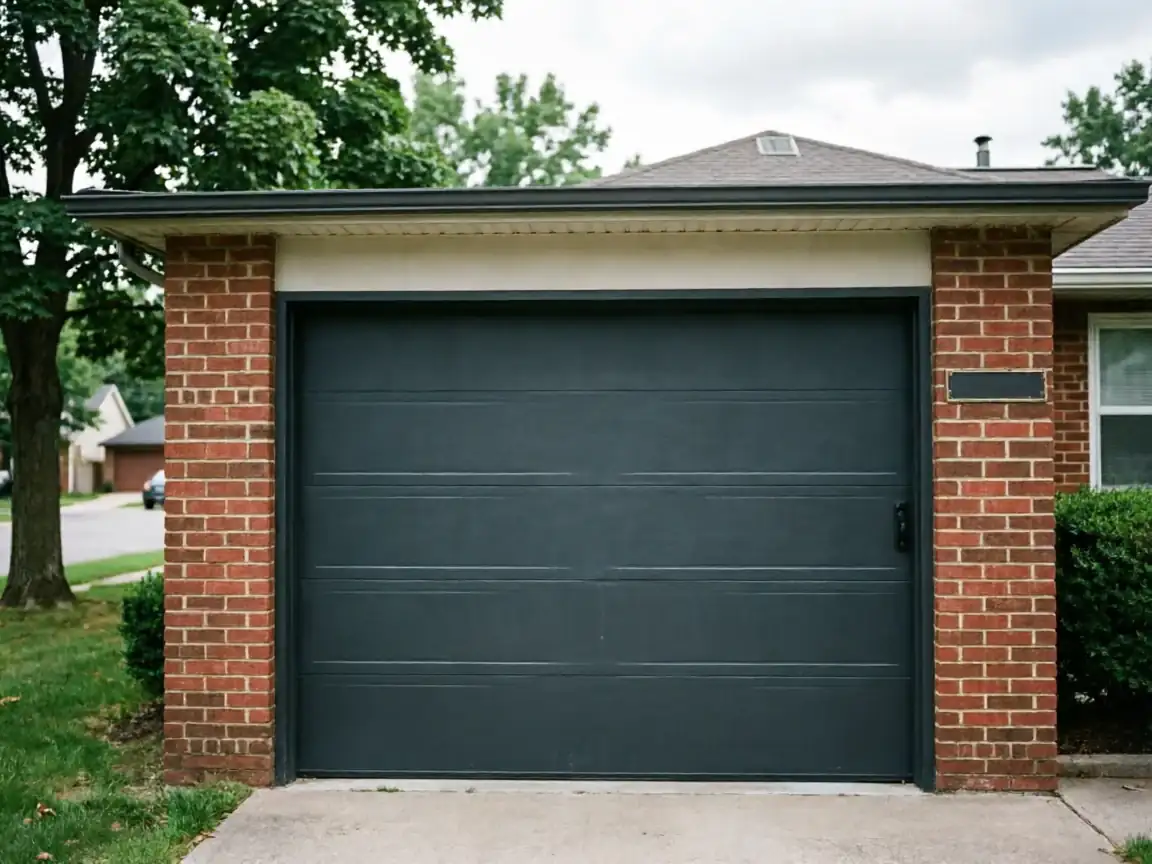
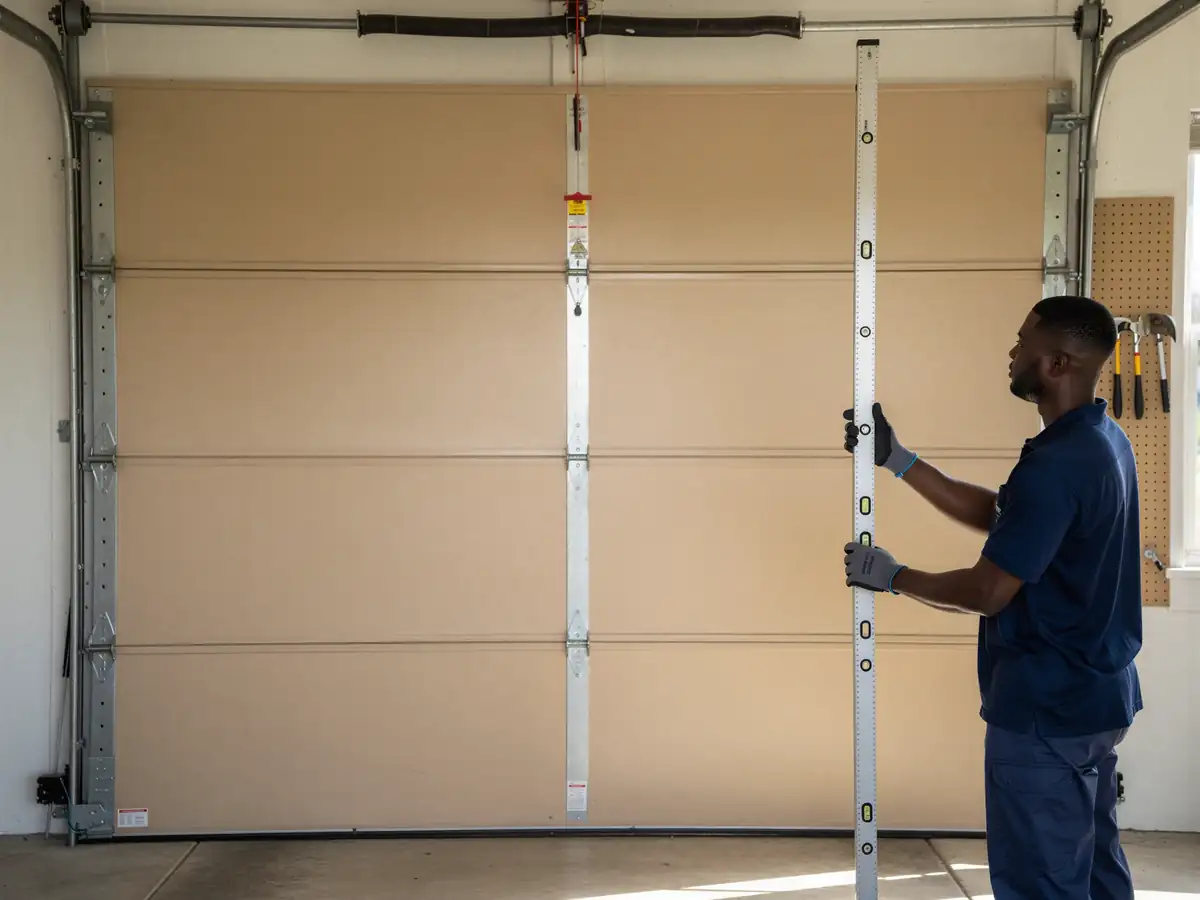
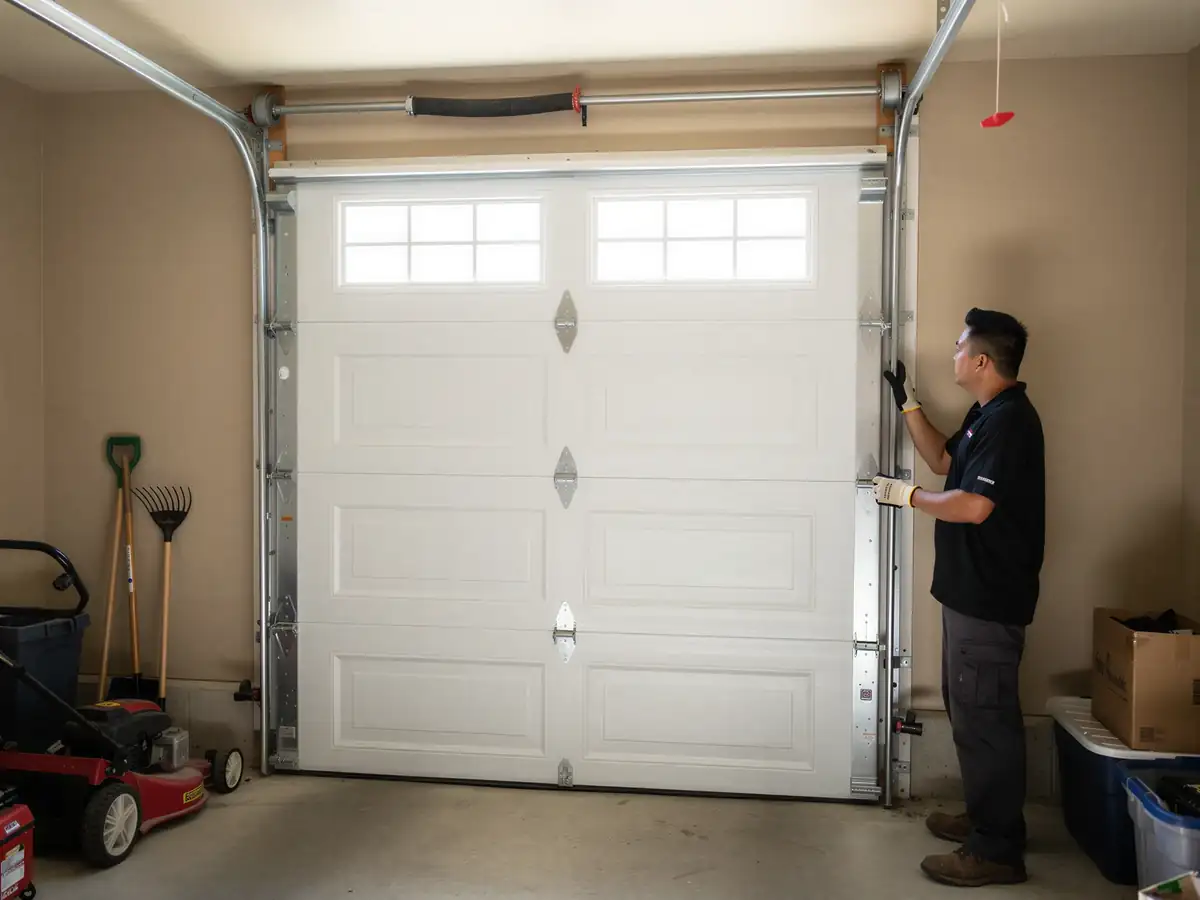
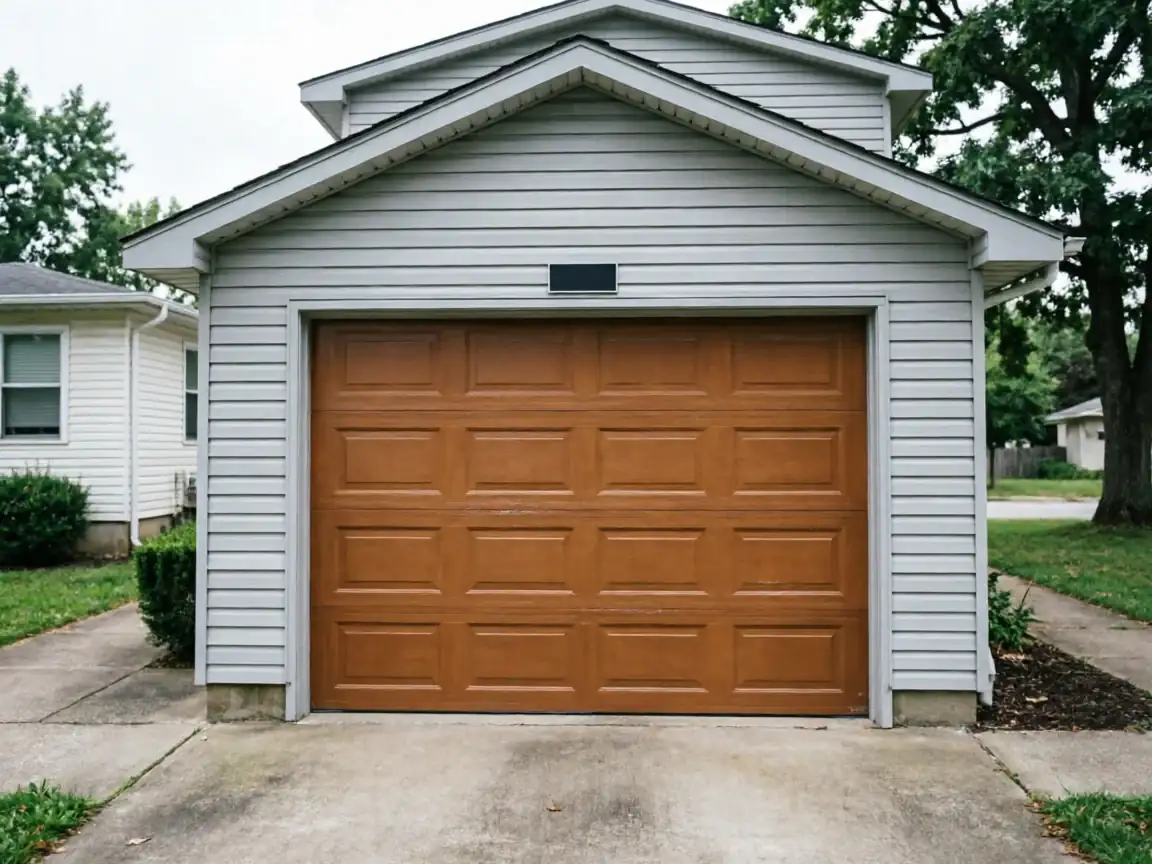
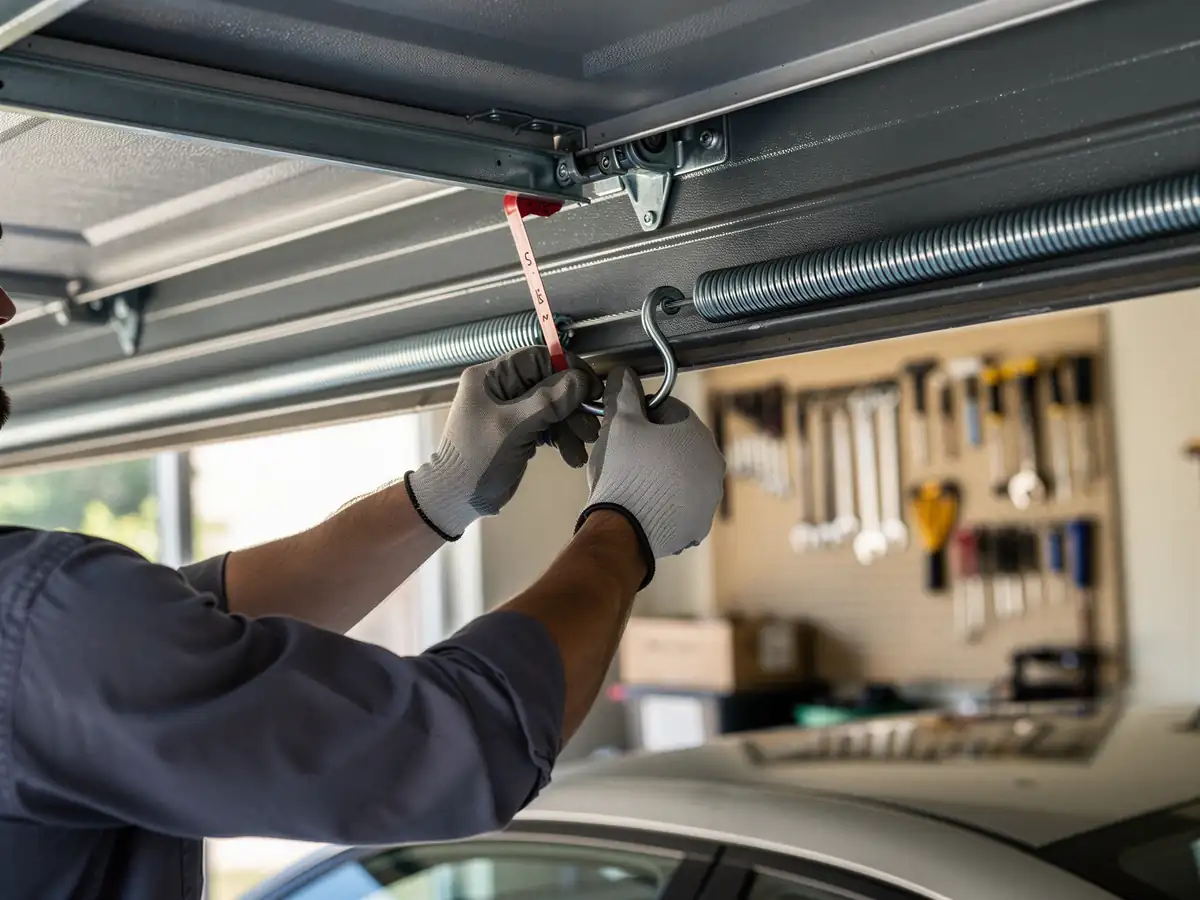
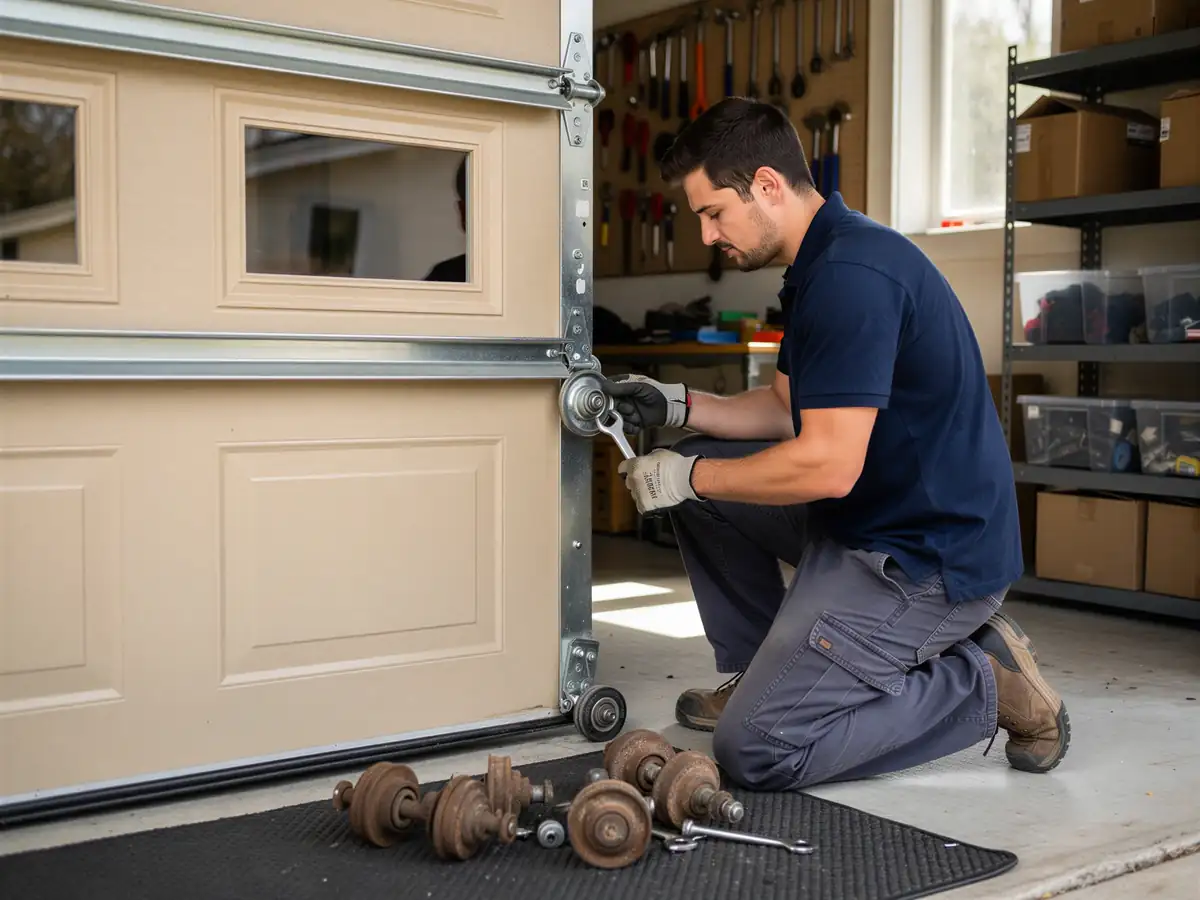
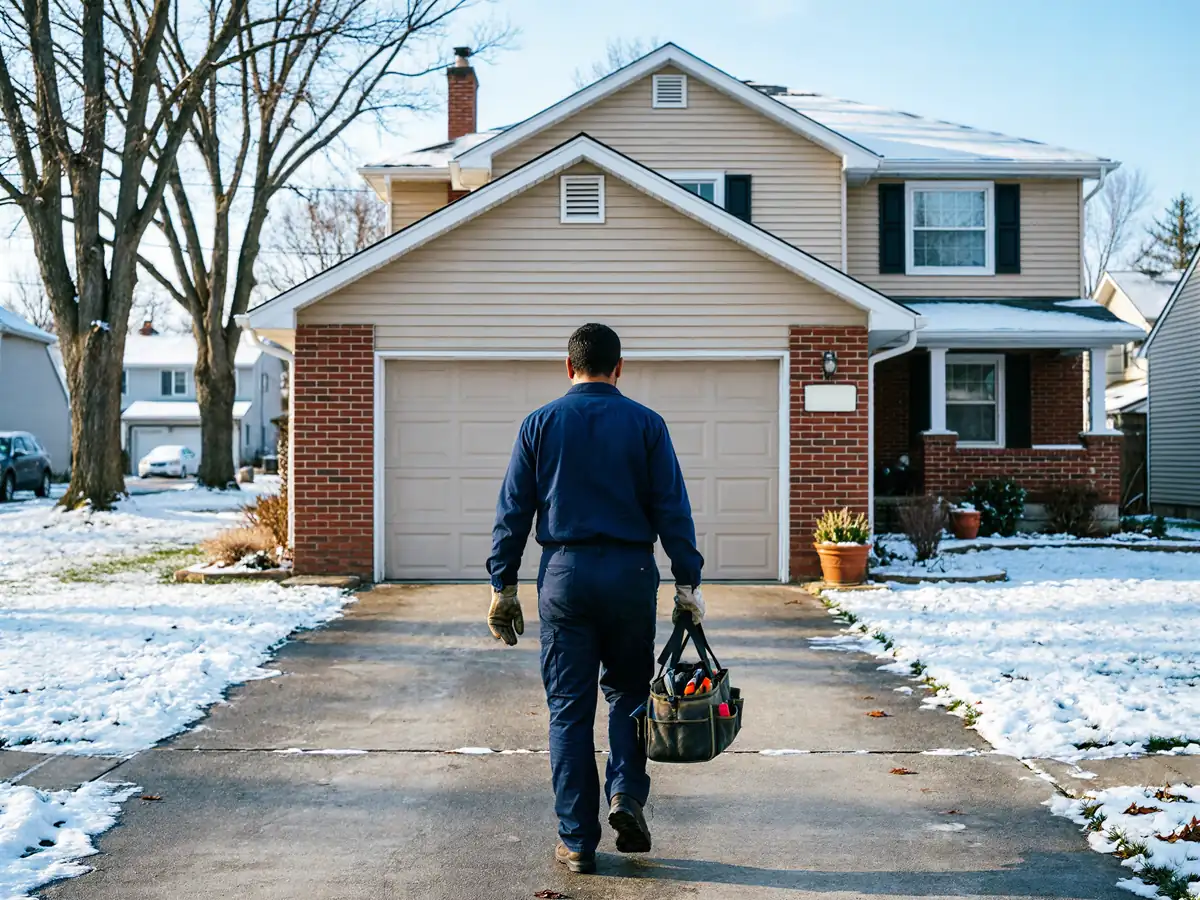
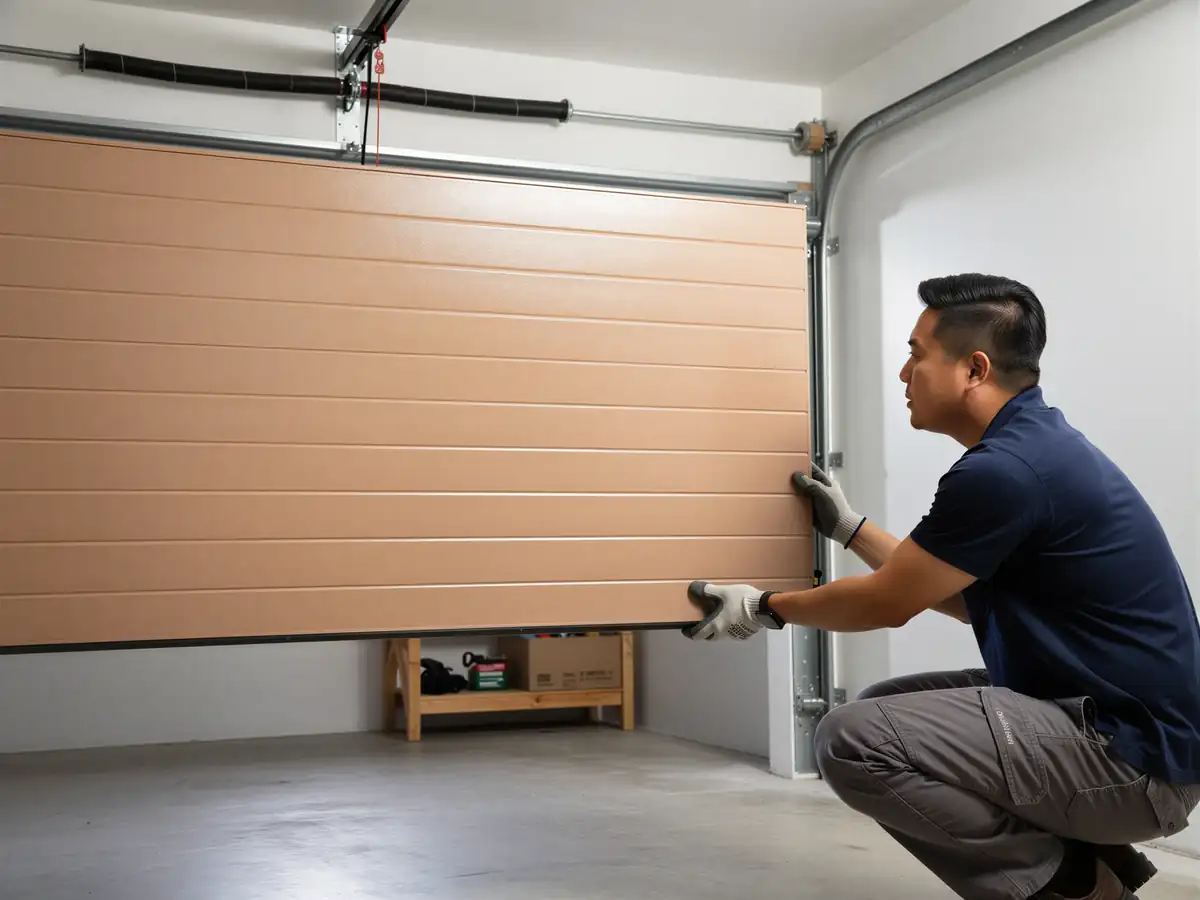
Crest Hill's median household income sits around $71,408, noticeably lower than the $109,064 median across the wider Joliet service area. That number matters more than it looks like it should, because it's close to the line where a $300 tune-up still makes sense and a $900 opener replacement starts to feel like a stretch. Most houses here went up around 1992, which puts the original door hardware at roughly three decades old - not ancient, but old enough that a spring, a cable, or a roller is due for attention rather than full replacement. If you're thinking about doing the lubrication and bolt-check yourself, that's reasonable for a door this age: tighten the track brackets, oil the hinges, check the cable fraying by eye. What you shouldn't touch is the torsion spring itself. On a door built in this era, the spring is almost always under enough tension to do real damage if it lets go while you're adjusting it. That's the one job on this list worth paying for, even on a tight budget.
Stocked Parts
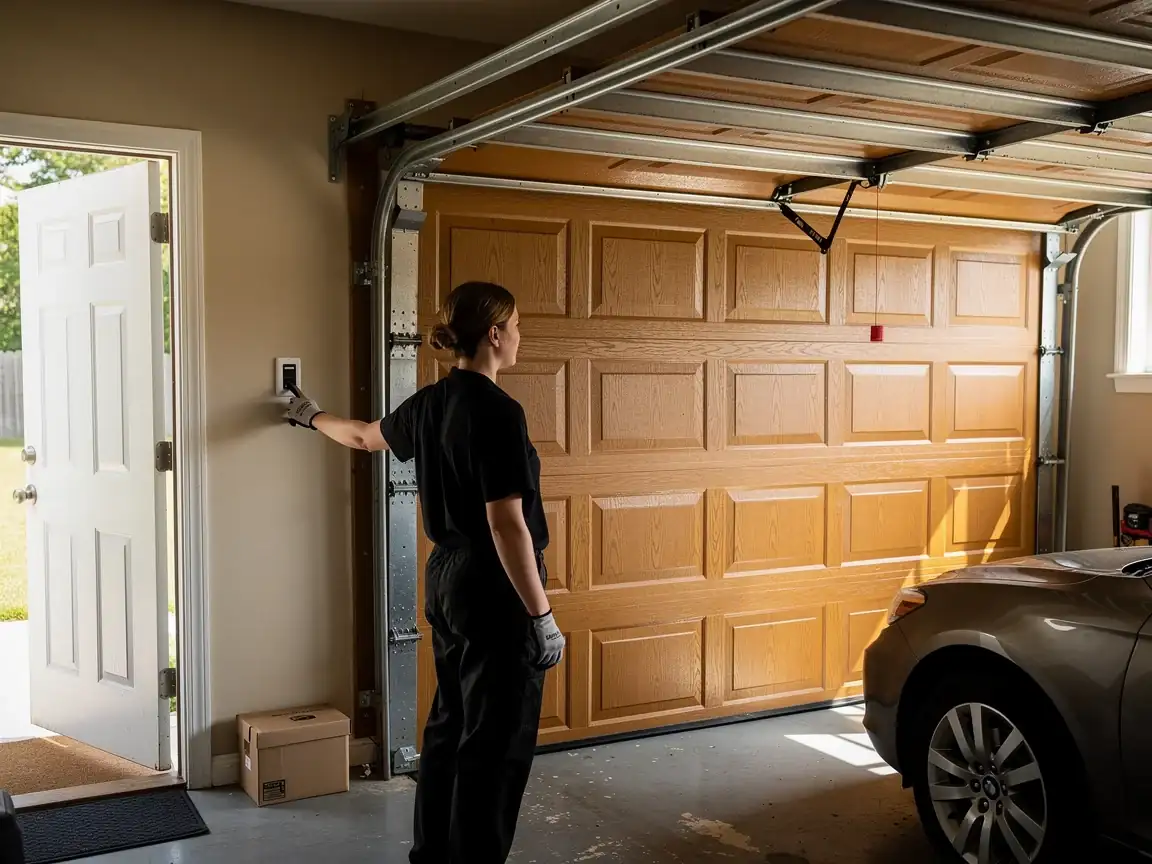
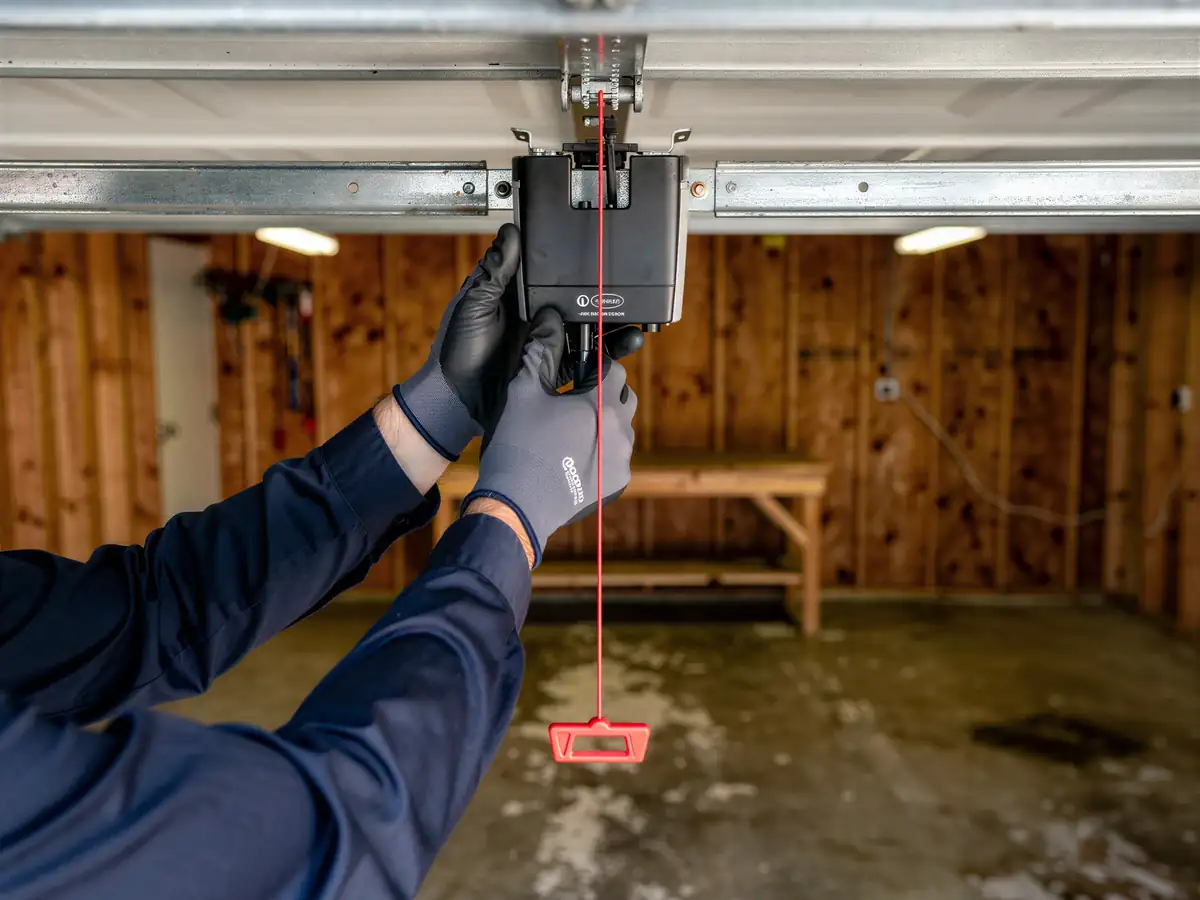
Doors built around 1992 in this area tend to run on hardware that's still common: standard torsion springs sized for a single or double door, steel rollers, and openers from the chain-drive era that followed garage door automation going mainstream in the late 1980s. Those are the parts that get restocked regularly because so much of the 28-area service footprint - 90,342 owner-occupied houses in total - was built in that same 1958-2004 window, with most of it concentrated in the 1980s and 90s. Where it gets harder is the edges: a handful of older one-piece doors with side-mounted hardware, or newer smart openers with proprietary boards, can mean a longer wait on a specific part. That's the honest limitation - we don't keep every obscure bracket or discontinued opener board on the truck, and if your door falls outside the common range, we'll tell you that up front instead of guessing at a fix.
What You Are Seeing
If your Crest Hill house dates to around 1992, the symptoms you're likely dealing with are wear symptoms, not installation defects: a spring that's lost tension and makes the opener strain on lift, rollers that have gone from smooth to gritty, or a cable showing the first strands of fray near the bottom bracket. Cold winters in this part of Illinois stiffen the lubricant on older rollers and tracks, so a door that worked fine in October can start binding or reversing unexpectedly once temperatures drop - that's a maintenance issue, not necessarily a broken part. What's less common at this build age is structural sag in the door panels themselves; that tends to show up on older stock, not on houses from this era. If you're hearing a loud bang followed by the door refusing to open at all, that's almost always the torsion spring letting go, and it's not a DIY fix regardless of the door's age.