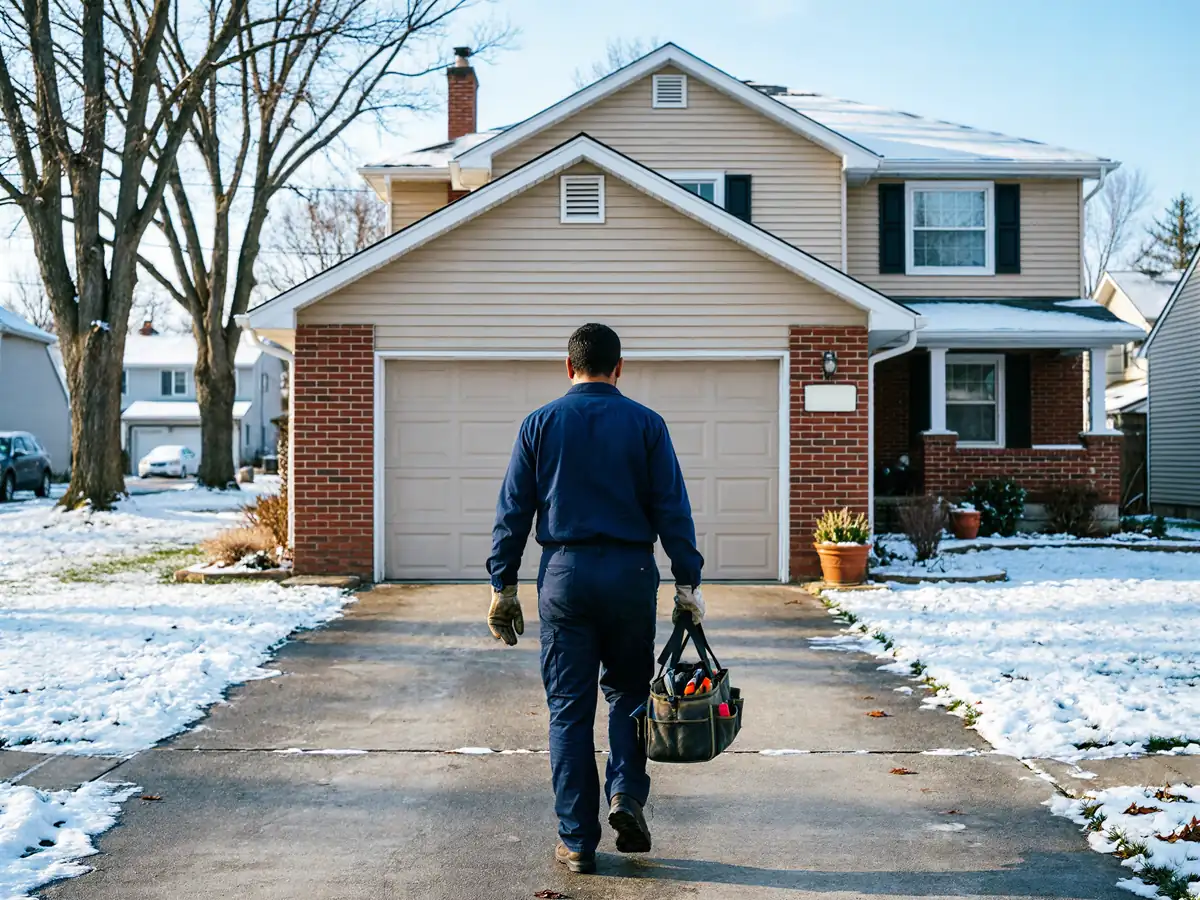
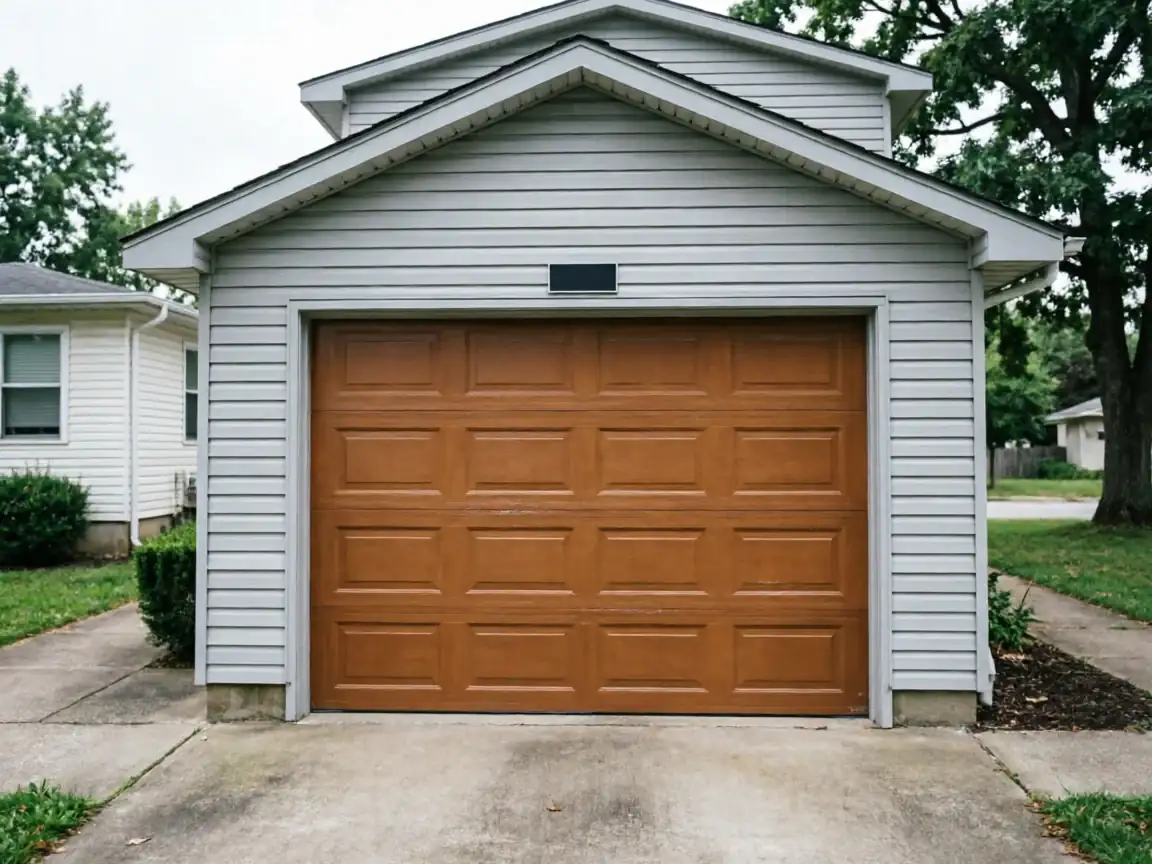
The DIY Question
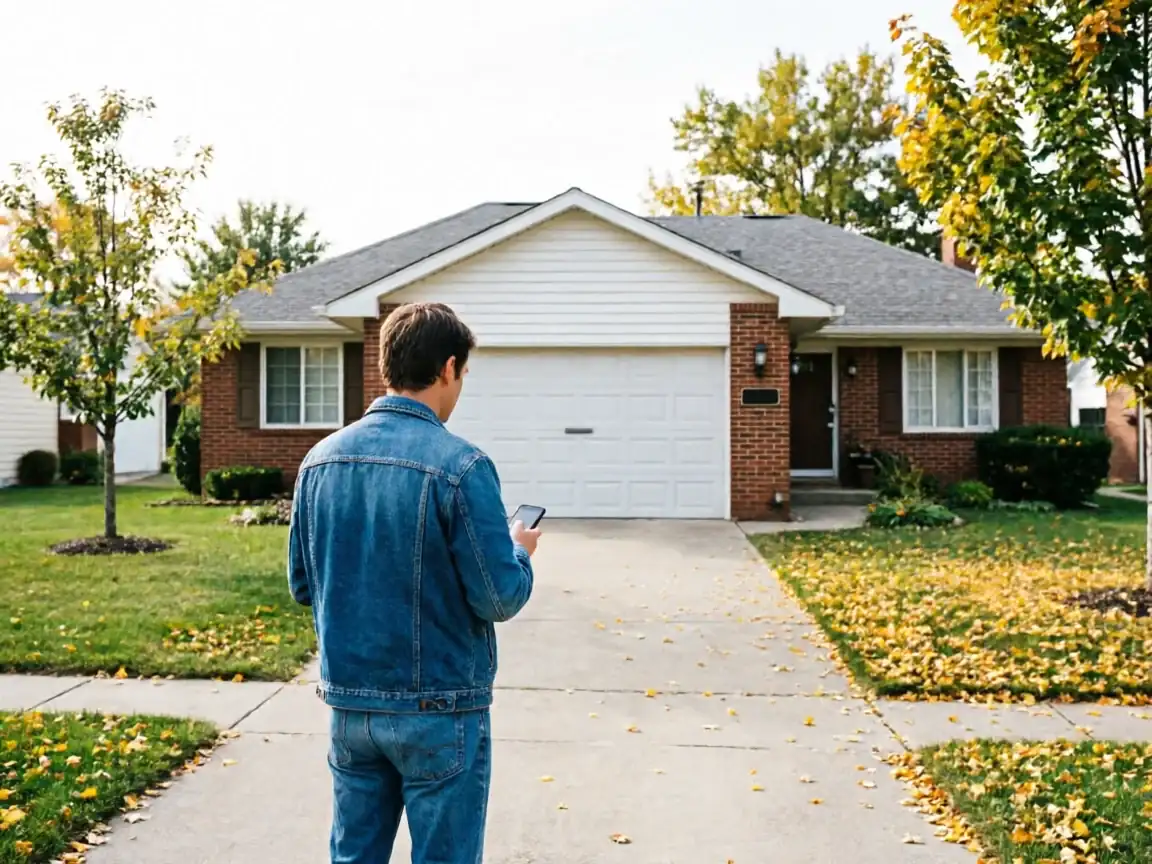
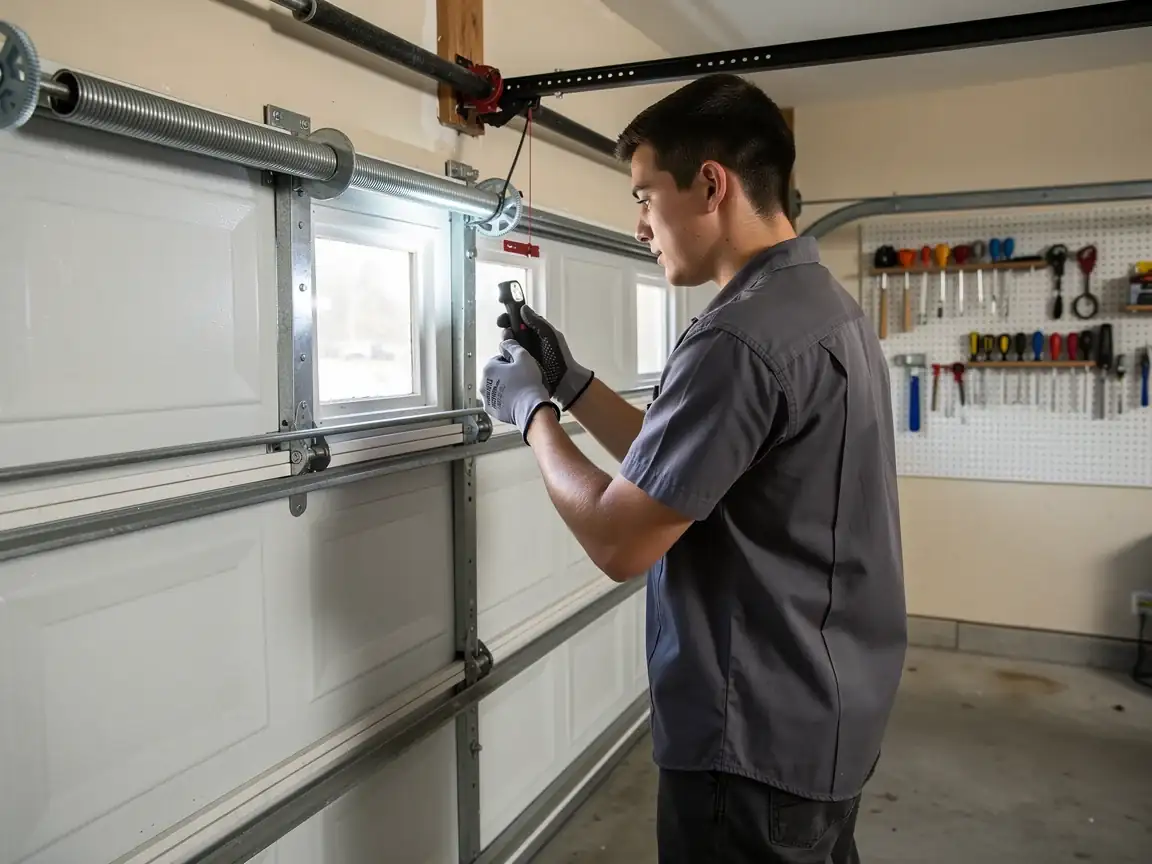
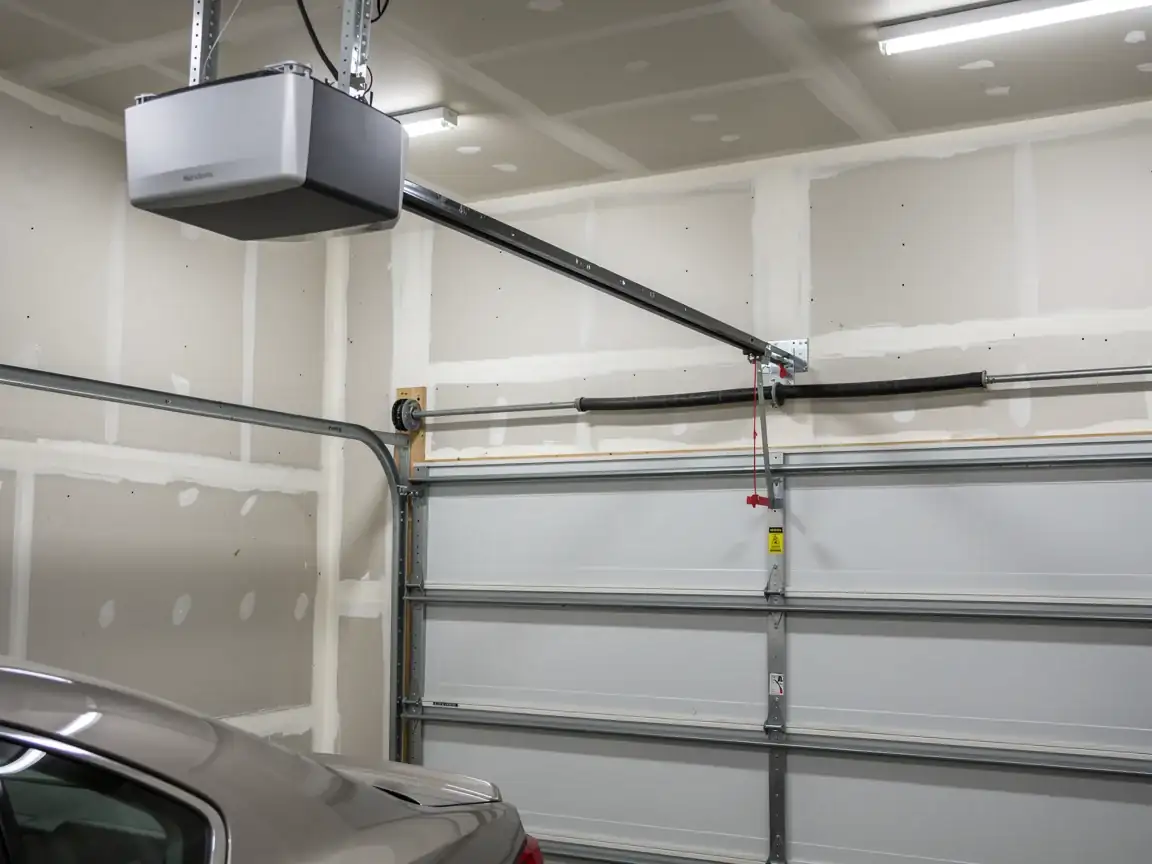
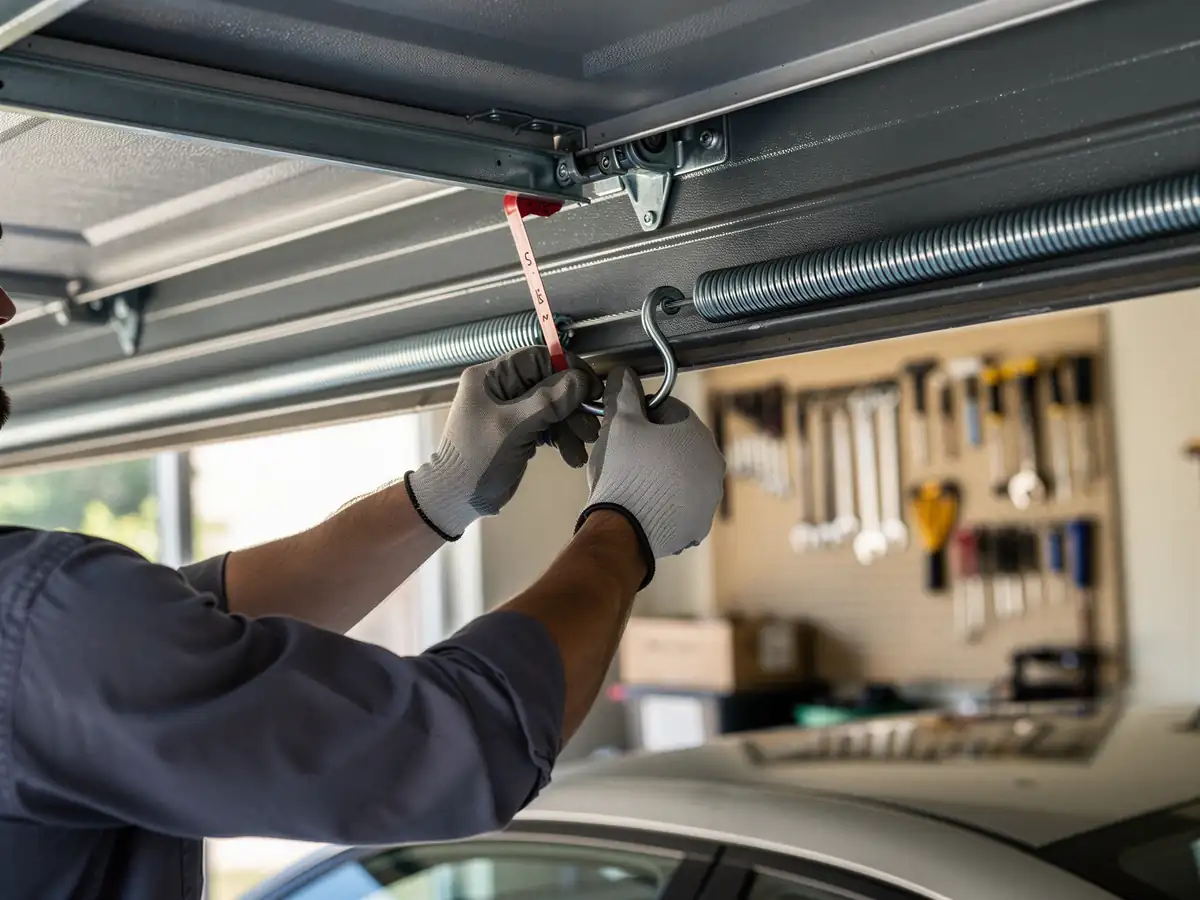
A lot of what we get called out for in Crest Hill is on doors that went up when the house did, somewhere around 1992. That's a specific era for garage door hardware. Extension springs over the horizontal track were still common on mid-range builder-grade doors through the early '90s, before torsion setups became the default upgrade. If your door has two springs stretched along the sides of the track rather than one spring over the header, you're dealing with extension spring hardware, and that changes what a homeowner can safely tackle.
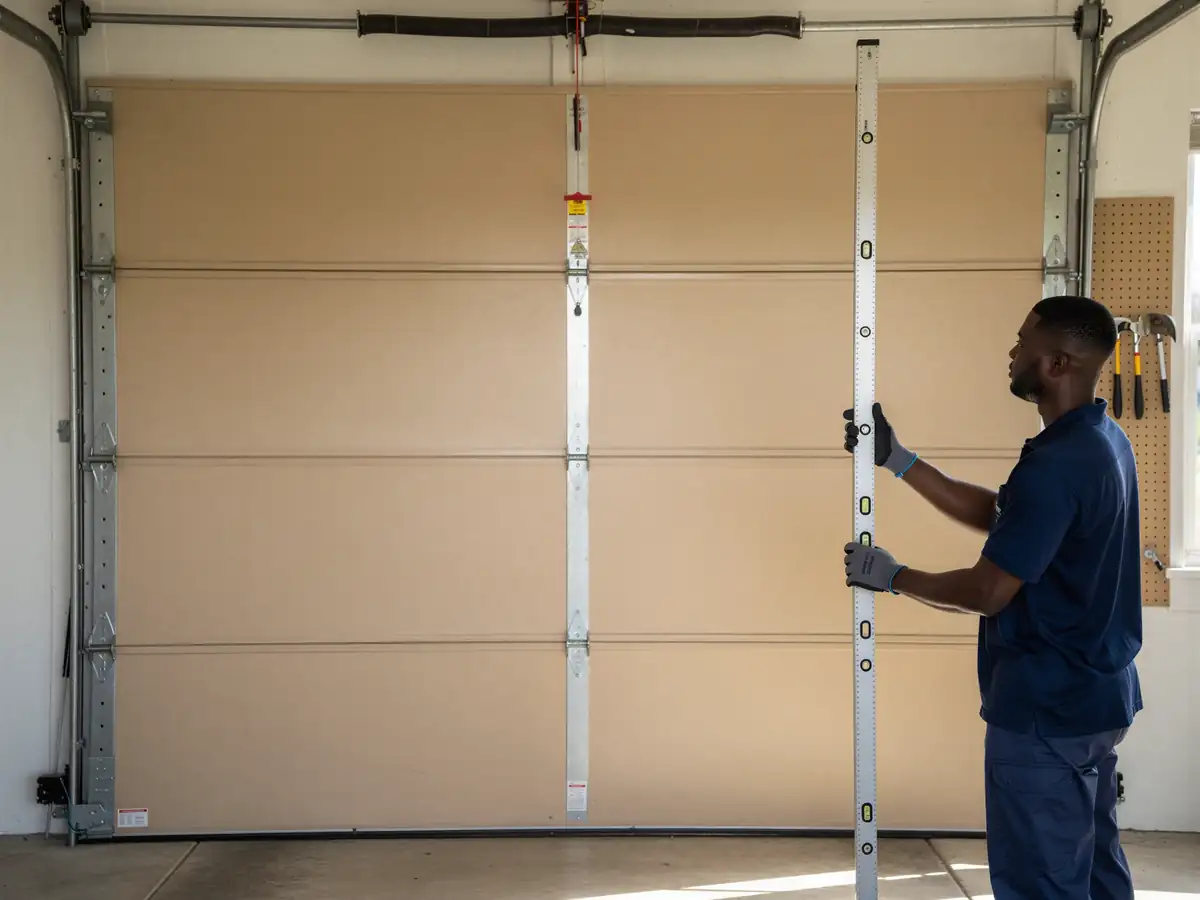
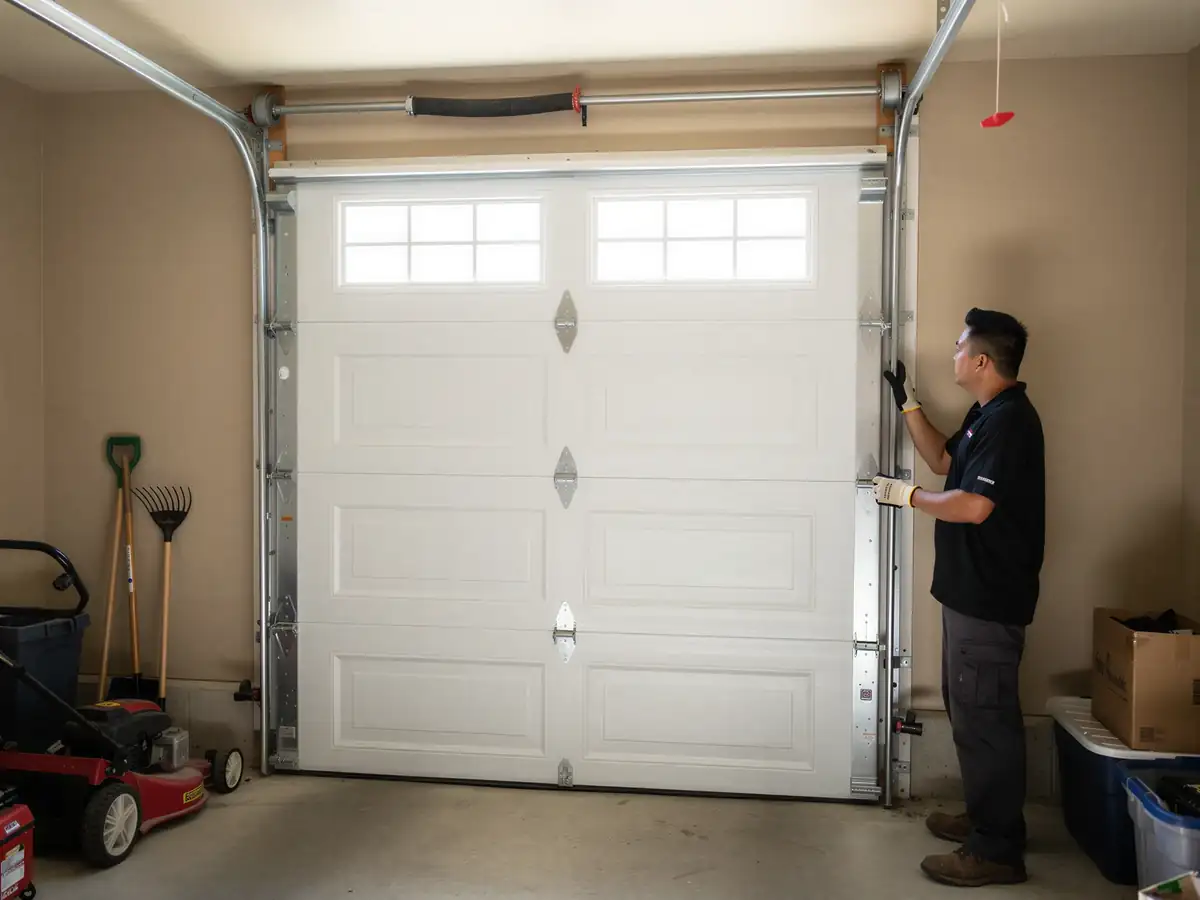
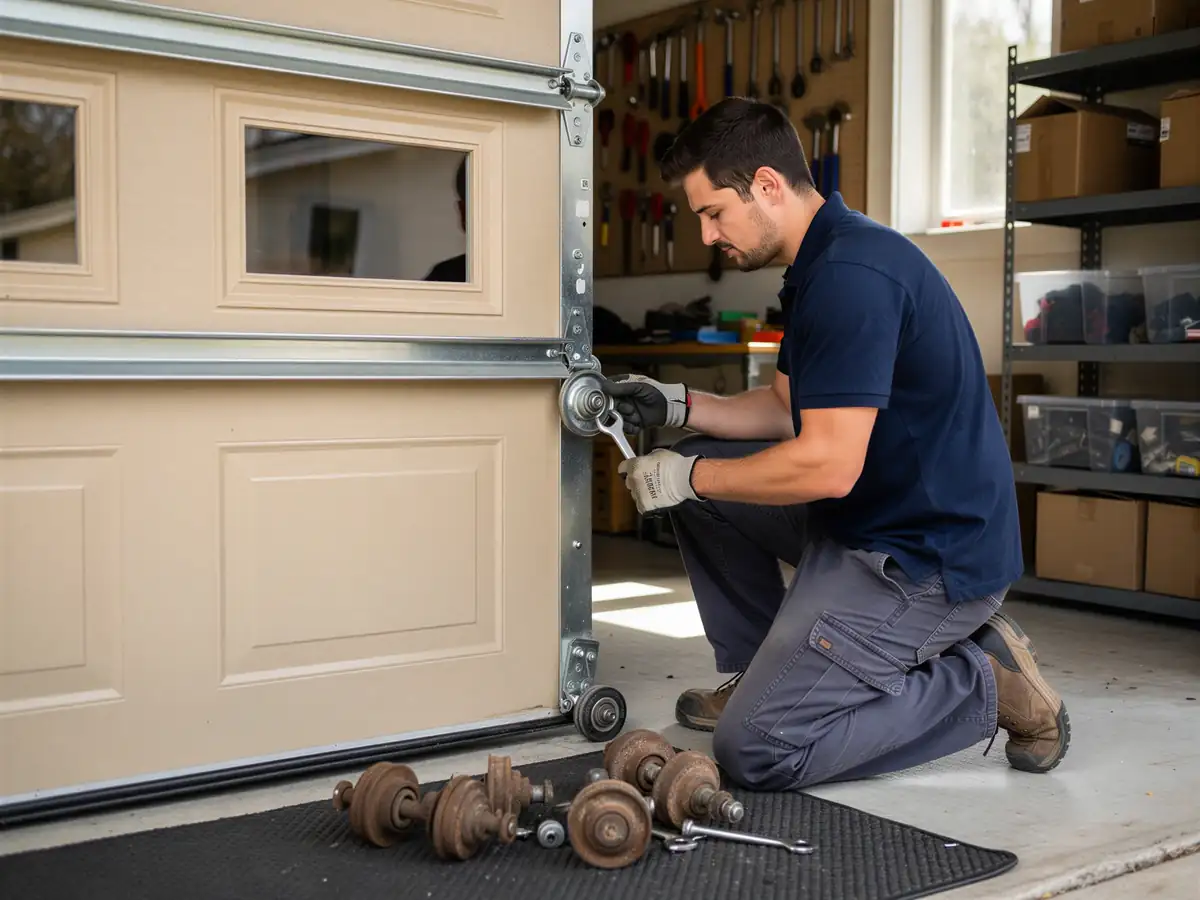
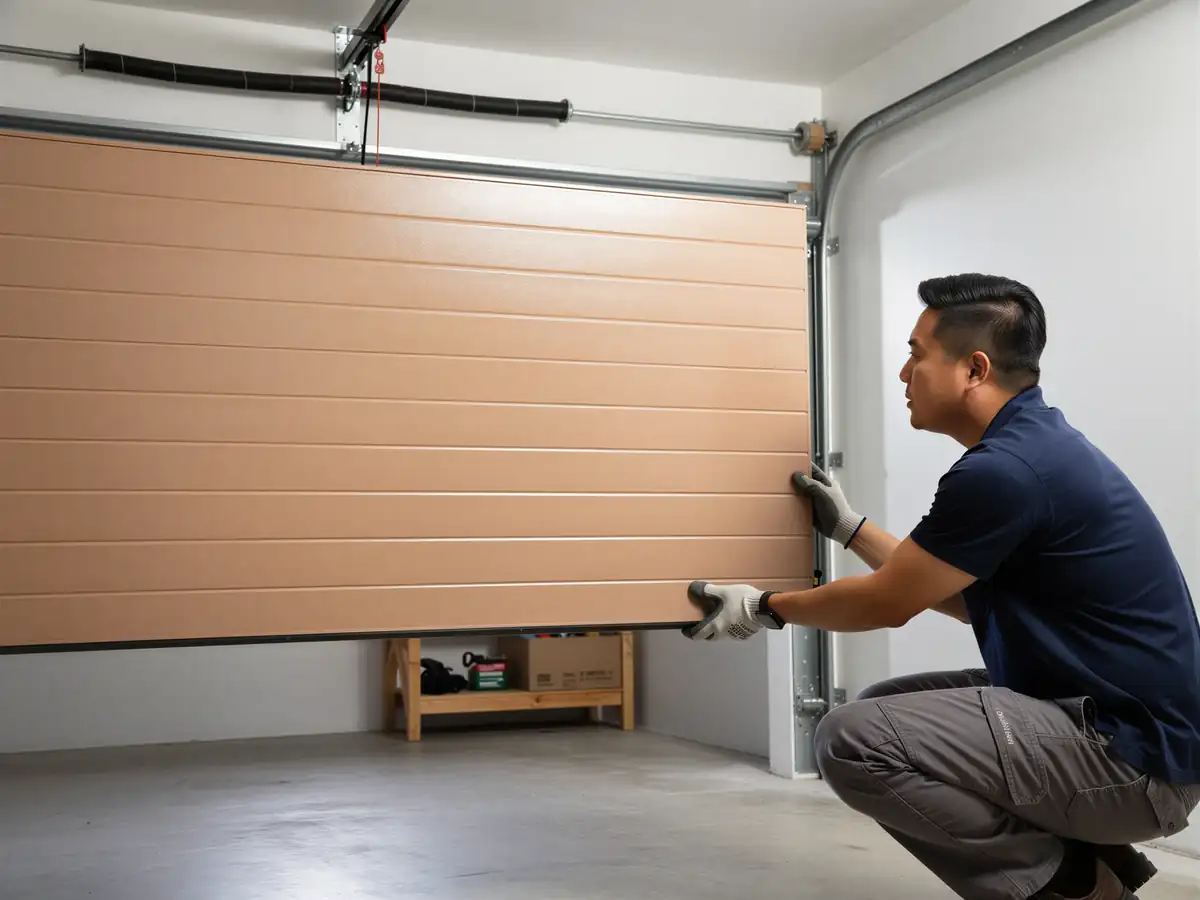
Swapping a bottom roller or tightening a loose hinge bolt is reasonable DIY work. Pulling a wound spring, replacing a cable drum, or anything that involves the torsion bar is not - the stored tension in that hardware has put people in the ER, and we mean that plainly, not to scare you into calling us for everything. Lubricating hinges, checking the balance by hand (disconnect the opener and lift it halfway - it should hold), and tightening visible fasteners are all fair game.
Where we draw the line is tension-loaded parts and anything attached to a motorized opener's wiring. If you're not sure which side of that line a job falls on, describe what you're seeing before you start pulling panels, not after.
Time on the Job
We run out of Joliet, about 4 miles from Crest Hill
So travel isn't the bottleneck on most jobs - the work itself is. A spring replacement on a standard single door usually runs faster than diagnosing an opener that's cycling but not lifting, because the second one means testing the logic board, the sensors, and the gear set before we know what's actually failed.
- 4 miles
We won't promise a same-day slot here
Because we don't book this page that way - but we'll tell you honestly on the phone what the job looks like before a truck leaves Joliet, so you're not waiting around for a diagnosis that could've been done over the phone. Doors from the early '90s tend to have simpler opener logic than newer units, which actually speeds up the troubleshooting in a lot of cases. The complexity we run into more often is corrosion on hardware that's been sitting in an unheated garage through thirty-plus Illinois winters, which is a cold-climate problem more than an age problem.
Stocked Parts
With most of Crest Hill's houses dating to the early '90s, the common calls are extension springs, galvanized lift cables, and steel roller brackets sized for that generation of door - not the oddball stuff, the parts that wear out on schedule. We keep those on the truck because they come up often enough across the area's 1958-2004 housing range that stocking them just makes sense.
What we don't carry on the truck is anything specialty: custom panel colors, insulated retrofit kits for an odd-sized opening, or parts for a door brand that stopped making replacement hardware years ago. If your door falls into that category, we'll tell you straight that it's an order-in part, and give you a real timeline instead of a guess. Cold-climate weatherstripping and bottom seals also tend to need replacing more often here than in milder regions, since repeated freeze-thaw cycles break down rubber faster - that's stock we carry too, since it's a near-certain ask on any winter service call in this area.
What You Are Seeing
The door that won't fully close in cold weather, the one that reverses halfway up, the loud bang followed by a door that won't budge - these show up across Crest Hill's housing stock, but the cause tracks pretty closely to the build year. On a door from the early '90s, a sudden bang is almost always a broken extension spring, not a torsion spring, since torsion setups weren't standard on this level of house until later remodels or replacements.
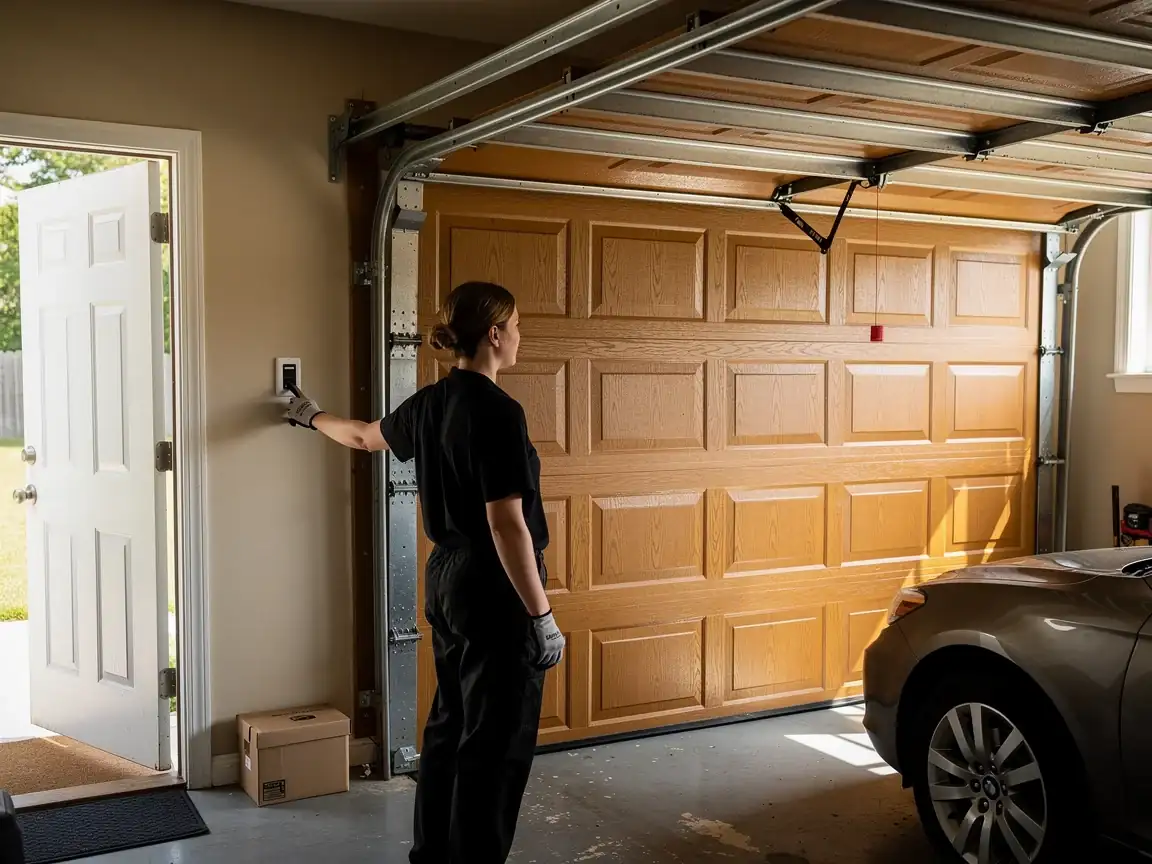
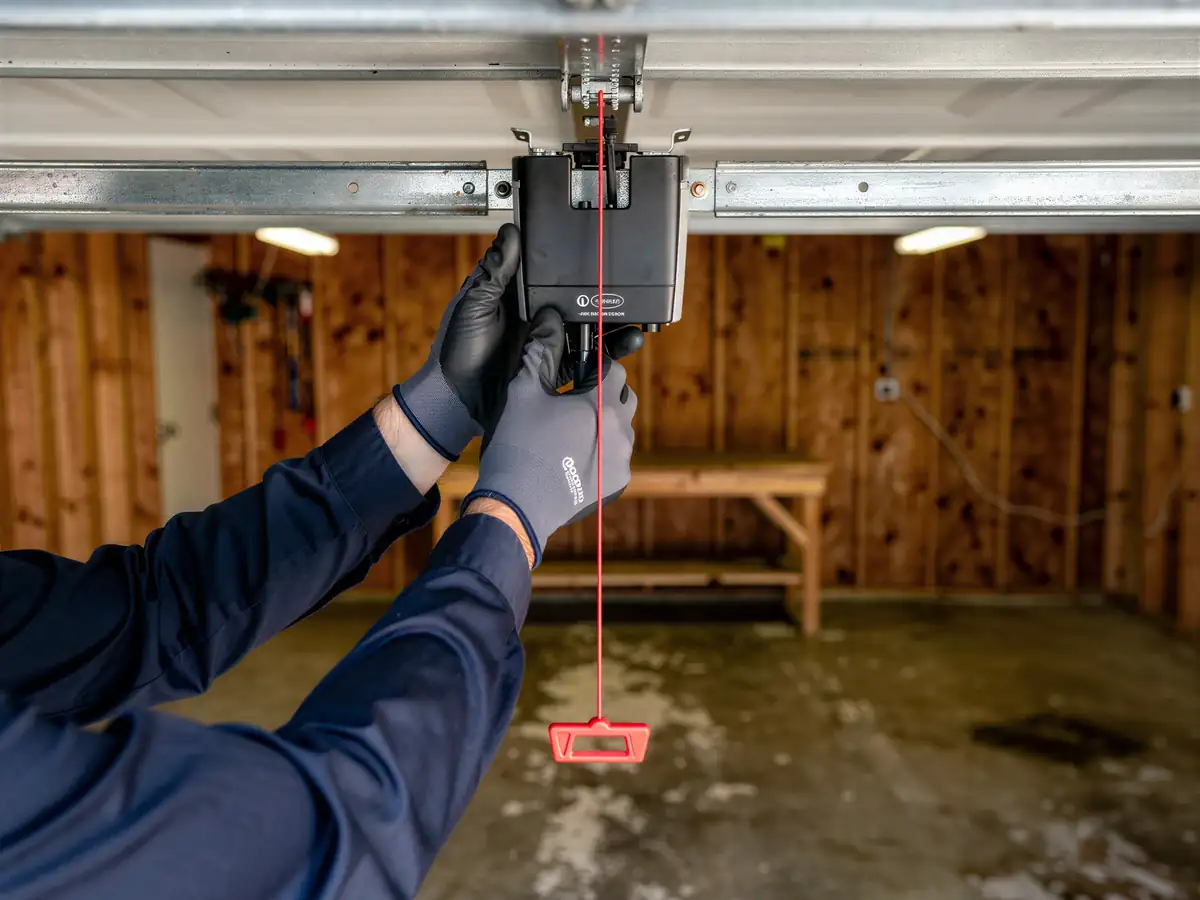
A door that drags or binds partway through its travel usually means a bent track or a roller that's worn through its bearing - common once hardware passes the 25-to-30-year mark, which puts a lot of Crest Hill's original equipment right in that window now. An opener that hums but doesn't move the door is a different animal: worn gears inside the unit, not a door problem at all, and worth mentioning separately because people often assume the door itself failed when it's actually the motor housing stripped out.
If you're not sure which of these you've got, a clear description over the phone - what you hear, when it happens, whether the door was moving at the time - gets us most of the way to a diagnosis before anyone drives out.