The DIY Question
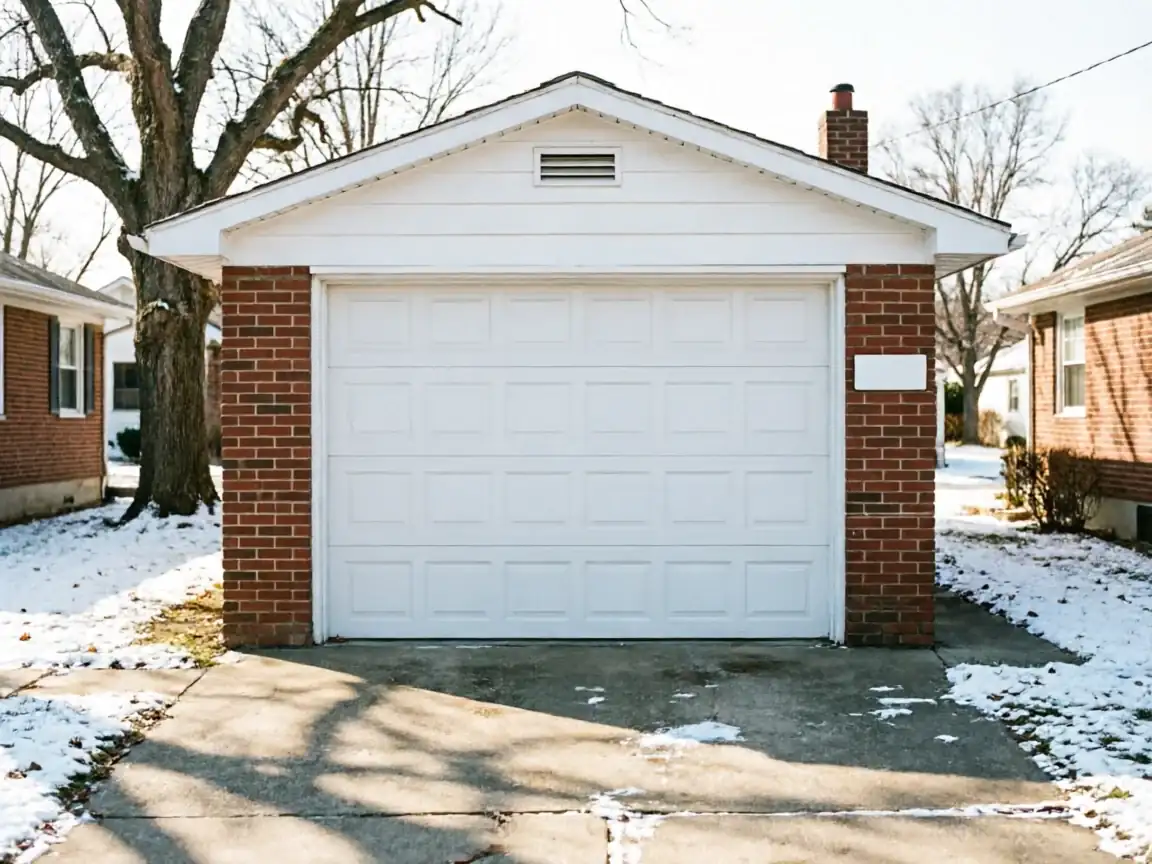
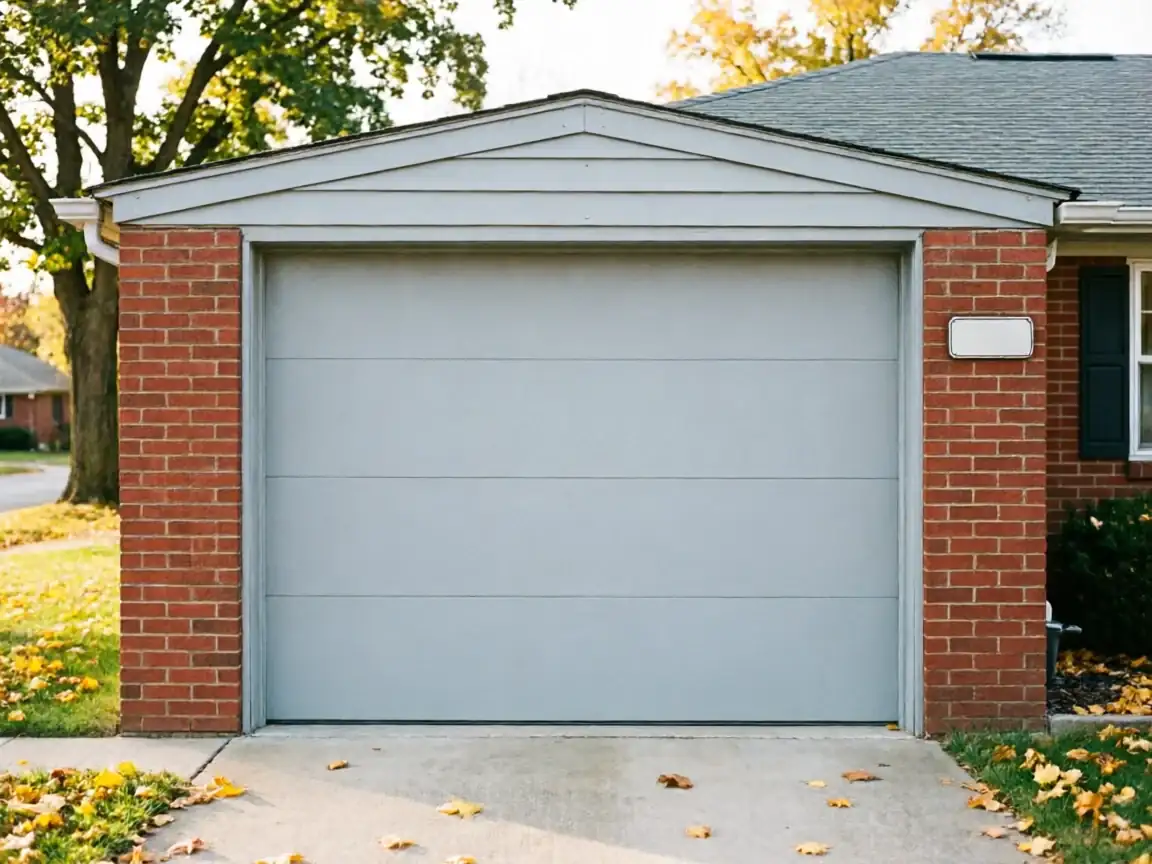
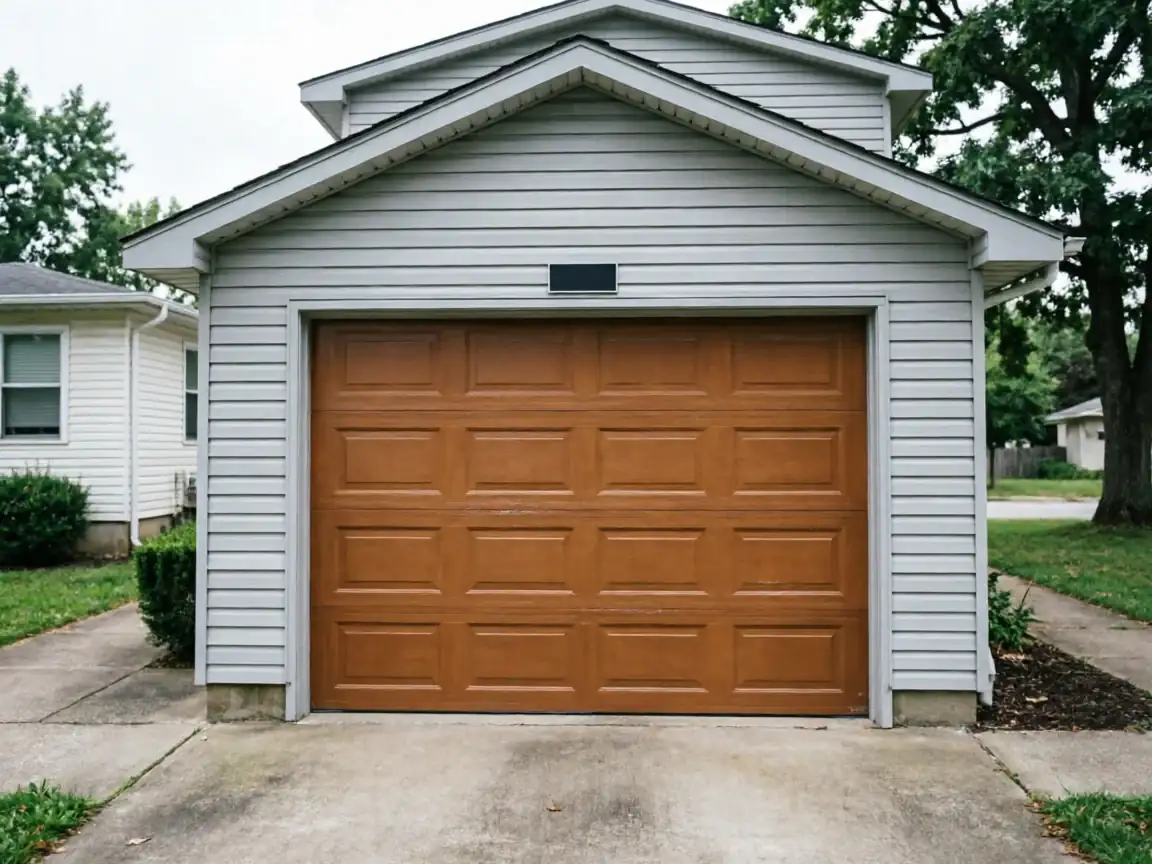
Most of the garage doors we see called out to in Crest Hill went up around 1992, give or take a few years either side. That era used steel ball-bearing rollers on tracks sized a little tighter than what you'll find on newer builds, and after three decades those rollers have usually worn an oval groove into themselves rather than staying round. You can see it as a flat spot that thumps once per rotation.
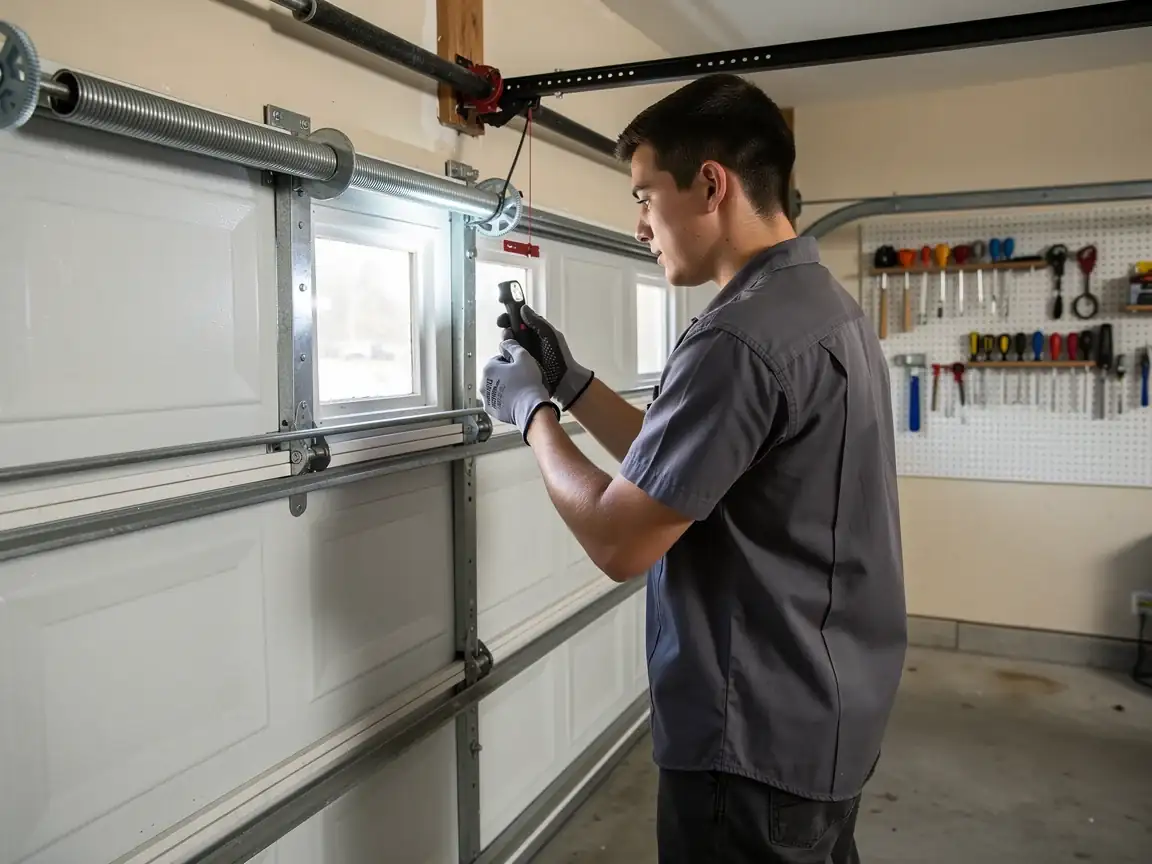
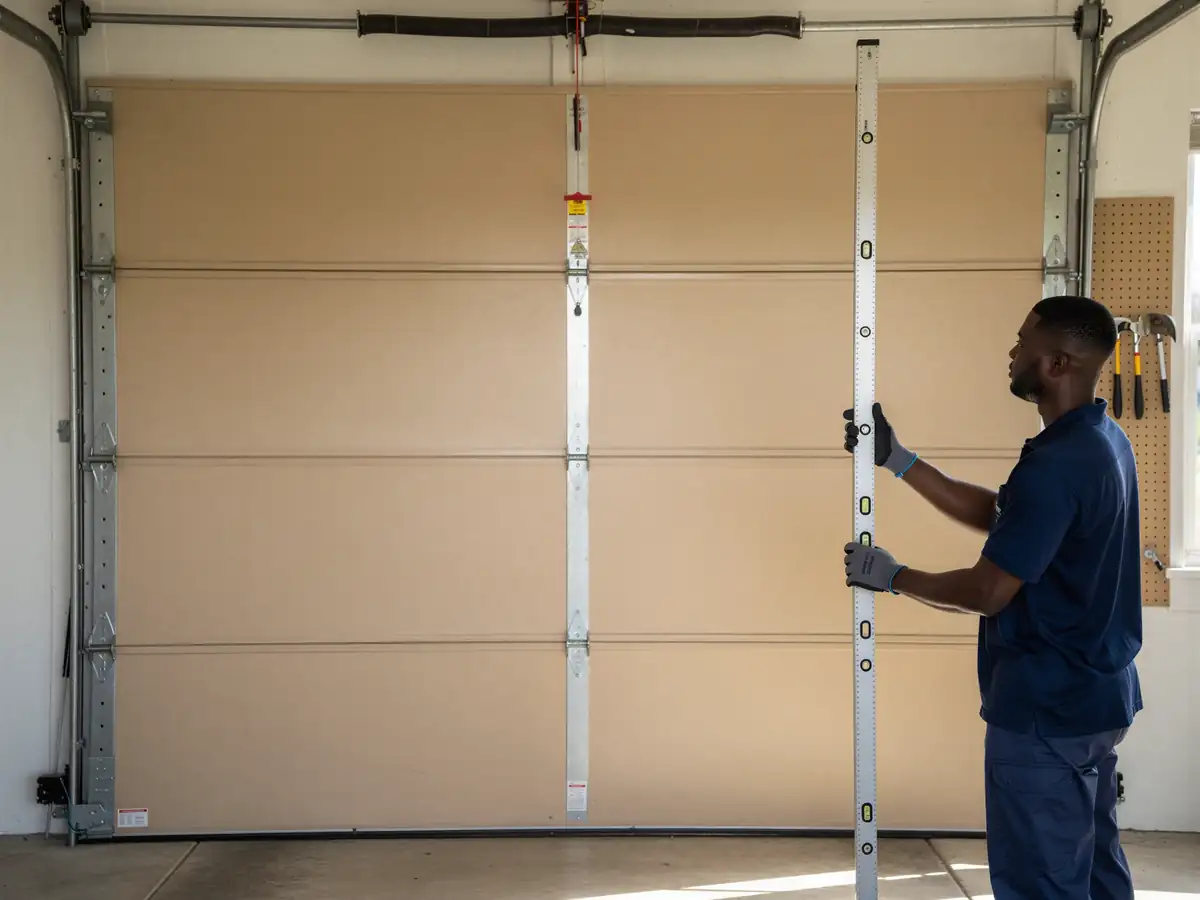
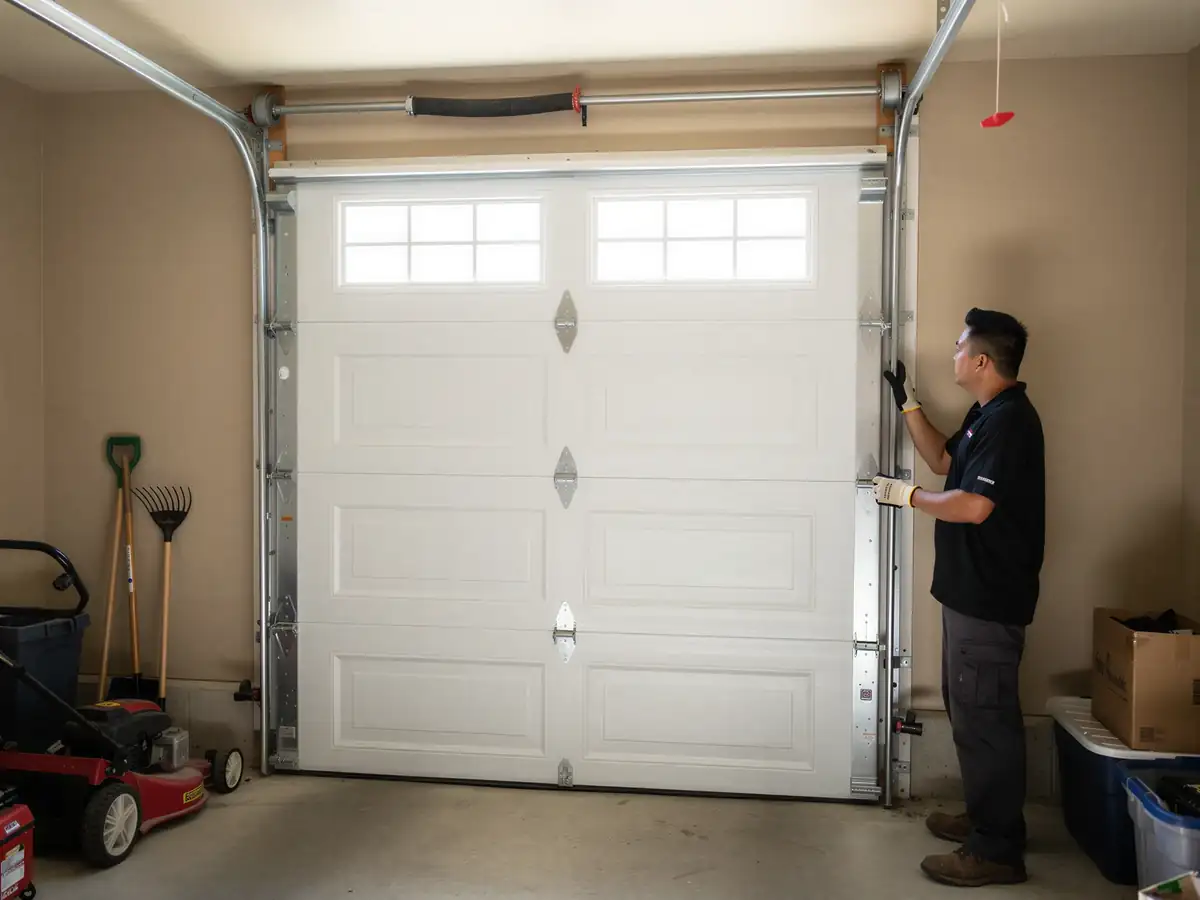
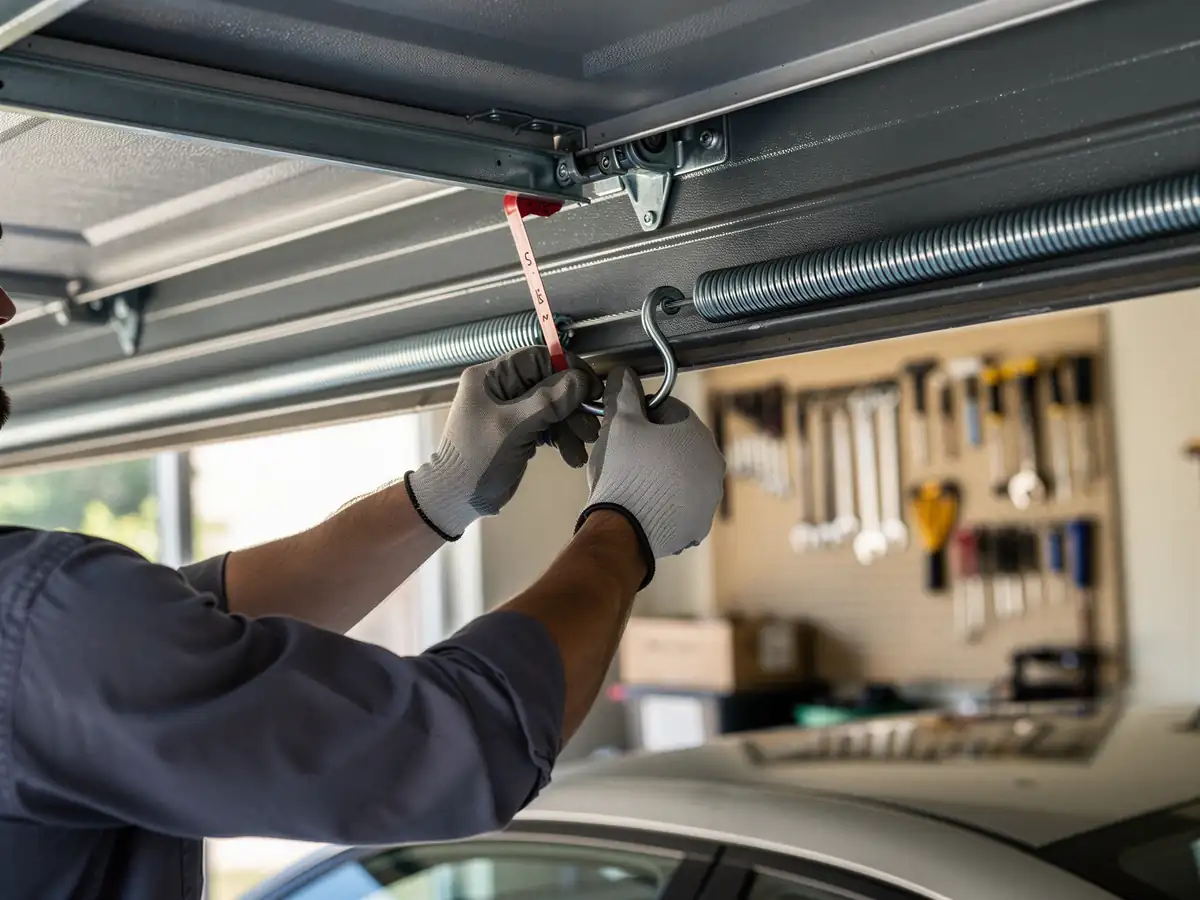
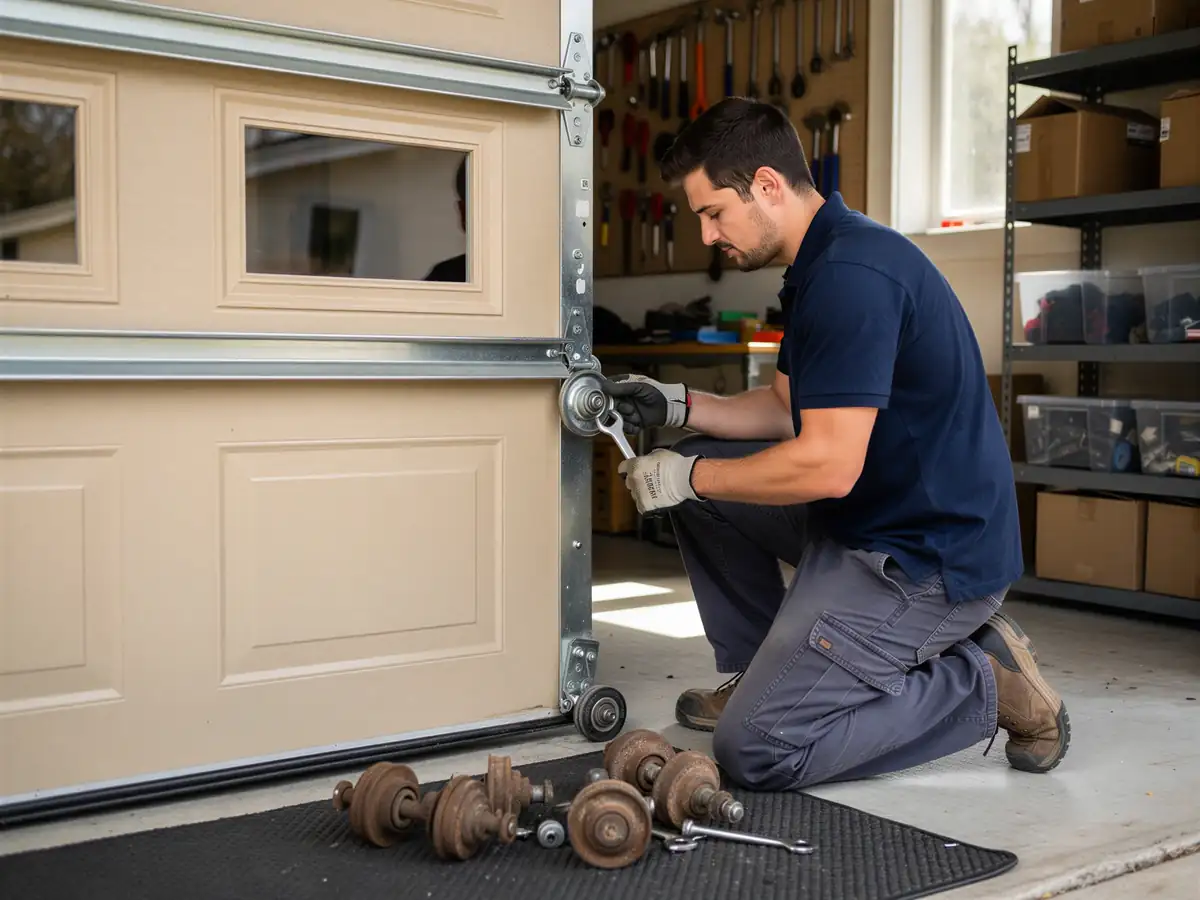
Swapping a roller or two looks simple on a video: pull the retaining bracket, slide the old one out, slide the new one in. On a hinge near the bottom of the door, with the spring still loaded and the cable under tension, it isn't. The hinges on these older Crest Hill doors have also usually rusted onto the roller stem from thirty winters of condensation, and forcing one off with a flat hinge is how people end up with a cut hand and a bent track. If it's just the top two rollers on a door that still opens and closes true, a careful homeowner can often do that one safely. Anything below the second hinge, or any door that's binding, we'd rather you call.
Time on the Job
A full set of ten rollers on a double door is a different job than two rollers on a single door with everything else sound
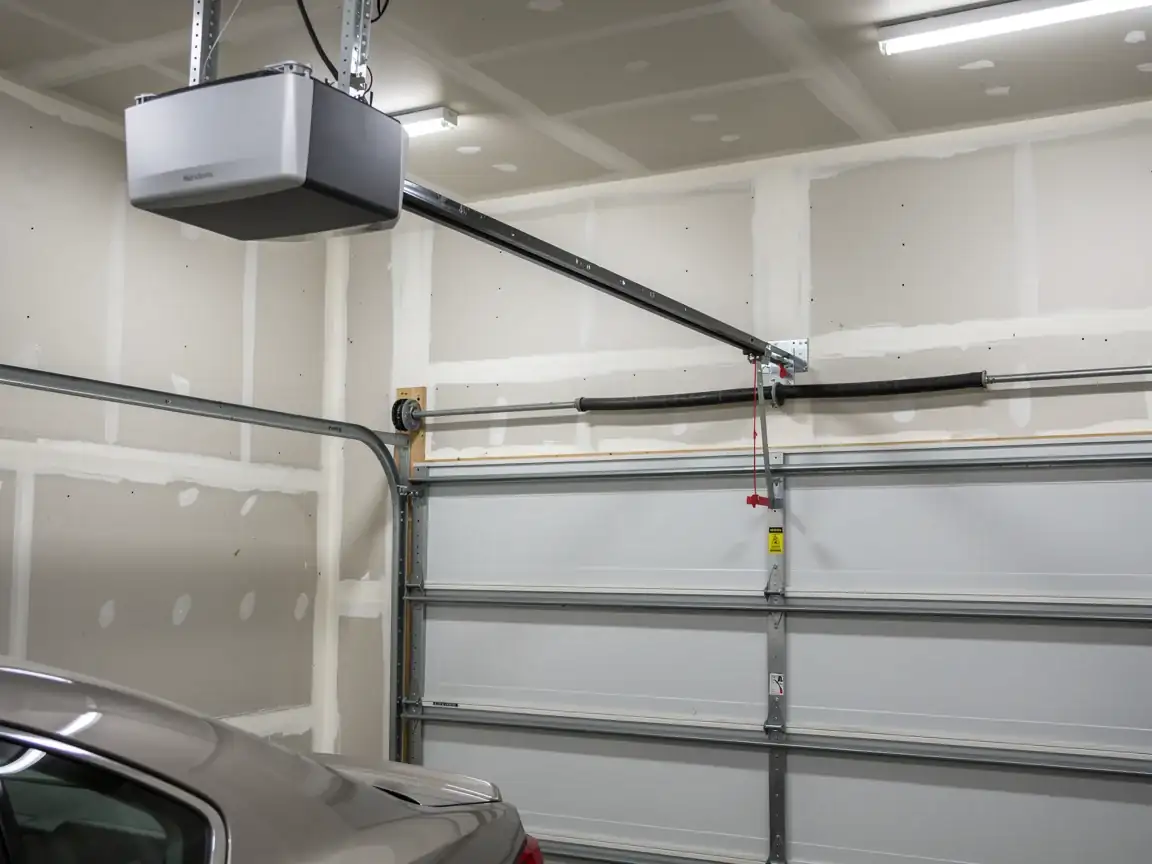
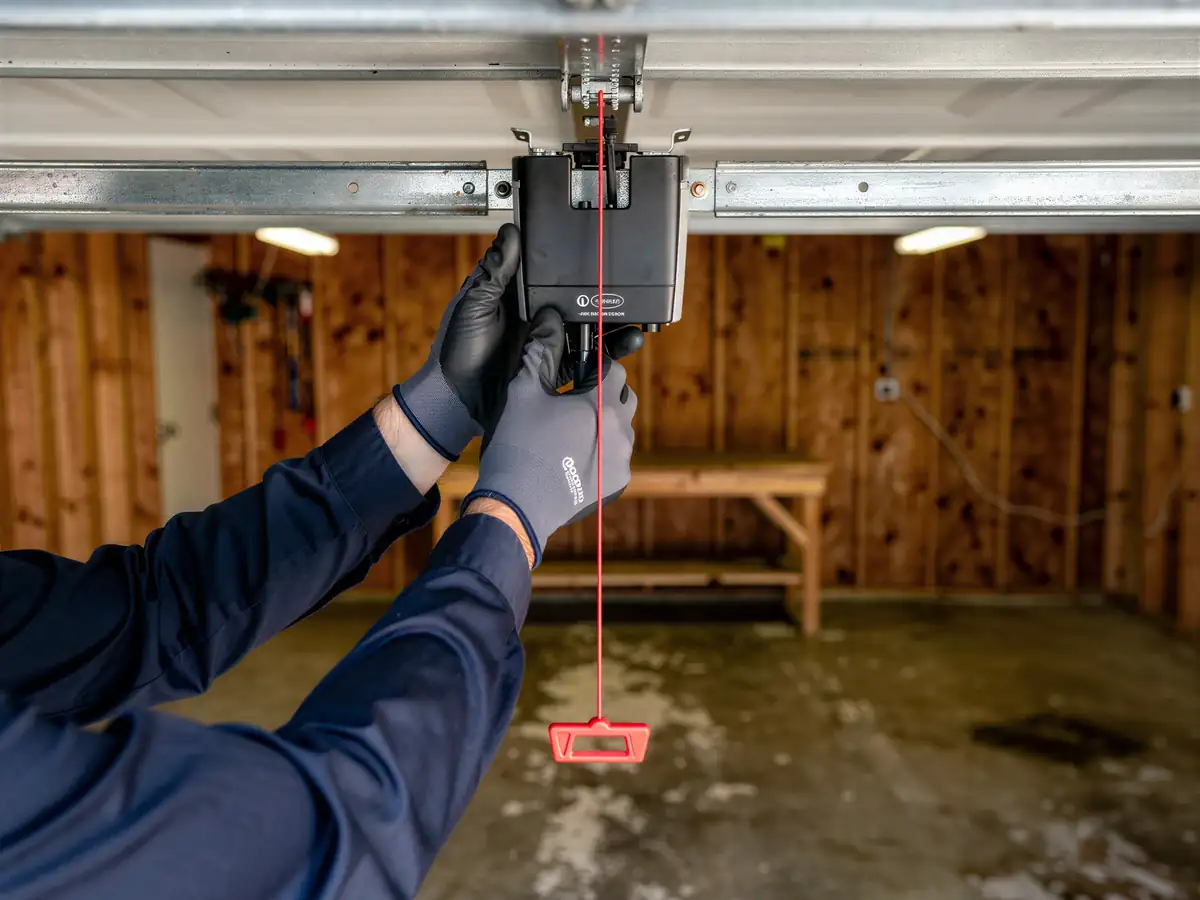
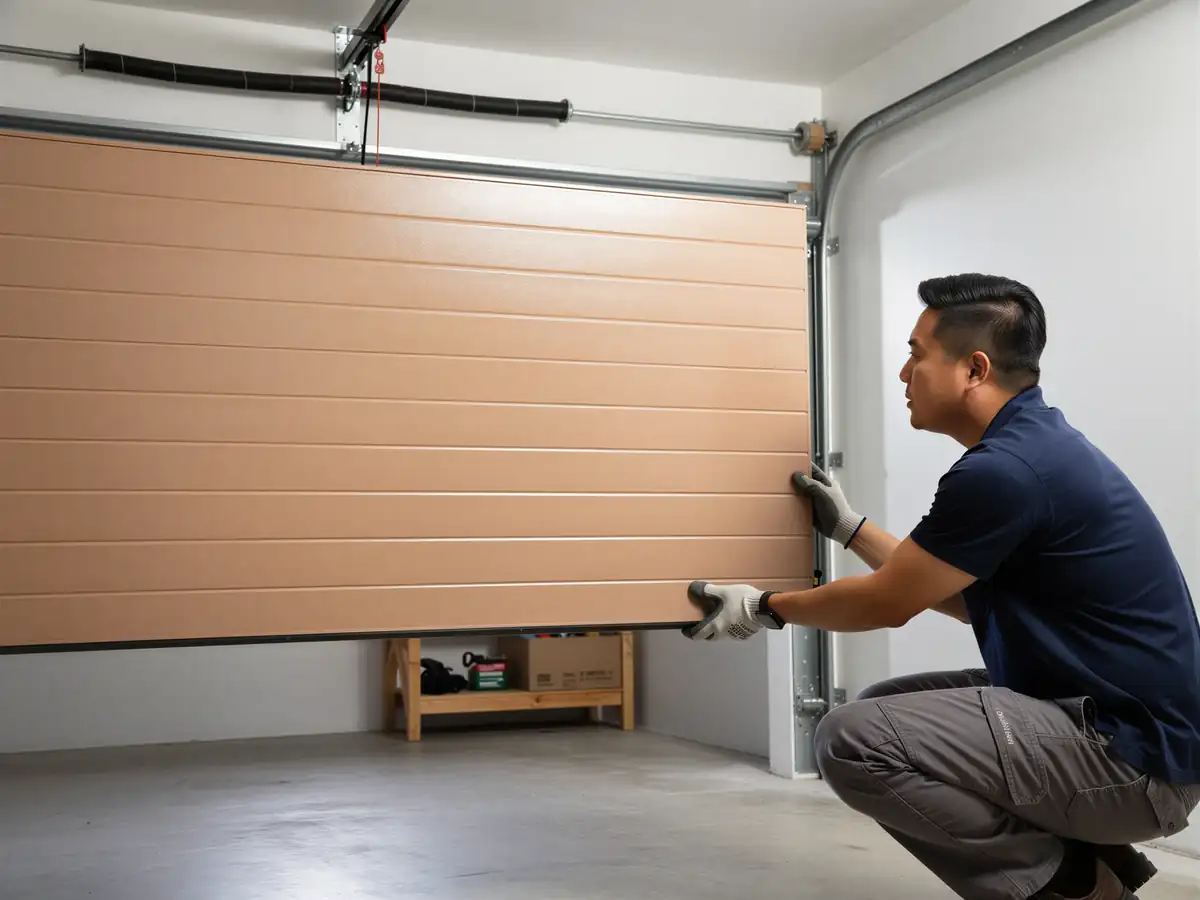
And the housing stock in Crest Hill tends to split into both camps. Original builders here installed one-piece doors on side-mounted torsion springs through the late 1980s and early 1990s, and those setups put more load on the bottom rollers than the center-mount torsion systems that came later. That's usually where the wear shows up first.
We're coming from Joliet, four miles out, so the drive itself isn't the variable
What changes the time on site is whether the track needs realigning along with the rollers, which is common once a roller's been flat-spotted long enough to walk the door sideways in its track. We check both before we start, not after, so you're not paying twice.
Stocked Parts
We carry nylon rollers in the sizes that fit the torsion and extension spring setups common to houses built across Crest Hill's main build window, roughly 1985 through the late 1990s. Nylon with a sealed bearing is what we put on by default now - it runs quieter and doesn't ice up the way an older steel roller can in a cold snap, which matters this far north.
Where we run into delay is on a handful of older doors still fitted with 13-ball steel rollers on a non-standard stem length, usually on original one-piece doors nobody's touched since they were installed. Those aren't a shelf item on the truck, and if that's what your door needs, the appointment to size it is separate from the one to install it. We won't pretend otherwise just to get a job booked.
What You Are Seeing
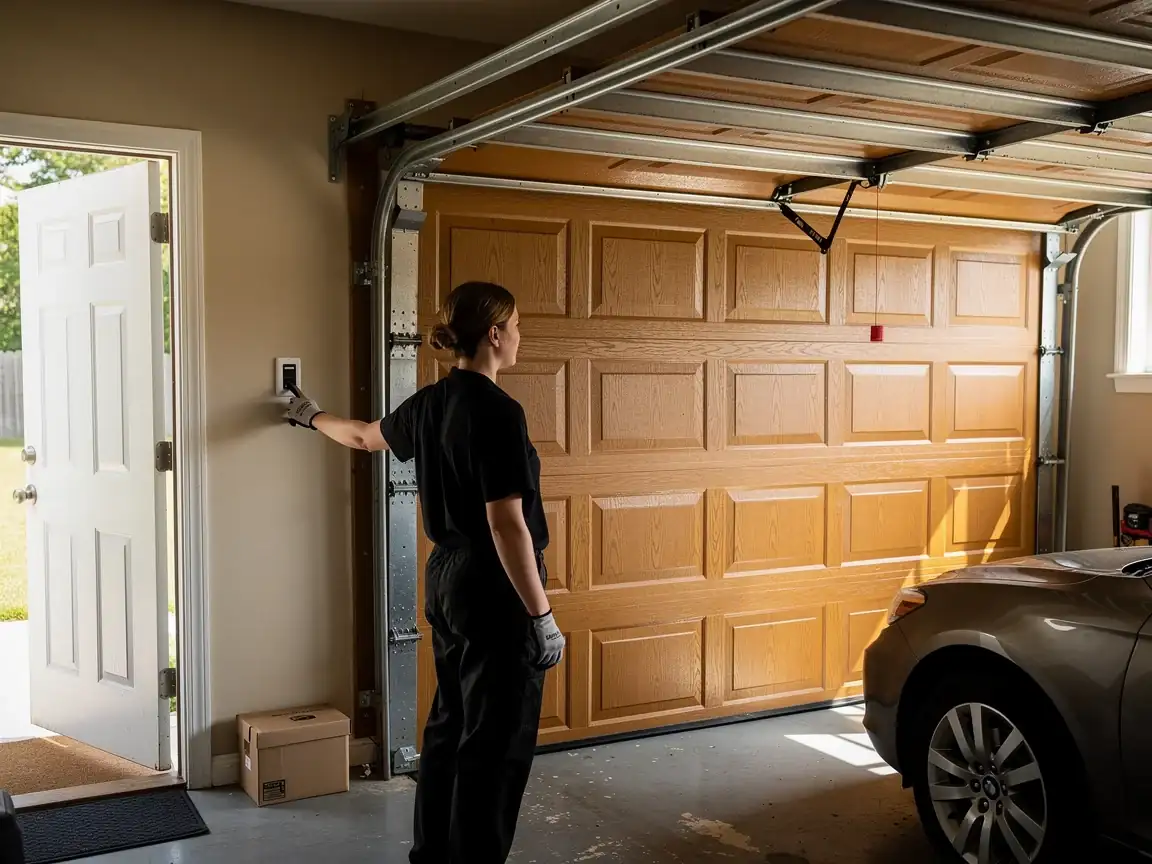
A single thump as the door moves is almost always one flat-spotted roller catching in the track. A steady grinding the whole way up usually means several rollers have gone at once, which is common on doors from Crest Hill's 1990s build run that have never had the rollers touched since the house was new. If the door visibly shudders or walks to one side as it travels, that's a track problem riding on top of the roller problem, not a separate issue.
Cracked or chipped nylon is worth a look too. Cold snaps are hard on older nylon rollers that have already gone brittle from UV and age, and a cracked roller can shed pieces into the track before it fails outright. None of this is an emergency the way a snapped spring is - a worn roller usually gives you weeks of warning noise before it lets go, so there's no need to rush a decision once you've heard it start.