The DIY Question
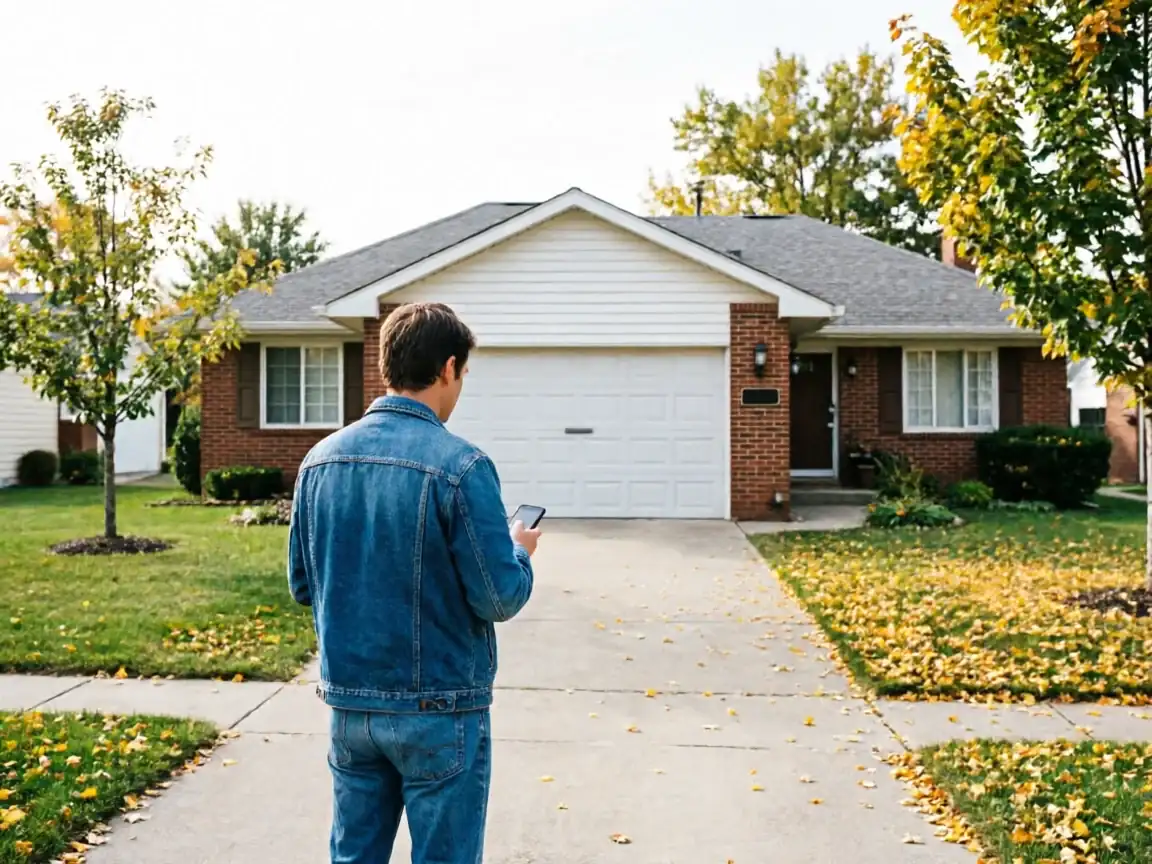
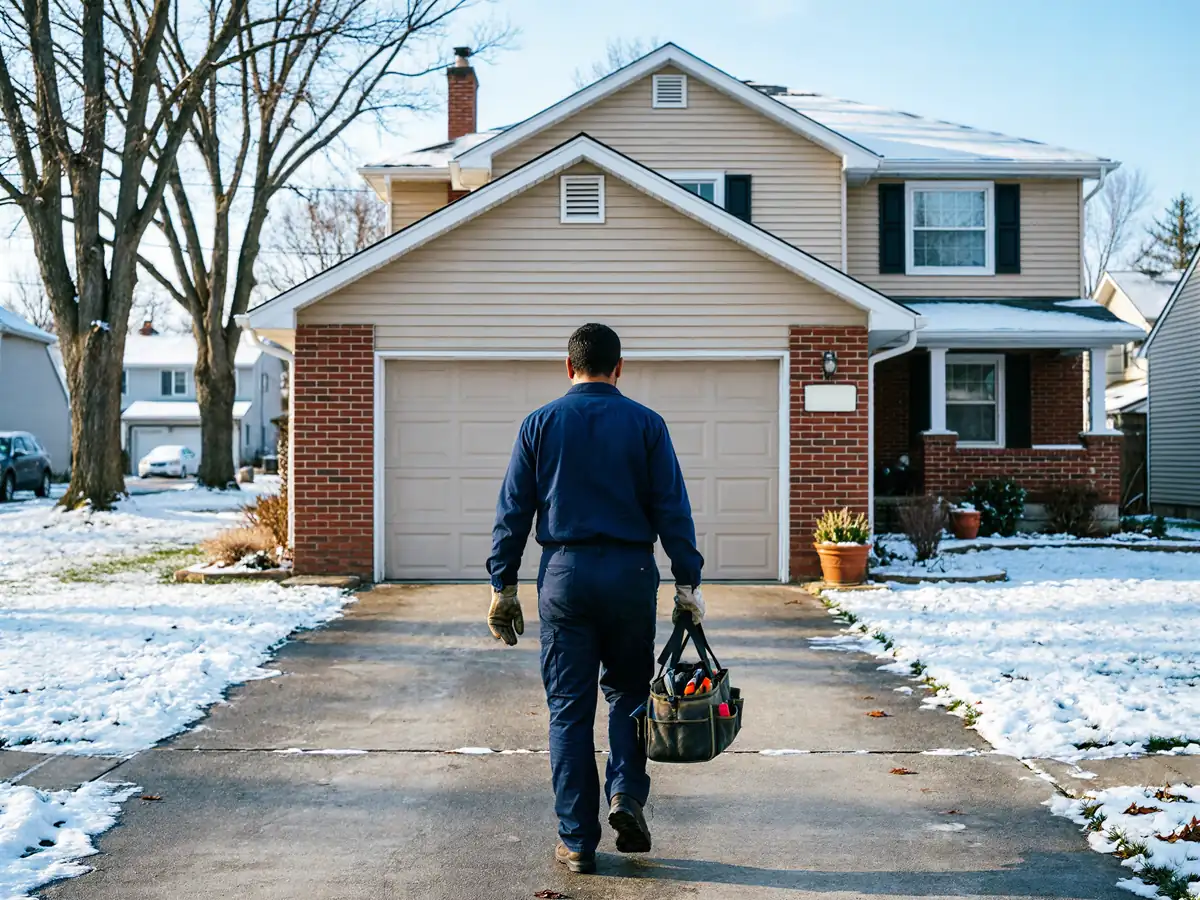
Fairmont sits six miles out from our Joliet shop, close enough that a spring call doesn't turn into a half-day round trip, but far enough that we load the truck with the right spring sizes before we leave rather than guessing and doubling back. That matters here because Fairmont's housing stock skews older than a lot of the area we cover - homes going back to 1958 means a good share of doors still running the torsion hardware that shipped with the house.
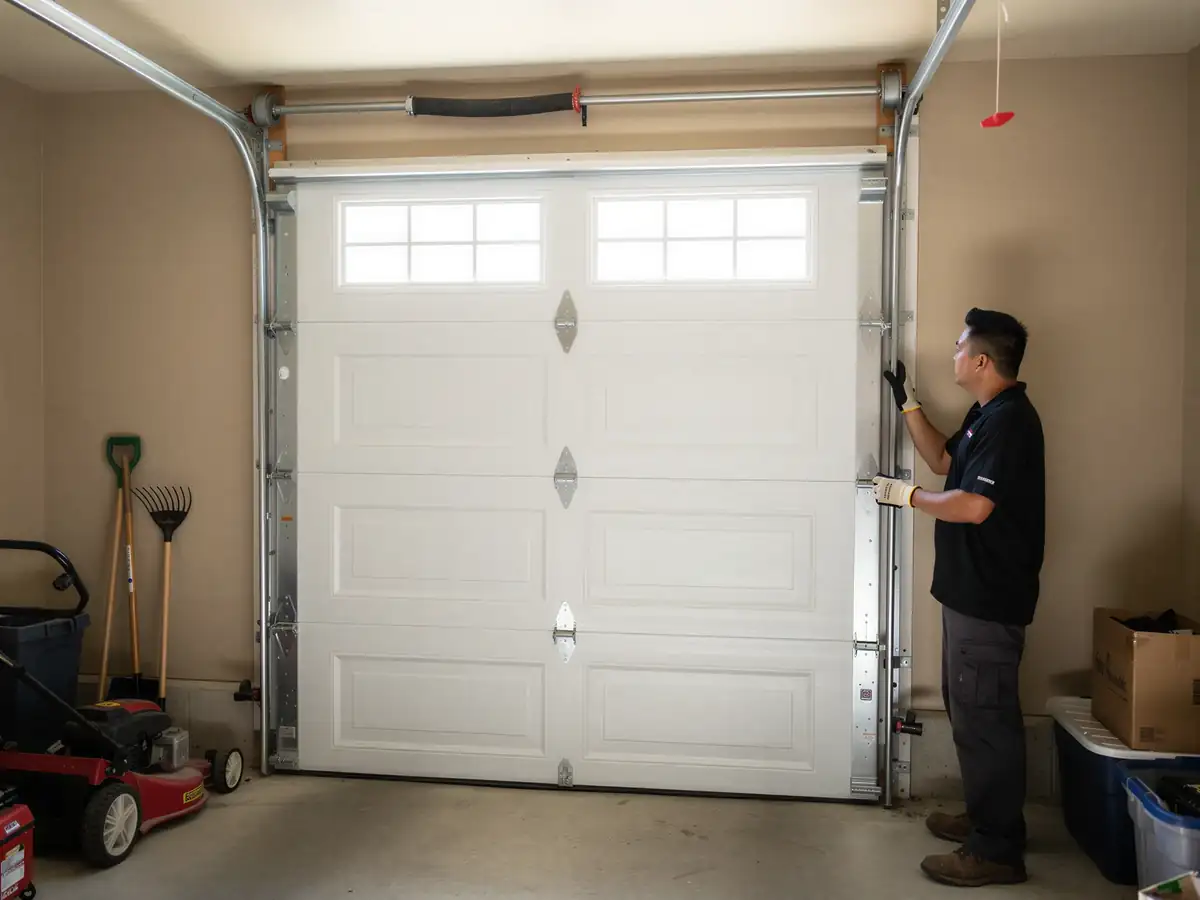
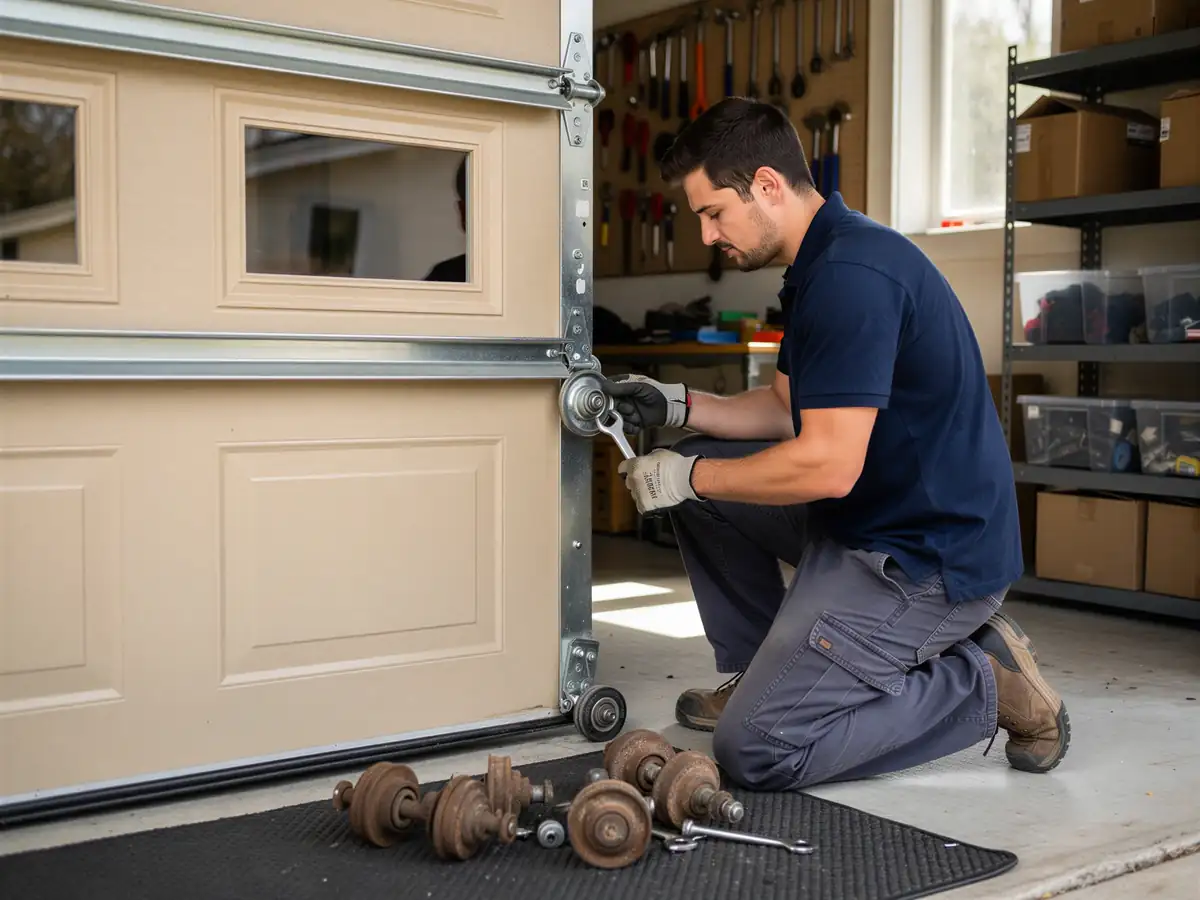
Can you replace a torsion spring yourself? Technically yes, with the right winding bars and a clear head. Should you, on a door that's been holding tension since the Johnson administration? We'd rather you didn't. Old brackets rust, old set screws strip, and a spring under tension with worn mounting hardware is not a forgiving combination. If your door is original to a 1958-1960s build and nobody's touched the spring since, that's a call, not a weekend project. We're honest about that limitation: we don't talk anyone through a DIY wind over the phone, because the hardware age here makes the guesswork too risky.
What You Are Seeing
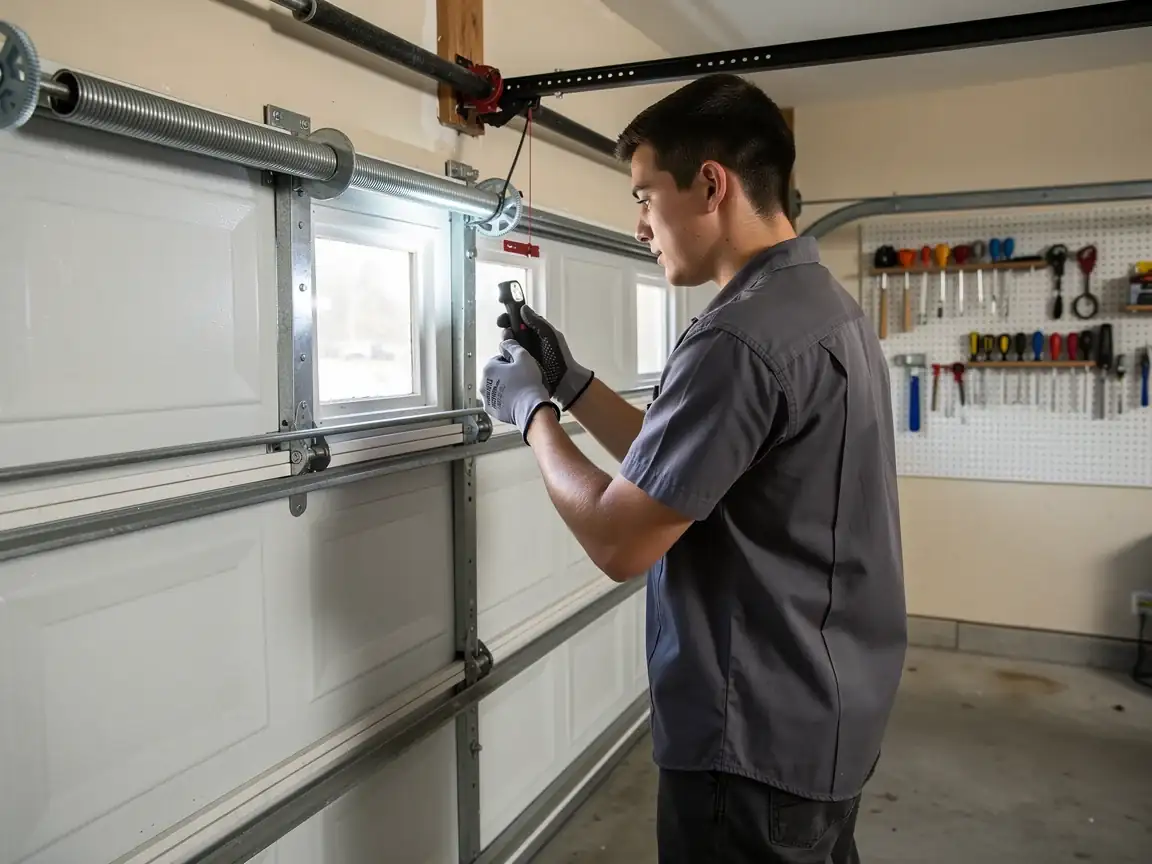
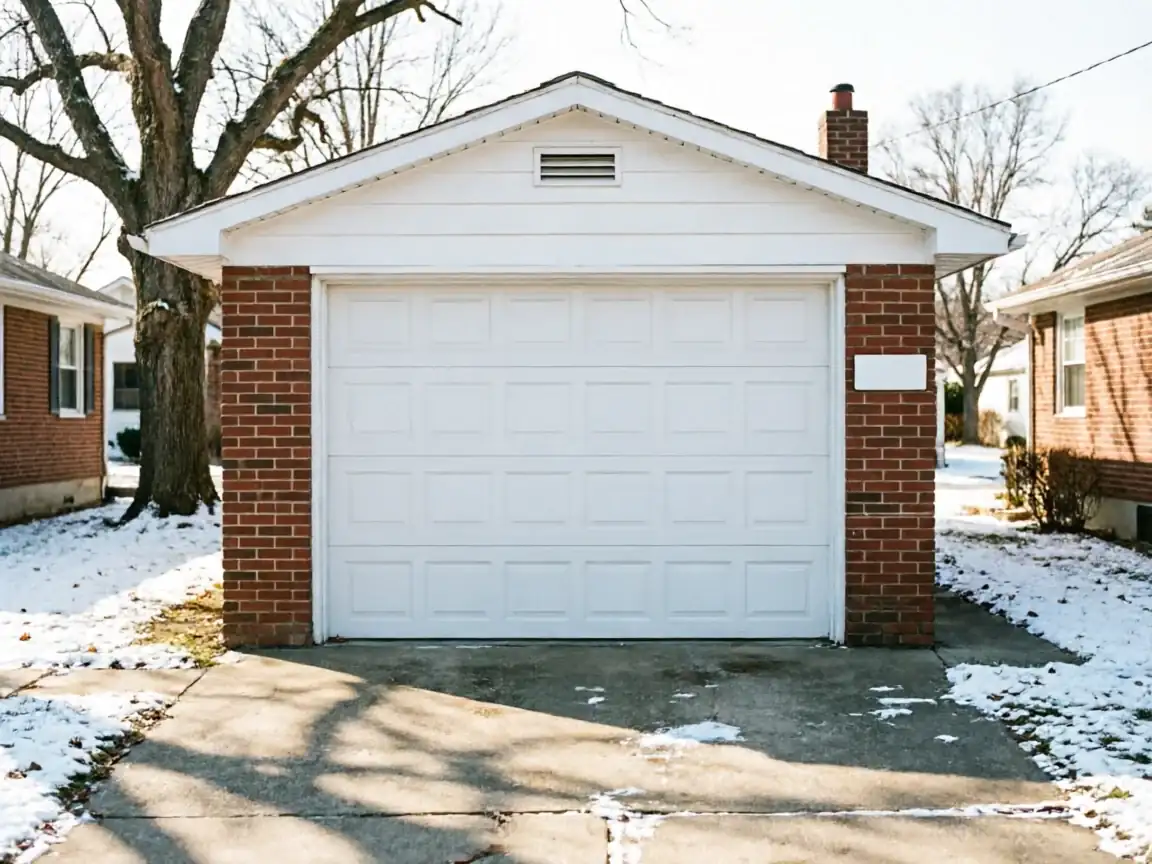
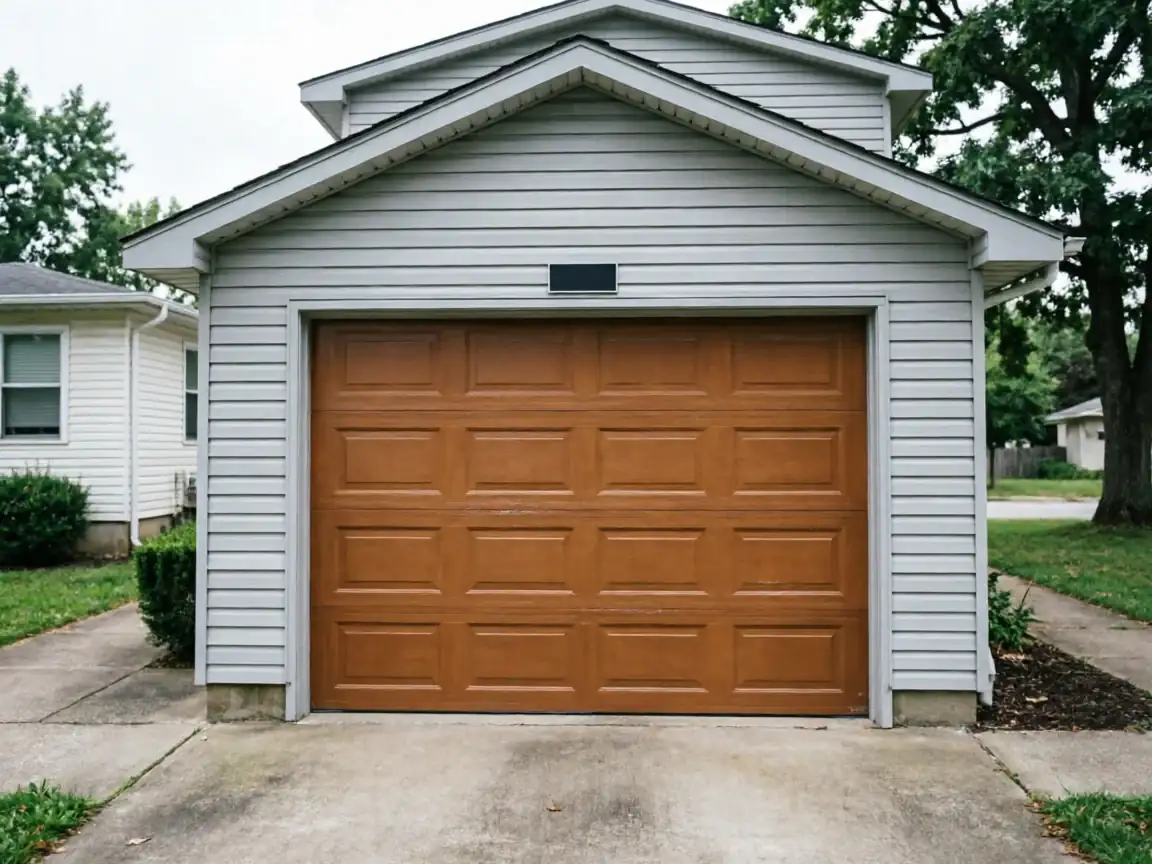
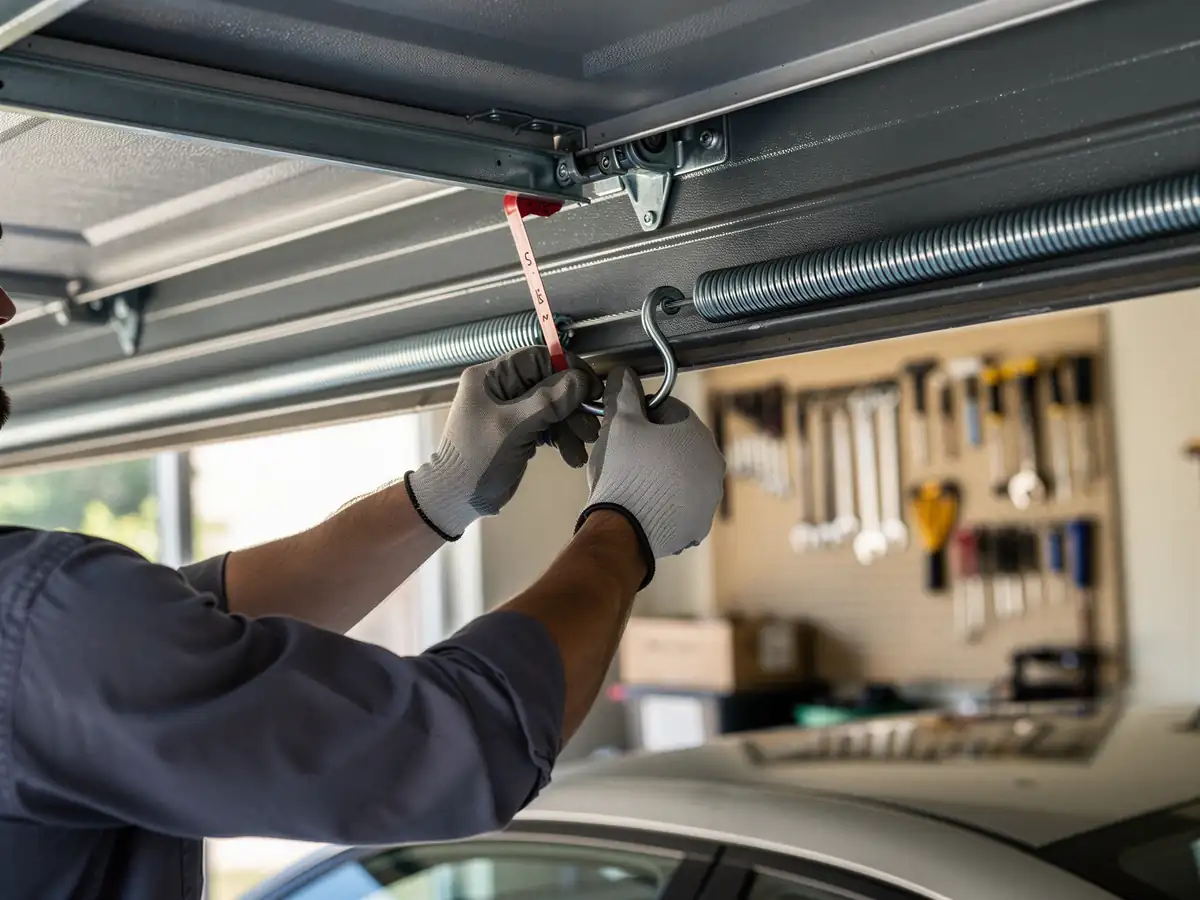
With a median year built of 1958, a lot of Fairmont's garages still have the single torsion spring setups that were standard for the era
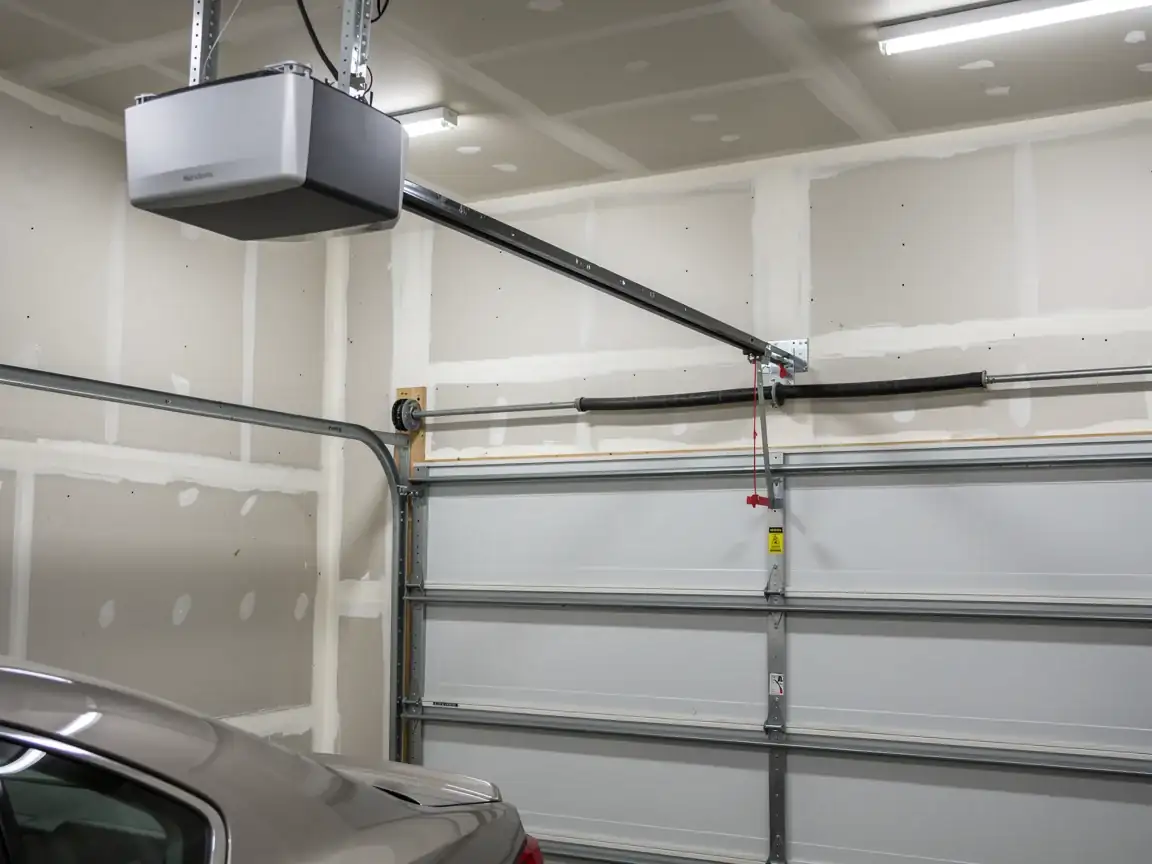
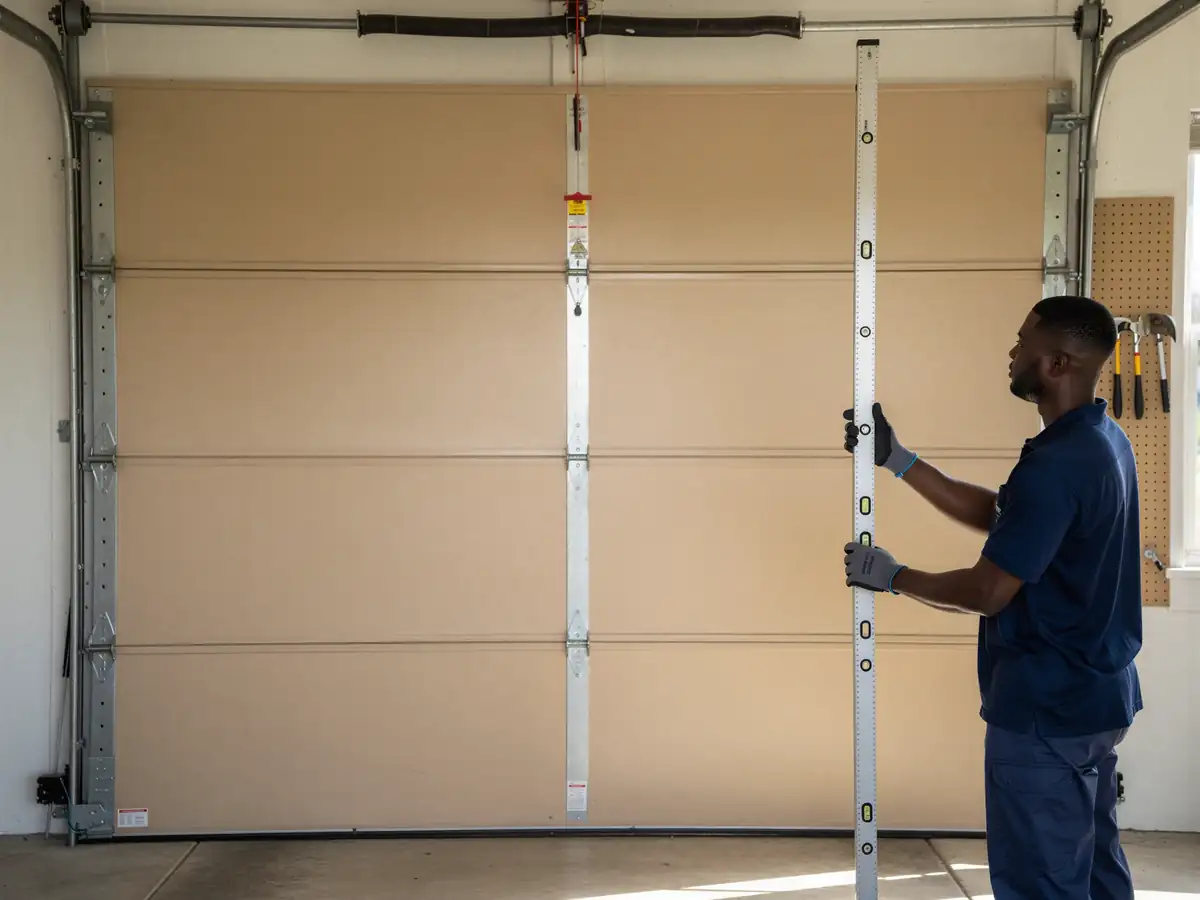
Mounted on a center bracket above the door rather than the dual-spring systems common in newer builds. These springs are rated for a specific number of cycles, and on a house this age, most of them have been cycling for decades.
What that looks like in practice
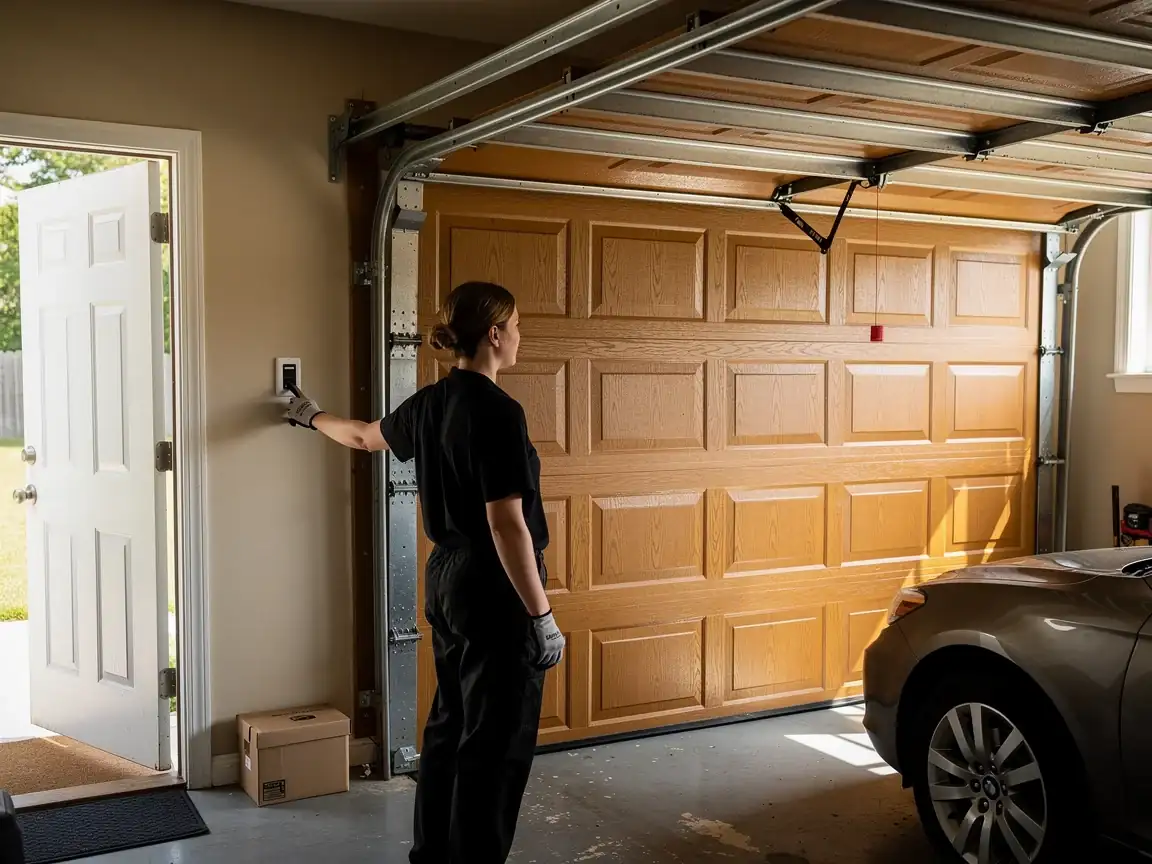
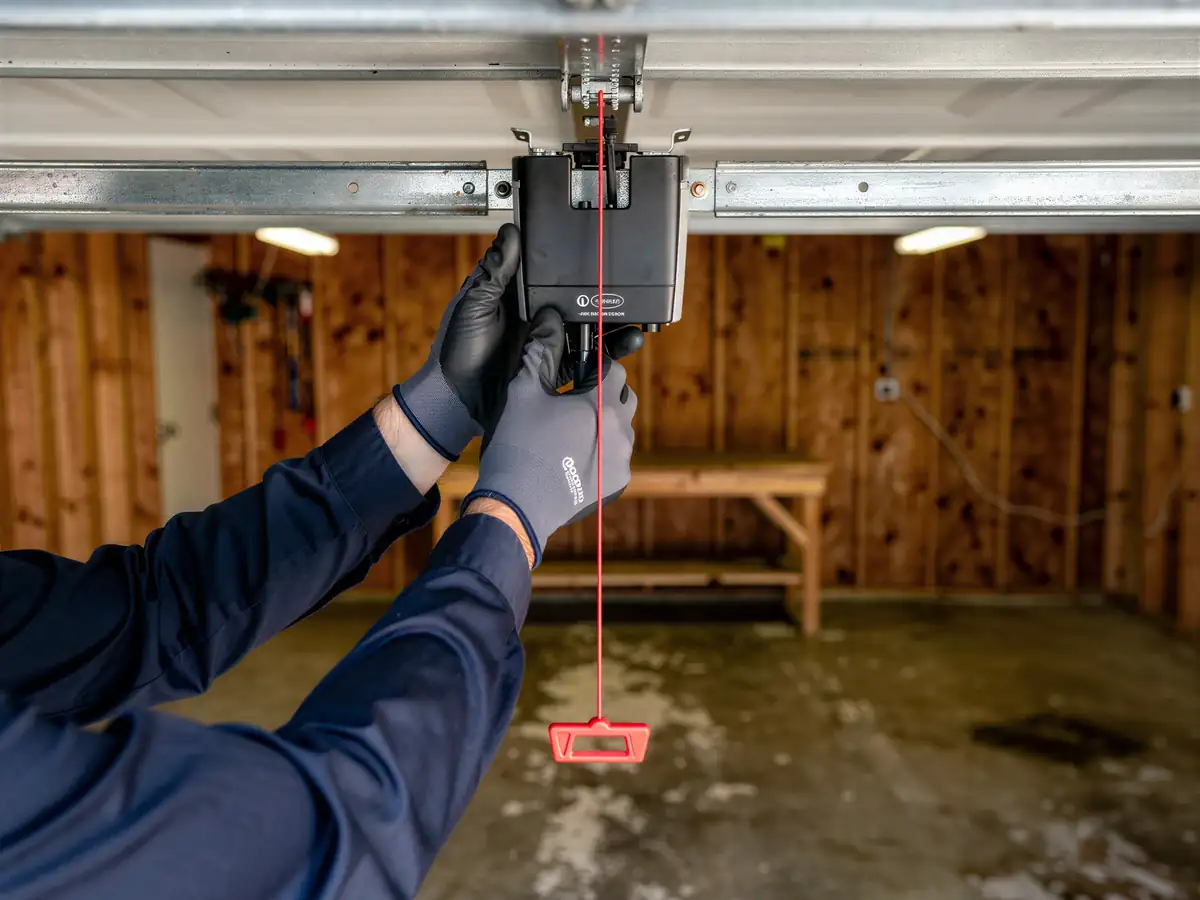
A door that slams down the last foot of travel instead of settling, a loud bang from the garage that sounds like something snapped (it did), or a door that won't lift at all because the opener is straining against a spring with zero tension left. On the colder end of our climate band, metal fatigue shows up faster during temperature swings, so late fall and winter tend to be when these older springs finally let go. If your door is original equipment and you've never had the spring replaced, age alone is the reason to get it looked at before it fails on its own schedule.
What You Pay
Fairmont's median household income runs lower than the broader service area - about $59,244 here against roughly $109,064 across the 28 communities we cover - and that's part of why we don't push full door replacement when a spring repair solves the problem. If the drums, cables, and track are still in decent shape, swapping the spring is the right fix and the cheaper one.
We can't quote a number here without seeing the door - spring size, door weight, and whether it's a single or double matter - but we can tell you the honest version: a straightforward torsion spring swap on an older single-car door is usually a smaller job than people expect, and we won't upsell a new door onto someone when the existing hardware, minus the dead spring, is sound. If the torsion bar or drums are worn past the point of just swapping the spring, we'll tell you that too, rather than quietly adding parts.
Time on the Job
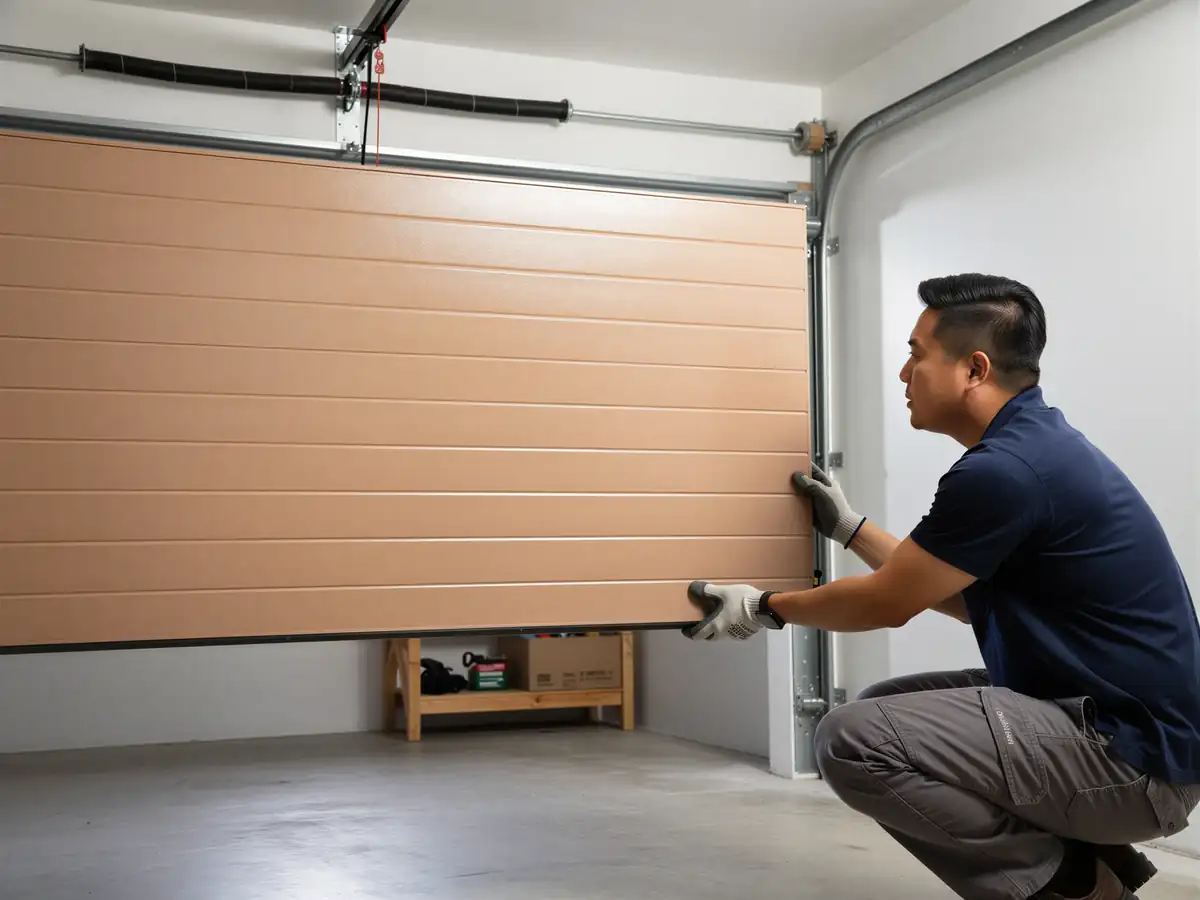
The spring swap itself, once we're on site, is usually the fast part of the visit - it's the drive and the diagnosis that take the time on a smaller job like this. Being six miles from Joliet keeps that drive short, which means more of the appointment window actually goes to wrench time instead of travel.
What can slow things down: if your door is original to the 1958-era build and uses a spring size that's less common now, we may not have that exact spring on the truck and have to source it before we finish the job same-day. We'd rather tell you that up front than promise a one-visit fix and miss it. Most standard torsion springs we carry stock for, but older and less common sizes are the honest exception, and it's worth asking when you call whether yours is a common fit.