The DIY Question
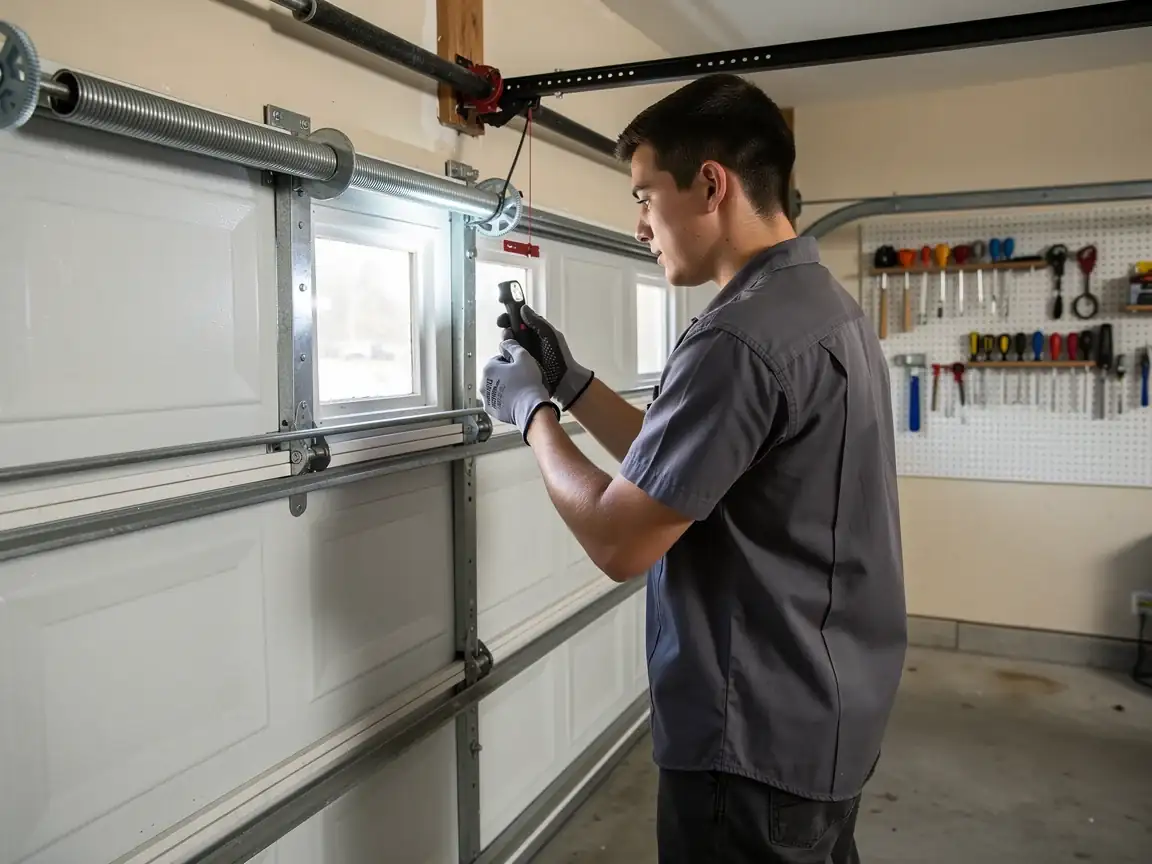
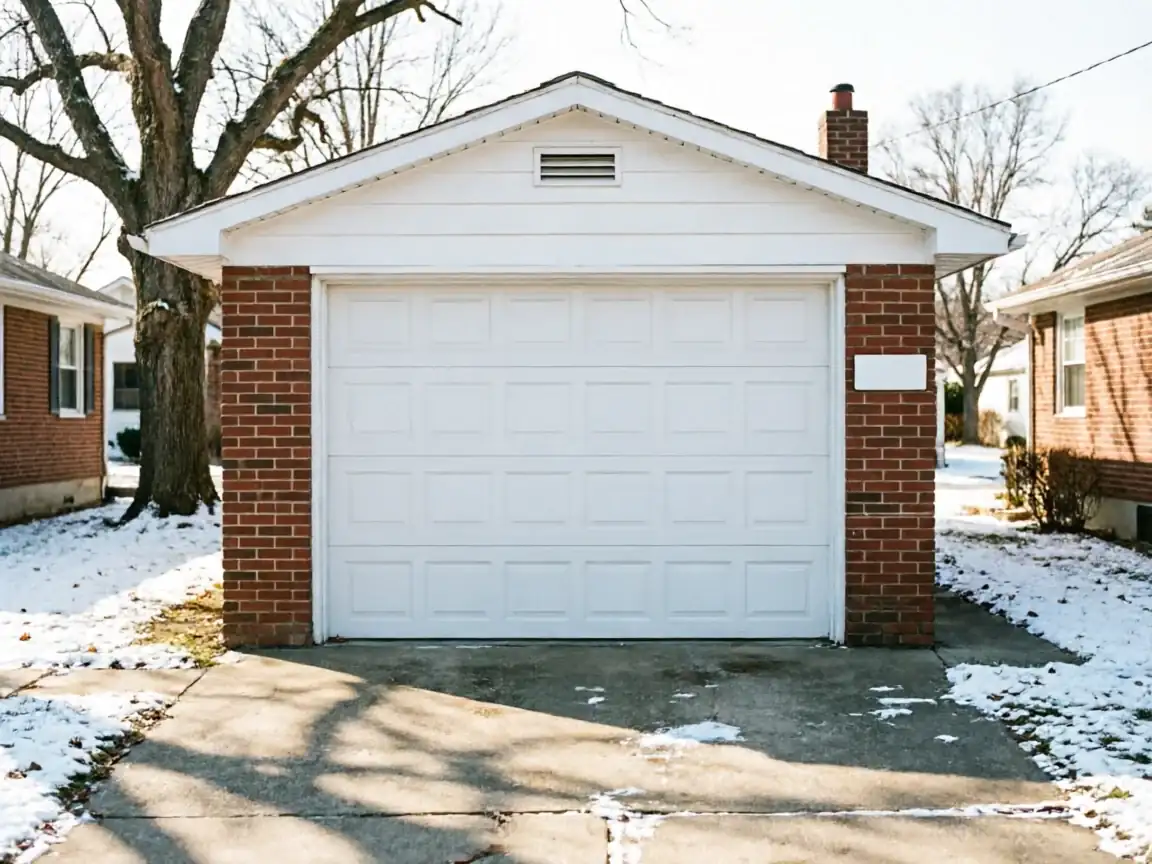
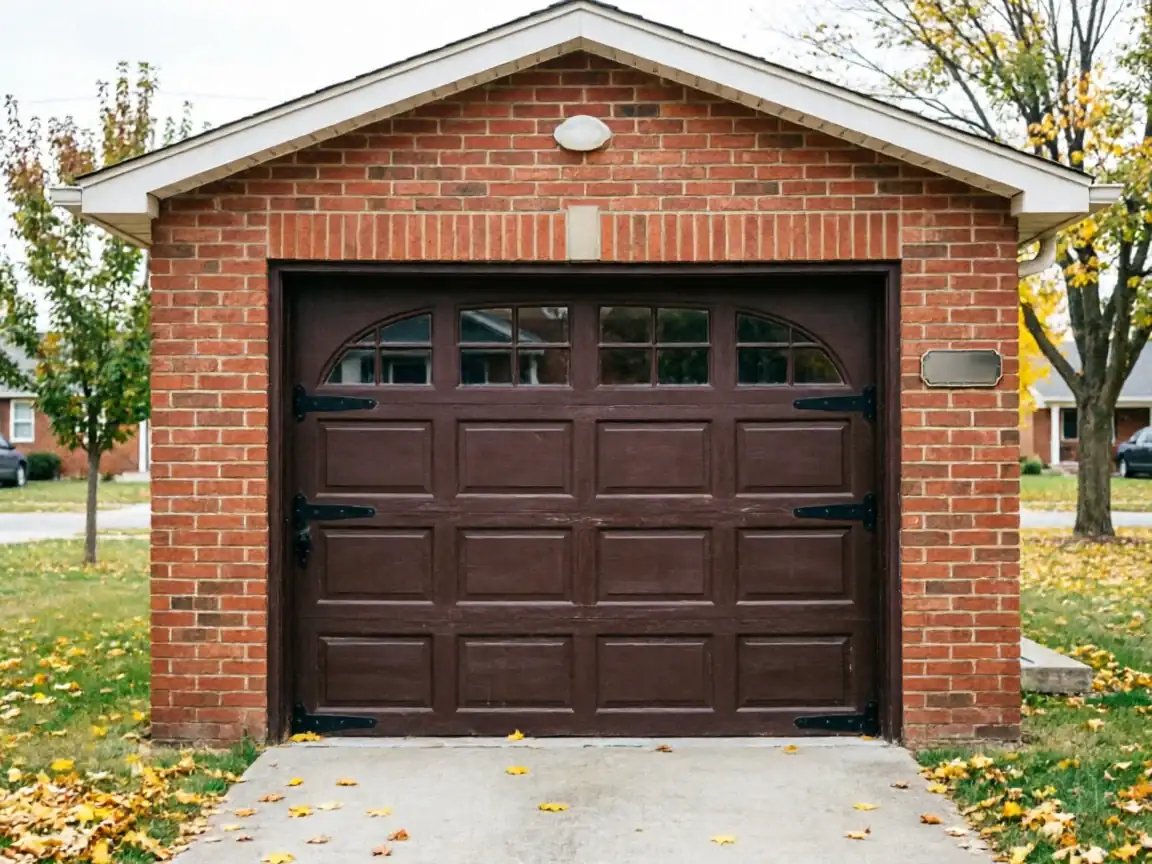
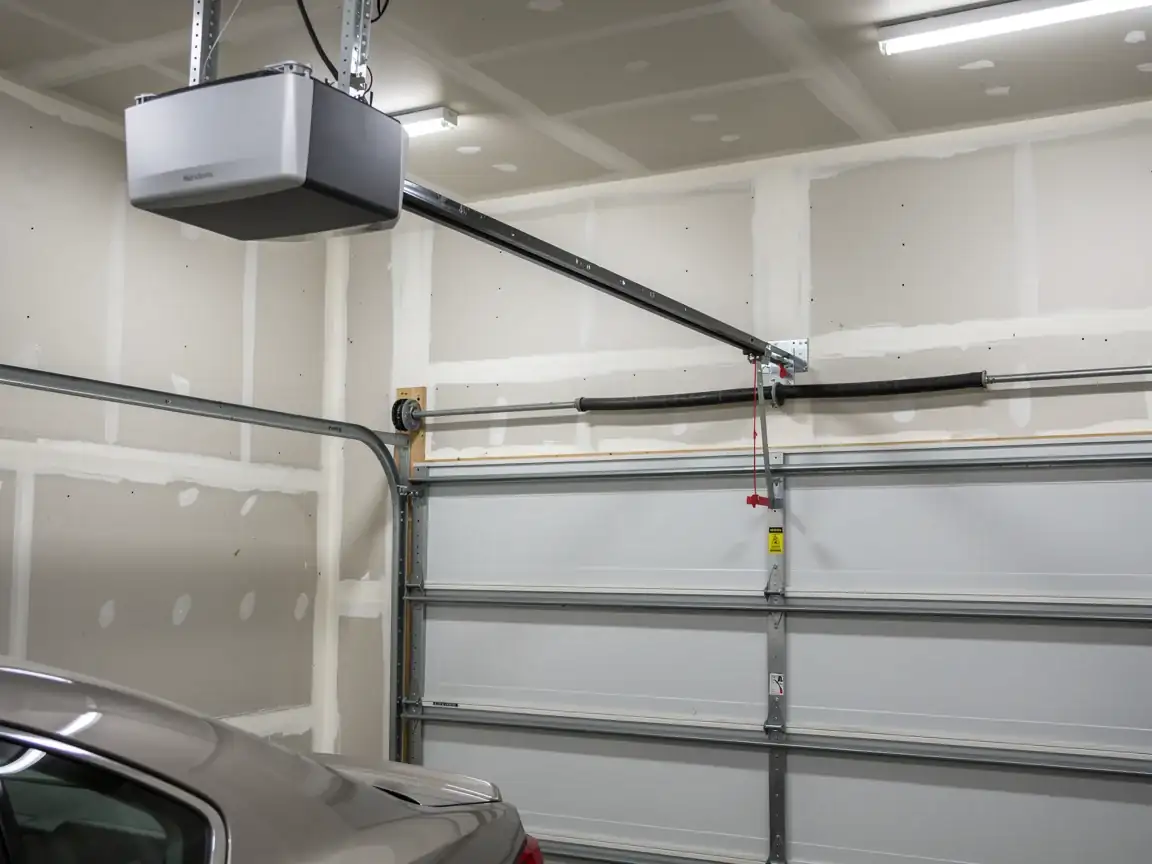
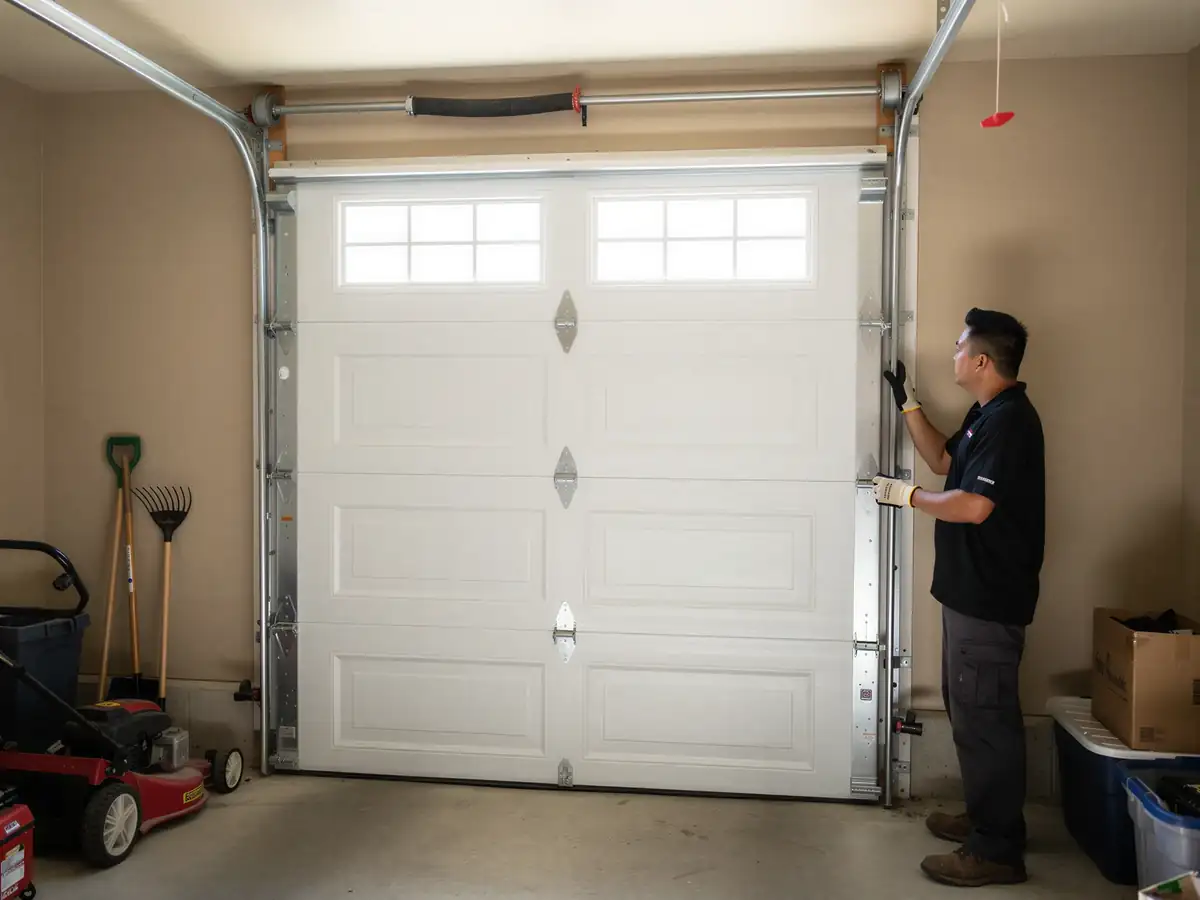
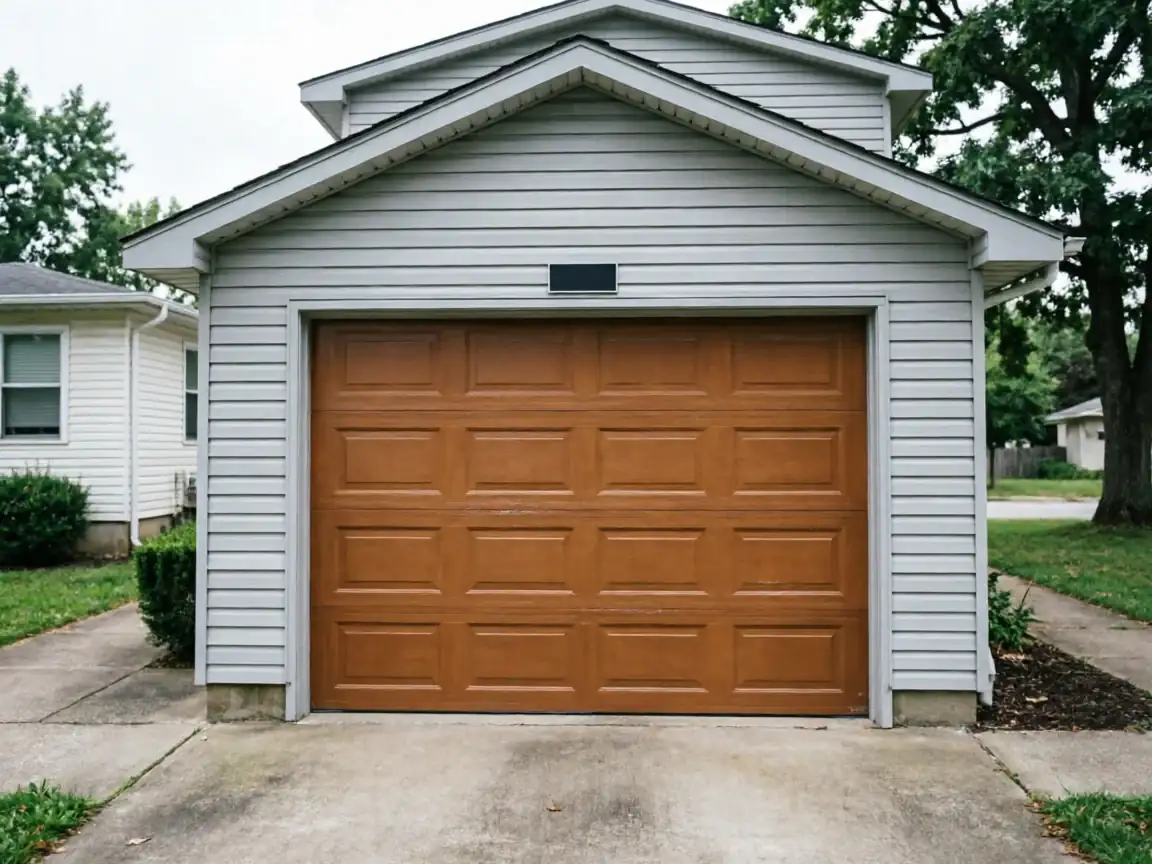
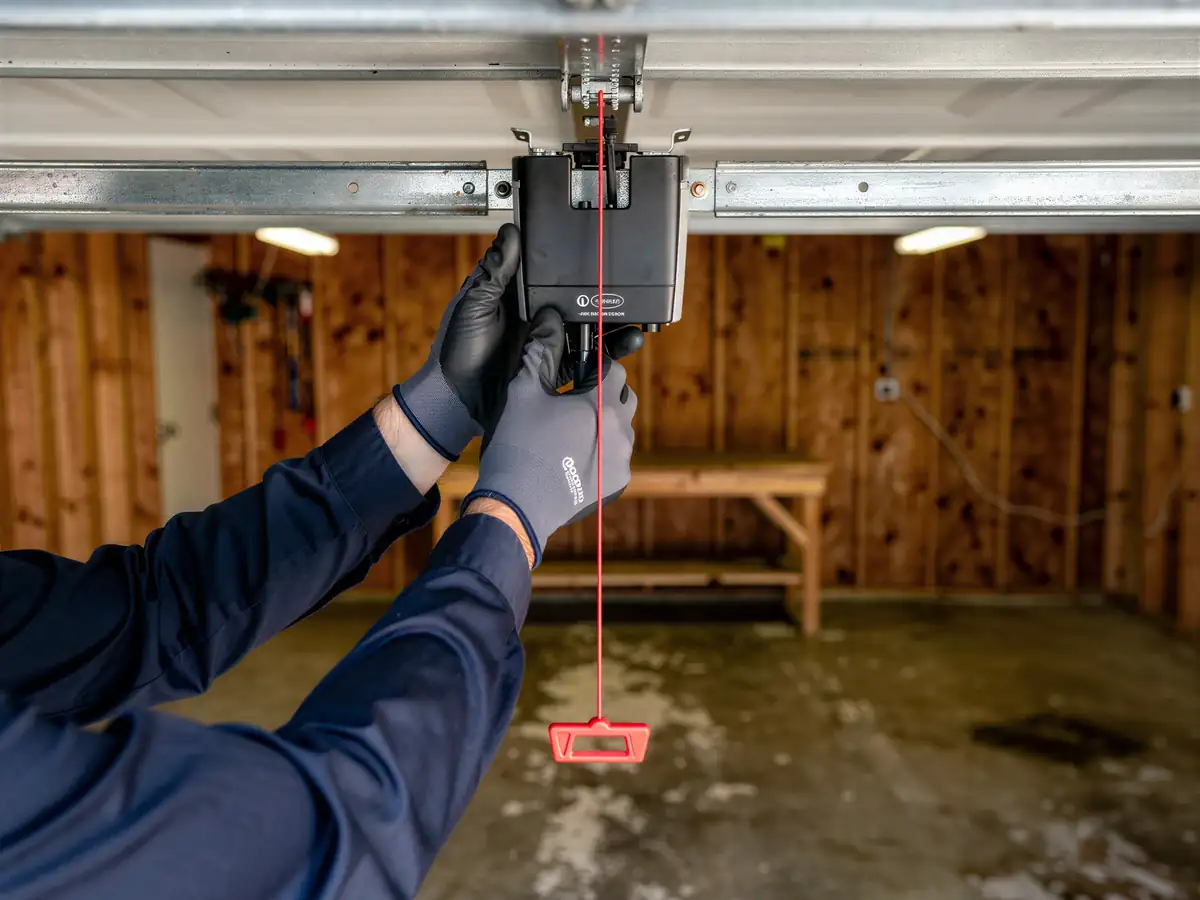
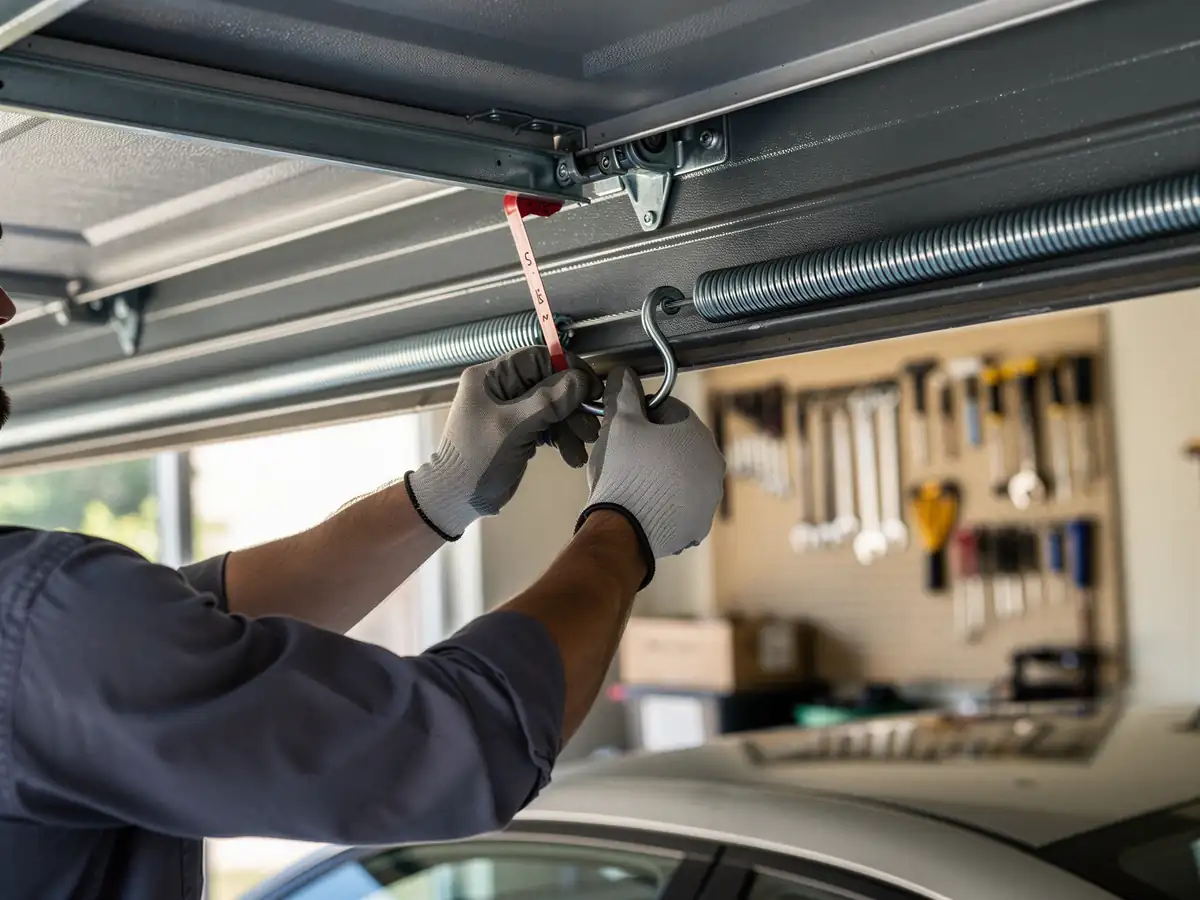
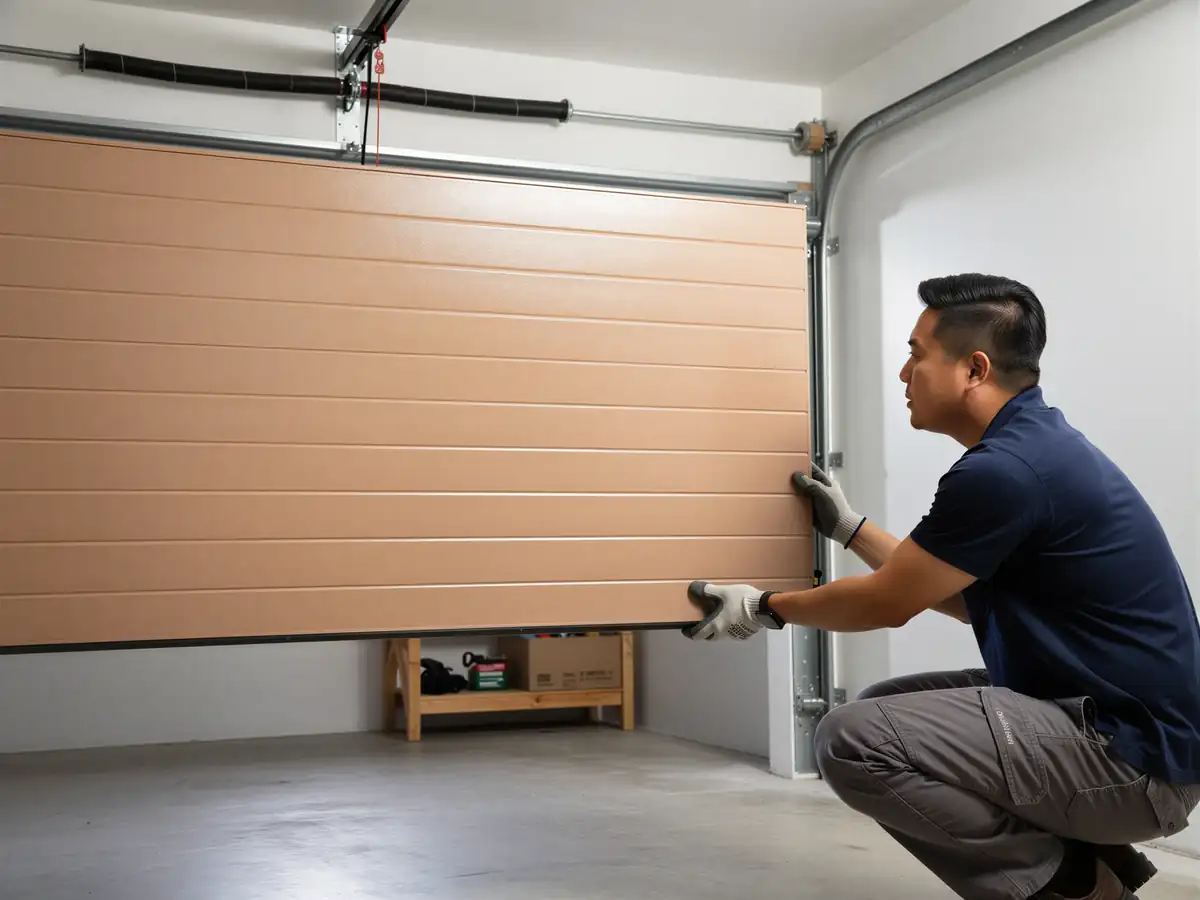
Fairmont sits at the early edge of the housing range we work across - 1958, versus a service-area median build year of 1991. That matters for what you can safely do yourself. Lubricating hinges and rollers, checking the weatherstrip, clearing track debris - fine, any owner can do that on a ladder with ten minutes. What you shouldn't touch is the torsion spring, and in a lot of Fairmont garages that spring has never been swapped. A spring that's sixty-plus years old doesn't fail gently; it fails under full tension, and that's a job for someone who's wound a few thousand of them, not a first one. Cables are the same story - original steel cable from a 1958 install has had decades of flex-fatigue nobody's inspected. If your door still has its factory hardware, the honest DIY line is: lube and look, don't loosen. We won't pretend every bracket and bolt needs replacing on sight, but on a door this old, the stuff that actually holds tension is not where you want to improvise.
What You Pay
Fairmont's median household income, at $59,244, runs well under the roughly $109,064 median across the wider area we cover from Joliet. That's not a detail we gloss over - it's why a maintenance visit here is worth framing around keeping what you've got running rather than talking you into a full hardware swap at every visit. On a door with original 1958 components, a maintenance check usually turns up a short list: lubrication, a tension check, maybe a roller or two, maybe a cable showing fray. We'll tell you straight which of those is a now problem and which can wait another year. We don't carry a published flat rate to quote you here, and we won't invent one - but the approach on a budget-conscious, older-hardware street like this is targeted repair over wholesale replacement, for as long as the parts hold up.
Time on the Job
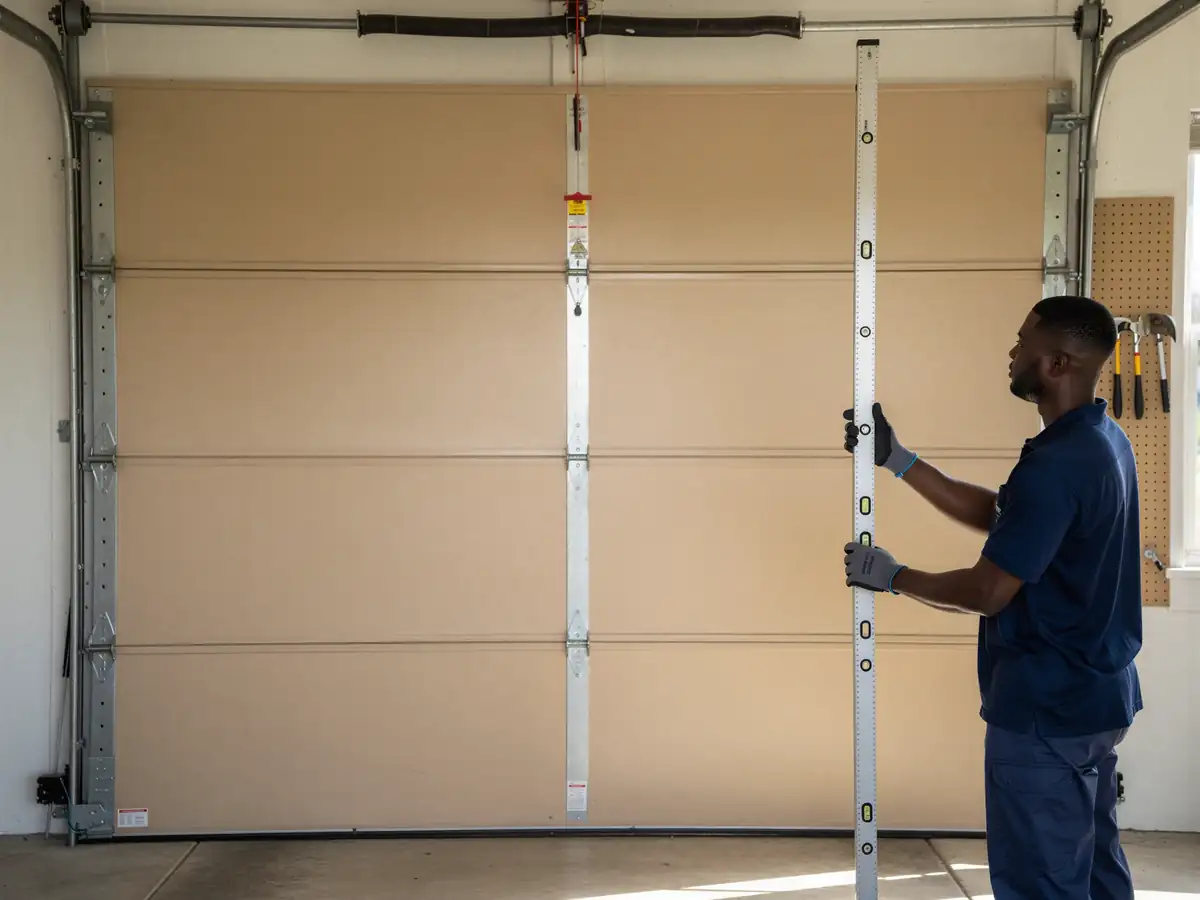
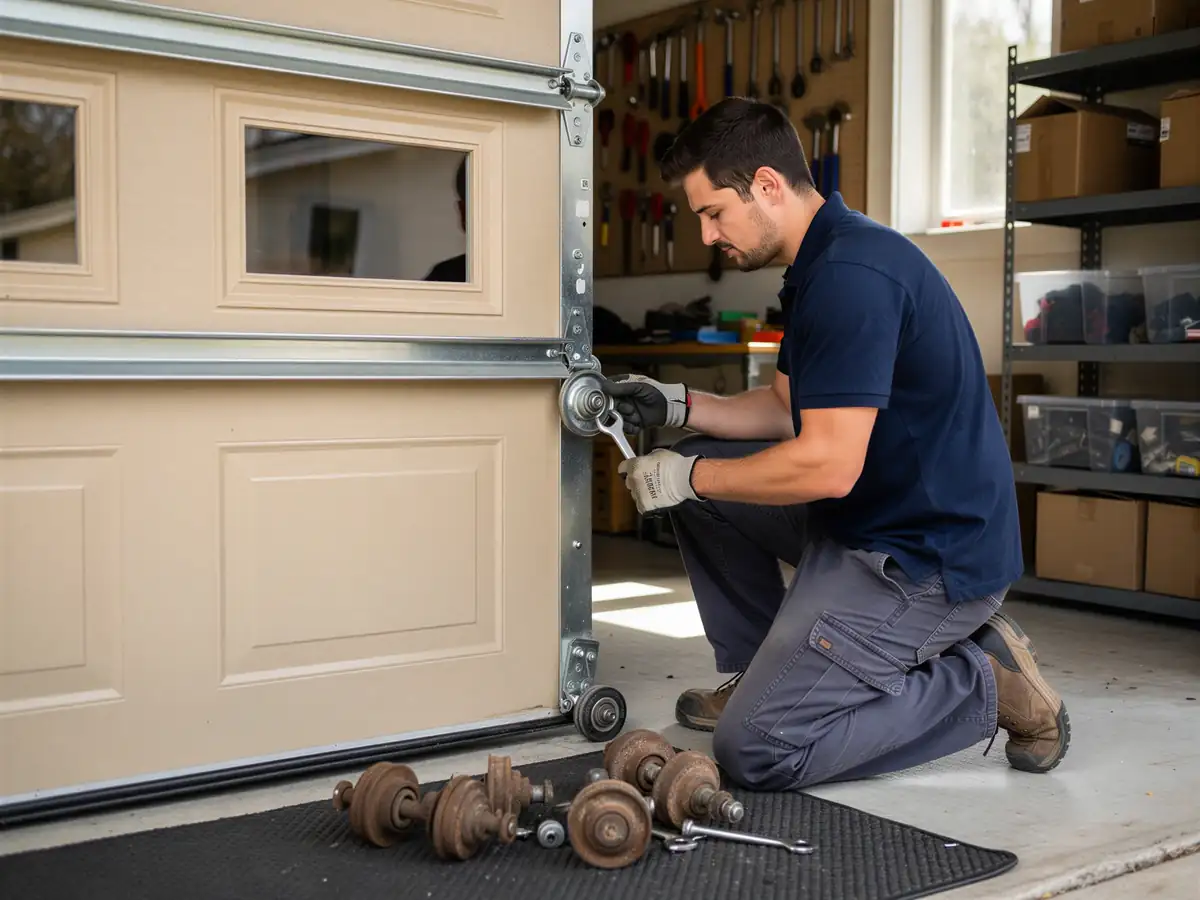
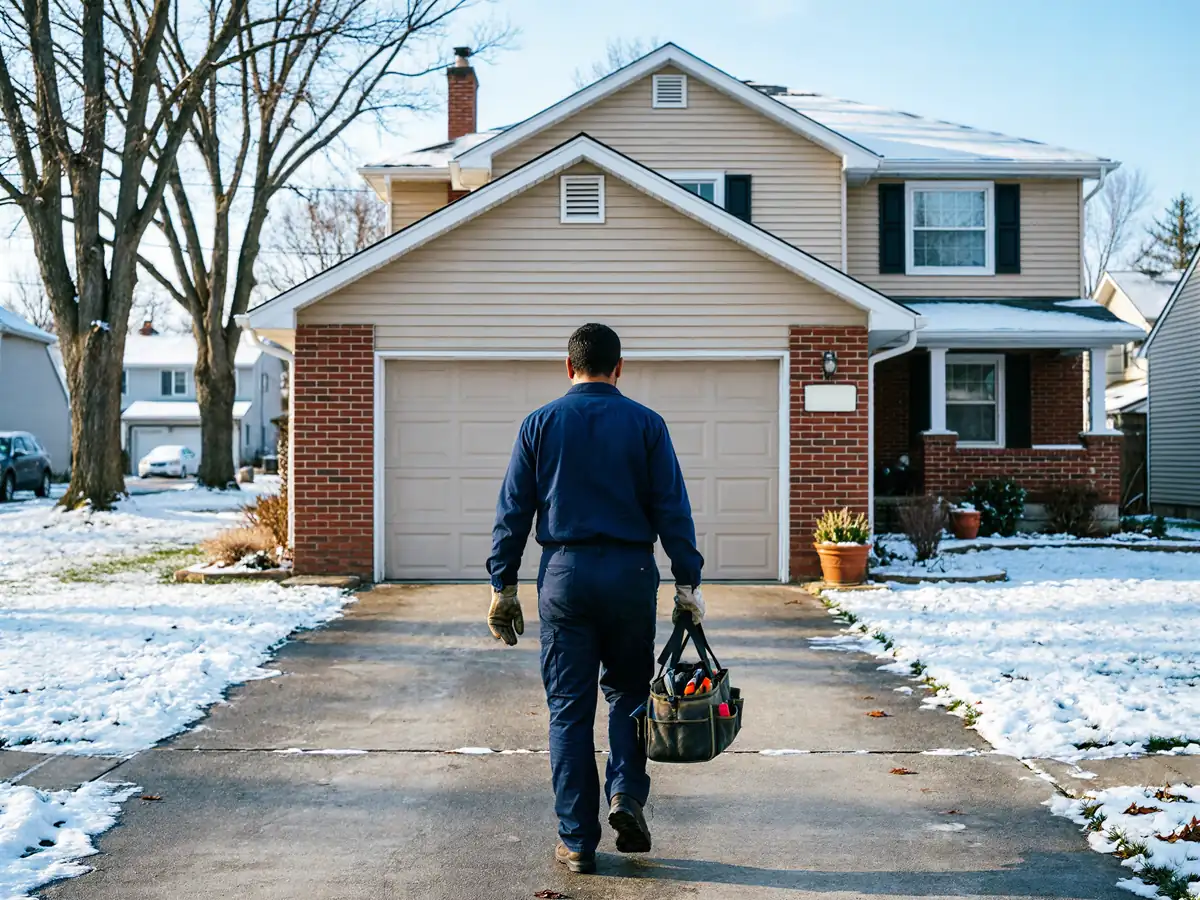
We run out from Joliet, about 6 miles to Fairmont, for every maintenance call in this pocket - it's one of the closer stops on our route, which is worth mentioning since some of the other areas we cover run considerably farther. On-site, a door with original 1958 hardware usually takes longer to work through than a 1990s install, simply because there's more to check: tension on a spring that's never been reset, cable condition nobody's documented, track alignment that's shifted over decades rather than years. With about 806 households in Fairmont, this isn't a high-volume stop for us, which means less of a cookie-cutter routine and more time actually looking at what's in front of us. One limitation worth saying plainly: if a torsion spring on a door this old is rusted and pitted rather than just old, we're not going to grease it and call it fine - replacement is the safer call, and that's a longer job than a tune-up.