The DIY Question
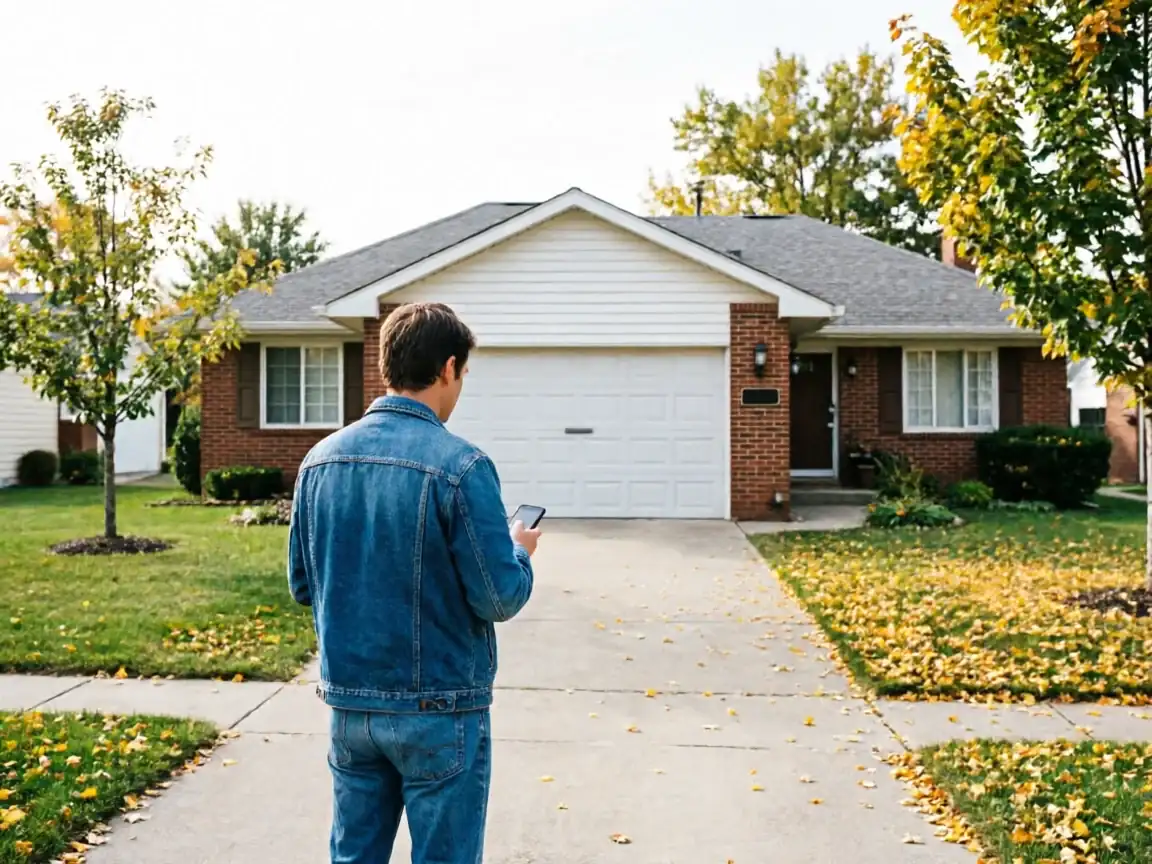
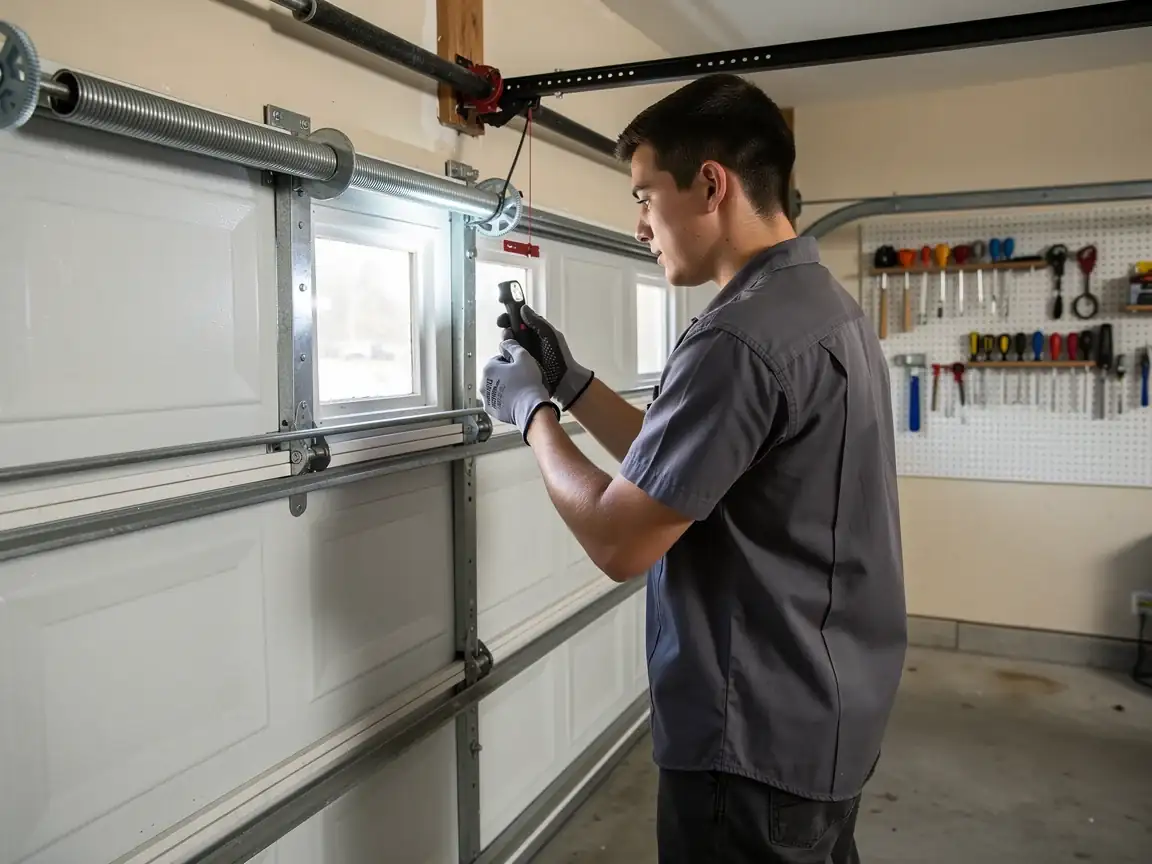
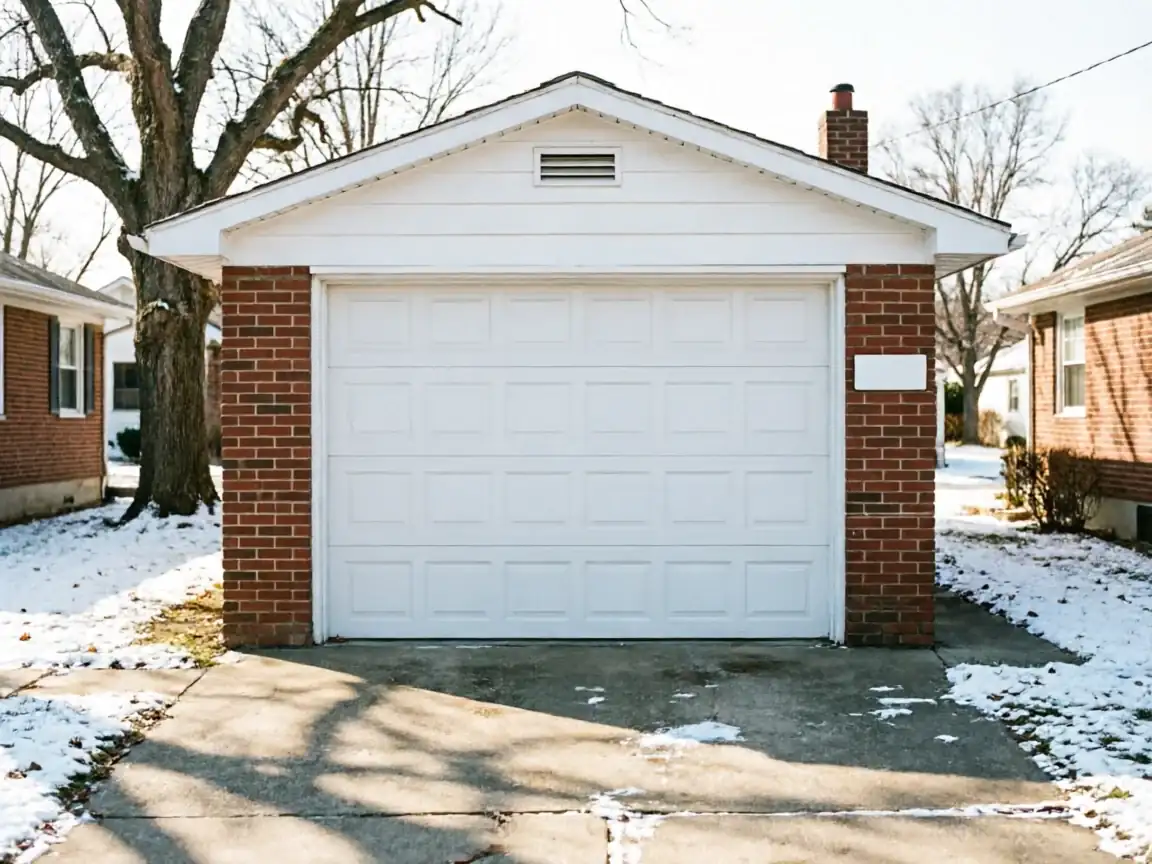
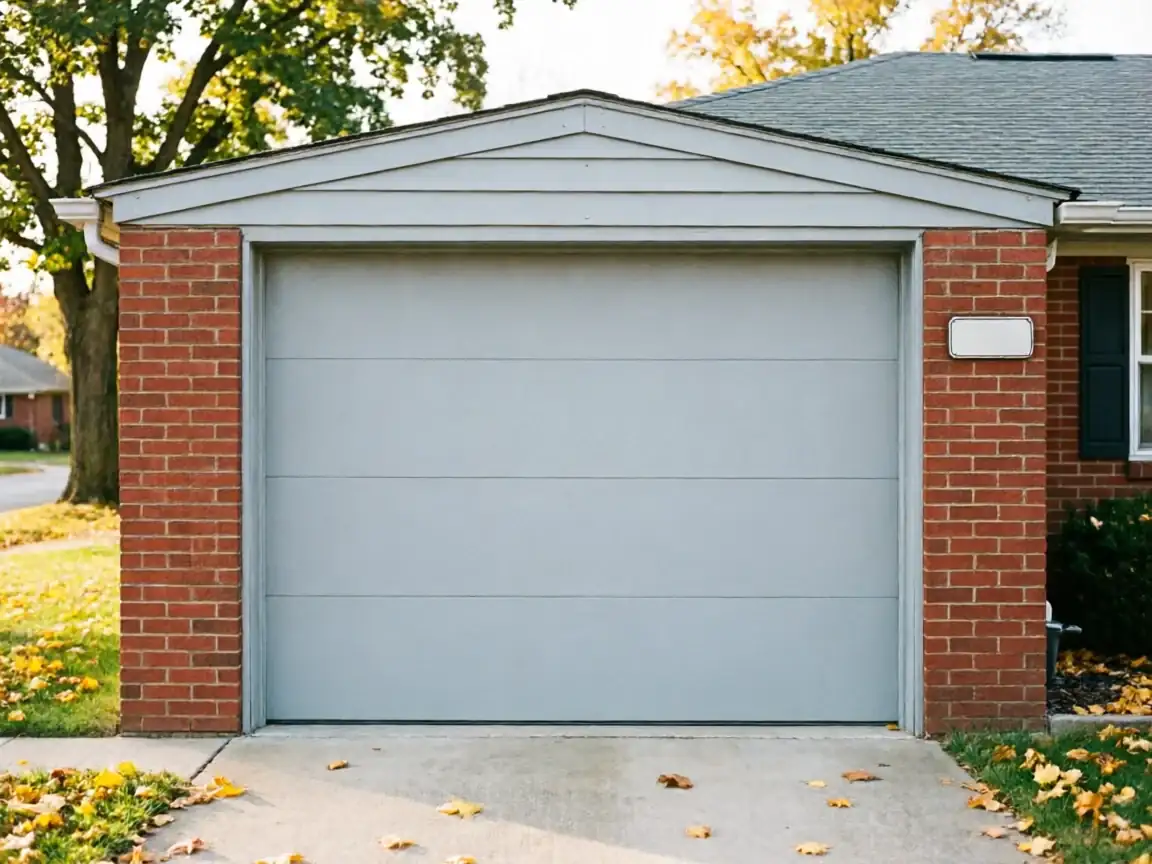
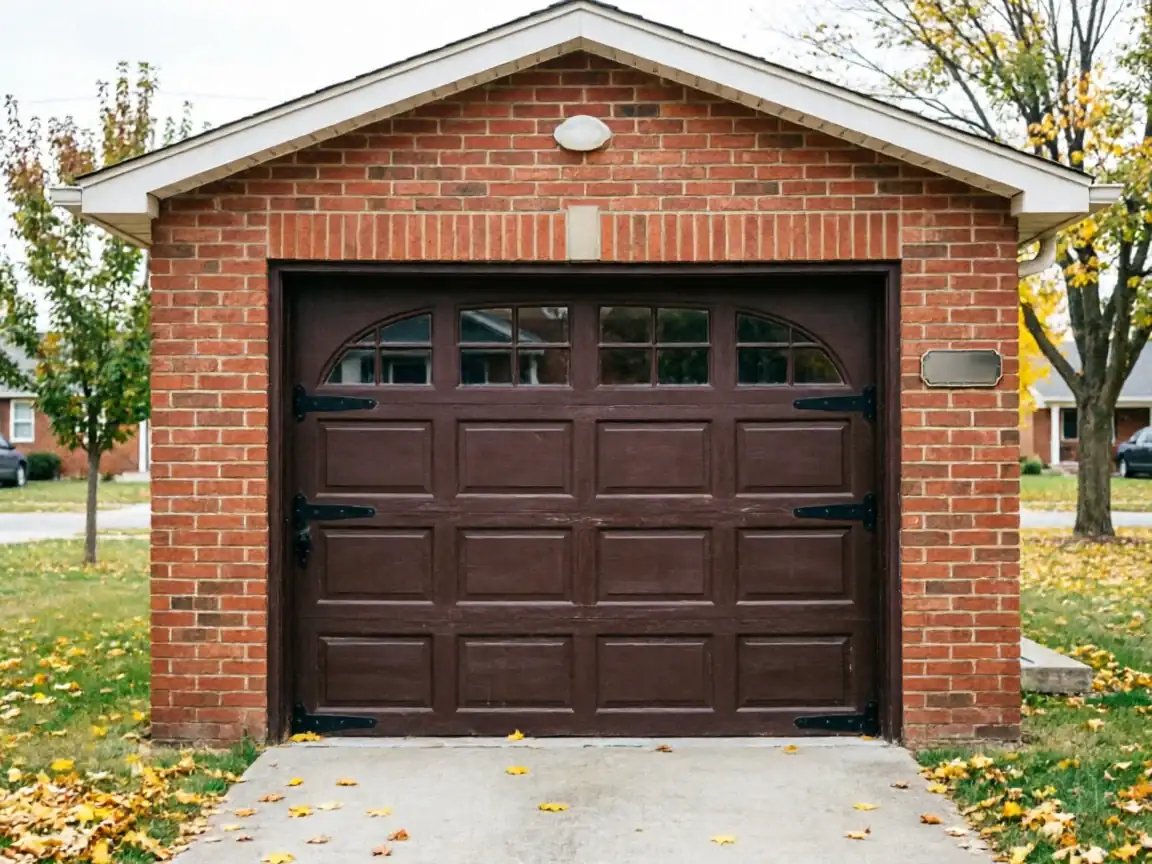
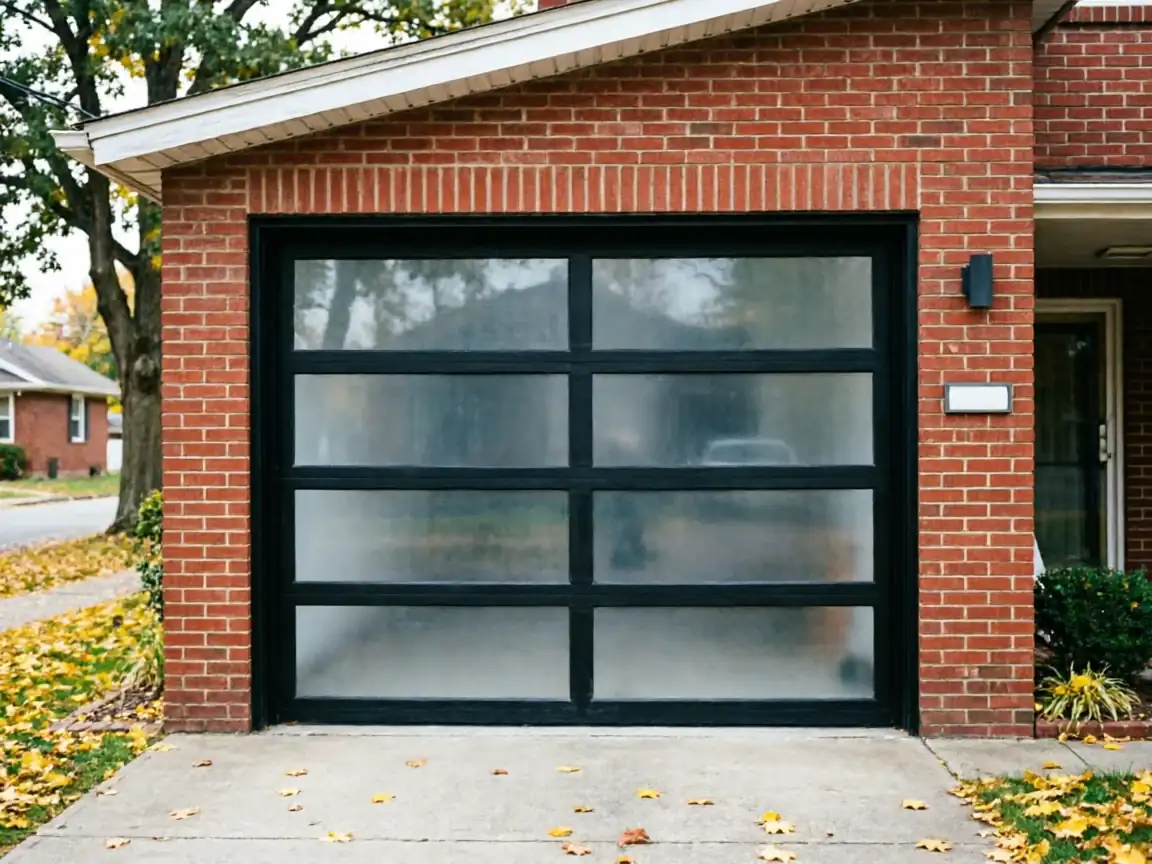
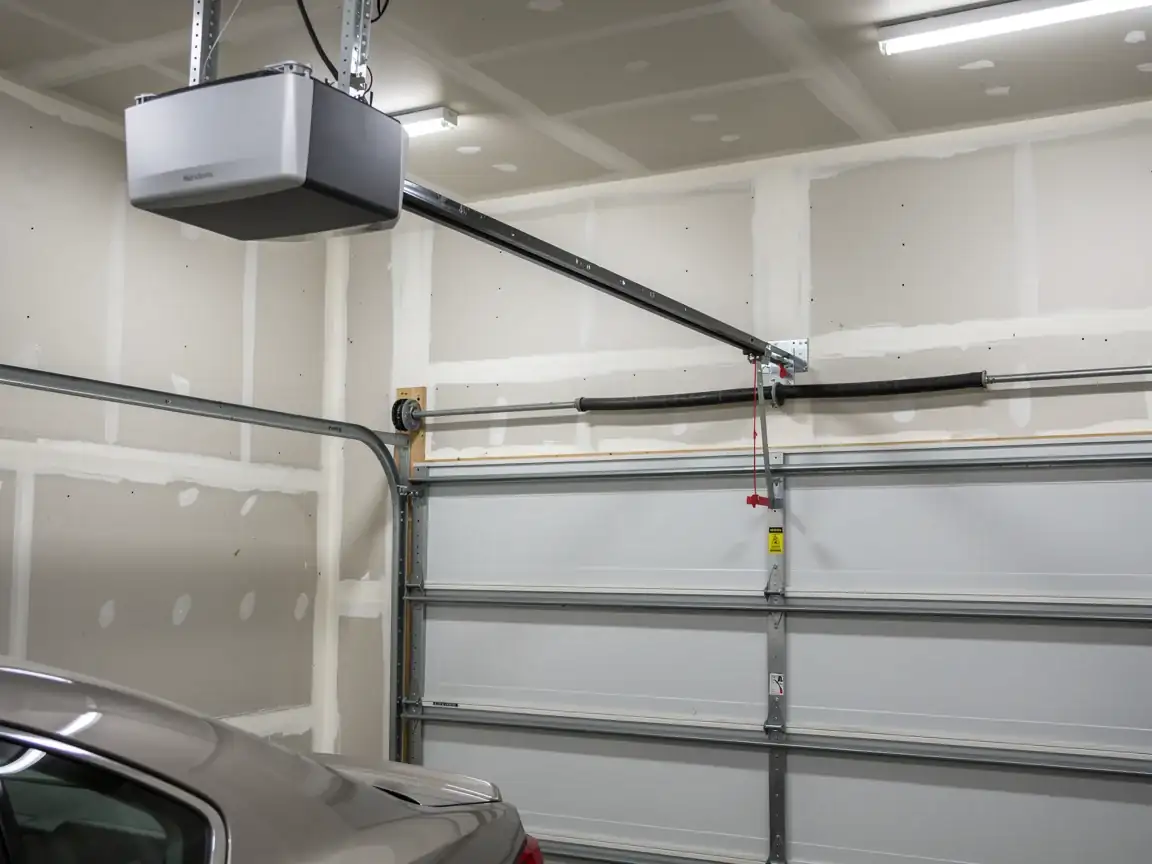
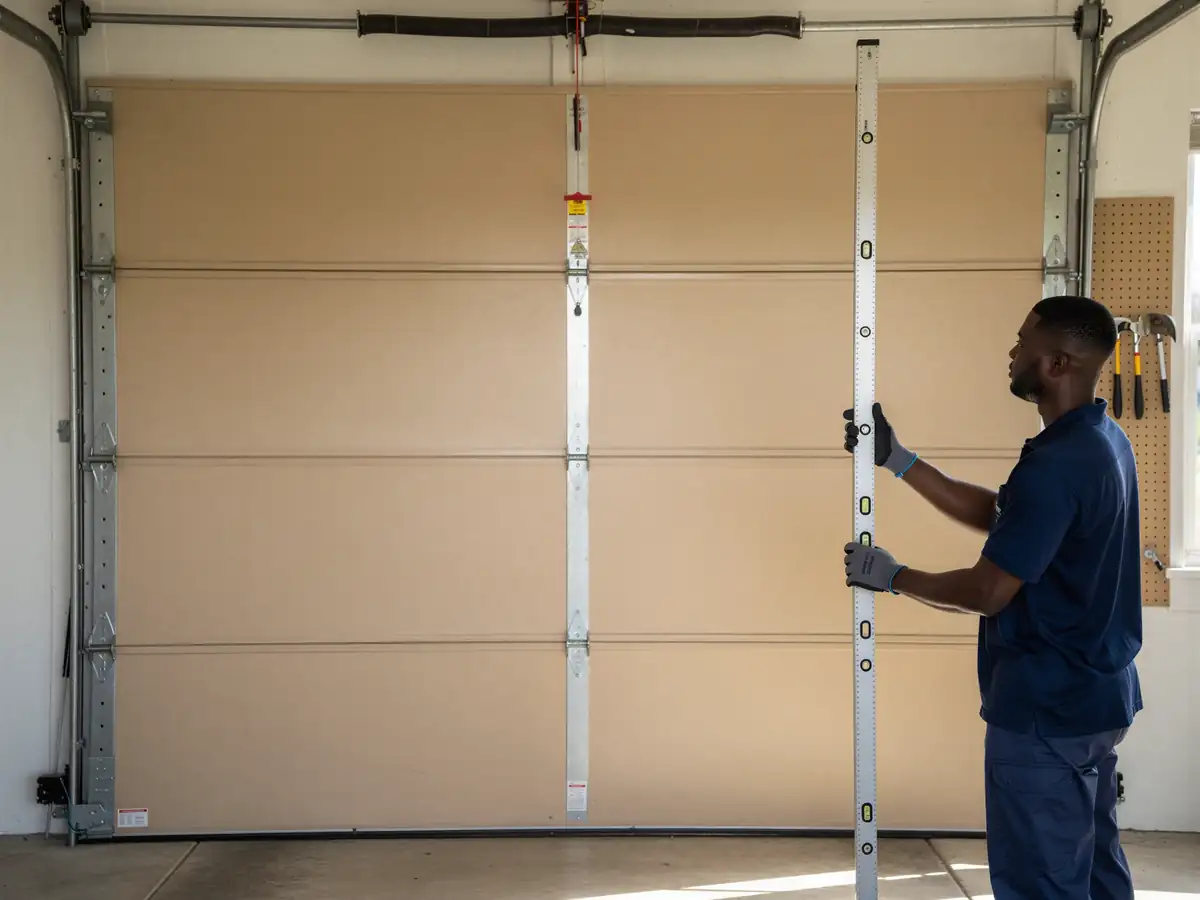
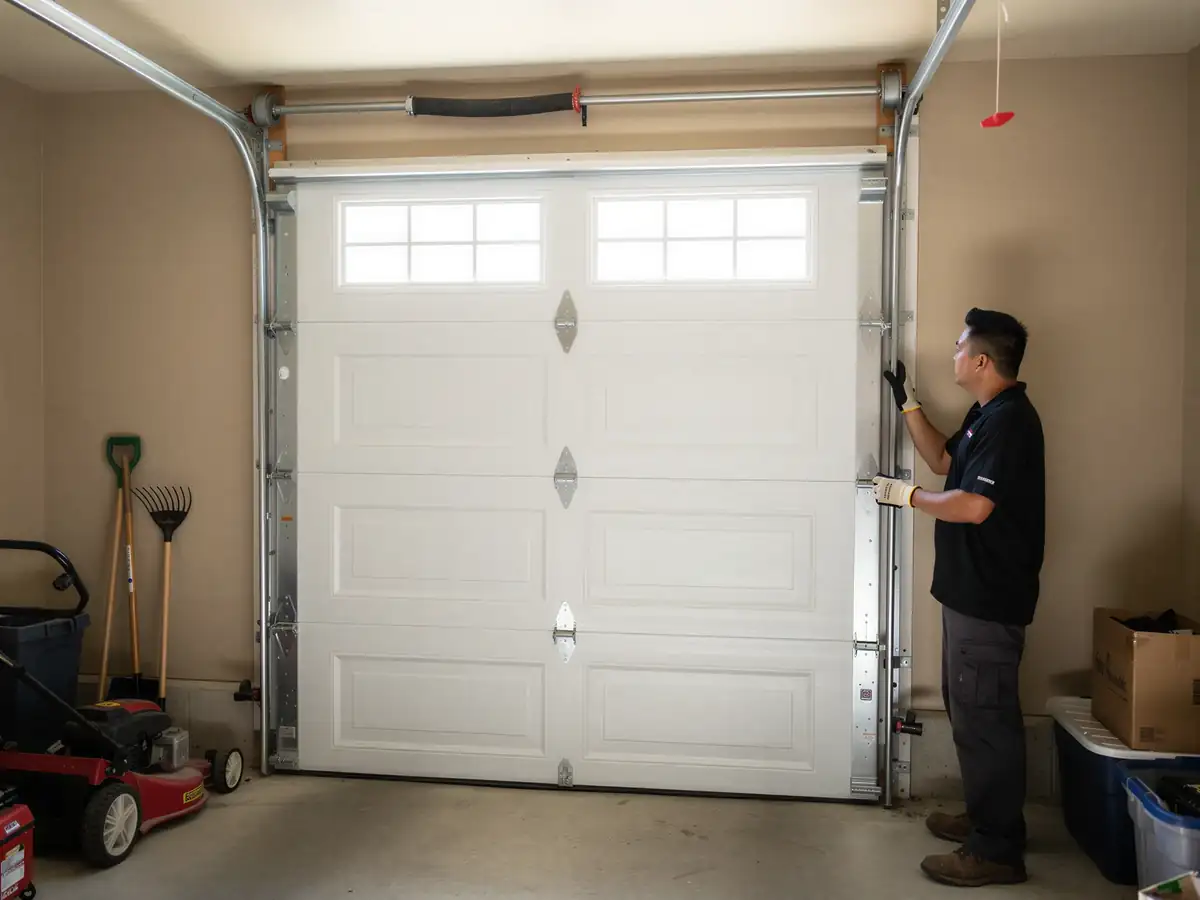
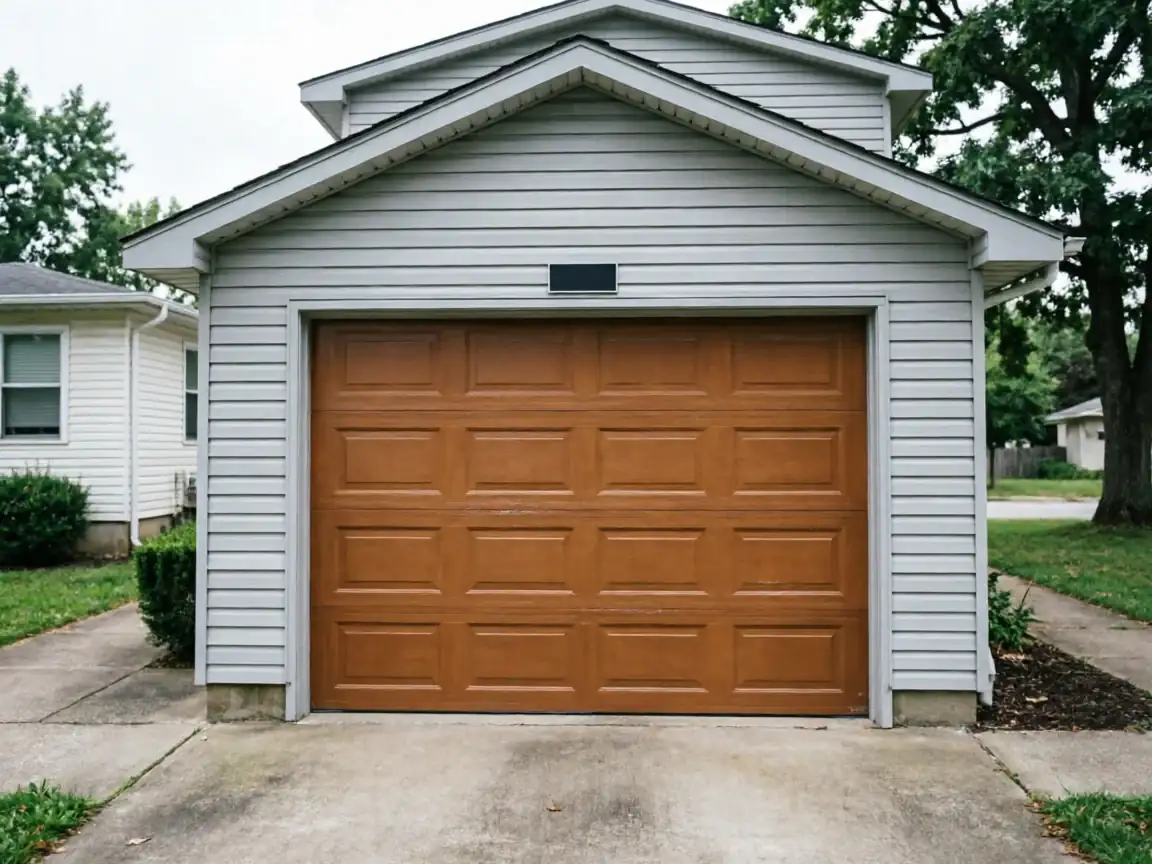
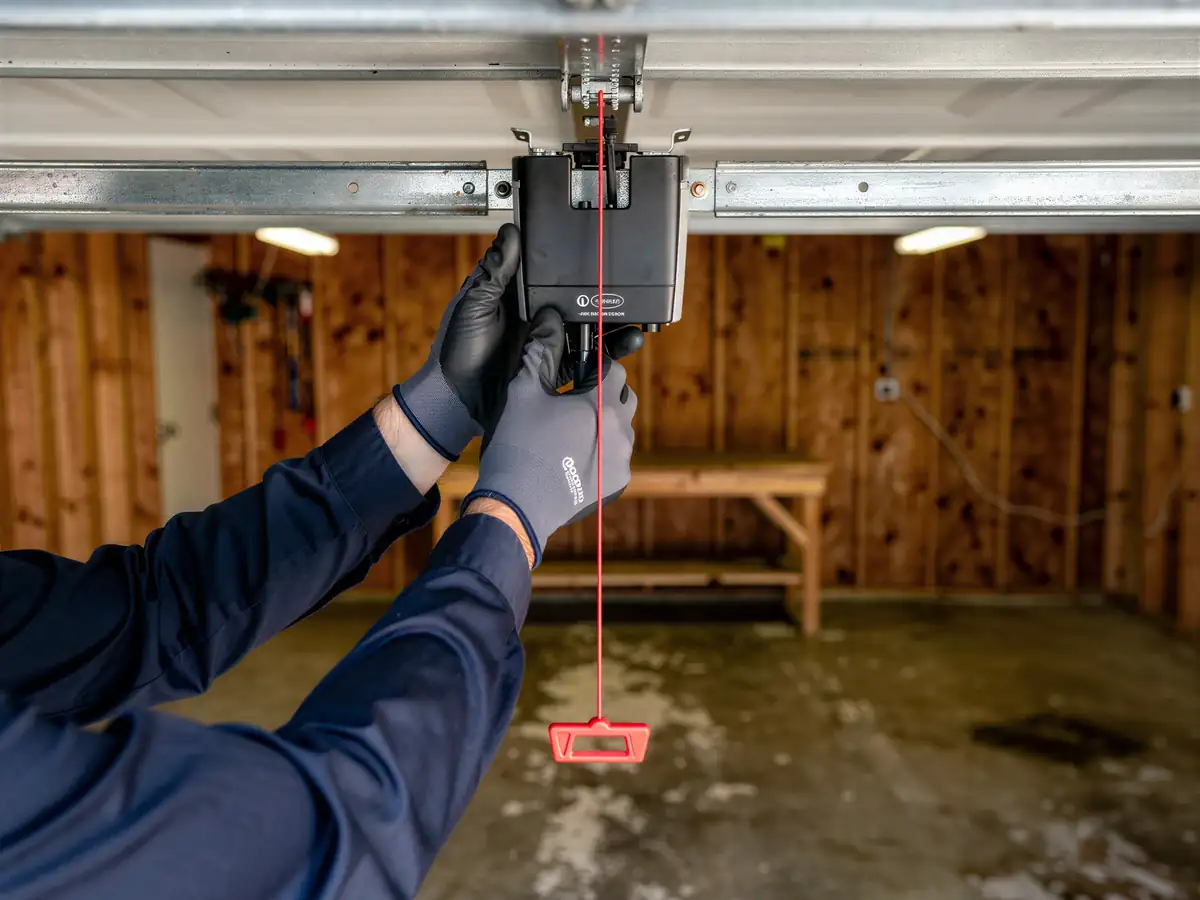
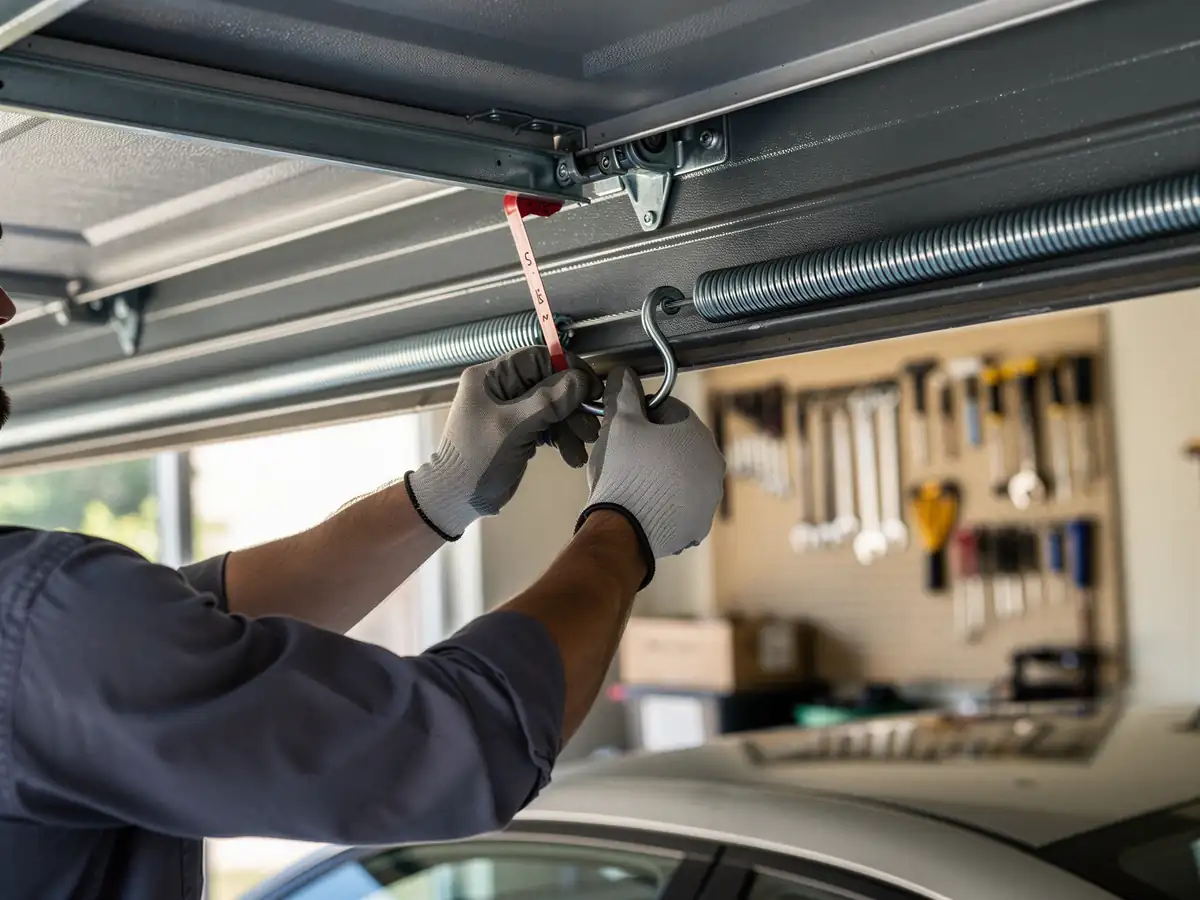
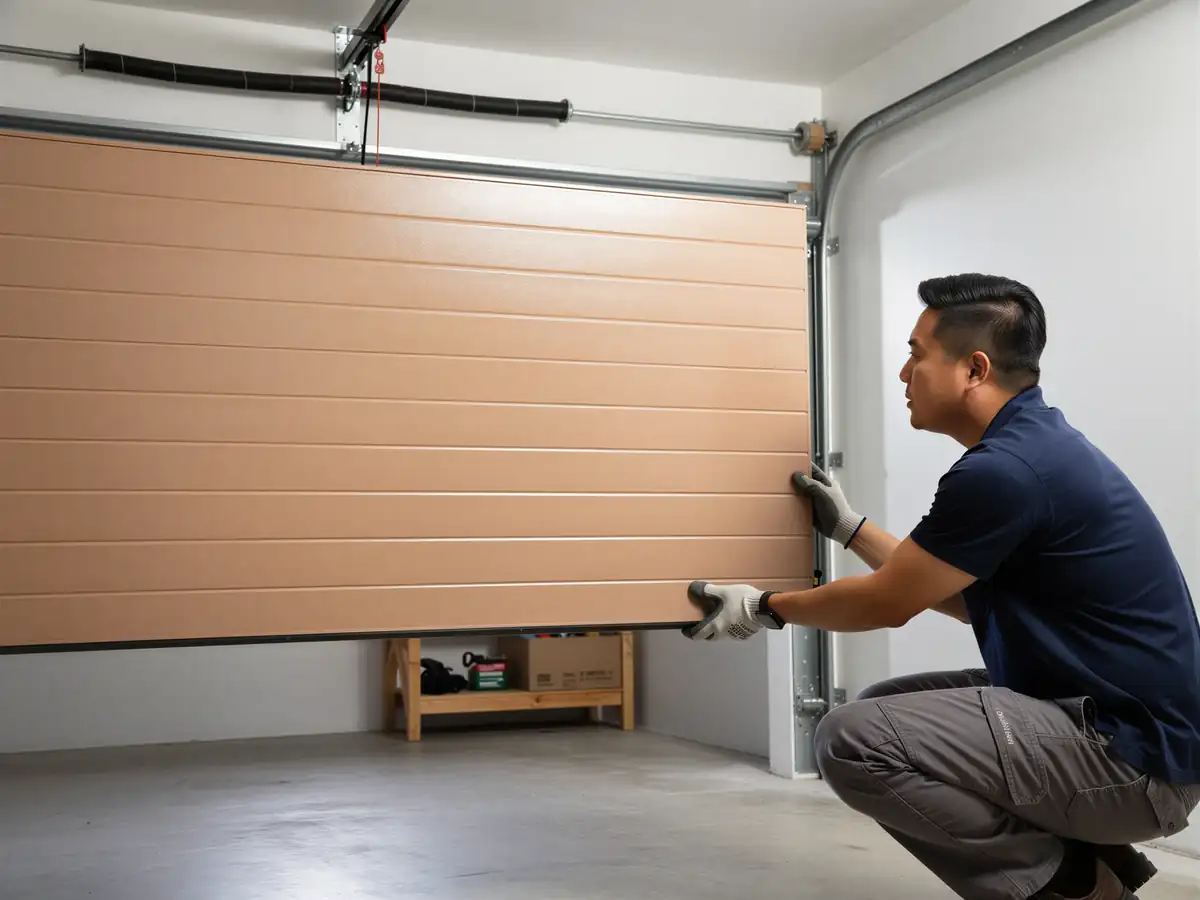
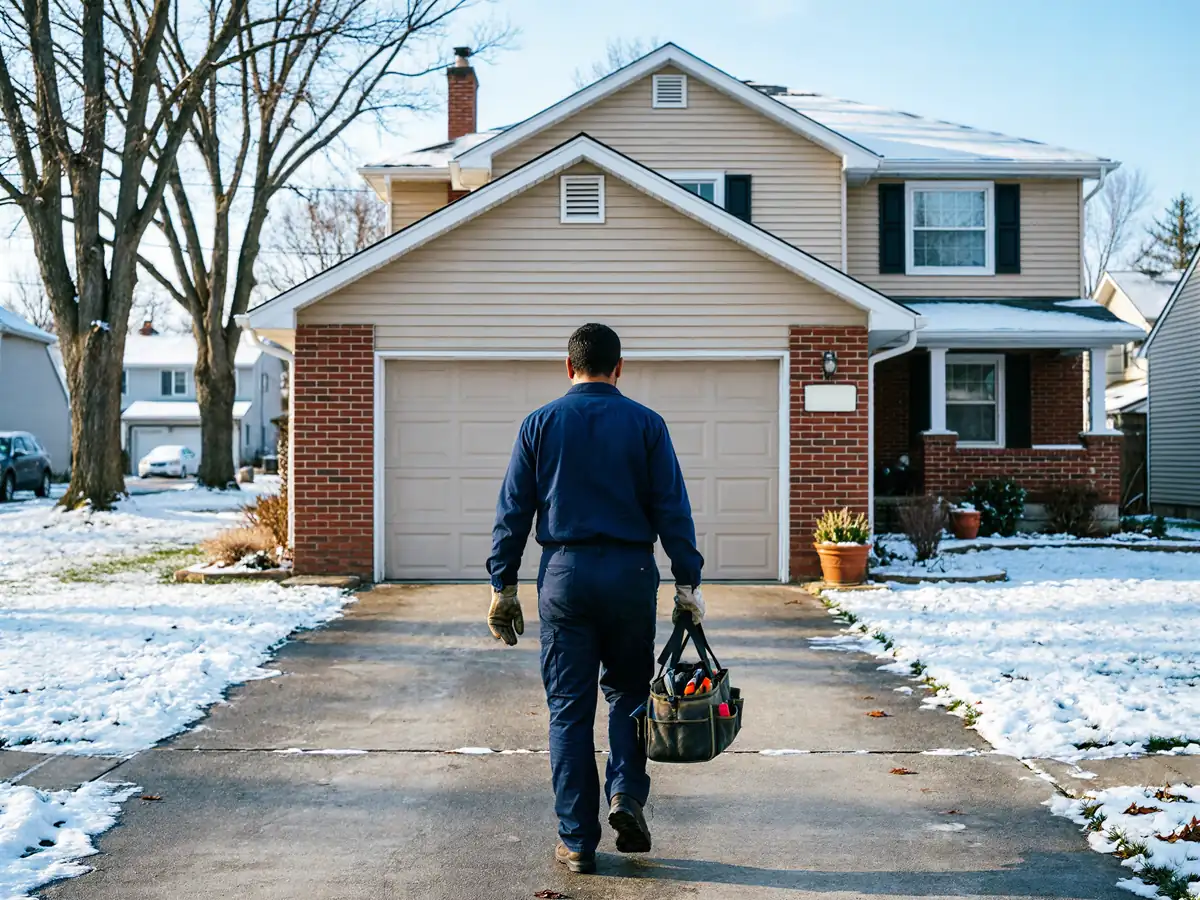
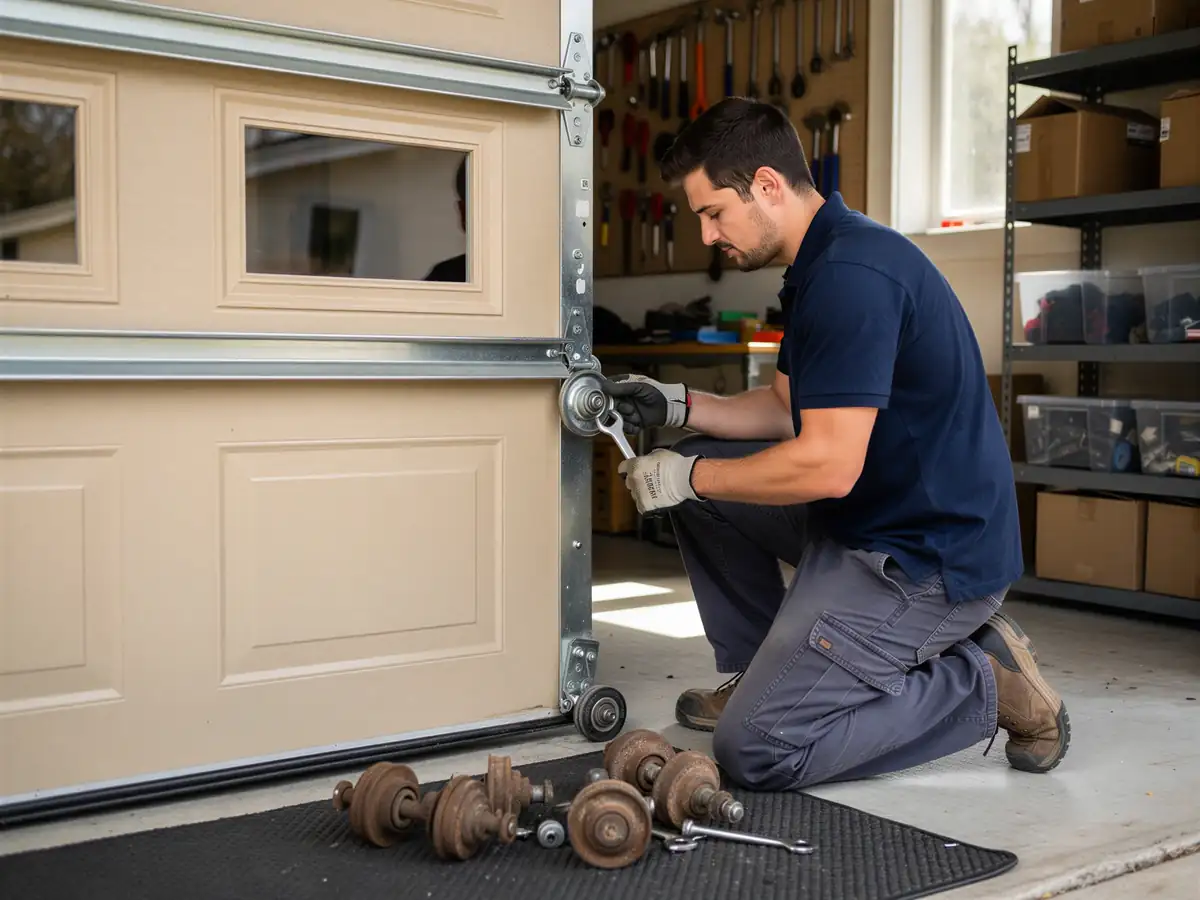
Most houses in Fairmont went up around 1958, back when steel rollers on steel track were just what came with the door. That hardware is loud, it chips the track over decades, and by now a lot of it is past due for a swap. Pulling a roller yourself isn't impossible - the bottom rollers on a door with no cables under tension are a reasonable weekend job for someone comfortable with a ladder and a socket wrench. The top two rollers on each side are a different story. On a door this age the track is often bent slightly at the point where the roller rides, and taking that section apart without knowing how the door was hung originally can let the whole panel shift on you. If your door has a torsion spring over the top (most from this era do), we'd rather you call than find out the hard way what that spring is holding back. For the bottom rollers only, on a door that's not sagging or binding, DIY is fine. Past that, it's a job for someone who's opened a few hundred of these.
What You Pay
We don't have a flat number to put here, because roller jobs in Fairmont vary with what we find on the track and how many rollers on the run are actually shot versus just loud. What we can tell you is the trade-off that decides most jobs: steel rollers are cheaper up front but they're the noisy, shorter-lived option, while nylon rollers with sealed bearings cost more per roller and run quieter for longer, which matters if your garage sits under a bedroom. Households in this part of the service area run a lower median income than some of the suburbs we cover, and we price the same job the same way regardless of address - we just want you walking in knowing the choice is rollers vs. rollers, not a mystery bill. We'll show you both options and the difference in price before we touch the door, not after.
Time on the Job
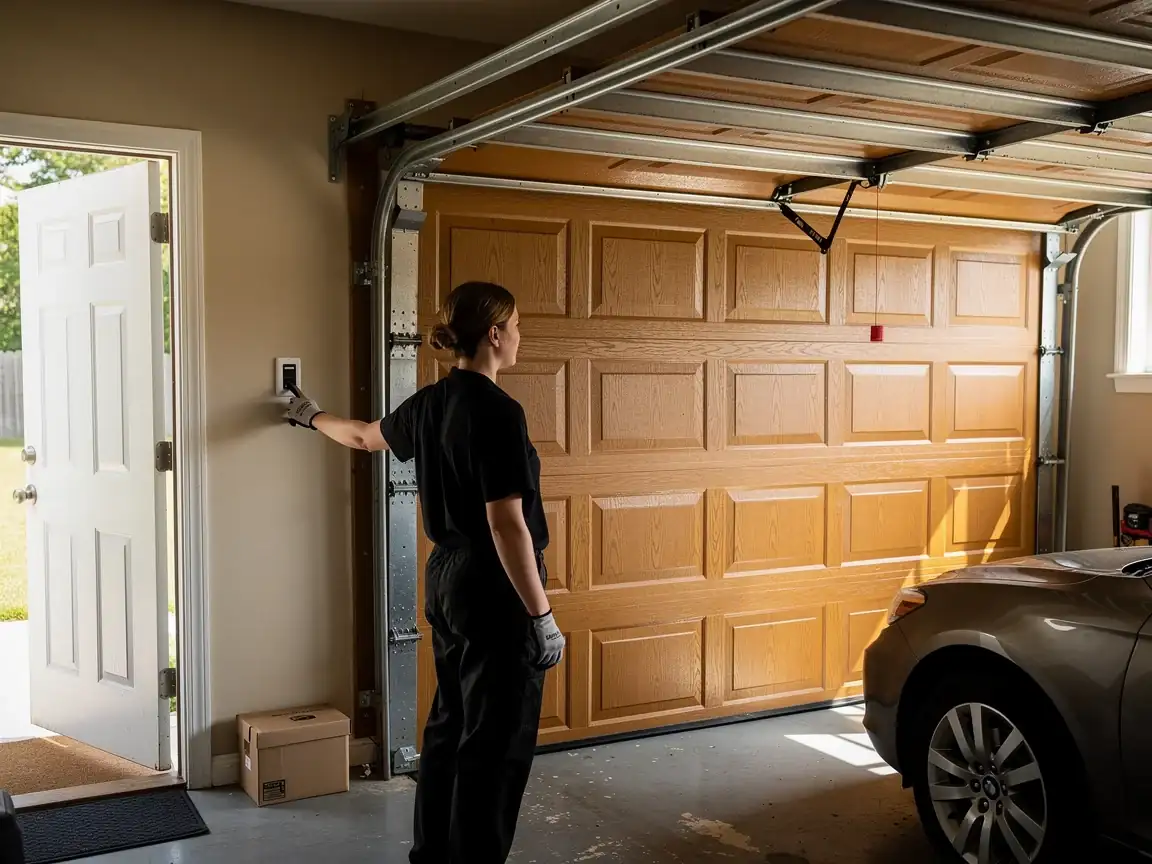
A straight roller swap, all ten rollers, no track replacement, is a same-visit job - we're not ordering parts or coming back a second day for it. Where it runs long is when the track itself is bent or grooved badly enough to need replacing alongside the rollers, which we see more often on doors from Fairmont's 1958 building era than on newer stock, simply because steel track that age has had more decades to take a hit from a bumper or warp from temperature swings. We're coming from Joliet, about 6 miles out, so travel isn't the bottleneck - diagnosis and whatever the track tells us once we're looking at it closely is. If we find a spring that's also near the end of its cycle count, we'll flag it rather than bundle it into the roller job without asking.