Stocked Parts
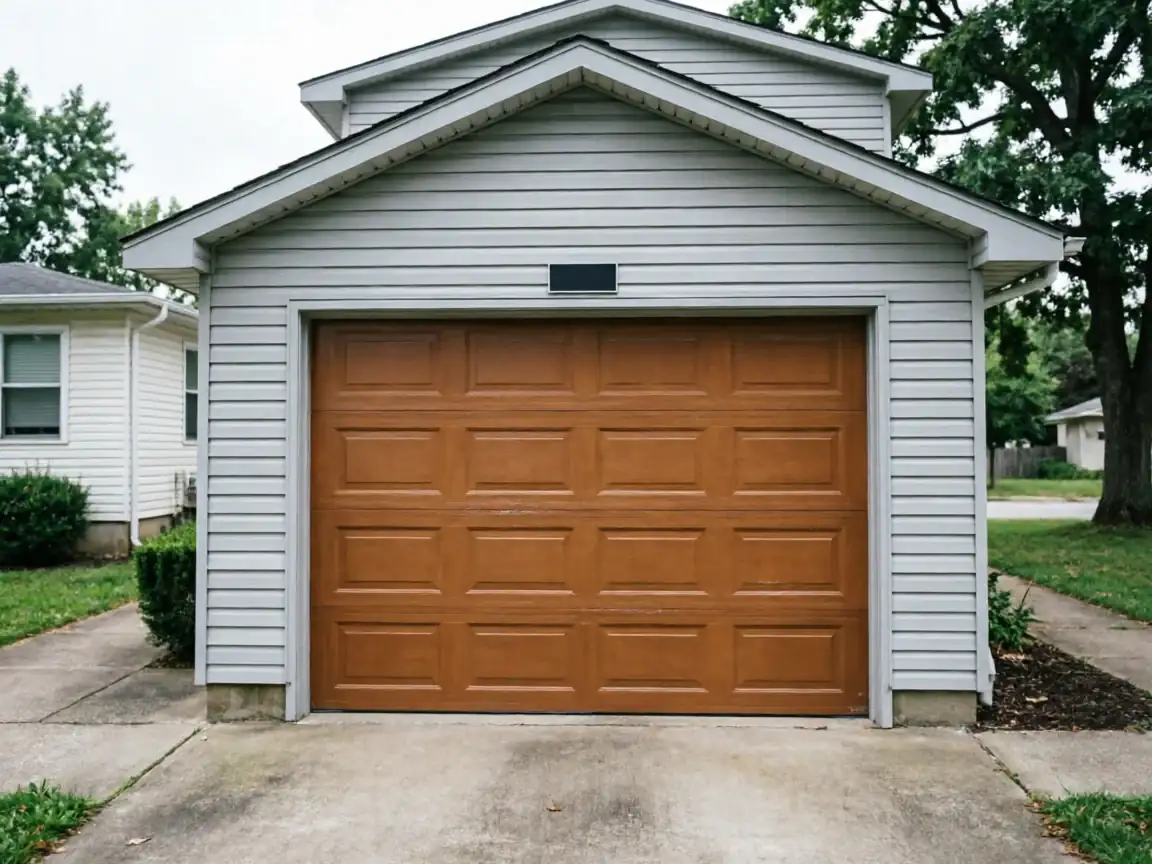
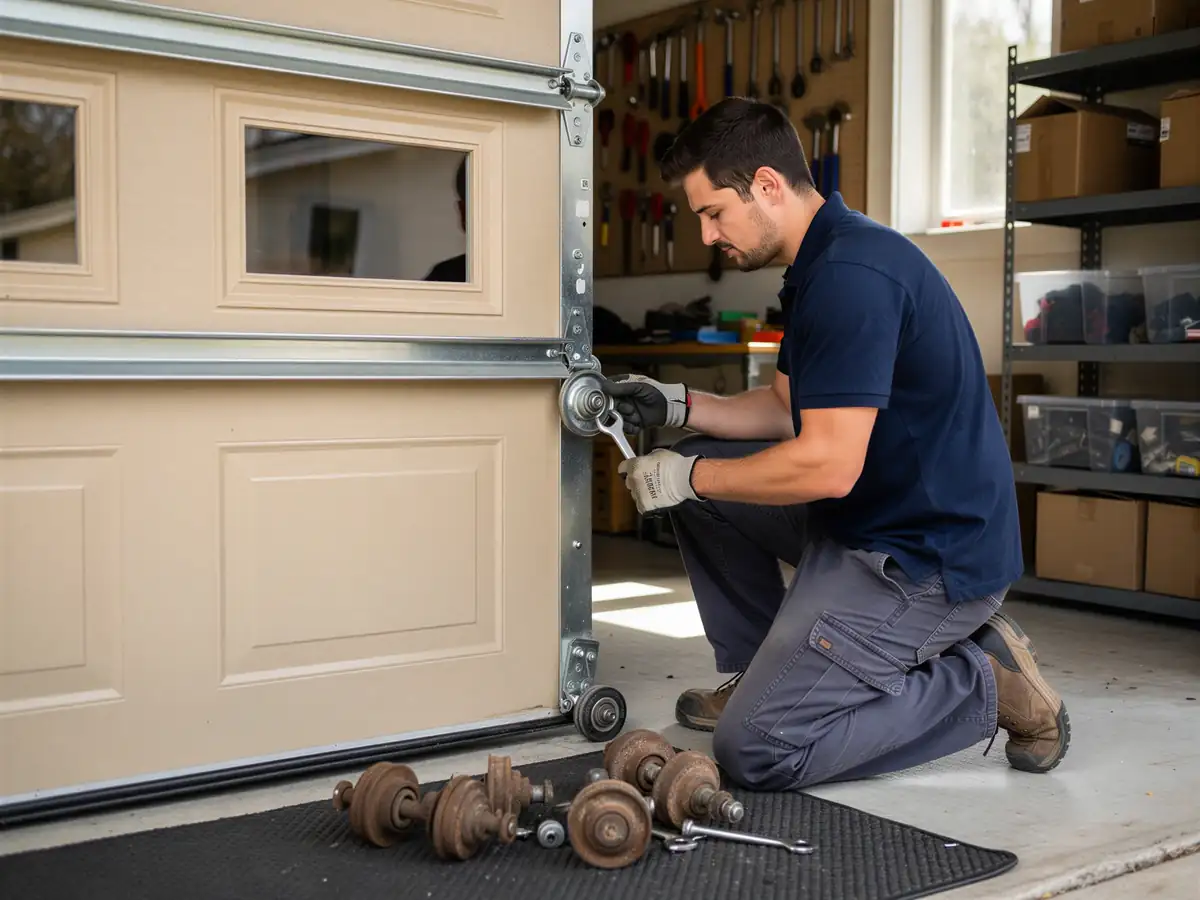
Lockport's housing stock runs newer than a lot of what we see on the rest of the Joliet side of the territory - median build year here is 1998, against a service-area median of 1991. That seven-year gap matters for rollers. Houses from the late 90s almost always shipped with 2-inch steel rollers on nylon-sleeved stems, riding in a standard 2-inch track. We carry those sizes on the truck as a matter of course, along with the quieter nylon-on-ball-bearing upgrade that a lot of Lockport owners ask for once they hear the steel ones grinding.
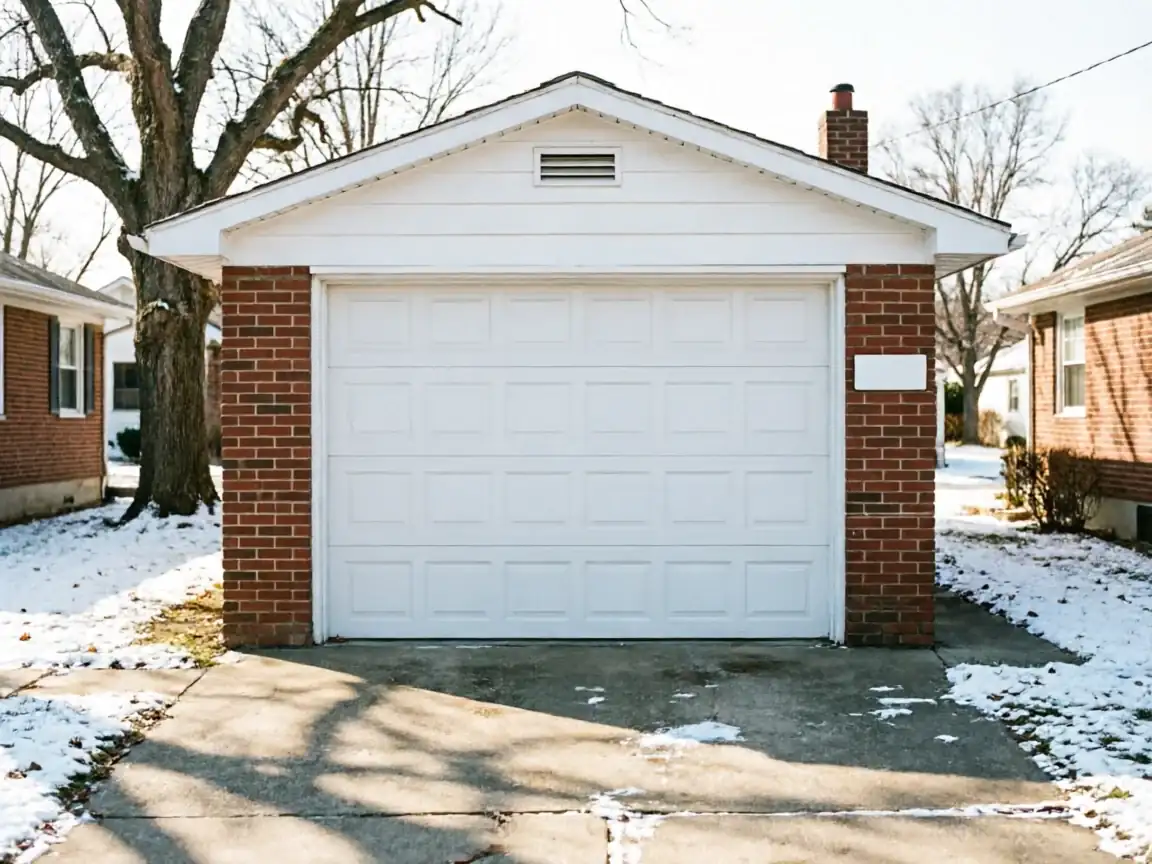
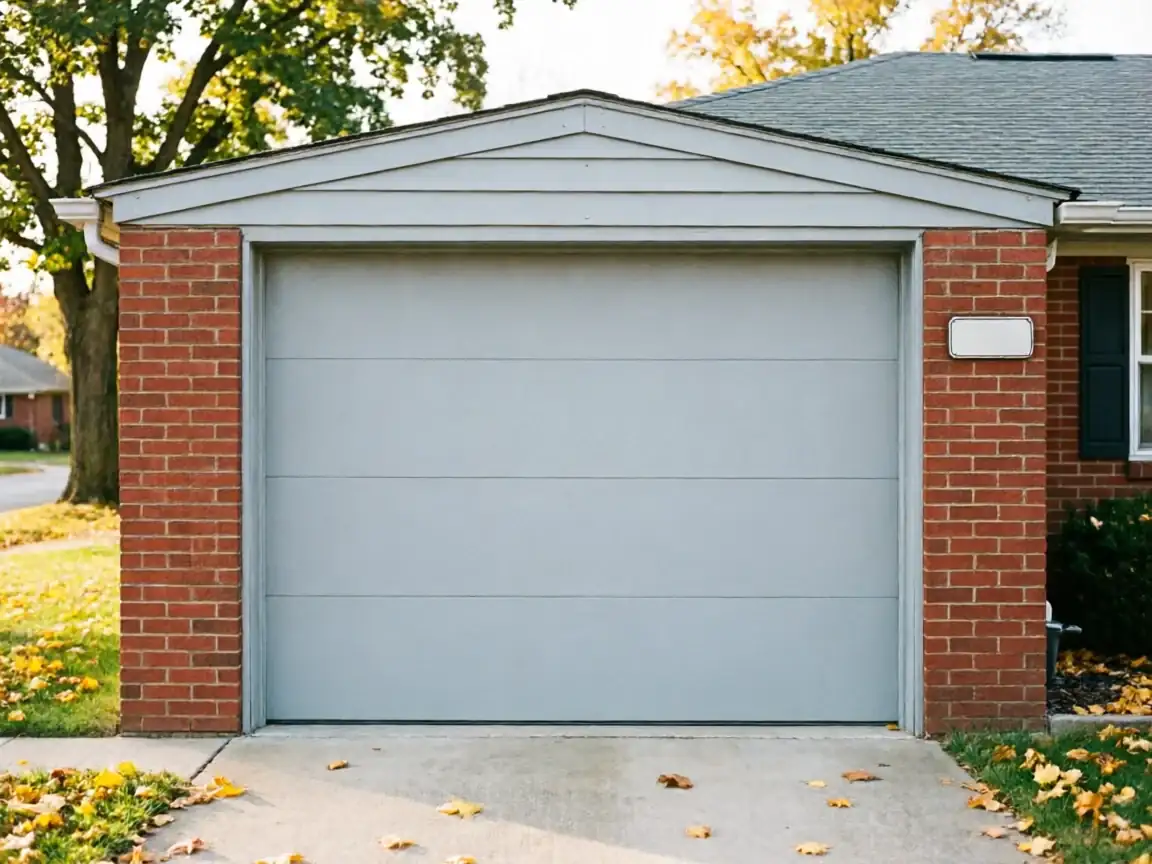
We don't stock every oddball roller size that shows up on pre-1991 doors elsewhere in the territory - those jobs sometimes need a day to source the part. For Lockport, that's rarely the problem. The town's roughly 9,670 households mostly sit on tract-built doors from the 1990s and early 2000s, which keeps the hardware predictable. When we roll up, we usually already have what your track needs.
How to Book
We cover Lockport out of Joliet, about 8 miles down the road
There's no branch office in town, so when you call, you're booking a truck that's coming from Joliet, not one already parked nearby. That's worth knowing if you're expecting a same-hour drop-in - we schedule the route, we don't idle in Lockport waiting for calls.
- 8 miles
Tell us the door size, whether it's single or double, and roughly how old the house is
If you're not sure, the build year matters less than what you can see: are the rollers steel and cracked, or nylon and worn smooth? That one detail tells us which parts to load before we leave the shop.
What You Pay
Lockport's median household income, at $113,252, runs a bit above the $109,064 median across the rest of the territory we serve. We mention it because it tracks with what we actually see on service calls here: more owners opting for the quieter nylon rollers over a straight steel swap, even though steel costs less up front. Neither one is the wrong call - steel lasts, nylon runs quiet - but we price the job the same regardless of which way you go, based on roller count and whether the track needs adjustment too.
We don't quote a number sight-unseen over the phone beyond a ballpark, because a 6-roller tune-up and a 10-roller replacement with bent track aren't the same job. We'll tell you which one you've got before we start.
How We Fix It
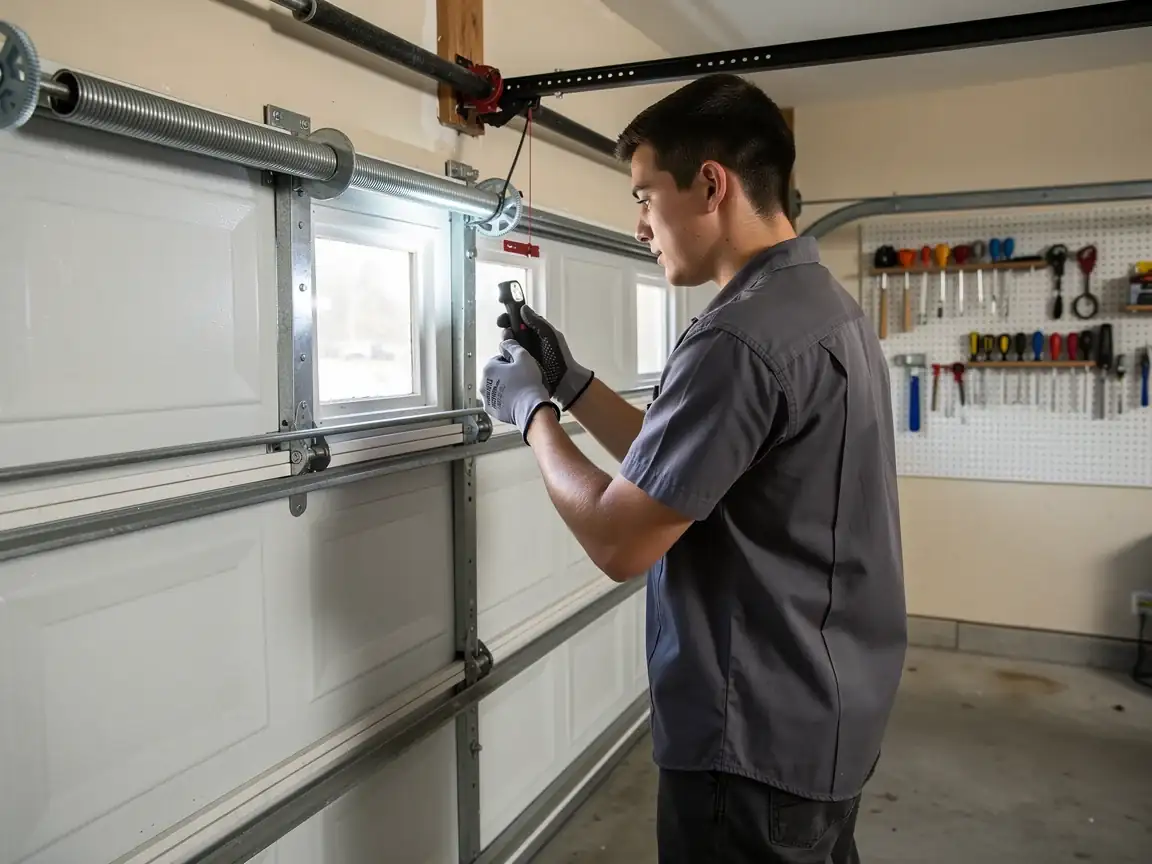
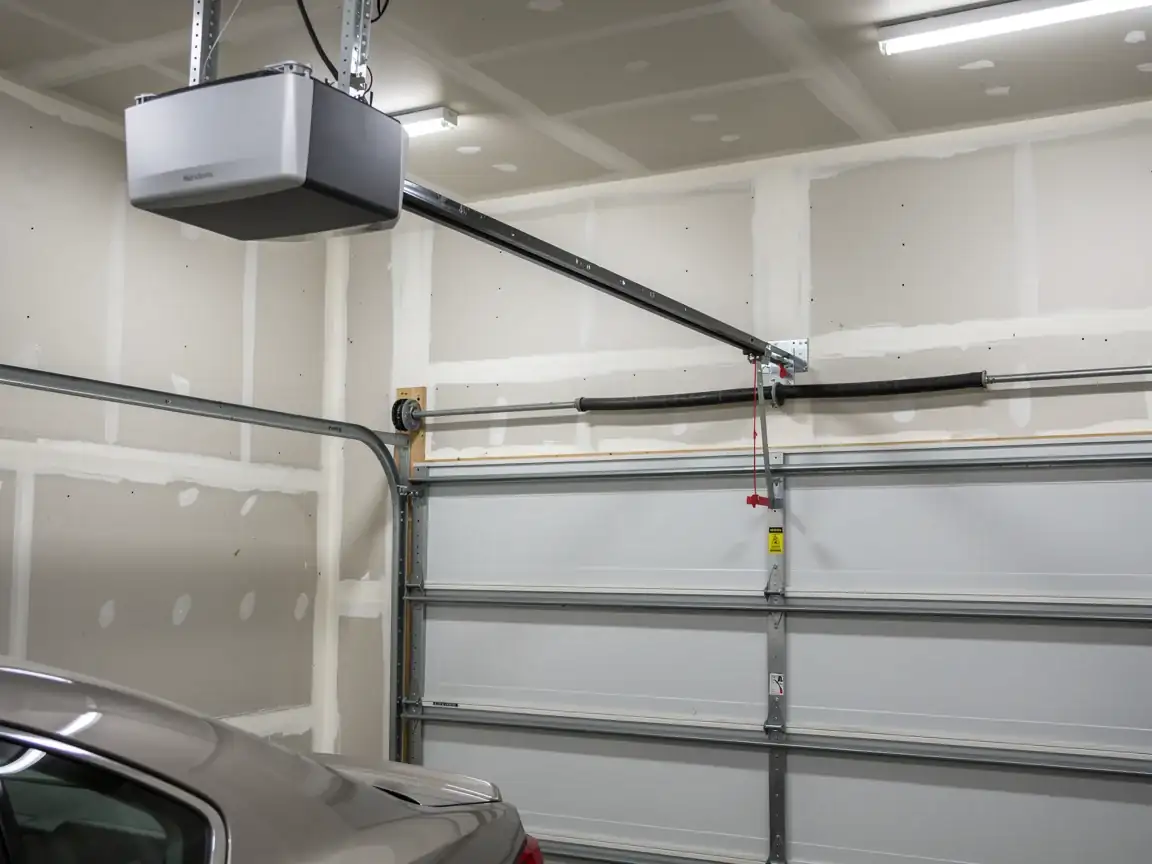
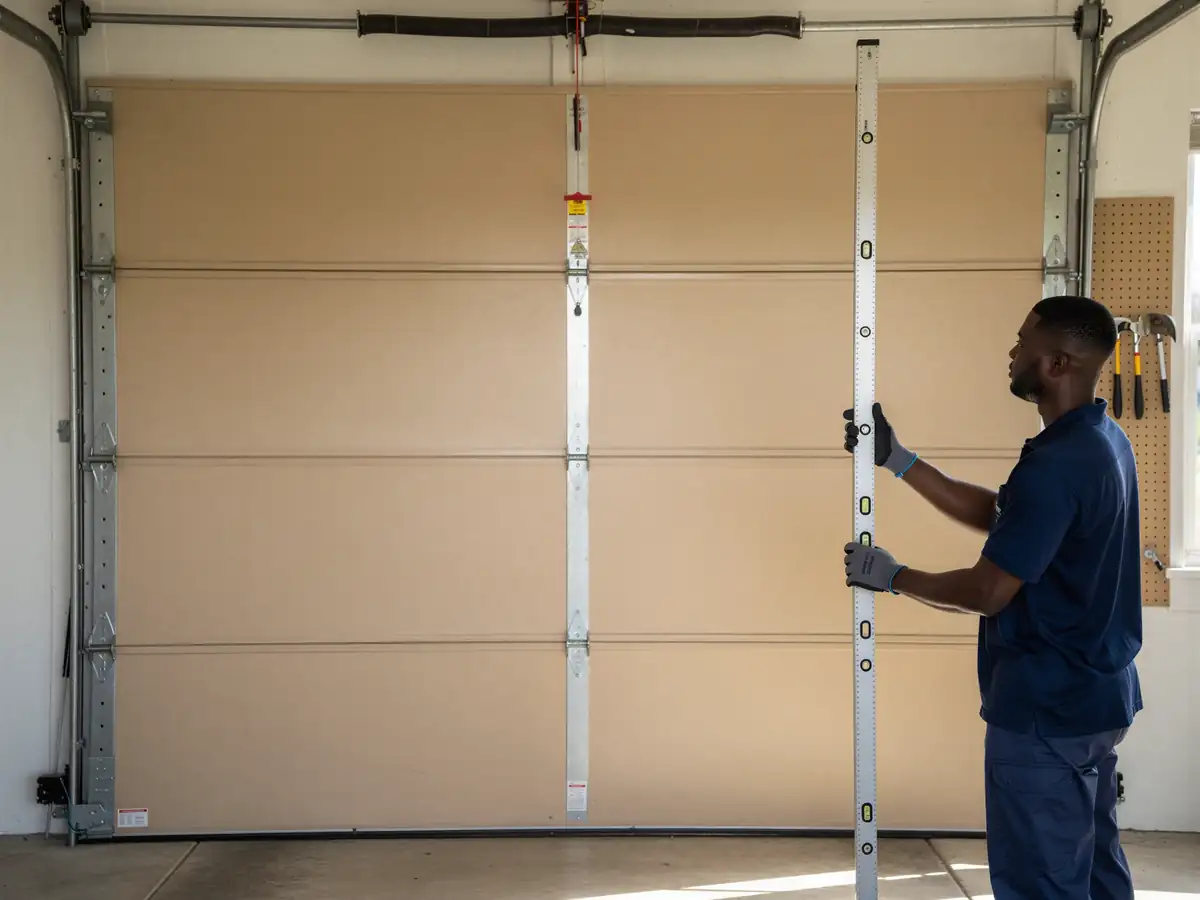
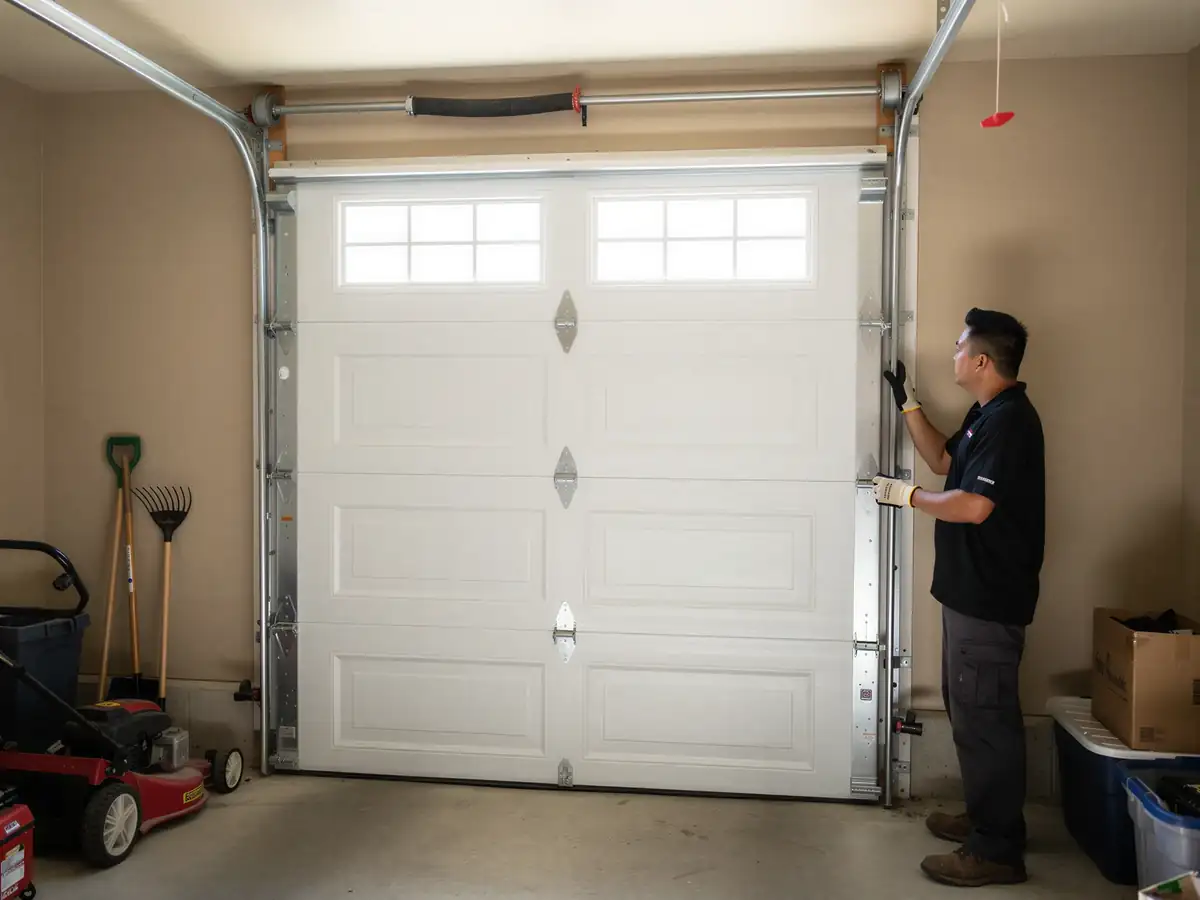
Most roller jobs in Lockport are straightforward: pull the old rollers, check the track for the kind of lip-wear that steel rollers cause over time, true up any bent sections, and set new rollers with a bead of lube at the stem. On a 1990s-build door this usually takes less time than on an older one, since the track hardware hasn't had decades of rust or paint buildup to fight through.
Winters here still get cold enough that steel rollers lose their lubrication and start grinding by January if they haven't been serviced - the region sits in a moderate cold climate band, and that temperature swing is hard on bearings whether they're new or twenty years old. We check the whole roller set, not just the one that's squeaking, because if one's worn the rest usually aren't far behind.
The DIY Question
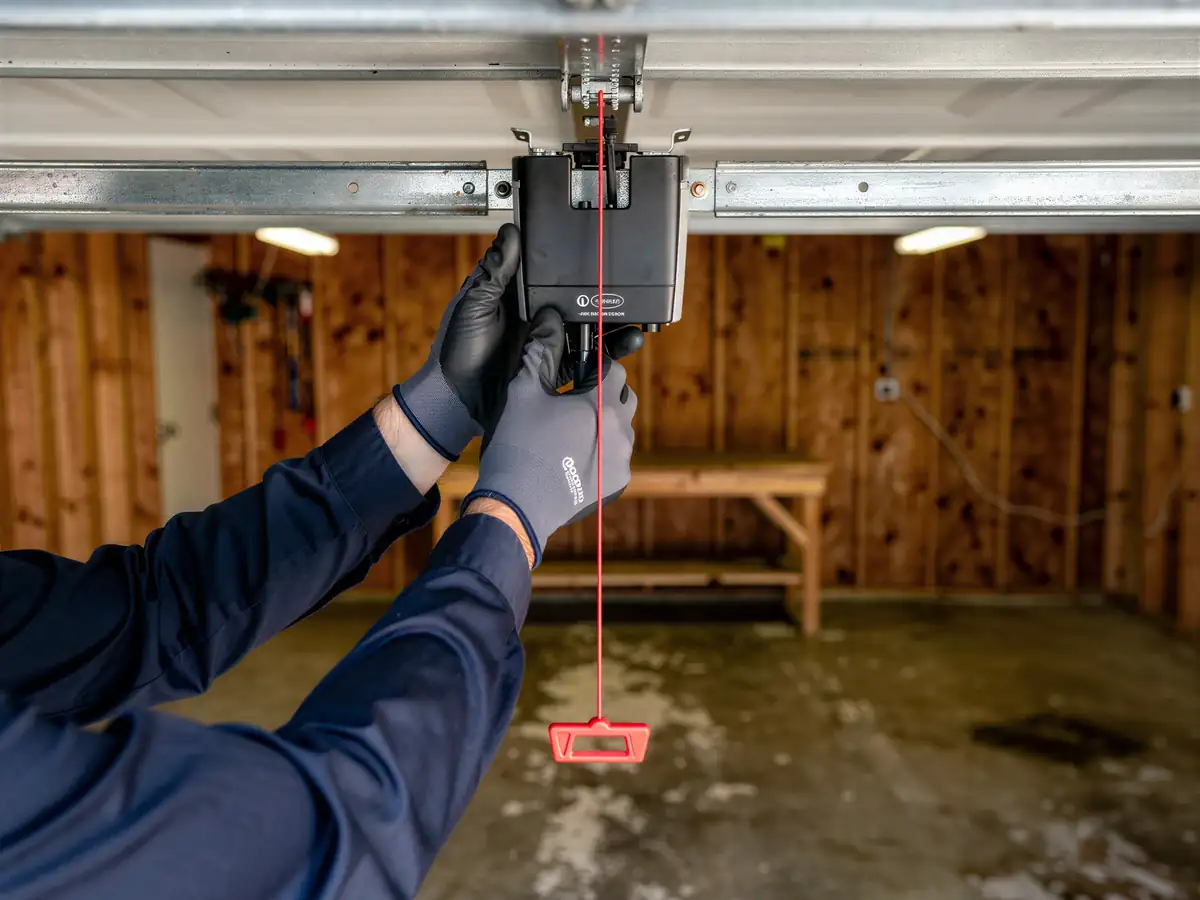
Swapping a roller or two yourself isn't unreasonable if the door's otherwise sound and you're comfortable with a door under spring tension
But we'll say the honest thing: most of the roller failures we see in Lockport are on doors where one bad roller already chewed up the track, and that's not a job to learn on your own door. Once the track's bent, you're not replacing a $15 roller anymore, you're pulling and re-hanging track sections.
If the door's rolling rough but still tracking straight
A roller swap is a fair DIY weekend project. If it's binding, jumping, or scraping metal on metal, call before you make it worse.