Stocked Parts
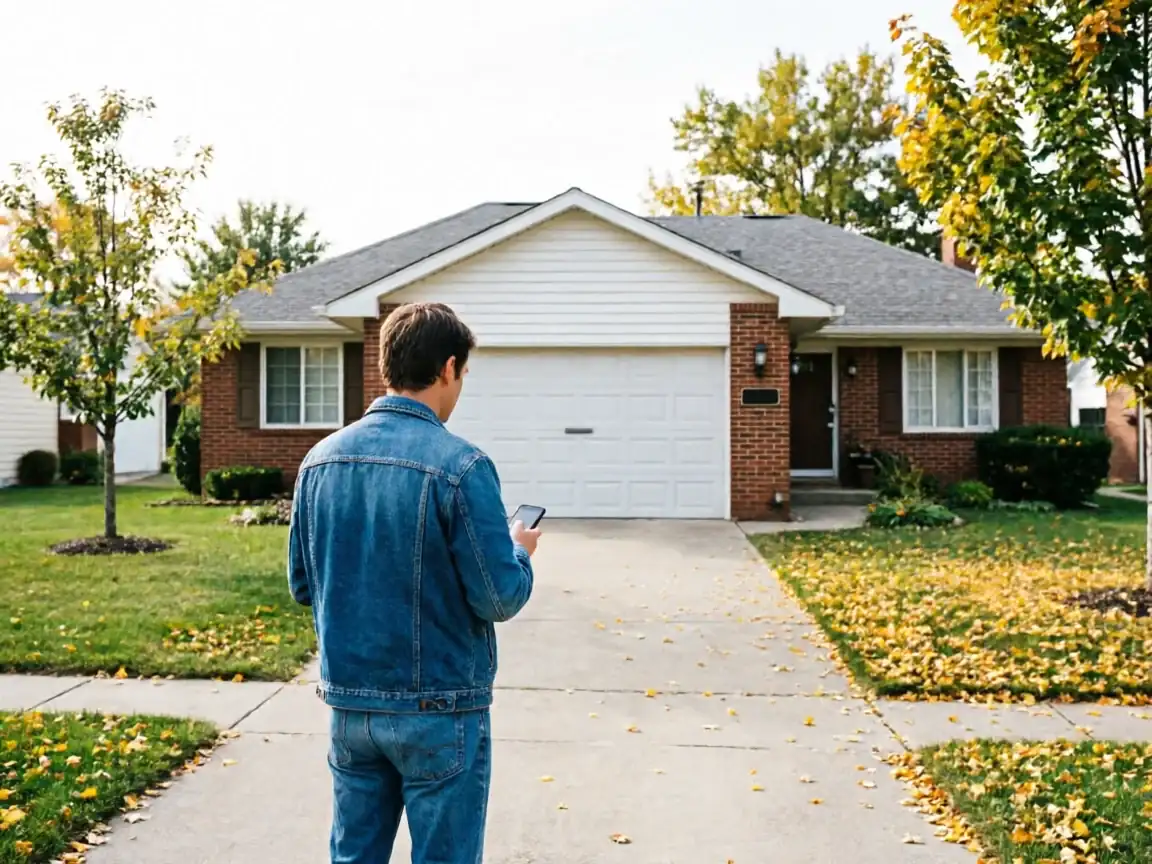
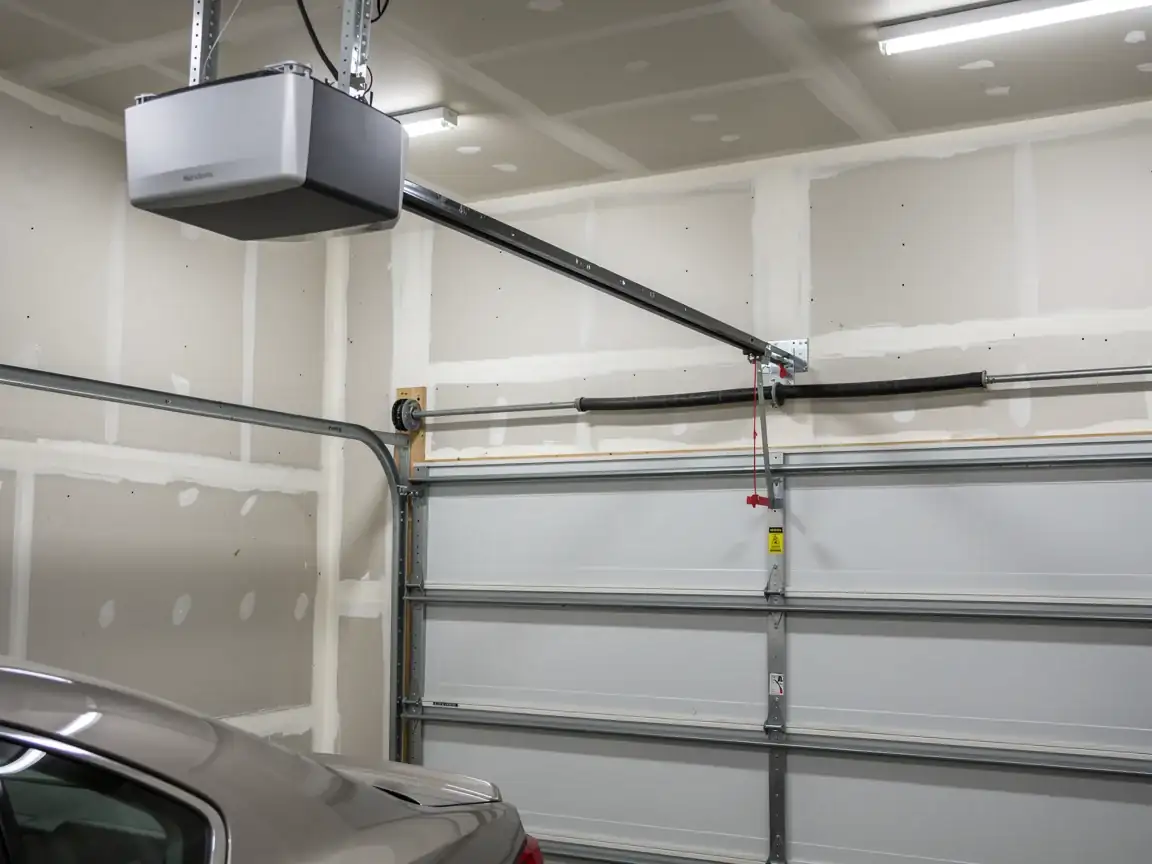
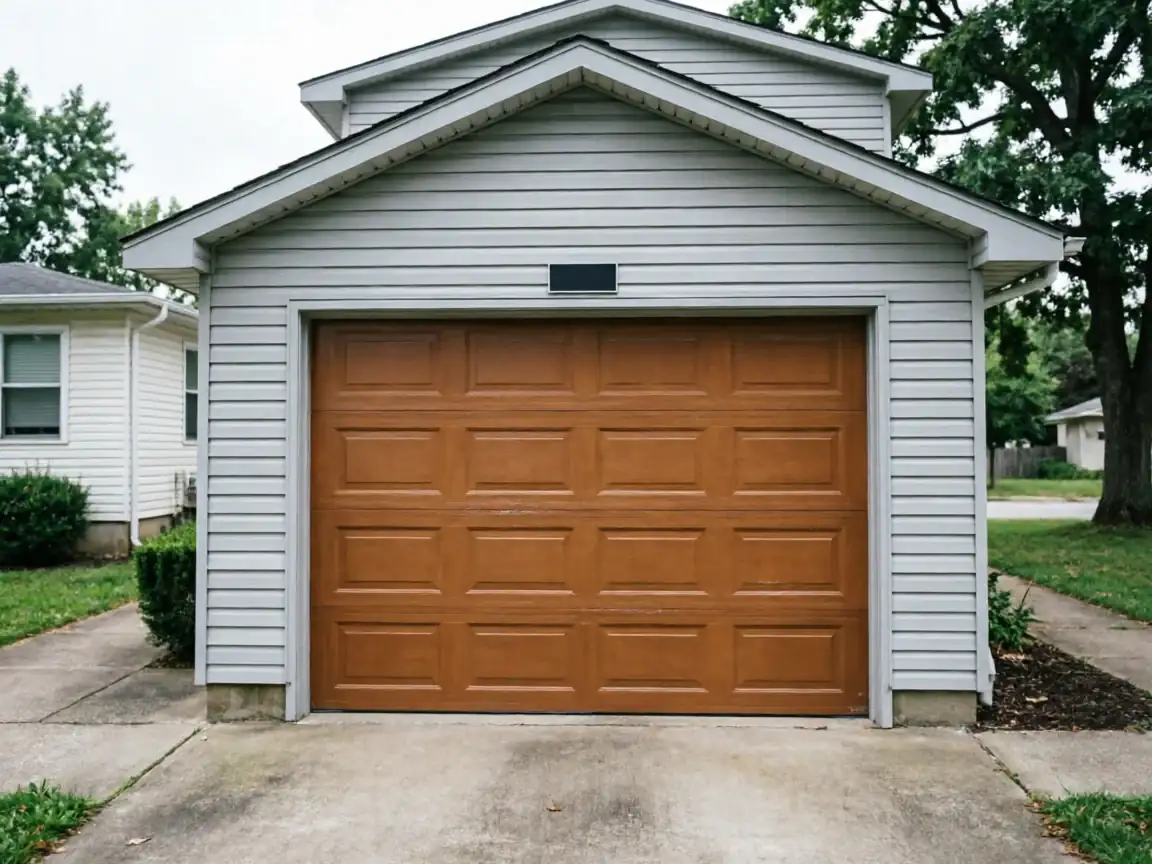
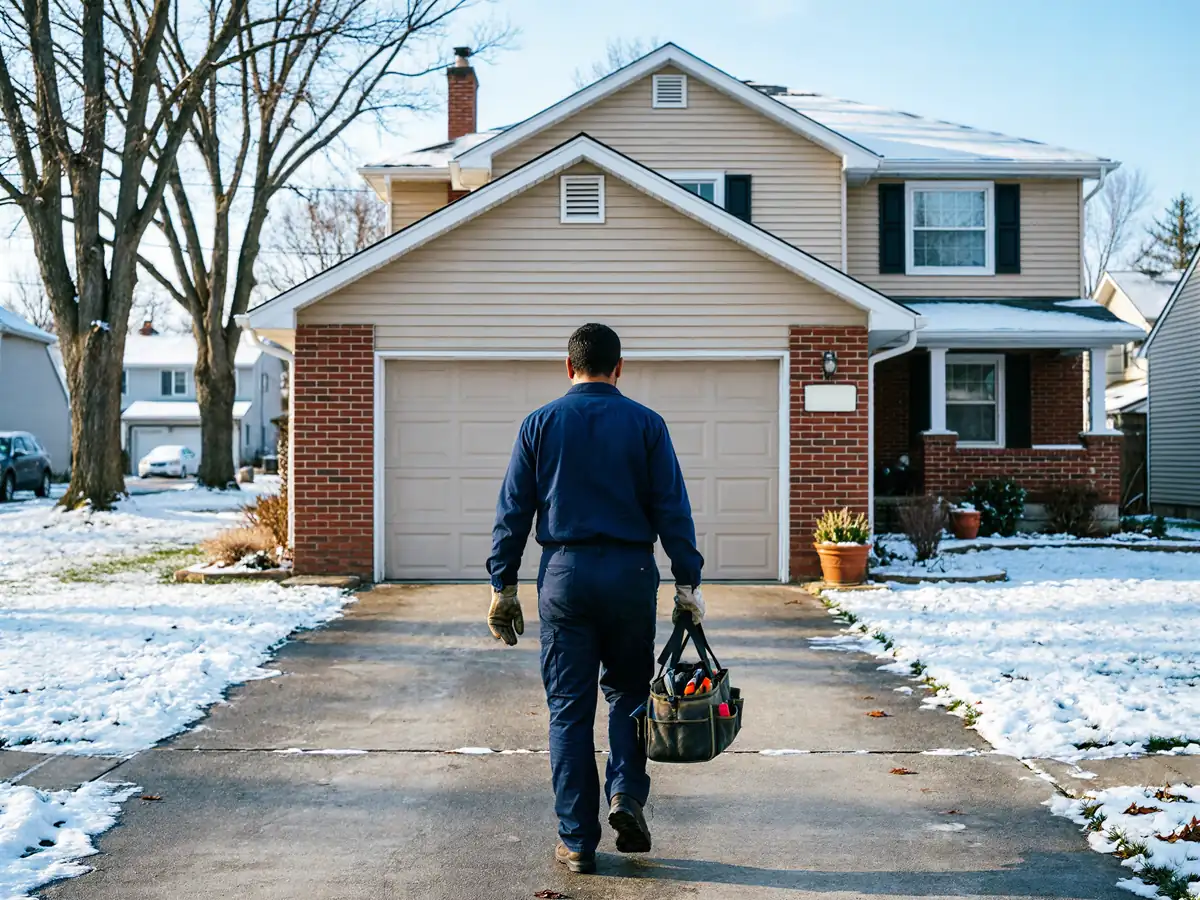
Lockport sits about 8 miles from our Joliet shop, close enough that a tech can carry a full opener kit on every run out here rather than guessing what to load. That matters because Lockport's housing stock runs newer than a lot of the area we cover - most of it went up around 1998, well past the older torsion setups you'd find on a 1960s build. That means we're usually dealing with chain and belt-drive openers from the 1990s and 2000s: circuit boards, drive gears, logic boards, photo-eye sensors, and the remotes and keypads that came with that generation of unit. The truck carries those parts because they're what actually fails on doors this age, not because they're universal. Cold is the other factor. This area sits in a moderate-cold climate band, and cold-stiffened lubricant on an older chain drive is a common reason an opener strains or grinds on start-up in winter. We carry lubricant and gear kits for that reason, not because every call needs them. One limitation worth saying up front: if your opener is a discontinued model from a builder-grade install, the exact logic board may need to be ordered, and that's a wait we can't shorten from the truck.*
What You Pay
We don't publish a flat number for opener repair because what's wrong with the unit changes the bill - a dead logic board costs less than a full opener swap, and a sensor realignment costs less than either. Lockport's median household income runs higher than the wider service area's $109,064, which doesn't change our pricing, but it does mean we see more owners asking about full opener replacement with battery backup rather than a patch repair, since that's a cost they can plan for rather than defer. We quote the repair over the phone once we know the symptom, and we confirm it on site before any work starts. If a repair would cost close to what a new mid-grade opener runs, we'll tell you that directly instead of billing for a fix that won't hold.
How We Fix It
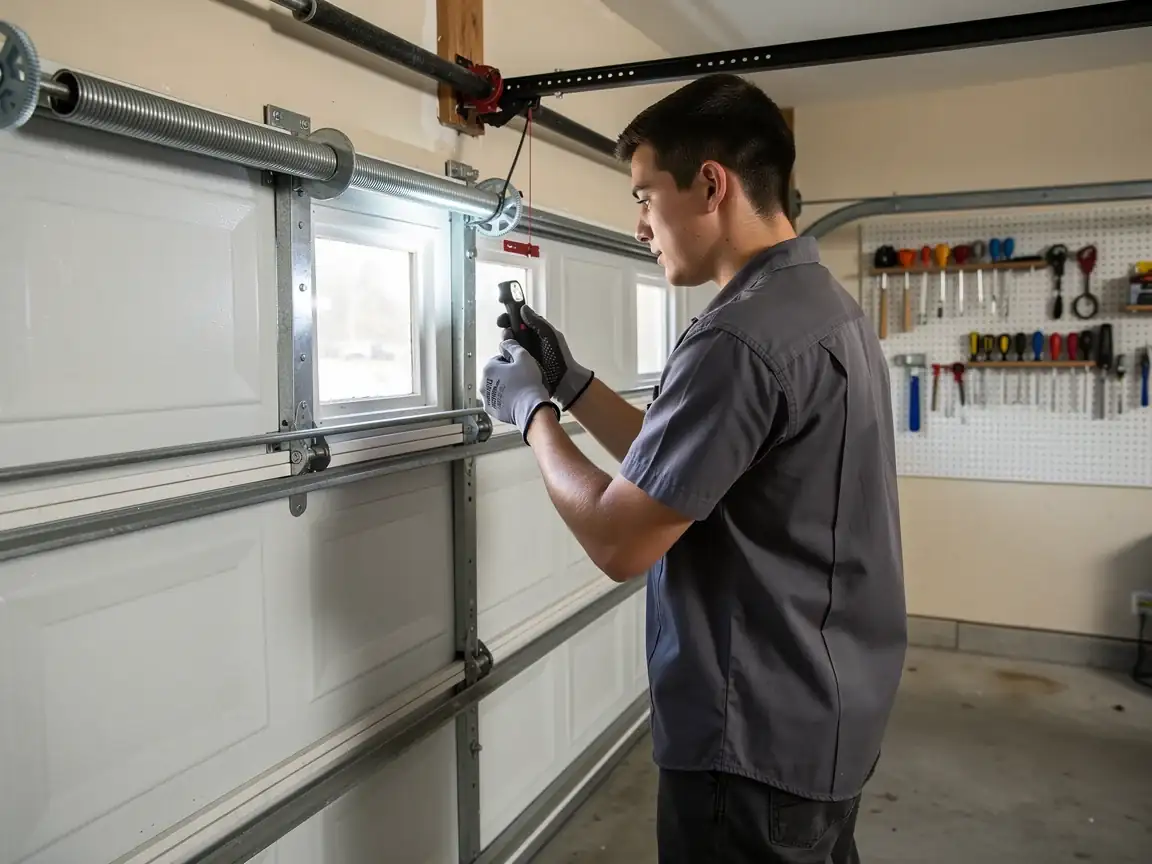
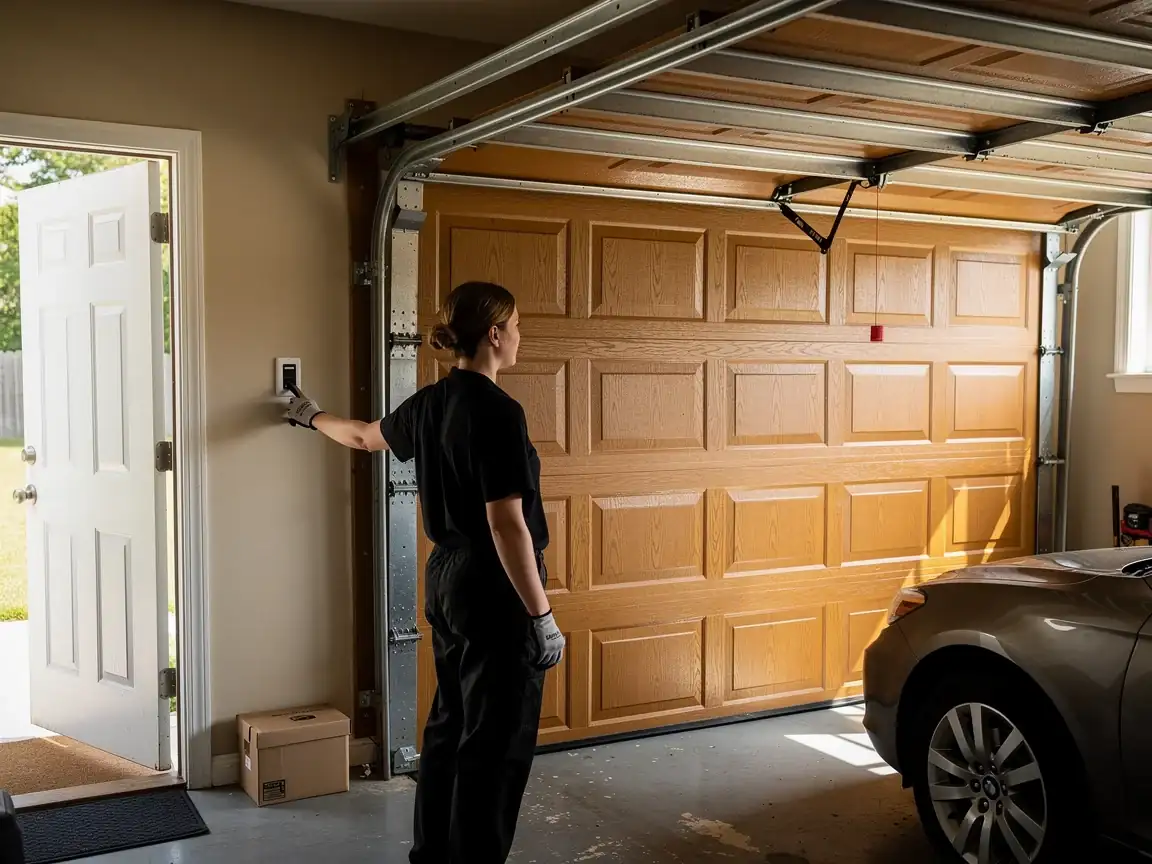
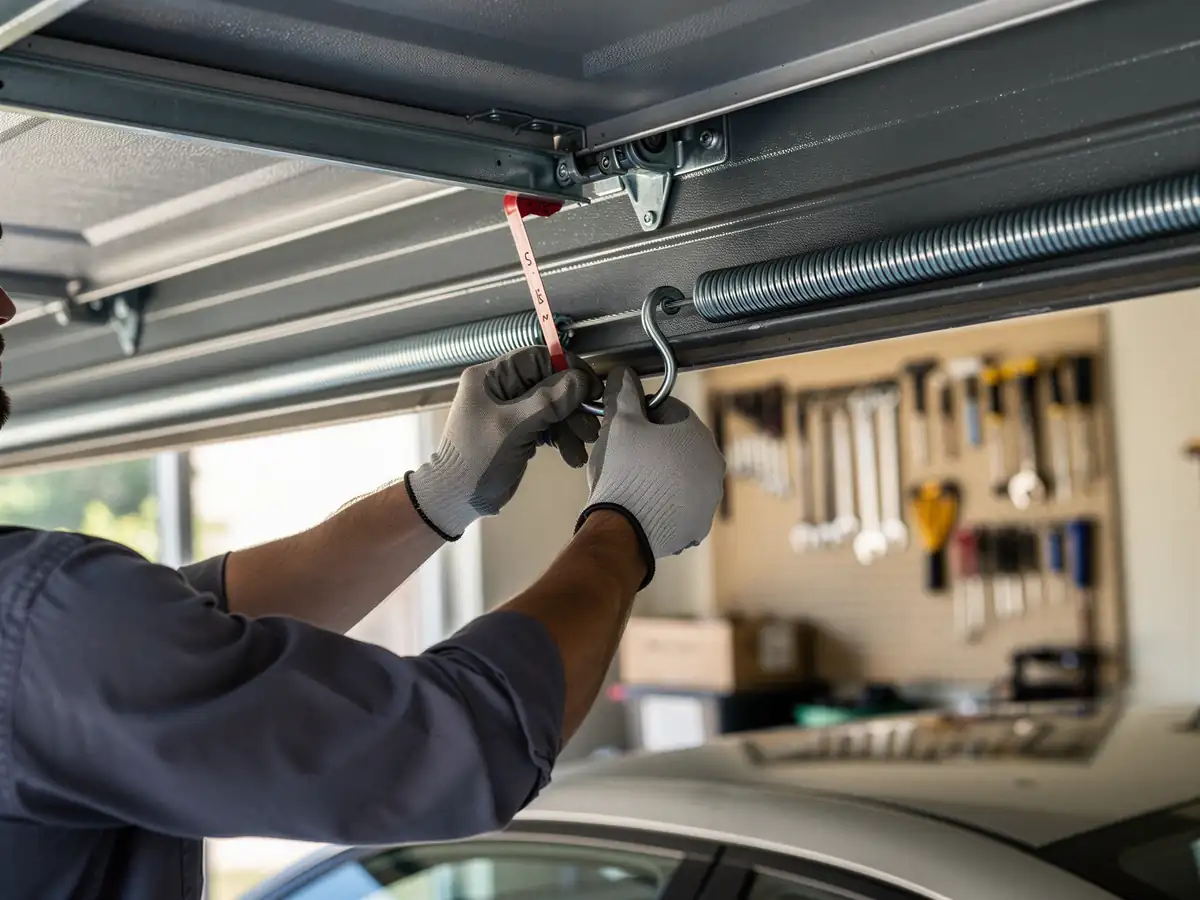
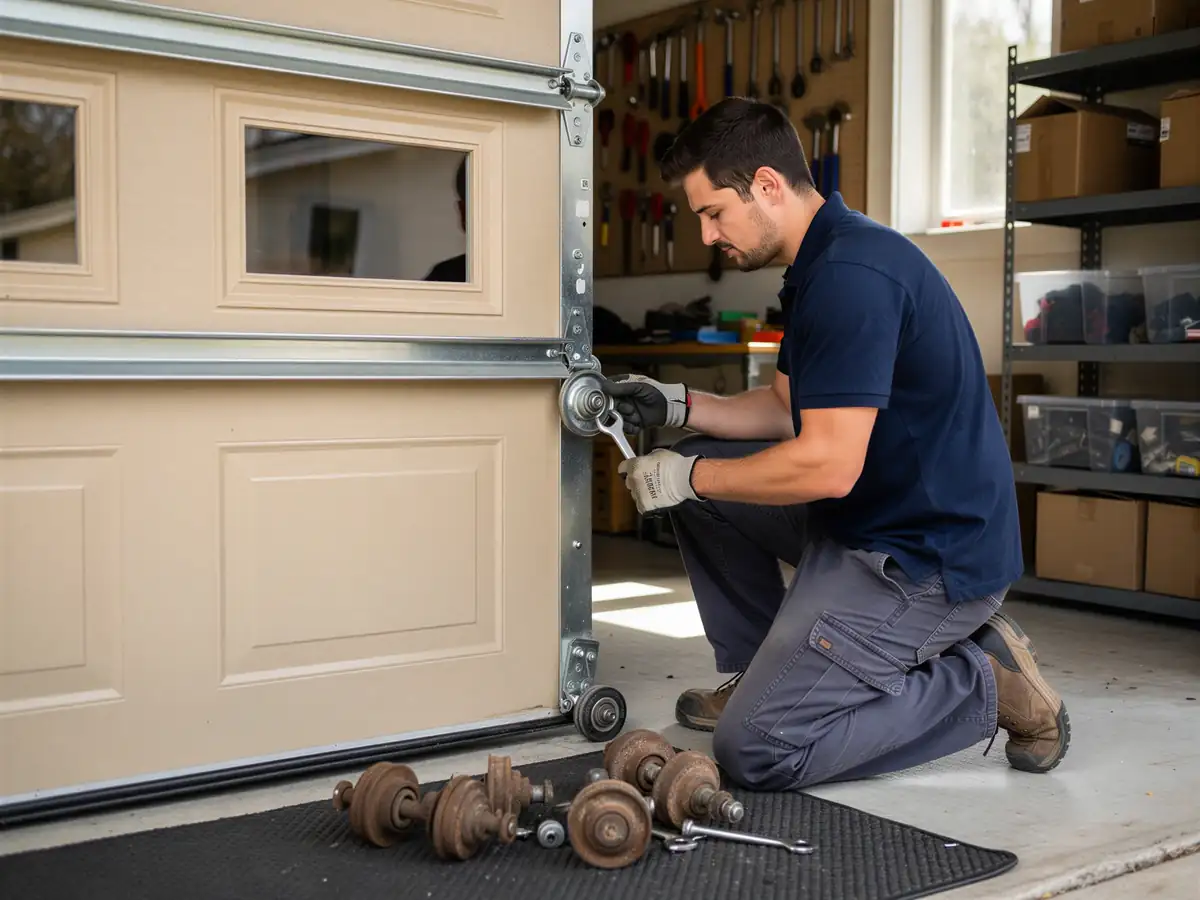
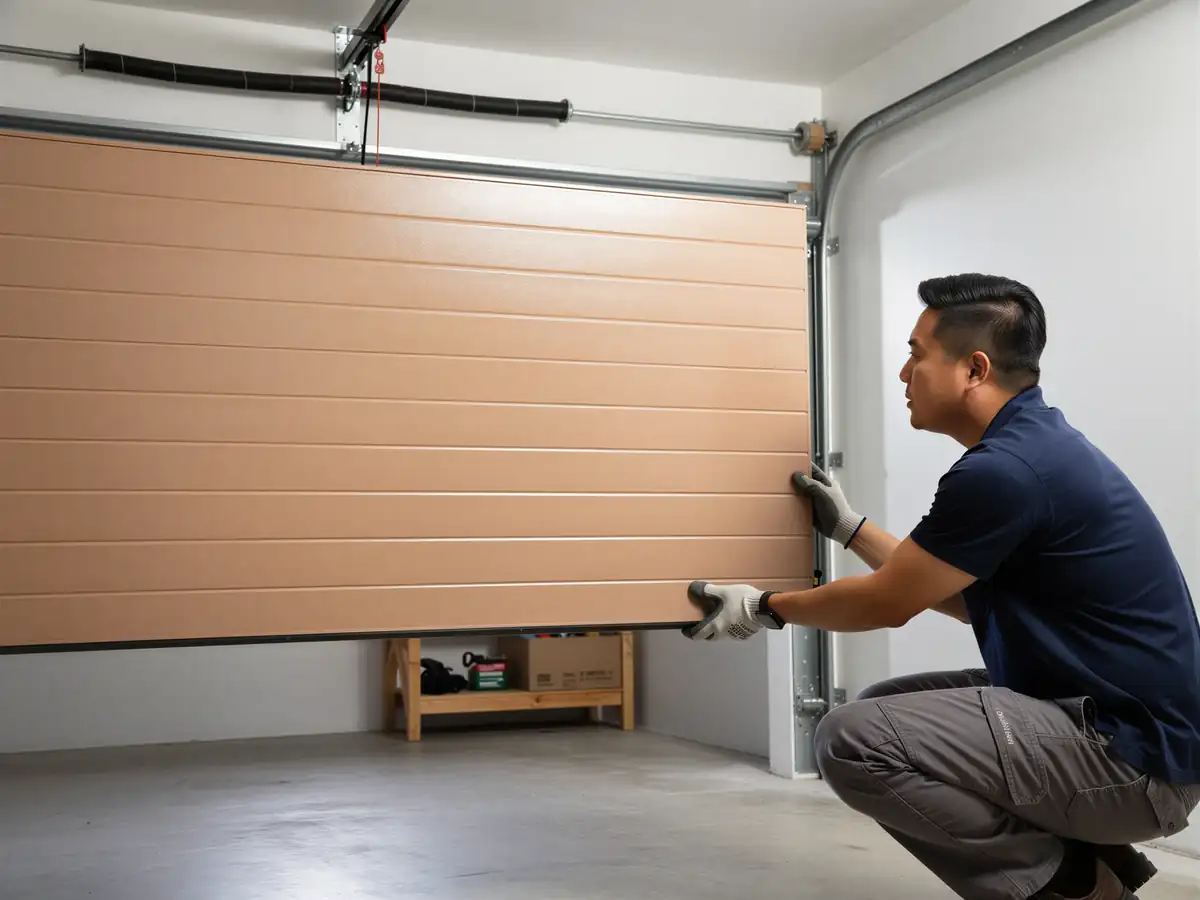
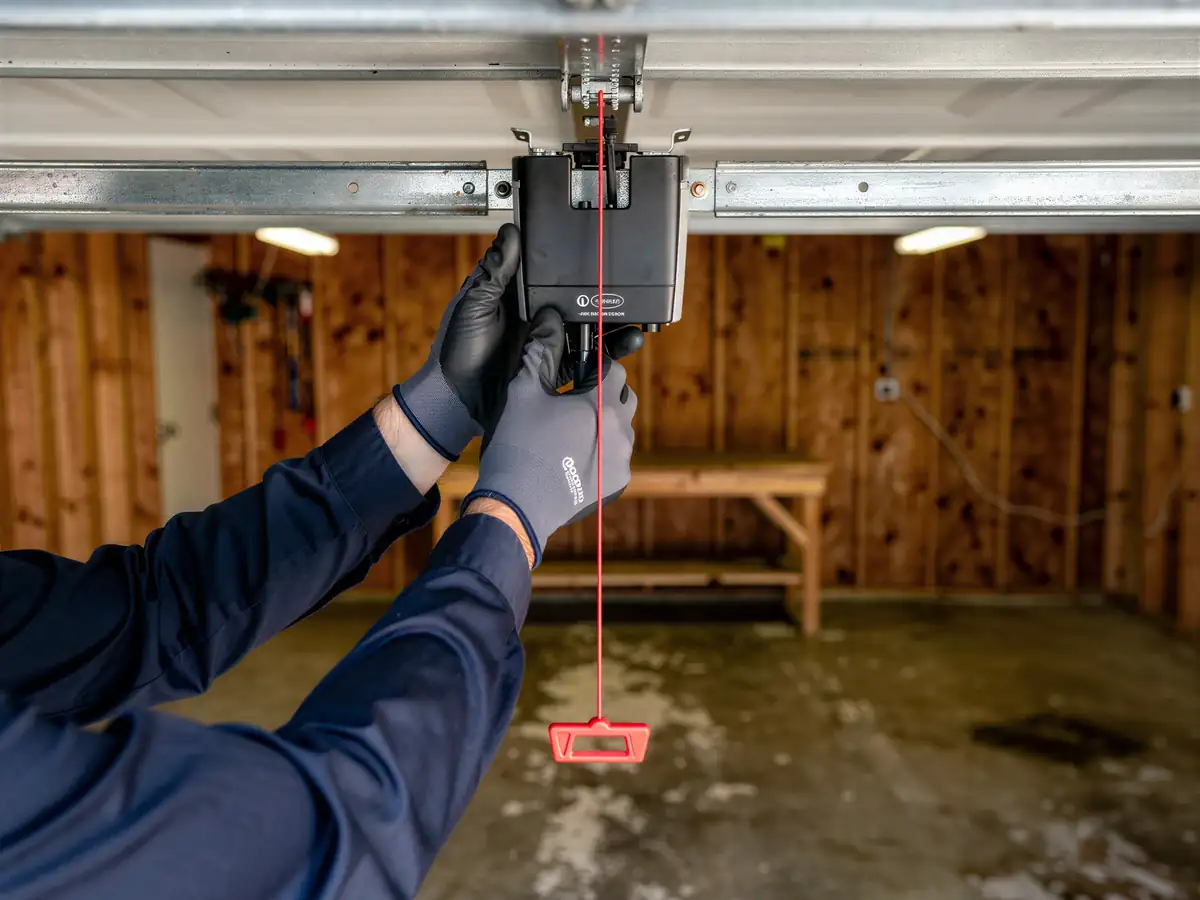
First call is diagnosis, not guesswork: we check the logic board, the sensors, the drive gear or belt, and the wall control before touching anything, because a dead opener in a 1990s-era house is more often a stripped gear or a failed board than a motor burnout. If the fix is a part swap, we do it on that visit using what's on the truck. If it needs an ordered board specific to an older or discontinued model, we'll say so and give you a real timeline instead of a vague one. We also check mounting and bracket wear while we're up there, since openers installed in houses from this era are now old enough that the original hardware is starting to fatigue on its own schedule, separate from whatever brought us out. We don't replace parts that aren't the problem just to round out a visit.