Stocked Parts
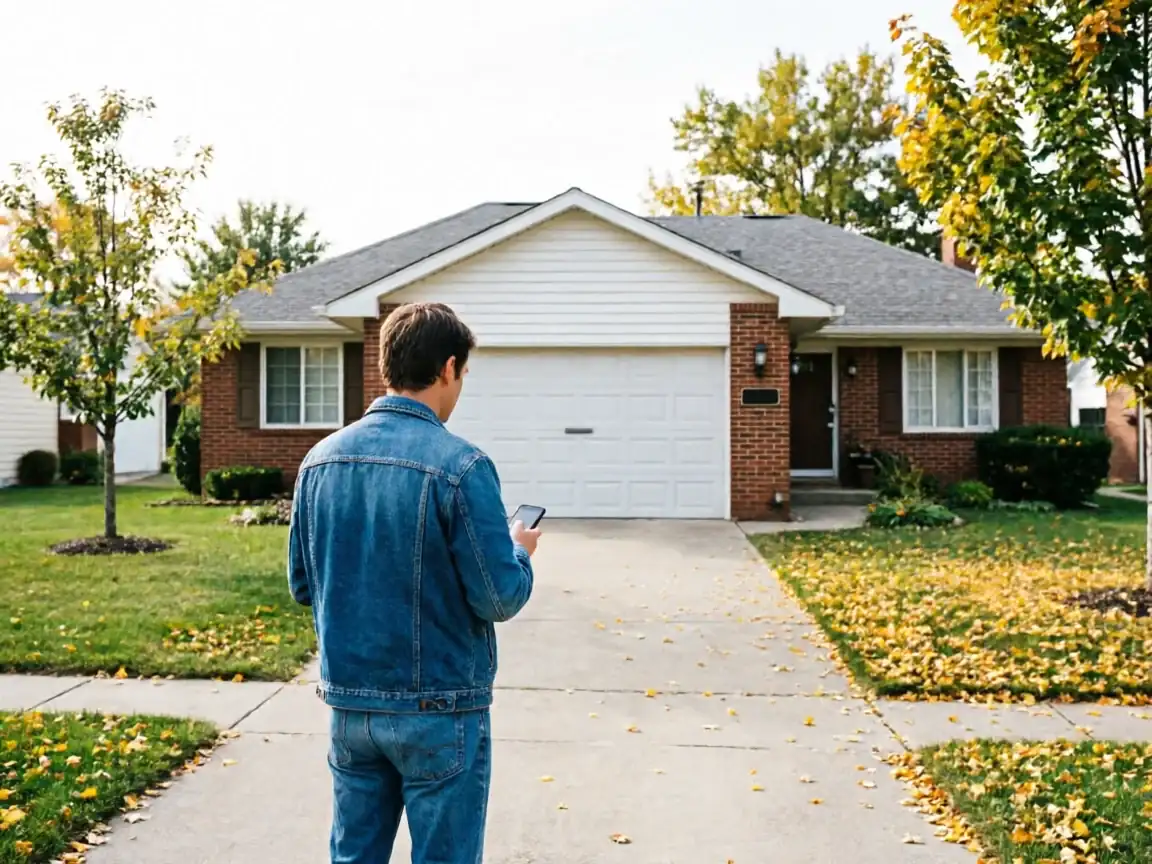
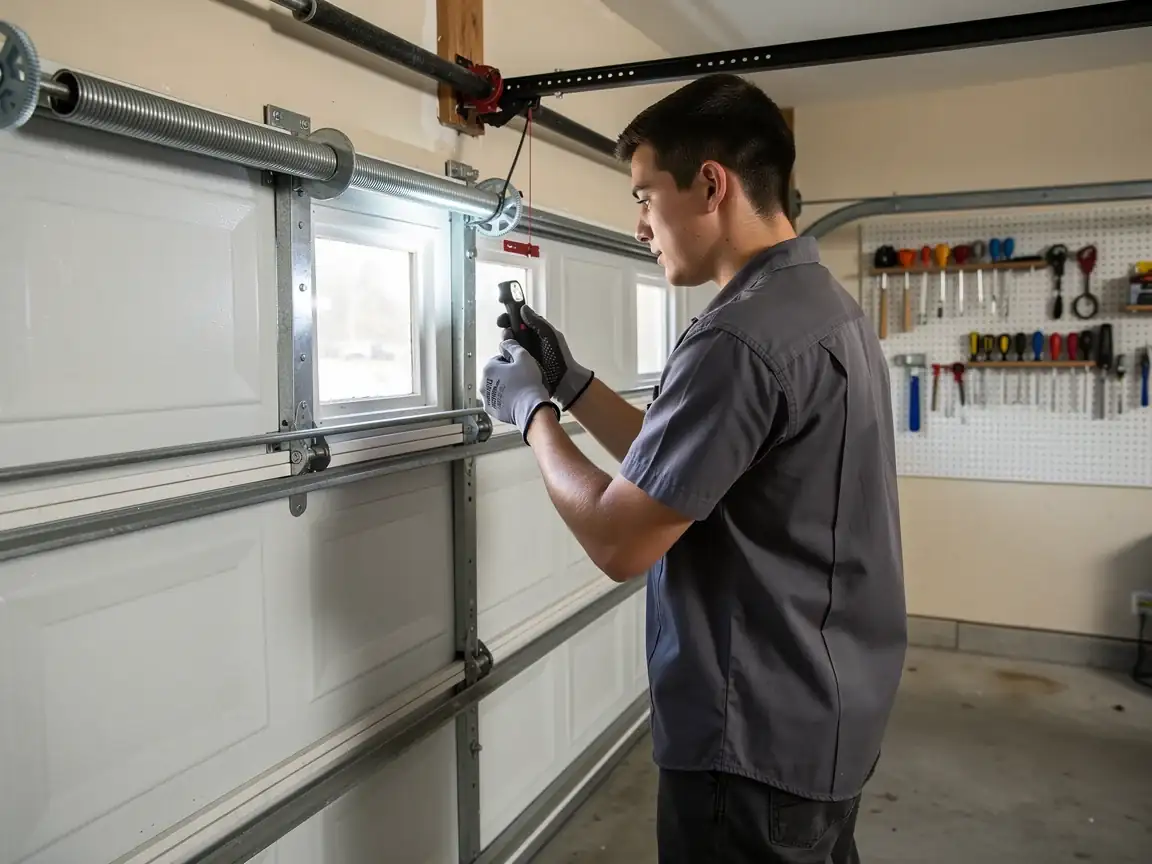
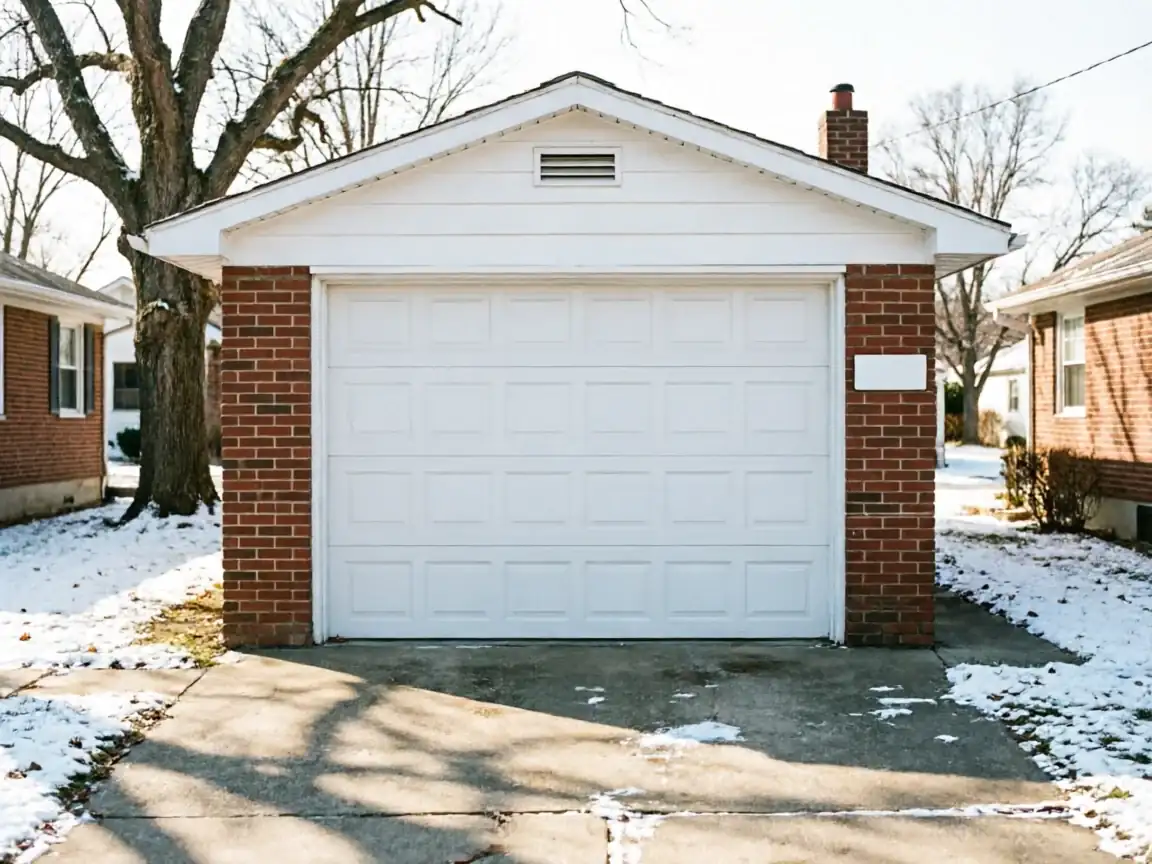
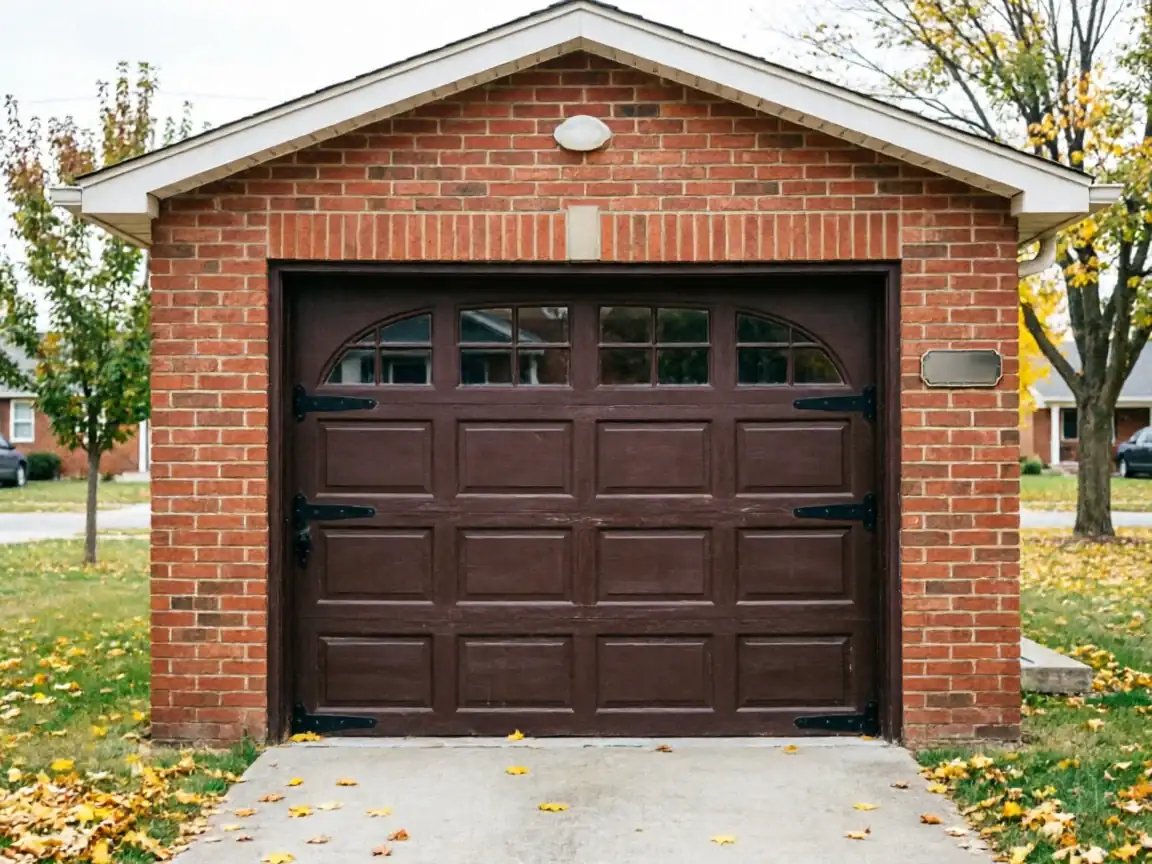
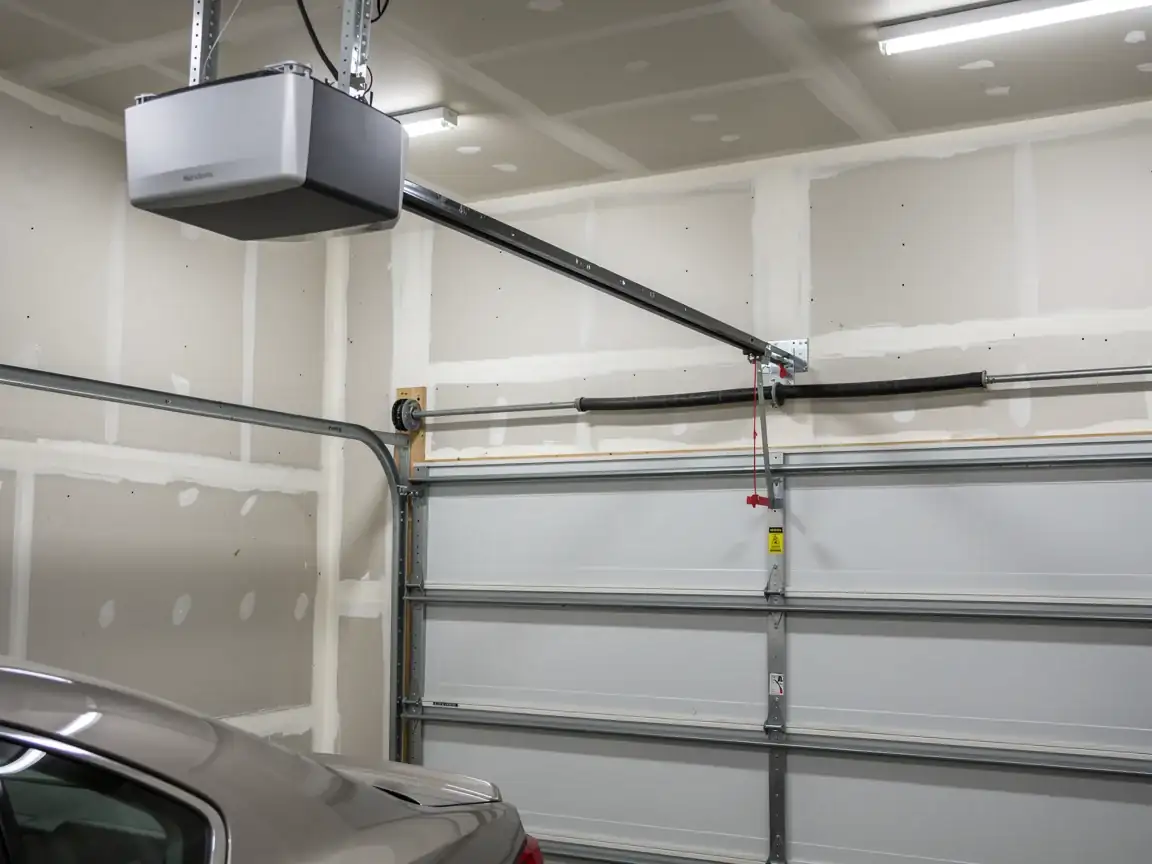
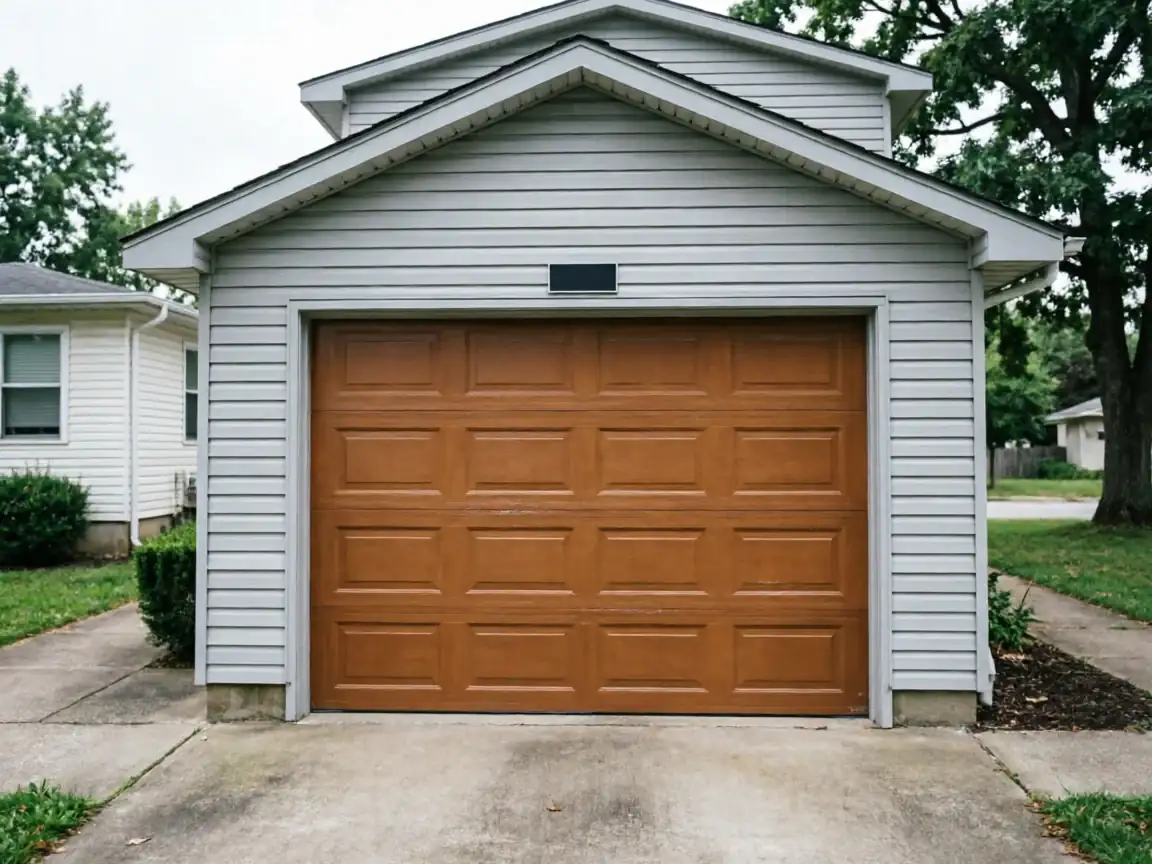
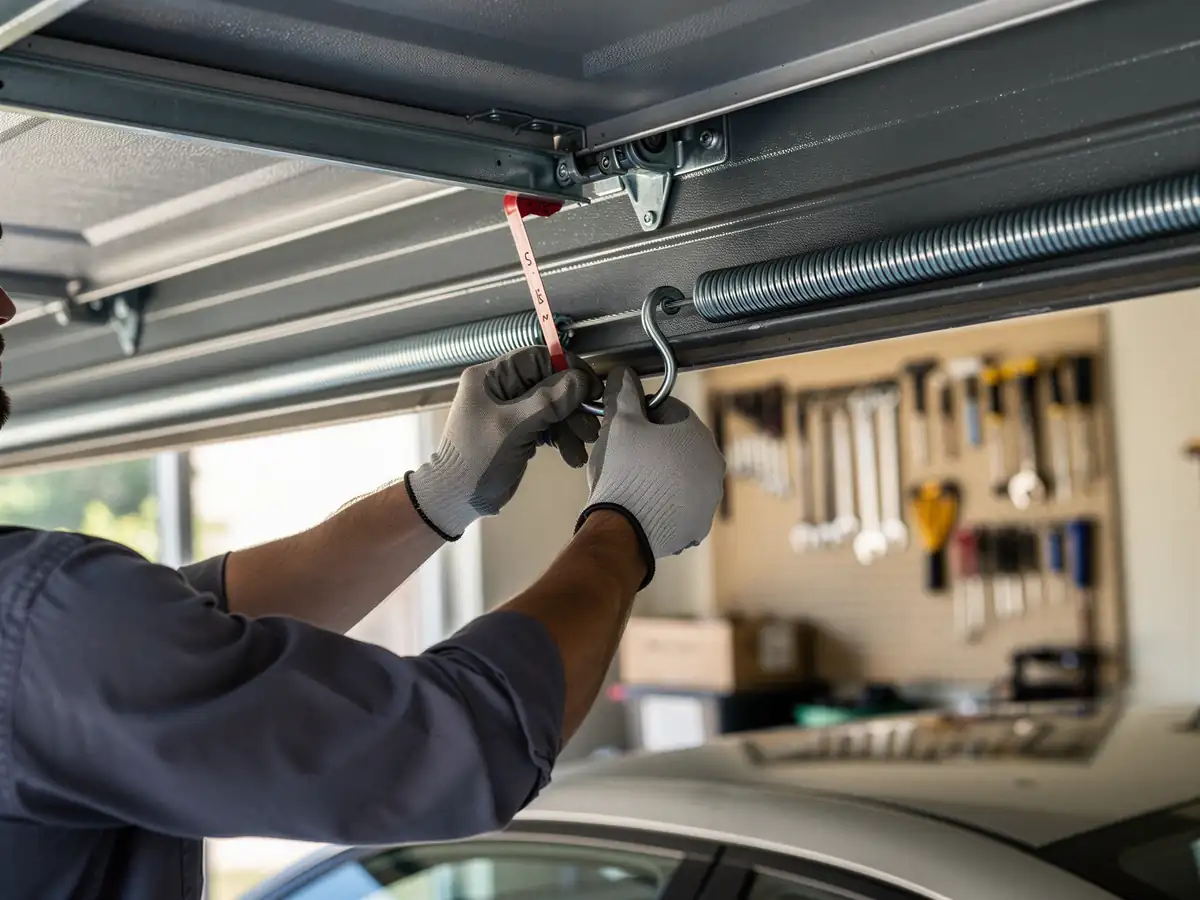
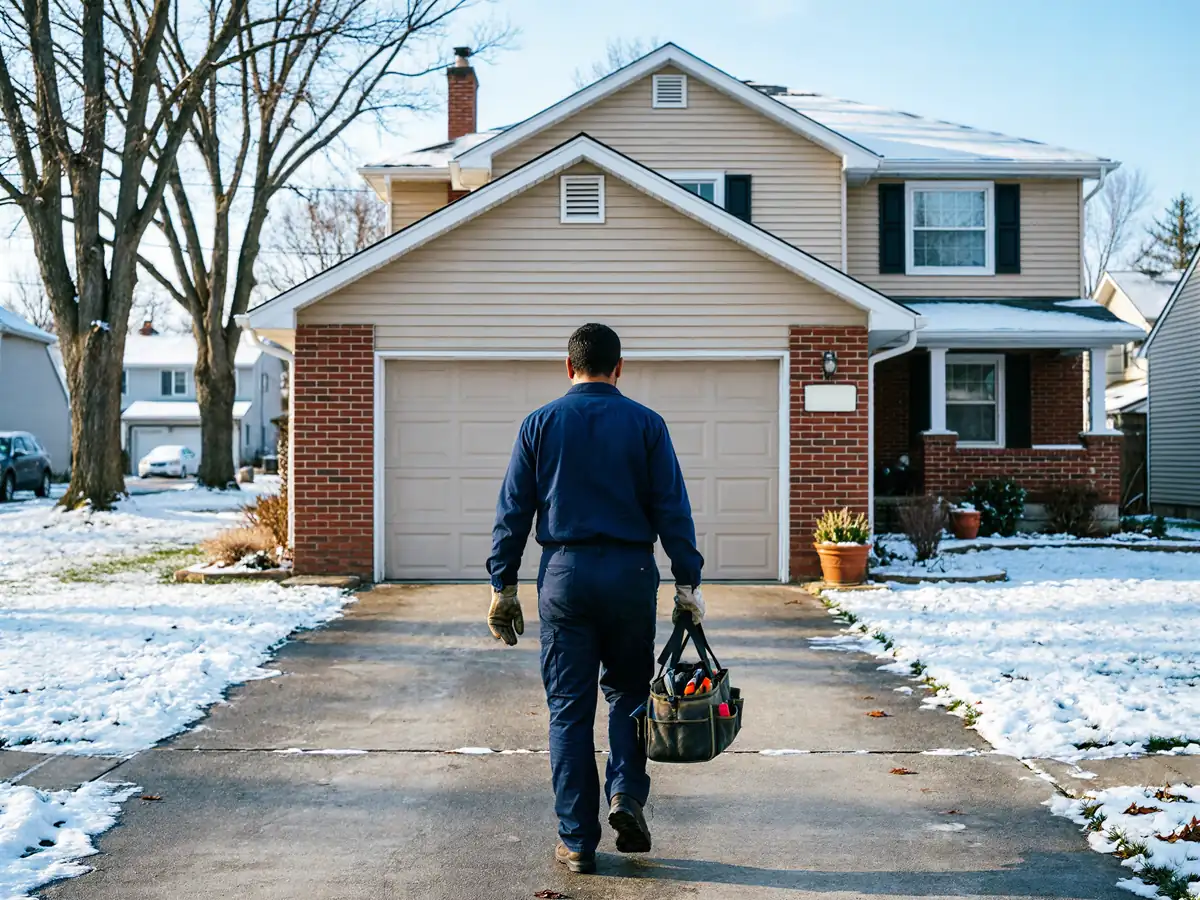
Lockport's housing stock skews newer than a lot of the territory - the median build year here is 1998, which puts most garages at steel sectional doors on factory torsion springs, usually a 16x7 double or a 9x7 single, hung on galvanized track with roller carriages rather than the older flat-track setups you still find in parts of the wider service area where the median build year runs closer to 1991. That matters for parts. We carry torsion springs wound for the standard cycle counts those doors shipped with, plus the matching end bearings, cables, and drums, so a snapped spring on a 2000s-era door doesn't turn into a two-day wait on a special-order part. Winters here sit in the same cold moderate band as the rest of the area we cover, and a torsion spring that's lost its temper over years of freeze-thaw cycling tends to let go on the coldest morning rather than the warmest afternoon - we see that pattern regardless of which year a given door went in. One limitation worth saying up front: if a door uses an extension spring setup instead of torsion (less common on the newer stock but it exists), we stock the standard sizes, not every obscure aftermarket variant, so occasionally a part has to come from a supplier rather than the truck.
What You Pay
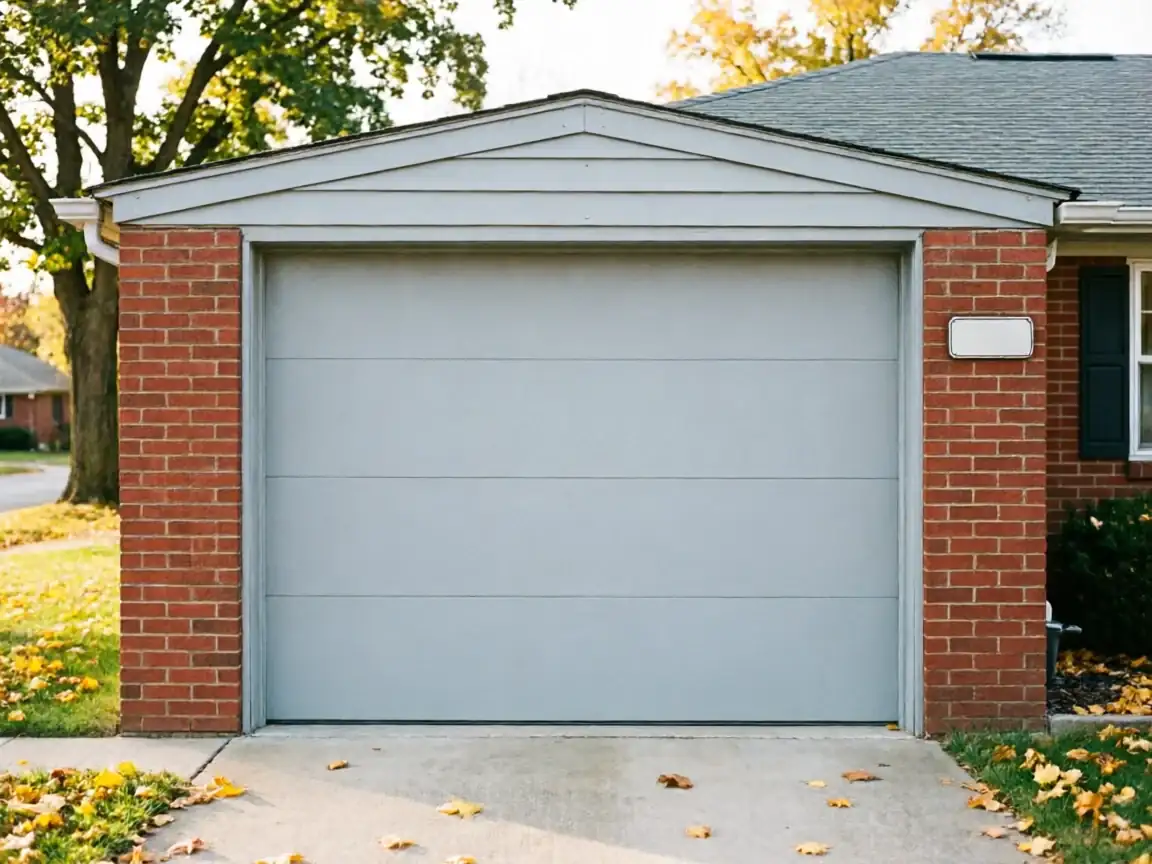
We don't post a flat emergency rate on this page because the honest answer is it depends on what's broken - a spring swap and a bent-track realignment aren't priced the same, and we're not going to quote a number before a tech has looked at the door. What we can say: Lockport's median household income, at $113,252, runs above the $109,064 average across the territory we cover, and with roughly 90,342 owner-occupied houses spread across the service area, most of our Lockport calls come from owner-occupied homes with two-car garages rather than rentals or multi-unit buildings. That tends to mean doors that have had at least some upkeep, which can mean a cleaner repair than a door that's been ignored for a decade. The honest limitation here is that we won't estimate sight unseen over the phone beyond a rough range for the most common failures - a broken torsion spring, a slipped cable, a dead opener board - because guessing wrong on a quote helps nobody.
How We Fix It
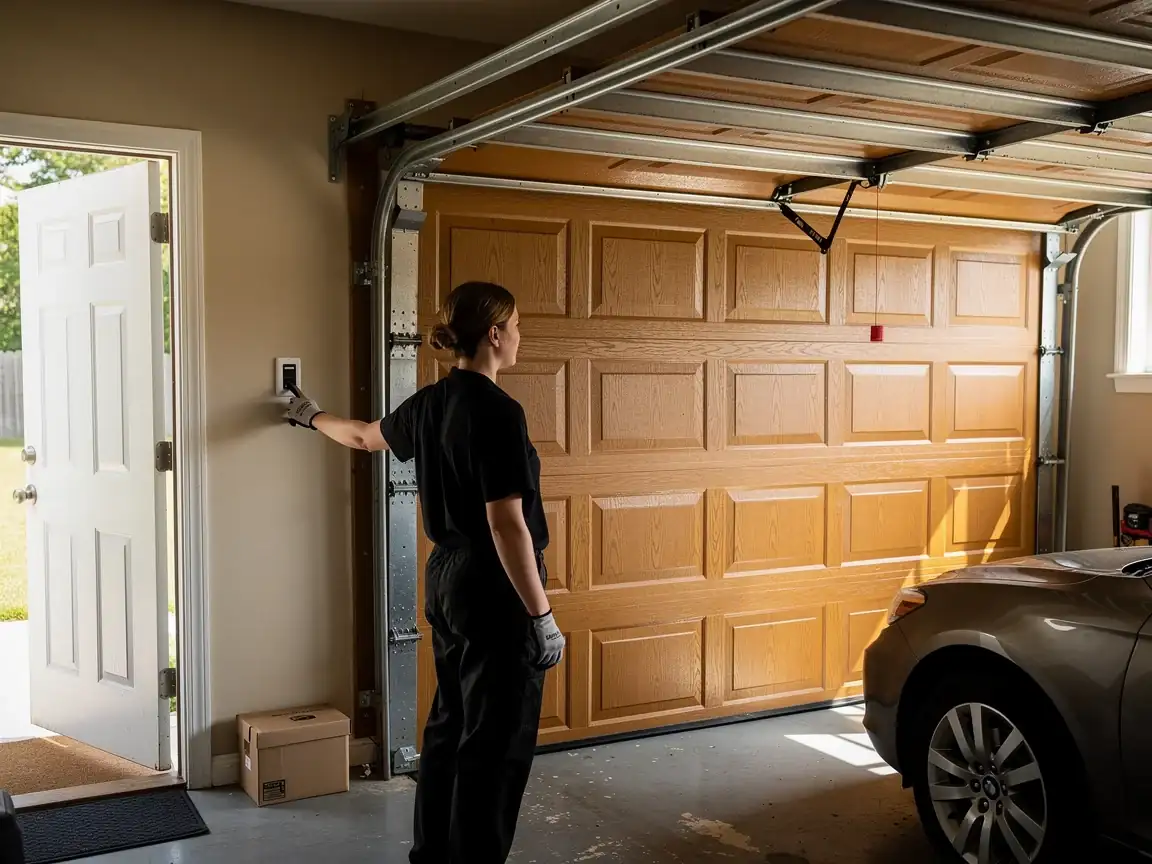
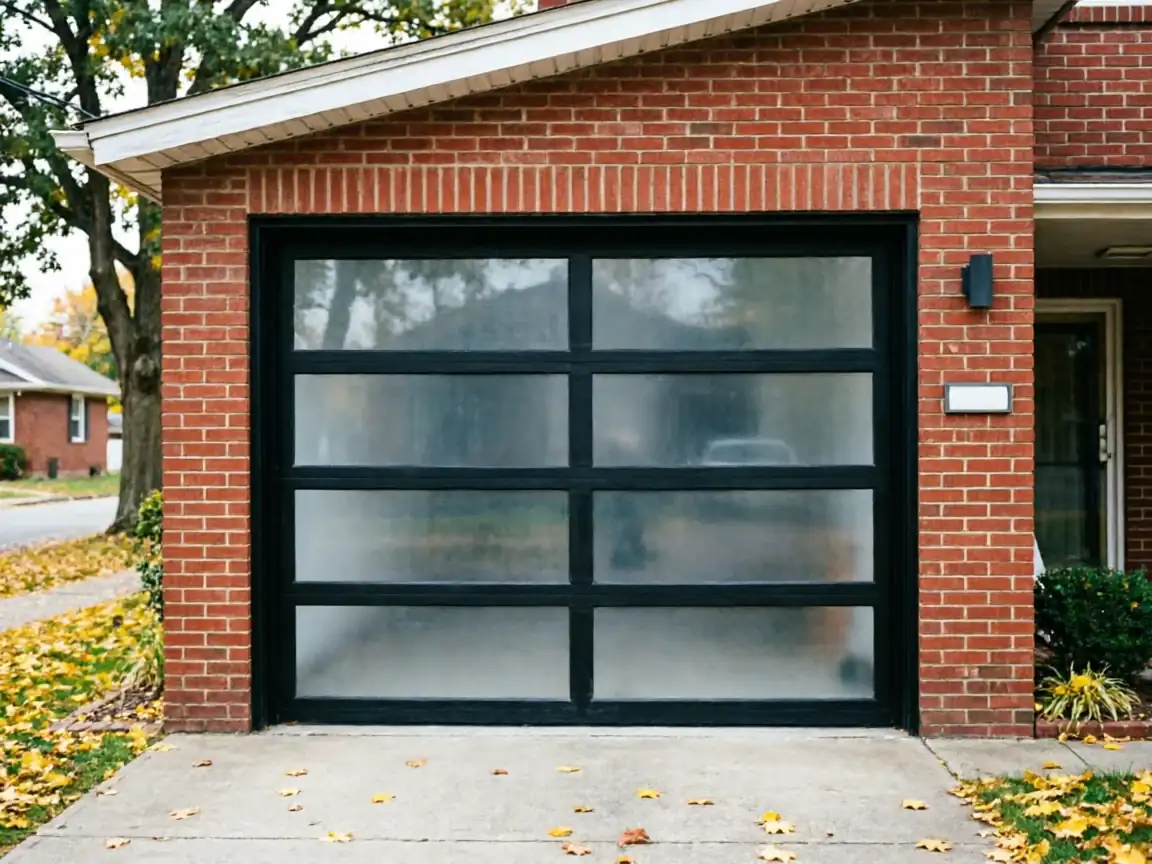
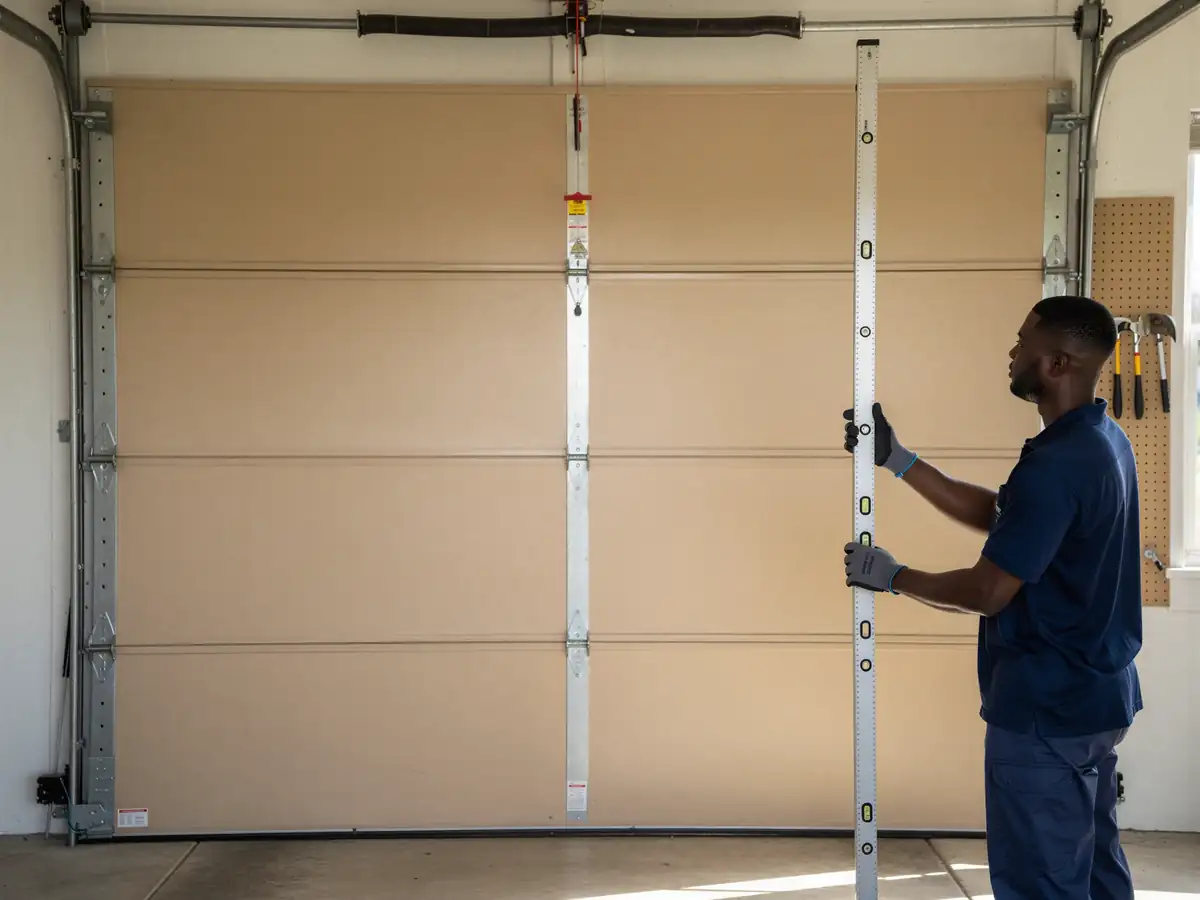
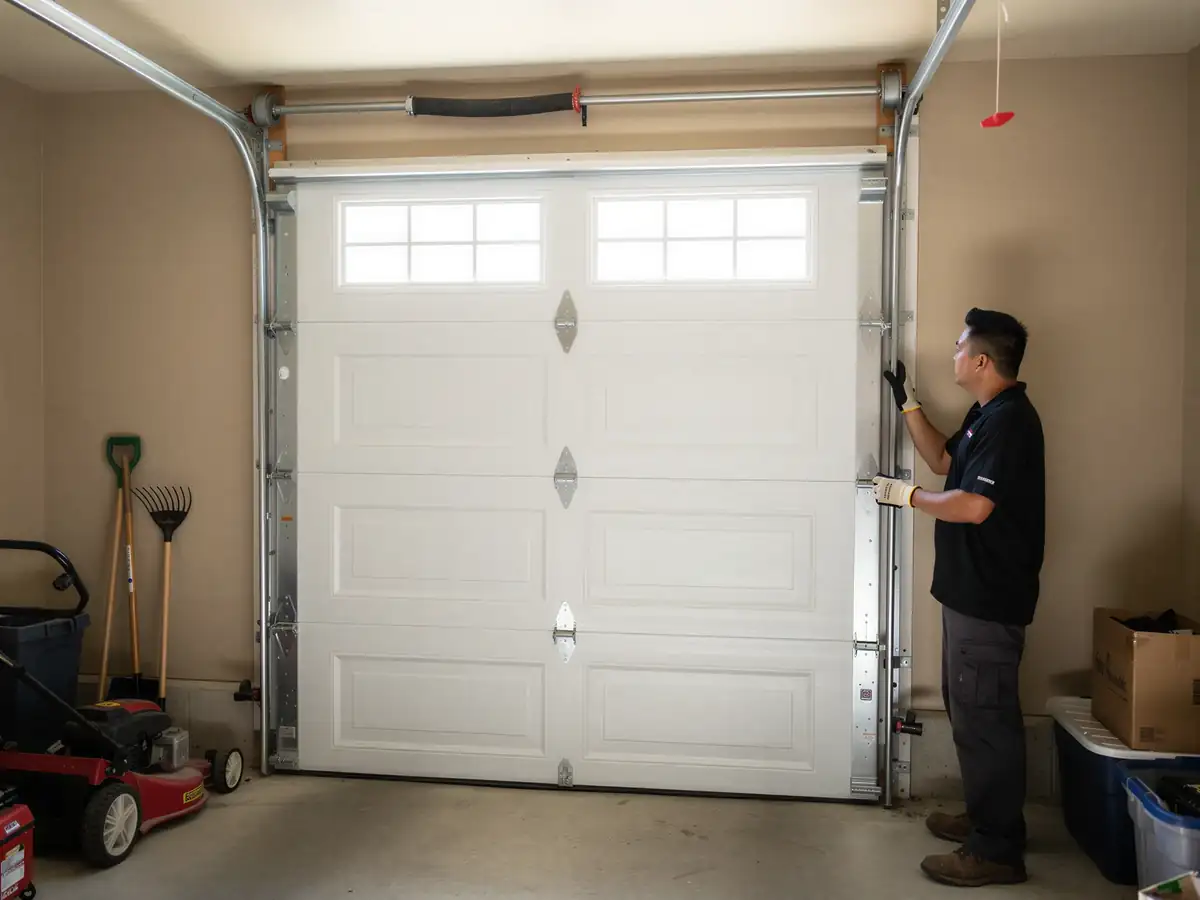
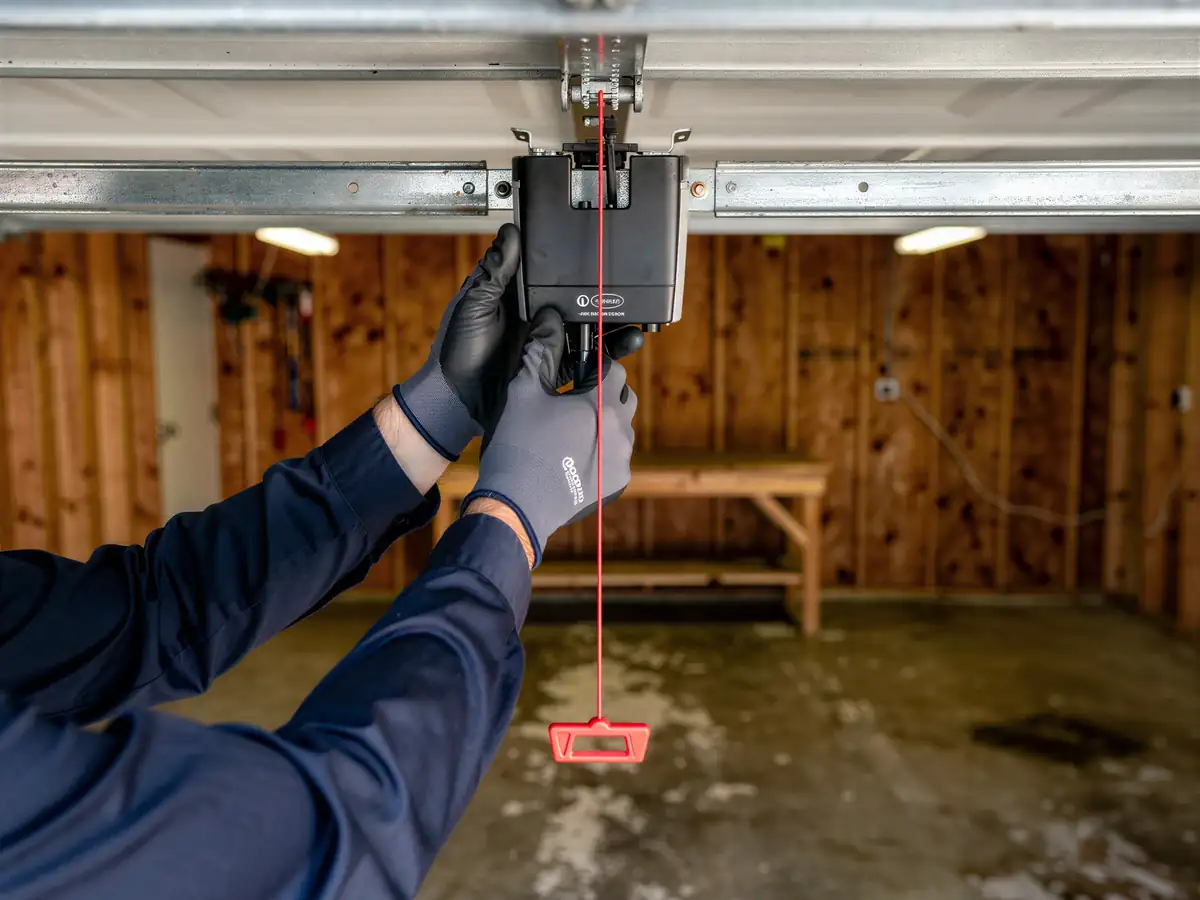
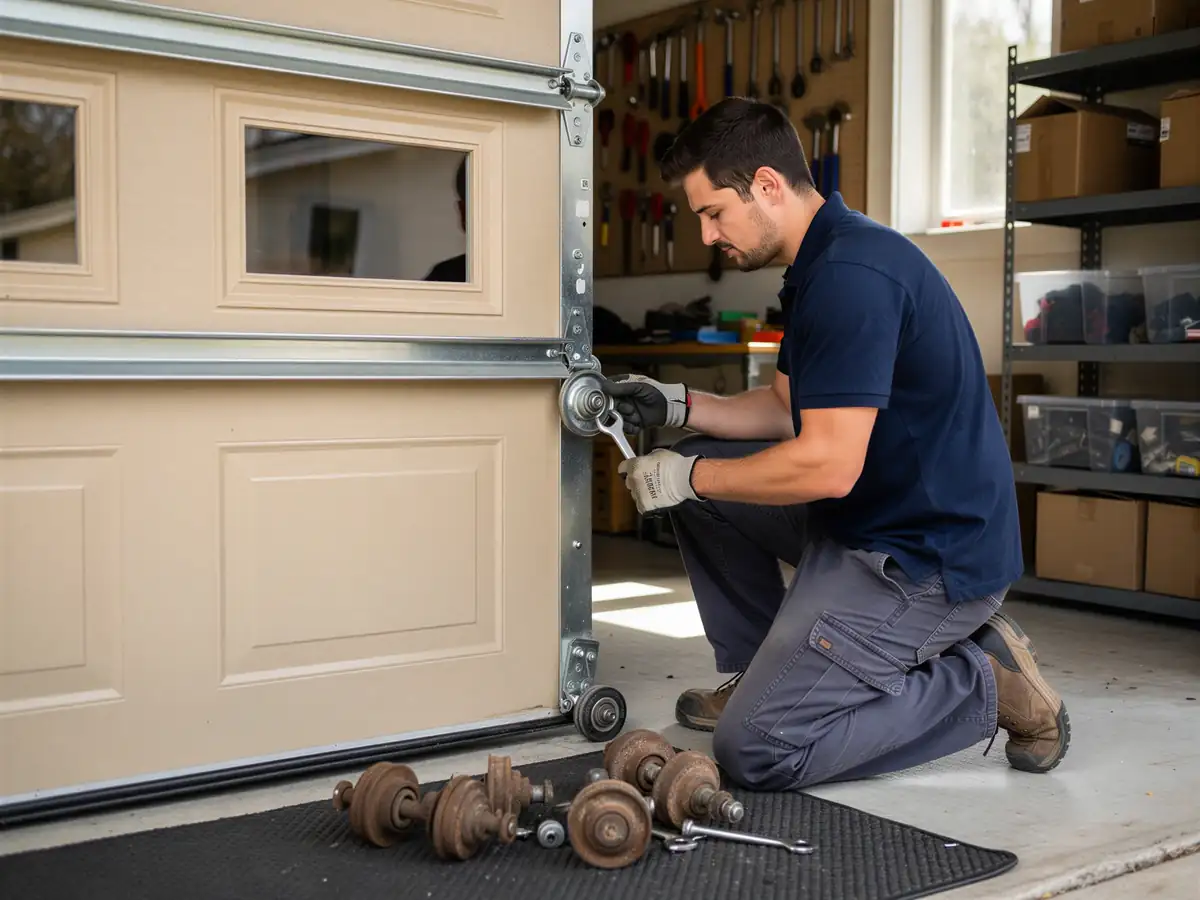
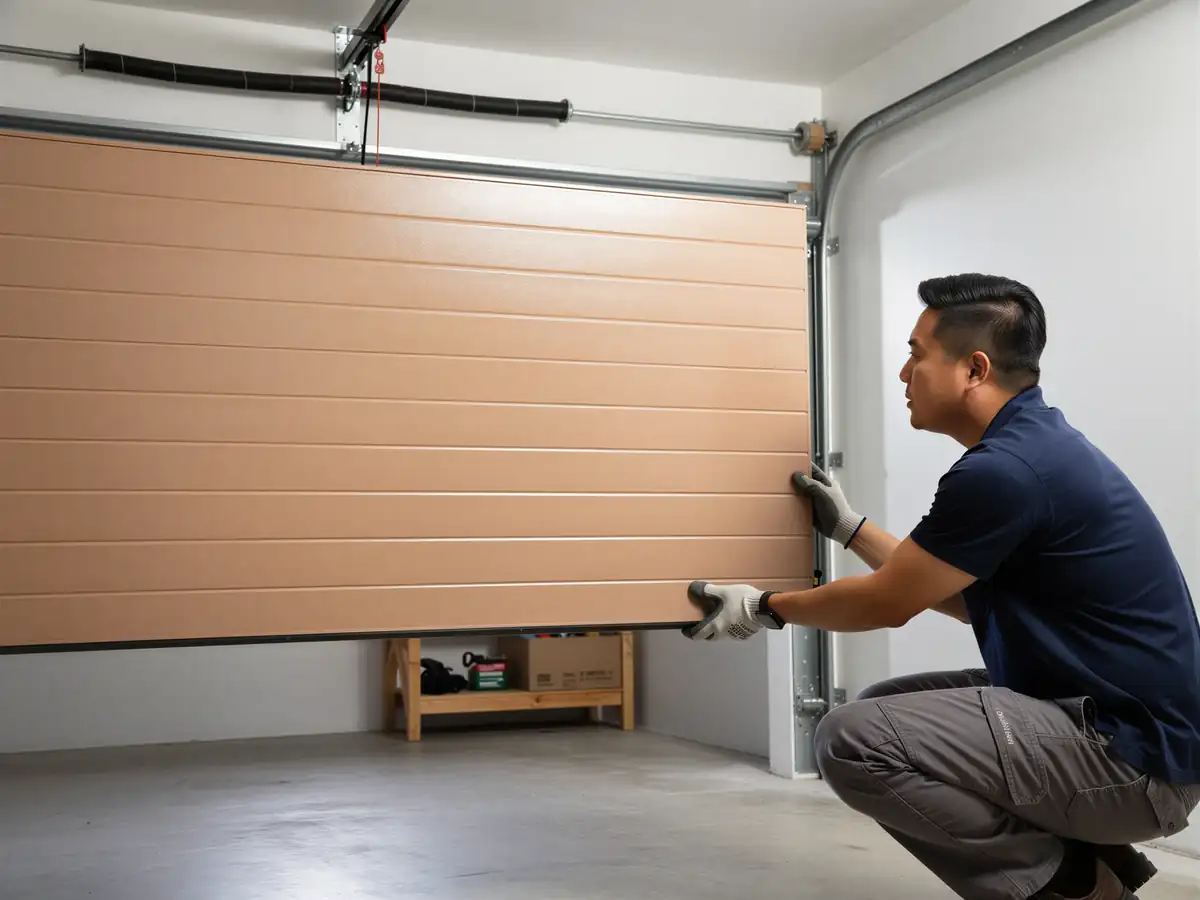
First thing on site, the tech checks whether the door is a torsion or extension spring system, since that changes the repair entirely and it's not always obvious from the garage floor. On the 1990s-and-newer stock common in Lockport, that's almost always torsion springs mounted above the opening, so the fix is: unwind the old spring with winding bars, pull the broken halves off the shaft, slide on the matched replacement, wind it to the door's actual weight rather than a generic setting, and cycle the door by hand before touching the opener. If the complaint is a door that won't move at all, we check the opener's logic board and safety sensors before assuming a spring problem - a tripped sensor or a dead capacitor looks like a broken spring from the homeowner's side of things but isn't. Track issues get a different approach: loosen the brackets, re-square the rail, re-tighten, and test under full cycles, not just one open-close. We don't force a bent panel back into shape if the steel's creased past a certain point - at that stage, replacing the panel costs less in the long run than fighting a door that'll bind again in a month.