Stocked Parts
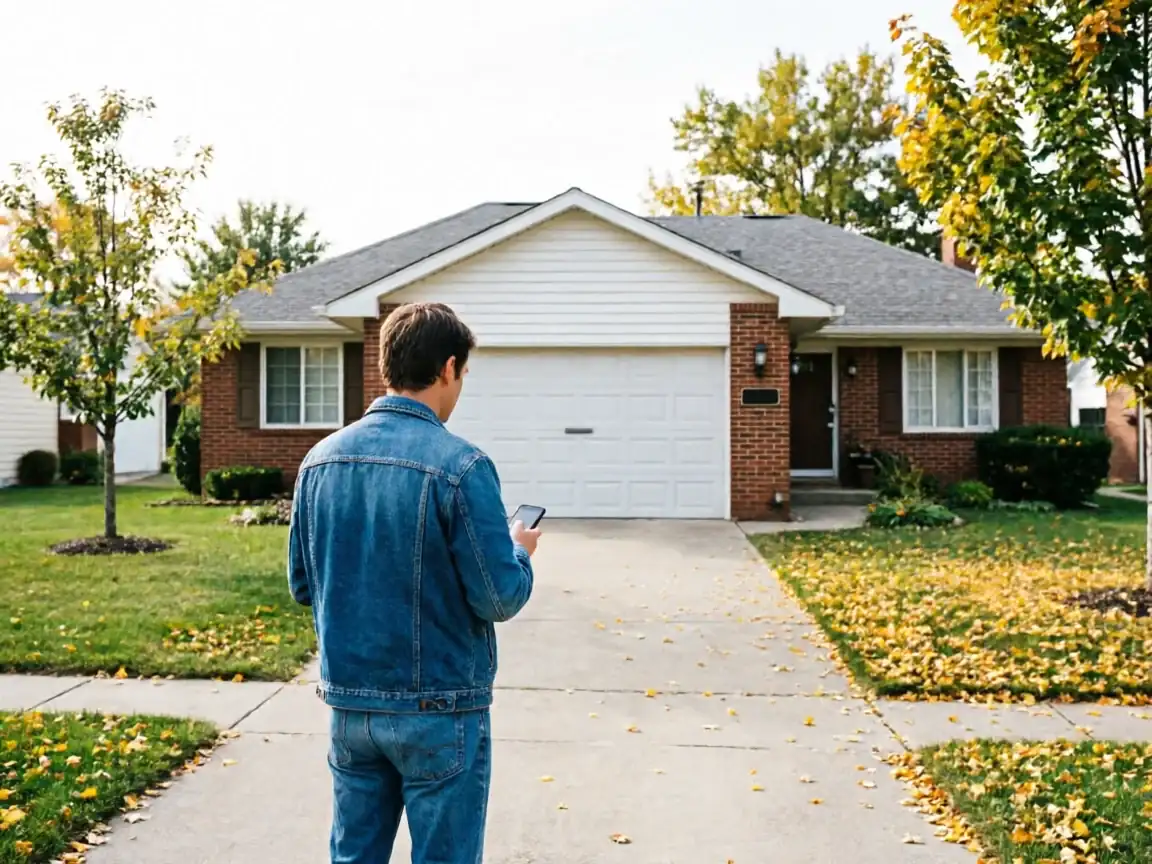
Lockport's housing stock centers on a median build year of 1998, which puts most garage doors here right around 25 to 30 years old. That matters because a door from that era almost never has anything replaced on it besides maybe the opener remote. The springs, the track, the hinges, even the original rollers are usually still the factory parts, just worn down from two and a half decades of cycles.
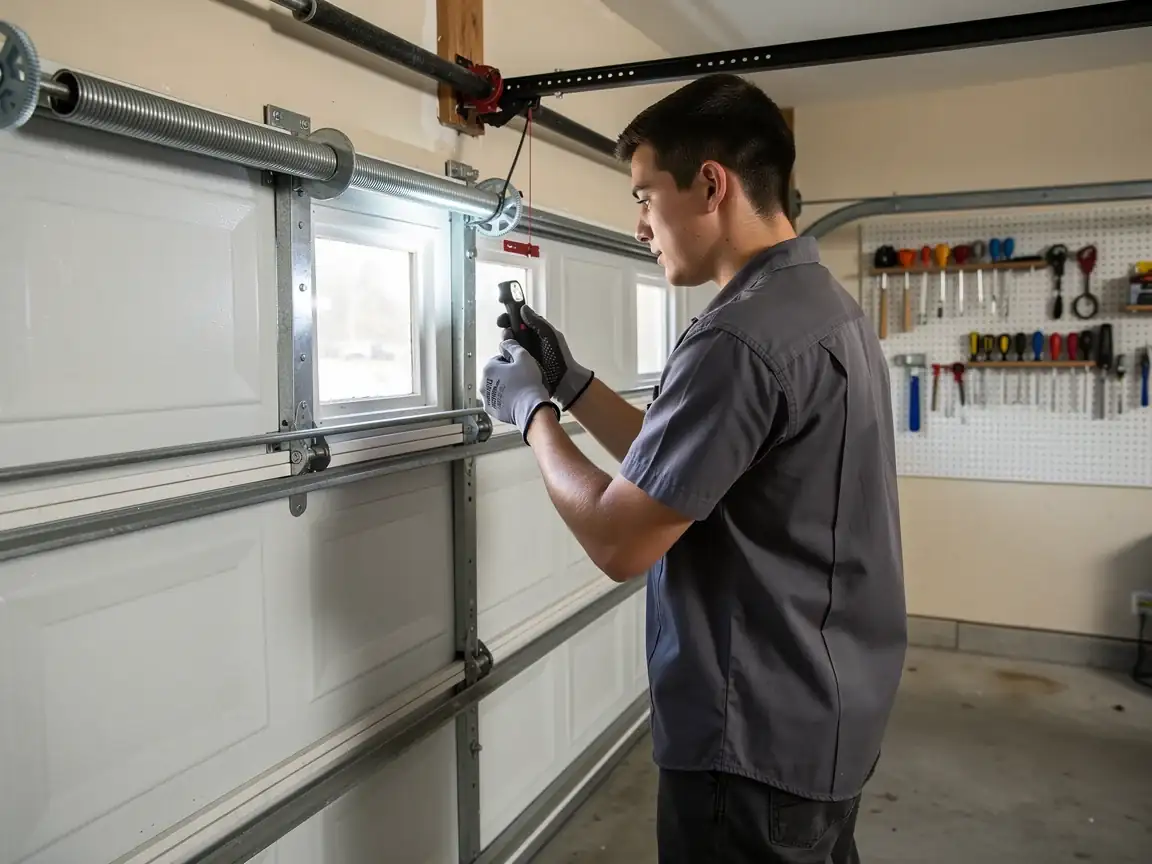
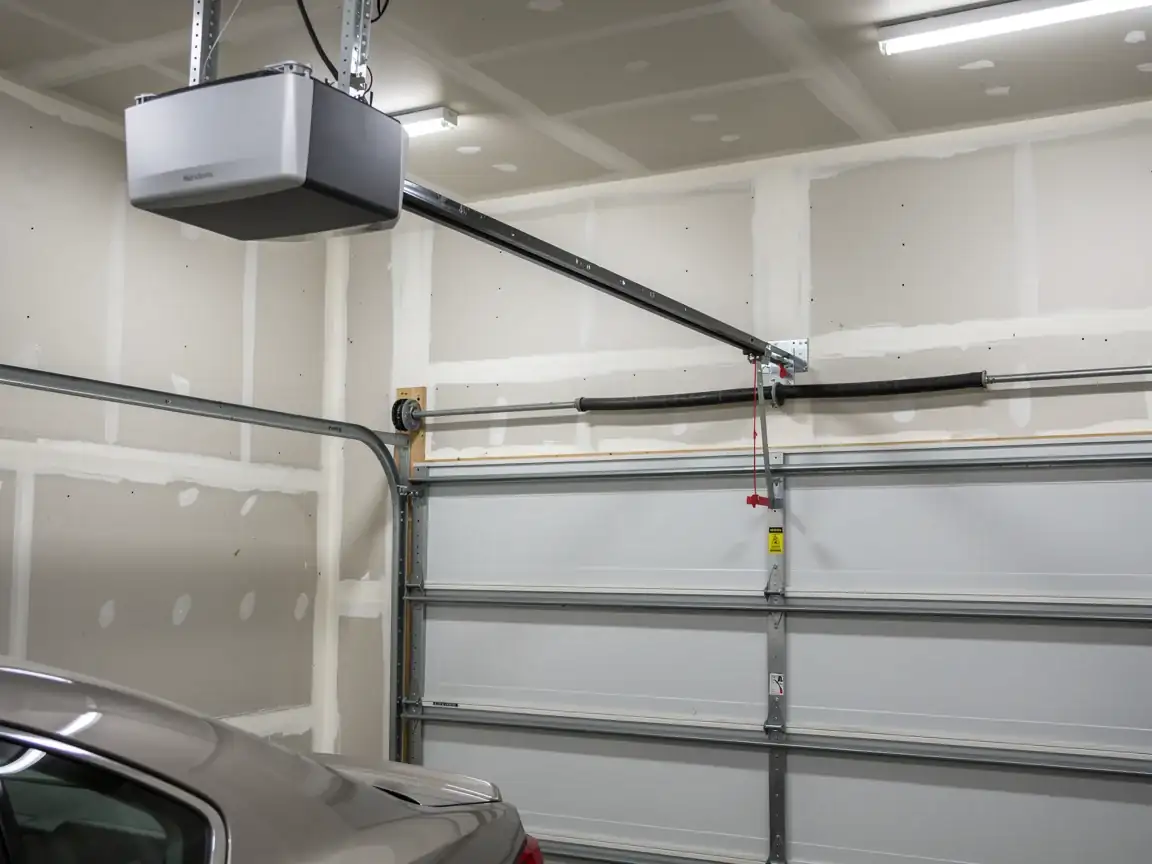
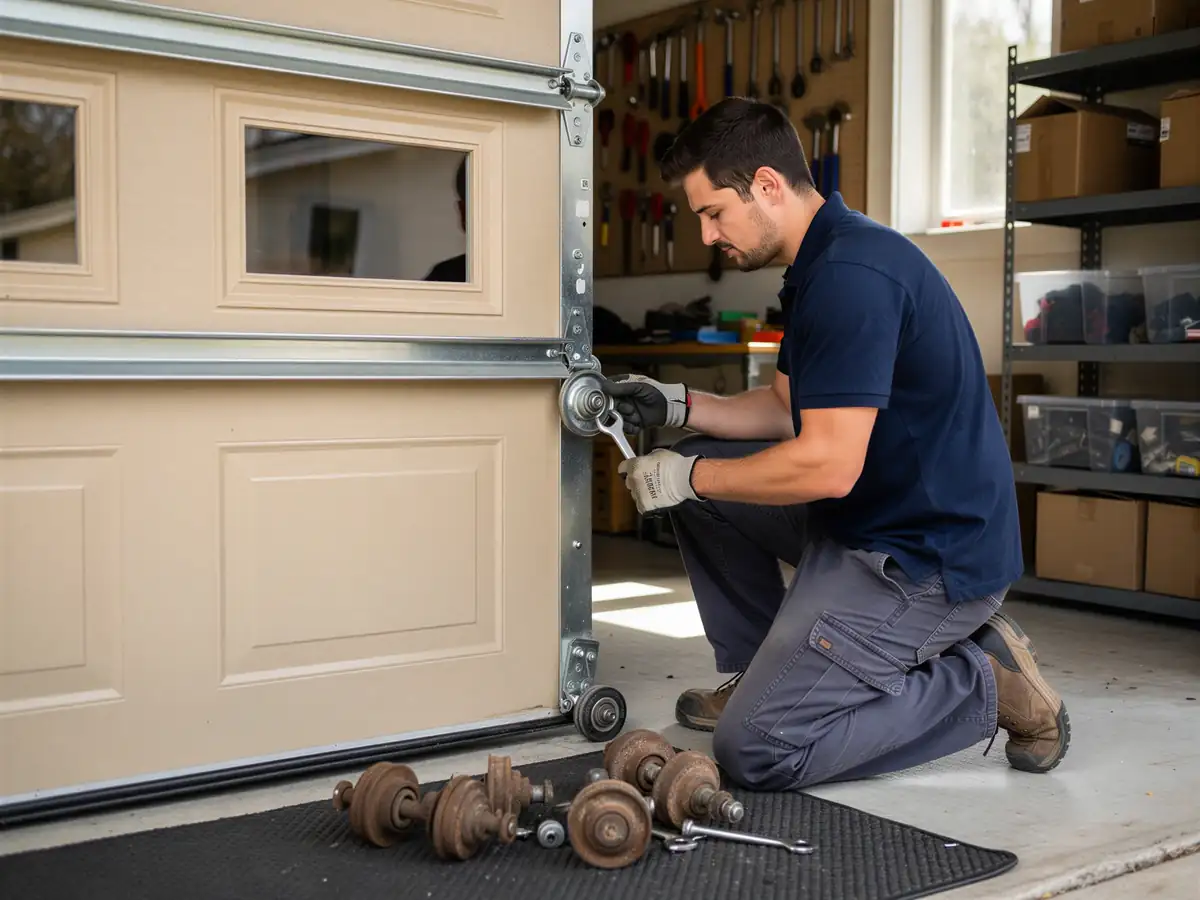
We carry torsion springs sized for the standard door openings common to this build period, along with galvanized track sections, nylon and steel rollers, and center and end hinges that match late-90s hardware patterns. Panel sections for the double and single-car openings typical of Lockport's subdivisions come off the truck in standard widths, so a full door swap doesn't usually mean a special order. Where it does slow things down is custom widths or unusual header clearances, which some of these homes have depending on how the garage was framed. Those we order in, and that's the one piece of this job that isn't same-day no matter where you're starting from.
We stage parts out of Joliet, eight miles away, and bring what a 1998-era door typically needs on the first trip.
How to Book
Booking a new install in Lockport starts the same way it does anywhere we cover from Joliet
You tell us the door size, the opening, and whether you're replacing a failed door or doing a planned upgrade. Because we run out of Joliet rather than keeping a branch in Lockport, we schedule installs around the route for that day, so give us a call with your address and we'll work out timing.
If you're not sure yet whether you need a repair or a full replacement
That's a fair question to bring to the call too. A lot of the doors we see in this area are original to a late-90s build, and at that age, a bent track or a cracked panel is often a sign the rest of the door isn't far behind.
You can see the areas we cover near Lockport
Including the neighboring towns on our route, or get a broader look at how we handle installs out of Joliet before you book.
What You Pay
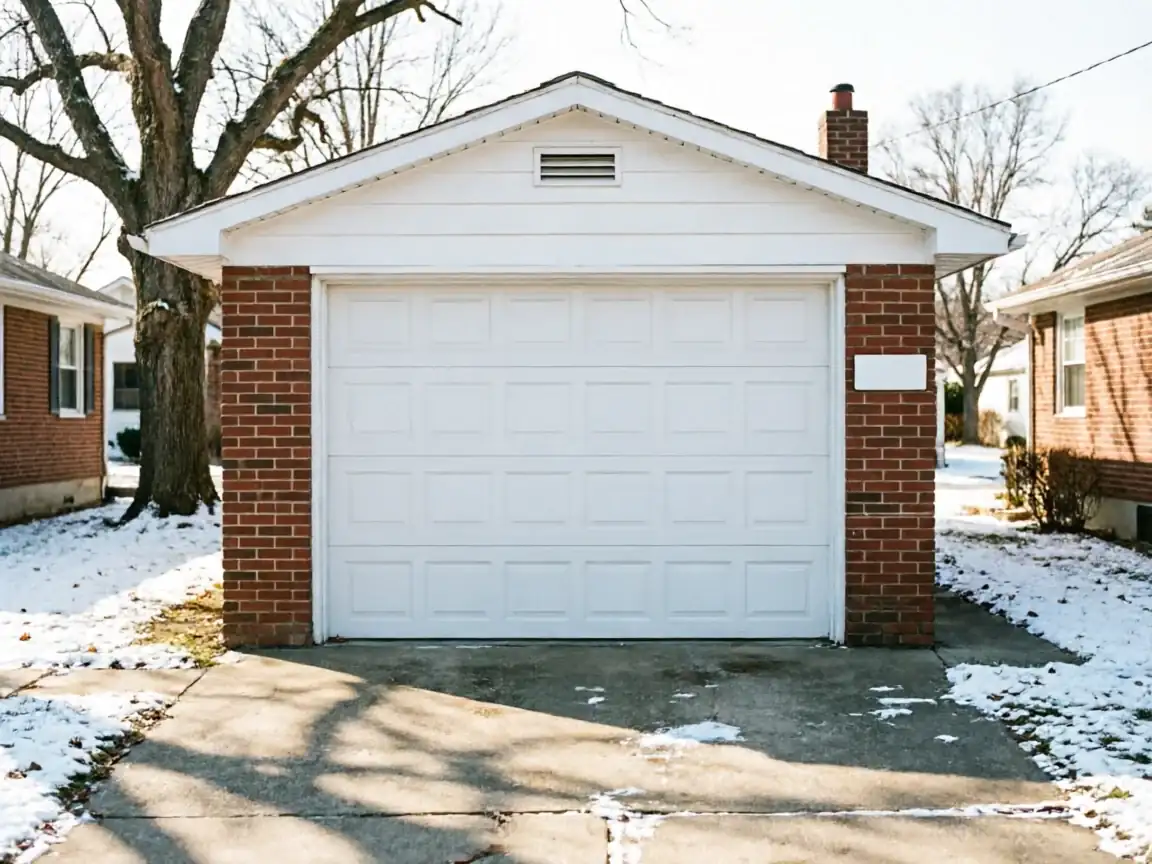
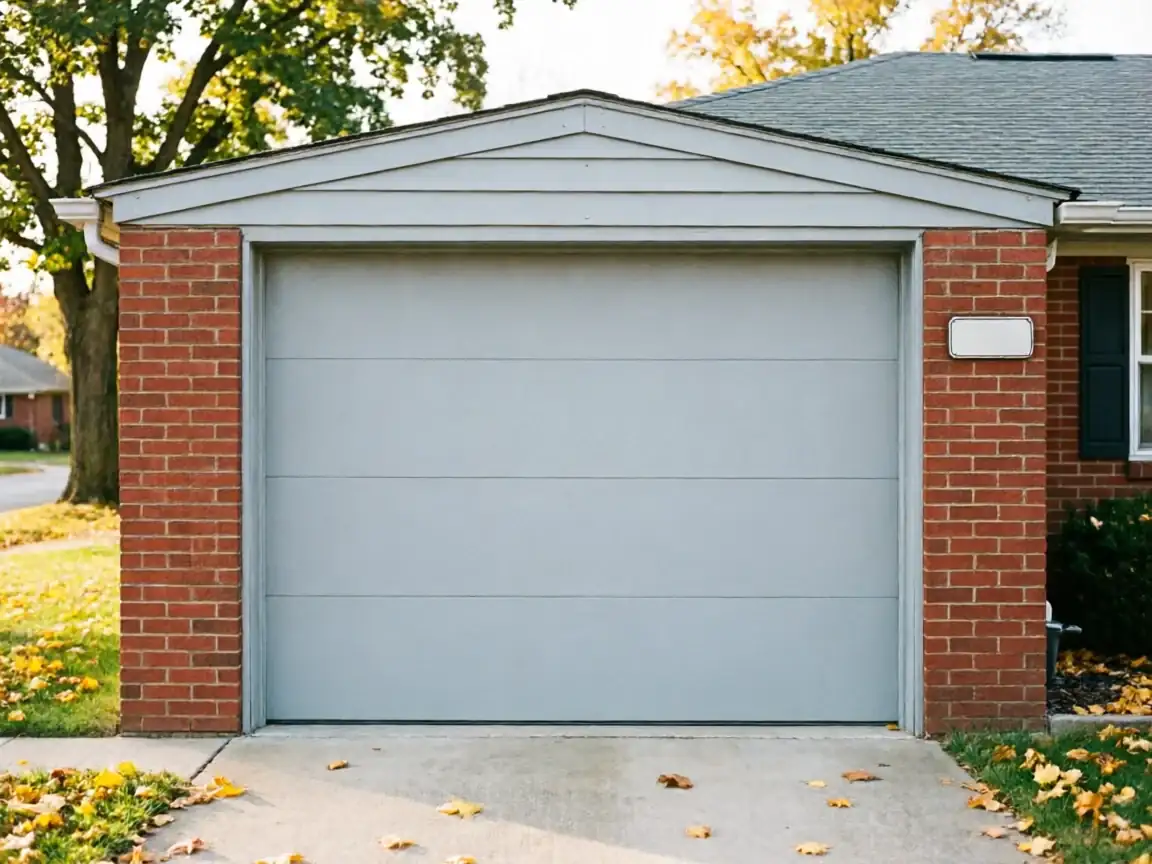
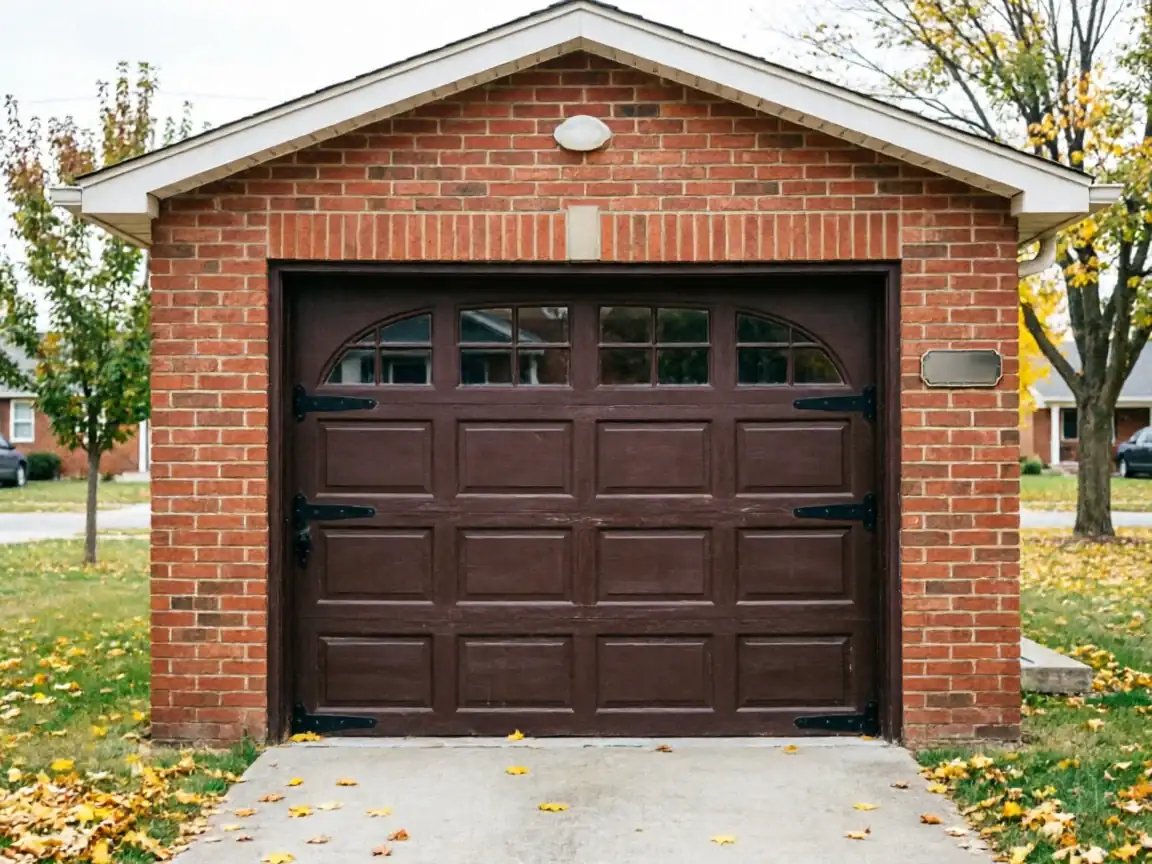
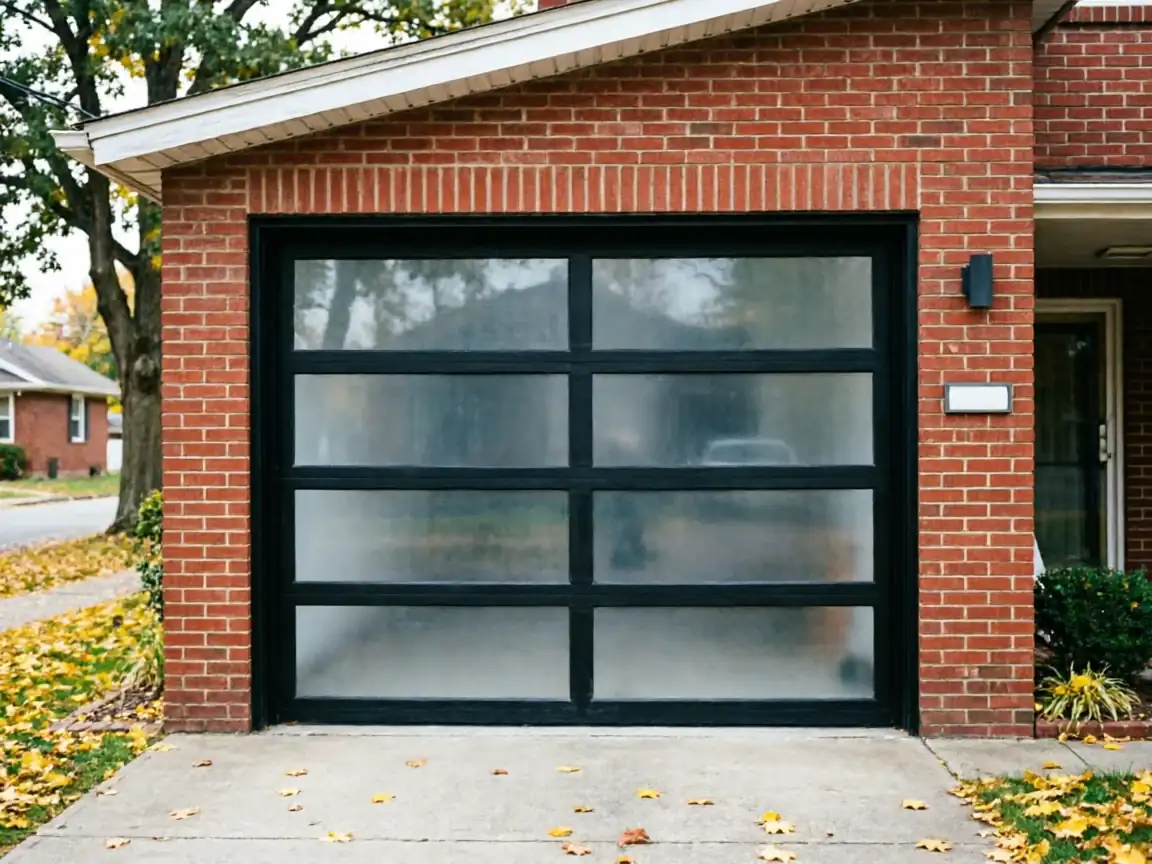
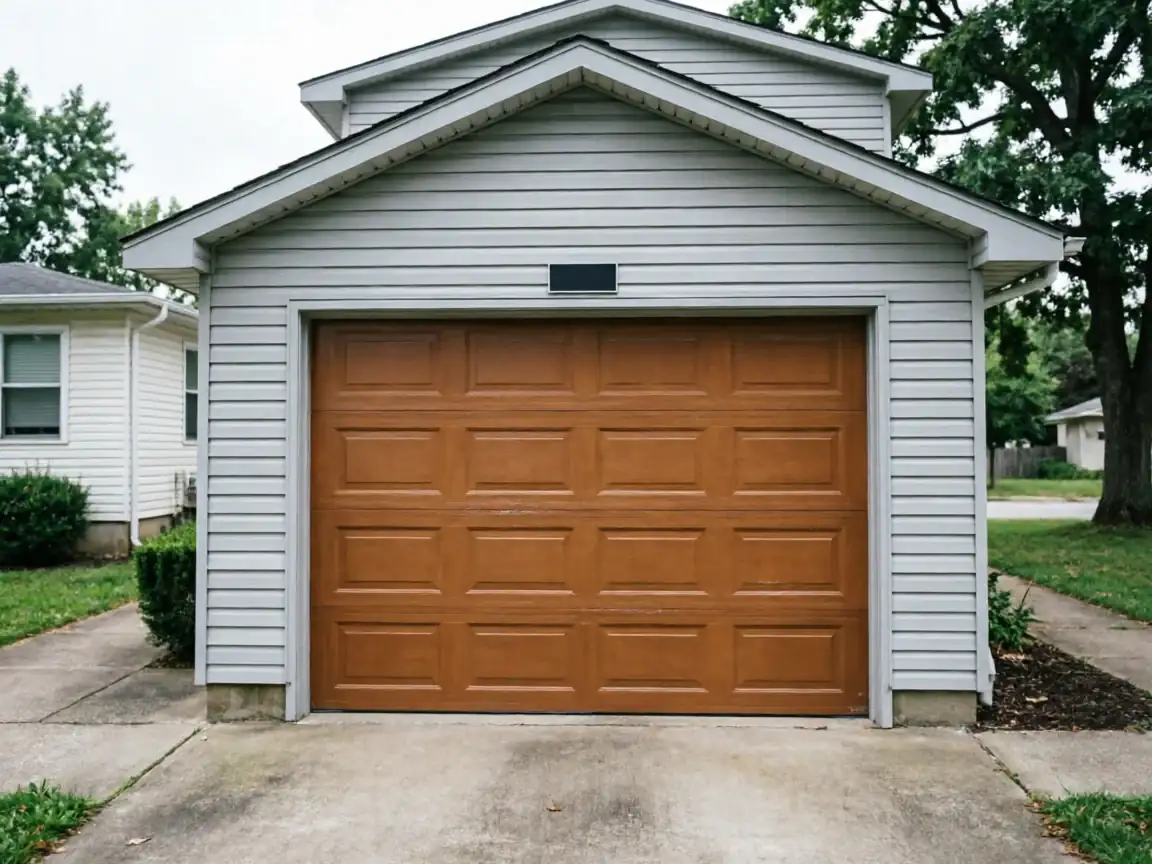
We don't post a flat price here because the cost of a new door depends on size, insulation, window options, and whether the opener needs replacing too. What we can tell you is what tends to drive the decision in Lockport specifically. Median household income in Lockport runs about $113,252, higher than the roughly $109,064 median across the wider area we serve from Joliet. In practice, that shows up in the mix of doors homeowners choose here: more requests for insulated steel doors with a higher R-value and more upgrades to windowed or carriage-style panels, rather than the plain single-layer door that was standard when these houses were built.
The honest trade-off is that those upgrades cost more up front. A basic non-insulated steel door is the cheapest way to replace a failed one, and for a detached garage that doesn't share a wall with living space, it's sometimes the right call. For an attached garage, especially with a bedroom or living area above it, the insulated option earns its keep over a winter, not instantly.
How We Fix It
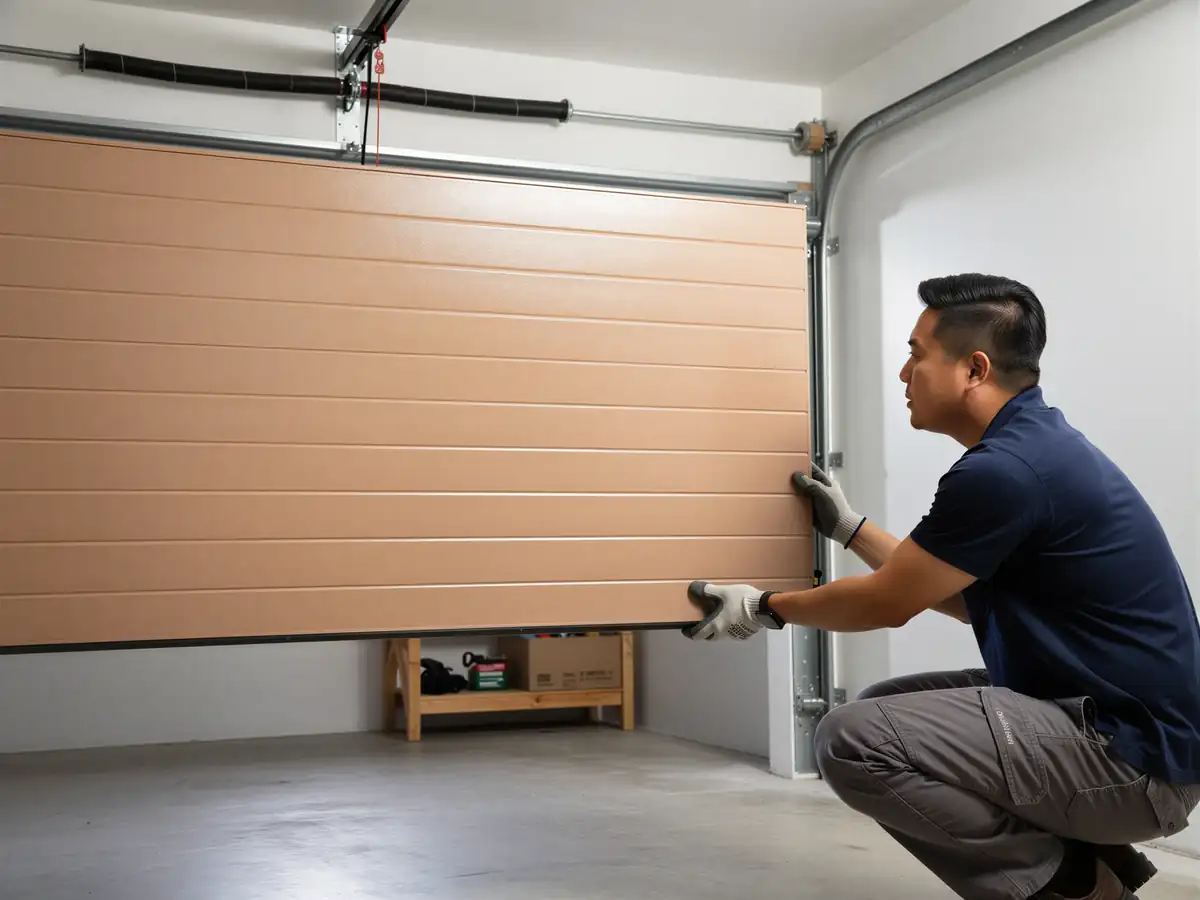
A new install starts with pulling the old door off its track and checking what's underneath - the jamb, the header, and the condition of the opening itself. On a house built around 1998, the wood framing around the opening has usually held up fine; what's often sagging or rusted is the track hardware and the spring anchor bracket, both original to the house and never touched since.
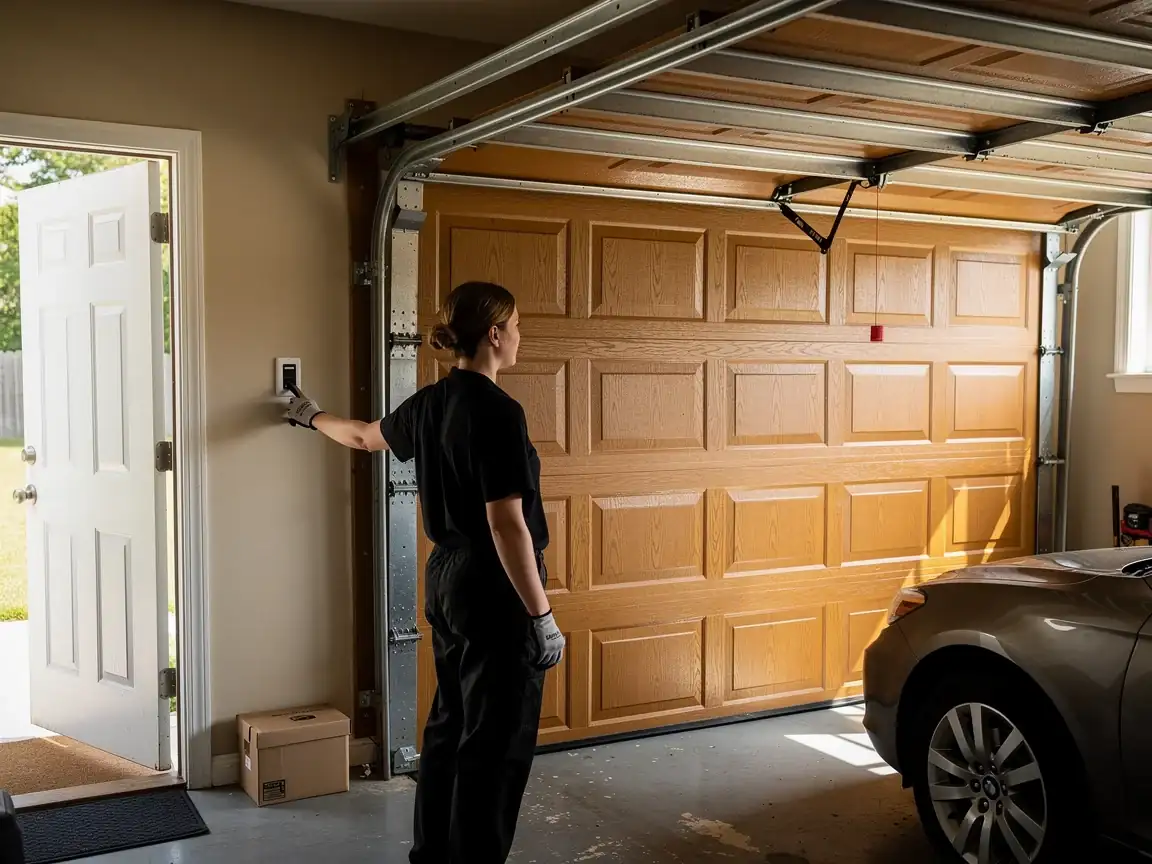
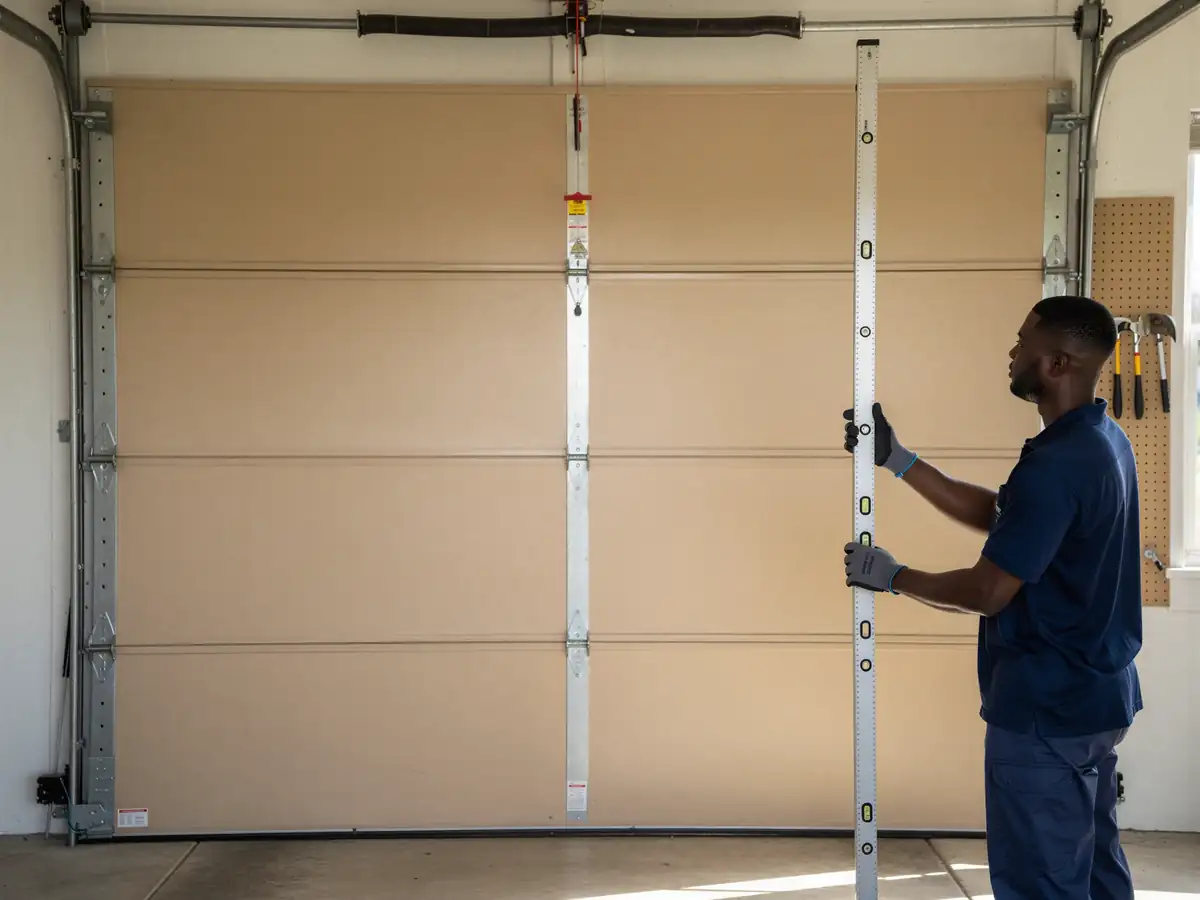
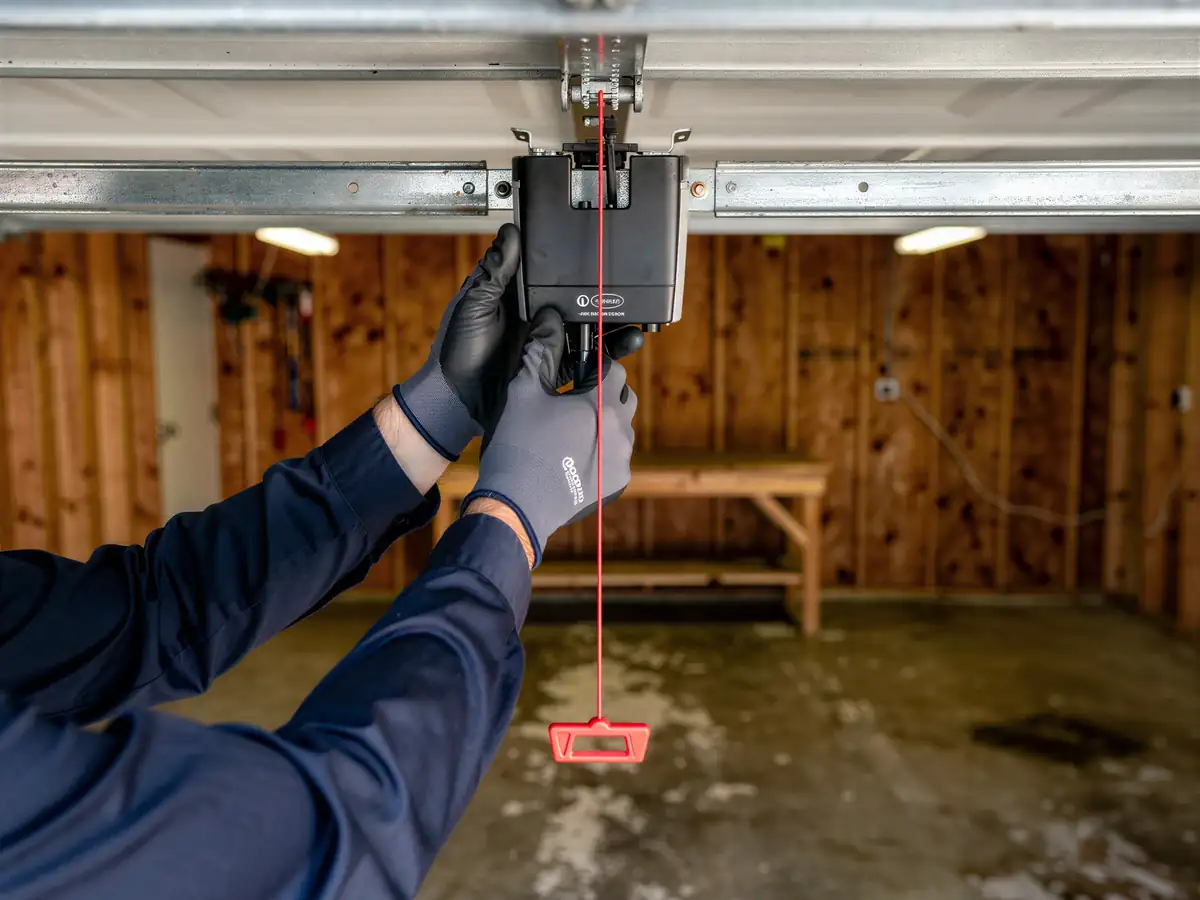
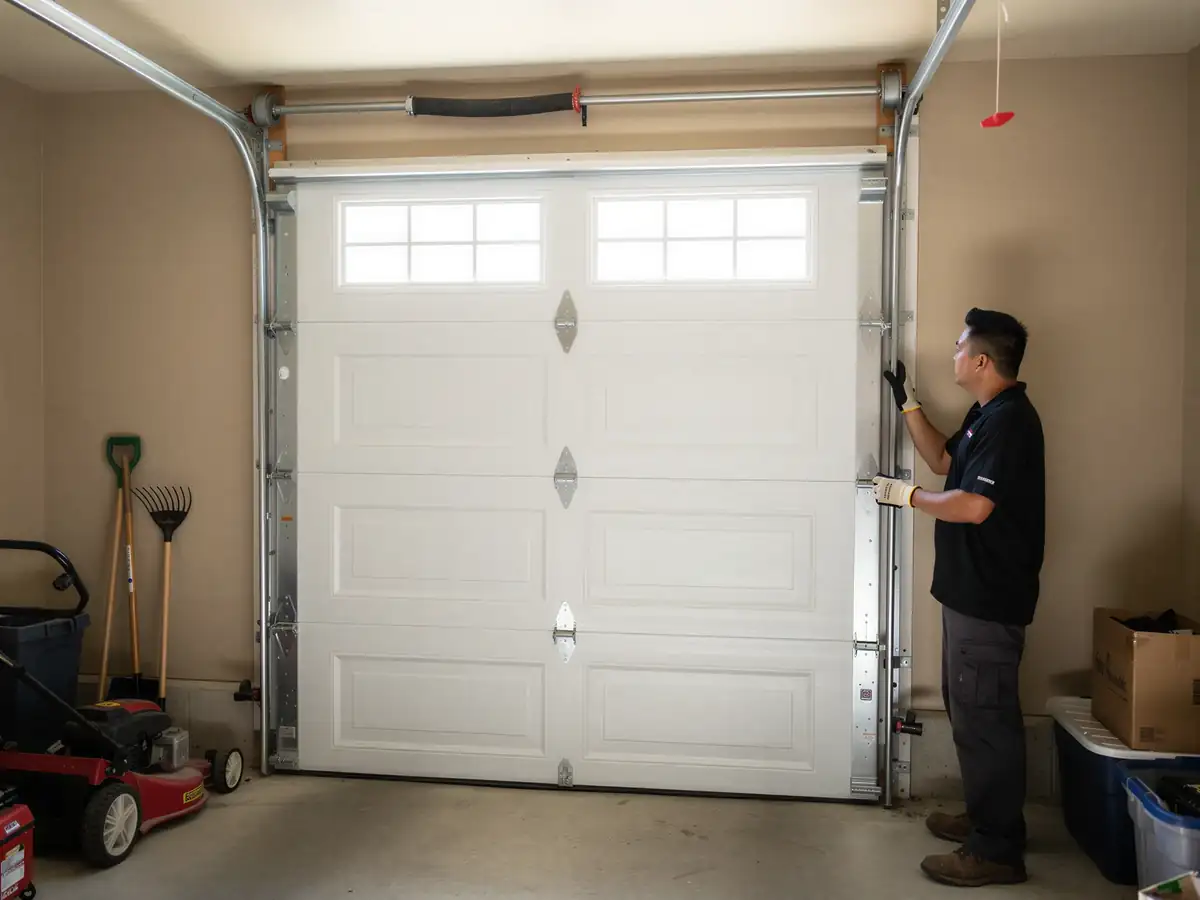
We set new track plumb to the opening, mount new torsion springs sized to the door's weight rather than reusing the old spring's rating, and hang the panel sections square before connecting the opener if one's being replaced at the same time. Balance testing comes last - disconnecting the opener and checking the door holds position partway up, which tells you the springs are doing their job rather than the motor straining to compensate.
Where older homes throw a curveball is uneven settling over 25+ years, which can leave an opening slightly out of square. We shim and adjust for that on site rather than forcing a door into an opening that's moved since 1998.
The DIY Question
Swapping door panels is within reach for someone comfortable with tools
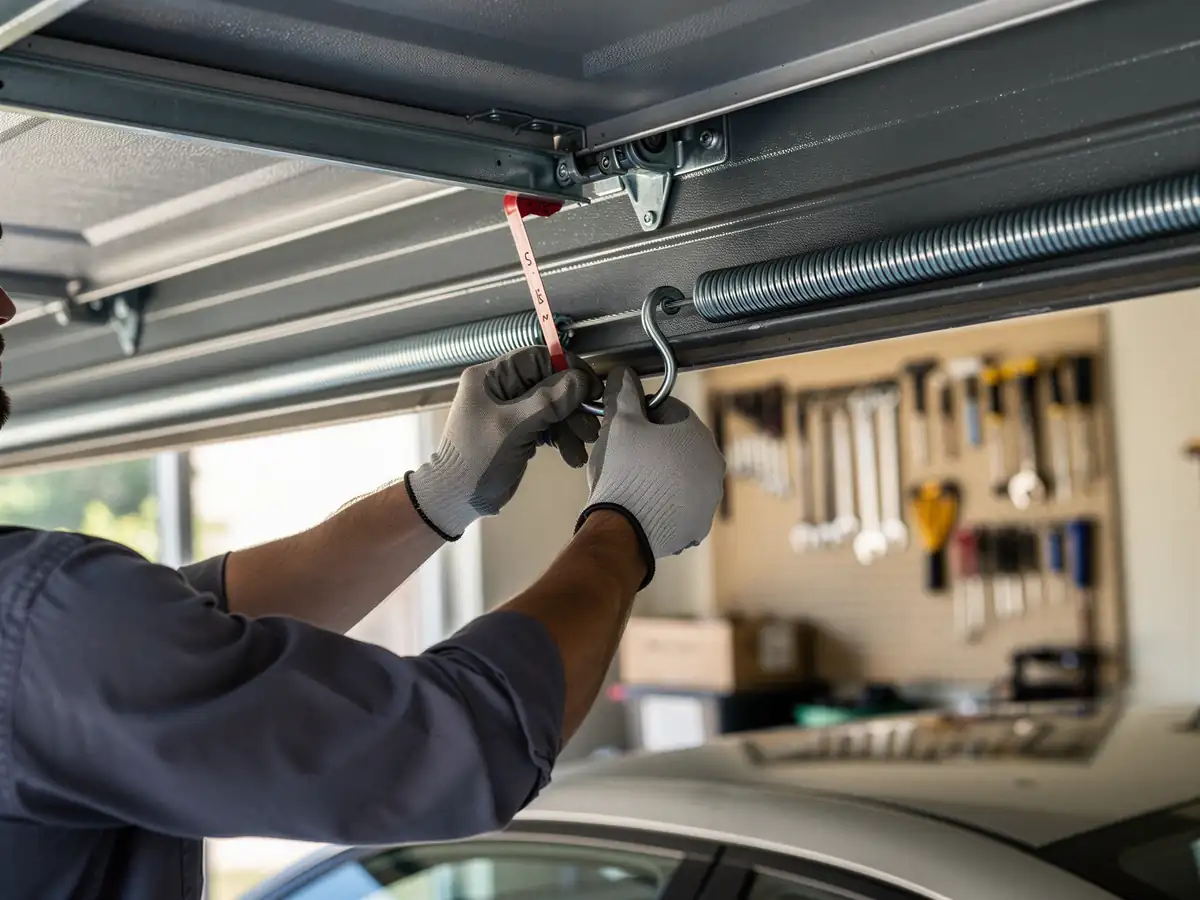
Torsion springs are not - they store enough force to cause serious injury, and the winding bars and clamping technique aren't something to learn on your own garage. If your door is original to a 1998 build, the spring is pushing or past its expected cycle life regardless of whether it's shown problems yet, and that's exactly the part we'd tell you not to touch yourself.
Where DIY makes more sense is cosmetic
Weatherstripping, lubricating hinges and rollers, tightening loose hardware. None of that requires touching a wound spring or disconnecting cable under tension.
One limitation worth saying plainly
If your opening has settled out of square or the header needs structural work beyond shimming, that's a carpentry job before it's a garage door job, and we'll tell you that rather than forcing a door in that won't sit right.